
The Siege of Ninomiya: A Strategic Masterclass in Feudal Warfare

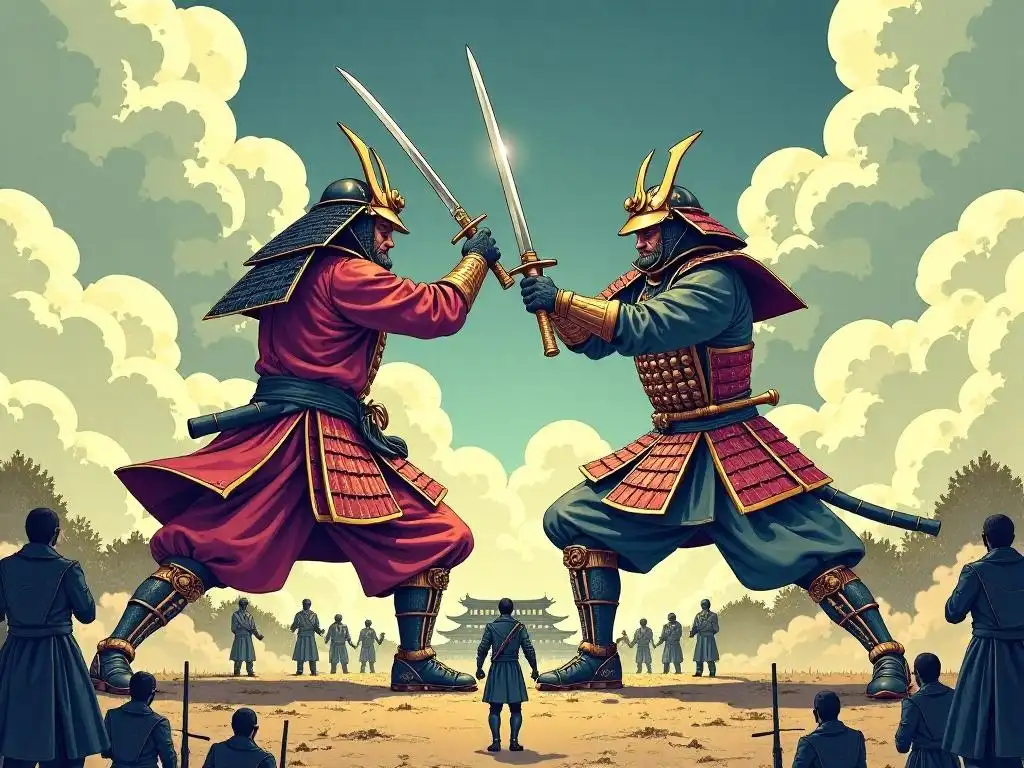
Welcome to Feudal Japan History, where we invite you to embark on a fascinating journey through the intricate tapestry of Japan's feudal era. Delve into the strategic genius of age-old conflicts as we uncover the secrets behind "Feudal warfare strategies in Japan." In our featured article, "The Siege of Ninomiya: A Strategic Masterclass in Feudal Warfare," you’ll discover the tactical innovations and battlefield maneuvers that shaped the course of history. Prepare to be captivated by tales of valor and cunning—your exploration of this compelling chapter in military history begins now!
- Introduction to the Siege of Ninomiya
- Historical Context of the Siege of Ninomiya
- Detailed Analysis of Feudal Warfare Strategies in Japan
- The Siege: A Chronological Breakdown
- Impact of the Siege on Feudal Warfare Strategies
- Cultural and Societal Implications of the Siege
- The Aftermath of the Siege of Ninomiya
- Conclusion: The Siege of Ninomiya as a Masterclass in Strategy
- Frequently Asked Questions
- Final Reflection: The Enduring Lessons of Feudal Warfare Strategies in Japan
- Unleash Your Inner Strategist Today!
Introduction to the Siege of Ninomiya
The Siege of Ninomiya stands as a pivotal event in the annals of feudal Japan, showcasing the intricate dance of strategy, power, and warfare that defined this era. Spanning from the 12th to the 16th centuries, Japan's feudal period was marked by intense rivalries among clans, leading to a rich tapestry of military engagements that shaped the nation's history. This article delves into the specifics of the Siege of Ninomiya, shedding light on its strategic significance and the broader context of feudal warfare strategies in Japan.
Understanding this siege requires a grasp of the various tactics employed by samurai and their lords, who mastered the art of war through a combination of discipline, cunning, and an intimate knowledge of the terrain. The Siege of Ninomiya serves not only as a case study of military tactics but also as a reflection of the socio-political landscape of feudal Japan, where alliances and enmities could shift the balance of power overnight.
Overview of Feudal Warfare in Japan
Feudal warfare in Japan was characterized by a unique blend of traditional martial practices and evolving military strategies. Central to this era were the samurai, the warrior class who upheld the Bushido code, emphasizing loyalty, honor, and combat prowess. The conflicts during this time often revolved around territorial disputes, clan rivalries, and the quest for supremacy among the daimyō (feudal lords).
Key elements of feudal warfare included:
- Siege Warfare: As exemplified by the Siege of Ninomiya, sieges were a common tactic used by armies to capture fortified positions. Techniques involved surrounding the enemy, cutting off supplies, and psychological warfare.
- Cavalry and Infantry Tactics: The samurai were renowned for their skills in mounted combat, but effective infantry formations also played a crucial role in battles. The combination of these forces was essential for victory.
- Use of Terrain: Commanders often leveraged the natural landscape to their advantage. Knowledge of local geography could be the deciding factor in whether a siege would succeed or fail.
Throughout the feudal era, these strategies evolved, influenced by factors such as technological advancements, shifts in political power, and the changing nature of warfare itself. The Siege of Ninomiya is a prime example of how these elements coalesced into a masterclass of military strategy.
Importance of the Siege in Military History
The Siege of Ninomiya is not merely a historical event; it represents a critical juncture in the evolution of military tactics in Japan. Analyzing this siege allows historians and military enthusiasts to gain insights into the mindset and methodologies of feudal Japan's warriors.
Some reasons why the Siege of Ninomiya holds a significant place in military history include:
- Strategic Lessons: The siege illustrated the importance of preparation, intelligence gathering, and the role of strategic deception in warfare. The tactics employed here have been studied and emulated in various military contexts throughout history.
- Cultural Impact: The events of the siege resonate within Japanese culture, influencing literature, art, and the perception of honor and valor among the samurai.
- Legacy of Leadership: The commanders involved in the siege became notable figures, their decisions and actions studied as exemplary cases in military academies.
The Siege of Ninomiya encapsulates the essence of feudal warfare strategies in Japan, providing a lens through which to examine the complexities of military history and the enduring legacy of the samurai. Through this exploration, we can better understand not only the intricacies of warfare but also the broader cultural and societal dynamics that shaped Japan during this transformative period.
Historical Context of the Siege of Ninomiya
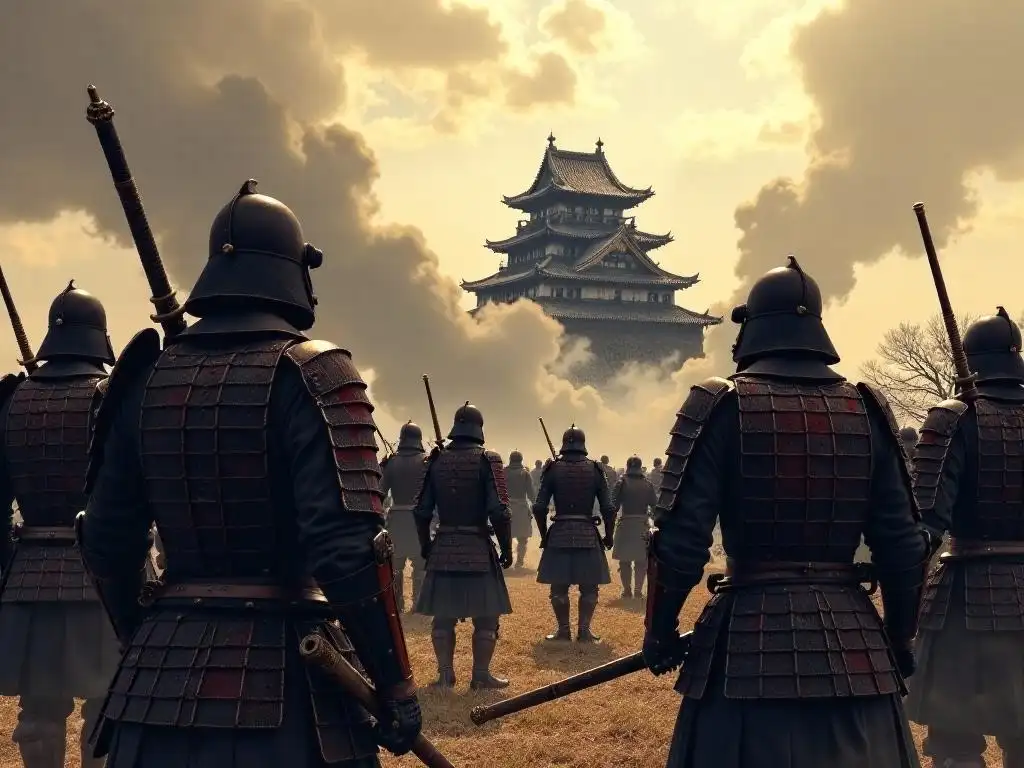
Background of the Feudal Era in Japan
The Siege of Ninomiya, occurring during the tumultuous period of Japan's feudal era, exemplifies the intricate dynamics of power, warfare, and social structure that characterized this epoch. The feudal era, spanning from the late 12th century to the mid-19th century, was marked by decentralized political power, where local lords (daimyōs) wielded significant control over their territories. This system was underpinned by a rigid hierarchy involving the emperor, shoguns, and samurai, creating a complex web of allegiance and rivalry.
During this period, the concept of bushido, or the "way of the warrior," was deeply ingrained in the samurai class, influencing not only military strategies but also cultural and ethical standards. The samurai were not merely warriors; they were also landholders, administrators, and cultural custodians. This dual role shaped their approach to warfare, integrating not just brute force but also strategy, honor, and loyalty.
The geopolitical landscape of feudal Japan was characterized by constant conflicts among rival clans. The power struggles among these clans often led to protracted sieges and battles, with the Siege of Ninomiya being a salient example. The siege reflected not only military tactics but also the societal implications of warfare, including the devastation of agricultural lands, shifts in population, and the psychological impact on local communities.
Key Players in the Siege: Clans and Leaders
The Siege of Ninomiya featured prominent clans and leaders that played pivotal roles in the conflict. On one side, the Uesugi clan, known for their military prowess and strategic acumen, sought to expand their influence over the region. The clan was led by the formidable Uesugi Kenshin, a renowned samurai leader who was often regarded as a paragon of martial skill and chivalry. Kenshin's leadership was characterized by his tactical innovations and a deep understanding of the psychological elements of warfare.
Opposing them were the Takeda clan, led by Takeda Shingen, another legendary figure in Japanese military history. Shingen was known for his expertise in cavalry tactics and innovative battlefield strategies, which often gave him an edge in confrontations. The rivalry between the Uesugi and Takeda clans was legendary, culminating in several key battles throughout the feudal era.
The strategies employed by both clans during the Siege of Ninomiya were reflective of their broader military doctrines. The Uesugi were known for their defensive tactics, utilizing terrain to their advantage, while the Takeda focused on swift, aggressive maneuvers. This clash of strategies not only shaped the outcome of the siege but also influenced the evolution of feudal warfare in Japan.
Geographic Significance of Ninomiya
Ninomiya's geographic location played a crucial role in the dynamics of the siege, serving as a strategic crossroads that connected important trade routes and military passages. Situated in a valley surrounded by mountains, the town was naturally fortified, providing defenders with significant advantages against attackers. The surrounding terrain offered numerous opportunities for ambush and guerrilla tactics, which were commonplace in feudal warfare.
The rivers and hills around Ninomiya also shaped the strategies employed by both clans. For instance, the Uesugi utilized the natural barriers to create strong defensive positions, while the Takeda aimed to leverage their superior cavalry to outmaneuver the defenders. This interplay between geography and military strategy highlights the importance of environmental factors in the planning and execution of feudal warfare strategies in Japan.
Moreover, control over Ninomiya had broader implications for regional dominance. Securing this town meant not only the acquisition of resources but also a strategic foothold for further military campaigns in the region. Thus, the Siege of Ninomiya was not merely a battle for territory; it was a pivotal moment in the ongoing struggle for power among Japan's feudal lords, reflecting the intricate relationship between geography and warfare in this era.
Detailed Analysis of Feudal Warfare Strategies in Japan

Overview of Feudal Warfare Strategies
Feudal warfare in Japan, particularly during the Sengoku period (1467-1603), was characterized by a unique blend of strategy, tactics, and cultural elements. The strategies employed were often dictated by the terrain, the nature of the conflict, and the social structure of the time. Here’s a detailed breakdown of the key elements that defined feudal warfare strategies in Japan:
- Clan-Based Warfare:
- Warfare was primarily conducted between rival clans, each led by a daimyo (feudal lord). Loyalty and honor were central to these conflicts, often leading to prolonged battles over territory and resources.
- Alliances were crucial, with marriages and treaties forming strategic partnerships that could shift the balance of power rapidly.
- Use of Terrain:
- Japanese landscapes, featuring mountains, forests, and rivers, heavily influenced battle tactics. Commanders utilized natural barriers for defense and ambush tactics.
- Guerrilla tactics became prevalent, leveraging the terrain for surprise attacks against larger forces.
- Cavalry and Infantry Dynamics:
- The composition of armies varied, with a mix of samurai cavalry and ashigaru (foot soldiers). The samurai were highly trained and well-equipped, while the ashigaru provided numbers and could be mobilized quickly.
- Combined arms tactics were common, integrating archers and spearmen to create a cohesive fighting force.
- Psychological Warfare:
- Intimidation played a significant role, with the reputation of a clan often impacting the morale of the enemy. The use of banners, war cries, and elaborate armor served to bolster the psychological aspect of warfare.
- Deception was also a common strategy, including feigned retreats and misinformation to mislead opponents.
Tactical Innovations during the Siege
The Siege of Ninomiya exemplifies tactical innovations that emerged during feudal warfare. Several strategies were notable during this siege:
- Siege Warfare Techniques:
- Blockades and Starvation: The besieging forces often employed blockades to cut off supplies, forcing defenders to surrender due to starvation.
- Siege Engines: Innovations such as wooden towers and battering rams were utilized to breach fortifications, reflecting a shift towards more sophisticated siege tactics.
- Psychological Operations:
- The use of psychological tactics, including the display of captured enemies and the sounds of war drums, aimed to demoralize the defenders and induce surrender.
- Misinformation: Spreading false information about reinforcements or the strength of the besieging army was a common tactic to encourage panic among defenders.
- Coordination and Communication:
- Successful sieges depended on effective communication between units. Signals using flags and drums were employed to coordinate attacks and maneuvers, ensuring that all forces acted in unison.
- Information Gathering: Spies and scouts played a crucial role in providing intelligence on enemy movements and fortification weaknesses.
Role of Fortifications and Defense Mechanisms
Fortifications were vital in feudal warfare, serving as the backbone of defensive strategies. During the Siege of Ninomiya, various defensive mechanisms were observed:
- Castle Design:
- Japanese castles were constructed with multiple layers of defense, including moats, thick walls, and watchtowers. The design aimed to withstand prolonged sieges and repel attackers effectively.
- Keep Towers (Tenshu): These served not only as living quarters for the lord but also as a last line of defense, allowing defenders to survey the battlefield.
- Defensive Troops:
- A mix of samurai and ashigaru were stationed within fortifications. The samurai, with their superior training, were crucial in repelling assaults, while ashigaru could be mobilized quickly to plug breaches.
- Archers: Positioned on the walls, archers could rain arrows on attackers, providing a significant advantage during sieges.
- Counter-Siege Measures:
- Defenders employed counter-siege tactics, such as sortie attacks to disrupt the besieging forces and destroy siege engines.
- Supply Lines: Maintaining supply lines was critical for the defenders to ensure they could withstand a siege while planning counter-offensives.
The Siege of Ninomiya highlighted the complexities of feudal warfare strategies in Japan, showcasing a blend of innovative tactics, psychological warfare, and robust fortifications that defined the era. Understanding these elements provides a deeper insight into the military history of feudal Japan and its enduring impact on later periods.
The Siege: A Chronological Breakdown
The Siege of Ninomiya stands as a pivotal event in the annals of feudal Japan, illustrating the intricate strategies employed during warfare in this era. This section will provide a detailed chronological breakdown of the events leading up to the siege, the key battles and skirmishes that defined it, and the turning points that ultimately influenced its outcome.
Initial Movements and Strategic Positioning
The events leading to the Siege of Ninomiya began with a series of tactical maneuvers orchestrated by both the besieging and defending forces.
- Preparation and Intelligence Gathering:
- The besieging army, led by the formidable warlord, had been gathering intelligence on Ninomiya’s defenses. This included reconnaissance missions that provided crucial information about the fortifications and troop placements within the castle.
- Notably, the defenders had also employed scouts to monitor the movements of the invading forces, ensuring that they were well-prepared for an impending assault.
- Forces in Play:
- The siege involved an estimated 3,000 troops on the attacking side versus around 1,200 defenders entrenched in Ninomiya. The disparity in numbers placed a significant strategic burden on the defenders, who had to maximize their defensive capabilities.
- The attackers utilized a combination of infantry and cavalry, known for their mobility and tactical flexibility, which allowed them to engage in hit-and-run tactics around Ninomiya.
- Siege Preparations:
- As the siege commenced, the besieging army constructed various siege engines, including battering rams and siege towers, to breach the castle walls. The use of such machinery was a hallmark of feudal warfare strategies in Japan, intended to exert pressure on the defenders.
- Defensive efforts from the Ninomiya garrison included reinforcing walls with additional timber and positioning archers at key vantage points to rain down arrows on the attackers.
Key Battles and Skirmishes Leading to the Siege
Before the full-scale siege was initiated, several key battles and skirmishes set the stage for the conflict’s escalation:
- The Battle of Shiroyama:
- This early confrontation showcased the tactical prowess of the besieging force, which employed flanking maneuvers to outsmart the defenders. The battle resulted in a significant morale boost for the attackers, demonstrating their capability to engage effectively.
- Harassment Tactics:
- Throughout the period leading to the siege, smaller skirmishes occurred, where the besieging troops executed harassment tactics to disrupt supply lines and weaken the morale of the defenders. These included ambushes and raids on supply caravans, which were crucial for sustaining the Ninomiya garrison.
- Diplomatic Maneuvers:
- In a strategic twist, the besieging forces attempted to secure alliances with neighboring clans, hoping to isolate Ninomiya. This maneuver highlighted the importance of diplomacy in feudal warfare, as securing additional support could greatly influence the balance of power.
Turning Points during the Siege
The Siege of Ninomiya was marked by several critical turning points that significantly altered the course of the battle:
- The Breach:
- After weeks of relentless bombardment, the attackers finally breached a section of the outer wall using their siege engines. This moment was pivotal, as it allowed the besieging forces to funnel troops into the castle grounds, intensifying the conflict.
- The Counteroffensive:
- In a surprising move, the defenders launched a counteroffensive during a stormy night, using the cover of darkness to their advantage. This bold strategy caught the besieging forces off guard and temporarily shifted the momentum in favor of the defenders.
- Supply Crisis:
- As the siege dragged on, the besieging army faced its own crisis, with dwindling supplies and increasing desertion among the ranks. The defenders capitalized on this weakened state, employing guerrilla tactics to harry the besieging forces and disrupt their operations.
- Final Assault:
- The climax of the siege occurred with a final, desperate assault from the besieging forces, who, despite their diminished numbers, launched an all-out attack. The ferocity of this encounter exemplified the brutal nature of feudal warfare, culminating in a decisive moment that would determine the fate of Ninomiya.
The Siege of Ninomiya serves as a profound example of feudal warfare strategies in Japan, illustrating the complex interplay of military tactics, fortifications, and the psychological aspects of battle that characterized this tumultuous period in Japanese history. The strategic decisions made by both the attackers and defenders reflect the intricate nature of warfare during the feudal era.
Impact of the Siege on Feudal Warfare Strategies

The Siege of Ninomiya stands as a pivotal event in the annals of feudal warfare in Japan, illustrating the complexities and innovations in military strategy during this era. The siege not only showcased the tactical prowess of both the attackers and defenders but also left a lasting impact on the evolution of warfare strategies among samurai clans.
Lessons Learned from the Siege of Ninomiya
The Siege of Ninomiya offered a treasure trove of lessons for feudal leaders and strategists. Here's a breakdown of the key insights derived from this conflict:
- Importance of Intelligence: One of the most critical takeaways from the siege was the significance of effective reconnaissance. The ability to gather intelligence on enemy movements allowed forces to make informed decisions, maximizing their chances of success.
- Fortification and Defense: The defenders of Ninomiya utilized a variety of fortifications that highlighted the importance of defensive architecture in feudal warfare. Their strategies included:
- Natural Barriers: Utilizing the surrounding geography to create defensible positions.
- Moats and Walls: Building strongholds that made direct assaults more challenging.
- Supply Lines and Logistics: The management of supply lines became a focal point during the siege. The attackers learned that maintaining a steady flow of resources was essential for sustaining prolonged engagements. This was particularly evident as the siege dragged on, emphasizing the need for strategic planning concerning logistics.
- Psychological Warfare: The siege also illustrated the role of psychological tactics. Both sides employed various methods to demoralize their opponents, from propaganda to deceptive maneuvers, which proved crucial in influencing the morale of troops.
- Coalition and Alliances: The importance of alliances was made clear during the siege. The ability to forge strategic partnerships played a vital role in the outcome of the conflict, underscoring the necessity of diplomacy in warfare.
Evolution of Military Tactics in Subsequent Conflicts
Following the Siege of Ninomiya, the lessons learned became foundational in shaping military tactics in Japan's feudal era. The evolution of these strategies can be summarized as follows:
- Incorporation of Siege Warfare Techniques: The techniques developed during the siege were adopted in later conflicts. For instance, the use of siege engines and artillery began to gain traction, reflecting an evolution in both offensive and defensive tactics.
- Adaptation of Mobility Strategies: The insights gained from the siege led to a greater emphasis on mobility. Clans began to train their troops in rapid maneuvers, allowing them to adapt more swiftly to changing battlefield conditions.
- Standardization of Training: The necessity for well-coordinated attacks became apparent, prompting clans to establish more formalized training regimens. This included drills that focused on teamwork and communication among troops.
- Strategic Use of Cavalry: The Siege of Ninomiya highlighted the strategic potential of cavalry units. In subsequent battles, samurai forces increasingly integrated cavalry into their strategies, utilizing them for flanking maneuvers and rapid assaults.
- Increased Focus on Intelligence Gathering: The emphasis on intelligence gathering became institutionalized in military doctrine. Clans invested in scouts and spies, understanding that knowledge of enemy positions and movements could turn the tide of battle.
The Siege of Ninomiya served as a masterclass in feudal warfare, imparting crucial lessons that shaped the future of military strategies in Japan. The innovations and adaptations that emerged from this conflict laid the groundwork for the tactical advancements that would characterize subsequent battles in the feudal era.
Cultural and Societal Implications of the Siege
Influence on Samurai Culture and Ethics
The Siege of Ninomiya had profound implications on the samurai culture and the ethical frameworks that governed their conduct during warfare. This pivotal event not only highlighted the tactical acumen of the samurai but also reinforced the bushido code, which emphasized loyalty, honor, and valor in battle. The samurai who participated in this siege often became exemplars of these principles, their actions during the conflict serving as case studies for future generations.
One of the most significant impacts was the crystallization of the bushido ethos, where the idea of dying honorably in battle became paramount. The siege underscored the necessity of strategic thinking, as warriors had to balance aggression with caution. This resulted in a shift towards a more disciplined approach to warfare, encouraging samurai to refine their combat skills and strategic insights.
Moreover, the aftermath of the siege led to a cultural renaissance among samurai circles, where tales of bravery and cunning became popular motifs in literature and storytelling. These narratives not only celebrated individual heroics but also served as moral lessons, reinforcing the virtues of self-sacrifice and loyalty to one’s lord. As a result, the siege contributed to the formation of a collective identity among samurai, shaping their societal roles and expectations in a rapidly evolving feudal Japan.
Impact on Local Populations and Civilian Life
The Siege of Ninomiya also had significant repercussions for the local populations and civilian life in the surrounding areas. The conflict, characterized by prolonged warfare and strategic maneuvers, devastated local economies and displaced populations.
Economic Disruption
- Agricultural Impact: Farms were often abandoned as peasants fled the violence, leading to food shortages. The siege's duration meant that crops were left to wither, causing long-term economic repercussions for the region.
- Market Disruption: Trade routes were disrupted, with merchants hesitant to travel through conflict zones, further exacerbating economic hardship for local communities.
Social Displacement
- Population Movement: Many civilians were forced to evacuate their homes, creating a transient population that moved toward safer areas. This displacement often led to overcrowded conditions in nearby villages, straining resources.
- Loss of Life and Trauma: The siege resulted in significant casualties among civilians, leading to trauma that would affect families for generations. Survivors often faced the challenge of rebuilding their lives amidst the ruins of their former homes.
The Siege of Ninomiya thus served as a stark reminder of the broader implications of feudal warfare strategies in Japan, not just for the samurai and their lords, but for the very fabric of society itself. The consequences of such conflicts would resonate through the annals of history, shaping the cultural narrative of Japan in profound ways.
The Aftermath of the Siege of Ninomiya
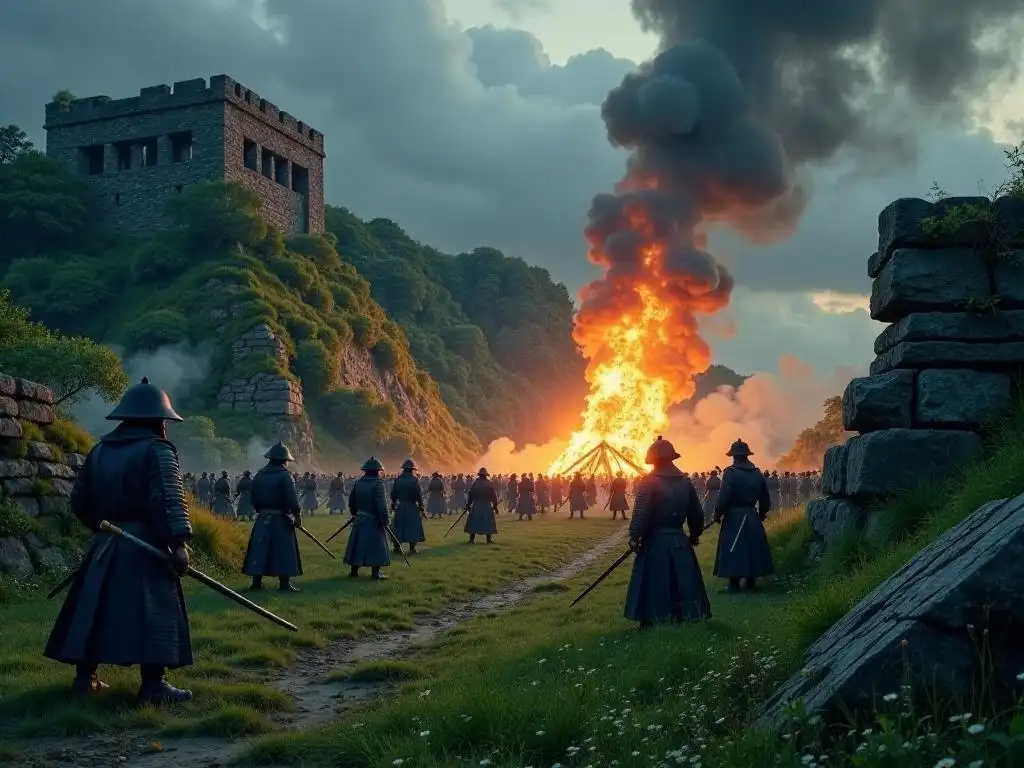
The Siege of Ninomiya, a pivotal event in the late feudal period of Japan, had far-reaching consequences that shaped not only the immediate clans involved but also the broader military landscape of the country. Understanding the aftermath of this siege requires a detailed examination of its implications for the clans engaged in the conflict as well as the enduring effects on Japanese warfare strategies.
Consequences for the Clans Involved
The aftermath of the Siege of Ninomiya brought significant shifts in power dynamics among the clans. Both the victors and the defeated faced consequences that influenced their standing in the feudal hierarchy.
- Victory for the Aizu Clan:
- The successful siege bolstered the Aizu clan’s reputation as formidable military strategists, allowing them to gain further political leverage in the region. Their triumph solidified their control over strategically important territories, enhancing their influence in the domain of military affairs.
- The victory also led to increased recruitment and morale among troops, fostering a sense of loyalty and unity within the clan.
- Defeat for the Satake Clan:
- The Satake clan, having suffered a significant loss, experienced a crippling blow to their military prestige. This defeat weakened their territorial claims and diminished their influence among allied clans.
- In the aftermath, the Satake clan faced internal strife, as dissent grew among their ranks due to the loss and subsequent inability to protect their lands. This discord ultimately led to a decline in their military capabilities.
- Shift in Alliances:
- The siege altered the existing alliances between clans. The Aizu clan’s victory prompted former allies of the Satake clan to reconsider their loyalties, leading to a reconfiguration of feudal allegiances across the region.
- New alliances formed based on military strength and strategic interests, reshaping the political landscape of feudal Japan.
Long-term Effects on Feudal Japan's Military Landscape
Beyond the immediate consequences for the clans involved, the Siege of Ninomiya had profound implications for the military strategies employed in feudal Japan.
- Innovation in Siege Tactics:
- The tactics utilized during the Siege of Ninomiya became a case study for future military leaders. The successful use of combined arms—infantry, archers, and cavalry—illustrated the importance of coordinated attacks in siege warfare.
- The lessons learned from this battle influenced the development of more sophisticated siege technologies and tactics, such as the use of fortifications and psychological warfare, which became integral to future conflicts.
- Evolution of Clan Warfare:
- The siege exemplified a shift toward more strategic, calculated warfare among the samurai. Clans began to prioritize intelligence gathering, reconnaissance, and the use of spies to gain advantages over their opponents.
- This evolution marked a departure from traditional open-field battles to more complex engagements that involved intricate planning and resource management.
- Impact on Military Culture:
- The aftermath of the siege contributed to a cultural reverence for military strategy and tactics among samurai. The glorification of strategic victory over sheer numbers became a defining characteristic of samurai culture.
- As a result, the professionalization of military roles within clans became more pronounced, leading to the establishment of training academies and the dissemination of strategic texts that would shape the future of Japanese military doctrine.
The aftermath of the Siege of Ninomiya serves as a critical juncture in the history of feudal warfare strategies in Japan. The consequences for the clans involved and the long-term effects on military practices highlight the complex interplay between warfare, politics, and culture during this pivotal era.
Conclusion: The Siege of Ninomiya as a Masterclass in Strategy
The Siege of Ninomiya stands as a pivotal event in the annals of feudal warfare strategies in Japan, showcasing the intricate blend of military ingenuity, psychological tactics, and resource management that characterized this tumultuous period. This strategic masterclass not only highlighted the importance of adaptability in the face of adversity but also laid the groundwork for future military engagements in Japan. By analyzing the various elements of the siege, one can extract valuable lessons applicable to both historical and contemporary military strategies.
Summary of Key Points on Feudal Warfare Strategies
- Psychological Warfare: The Siege of Ninomiya exemplified how psychological tactics played a crucial role in undermining enemy morale. The besieging forces employed misinformation and intimidation, effectively weakening the resolve of the defenders.
- Terrain Utilization: A significant aspect of the siege was the strategic use of the surrounding terrain. The attackers leveraged natural barriers and high ground to enhance their defensive positions, making direct assaults costly and challenging for the defenders.
- Supply Lines and Logistics: Effective management of supply lines was paramount during the siege. Both sides recognized the critical nature of resources, leading to innovative strategies to disrupt enemy supplies while safeguarding their own.
- Coalition Building: The ability to forge alliances and gather support from local clans was another strategic element observed during the siege. This coalition not only bolstered troop numbers but also provided vital intelligence on enemy movements.
- Adaptability in Tactics: The siege demonstrated the necessity for commanders to adapt their tactics based on the evolving battlefield dynamics. The shifts in approach, whether through direct assaults, psychological tactics, or strategic retreats, illustrated the fluid nature of feudal warfare strategies.
Final Thoughts on the Legacy of the Siege in Japanese Military History
The impact of the Siege of Ninomiya extends beyond its immediate outcomes; it has left an indelible mark on the evolution of military strategy in Japan. This siege is often referenced as a case study in military academies, illustrating how a smaller force can leverage strategy over sheer numbers.
Legacy Points:
- The principles of psychological warfare and adaptability that emerged from this siege continue to resonate in modern military doctrine, emphasizing the timeless nature of these strategies.
- The siege also fostered a greater understanding of the importance of logistics and supply chain management in warfare, which remains a cornerstone of military operations today.
The Siege of Ninomiya not only encapsulates the essence of feudal warfare strategies in Japan but also serves as a testament to the enduring legacy of strategic thought that shaped Japan's military history. The lessons learned from this engagement provide valuable insights for both historians and military strategists alike, ensuring its place as a significant chapter in the study of feudal warfare.
Frequently Asked Questions
What was the Siege of Ninomiya?
The Siege of Ninomiya was a pivotal event in feudal Japan, showcasing advanced warfare strategies employed by samurai and their leaders during the era. It highlighted the importance of tactics and terrain in achieving victory.
What strategies were employed during the siege?
During the Siege of Ninomiya, commanders utilized various strategies such as surprise attacks, fortifications, and psychological warfare to outmaneuver the enemy. These methods exemplified the ingenuity of feudal military tactics.
How did the Siege influence future warfare in Japan?
The Siege of Ninomiya served as a masterclass in feudal warfare, influencing subsequent military tactics and strategies in Japan. Its lessons were studied and adapted by future warriors and leaders throughout the feudal period.
What role did samurai play in the siege?
Samurai were the backbone of the forces involved in the Siege of Ninomiya, demonstrating their combat skills, loyalty, and strategic thinking. Their contributions were crucial in executing the plans laid out by their commanders.
How can one learn more about feudal warfare strategies in Japan?
To delve deeper into feudal warfare strategies, consider exploring comprehensive resources, including historical texts, scholarly articles, and expert-driven publications focusing on Japanese history and its military tactics.
Final Reflection: The Enduring Lessons of Feudal Warfare Strategies in Japan
The Siege of Ninomiya serves as a powerful reminder of the intricate and often brutal nature of feudal warfare strategies in Japan, highlighting the importance of adaptability and strategic foresight in times of conflict. In today's world, where geopolitical tensions and strategic maneuvers still dominate international relations, the lessons drawn from historical battles like Ninomiya resonate more than ever. The ability to anticipate an opponent's moves and to leverage one's own resources effectively can dictate the outcome of not just battles, but also broader conflicts in various spheres of life.
The Siege of Ninomiya exemplifies how historical strategies continue to shape our understanding of conflict resolution and negotiation today. The principles of strategy, deception, and resource management that were employed during this siege are not just relics of the past; they are foundational concepts that influence modern military tactics and even corporate strategies. As Sun Tzu wisely stated, In the midst of chaos, there is also opportunity.
This quote encapsulates the essence of strategic thinking, reminding us that even in challenging situations, there lies a chance for innovation and success.
As you reflect on the themes presented in this article, consider how the lessons of feudal warfare can apply to your own life. Are there areas where you can adopt a more strategic mindset, whether in personal relationships, career decisions, or community engagements? Embrace the opportunity to learn from the past and apply these timeless strategies to navigate the complexities of the present. By doing so, you not only honor the legacy of those who fought at Ninomiya but also empower yourself to face your own challenges with confidence and clarity.
Unleash Your Inner Strategist Today!
Thank you for delving into the intricate world of The Siege of Ninomiya! We hope this exploration of feudal warfare has sparked your curiosity and broadened your understanding of the strategic masterclasses of history. Now, let's take that inspiration and turn it into action!
Here are some ways you can deepen your engagement with this fascinating topic:
- Explore more strategic battles in feudal Japan by reading related articles available on our website.
- Join our community: Share your thoughts on this siege or discuss your favorite feudal strategies in the comments below!
- Challenge yourself: Analyze a contemporary conflict using the strategies discussed in this article—what lessons can you apply to modern scenarios?
What impact do you believe that strategic thinking from historical sieges like Ninomiya can have on today’s decision-making processes?