
The Evolution of Sushi: From Preservation Method to Culinary Art

Welcome to Feudal Japan History, where we embark on a captivating journey through the rich tapestry of Japan’s feudal era. Dive deep into the history of sushi in Japan, and discover how this beloved dish evolved from a simple preservation method to a revered culinary art form. What secrets does sushi hold about the cultural and societal dynamics of its time? Join us as we unravel the fascinating connections between food and history, inviting you to explore the flavors and traditions that shaped a nation. Your adventure into the past begins here!
Sushi is more than just a dish; it is a cultural phenomenon that has evolved significantly over centuries, reflecting the rich tapestry of Japan's culinary heritage. Understanding the history of sushi in Japan provides insight into the intricate relationship between food, preservation methods, and cultural practices that shaped this beloved cuisine.
From its humble beginnings as a method of preserving fish to its transformation into a sophisticated culinary art, sushi embodies the essence of Japanese ingenuity and adaptation. This article will explore the evolution of sushi, tracing its journey from ancient preservation techniques to the vibrant sushi culture we cherish today.
Introduction to the History of Sushi in Japan
The history of sushi in Japan is a fascinating narrative that intertwines food preservation, regional influences, and culinary innovation. Originally developed as a means of preserving fish, sushi has transformed into a globally recognized art form appreciated for its flavor, presentation, and cultural significance. The evolution of sushi highlights not only the ingenuity of Japanese cooks but also the adaptability of traditional methods to contemporary tastes. In this section, we will delve into the early beginnings of sushi, exploring the preservation techniques that laid the groundwork for what would become a staple of Japanese cuisine.
The Early Beginnings of Sushi: Preservation Techniques
The origins of sushi can be traced back to ancient times when various methods were employed to preserve fish and other seafood. These early techniques were primarily developed out of necessity, as they allowed communities to store food for extended periods, especially in regions where access to fresh ingredients was limited. The methods of preservation evolved over time, leading to the creation of distinct styles of sushi.
The Concept of Narezushi: Fermented Fish
One of the earliest forms of sushi is known as narezushi, which dates back to Southeast Asia. This preservation method involved fermenting fish with rice, allowing the fish to be stored for months. The rice was typically discarded after fermentation, as the primary focus was on the fish. The process not only extended the shelf life of the protein but also imparted a unique flavor profile that was highly valued. Narezushi exemplifies the ingenuity of early Japanese communities in utilizing natural fermentation processes to ensure food security.
The Transition to Edomae-zushi: A Culinary Revolution
As Japan entered the Edo period (1603-1868), the culinary landscape began to shift dramatically, leading to the emergence of edomae-zushi. This style of sushi was characterized by the use of fresh fish from Tokyo Bay, combined with vinegared rice, which became a defining element of sushi's identity. The transition from narezushi to edomae-zushi marked a significant culinary revolution, as it emphasized freshness, taste, and presentation. This new approach not only made sushi more accessible to the public but also laid the foundation for the sushi we know today.
Through this exploration of sushi's early history, we can appreciate how the preservation techniques shaped the evolution of a dish that is now celebrated around the world. As we continue, we will uncover the various influences and innovations that have further refined this iconic Japanese cuisine.
The Role of Regional Variations in the History of Sushi
The history of sushi in Japan is intricately tied to regional variations that reflect the unique cultural and environmental factors across the archipelago. Each region has developed its own distinct style of sushi, influenced by local ingredients, traditions, and culinary practices. This diversity not only showcases the adaptability of sushi as a dish but also highlights the importance of geography in shaping Japan's food culture.
In coastal areas, where fresh fish is abundant, sushi styles often emphasize raw seafood. Conversely, in inland regions, where fish was less accessible, preservation techniques became essential, leading to the development of sushi types that utilized pickled or fermented fish. Moreover, regional ingredients such as rice varieties, seaweed, and seasonings further contributed to the evolution of sushi, making it a reflection of local flavors and customs.
Kansai vs. Kanto: Sushi Styles Across Japan
The difference between Kansai and Kanto sushi styles is one of the most notable regional distinctions in Japan. Kansai, which includes cities like Osaka and Kyoto, is known for its narezushi, a type of fermented sushi that predates modern sushi forms. This style uses rice as a preservation medium for fish, allowing flavors to meld over time. Kansai sushi is also characterized by its sushi-zuke, where fish is marinated in a mixture of soy sauce and sake, enhancing its umami profile.
In contrast, Kanto, which includes Tokyo, has popularized edomae-zushi, a style that originated in the Edo period. This sushi features fresh fish placed atop hand-formed rice balls, often with a dab of wasabi. The Kanto style emphasizes freshness and simplicity, showcasing the natural flavors of the ingredients. The competition between these two regions has fostered a rich culinary dialogue, resulting in the diverse sushi offerings available today.
Seasonal Ingredients and Their Impact on Sushi Styles
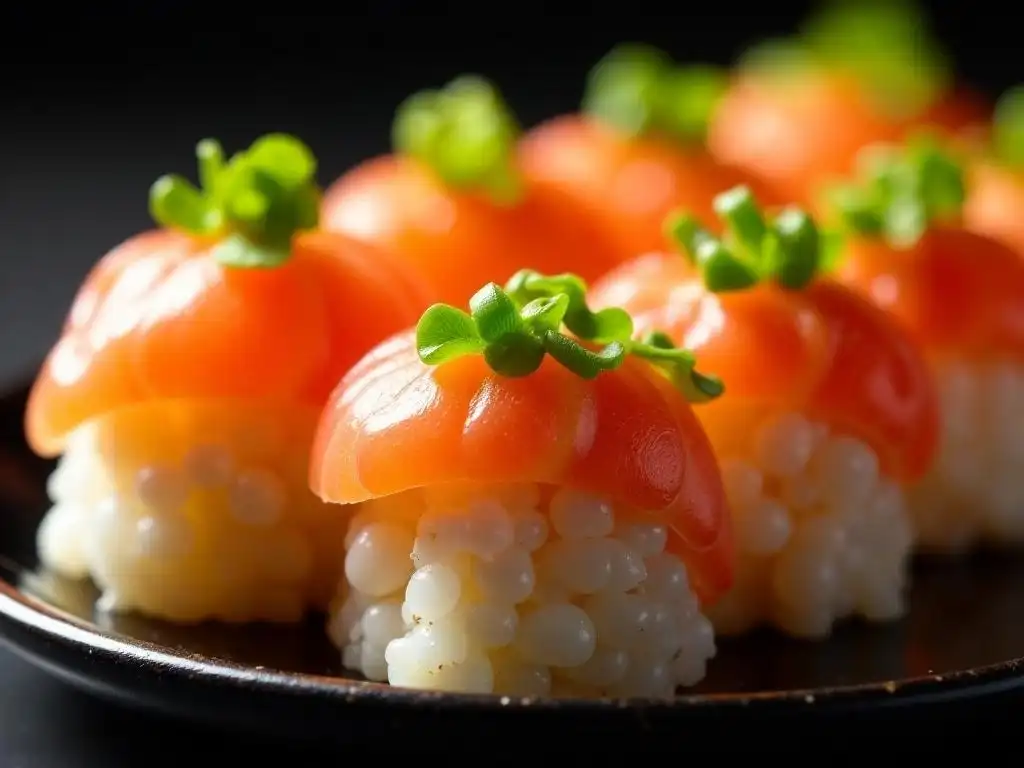
Seasonality plays a crucial role in the history of sushi in Japan, as it dictates the types of ingredients available and, consequently, the styles of sushi that can be prepared. The Japanese culinary philosophy, which stresses harmony with nature, aligns closely with the use of seasonal ingredients. For instance, spring brings delicate fish such as sakura-masu (cherry salmon), while summer favors robust varieties like aji (horse mackerel).
Chefs often adapt their sushi offerings based on the time of year, creating a dynamic menu that changes with the seasons. This practice not only enhances the flavor of the dishes but also connects diners to the rhythm of nature. Furthermore, using seasonal ingredients allows sushi artisans to showcase their skills in selecting and preparing fish, elevating sushi from a mere meal to an artistic expression of time and place.
The Cultural Significance of Sushi in Feudal Japan
Sushi held significant cultural importance in feudal Japan, serving as more than just a source of nourishment. It became a medium through which social hierarchies and cultural practices were expressed. The evolution of sushi reflected broader societal changes, particularly during the Edo period when urbanization and commerce flourished.
As sushi became more accessible, it transitioned from a food primarily consumed by the elite to a staple enjoyed by the general populace, signifying a democratization of culinary practices. However, the intricate preparation and presentation of sushi often retained its association with status and artistry, making it a dish that still symbolized refinement and sophistication.
Sushi as a Symbol of Status and Class
In feudal Japan, sushi was often viewed as a symbol of status and class. The quality of the ingredients, the artistry of the presentation, and the skill of the chef all contributed to the perception of sushi as an elite food. High-ranking samurai and wealthy merchants would host lavish banquets featuring exquisite sushi, using it to display their wealth and sophistication to guests.
Additionally, certain types of sushi were reserved for special occasions and celebrations, further emphasizing their association with privilege. The ritual of sushi consumption, coupled with its elaborate preparation, transformed it into a cultural artifact that denoted social standing and cultural identity during this period.
The Artistic Presentation of Sushi
The presentation of sushi in feudal Japan transcended mere aesthetics; it was an art form that reflected the philosophy of wabi-sabi, the appreciation of beauty in imperfection and transience. Sushi chefs took great care in arranging their dishes, considering color, shape, and harmony to create visually stunning plates that delighted the senses.
Each piece of sushi was crafted with precision, showcasing the chef's skill and attention to detail. This artistic presentation was not only meant to please the eye but also to evoke emotions and create a memorable dining experience. The emphasis on presentation continues to be a hallmark of sushi today, highlighting its evolution from a simple preservation method to a celebrated culinary art.
The Modernization of Sushi in Contemporary Japan
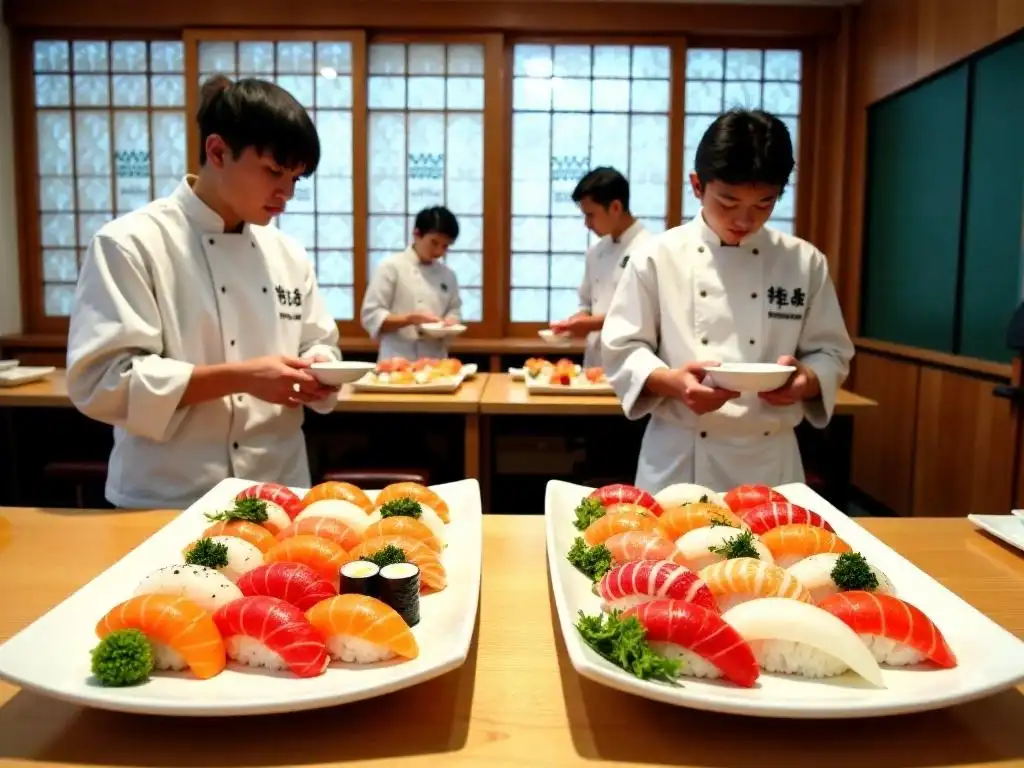
The modernization of sushi in contemporary Japan reflects a significant evolution from its traditional roots. Historically, sushi was primarily a preservation method that involved fermenting fish with rice to extend its shelf life. However, with advancements in refrigeration and food transportation, the necessity for preservation has diminished, allowing sushi to transform into a popular culinary art form. Today, sushi is not only a staple of Japanese cuisine but also a symbol of Japan's rich culinary heritage.
In modern Japan, sushi has diversified to cater to changing tastes and preferences. The introduction of new ingredients, such as avocado and cream cheese, has led to the creation of unique sushi rolls that appeal to a broader audience. Additionally, sushi has become increasingly accessible, with conveyor belt sushi restaurants (kaiten-zushi) and sushi chains offering quick and affordable options for the masses. This shift towards convenience and novelty has resulted in a sushi culture that embraces both traditional techniques and innovative interpretations.
As sushi continues to evolve, it also reflects broader societal changes, such as the influence of globalization. Japanese chefs are now incorporating international flavors and techniques, creating a sushi experience that is both familiar and novel. This modernization does not diminish the artistry of sushi; instead, it enhances its relevance in a fast-paced world, allowing it to thrive in contemporary dining culture.
Global Influence and Fusion Sushi
The global influence on sushi has been profound, leading to the rise of fusion sushi—a creative blend of traditional sushi elements with international cuisines. This phenomenon began in the late 20th century when Japanese cuisine gained popularity worldwide. Chefs began experimenting with local ingredients and culinary techniques, resulting in innovative dishes that appeal to diverse palates.
Fusion sushi can take many forms, such as the California roll, which incorporates avocado and imitation crab, or the spicy tuna roll that combines raw tuna with spicy mayo. Such adaptations have made sushi more accessible to those who may be hesitant to try traditional offerings. Furthermore, the blending of flavors from different cultures has created a culinary dialogue that enriches the sushi experience.
Restaurants around the globe have embraced this trend, showcasing creative sushi dishes that reflect local tastes. From sushi burritos to sushi tacos, the possibilities are endless. This fusion not only highlights the versatility of sushi but also demonstrates its ability to adapt and thrive in various culinary landscapes, ensuring its place in the global food scene.
Sustainability and Ethical Sourcing in Sushi
As sushi continues to gain worldwide popularity, concerns regarding sustainability and ethical sourcing have come to the forefront. Overfishing and unsustainable fishing practices threaten the delicate balance of marine ecosystems, prompting chefs and consumers alike to seek responsible sourcing of seafood.
Many sushi restaurants are now prioritizing sustainable practices by sourcing fish from certified fisheries and utilizing farmed seafood. Organizations like the Marine Stewardship Council (MSC) and the Aquaculture Stewardship Council (ASC) provide guidelines and certifications that help consumers make informed choices. Chefs are increasingly transparent about their sourcing methods, often highlighting the origins of their fish on menus.
Additionally, there is a growing movement towards using alternative ingredients that lessen the impact on marine life. Plant-based sushi options, such as those made with vegetables and legumes, have gained popularity, catering to vegetarians and environmentally conscious diners. This shift towards sustainability is not only beneficial for the environment but also enhances the culinary experience by encouraging creativity and innovation in sushi preparation.
The Future of Sushi: Trends and Innovations
The future of sushi is poised for exciting trends and innovations that will shape its evolution. As the culinary landscape continues to change, several key factors will influence how sushi is prepared, presented, and consumed.
One significant trend is the increasing integration of technology in the sushi-making process. Automated sushi machines are being developed to streamline production, ensuring consistency and efficiency in high-volume establishments. However, while technology enhances convenience, many traditional sushi chefs argue that the artistry of hand-rolled sushi cannot be replicated by machines. This tension between tradition and innovation will likely continue to shape the sushi industry.
Technology in Sushi Preparation
Technology is revolutionizing sushi preparation, with advancements that cater to both efficiency and quality. Kitchen gadgets such as rice cookers, sushi-making kits, and precision knives are becoming commonplace in both professional kitchens and home cooking. These tools not only simplify the preparation process but also help to maintain the authenticity of traditional sushi-making techniques.
Moreover, the rise of online sushi courses and tutorials has made it easier for aspiring chefs and home cooks to learn the art of sushi. Virtual workshops conducted by experienced sushi chefs allow participants to understand the nuances of filleting fish, seasoning rice, and rolling techniques. This democratization of knowledge supports the growth of sushi culture beyond Japan, fostering a global community of sushi enthusiasts.
In addition to equipment and education, technology is also impacting sushi's presentation. Social media platforms like Instagram have created a demand for visually stunning dishes, prompting chefs to rethink how sushi is plated and served. The emphasis on aesthetics has led to innovative garnishing techniques and creative serving styles that enhance the dining experience.
The Globalization of Sushi: A Culinary Journey
The globalization of sushi represents a remarkable culinary journey that has transcended borders and cultural boundaries. Initially rooted in Japan, sushi has become a beloved dish worldwide, with each region adding its unique twist. This cultural exchange enriches the sushi experience, allowing for an ever-evolving culinary landscape.
As sushi continues to spread globally, it is important to recognize the nuances of regional adaptations. In the United States, for example, sushi has been significantly influenced by local tastes, leading to the emergence of new styles and flavor combinations. In countries like Brazil, sushi is often served with tropical fruits and local sauces, showcasing the versatility of this dish.
The globalization of sushi also raises questions about authenticity and cultural appropriation. While fusion sushi celebrates diversity, some purists argue that it strays too far from traditional methods. This ongoing dialogue highlights the balance between innovation and respect for the origins of sushi, ensuring that while the dish evolves, its cultural significance is preserved.
The future of sushi is bright, fueled by trends in technology, sustainability, and global influence. As sushi continues to adapt and thrive, it will undoubtedly remain a beloved culinary art form that connects people across cultures and generations.
Conclusion: The Enduring Legacy of Sushi in Japanese Cuisine
The history of sushi in Japan is a fascinating journey that intertwines culture, tradition, and culinary innovation. What began as a practical preservation method for fish has transformed into a celebrated art form that is now recognized worldwide. The evolution of sushi reflects the dynamic nature of Japanese society, adapting to the tastes, technologies, and economic conditions through the centuries.
Today, sushi is not merely a dish; it represents a rich heritage and a deep connection to the land and sea. It serves as a symbol of Japanese craftsmanship, emphasizing the importance of seasonal ingredients, meticulous preparation, and aesthetic presentation. As sushi continues to gain popularity globally, its core principles remain rooted in Japanese culture, demonstrating the enduring legacy of this beloved culinary tradition.
The modern sushi experience, whether enjoyed at a high-end restaurant or a casual sushi bar, pays homage to the history of sushi in Japan. It invites consumers to appreciate the intricate balance of flavors and the respect for ingredients that have been passed down through generations. As we savor each bite, we partake in a culinary narrative that celebrates both history and innovation, ensuring that sushi will remain a vital part of Japanese cuisine for years to come.
References and Further Reading on the History of Sushi in Japan
For those interested in delving deeper into the rich history of sushi in Japan, the following resources provide valuable insights and comprehensive information:
- Books:
- Sushi: Food for the Eye, the Body, and the Soul by Shizuo Tsuji - This book explores the cultural significance of sushi and its evolution over time.
- The Sushi Economy: Globalization and the Making of a Modern Delicacy by Sasha Issenberg - A critical examination of how sushi became a global phenomenon.
- Articles and Journals:
- "The Historical Development of Sushi in Japan" from the Journal of Japanese Cuisine Studies - An academic look at the transformations of sushi throughout different periods in Japanese history.
- "From Narezushi to Edomaezushi: The Evolution of Sushi" in the Culinary History Review - This article discusses the key phases in the historical development of sushi.
- Documentaries:
- Jiro Dreams of Sushi - A documentary that showcases the artistry behind sushi-making through the lens of Jiro Ono, a renowned sushi chef.
- Sushi: The Global Catch - This film explores the worldwide sushi industry and its implications for sustainability and tradition.
- Web Resources:
- Japan National Tourism Organization (JNTO) - Offers a variety of articles and resources about Japanese cuisine, including sushi's historical context.
- The Japan Times - Provides articles and features on sushi, its cultural significance, and contemporary trends in sushi dining.
These resources will further enrich your understanding of the history of sushi in Japan, allowing you to appreciate not only the dish itself but also the cultural and historical tapestry that surrounds it.
- Introduction to the History of Sushi in Japan
- The Early Beginnings of Sushi: Preservation Techniques
- The Role of Regional Variations in the History of Sushi
- Kansai vs. Kanto: Sushi Styles Across Japan
- Seasonal Ingredients and Their Impact on Sushi Styles
- The Cultural Significance of Sushi in Feudal Japan
- Sushi as a Symbol of Status and Class
- The Artistic Presentation of Sushi
- The Modernization of Sushi in Contemporary Japan
- The Future of Sushi: Trends and Innovations
- Conclusion: The Enduring Legacy of Sushi in Japanese Cuisine
- References and Further Reading on the History of Sushi in Japan
Frequently Asked Questions
What is the origin of sushi in Japan?
The history of sushi in Japan can be traced back to the 2nd century, where it began as a preservation method using fermented rice to store fish. This method evolved over the centuries into the sushi we know today.
How did sushi evolve from a preservation method to a culinary art?
Initially, sushi was a way to preserve fish, but by the Edo period, it transformed into a culinary art. The introduction of fresh ingredients and the development of techniques like nigiri made sushi a prominent part of Japanese cuisine.
What are the main types of sushi?
The major types of sushi include nigiri, maki, sashimi, and temaki. Each type features different preparation styles and presentations, showcasing the diversity of sushi as it evolved over time.
How did cultural influences shape sushi in Japan?
Cultural influences, such as trade with foreign countries and the availability of local ingredients, played a significant role in shaping sushi. This led to unique regional variations and the adaptation of sushi to match local tastes.
What role does sushi play in modern Japanese society?
Today, sushi is not only a staple of Japanese cuisine but also a symbol of culinary excellence and art. It is enjoyed worldwide and continues to be a significant part of Japanese cultural identity.
Final Reflection: The Journey of Sushi from Tradition to Innovation
The evolution of sushi is not just a culinary journey; it is a testament to the resilience and adaptability of culture. As we explore the history of sushi in Japan, we uncover how this beloved dish has transformed from a practical preservation method to a celebrated form of culinary art. Today, sushi represents a fusion of tradition and modernity, reflecting the dynamic nature of Japanese cuisine and its global influence. This transformation underscores the importance of understanding our food heritage while embracing innovation.
The impact of sushi extends far beyond its delicious taste; it has woven itself into the fabric of social and cultural interactions. Sushi bars and restaurants have become communal spaces where people gather to share not just food, but experiences and stories. As the renowned chef Jiro Ono once said, "> In sushi, there is a sense of harmony that reflects the balance of nature."
This harmony is a reminder of how food can connect us to our roots while also inviting us to explore new flavors and techniques. The ongoing evolution of sushi serves as a reflection of our own journeys, encouraging us to appreciate the past while looking forward to the future.
As we conclude this exploration of sushi's rich history, I invite you to reflect on your own relationship with food and culture. Consider how the dishes you cherish tell a story of tradition, innovation, and community. Whether you are a sushi aficionado or a curious newcomer, let the lessons from sushi's evolution inspire you to embrace culinary diversity and creativity in your own kitchen. The next time you enjoy a piece of sushi, remember that you are partaking in a centuries-old tradition that continues to evolve, just like us.
Savor the Journey: Explore Sushi's Culinary Evolution!
Thank you for diving into the fascinating history of sushi with us! You've uncovered how this beloved dish transformed from a preservation technique to a celebrated culinary art. Now, let's turn that knowledge into action!
- Join a sushi-making class: Take your appreciation for sushi to the next level by learning how to craft your own rolls! Look for local classes or online tutorials that can guide you through the process.
- Share your favorite sushi experiences: Connect with fellow enthusiasts! Post about your most memorable sushi meals on social media and invite your friends to join the conversation.
- Explore regional variations: Discover the diverse styles of sushi from different parts of Japan. Research your favorite types, and consider visiting a local restaurant that specializes in these unique offerings.
What unique sushi experience will you seek out next, and how do you think it reflects the rich history behind this iconic dish?