
The Significance of Ikebana: The Art of Japanese Flower Arrangement

Welcome to Feudal Japan History, where we dive deep into the rich tapestry of Japan’s feudal era! Here, you will uncover the fascinating layers of cultural history, including the intricate art of Ikebana, or Japanese flower arrangement. This art form not only showcases beauty but also encapsulates profound symbolism rooted in tradition. What secrets does the history of Japanese flower arrangement hold? Join us as we explore the significance of Ikebana and unravel the stories behind each delicate bloom. Prepare to be captivated and inspired as you journey through time!
Introduction to Japanese Flower Arrangement History
The art of Japanese flower arrangement, known as Ikebana, holds a profound significance that transcends mere aesthetics. This ancient practice is deeply rooted in Japan's cultural and spiritual heritage, embodying principles of harmony, balance, and simplicity. The history of Japanese flower arrangement reflects the evolution of artistic expression in Japan, intertwining with societal changes, religious influences, and philosophical ideologies over the centuries. As we explore the intricacies of Ikebana, we will uncover not only its historical context but also its enduring impact on Japanese culture and its role in contemporary society.
Definition of Ikebana and Its Origins
Ikebana, which translates to "living flowers," refers to the Japanese art of flower arrangement that emphasizes harmony, balance, and the beauty of nature. Unlike Western floral arrangements that often prioritize abundance and color, Ikebana focuses on the careful placement of each stem and leaf to create a minimalist composition that reflects the essence of the natural world.
The origins of Ikebana can be traced back to the 7th century when it began as a ritualistic offering in Buddhist temples. Initially, flowers were arranged in a simple manner as a tribute to the deities. This practice gradually evolved into a refined art form, with the establishment of formal schools and techniques that would shape its future.
Overview of Ikebana in Japanese Culture
Ikebana is more than just a decorative art; it is a reflection of Japanese aesthetics and philosophy. It encapsulates the principles of wabi-sabi, which appreciates the beauty of imperfection and transience. This philosophy is evident in the choice of materials, where even the most humble flowers are celebrated for their unique characteristics.
The practice of Ikebana has permeated various aspects of Japanese culture, influencing traditional tea ceremonies, festivals, and even interior design. It serves as a medium for self-expression, allowing practitioners to convey emotions and thoughts through their arrangements. As such, Ikebana is regarded as both an art form and a spiritual practice, fostering mindfulness and a deep connection with nature.
Historical Context of Ikebana
To fully appreciate the significance of Ikebana, it is essential to examine its historical evolution. This section delves into the transformative journey of Japanese flower arrangement techniques, highlighting key influences and milestones along the way.
Evolution of Japanese Flower Arrangement Techniques
The history of Ikebana can be segmented into several distinct periods, each contributing to its development:
- Asuka Period (538-710): The beginnings of Ikebana can be traced back to this time, where flower offerings were made in temples.
- Nara Period (710-794): The first documented mention of flower arrangement appears, indicating the growing importance of the practice.
- Heian Period (794-1185): The aesthetic principles of Ikebana began to be codified, leading to the emergence of early schools of thought.
- Kamakura and Muromachi Periods (1185-1573): The influence of Zen Buddhism further shaped Ikebana, integrating spiritual elements into the art form.
- Edo Period (1603-1868): Ikebana flourished, with numerous schools established and techniques refined, leading to the modern styles we see today.
Influence of Zen Buddhism on Ikebana
Zen Buddhism played a pivotal role in shaping the philosophy and practice of Ikebana. The Zen principles of simplicity, naturalness, and mindfulness resonate deeply within Ikebana arrangements. Practitioners are encouraged to engage in a meditative state while arranging flowers, emphasizing the process over the final product.
The use of asymmetry and negative space in Ikebana can be traced back to Zen teachings, which promote an appreciation for the fleeting beauty of nature. This spiritual connection enhances the emotional depth of Ikebana, making it a form of artistic expression that transcends the visual.
Key Historical Figures in Ikebana Development
Throughout its history, several influential figures have emerged in the realm of Ikebana, each contributing to its evolution:
- Ikenobo Senkei: Often regarded as the founder of Ikebana as an art form, he established the Ikenobo school in the 15th century, formalizing the techniques and philosophies of Ikebana.
- Kado: The traditional Japanese flower arranging school that developed during the Edo period, with various masters contributing to its rich heritage.
- Miyako Kōrin: A prominent Edo period artist known for his unique interpretations of Ikebana, blending traditional techniques with innovative designs.
These figures and their contributions have been instrumental in shaping Ikebana into a revered art form that continues to thrive today.
Cultural Importance of Ikebana
Ikebana, the art of Japanese flower arrangement, is far more than mere decoration; it is a profound expression of culture and identity in Japan. This practice, which dates back to the 7th century, has evolved over the centuries, intertwining with various aspects of Japanese society, philosophy, and spirituality. Unlike Western flower arrangements that typically emphasize abundance and symmetry, Ikebana focuses on simplicity, balance, and harmony with nature, reflecting the Japanese ethos of minimalism and mindfulness.
The cultural significance of Ikebana extends into various aspects of life in Japan, including art, education, and even therapy. In schools, Ikebana is often taught as part of the curriculum, fostering creativity and an appreciation for nature among students. Additionally, participating in Ikebana can serve therapeutic purposes, promoting mental well-being and encouraging a deep connection with the environment. Thus, Ikebana stands as a symbol of Japanese culture, representing not just aesthetic beauty but also the values and philosophies that define the nation.
Symbolism in Japanese Flower Arrangements
In Ikebana, every element within the arrangement holds symbolic meaning, serving as a visual language that conveys emotions, seasons, and even philosophical concepts. For example, the choice of flowers, branches, and foliage is deliberate, often representing specific themes such as renewal, transience, or harmony.
- Flowers often symbolize beauty and fragility. For instance, cherry blossoms (sakura) represent the fleeting nature of life, while chrysanthemums symbolize longevity and rejuvenation.
- Stems and branches can signify strength and resilience. The use of a tall branch in an arrangement may reflect aspirations, while shorter stems may convey humility or the importance of grounding oneself.
- Negative space is also an integral part of Ikebana, emphasizing the beauty of absence and the importance of balance in life. This space allows the viewer to engage with the arrangement, encouraging introspection and contemplation.
Through these symbols, Ikebana serves as a visual representation of the interconnectedness of life, nature, and the human experience, making it a deeply meaningful art form.
Ikebana as a Reflection of Japanese Aesthetics
Ikebana embodies the core principles of Japanese aesthetics, such as wabi-sabi, which appreciates the beauty in imperfection and the transient nature of life. This philosophy is evident in the way Ikebana arrangements are crafted; the focus is on simplicity, asymmetry, and natural forms that celebrate the inherent beauty of the materials used.
The aesthetic of Ikebana also emphasizes harmony and balance. Arrangements are carefully composed to create a sense of unity among the different elements, often following the principle of the "three main lines" that represent heaven, earth, and humanity. This triadic structure creates a sense of depth and perspective, inviting viewers to explore the arrangement from multiple angles.
Moreover, Ikebana reflects the changing seasons, with each arrangement often designed to evoke the essence of a particular time of year. This seasonal consciousness fosters a deep appreciation for nature and its cyclical changes, aligning with the Japanese cultural belief in living in harmony with the environment.
Role of Ikebana in Japanese Ceremonies and Rituals
Ikebana plays a significant role in various Japanese ceremonies and rituals, underscoring its importance in cultural practices. One notable instance is its integration into the chanoyu, or tea ceremony, where flower arrangements are often displayed as part of the aesthetic environment. The selection and arrangement of flowers are carefully considered, enhancing the overall atmosphere of tranquility and mindfulness that characterizes the tea ceremony.
Additionally, Ikebana is prevalent in religious and spiritual practices. It is common to see Ikebana arrangements at shrines and temples, where they serve as offerings to deities and ancestors. These arrangements are often made with particular flowers that hold spiritual significance, reinforcing the connection between nature and the divine.
Furthermore, Ikebana is also featured in celebrations such as weddings, where arrangements symbolize prosperity and happiness. Overall, the role of Ikebana in ceremonies and rituals highlights its profound cultural significance in fostering a sense of spirituality and connection to tradition.
Different Styles of Ikebana
Ikebana encompasses a diverse array of styles, each with its unique characteristics and philosophies. While traditional styles are deeply rooted in history, contemporary adaptations have emerged, reflecting modern sensibilities and artistic expressions.
Traditional Ikebana Styles Explained
Traditional Ikebana styles can be classified into several main categories, each with its own techniques and principles:
- Ikenobo: Considered the oldest school of Ikebana, Ikenobo emphasizes natural forms and simplicity. Arrangements typically feature a triangular structure that represents the harmony between heaven, earth, and humanity.
- Ohara: This style is known for its use of natural materials and seasonal flowers, often arranged in a more casual and free-flowing manner. Ohara arrangements focus on capturing the essence of nature.
- Sogetsu: Founded in the 20th century, Sogetsu encourages individual expression and creativity. Practitioners are free to use any materials and techniques, reflecting a more contemporary approach to Ikebana.
These traditional styles provide a framework for understanding the art of Ikebana while allowing for personal interpretation and creativity.
Contemporary Adaptations of Ikebana
In recent years, Ikebana has evolved to include contemporary adaptations that blend traditional techniques with modern artistic expressions. Contemporary Ikebana often incorporates unconventional materials, such as metal, glass, and even recycled objects, challenging the boundaries of what constitutes a flower arrangement.
Modern practitioners may also experiment with larger installations that go beyond the confines of a vase, creating immersive experiences that engage viewers in new ways. This evolution reflects a broader trend in contemporary art, where artists are encouraged to push boundaries and explore new mediums.
Moreover, the global interest in Ikebana has led to a fusion of styles, with artists from different cultural backgrounds interpreting Ikebana in unique ways. This cross-cultural exchange enriches the art form, allowing it to evolve while still honoring its rich heritage. Overall, contemporary adaptations of Ikebana showcase its dynamic nature and its capacity to resonate with new generations of artists and enthusiasts.
Techniques and Principles of Ikebana
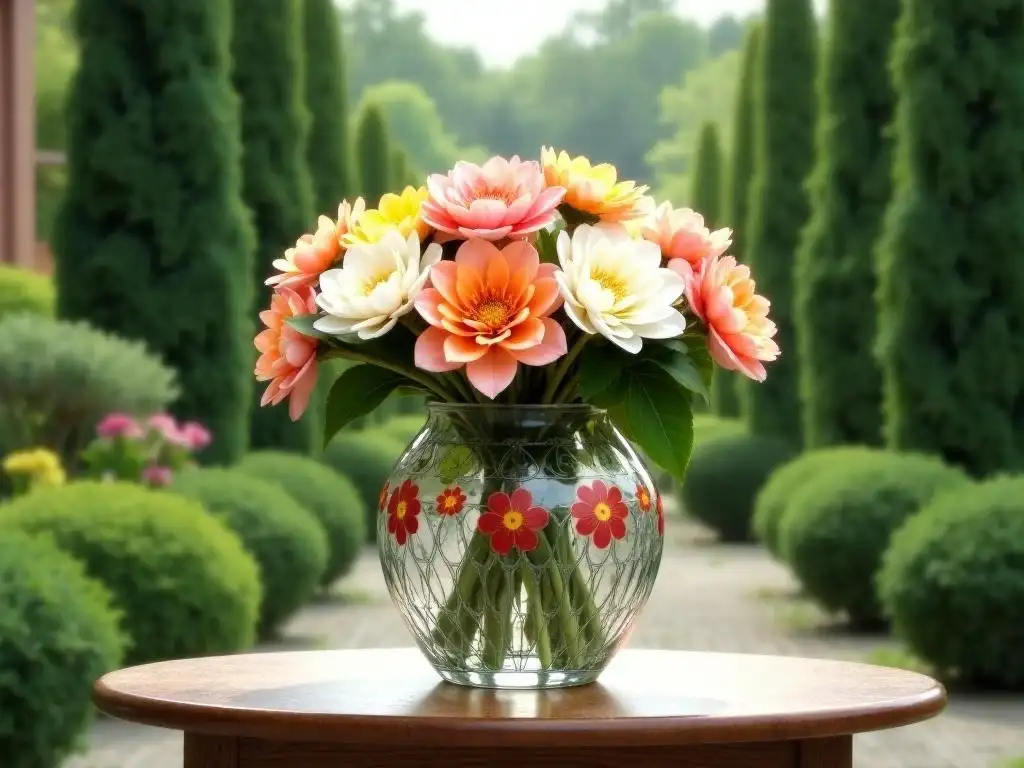
Ikebana, the traditional art of Japanese flower arrangement, embodies a philosophy that transcends mere decoration. It emphasizes harmony, balance, and the beauty of simplicity. Practitioners of Ikebana employ a variety of techniques and principles that guide their creations, ensuring that each arrangement expresses a unique aesthetic and emotional resonance.
One primary technique in Ikebana is the use of line. Unlike Western floral arrangements that often prioritize abundant blooms, Ikebana focuses on the beauty of individual stems and leaves, emphasizing their graceful lines. The arrangement typically follows an asymmetrical balance, which is achieved through the careful placement of elements to create a sense of movement and flow.
Another key principle is the concept of negative space, known as "ma." This technique highlights the importance of empty space within an arrangement, allowing the viewer to appreciate both the flowers and the surrounding area. The interplay of filled and empty spaces enhances the overall composition and encourages contemplation.
Ikebana also incorporates the principle of seasonality, whereby the choice of flowers and materials reflects the current season, promoting a deeper connection with nature. This principle not only enhances the visual appeal but also evokes the feelings and sentiments associated with specific times of the year.
Basic Principles of Japanese Flower Arrangement
The foundational principles of Ikebana are rooted in a deep appreciation for nature and an understanding of how to express that through floral art. Some of the key principles include:
- Balance: Achieving a visual equilibrium between the elements is essential. This can be accomplished through asymmetrical arrangements that still feel harmonious.
- Proportion: The size and shape of each element should relate to one another, contributing to a cohesive whole. Traditionally, Ikebana arrangements follow the "1:3:2" ratio, where the tallest element is three times the height of the lowest.
- Depth: Creating a sense of three-dimensionality in an arrangement is vital. This can be achieved by layering elements and varying their heights, which adds visual interest.
- Simplicity: Ikebana promotes minimalism. Fewer elements often convey a stronger message, encouraging the arrangement to speak for itself without overwhelming the viewer.
- Expression of Emotion: Each arrangement tells a story or expresses an emotion. The choice of materials, colors, and forms should reflect the feelings the artist wishes to convey.
Tools and Materials Used in Ikebana
Creating Ikebana requires specific tools and materials that enhance the artistry and precision of each arrangement. Some of the essential tools include:
- Kenzan (Flower Frog): A weighted base with spikes designed to hold stems in place, allowing for greater creativity in arrangement.
- Scissors: Special Ikebana scissors, often with a curved blade, enable clean cuts for stems and branches, promoting longevity and vitality in the flowers.
- Vases: The choice of vase is crucial in Ikebana. They are typically shallow and wide, emphasizing the horizontal aspect of the arrangement.
- Wires and Tape: These can be used to secure delicate flowers or create structural support within the arrangement.
When it comes to materials, Ikebana practitioners often use a variety of natural elements, including:
- Fresh Flowers: Seasonal blooms are preferred, with each flower symbolizing different meanings and emotions.
- Branches and Foliage: These elements provide structure and balance, enhancing the visual narrative of the arrangement.
- Natural Textures: Stones, moss, and other organic materials can be incorporated to add depth and contrast.
Ikebana in Modern Society
In contemporary Japan, Ikebana continues to thrive as a significant cultural practice, adapting to modern aesthetics while retaining its traditional roots. The art form has seen a resurgence, finding its place in both personal and public spaces.
The Resurgence of Ikebana in Contemporary Japan
In recent years, there has been a renewed interest in Ikebana among younger generations in Japan. This resurgence is often linked to a growing appreciation for mindfulness and the therapeutic benefits of engaging with nature. More individuals are exploring Ikebana as a way to create personal expression and foster a deeper connection with their environment.
Modern Ikebana often blends traditional techniques with contemporary styles, resulting in innovative arrangements that appeal to a broader audience. Art exhibitions and floral installations showcasing Ikebana have become increasingly popular, further promoting the art form within society.
Global Influence of Japanese Flower Arrangement
Ikebana has transcended cultural boundaries, garnering attention and admiration worldwide. Its unique aesthetic principles and meditative qualities have inspired artists and floral designers across the globe. In many countries, Ikebana schools and workshops have been established, offering individuals the opportunity to learn this beautiful art form.
The global influence of Ikebana can be observed in various contexts, from interior design to fashion. Many contemporary designers incorporate Ikebana principles into their work, reflecting the art's emphasis on simplicity, balance, and natural beauty.
Ikebana Workshops and Educational Programs
To support the growing interest in Ikebana, numerous workshops and educational programs are available, both in Japan and internationally. These programs cater to various skill levels, from beginners to advanced practitioners, providing comprehensive instruction on techniques, principles, and materials.
Participants often learn not only about the practical aspects of Ikebana but also its historical and philosophical context. This holistic approach enriches the learning experience, allowing students to appreciate the depth of the art form while developing their unique style.
Many community centers, cultural institutions, and art schools offer Ikebana classes, fostering a sense of community and connection among enthusiasts. Online platforms have also emerged, making it easier for individuals to access resources and instruction from anywhere in the world.
Conclusion: The Enduring Legacy of Ikebana
The art of Ikebana, or Japanese flower arrangement, is more than just a decorative practice; it embodies centuries of cultural values, aesthetics, and philosophies that resonate deeply within Japanese society. Rooted in the principles of simplicity, balance, and harmony, Ikebana reflects an appreciation for nature and the transient beauty of life. Its enduring legacy is evident in the way it continues to influence both traditional and contemporary art forms in Japan and around the world.
Ikebana has evolved significantly from its origins in the Heian period, adapting to the socio-political changes throughout Japan’s feudal era and beyond. Today, it stands as a symbol of Japanese cultural identity, fostering a sense of peace and mindfulness among practitioners. The meticulous attention to detail and the emphasis on the relationship between the elements in an arrangement encourage an introspective approach to art, making Ikebana a meditative practice for many.
Furthermore, as the global community becomes increasingly interconnected, the principles of Ikebana are being embraced beyond Japan's borders. This cross-cultural exchange enriches the practice, allowing for new interpretations and adaptations while remaining true to its foundational philosophy.
Reflection on the Cultural Heritage of Japanese Flower Arrangement
The cultural heritage of Japanese flower arrangement is steeped in spirituality and philosophical underpinnings that reflect the broader context of Japanese aesthetics. Ikebana traditionally emphasizes the connection between the physical and spiritual worlds, often incorporating elements that symbolize nature, life, and the seasons. The practice encourages practitioners to be mindful of the environment, reinforcing the Shinto belief in the sacredness of nature.
In addition to its spiritual dimensions, Ikebana serves as a powerful medium for personal expression, allowing individuals to showcase their creativity while adhering to established techniques and forms. It is a discipline that requires years of practice to master, with various schools and styles offering unique interpretations. This diversity within Ikebana not only preserves its rich history but also allows for ongoing innovation and adaptation, making it relevant in contemporary society.
Moreover, Ikebana has found its place within various cultural contexts, often being featured in exhibitions, workshops, and educational programs. This engagement with the public fosters a greater understanding and appreciation of Japanese cultural heritage, ensuring that the principles of Ikebana continue to inspire and captivate future generations.
Future of Ikebana in a Globalized World
In an increasingly globalized world, the future of Ikebana appears promising as it transcends geographical boundaries and cultural barriers. With the rise of social media platforms, practitioners from diverse backgrounds can share their interpretations of Ikebana, leading to a vibrant exchange of ideas and techniques. This democratization of art allows for a broader audience to engage with the practice, fostering an appreciation for its beauty and depth.
As contemporary art continues to evolve, Ikebana can be seen integrating into various artistic disciplines, including interior design, fashion, and even performance art. This cross-disciplinary approach not only revitalizes the practice but also positions Ikebana within a modern context, appealing to younger generations who seek innovative expressions of traditional art forms.
Furthermore, educational institutions and community organizations around the globe are increasingly offering Ikebana workshops, promoting cultural exchange and understanding. These initiatives not only preserve the traditional aspects of Ikebana but also encourage cultural dialogue, enriching the global tapestry of artistic practices.
Ikebana's future is bright as it continues to adapt and thrive in a globalized society. Its ability to resonate with individuals on a personal and cultural level ensures that the art of Japanese flower arrangement will remain significant, inspiring mindfulness, creativity, and a deeper connection to nature for years to come.
- Introduction to Japanese Flower Arrangement History
- Historical Context of Ikebana
- Cultural Importance of Ikebana
- Different Styles of Ikebana
- Techniques and Principles of Ikebana
- Ikebana in Modern Society
- Conclusion: The Enduring Legacy of Ikebana
Frequently Asked Questions
What is Ikebana?
Ikebana is the traditional Japanese art of flower arrangement, emphasizing harmony, balance, and simplicity. It transforms flowers into a thoughtful expression of beauty.
How did Ikebana develop in Japan?
Ikebana has roots in Buddhist rituals dating back to the 6th century. Over the centuries, it evolved into a sophisticated art form, reflecting the cultural values of Japan.
What are the main styles of Ikebana?
There are several styles of Ikebana, including Rikka, Nageire, and Moribana, each with its own unique techniques and philosophical approaches to arrangement.
How does Ikebana relate to Japanese culture?
Ikebana embodies Japanese aesthetics and values, such as nature appreciation and the concept of transience, often capturing the fleeting beauty of life.
Why is Ikebana considered an art form?
Ikebana is seen as an art form because it requires a deep understanding of design principles, creativity, and the ability to convey emotions and ideas through floral arrangements.
Final Reflection: The Timeless Beauty of Ikebana in Japanese Culture
The art of Ikebana transcends mere aesthetics; it embodies a profound connection to nature and the philosophy of simplicity. In today’s fast-paced world, where the rush often overshadows the beauty of the moment, the principles of Japanese flower arrangement remind us of the importance of mindfulness and intentionality in our lives. The delicate balance and harmony found in Ikebana serve as a striking reminder that beauty can be found in simplicity and that each arrangement tells a story, reflecting the essence of the creator and the environment.
Culturally, Ikebana has influenced not only the realm of art but also the way we perceive our surroundings and interact with nature. The practice encourages us to appreciate the fleeting beauty of life, fostering a deeper understanding of our connection to the world. As the renowned Ikebana master, Sofu Teshigahara, once said, Ikebana is not just about flowers; it is about the spirit of the arrangement.
This sentiment resonates profoundly in contemporary society, where the hustle of daily life often distracts us from the beauty that surrounds us. The ongoing influence of Ikebana in art, design, and even mindfulness practices highlights its enduring relevance in our cultural landscape.
As you reflect on the significance of Ikebana, consider how you can incorporate its principles into your own life. Take a moment to pause, appreciate the beauty around you, and find inspiration in simplicity. Whether through creating your own flower arrangement or simply taking time to observe nature, let the philosophy of Ikebana guide you toward a more mindful existence. Embrace the lessons of this ancient art form, and allow it to inspire you to cultivate beauty, balance, and harmony in your everyday life.
Unveil the Beauty of Ikebana in Your Life!
Thank you for diving into the fascinating world of Ikebana with us! You've uncovered the significance behind this beautiful art form, which celebrates nature and harmony. Now, it’s time to bring some of that inspiration into your own life!
Here are a few engaging steps to help you get started with Ikebana and deepen your appreciation of this unique practice:
- Create your own Ikebana arrangement using flowers from your garden or local market. Embrace the principles of balance and simplicity as you design!
- Share your arrangement on social media to inspire others and connect with fellow enthusiasts.
- Join a local flower arranging class or an online community to learn from skilled practitioners and exchange tips!
What unique elements of nature would you choose to express your personal story in an Ikebana arrangement?