
The Aftermath of Key Battles: Rebuilding Society in Feudal Japan

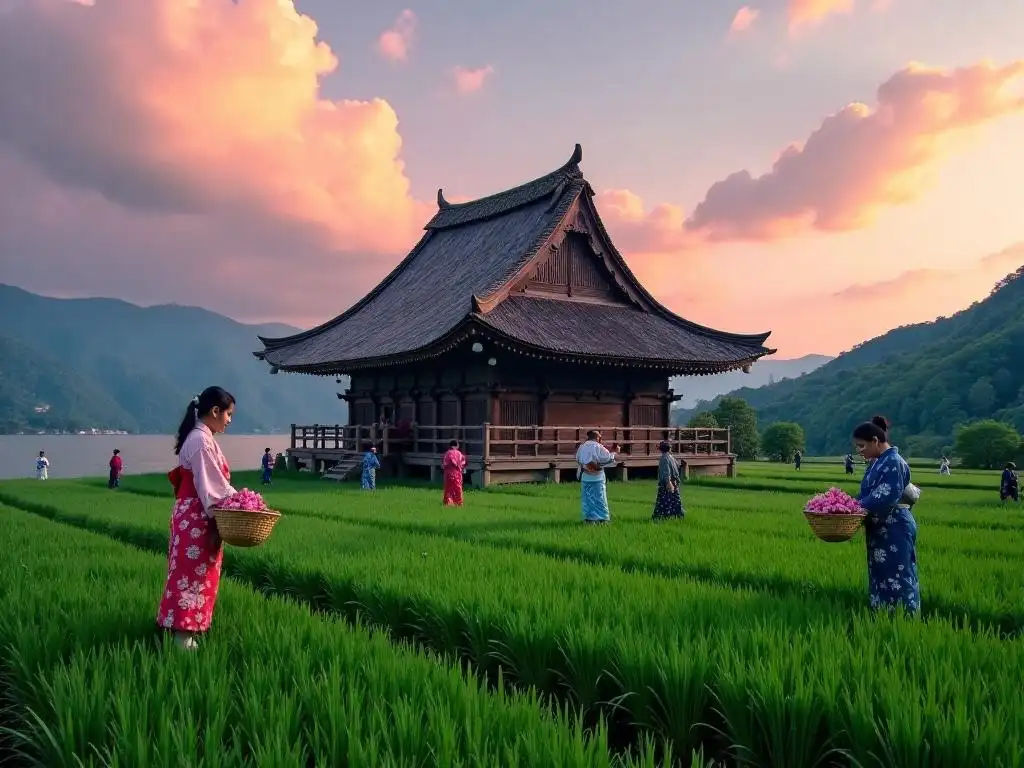
Welcome to Feudal Japan History, where we embark on a captivating journey through the intricacies of Japan's feudal era. In our featured article, "The Aftermath of Key Battles: Rebuilding Society in Feudal Japan," we delve into the profound changes that swept the nation as society sought to heal and rebuild after the ravages of warfare. What strategies were employed to restore order, and how did these battles shape the cultural and societal landscape of Japan?
Join us as we uncover the untold stories and expert insights that will leave you eager to explore more of this fascinating period. Your adventure into the depths of military history begins here!
Introduction to Feudal Japan and Its Key Battles
Feudal Japan, a period spanning from the 12th to the 19th centuries, was marked by a complex social structure, powerful samurai warriors, and a series of key battles that shaped the nation’s history. This era was characterized by the rise of military families, known as daimyos, who wielded significant power and influence. Throughout this period, conflicts such as the Genpei War, the Onin War, and the Sengoku period battles not only determined territorial boundaries but also had profound impacts on the societal fabric of Japan.
As these battles unfolded, they left behind a trail of destruction and displacement, prompting the need for reconstruction and revitalization. The aftermath of these conflicts required not just military strategies for victory but also comprehensive approaches for rebuilding society. This rebuilding process involved restoring agricultural productivity, re-establishing trade routes, and reintegrating displaced populations into a functioning society. Understanding the socio-political context and the efforts taken to mend the fractures in society post-conflict is crucial to grasping the resilience and evolution of Japanese culture during the feudal era.
The Importance of Rebuilding Society After Feudal Battles
The aftermath of key battles in feudal Japan was not merely about regaining lost territory; it was fundamentally about restoring a sense of order and stability within the war-torn communities. The importance of rebuilding society can be categorized into several critical areas:
- Economic Recovery:
- The destruction of farms, villages, and trade routes during battles led to widespread famine and economic decline.
- Rebuilding efforts focused on:
- Reviving agricultural production.
- Re-establishing local markets.
- Encouraging trade with neighboring regions.
- Social Cohesion:
- The dislocation of families and communities required initiatives to foster unity and cooperation among the populace.
- Key strategies included:
- Establishing community gatherings.
- Encouraging inter-village collaborations.
- Implementing local governance structures to provide stability.
- Cultural Preservation:
- Amidst the chaos, cultural traditions were at risk of being lost. Rebuilding society involved:
- Reviving traditional arts and crafts.
- Supporting religious practices as a means of communal healing.
- Documenting history to ensure the lessons of conflict were not forgotten.
- Amidst the chaos, cultural traditions were at risk of being lost. Rebuilding society involved:
- Political Stability:
- The power vacuum created by conflict often led to further strife. Rebuilding efforts aimed to:
- Reinforce the authority of the shogunate or local lords.
- Establish clear succession plans to prevent disputes.
- Promote alliances to deter future conflicts.
- The power vacuum created by conflict often led to further strife. Rebuilding efforts aimed to:
The process of rebuilding society after feudal battles in Japan was multifaceted and integral to the restoration of the nation. It involved not only physical reconstruction but also social, cultural, and political reforms, ensuring that the lessons learned from past conflicts would contribute to a more stable and prosperous future.
Historical Context of Feudal Japan
Feudal Japan, spanning from the late 12th century to the mid-19th century, was marked by a complex social hierarchy and a series of military conflicts that shaped the nation's history. This period began with the rise of the Kamakura shogunate in 1185, following the Genpei War, and continued through the Muromachi and Edo periods. The feudal system was characterized by a decentralized political structure where power was distributed among local lords (daimyōs) and their vassals (samurai), leading to a society heavily influenced by loyalty, honor, and martial prowess.
During this era, Japan experienced significant changes, including the shift from a court-centered aristocracy to a warrior-dominated society. The constant power struggles among clans resulted in numerous key battles that not only determined territorial control but also impacted cultural and social dynamics. The legacy of these conflicts is evident in Japan's historical narrative, as they laid the groundwork for the eventual unification under the Tokugawa shogunate in the early 17th century. Understanding the historical context of feudal Japan is essential to grasp the implications of warfare on societal rebuilding in the aftermath of key battles.
Overview of the Feudal System in Japan
The feudal system in Japan was intricately woven into the fabric of society, characterized by a rigid hierarchy. At the top was the emperor, whose role was largely ceremonial, followed by the shogun, the military dictator who held actual power. Below the shogun were the daimyōs, powerful landowners who governed vast territories and controlled their own samurai. This system fostered a culture of loyalty and duty, where samurai pledged allegiance to their daimyōs in exchange for land and protection.
The peasantry made up the bulk of the population, primarily engaged in agriculture. They were crucial to the economy, providing the necessary food and resources to sustain the samurai class. This hierarchical structure created a network of obligations and responsibilities, where each class relied on the others for survival and prosperity. However, the feudal system was not static; it evolved in response to the numerous conflicts and battles that punctuated Japan's history, shaping societal norms and influencing the methods of rebuilding after warfare.
Major Key Battles that Shaped Society
Several key battles during the feudal era significantly influenced the course of Japanese history and society. Notable among these are:
- The Genpei War (1180-1185): This conflict between the Taira and Minamoto clans marked the transition from imperial rule to military governance. The decisive Battle of Dan-no-ura resulted in the Minamoto’s victory and the establishment of the Kamakura shogunate.
- The Onin War (1467-1477): This battle initiated the Sengoku period, a time of social upheaval and constant military conflict among daimyōs. The war devastated Kyoto and led to the rise of local warlords, fundamentally altering the political landscape.
- The Battle of Sekigahara (1600): Often considered the most crucial battle in Japanese history, it solidified Tokugawa Ieyasu's power and established the Tokugawa shogunate, ushering in over 250 years of relative peace and stability known as the Edo period.
These battles not only determined the political landscape but also had profound effects on the demographics, economy, and culture of Japan, setting the stage for the challenges of rebuilding society in their aftermath.
The Immediate Aftermath of Key Battles
The aftermath of key battles in feudal Japan was marked by a period of chaos and rebuilding, as communities sought to recover from the devastation of warfare. The immediate consequences were often dire, leading to shifts in population, disruption of agricultural practices, and significant economic turmoil. Each battle left a unique imprint on society, necessitating a re-evaluation of social structures and local governance.
Impact on the Population and Demographics
The demographic impact of warfare during the feudal era was profound. Battles resulted in significant loss of life, not only among combatants but also among civilians caught in the crossfire. Entire communities were decimated, leading to a decline in population in affected areas. Additionally, the displacement of people became common as survivors fled to safer regions, often altering the demographic landscape.
In some instances, victorious clans would forcibly relocate populations to secure loyalty or to repopulate war-torn areas. This led to a mixing of cultures and traditions, as people from different regions interacted in their new settlements. Over time, these demographic changes contributed to a more complex societal structure, as regions adapted to new populations and the influences they brought with them.
Disruption of Agricultural Practices
Agriculture was the backbone of feudal Japan's economy, but warfare severely disrupted farming practices. Battles often destroyed farmlands, leading to decreased agricultural productivity. Fields were trampled, irrigation systems damaged, and farmers killed or displaced. This disruption not only affected food supply but also led to famine in certain areas, exacerbating the suffering of the population.
As communities began to rebuild, there was a necessity to restore agricultural practices. This often involved re-establishing irrigation systems, repairing damaged infrastructure, and, in some cases, the introduction of new farming techniques or crops. Local leaders played a crucial role in these efforts, as they sought to stabilize their territories and ensure the survival of their people.
Economic Consequences of Warfare
The economic consequences of warfare in feudal Japan were extensive and multifaceted. With the destruction of agricultural lands and loss of life, the economy faced severe strain. Trade routes were disrupted, leading to shortages of essential goods and inflated prices. The immediate aftermath saw local economies in turmoil, with many regions struggling to recover.
In response to these challenges, some daimyōs implemented reforms aimed at revitalizing their territories. This included incentivizing trade, investing in infrastructure, and promoting agricultural recovery. As stability slowly returned, the economy began to recover, but the scars of warfare remained evident in the social fabric of society. The long-term economic impacts of these battles would continue to shape Japan's development, influencing trade patterns and agricultural practices for generations to come.
Strategies for Rebuilding Society After Feudal Battles
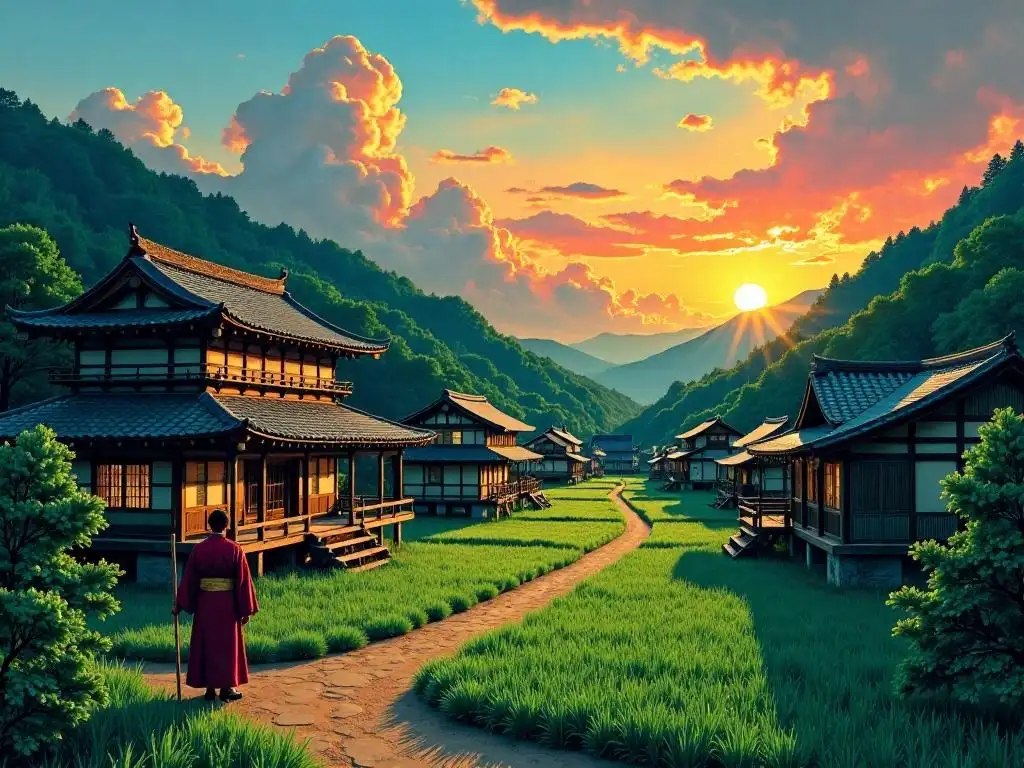
Rebuilding society after feudal battles in Japan required a multifaceted approach that addressed various aspects of life disrupted by conflict. The aftermath of these battles often left regions devastated, with infrastructure destroyed and local economies in shambles. As such, the strategies employed for recovery were essential for ensuring stability and fostering growth. Key areas of focus included reestablishing agriculture, reviving trade and commerce, and reinvigorating cultural practices.
Reestablishing Agricultural Systems
Agriculture was the backbone of feudal Japanese society, and the restoration of farming practices was paramount for recovery. After battles, lands were often ravaged, and irrigation systems dismantled, leading to food shortages. To counter this, local lords (daimyōs) implemented several strategies:
- Land Redistribution: In many cases, land was redistributed to ensure that it was farmed efficiently. This helped to encourage new settlers and boost productivity.
- Innovation in Farming Techniques: The introduction of new agricultural methods, such as crop rotation and improved irrigation techniques, helped restore yields. Some regions experimented with new crops that could thrive in the altered landscapes.
- Community Support Initiatives: Villagers often banded together to support one another, sharing tools and resources. This communal approach fostered resilience and accelerated the recovery process.
These efforts were crucial in restoring food security and stabilizing local economies, enabling communities to thrive once again.
Reviving Trade and Commerce
The post-battle era necessitated the revival of trade networks that had been disrupted during conflicts. Economic recovery hinged on reestablishing commerce, which involved several key actions:
- Reopening Trade Routes: Safe passage for merchants was essential. Local authorities worked to ensure that trade routes were clear of banditry and other dangers, allowing for the flow of goods.
- Market Days and Fairs: Regularly scheduled markets and fairs encouraged local trade and attracted merchants from other regions. These gatherings not only stimulated the economy but also fostered community cohesion.
- Craftsmanship and Industry: The rebuilding of workshops and the encouragement of skilled trades helped revive local economies. Craftsmanship became a source of pride and identity for communities, further solidifying their social fabric.
Through these measures, societies began to experience economic revitalization, which was crucial for long-term stability.
Cultural Rejuvenation in Post-Battle Society
Cultural rejuvenation played a vital role in the healing process after feudal battles. The arts, religion, and community practices contributed to a sense of identity and continuity in a time of upheaval. This cultural revival was essential for uniting fractured communities and restoring a sense of normalcy.
Influence of Religion and Spirituality on Recovery
Religion and spirituality were significant in the aftermath of battles, serving as sources of comfort and guidance for communities. Various religious practices contributed to the recovery process:
- Shinto and Buddhism: These two predominant religions in Japan became focal points for communal healing. Temples and shrines often served as places for reflection, prayer, and communal gatherings.
- Rituals and Ceremonies: Communities engaged in rituals to honor the dead and seek blessings for future prosperity. These practices fostered a collective spirit and reinforced social bonds.
- Philosophical Teachings: The teachings of Buddhism, particularly around suffering and impermanence, offered a framework for understanding the chaos of war and rebuilding lives.
The emphasis on spiritual recovery helped communities process their trauma and look towards a hopeful future.
Artistic Expressions: Literature, Painting, and Performance
The aftermath of battles also saw a resurgence in artistic expression, which played a crucial role in documenting experiences and fostering community identity. Various forms of art became outlets for expressing emotions and narrating the collective story of recovery:
- Literature: Poets and writers captured the struggles and resilience of society through their works, emphasizing themes of loss, recovery, and hope. Notable texts from this period often reflected on the human condition and societal changes.
- Visual Arts: Painting and calligraphy flourished as artists sought to depict scenes of nature, daily life, and historical events. These artworks served both aesthetic and educational purposes, helping to preserve cultural narratives.
- Performing Arts: Traditional forms of performance, such as Noh and Kabuki, were revitalized and began reflecting the complexities of life in post-battle society. These performances provided both entertainment and a means to convey moral lessons.
Through these artistic endeavors, communities were able to express their collective grief and triumph, forging a renewed cultural identity.
The Role of Samurai and Warrior Culture in Society
The samurai class played a pivotal role in the post-battle recovery of feudal Japan. Their influence extended beyond the battlefield and into social, political, and cultural realms:
- Leadership and Governance: Many samurai took on roles as local leaders, tasked with restoring order and stability. Their military experience positioned them as capable governors who could protect and guide their communities.
- Cultural Patrons: Samurai were often patrons of the arts, supporting artists, musicians, and writers. This sponsorship helped facilitate the cultural rejuvenation that followed battles.
- Upholding Ethical Codes: The samurai's adherence to bushido (the way of the warrior) served as a moral framework that emphasized loyalty, honor, and duty. These principles helped to reinforce social norms and encourage communal solidarity.
In essence, the samurai were instrumental in not only rebuilding society but also in shaping the cultural landscape of post-battle Japan. Their legacy continued to influence Japanese society long after the feudal era had ended.
Case Studies of Successful Rebuilding Efforts
Rebuilding society after feudal battles in Japan often relied on strategic planning and strong leadership. Several key case studies highlight how communities managed to recover and thrive in the aftermath of conflict. These cases demonstrate the resilience of the Japanese populace and the adaptability of their social structures, enabling them to transform their societies.
Case Study: Aftermath of the Battle of Sekigahara
The Battle of Sekigahara, fought in 1600, was a decisive conflict that led to the establishment of the Tokugawa shogunate. Following this battle, the rebuilding efforts were characterized by the consolidation of power under Tokugawa Ieyasu. The shogunate implemented a series of reforms aimed at stabilizing the nation, including:
- Land Redistribution: Lands were redistributed among loyal samurai, ensuring their allegiance and fostering stability. This helped rebuild the economic base of the war-torn regions.
- Infrastructure Development: The Tokugawa regime invested in infrastructure, such as roads and waterways, facilitating trade and communication. This not only revitalized the local economies but also connected distant provinces, creating a more integrated society.
- Promotion of Agriculture: Policies were enacted to improve agricultural productivity, including the introduction of new farming techniques. This led to increased food security and allowed populations to recover more swiftly.
These strategies were successful in fostering a period of peace and stability known as the Edo period, which lasted over 250 years and profoundly shaped Japanese society.
Challenges Faced in the Rebuilding Process
Despite the successes observed in various rebuilding efforts, significant challenges continually arose. These obstacles often delayed recovery and complicated the social landscape in post-battle Japan.
Internal Conflicts and Power Struggles
One of the primary challenges faced during the rebuilding process was the prevalence of internal conflicts and power struggles among the samurai class. The aftermath of battles often created a vacuum of power, leading to:
- Factional Rivalries: Different clans and factions vied for control, which sometimes erupted into conflict. This instability hindered efforts to establish a unified governance structure.
- Assassination and Betrayal: With power at stake, instances of betrayal and assassination were common. Such acts not only destabilized individual regions but also eroded trust in leadership, making cohesive rebuilding more difficult.
Resistance to Change from Traditionalist Elements
Another significant barrier to rebuilding was the resistance to change from traditionalist elements within society. Many individuals and groups were reluctant to accept new ideas, leading to:
- Cultural Conservatism: Traditional samurai values often clashed with the emerging practices of commerce and trade. Some samurai viewed these changes as a threat to their status and influence.
- Social Stratification: Efforts to modernize and improve societal structures were sometimes met with resistance from those benefiting from the status quo. This created a divide between progressive and conservative factions, slowing down the rebuilding process.
Environmental Impact and Natural Disasters
Natural disasters also played a critical role in the challenges faced during the rebuilding phase. Japan's geographical location made it susceptible to earthquakes, floods, and typhoons, which could devastate communities already reeling from the effects of battle. The impacts included:
- Destruction of Infrastructure: Natural disasters often destroyed newly built infrastructure, requiring additional resources and time for reconstruction.
- Displacement of Populations: Flooding and earthquakes could displace entire communities, complicating recovery efforts as populations sought refuge and resources elsewhere.
Addressing these environmental challenges was vital for the long-term success of rebuilding efforts, as they could undermine even the most well-planned initiatives.
Lessons Learned from Rebuilding Society After Feudal Battles
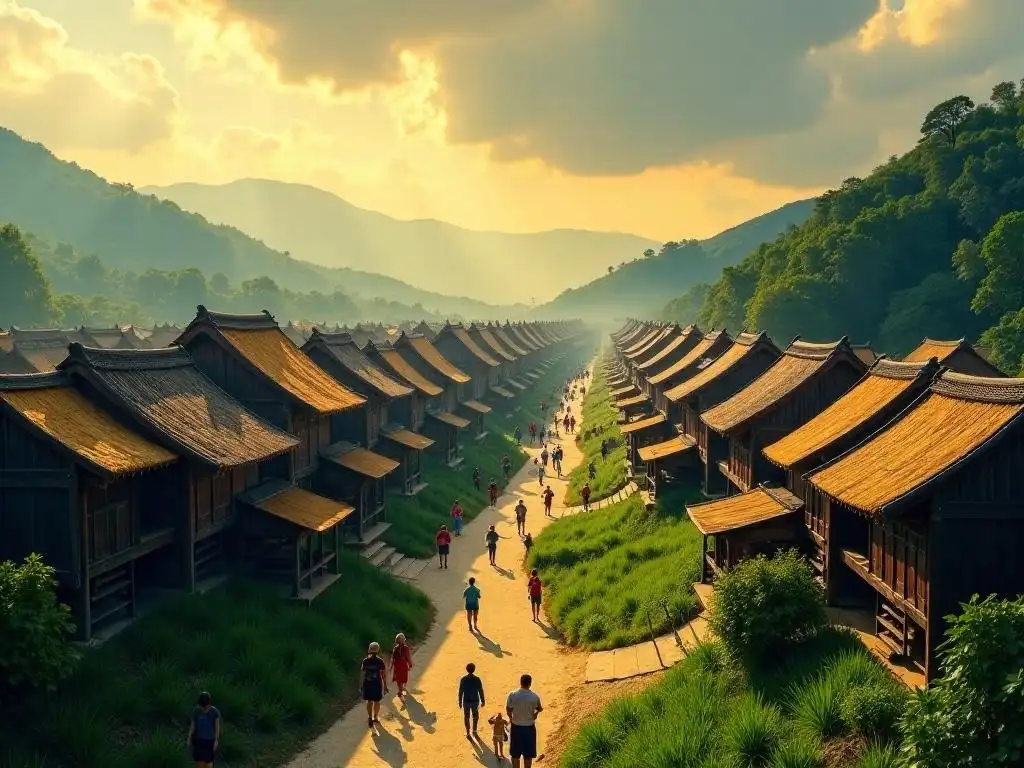
The aftermath of key battles in feudal Japan presents crucial lessons on resilience, adaptability, and the importance of strategic planning in rebuilding society. Following significant conflicts, such as the Genpei War or the Onin War, communities faced not only physical destruction but also psychological trauma and social upheaval.
The rebuilding process involved not merely restoring what had been lost but reimagining a more cohesive and functional society. Key lessons include the necessity of effective governance, the central role of community solidarity, and the recognition that recovery is often a long-term endeavor requiring sustained effort and collaboration among various societal sectors.
Importance of Leadership and Governance
Effective leadership emerged as a cornerstone of recovery in post-battle Japan. Leaders, whether local daimyōs or central figures like the shogun, played a critical role in navigating the complexities of rebuilding efforts. Strong governance provided a framework for organizing resources, restoring order, and implementing policies geared towards reconstruction. For instance, the leadership of Ashikaga Takauji after the Kamakura period exemplifies how a decisive and strategic governance approach can facilitate recovery. The establishment of new administrative practices and land reforms helped stabilize economically devastated regions, fostering an environment where communities could thrive again.
The Role of Community in Recovery Efforts
Community involvement was paramount in the reconstruction of society after feudal battles. Grassroots efforts often determined the speed and effectiveness of recovery. Villagers pooled resources, shared labor, and provided mutual support, demonstrating the strength of collective action. Historical evidence from the aftermath of the Sengoku period shows that local communities engaged in rebuilding their infrastructure and reestablishing agricultural practices. Community bonds were reinforced as people worked together, leading to social cohesion and a renewed sense of identity. This collective spirit was crucial in overcoming the psychological scars left by warfare and establishing a more resilient social fabric.
Long-term Implications for Japanese Society
The aftermath of feudal battles had profound long-term implications for Japanese society. The reconstruction efforts not only restored physical structures but also reshaped social hierarchies and power dynamics. The rise of new families and clans during the rebuilding phase often led to shifts in feudal allegiances and the eventual emergence of more centralized systems of governance.
Additionally, the cultural integration of various regions during the recovery phase contributed to a more unified national identity. Over time, these societal changes laid the groundwork for the transition from feudalism to a more modern state, influencing Japan's trajectory well into the Edo period and beyond.
Conclusion: The Legacy of Rebuilding Society After Feudal Battles in Japan
The legacy of rebuilding society after feudal battles in Japan is marked by resilience, transformation, and the enduring importance of leadership and community. The lessons learned during these tumultuous times continue to resonate in Japan's historical narrative, providing insights into the dynamics of recovery and societal evolution.
Reflection on the Evolution of Feudal Society
The evolution of feudal society in Japan was significantly shaped by the processes of rebuilding after key battles. As communities restructured themselves, they not only recovered from the immediate impacts of conflict but also engaged in introspection that led to cultural and societal advancements. This period saw the emergence of new philosophies regarding governance, community relations, and social responsibility, which would influence Japanese culture for generations. The legacy of these changes can be seen in various aspects of contemporary Japanese society, including its communal values and respect for leadership.
Future Implications for Understanding Japanese History
Understanding the aftermath of feudal battles and the subsequent rebuilding efforts provides valuable perspectives on Japanese history. It highlights how societies can recover from devastation and adapt to new realities. Future studies can benefit from examining the intricate relationships between warfare, community response, and societal transformation. By analyzing these patterns, historians can gain a deeper appreciation of the resilience of the Japanese people and the factors that contributed to their enduring cultural identity. This exploration not only enriches the narrative of feudal Japan but also serves as a reminder of the strength found in unity amidst adversity.
References and Further Reading on Rebuilding Society in Feudal Japan
To gain a deeper understanding of the complex processes involved in rebuilding society after feudal battles in Japan, scholars and enthusiasts alike can explore a variety of resources. The following references provide comprehensive insights into the historical, cultural, and societal aspects of this transformative period.
Books
-
"The Making of Modern Japan" by Ian Nish
This book offers a detailed overview of Japan's history, including the feudal era and its aftermath. Nish explores the socio-political changes that occurred as a result of key battles and how they shaped modern Japan.
-
"Samurai: The World of the Warrior" by Stephen Turnbull
Turnbull delves into the lives of the samurai, examining their roles in society, particularly after significant conflicts. The book discusses how the samurai class influenced societal structures and governance post-battles.
-
"Japan: A Cultural Portrait" by John W. Dower
Dower provides a cultural perspective on the aftermath of feudal battles, highlighting how societal norms and cultural practices evolved in response to military conflicts.
Academic Journals
-
"The Journal of Japanese Studies"
This peer-reviewed journal frequently publishes articles that address various aspects of Japanese history, including the societal impacts of feudal battles. Specific issues may focus on the transition periods and the rebuilding of communities.
-
"Harvard Journal of Asiatic Studies"
This journal often features in-depth studies on Japanese history and culture. Articles may cover the aftermath of battles and the sociopolitical changes that ensued.
Online Resources
-
National Diet Library of Japan
The National Diet Library provides a wealth of digital resources, including historical documents and research papers that discuss the feudal era and its aftermath. Their archives can be invaluable for in-depth research.
-
Japan Society
This organization offers numerous articles, lectures, and events focused on Japanese history and culture. Their resources often include discussions on the impacts of key battles and societal rebuilding.
By exploring these references, readers can enhance their understanding of how feudal battles influenced the reconstruction of society in Japan, providing a comprehensive view of this pivotal historical period.
- Introduction to Feudal Japan and Its Key Battles
- The Importance of Rebuilding Society After Feudal Battles
- Historical Context of Feudal Japan
- The Immediate Aftermath of Key Battles
- Strategies for Rebuilding Society After Feudal Battles
- Cultural Rejuvenation in Post-Battle Society
- Case Studies of Successful Rebuilding Efforts
- Challenges Faced in the Rebuilding Process
- Lessons Learned from Rebuilding Society After Feudal Battles
- Conclusion: The Legacy of Rebuilding Society After Feudal Battles in Japan
- References and Further Reading on Rebuilding Society in Feudal Japan
Frequently Asked Questions
What were the key battles that impacted feudal Japan?
The key battles in feudal Japan include the Genpei War and the Onin War, which significantly influenced political power and societal structures during the era.
How did feudal battles contribute to societal changes in Japan?
Feudal battles led to the collapse of old systems and the emergence of new social hierarchies, ultimately reshaping land ownership and governance.
What strategies were employed to rebuild society after battles?
After battles, leaders focused on reestablishing order, redistributing land, and reforming governance to stabilize and strengthen their domains.
How did culture evolve in the aftermath of feudal conflicts?
The aftermath of feudal conflicts saw a rise in cultural development, including art, literature, and philosophy, as society sought to forge a new identity.
What role did the samurai play in rebuilding society?
The samurai were crucial in the reconstruction process, as they helped enforce new laws and maintain order, while also adapting to the changing socio-political landscape.
Final Reflection: Rebuilding Society After Feudal Battles: A Journey of Resilience
The aftermath of key battles in feudal Japan serves as a profound reminder of the enduring human spirit in the face of adversity. As we reflect on the historical context of these conflicts, it becomes clear that the process of rebuilding society was not merely about physical reconstruction but also about healing and redefining cultural identities. Today, as we navigate our own societal challenges, the lessons learned from this tumultuous period resonate deeply, urging us to recognize that the path to recovery is often paved with resilience and unity.
The influence of these historical battles extends far beyond their immediate consequences; they have shaped the cultural and social landscape of Japan for centuries. The intricate tapestry of tradition, honor, and communal strength that emerged from the ashes of conflict continues to inspire contemporary society. As we witness modern struggles, whether they be social, political, or environmental, we can draw parallels to the past. In the midst of chaos, there is also opportunity,
a reminder that from destruction can arise new beginnings and innovative solutions. The ability to rebuild is not just a historical lesson but a vital skill that we must cultivate in our own lives.
As we conclude this exploration of rebuilding society after feudal battles, I invite you to reflect on your own experiences of overcoming challenges. Consider how you can apply the lessons of resilience and community strength in your life today. Embrace the opportunity to rebuild, not just in times of crisis but as a continuous journey toward growth and unity. Let the spirit of feudal Japan inspire you to forge connections, foster understanding, and create a society that thrives on collaboration and shared purpose.
Embrace Change: Rebuild Your Understanding of Feudal Japan
Thank you for journeying through the rich history of feudal Japan with us! You've uncovered the profound impact that key battles had on society's transformation. Now, it’s time to take that knowledge and channel it into meaningful action.
Here are some exciting ways to deepen your engagement with feudal Japan:
- Dive Deeper: Explore the pivotal battles that shaped Japanese society. Discover articles on our website that provide insights into lesser-known conflicts and their effects on culture and governance.
- Join the Conversation: Share this article with friends or on social media to spark discussions about how history influences contemporary societies. Knowledge thrives when shared!
- Get Involved: Attend local history events or join online forums to connect with fellow history enthusiasts. Look for groups that focus on feudal Japan and immerse yourself in a world of learning.
What aspect of feudal Japan's transformation intrigues you the most—social structures, cultural shifts, or the role of leaders in shaping society? Share your thoughts with us!