
The Exchange of Artifacts: What Japanese Art Reveals about Foreign Influence

Welcome to Feudal Japan History, where we invite you to embark on a fascinating journey through the intricate tapestry of Japan’s feudal era. In our featured article, “The Exchange of Artifacts: What Japanese Art Reveals about Foreign Influence,” we delve into the profound impact of foreign relations on Japanese art, uncovering hidden narratives that shaped cultural evolution. Prepare to be captivated as we explore the delicate balance between tradition and outside influence, and discover how these exchanges have left an indelible mark on Japan's artistic identity. Dive in and let your curiosity lead the way!
Introduction to Japanese Art and Foreign Influence
The realm of Japanese art is a tapestry woven from rich traditions and intricate patterns of influence from various cultures throughout history. During the feudal era, Japan experienced profound transformations that were not only political and societal but also deeply artistic. This period was marked by a dynamic exchange of ideas, materials, and techniques, leading to a unique blend of indigenous and foreign elements in Japanese art.
Understanding how these influences shaped the artistic landscape of Japan provides valuable insights into the broader narrative of cultural exchanges that defined this era. In exploring the theme of Japanese art foreign influence, we uncover the layers of interaction that enriched Japan's artistic heritage and reflect its position within the global context of art.
Overview of Japanese Art in the Feudal Era
Japanese art in the feudal era (approximately 1185 to 1868) encompassed a wide range of styles and mediums, including painting, sculpture, ceramics, and textiles. This period saw the emergence of notable artistic movements such as:
- Yamato-e: Traditional Japanese painting characterized by its narrative and landscape themes.
- Sumi-e: Ink wash painting that emphasized simplicity and spontaneity.
- Ukiyo-e: Woodblock prints that depicted the "floating world," capturing everyday life and the beauty of landscapes.
These art forms were not only reflections of Japanese aesthetics but also mirrors of foreign influences that shaped their evolution.
Significance of Foreign Influence in Japanese Art
The significance of foreign influence in Japanese art cannot be understated. As Japan engaged with various cultures through trade and diplomacy, artists began to incorporate new styles, techniques, and materials into their work. This resulted in:
- Innovative Techniques: The introduction of oil painting techniques and perspective drawing from Europe expanded the artistic toolkit of Japanese artists.
- New Themes: The incorporation of Chinese motifs and Buddhist iconography enriched the thematic depth of Japanese artworks.
- Cultural Synthesis: The blending of foreign elements with indigenous practices led to the creation of distinct styles that reflected a broader cultural narrative.
Historical Context of Foreign Influences on Japanese Art
To understand the complexities of how foreign influences permeated Japanese art, it is essential to delve into the historical context that facilitated these exchanges.
Pre-Feudal Influences: The Roots of Cultural Exchange
Before the feudal era, Japan was already experiencing cultural exchanges with neighboring countries, particularly through China and Korea. These interactions introduced:
- Buddhism: This religion brought not only spiritual concepts but also artistic practices such as temple construction and statue making.
- Chinese Calligraphy and Painting: These forms laid the foundation for Japanese aesthetic principles and techniques.
This early period set the stage for a more complex interplay of influences during the feudal era.
The Role of Trade in Shaping Japanese Art
Trade routes, especially during the time of the Silk Road and later maritime routes, played a crucial role in the dissemination of foreign artistic styles to Japan. Key aspects include:
- Importation of Goods: Luxurious items like porcelain, textiles, and paintings from China and the West provided new materials and inspirations for Japanese artisans.
- Cultural Exchange with Europe: The arrival of Portuguese and Dutch traders in the 16th century introduced Western artistic techniques and ideas, which began to permeate Japanese art.
Key Historical Events Leading to Art Exchange
Several pivotal moments in history significantly influenced the exchange of artistic ideas and practices in Japan, including:
- The Nanban Trade (16th-17th centuries): This period marked the arrival of European traders and missionaries, leading to a significant influx of foreign art and culture.
- The Meiji Restoration (1868): This event not only reopened Japan to the world but also catalyzed the integration of Western art styles, fundamentally transforming Japanese art.
Through these historical contexts, we can better appreciate how foreign influence shaped the evolution of Japanese art, revealing a rich tapestry of cultural exchanges.
Major Foreign Influences on Japanese Art
Japanese art has undergone significant transformations throughout its history, heavily shaped by foreign influences. The interactions with neighboring countries and distant lands have led to a rich tapestry of artistic styles and techniques. From the early adoption of Chinese aesthetics to the more recent integration of Western styles, each wave of influence has left an indelible mark on Japan’s artistic expression. This exchange of ideas has not only enriched Japanese art but has also fostered a unique cultural identity that reflects its history of adaptation and synthesis.
Chinese Influence on Japanese Artistic Techniques
The earliest and most profound influence on Japanese art came from China. This influence began as early as the 6th century when Buddhism was introduced from China, bringing with it not only religious practices but also artistic techniques. Chinese ink painting, calligraphy, and ceramics became foundational elements in Japanese art.
One significant aspect of this influence was the adoption of the ink painting technique, characterized by its emphasis on brushwork and the use of monochromatic ink. The Nihonga style, which emerged during the Edo period, further exemplified this connection, as it integrated both Chinese methodologies and local materials to create a distinctly Japanese aesthetic.
Moreover, Chinese landscape painting served as a model for many Japanese artists, inspiring them to explore nature and spirituality through their own lens. The integration of Chinese motifs such as dragons, phoenixes, and landscapes into Japanese art demonstrates a deep appreciation and adaptation of Chinese culture.
The Impact of Korean Art on Japanese Craftsmanship
Korean art also played a crucial role in shaping Japanese craftsmanship, particularly during the Asuka and Nara periods. The introduction of advanced techniques in pottery, textile dyeing, and metalwork can be traced back to Korean artisans who traveled to Japan.
Korean pottery, known for its distinctive glaze and form, influenced Japanese ceramic practices, leading to the development of unique styles such as Hagi-yaki and Bizen-yaki. These ceramics reflect both the elegant simplicity of Korean designs and the Japanese penchant for subtle beauty.
The transfer of textile techniques from Korea introduced complex weaving methods and patterns, enriching the textile arts in Japan. The use of indigo dye, which became a hallmark of Japanese textiles, demonstrates how Korean practices were assimilated and transformed into something uniquely Japanese.
Western Influence: The Arrival of European Art Styles
The opening of Japan to the West in the mid-19th century marked a dramatic shift in the country’s artistic landscape. European art styles began to permeate Japanese culture, particularly during the Meiji Restoration. This period saw the introduction of realism, impressionism, and neo-classicism, which contrasted sharply with traditional Japanese aesthetics.
Artists like Yōshimura Jōtarō and Kuroda Seiki embraced Western techniques, incorporating perspective and chiaroscuro into their works. The fusion of Western and Japanese elements is evident in the Yōga style, which sought to create a new kind of art that blended both traditions.
Additionally, the influence of Western themes, such as portraits and landscapes, began to resonate in Japanese art, leading to the emergence of new genres. This period of cultural exchange not only transformed visual art but also influenced literature, architecture, and design, leading to a more globalized Japanese identity.
Artifacts as Indicators of Cultural Exchange
Artifacts serve as tangible evidence of cultural exchange, illustrating how interactions between Japan and other nations have shaped its artistic heritage. From ancient pottery and textiles to paintings and sculptures, these items reveal the complexities of foreign influence on Japanese art. They not only signify the adoption of styles and techniques but also reflect the broader social and political contexts of their time.
Notable Artifacts Reflecting Foreign Influence
Several artifacts highlight the rich tapestry of foreign influence on Japanese art. For instance, the Shosoin Treasure House houses a collection of items from the Nara period, including Chinese ceramics and textiles that exemplify early cultural exchanges.
Another notable example is the Rimpa School of painting, which often integrated motifs from Chinese art while retaining a distinctively Japanese aesthetic. The Kinkaku-ji (Golden Pavilion) itself serves as a testament to the integration of Chinese architectural principles, showcasing how foreign influences shaped even architectural design.
These artifacts not only represent the aesthetic values of their time but also tell stories of trade, diplomacy, and cultural interactions that have defined Japan’s artistic evolution.
Analyzing the Symbolism in Influenced Japanese Art
The symbolism found in influenced Japanese art often carries dual meanings, reflecting both Japanese and foreign cultural contexts. For example, the use of the crane in Japanese art, which symbolizes longevity and good fortune, can also be traced back to Chinese traditions where it holds similar auspicious meanings.
Furthermore, the integration of Western elements often led to new interpretations of traditional themes. The juxtaposition of Western realism with Japanese subjects creates a dialogue between cultures, allowing for a reinterpretation of national identity. Analyzing these symbols provides insight into how Japanese artists navigated the complexities of cultural influence and adaptation.
The Role of Artifacts in Understanding Cultural Relations
Artifacts play a critical role in understanding the historical context of cultural relations between Japan and other nations. They serve as primary sources for historians and art scholars, allowing them to trace the evolution of artistic styles and the dynamics of cultural exchange.
By studying these artifacts, one can gain insights into the motivations behind cultural interactions, such as trade routes, diplomatic relations, and the exchange of ideas. The interplay of foreign and domestic influences in Japanese art offers a unique perspective on how nations can coexist and enrich one another’s cultures through shared artistic expressions.
The examination of artifacts and their symbolism reveals the intricate web of foreign influence that has shaped Japanese art throughout history, underscoring the importance of cultural exchange in the development of a nation’s identity.
Case Studies of Foreign Influence in Japanese Art
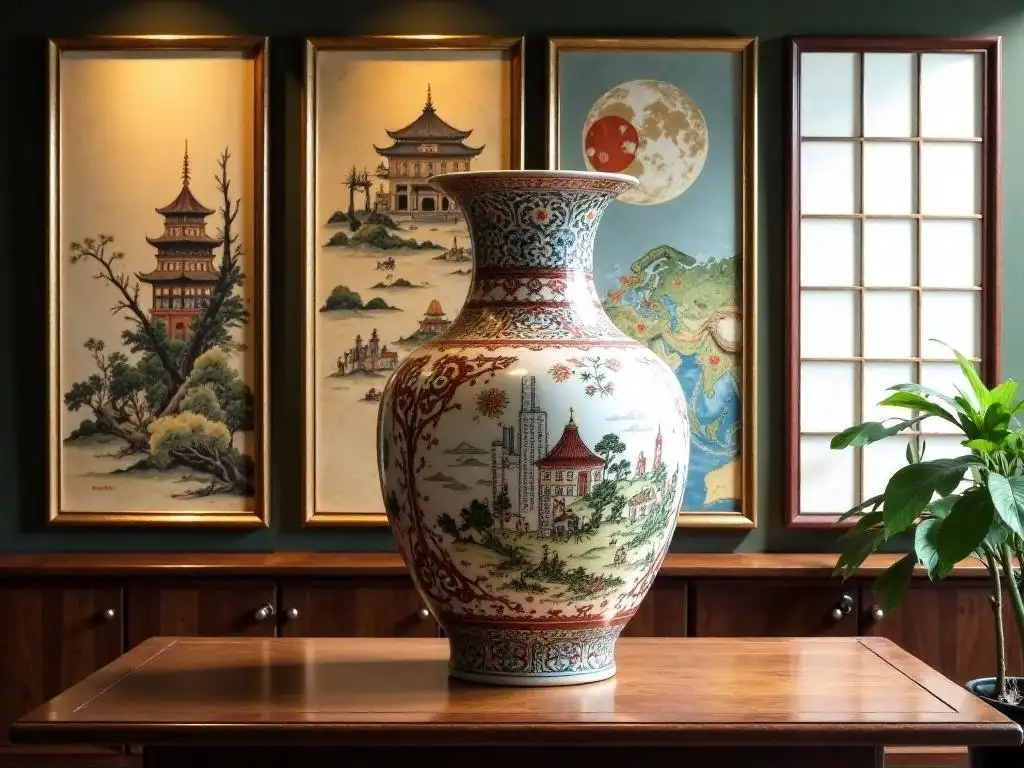
Japanese art has been profoundly shaped by various foreign influences throughout its history. These influences have not only introduced new techniques and styles but have also enriched the thematic content of Japanese artworks. By examining specific case studies, we can gain a deeper understanding of how these interactions have transformed the artistic landscape in Japan.
Case Study 1: The Adoption of Buddhist Art
The introduction of Buddhism to Japan in the 6th century marked a pivotal moment in the country's artistic evolution. Buddhist art, primarily derived from the Chinese and Korean traditions, brought with it new iconography, styles, and techniques.
- Sculpture and Painting: Early Buddhist sculptures, such as the iconic Nara period statues, were influenced by the realistic and detailed depictions found in Chinese Buddhist art. This influence is evident in the serene expressions and intricate drapery of the figures.
- Temples and Murals: The construction of temples, such as Hōryū-ji, featured murals that illustrated Buddhist teachings. These artworks not only served a spiritual purpose but also showcased the skilled craftsmanship that integrated foreign techniques with local materials.
The adoption of Buddhist art was crucial in shaping not only religious expressions but also broader Japanese aesthetics, impacting ceramics, textiles, and architecture.
Case Study 2: The Influence of Western Painting Techniques
The late 19th century saw an influx of Western art techniques following Japan's opening to international trade. This period, known as the Meiji Restoration, led to a significant shift in artistic practices.
- Oil Painting and Perspective: Japanese artists began experimenting with oil paints and Western perspective techniques, which were previously unknown in traditional Japanese art. Artists like Yokoyama Taikan sought to blend Western realism with Japanese subjects, creating a unique fusion that appealed both locally and internationally.
- Printmaking and Lithography: The introduction of Western printmaking techniques allowed for the expansion of print art in Japan. This evolution can be seen in the works of artists who incorporated Western themes into their prints, resulting in a new genre that maintained traditional Japanese aesthetics while embracing foreign methods.
This blending of techniques not only transformed the visual landscape of Japanese art but also facilitated a dialogue between East and West.
Case Study 3: The Integration of Chinese Calligraphy
Chinese calligraphy has long been revered in Japan and has significantly influenced Japanese writing systems and artistic expression. The importation of Chinese characters during the 5th century laid the foundation for the development of kanji in the Japanese language.
- Aesthetic Principles: The aesthetics of Chinese calligraphy emphasized fluidity, balance, and the expression of emotion through brush strokes. Japanese artists adopted these principles, leading to the development of unique calligraphic styles that incorporated Japanese phonetic scripts, such as hiragana and katakana.
- Cultural Exchange: The appreciation of Chinese calligraphy is evident in the works of famous Japanese calligraphers, such as Yozan and Hon'ami Koetsu, who blended traditional Chinese techniques with Japanese sensibilities. Their works exemplify the synthesis of these cultural influences, creating a distinctly Japanese art form that still honors its Chinese roots.
The Evolution of Japanese Art Due to Foreign Influence
Foreign influence has been a catalyst for the evolution of Japanese art, leading to significant transformations in styles, themes, and genres. The continuous interaction with other cultures has enriched Japan's artistic heritage, making it a vibrant tapestry of diverse influences.
Transformations in Artistic Styles Over the Centuries
Over the centuries, Japanese art has undergone numerous transformations due to foreign influences. Each period of contact with other cultures has introduced new artistic styles that have been adapted to fit the Japanese context.
- From Classical to Modern: The Heian period saw the emergence of Yamato-e, a style characterized by its focus on Japanese themes, influenced by interactions with Chinese painting. As Japan entered the Edo period, the ukiyo-e style became prominent, which was shaped by both domestic conditions and foreign interactions, especially with Dutch traders.
- Contemporary Developments: In modern times, artists continue to draw inspiration from global movements, integrating techniques from Impressionism, Cubism, and beyond into their work, thus pushing the boundaries of traditional Japanese art forms.
How Foreign Influence Led to New Genres in Japanese Art
The interaction with foreign cultures has led to the emergence of several new genres within Japanese art, reflecting the dynamic nature of cultural exchange.
- Nihonga: This genre, which emerged during the Meiji period, combines traditional Japanese materials and techniques with Western themes. It represents a significant shift in artistic expression and is characterized by its unique blend of modernity and tradition.
- Sōsaku-hanga: This movement, which translates to "creative prints," began in the early 20th century and emphasized the artist's role in the entire printmaking process. Influenced by Western art movements, Sōsaku-hanga artists sought to break free from traditional constraints, leading to innovative approaches in printmaking.
These new genres illustrate how foreign influences have not only diversified Japanese art but have also allowed for individual expression and experimentation.
The Lasting Legacy of Foreign Influences on Modern Japanese Art
Today, the legacy of foreign influences is evident in the works of contemporary Japanese artists, who continue to push the boundaries of traditional art forms.
- Global Fusion: Modern Japanese art is characterized by a fusion of global influences, as artists draw inspiration from international movements while maintaining their cultural identity. This blend can be seen in the works of artists like Takashi Murakami, who combines traditional motifs with contemporary themes and techniques.
- Cultural Dialogue: The ongoing dialogue between Japan and the rest of the world is reflected in exhibitions, collaborations, and exchanges that enrich the global art scene. This legacy of openness continues to shape the future of Japanese art, fostering creativity and innovation.
The exchange of artifacts and ideas has played a crucial role in shaping Japanese art, revealing a complex narrative of cultural influence that spans centuries. Each interaction has contributed to the rich tapestry of Japan's artistic heritage, allowing it to evolve while embracing its diverse influences.
Conclusion: The Enduring Impact of Foreign Influence on Japanese Art
The exploration of Japanese art reveals the profound and lasting impact of foreign influence throughout its history. From the early interactions with Chinese culture to the later exchanges with European traders and missionaries, these external forces have shaped Japan's artistic expressions in numerous ways. The fusion of styles, techniques, and themes is evident in various art forms, including painting, ceramics, textiles, and architecture. This amalgamation not only enriched Japan's cultural heritage but also contributed to the country's unique identity as it navigated the complexities of foreign relations during the feudal era.
The historical artifacts and artworks serve as visual narratives that tell stories of adaptation and transformation. As Japanese artists embraced new ideas and motifs, they skillfully integrated them into their own traditions, creating a distinctive blend that speaks to the resilience and creativity of Japanese culture. The influence of foreign elements in Japanese art is not merely a reflection of external pressures; rather, it exemplifies an ongoing dialogue between cultures that continues to evolve.
Summary of Key Findings
In reviewing the exchange of artifacts and the influence of foreign cultures on Japanese art, several key findings emerge:
- Diverse Influences: Japanese art has been significantly influenced by various cultures, particularly Chinese, Korean, and later European. Each interaction brought new techniques and ideas that were assimilated into local practices.
- Adaptation and Innovation: Japanese artists did not merely adopt foreign styles; they adapted them to fit their cultural context, leading to innovative practices that enriched the artistic landscape of Japan.
- Cultural Narratives: Artworks serve as crucial historical documents that illustrate the cultural exchanges and interactions that occurred over centuries, revealing the broader socio-political dynamics at play.
- Continued Relevance: The legacy of these foreign influences continues to be relevant today, as modern Japanese artists draw inspiration from both traditional and contemporary global art movements.
These findings underscore the importance of understanding Japanese art as a dynamic and evolving practice that reflects the complexities of cultural exchange.
The Future of Japanese Art in a Global Context
As Japan continues to engage with the global community, the future of Japanese art appears poised for further transformation. Contemporary artists are increasingly influenced by global trends while also maintaining a connection to their cultural heritage. This duality fosters a rich environment for innovation, where traditional techniques can be reinterpreted through a modern lens.
The rise of digital technology and social media has also facilitated cross-cultural interactions, allowing Japanese artists to share their work and perspectives with a global audience. This connectivity opens avenues for collaboration and exchange, further enriching the artistic discourse.
Moreover, as issues such as environmental sustainability and social justice gain prominence worldwide, Japanese artists are likely to incorporate these themes into their work, reflecting both local and global concerns. The interplay of foreign influence and Japanese tradition promises to create a vibrant future for the art scene in Japan, where the past and present continually inform and inspire one another.
References
Suggested Readings on Japanese Art and Cultural Exchange
- "Japanese Art: A Cultural History": by Stephen Addiss
- "The Art of Japanese Craftsmanship: Tradition and Innovation": by Yoko Saito
- "Intercultural Exchange in Japan: A Historical Perspective": by David L. Swain
- "Edo Period Art and the West" by Christine M. E. Choi
Academic Sources on Foreign Influence in Feudal Japan
- "Foreign Influence in Japanese Art: A Historical Overview": by William H. McCullough
- "Cultural Exchange in the Age of the Samurai" by Thomas M. Mazzuchi
- "The Impact of Western Art on Japan: 19th Century Developments": by Susan D. Napier
- "Cross-Cultural Encounters: Japan and the West": by Anne Walthall
These readings and academic sources provide a foundational understanding of the intricate relationships between Japanese art and foreign influences, contributing to a deeper appreciation of Japan's cultural history.
- Introduction to Japanese Art and Foreign Influence
- Historical Context of Foreign Influences on Japanese Art
- Major Foreign Influences on Japanese Art
- Artifacts as Indicators of Cultural Exchange
- Case Studies of Foreign Influence in Japanese Art
- The Evolution of Japanese Art Due to Foreign Influence
- Conclusion: The Enduring Impact of Foreign Influence on Japanese Art
- References
- What is the main focus of the article "The Exchange of Artifacts"?
- How did foreign influence shape Japanese art during the feudal era?
- What types of artifacts are discussed in the article?
- Why is understanding foreign influence in Japanese art important?
- How can readers further explore the topic of Japanese art and foreign influence?
Frequently Asked Questions
What is the main focus of the article "The Exchange of Artifacts"?
The article explores how Japanese art reflects foreign influences throughout history, examining artifacts and their implications on cultural exchange.
How did foreign influence shape Japanese art during the feudal era?
During the feudal era, various foreign influences, such as those from China and the West, significantly altered Japanese artistic styles, techniques, and themes.
What types of artifacts are discussed in the article?
The article discusses a range of artifacts, including paintings, ceramics, and textiles, showcasing how these items illustrate the cultural exchange between Japan and other nations.
Why is understanding foreign influence in Japanese art important?
Understanding this influence helps to appreciate the complex cultural tapestry of Japan, revealing how external factors have shaped its artistic identity over time.
How can readers further explore the topic of Japanese art and foreign influence?
Readers are encouraged to explore additional articles and resources available on the Feudal Japan History website, which provide in-depth analysis and context regarding Japanese art and its global interactions.
Final Reflection: The Interwoven Tapestry of Japanese Art and Foreign Influence
The exploration of Japanese art as a reflection of foreign influence is more relevant today than ever, as our globalized world continues to blur cultural boundaries. The intricate exchange of ideas and aesthetics that shaped Japanese art serves as a powerful reminder of how interconnected our societies have always been. In a time when cultural appropriation and appreciation are hotly debated, understanding the historical context of these exchanges can foster a deeper appreciation for the art we encounter and the cultures they represent.
The ongoing influence of foreign elements in Japanese art not only enriches its narrative but also challenges us to reconsider our perceptions of cultural identity. The beautiful amalgamation of styles and techniques throughout history illustrates that art is not created in a vacuum; it is a dialogue between cultures. As the artist Takashi Murakami once said, "> Art is a reflection of the world around us, and it evolves as we do." This sentiment underscores the importance of recognizing the layers of influence that contribute to the richness of any artistic tradition, including Japanese art.
As we reflect on the lessons drawn from the exchange of artifacts and ideas, I invite you to consider how you can engage with art in a more meaningful way. Take a moment to explore the stories behind the artworks you admire, and recognize the diverse influences that shape them. By doing so, you not only honor the artists and their heritage but also enrich your own understanding of the world. Embrace the beauty of cultural exchange, and let it inspire you to create connections that transcend borders and celebrate our shared humanity.
Unveil the Transformative Power of Cultural Exchange!
Thank you for immersing yourself in the fascinating world of Japanese art and the rich tapestry of influences that have shaped it! Your curiosity today opens the door to a deeper understanding and appreciation of cultural exchanges that transcend time. Now, let’s take that knowledge and put it into action!
- Dive deeper into the journey of artifacts: Visit a local museum or explore online galleries that showcase Japanese art and its diverse influences. Witness firsthand the beauty and intricacies of these cultural exchanges!
- Join the conversation: Share your thoughts and insights with friends or on social media. How do you believe that global influences have enriched various cultures? Let your voice be heard!
- Explore further learning opportunities: Consider enrolling in a workshop or online course centered on Asian art history, where you can delve even deeper into the captivating world of cultural impact.
As you reflect on this exchange of arts and ideas, ask yourself: How can understanding the past shape our appreciation for modern cultural interactions? Let's discuss!