
The Role of the Tea Trade in Cultural Exchanges with China


Welcome to Feudal Japan History, where we invite you to delve into the intricate tapestry of Japan's feudal era. Our focus today shines a light on the fascinating journey of the tea trade, a pivotal force in shaping cultural exchanges with China. Have you ever wondered how a simple beverage became a conduit for diplomacy and cultural exchange?
Join us as we unravel the rich narratives behind the Japan feudal tea trade history, revealing how it not only transformed local customs but also forged connections across borders. Prepare to embark on a captivating exploration that promises to deepen your understanding of this remarkable period!
Introduction to Japan's Feudal Tea Trade History
The tea trade between Japan and China played a pivotal role in shaping the cultural landscape of feudal Japan. As trade routes opened and interactions between these two rich civilizations flourished, tea became more than just a beverage; it evolved into a symbol of cultural exchange and sophistication.
The feudal era, marked by the influence of samurai culture and the establishment of the shogunate, witnessed a burgeoning interest in tea, leading to significant developments in trade practices, cultural customs, and social norms. This article delves into the intricate tapestry of Japan's feudal tea trade history, exploring its profound impacts on Japanese society and its enduring connections with China.
Overview of the Tea Trade in Feudal Japan
During the feudal period, which spanned from the 12th to the 19th centuries, tea emerged as a highly sought-after commodity in Japan. Initially introduced through Buddhist monks who traveled to China for religious studies, tea quickly gained popularity among the aristocracy and samurai class. The establishment of trade routes allowed for the influx of Chinese tea varieties, particularly during the Kamakura (1185–1333) and Muromachi (1336–1573) periods.
- Key Aspects of the Tea Trade:
- Importation of Chinese Tea: Japanese merchants and monks played crucial roles in importing tea, primarily from the Song and Ming dynasties.
- Development of Local Tea Cultivation: As demand grew, regions like Uji in Kyoto began cultivating their own tea, adapting Chinese practices to local conditions.
- Cultural Influences: The tea trade facilitated the exchange of customs and rituals, embedding tea-drinking practices within Japanese culture.
Significance of Tea in Japanese Culture
Tea transcended its role as a mere beverage in feudal Japan; it became integral to various aspects of society, including religion, art, and hospitality. The zenith of tea's importance can be seen in the development of the Japanese tea ceremony (chanoyu), which emphasizes harmony, respect, purity, and tranquility. This ceremonial practice not only reflects aesthetic values but also embodies the philosophical tenets brought from China.
- Cultural Impact of Tea:
- Artistic Expressions: Tea inspired various art forms, including ceramics, calligraphy, and garden design.
- Social Interactions: Tea gatherings became a means for socializing among samurai, fostering alliances and cultural exchanges.
- Religious Significance: Buddhist teachings intertwined with tea culture, promoting mindfulness and spiritual reflection.
Historical Context of Tea Trade Between Japan and China
Understanding the tea trade between Japan and China necessitates a look at the historical context that shaped these interactions. The origins of tea as a cultural and economic entity began in China, developing into a practice that would eventually permeate Japanese society.
Origins of Tea in China and Its Introduction to Japan
Tea is believed to have originated in China, where it was cultivated for centuries before becoming a staple in daily life. The earliest known records of tea consumption date back to the Shang dynasty (1600–1046 BC). As the popularity of tea spread throughout China, it became an essential aspect of social and cultural life.
- Introduction to Japan:
- Buddhist Influence: The introduction of tea to Japan is largely credited to Buddhist monks in the 9th century, who brought seeds and knowledge from China.
- Early Adoption: By the 12th century, tea began to be consumed by the Japanese elite, setting the stage for its cultural significance.
Key Historical Figures in the Japan-China Tea Trade
Throughout the feudal period, several key figures emerged who played significant roles in enhancing the tea trade relations between Japan and China. These individuals not only facilitated trade but also contributed to the cultural exchanges that defined the era.
- Noteworthy Individuals:
- Kūkai (Kōbō Daishi): The founder of the Shingon sect of Buddhism, Kūkai is often credited with bringing tea seeds and cultivation techniques back to Japan during his travels to China.
- Sen no Rikyū: A prominent tea master in the 16th century, Rikyū refined the Japanese tea ceremony and helped popularize tea culture among the samurai class, further strengthening ties with Chinese traditions.
Through the lens of these historical dynamics, the tea trade emerges as a vital conduit for cultural exchange, shaping the identity of Japan during its feudal era and laying the groundwork for future interactions between the two nations.
The Impact of the Tea Trade on Cultural Exchanges
The tea trade played a pivotal role in shaping the cultural landscape of feudal Japan, acting as a conduit for the exchange of ideas, philosophies, and social practices between Japan and China. This exchange was not merely about commerce; it was a dynamic interaction that influenced various aspects of life in Japan, including art, literature, and social rituals. As tea became more than just a beverage, it evolved into a symbol of cultural sophistication and spiritual contemplation, linking the two nations in a complex web of cultural ties.
The introduction of tea to Japan is often credited to Buddhist monks who traveled to China for religious study. Upon their return, these monks brought not just tea seeds but also the understanding of its preparation and consumption. This initiated a cultural dialogue that enriched Japanese traditions and practices. The tea trade thus became a significant aspect of foreign relations, transcending mere economic transactions to foster deeper cultural connections.
Exchange of Ideas and Philosophies through Tea
The act of drinking tea in feudal Japan was heavily influenced by Chinese customs, which promoted a philosophy of tranquility and mindfulness. This led to the development of the Japanese tea ceremony, or "chanoyu," where the preparation and serving of tea became an art form steeped in meditation and aesthetics. The infusion of these ideas from Chinese practices fostered an appreciation of simplicity and nature, which became central tenets of Japanese culture.
Moreover, tea served as a medium for intellectual exchange. Scholars and artists engaged in discussions over cups of tea, sharing insights on philosophy, poetry, and aesthetics. The tea house became a space where ideas flourished, allowing for a cross-pollination of cultural and philosophical thought. This exchange was fundamental in shaping the Japanese worldview and contributed to the unique identity of Japanese culture during the feudal era.
The Influence of Chinese Tea Culture on Japanese Practices
Chinese tea culture had a profound influence on Japanese practices, resulting in distinctive adaptations that highlighted Japan's unique cultural identity. The preparation methods, types of tea, and ceremonial aspects introduced by the Chinese were refined and transformed in Japan. For instance, while Chinese tea culture emphasized the social aspect of tea drinking, Japan's tea ceremony focused on the spiritual and aesthetic experience.
Incorporating elements such as the use of specific utensils, the arrangement of the tea room, and the meticulous preparation rituals, the Japanese tea ceremony became a reflection of Zen principles. This cultural synthesis not only honored the original Chinese practices but also established a unique Japanese identity that celebrated the beauty of imperfection and the transient nature of life, encapsulated in the concept of "wabi-sabi."
Economic Aspects of the Tea Trade in Feudal Japan
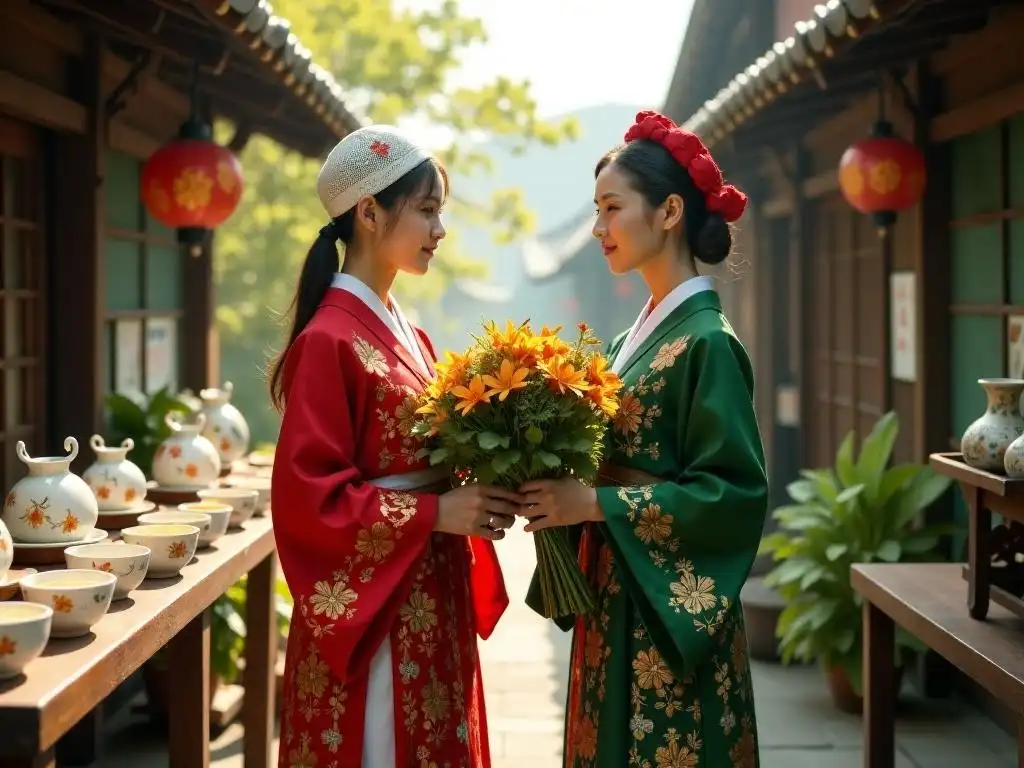
The tea trade was not only culturally significant but also economically vital to feudal Japan. The demand for tea surged during the 12th to 16th centuries, driven by its association with the elite and the samurai class. This created a burgeoning market that contributed to the development of trade routes and fostered economic relationships between Japan and China.
The economic impact of the tea trade extended beyond mere profits; it also influenced social structures and regional economies. Areas known for tea cultivation became prosperous, and the trade routes established for tea facilitated the exchange of other goods, creating a network of commerce that was integral to the feudal economy.
Trade Routes and Their Importance in Feudal Economy
The establishment of trade routes for tea was crucial in connecting Japan with China and other regions. Key routes included maritime paths that linked ports in Japan with Chinese coastal cities, facilitating the flow of tea and other commodities. These routes not only enabled the movement of goods but also encouraged cultural exchanges, as merchants and travelers shared their experiences and knowledge along with the products.
The trade routes also played a significant role in regional economies, where towns and cities that engaged in tea trade flourished. These areas saw the development of infrastructure, such as roads and ports, enhancing their economic viability. The tea trade thus became a catalyst for growth, impacting various sectors and leading to increased interactions between different regions of Japan and beyond.
The Role of Tea Merchants in Cultural Exchange
Tea merchants were key players in the cultural exchanges between Japan and China. As intermediaries, they not only facilitated the trade of tea but also brought with them ideas, customs, and practices from China. Their travel allowed them to witness and bring back various cultural influences, which they then disseminated within Japanese society.
These merchants often established tea houses that became centers of cultural exchange, where people gathered to enjoy tea and engage in discussions about art, literature, and philosophy. Through their networks, tea merchants fostered relationships that transcended economic transactions, contributing to a rich tapestry of cultural dialogue that shaped Japan’s feudal society.
The tea trade in feudal Japan was a multifaceted phenomenon that significantly impacted cultural exchanges with China, intertwining economic development with the evolution of social practices and philosophies. The legacy of these exchanges continues to resonate in Japan today, illustrating the enduring significance of tea in fostering connection and cultural identity.
The Evolution of Tea Ceremonies in Japan
The evolution of tea ceremonies in Japan is a significant reflection of the country's cultural exchanges with China. Initially introduced to Japan during the Tang Dynasty, tea became a symbol of sophistication and tranquility. The early Japanese adopters of tea were primarily Buddhist monks who utilized the beverage for its stimulating effects during meditation. As the practice spread throughout the aristocracy, it evolved into a more refined ritual known as the Japanese tea ceremony, or "chanoyu."
The tea ceremony has undergone numerous transformations, influenced not only by the social status of its practitioners but also by ongoing exchanges with Chinese tea culture. Over the centuries, the ceremony has become a complex art form, emphasizing harmony, respect, purity, and tranquility (wa, kei, sei, and jaku). Each of these principles plays a crucial role in the execution and appreciation of the tea ceremony, highlighting its significance beyond mere beverage consumption.
Traditional Japanese Tea Ceremony: Influences from China
The traditional Japanese tea ceremony owes much to its Chinese predecessors, particularly in its early stages. In the 9th century, Japanese envoys to China returned with tea seeds and the knowledge of tea preparation. However, it was during the 12th century that the practice of drinking powdered tea, or "matcha," was popularized in Japan, heavily influenced by the Chinese practice of "cha."
The Zen Buddhist teachings further shaped the tea ceremony, as monks began to integrate meditation into the practice, prioritizing a serene environment and mindfulness. The aesthetics of Chinese tea culture, including the use of specific utensils and the importance of the tea room's design, also found their way into Japanese rituals, leading to the creation of a uniquely Japanese version of the tea ceremony that merges both Chinese influences and indigenous practices.
Changes in Tea Ceremony Practices Over Time
Over time, Japan's tea ceremony has adapted to societal shifts and cultural exchanges, reflecting changes in aesthetics, philosophy, and social norms. The Muromachi period (1336-1573) witnessed the emergence of the "wabi-sabi" aesthetic, emphasizing simplicity and the beauty of imperfection, which became integral to the tea ceremony. This period also saw the rise of influential tea masters like Sen no Rikyū, who redefined the practice, infusing it with personal philosophy and spiritual depth.
As Japan moved into the Edo period (1603-1868), the tea ceremony became more accessible to the merchant class, leading to a democratization of the practice. This shift introduced new styles and variations that incorporated regional flavors and local customs. The Meiji Restoration (1868) further influenced the tea ceremony, as Westernization began to permeate Japanese culture. Despite these changes, the essence of the tea ceremony as a vehicle for cultural exchange remained intact, continually adapting while retaining its core values.
Case Studies of Cultural Exchanges Driven by the Tea Trade
The tea trade between Japan and China serves as a compelling case study of cultural exchanges that shaped both nations. This trade not only facilitated the exchange of goods but also allowed for the sharing of ideas, philosophies, and artistic expressions. Several notable events and artifacts illustrate the profound impact of this relationship.
Notable Events in Tea Trade History
One significant event in the history of the tea trade occurred during the 8th century, when Japanese emissaries traveled to China and returned with tea plants and knowledge of tea cultivation. This initial exchange laid the groundwork for a burgeoning tea culture in Japan. Another pivotal moment was during the late 16th century when Japanese tea traders began to establish direct trade routes with China, leading to an influx of high-quality teas and the emergence of tea houses across Japan.
The establishment of the "Nihoncha" (Japanese tea) brand in the 17th century also marked a turning point, highlighting Japan's growing tea industry. This period saw the rise of distinctive Japanese tea varieties, such as sencha and gyokuro, which were deeply influenced by Chinese tea cultivation methods. These exchanges fostered a robust dialogue between the two cultures, enriching the tea practices in Japan while maintaining a connection to their Chinese origins.
Analysis of Cultural Artifacts Influenced by Tea Exchange
Cultural artifacts resulting from the tea trade provide tangible evidence of the intertwined histories of Japan and China. One notable artifact is the tea bowl, or "chawan," which reflects the aesthetic principles of both cultures. Early Japanese tea bowls were often imported from China, featuring intricate designs and high-quality craftsmanship. Over time, Japanese artisans began to create their own versions, characterized by a rustic elegance that embodied the wabi-sabi philosophy.
Additionally, the evolution of tea utensils, such as the tea whisk (chasen) and tea caddy (natsume), showcases the blending of Chinese and Japanese influences. Each tool carries its own symbolism and purpose within the tea ceremony, representing the cultural significance of tea beyond its physical consumption. The continued preservation and appreciation of these artifacts underline the enduring legacy of the tea trade and its role in shaping Japan's cultural landscape.
Challenges and Conflicts in the Tea Trade
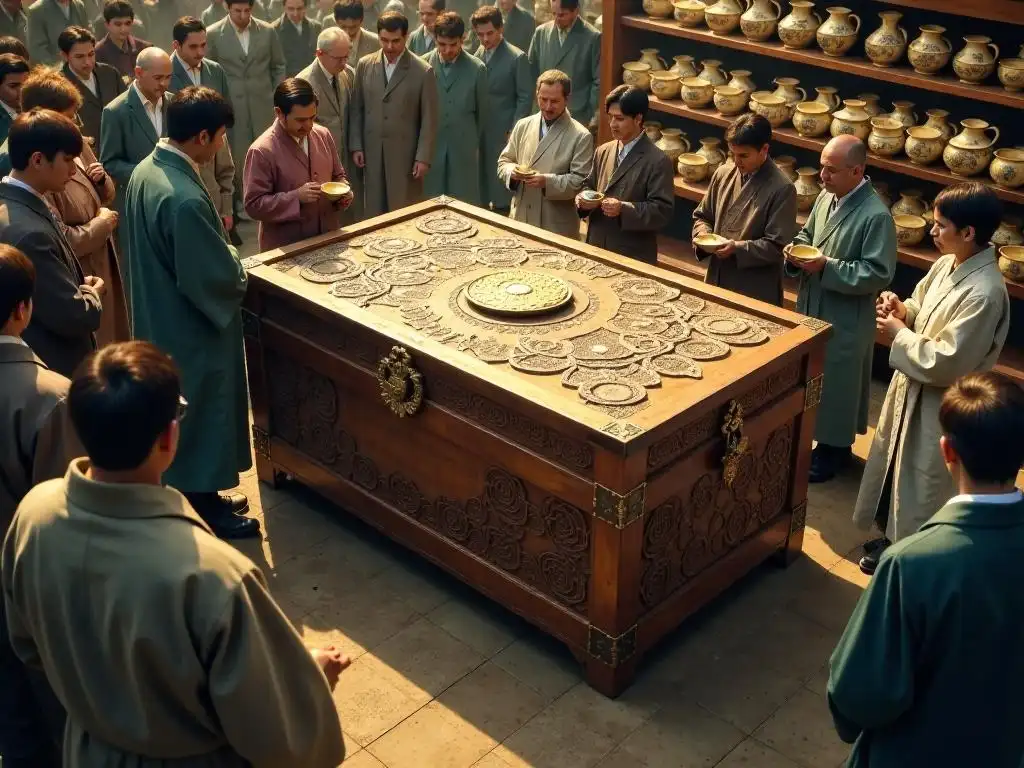
The tea trade between Japan and China during the feudal era was not without its challenges and conflicts. As the popularity of tea surged, particularly among the Japanese elite and samurai classes, the demand for high-quality teas from China increased significantly. However, this demand often led to a series of trade disputes and misunderstandings.
One significant challenge was the geographical and logistical hurdles involved in the transportation of tea. The long routes by sea made the shipping of tea vulnerable to piracy and adverse weather conditions. These risks not only raised costs but also led to fluctuations in supply, which could strain relations between merchants and consumers in Japan.
Additionally, cultural misunderstandings sometimes complicated trade negotiations. Differences in customs, language barriers, and varying perspectives on trade ethics sometimes resulted in conflicts. Japanese traders often had to navigate these complexities to maintain their relationships with Chinese suppliers, which could lead to tensions that impacted broader cultural exchanges.
Trade Restrictions and Their Impact on Cultural Relations
Trade restrictions imposed by both Japanese and Chinese authorities played a critical role in shaping the dynamics of the tea trade. During certain periods, Japan implemented strict regulations governing foreign trade, limiting the number of ports open to Chinese merchants. This restricted access created an environment of competition among traders and often resulted in higher prices for tea in Japan.
On the Chinese side, the Qing Dynasty also imposed regulations that controlled the flow of goods, including tea. These restrictions often meant that only specific types of tea could be exported, which impacted the variety available in Japan. The limited access and variety further fueled the desire for tea in Japan, leading to a cultural obsession that sometimes bordered on desperation.
The resulting frustration from these trade restrictions not only strained economic relationships but also influenced cultural perceptions of each other. Japanese consumers began to idealize Chinese tea culture, viewing it as a symbol of sophistication and refinement, while Chinese merchants sometimes perceived the Japanese as overly demanding or difficult to deal with. This interplay of admiration and frustration highlighted the complexity of cultural exchanges, as the tea trade became a double-edged sword that fostered both connection and conflict.
The Role of War and Diplomacy in Shaping Tea Trade Dynamics
War and diplomacy were significant factors that influenced the tea trade between Japan and China. Historical conflicts, such as the Sengoku period (1467-1603) in Japan, created instability that disrupted trade routes and made it difficult for merchants to conduct business. The resulting chaos often led to local warlords prioritizing their interests over international trade, further complicating the dynamics of the tea market.
Diplomatic efforts, on the other hand, sometimes opened new avenues for trade. For example, during the Edo period (1603-1868), Japan experienced relative peace, which allowed for the development of trade agreements that facilitated the importation of tea from China. The Tokugawa shogunate recognized the cultural importance of tea, and as such, invested in establishing stable trade relations with Chinese merchants.
Moreover, the impact of foreign relations cannot be overlooked. Events such as the Opium Wars in the 19th century altered global trade dynamics and affected how Japan interacted with China. The shifting political landscape often forced Japan to reassess its own trade policies and diplomatic strategies regarding tea, emphasizing the intricate relationship between war, diplomacy, and cultural exchanges.
Conclusion: The Lasting Legacy of the Tea Trade on Japan's Cultural Identity
The tea trade has left an indelible mark on Japan's cultural identity, serving as a conduit for the exchange of ideas, customs, and art forms. The introduction of tea drinking from China not only transformed social practices in Japan but also influenced aesthetic expressions, such as the development of the tea ceremony (chanoyu). This ritual became a profound expression of Japanese culture, embodying principles of harmony, respect, purity, and tranquility.
The legacy of the tea trade is also evident in Japan's appreciation for Chinese aesthetics and philosophies. The adaptation of tea culture in Japan, including the emphasis on simplicity and natural beauty, reflects a unique blend of Chinese influence and Japanese innovation. As a result, tea has become more than just a beverage; it is a symbol of cultural identity and sophistication in Japan.
Reflections on the Japan Feudal Tea Trade History
Reflecting on the history of the tea trade during the feudal era, it is clear that this exchange was pivotal in shaping Japan’s cultural landscape. The integration of tea into Japanese society not only enhanced social rituals but also fostered a greater understanding of foreign cultures. The complexities of trade, including the challenges and conflicts, provided an opportunity for growth and reflection, ultimately leading to a richer cultural narrative.
Future Implications for Cultural Exchanges with China
As Japan continues to navigate its relationship with China in the modern era, the historical context of the tea trade serves as a reminder of the potential for cultural exchanges. The lessons learned from past challenges and conflicts can inform future interactions, promoting a more nuanced approach to diplomacy and trade. Emphasizing collaboration over competition could lead to renewed opportunities for cultural exchange, allowing both nations to celebrate and learn from their shared heritage while fostering mutual respect and understanding.
In essence, the tea trade not only shaped the past but also holds valuable lessons for the future of cultural exchanges between Japan and China.
Additional Resources for Further Exploration
To deepen your understanding of the tea trade's significance in feudal Japan and its cultural exchanges with China, a variety of resources are available. These resources include books, articles, and visual media that offer detailed insights into the historical context, trade practices, and the broader implications of tea in Japanese society. Below are some recommended materials that can enrich your exploration of this fascinating topic.
Recommended Books and Articles on Japan's Tea Trade History
-
"The Book of Tea" by Okakura Kakuzō
This classic text delves into the philosophy and aesthetics of tea culture in Japan, exploring its connections with Zen Buddhism and its historical roots. It provides insights into how tea became an integral part of Japanese society and its cultural exchanges with China.
-
"Tea in Japan: Essays on the History of Chanoyu" by Paul Varley
This collection of essays offers an in-depth examination of the history of tea in Japan, focusing on the development of chanoyu (the Japanese tea ceremony) and its influences from Chinese tea practices. It's essential for understanding the cultural significance of tea during the feudal era.
-
"Ceramics and the Japanese Tea Ceremony"
This scholarly article discusses the role of ceramics in the tea trade, highlighting the aesthetic and practical aspects of tea wares. The trade of ceramics between Japan and China is crucial to understanding the economic and cultural exchanges facilitated by tea.
-
"The History of Tea: The Life and Times of Tea" by John Goode
This comprehensive book traces the global history of tea, with specific chapters dedicated to the tea trade between Japan and China. It provides context on how tea shaped social relations and economic developments in feudal Japan.
Documentaries and Visual Media Related to Tea in Feudal Japan
-
"The Tea Trail" (BBC Documentary)
This documentary explores the journey of tea from its origins in China to its integration into Japanese culture. Featuring interviews with historians and tea experts, it provides a visual representation of the cultural exchanges that occurred through the tea trade.
-
"The Way of Tea"
An engaging documentary that examines the Japanese tea ceremony and its historical roots. It highlights the influence of Chinese tea culture on Japan and how tea practices evolved over time, showcasing the aesthetics and philosophies involved.
-
"Japanese Tea Ceremony: A Cultural Heritage" (Short Film)
This short film presents the rituals and significance of the Japanese tea ceremony, emphasizing its development from Chinese influences. It illustrates how the tea trade fostered cultural exchange and shaped Japanese identity.
-
"Tea: A Global History" (Educational Series)
This series covers the history of tea across different cultures, including detailed episodes focusing on the tea trade between Japan and China. It provides a broader context for understanding the impact of tea on global relations.
By engaging with these resources, readers can gain a comprehensive understanding of the intricate role the tea trade played in shaping cultural exchanges between Japan and China during the feudal era.
- Introduction to Japan's Feudal Tea Trade History
- Historical Context of Tea Trade Between Japan and China
- The Impact of the Tea Trade on Cultural Exchanges
- Economic Aspects of the Tea Trade in Feudal Japan
- The Evolution of Tea Ceremonies in Japan
- Case Studies of Cultural Exchanges Driven by the Tea Trade
- Challenges and Conflicts in the Tea Trade
- Conclusion: The Lasting Legacy of the Tea Trade on Japan's Cultural Identity
- Additional Resources for Further Exploration
Frequently Asked Questions
What was the significance of the tea trade in feudal Japan?
The tea trade served as a vital connection to China, facilitating not only the exchange of goods but also the cultural and social influences that shaped Japanese society during the feudal era.
How did the tea trade influence Japanese culture?
The tea trade introduced Zen Buddhism and the tea ceremony, which became integral to Japanese aesthetic and social practices, reflecting the values of harmony and simplicity.
What role did Chinese culture play in the tea trade?
Chinese culture heavily influenced the tea trade in Japan, as many tea customs, preparation methods, and philosophies were adapted and integrated into Japanese society.
How did the feudal system impact the tea trade in Japan?
The feudal system created a structured society where samurai and daimyos played significant roles in promoting and controlling the tea trade, leading to its growth and importance in regional economies.
What were the economic effects of the tea trade during the feudal era?
The tea trade contributed significantly to the economy of feudal Japan, boosting agriculture, creating new markets, and fostering international relationships with China and other regions.
Final Reflection: The Enduring Legacy of Tea in Cultural Exchange
The tea trade has not only shaped economies but has also woven intricate cultural tapestries that resonate today. As we explore the historical significance of the tea trade between Japan and China, we uncover a narrative that transcends mere commerce; it is a story of connection, understanding, and shared heritage. In an era where globalization often overshadows local traditions, the tea trade serves as a poignant reminder of how cultural exchanges can foster unity and appreciation across borders.
The influence of the tea trade is evident in the way it has shaped social customs, artistic expressions, and even philosophies in both Japan and China. The rituals surrounding tea consumption have evolved into profound cultural practices that continue to thrive today. Tea is the magic elixir that brings people together, transcending language and culture.
This sentiment encapsulates the essence of how tea has bridged divides, fostering relationships that have enriched both societies. The legacy of the feudal tea trade is not just a chapter in history; it is a living testament to the power of cultural exchange.
As we reflect on the lessons from the tea trade, let us embrace the opportunity to cultivate our own connections and understanding in a world that often feels fragmented. Take a moment to consider how you can engage with different cultures in your daily life. Whether through sharing a cup of tea, exploring new traditions, or simply being open to learning from others, each small action can contribute to a greater tapestry of cultural appreciation. The story of tea is far from over; it invites us to participate in an ongoing dialogue that celebrates diversity and unity alike.
Unveil the Magic of Tea! Take Action Today!
Thank you for diving into the fascinating world of the tea trade and its cultural exchanges with China! We hope this journey has enriched your understanding of how a simple beverage can weave together history, trade, and tradition. Now, it's time to harness that knowledge and take action!
Here are some suggestions to deepen your connection with this enriching topic:
- Explore local tea shops to discover unique blends and flavors from various cultures. Consider hosting a tea tasting at home to share the experience with others!
- Share your newfound insights about the cultural significance of tea in China with friends and family. Start conversations that foster cultural appreciation.
- Join a community or online forum dedicated to tea enthusiasts where you can swap stories, share recipes, and learn more about the diverse tea traditions around the world.
What aspect of the tea trade surprised or inspired you the most, and how will it shape your next tea experience?