
Ashigaru vs. Samurai: Understanding Their Distinct Roles in Battle

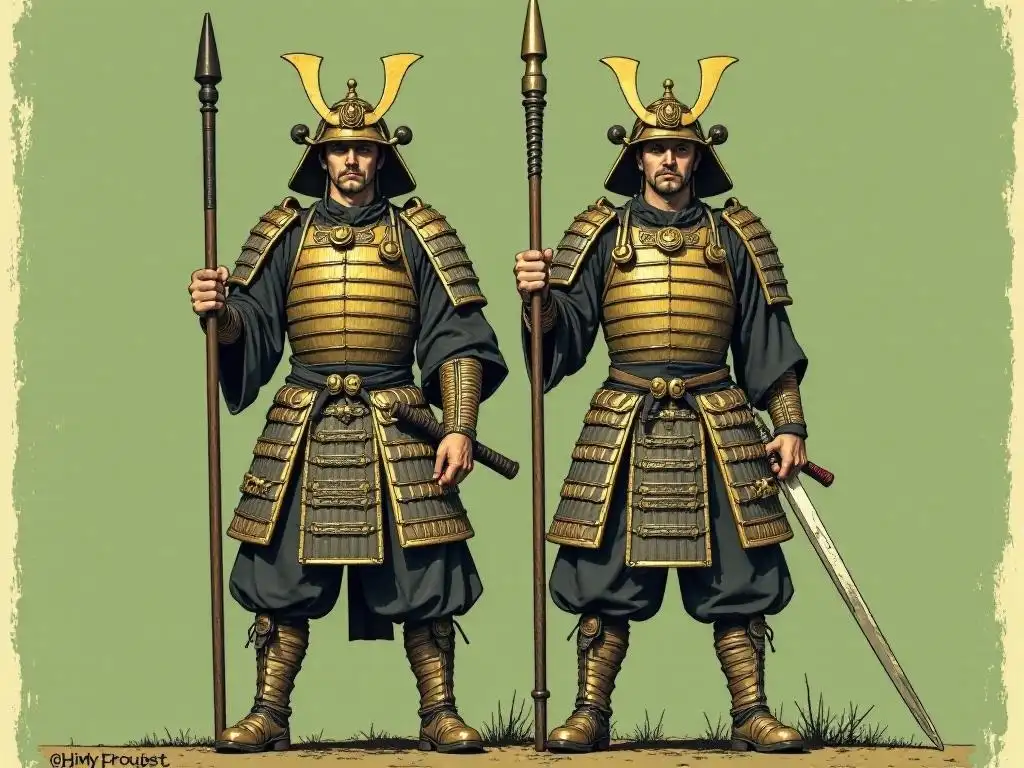
Welcome to Feudal Japan History, your gateway to an intricate tapestry of Japan’s feudal era! Delve into the captivating world of military history as we unravel the distinct roles of Ashigaru and Samurai in battle. Have you ever wondered how these two warrior classes shaped the course of Japanese warfare and society? Join us on this enlightening journey to discover the nuances that defined their existence and influence. Prepare to be intrigued as we explore the echoes of their valor and strategy, setting the stage for a rich understanding of a pivotal time in history. Your adventure begins now!
- Introduction to Ashigaru and Samurai in Feudal Japan
- Historical Context of Ashigaru and Samurai
- Distinct Roles of Ashigaru and Samurai in Battle
- Comparison of Ashigaru and Samurai Roles
- Impact of Ashigaru and Samurai on Military Strategies
- Cultural Significance of Ashigaru and Samurai
- Conclusion: The Lasting Influence of Ashigaru and Samurai Roles
- Frequently Asked Questions
- Final Reflection: The Enduring Legacy of Ashigaru and Samurai in Warfare
- Unveil the Warrior Within: Take Action Today!
Introduction to Ashigaru and Samurai in Feudal Japan
The feudal era of Japan, spanning from the late 12th century to the early 19th century, was a transformative period characterized by a complex social hierarchy, military innovations, and the emergence of distinct warrior classes. Within this framework, the samurai and ashigaru played pivotal roles in the defense and expansion of feudal domains.
Understanding their distinct functions in battle not only sheds light on military strategies of the time but also provides insights into the broader cultural and societal dynamics of feudal Japan. This exploration highlights the contrasting yet complementary roles of these two warrior classes, revealing how their relationships and responsibilities shaped the outcomes of conflicts and influenced the trajectory of Japanese history.
Overview of the Feudal Era and Military Structure
During the feudal period, Japan was marked by a decentralized political system where power was wielded by regional lords, known as daimyōs. The military structure was hierarchical, with the samurai at the top as elite warriors sworn to their lords, and the ashigaru, who were foot soldiers, positioned below them.
- Samurai:
- Role: Nobility of the warrior class, skilled in martial arts and strategy.
- Training: Received extensive training in various weapons, tactics, and the code of bushidō (the way of the warrior).
- Weapons: Primarily used katana and other traditional Japanese weaponry.
- Ashigaru:
- Role: Lower-ranking soldiers who often came from peasant backgrounds.
- Training: Received basic military training and were typically less skilled than samurai.
- Weapons: Often armed with yari (spears) and teppō (matchlock guns) during later periods.
This military structure was crucial for the defense of territories and the execution of campaigns, especially during the intense periods of conflict, such as the Sengoku period, where warlords vied for supremacy. The division of roles between samurai and ashigaru allowed for a more versatile and adaptable military force, capable of responding to various challenges on the battlefield.
Importance of Understanding the Roles of Ashigaru and Samurai
Examining the distinct roles of ashigaru and samurai is essential for several reasons:
- Historical Significance: Understanding these roles offers clarity on how battles were fought and won during feudal times. The contributions of ashigaru, often overshadowed by their samurai counterparts, were vital in many conflicts.
- Cultural Insights: The relationship between samurai and ashigaru reflects broader societal values, including loyalty, honor, and the dynamics of class. These aspects are integral to comprehending the cultural fabric of feudal Japan.
- Military Strategies: Analyzing the tactical deployment of both classes reveals how feudal armies operated and adapted, providing lessons that resonate in modern military studies.
- Legacy: The evolution of these roles influenced Japan’s subsequent socio-political developments, including the eventual unification under Tokugawa Ieyasu.
By delving into the roles of ashigaru and samurai, we gain a comprehensive understanding of not only the military history of Japan but also the enduring legacy of these warriors in shaping national identity and governance.
Historical Context of Ashigaru and Samurai
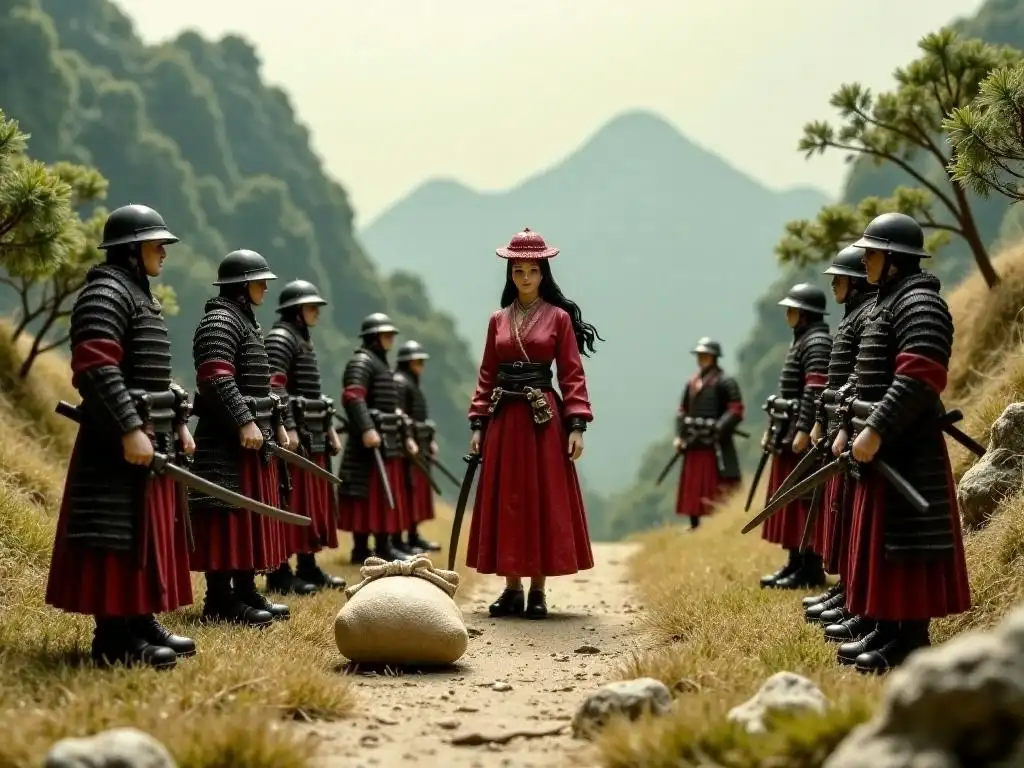
Understanding the distinct roles of Ashigaru and Samurai requires a deep dive into their historical context. Both groups played significant roles in Japan’s feudal warfare, but their origins, societal status, and functions in battle varied greatly. This section will explore the origins of the Samurai class, the emergence of Ashigaru warriors, and how their roles evolved throughout Japanese history.
Origins of the Samurai Class
The Samurai class emerged during the late Heian period (794-1185 AD) as a response to the increasing need for military protection among the aristocracy. Initially, these warriors were landowners or vassals who pledged loyalty to powerful nobles in exchange for land and privileges. Key points about the origins of the Samurai include:
- Feudal System Roots: The Samurai were integral to the feudal system that characterized medieval Japan. As the power of the imperial court waned, local warlords (daimyō) began to rise, necessitating a class of warriors to protect their interests.
- Bushido Code: The Samurai developed a distinct code of conduct known as Bushido, emphasizing virtues such as loyalty, honor, and discipline. This code would later define their identity and professional ethics.
- Military Training: Samurai trained rigorously in various martial arts, horseback riding, and strategy, which set them apart as elite warriors. Their training was often lifelong, ensuring a high level of skill and tactical knowledge.
Emergence of the Ashigaru Warriors
In contrast to the Samurai, Ashigaru were foot soldiers who emerged in the 15th century, particularly during the Sengoku period (1467-1603). Their development was influenced by the changing dynamics of warfare and the need for larger armies. Key aspects of the Ashigaru include:
- Social Background: Ashigaru typically came from lower social classes, including farmers and laborers. They were often conscripted or recruited by Samurai and daimyō to form the bulk of an army.
- Equipment and Training: Unlike the heavily armored Samurai, Ashigaru were equipped with simpler weapons, such as spears (yari) and later, firearms (teppō). Their training was less formal, focusing on basic combat skills and cohesion in battle.
- Role in Battle: Ashigaru played a crucial role in the battlefield by providing numbers and flexibility. They often formed the front lines, allowing the Samurai to execute more complex maneuvers from a position of strength.
Evolution of Their Roles in Japanese Warfare
Over time, the roles of both Ashigaru and Samurai evolved significantly due to shifts in military tactics, technology, and social changes. Here’s a closer look at their evolving roles:
- Tactics and Strategy: As warfare became more complex, the distinction between Ashigaru and Samurai roles became pronounced. Samurai often took on the role of leaders and tacticians, while Ashigaru became the backbone of the infantry.
- Gunpowder Revolution: The introduction of firearms in the 16th century altered the battlefield dynamics. Ashigaru adapted by using gunpowder weapons, leading to their increased importance in battles, where massed volleys could be devastating.
- Social Mobility: The rise of Ashigaru also opened pathways for social mobility. Successful Ashigaru could gain favor and even rise to positions of leadership, blurring the lines between the two classes. Some Ashigaru were able to purchase their own armor and become more akin to Samurai.
The historical context of Ashigaru and Samurai highlights a dynamic relationship shaped by societal needs, technological advancements, and shifting battlefield strategies. Understanding their distinct roles in battle provides valuable insights into Japan's feudal military history and the society that shaped it.
Distinct Roles of Ashigaru and Samurai in Battle
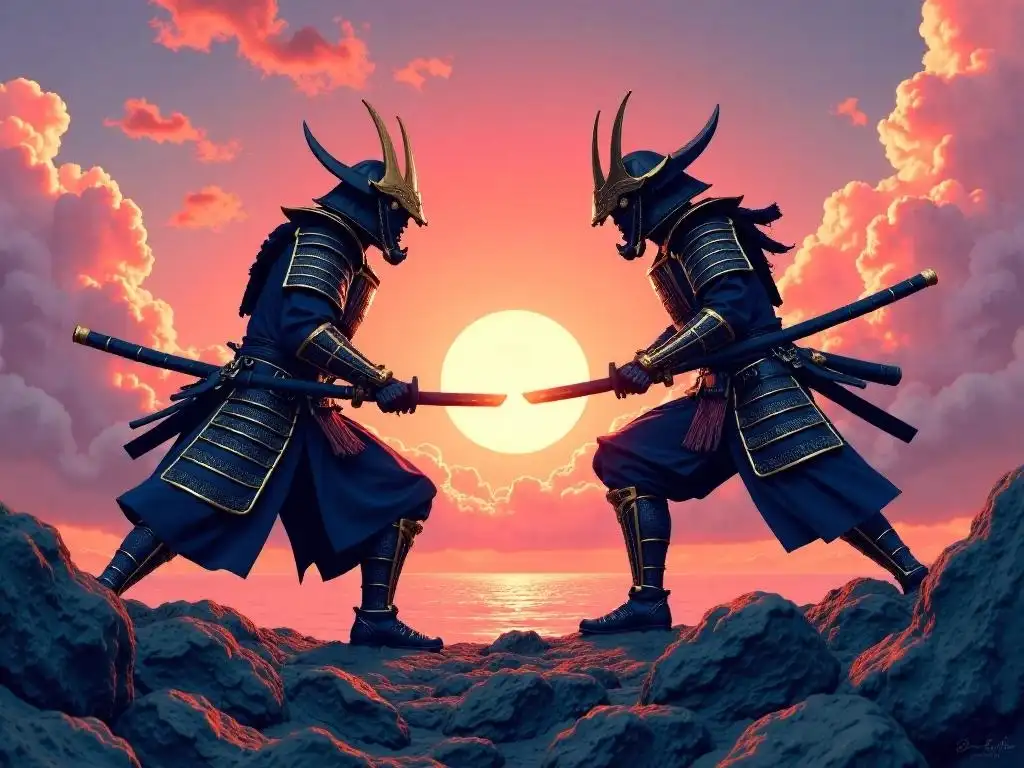
The Samurai: Elite Warriors and Their Responsibilities
The samurai were the epitome of the warrior class in feudal Japan, distinguished not just by their martial prowess but also by their adherence to a strict code of ethics known as Bushido. This ethical framework influenced every aspect of their lives, including their roles on the battlefield. Samurai were responsible for leading troops, engaging in one-on-one combat, and making critical tactical decisions that could change the course of a battle. Their noble status often positioned them as both leaders and symbols of loyalty, honor, and martial skill.
Training and Skills of Samurai
Samurai underwent rigorous training from a young age, typically starting their education in martial arts and strategy around the age of six. They mastered various weapons, notably the katana, and learned techniques in horseback riding, archery, and hand-to-hand combat.
- Weapon Proficiency: Samurai were experts in using multiple weapons, but the katana was their signature weapon, symbolizing their honor and skill.
- Martial Arts: Training included disciplines such as Kenjutsu (swordsmanship) and Sojutsu (spear fighting), developing their physical strength and agility.
- Tactical Training: Besides physical skills, samurai were educated in battlefield tactics, strategy, and the art of war, often reflecting on historical battles to learn from past mistakes.
This extensive training ensured that samurai not only performed effectively in battle but also embodied the virtues expected of their class.
Tactical Advantages of Samurai in Combat
Samurai held several key tactical advantages that set them apart from other combatants on the battlefield:
- Armored Mobility: The samurai's armor, crafted for protection while allowing mobility, enabled them to maneuver swiftly during combat.
- Leadership and Morale: Samurai were viewed as leaders, and their presence on the battlefield inspired troops, boosting morale significantly.
- Individual Combat Skills: The samurai's proficiency in combat made them formidable opponents in duels and skirmishes, often determining the outcome of battles through personal valor.
These advantages allowed samurai to excel in battle, reinforcing their status as elite warriors in feudal Japan.
The Ashigaru: Foot Soldiers and Their Contributions
While samurai were the elite warriors, ashigaru served as the backbone of the feudal armies. Initially composed of lower-class soldiers, ashigaru evolved into a more organized and integral part of military campaigns. Their contributions were vital in supporting samurai and executing key strategies on the battlefield.
Recruitment and Training of Ashigaru
The recruitment of ashigaru varied significantly, often depending on the needs of the daimyo (feudal lord):
- Social Background: Many ashigaru were drawn from peasant classes, providing a large pool of manpower for feudal armies.
- Training Programs: While not as extensive as that of samurai, ashigaru underwent training that included basic weapon handling, formation tactics, and discipline.
- Adaptability: Their training emphasized versatility, allowing them to engage in various roles such as archers, spearmen, or even light cavalry.
This recruitment and training process enabled ashigaru to become effective soldiers, capable of executing orders and supporting their samurai leaders.
Strategic Importance of Ashigaru in Battle
Despite being viewed as lesser warriors compared to samurai, ashigaru played a crucial role in military strategies:
- Mass Tactics: Ashigaru were often deployed in large numbers, utilizing mass formations to overwhelm opponents through sheer force.
- Flexible Roles: They could be used in various capacities, such as frontline infantry, skirmishers, or reserve troops, allowing commanders to adapt strategies dynamically.
- Support for Samurai: Ashigaru provided essential support, including logistical assistance, maintaining supply lines, and protecting the flanks of samurai during engagements.
The strategic importance of ashigaru cannot be overstated; their contributions were essential for the effectiveness and success of feudal armies, reinforcing the notion that every role, regardless of rank, was vital in the chaos of battle.
Comparison of Ashigaru and Samurai Roles
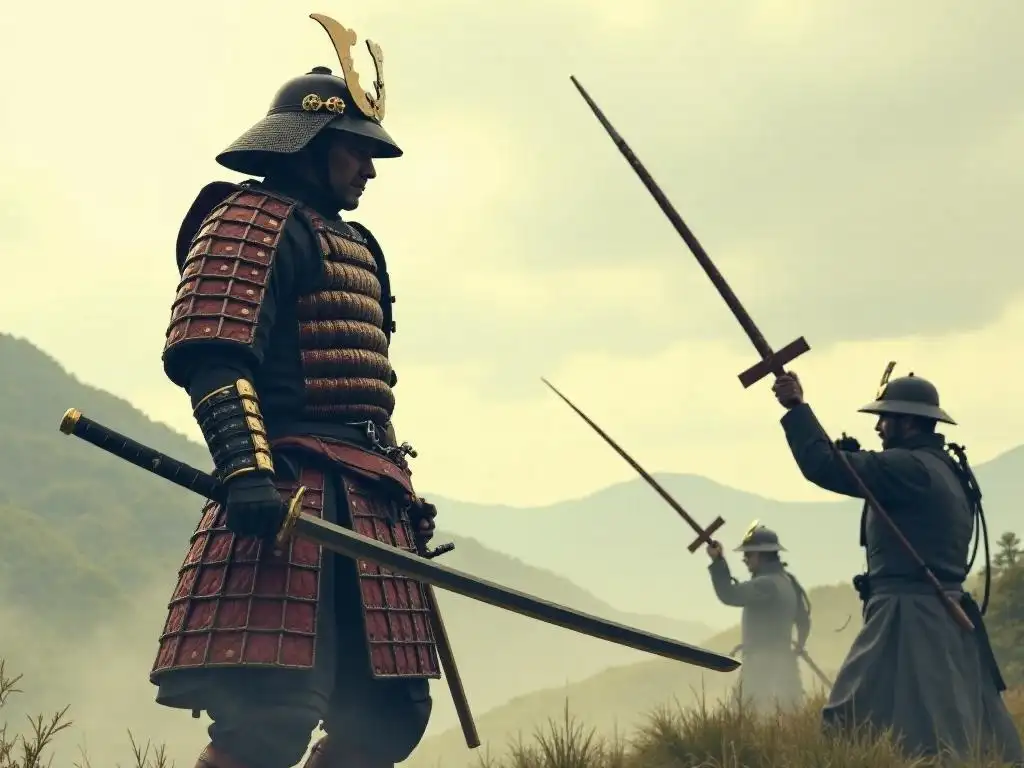
In the hierarchical structure of feudal Japan, the distinctions between ashigaru and samurai were profound, particularly regarding social status and the concept of honor. While both groups played vital roles in warfare, their backgrounds, privileges, and societal expectations greatly differed.
- Samurai:
- The samurai were the elite warrior class, often born into noble families. Their status was not only defined by their martial prowess but also by their adherence to the Bushido code, which emphasized loyalty, honor, and moral rectitude.
- They held significant privileges, including land ownership and political power. Their honor was intrinsically linked to their family's reputation, and failure in battle could lead to disgrace, prompting acts of seppuku (ritual suicide) to restore honor.
- Ashigaru:
- In contrast, ashigaru were typically foot soldiers from lower social classes, often farmers or laborers conscripted or hired for military campaigns.
- Their social status was considerably lower than that of samurai, and they did not enjoy the same privileges. While some ashigaru could gain recognition and even rise in rank through valor in battle, they were generally considered expendable compared to the samurai.
- The concept of honor for ashigaru was less formalized. They fought for their lords but lacked the deep-rooted traditions of honor that defined the samurai ethos.
This fundamental difference in social status and honor shaped the dynamics between these two warrior classes, influencing their motivations in battle and their treatment on and off the battlefield.
Variations in Combat Techniques and Equipment
The combat techniques and equipment used by ashigaru and samurai reflected their distinct roles and training within the military structure of feudal Japan.
- Samurai Equipment and Techniques:
- Samurai were typically equipped with high-quality armor and weapons, including the iconic katana. Their training was extensive, focusing on various martial arts, horseback riding, and strategy.
- Samurai engaged in battles as individual warriors, often showcasing their skills through dueling. Their combat style emphasized agility and precision, allowing them to exploit their opponents' weaknesses.
- In addition to personal combat, samurai often served as leaders in tactical formations and could command troops in battle, utilizing strategic maneuvers to outsmart their enemies.
- Ashigaru Equipment and Techniques:
- The ashigaru's equipment was generally simpler and less expensive. They commonly used yari (spears), naginata (polearms), and later, firearms like tanegashima (matchlock guns), which became increasingly important in the late 16th century.
- Training for ashigaru was less formalized; many were trained quickly before battles, focusing on basic formations and mass combat tactics rather than individual prowess.
- Ashigaru often fought in formation, relying on sheer numbers and coordinated attacks to overwhelm their opponents, making their role pivotal in large-scale battles.
This contrast in combat techniques and equipment highlights the specialized roles of each class in warfare, with samurai as elite warriors and ashigaru as the backbone of the fighting force.
Roles on the Battlefield: Command and Support
The roles of ashigaru and samurai on the battlefield were defined not only by their combat skills but also by their responsibilities and the tactical frameworks within which they operated.
- Samurai as Commanders:
- Samurai frequently took on leadership roles, commanding troops and making strategic decisions during battles. They were tasked with rallying their men and maintaining morale amid the chaos of combat.
- Their training in strategy and tactics allowed them to devise and execute plans that utilized both samurai and ashigaru effectively. Samurai often led flanking maneuvers or direct charges, leveraging their combat skills to inspire their forces.
- Ashigaru as Support Troops:
- Ashigaru played a crucial support role, forming the bulk of the infantry in many battles. They provided the necessary numbers to engage the enemy and protect the more vulnerable samurai.
- Their ability to adapt to various combat situations made them invaluable. For instance, during the introduction of firearms, ashigaru could be deployed as skirmishers, utilizing their weapons to disrupt enemy formations before the samurai engaged.
- The ashigaru were also responsible for logistical support, such as carrying supplies and maintaining equipment, which was essential for sustaining military campaigns.
While samurai operated as elite commanders, ashigaru served as the foundation of the military force, highlighting the interdependent roles both classes played in the complexities of warfare during Japan's feudal era.
Impact of Ashigaru and Samurai on Military Strategies
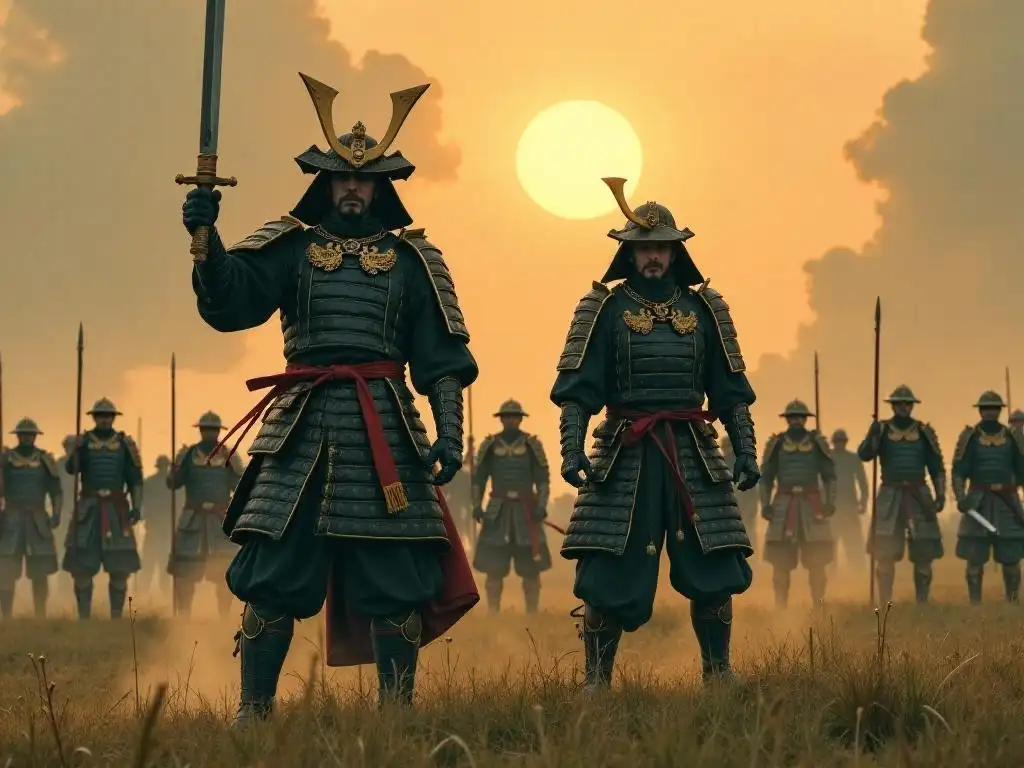
The interplay between Ashigaru and Samurai significantly influenced military strategies during Japan's feudal era. Understanding their distinct roles provides insight into how these two classes complemented each other on the battlefield and shaped the outcomes of numerous conflicts.
How Samurai Leadership Shaped Warfare
Samurai were not just elite warriors; they were also leaders and tacticians who played pivotal roles in shaping military strategies. Their influence can be observed in several ways:
- Command Structure: Samurai held positions of authority, often commanding troops and making strategic decisions. Their training in martial arts and battlefield tactics allowed for effective leadership. They were responsible for organizing troops, setting battle formations, and devising plans for engagements.
- Code of Bushido: The Samurai adhered to Bushido, a code of conduct emphasizing honor, loyalty, and bravery. This ethical framework influenced their decision-making on the battlefield, often prioritizing honor over pragmatic strategies. For instance, a Samurai might choose to engage in a direct confrontation rather than adopting guerrilla tactics, reflecting their commitment to face the enemy openly.
- Innovative Tactics: Samurai leaders were known for their ability to adapt to changing circumstances. For example, during the Genpei War (1180-1185), the strategic use of cavalry was emphasized by Samurai commanders, showcasing their ability to harness mobility and surprise.
- Psychological Warfare: Samurai often utilized psychological tactics to demoralize their opponents. The fear associated with the Samurai's reputation for ferocity could lead to a psychological advantage before battles even began.
The Tactical Use of Ashigaru in Large Scale Battles
Ashigaru, the foot soldiers of the feudal military hierarchy, played a crucial role in large-scale battles, primarily due to their numbers and versatility. Their effectiveness in combat can be analyzed through several tactical aspects:
- Formation and Numbers: Ashigaru were typically deployed in large formations, which allowed for massed attacks. Their sheer numbers were often pivotal in overwhelming enemy forces. For example, during the Battle of Nagashino in 1575, Ashigaru equipped with matchlock rifles (tanegashima) managed to hold off a much larger cavalry force through coordinated volleys.
- Flexible Combat Roles: Unlike the Samurai, whose roles were often rigidly defined, Ashigaru could adapt to various combat situations. They served as spearmen, archers, and later, as gunmen. This versatility allowed commanders to deploy them in multiple roles depending on the needs of the battle.
- Skirmishing Tactics: Ashigaru were often used in skirmishing roles or as light infantry, engaging in hit-and-run tactics to harass enemy formations. Their ability to maneuver quickly on the battlefield made them effective for flanking maneuvers and disrupting enemy lines.
- Integration with Samurai Forces: The effectiveness of Ashigaru was often enhanced by their integration with Samurai units. Samurai would lead Ashigaru in battle, directing their movements and ensuring that their tactics complemented the elite forces' strategies.
Case Studies: Notable Battles Involving Ashigaru and Samurai
Examining specific battles illustrates the distinct yet complementary roles of Ashigaru and Samurai:
- Battle of Okehazama (1560): This battle showcased how Ashigaru could turn the tide despite being outnumbered. Oda Nobunaga's surprise attack on the Takeda forces involved a strategic use of Ashigaru to flank and destabilize the enemy, allowing Samurai to exploit the chaos.
- Battle of Sekigahara (1600): A defining moment in Japanese history, this battle highlighted the importance of both classes. Tokugawa Ieyasu's forces utilized Ashigaru to hold critical positions while Samurai engaged in direct combat. The coordination between the two was vital in securing the Tokugawa victory.
- Siege of Osaka (1614-1615): During this conflict, the Tokugawa shogunate faced off against the forces loyal to Toyotomi Hideyori. Ashigaru played a crucial role in siege tactics, providing support and holding lines while Samurai engaged in more prestigious duels.
The dynamic between Ashigaru and Samurai significantly impacted military strategies throughout Japan's feudal era. Their unique roles not only complemented each other on the battlefield but also shaped the evolution of warfare during this pivotal period in Japanese history. Understanding the "Roles of Ashigaru and Samurai" is essential for comprehending the complexities of feudal military engagements.
Cultural Significance of Ashigaru and Samurai
The cultural significance of Ashigaru and Samurai extends far beyond the battlefield, deeply influencing Japanese society, literature, and art. These two warrior classes symbolize not only martial prowess but also distinct social values and traditions that have shaped Japan's identity throughout history.
Representation in Literature and Art
The representation of Ashigaru and Samurai in literature and art provides critical insights into their roles and societal perceptions during the feudal era.
Samurai: The Noble Warrior
Samurai are often depicted as the epitome of honor, loyalty, and martial skill. Classic texts like The Tale of the Heike and The Book of Five Rings by Miyamoto Musashi illustrate the samurai code of bushido, emphasizing virtues such as bravery, loyalty, and respect. This elevated portrayal has made the samurai a central figure in Japanese folklore and mythology, symbolizing the warrior spirit and the moral compass of society.
Ashigaru: The Common Foot Soldier
In contrast, Ashigaru were typically represented as the backbone of the army, embodying the common man's struggle for recognition and survival. While their status was lower than the samurai, literature often portrayed their bravery and resourcefulness, especially during critical battles. Works like The Chronicles of the Samurai highlight Ashigaru's vital contributions to warfare, showcasing their evolution from mere foot soldiers to respected fighters on the battlefield.
The Legacy of Ashigaru and Samurai in Modern Japanese Culture
The legacies of Ashigaru and Samurai continue to resonate in modern Japanese culture, influencing various aspects of contemporary life from entertainment to national identity.
Modern Media and Entertainment
In film, television, and anime, the romanticized images of both Ashigaru and Samurai have been widely popularized. Movies like Seven Samurai, directed by Akira Kurosawa, emphasize the valor and complexity of both classes, illustrating their roles in a rapidly changing society. Similarly, video games such as Ghost of Tsushima allow players to explore the dynamics between samurai and Ashigaru, reinforcing their historical significance in an engaging manner.
Cultural Festivals and Reenactments
Cultural festivals, such as the Kamakura Matsuri, often include reenactments of battles featuring both Ashigaru and Samurai, celebrating their historical roles and fostering a sense of national pride. These events serve as a reminder of Japan's feudal past, allowing new generations to appreciate the rich tapestry of their heritage.
Conclusion
The cultural significance of Ashigaru and Samurai is deeply embedded in Japan's historical narrative, with their representations in literature and art, as well as their ongoing legacy in modern culture, illustrating their enduring impact on Japanese society. Understanding the distinct roles of Ashigaru and Samurai provides valuable insights into the complexities of Japan's feudal era and the evolution of its cultural identity.
Conclusion: The Lasting Influence of Ashigaru and Samurai Roles
Summary of Their Distinct Contributions to Feudal Japan
The roles of Ashigaru and Samurai were pivotal in shaping the military landscape of feudal Japan. While the Samurai represented the elite warrior class, renowned for their adherence to the bushido code and their skills in individual combat, the Ashigaru served as the backbone of the armies, providing essential support in large-scale battles. Their distinct contributions can be summarized as follows:
- Samurai: The Elite Warriors
- Leadership: Samurai were often in charge of strategic decision-making and battlefield tactics.
- Combat Skills: They were trained in various martial arts, including kenjutsu (swordsmanship) and horseback riding, making them formidable in one-on-one confrontations.
- Cultural Influence: The samurai's adherence to bushido instilled a sense of honor and loyalty that influenced Japanese culture and society.
- Ashigaru: The Foot Soldiers
- Mass Infantry: Ashigaru formed the majority of the fighting force, essential for engaging enemy troops in larger formations.
- Versatility: Trained to use various weapons, including spears and firearms, they adapted to the changing nature of warfare, especially during the introduction of gunpowder.
- Economic Role: As lower-class fighters, Ashigaru played a crucial role in the economic structure of the samurai's domains, often receiving land or stipends in exchange for their military service.
This division of roles not only defined the battlefield dynamics but also influenced social structures, as the Ashigaru could rise through the ranks under the right circumstances, reflecting a unique aspect of meritocracy in feudal Japan.
Reflection on the Evolution of Military Roles in History
The historical context of the roles of Ashigaru and Samurai provides insight into the broader evolution of military organization and tactics throughout history.
- Transition from Feudalism to Centralization:
- As the power of the Samurai grew, so did the need for a structured military hierarchy. This led to a more centralized command, where the roles of Ashigaru became increasingly formalized, allowing for more effective troop management and deployment.
- Impact of Technology on Warfare:
- The introduction of firearms in the late 16th century significantly altered the battlefield dynamics. Ashigaru, who were often more numerous than the Samurai, became essential in utilizing these new weapons, showcasing their adaptability and importance in evolving military strategies.
- Legacy in Modern Military Structures:
- The distinctions between elite forces and mass infantry can still be observed in contemporary military organizations worldwide. The balance between specialized units and general infantry continues to inform modern military strategy, echoing the roles defined in feudal Japan.
The roles of Ashigaru and Samurai were not only critical to the battles of their time but also laid the groundwork for understanding military hierarchy and strategy in subsequent eras. Their legacy continues to influence military thought and practice, highlighting the importance of both elite warriors and mass infantry in the annals of military history.
Frequently Asked Questions
What were the main roles of Ashigaru in feudal Japan?
Ashigaru were foot soldiers who served under samurai lords. Their primary roles included engaging in battle, performing reconnaissance, and assisting in various support tasks during conflicts.
Ashigaru generally held a lower social status than samurai. While samurai were part of the noble warrior class, Ashigaru were often peasants or commoners who were trained for military service.
What distinguished Samurai from Ashigaru in battle?
Samurai were typically elite warriors equipped with superior armor and weapons, whereas Ashigaru were less experienced and often used simpler gear. This distinction allowed samurai to take on leadership roles in battles.
Were Ashigaru and Samurai paid differently for their services?
Yes, Ashigaru were usually paid less than samurai. Their compensation often came in the form of land grants or stipends, while samurai received higher salaries and more significant rewards for their service.
How did the roles of Ashigaru and Samurai evolve over time?
The roles of both Ashigaru and Samurai evolved significantly, particularly during the Sengoku period, as warfare became more complex. Ashigaru gained importance in large battles, while samurai continued to focus on strategy and leadership.
Final Reflection: The Enduring Legacy of Ashigaru and Samurai in Warfare
The roles of Ashigaru and Samurai in battle are not merely historical footnotes; they are vital lessons in understanding the complexities of warfare and social hierarchy. Today, as we navigate a world rife with conflict and the struggle for power, the distinct yet interconnected roles of these warriors remind us that every participant in a battle, regardless of rank, plays a crucial part in the outcome. The dynamics between the Ashigaru and Samurai illustrate how diverse strategies and perspectives can shape the course of history, urging us to appreciate the multifaceted nature of conflict.
The influence of Ashigaru and Samurai extends beyond the battlefield, permeating our cultural narratives and social structures. Their contrasting roles reflect broader themes of loyalty, honor, and the evolution of military tactics that continue to resonate in contemporary society. As we examine their legacies, we recognize that the lessons learned from their interactions are still relevant today. In the midst of chaos, there is also opportunity.
This quote encapsulates the essence of their roles, reminding us that even in the most challenging circumstances, understanding and collaboration can lead to innovative solutions.
As we reflect on the lessons of Ashigaru and Samurai, I invite you to consider how these historical figures can inspire your own approach to challenges in life. Embrace the idea that every role, whether prominent or humble, contributes to the greater narrative. Take a moment to reflect on your own experiences—how can you apply the principles of teamwork, respect, and adaptability that these warriors embodied? By doing so, we honor their legacy and cultivate a deeper understanding of our own roles in the battles we face today.
Unveil the Warrior Within: Take Action Today!
Thank you for diving into the fascinating world of Feudal Japan and exploring the distinct roles of Ashigaru and Samurai in battle. Your interest not only enriches your understanding of this historical period but also ignites a passion for the rich tapestry of culture and strategy that shaped Japan.
Now that you’ve gained valuable insights, it’s time to activate this knowledge and deepen your engagement with the history of Japanese warfare! Here are some exciting ways to do just that:
- Join the Conversation: Share your thoughts on our social media platforms about how the roles of Ashigaru and Samurai reflect modern teamwork and leadership dynamics.
- Dive Deeper: Explore further by reading our in-depth articles on famous battles that showcased the tactics of both warrior classes—uncover the strategies that led to victory!
- Recreate History: Challenge yourself by trying a traditional Japanese martial arts class or attending a local event that celebrates this unique history. Experience the spirit of the warriors firsthand!
Are you ready to embrace the lessons of the past to inspire your future? Consider how the strategies employed by Ashigaru and Samurai can be applied to the challenges we face today.