
Siege Engines and Samurai: The Technology Behind Feudal Warfare

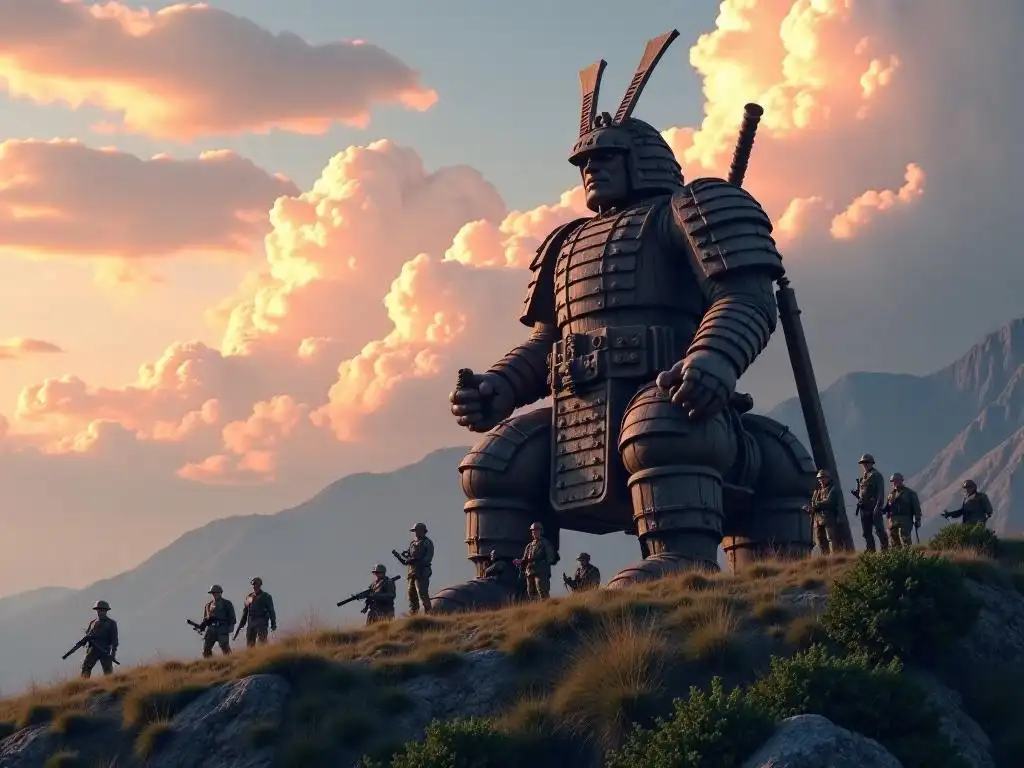
Welcome to Feudal Japan History, where the echoes of samurai and the clamor of siege engines come alive! Dive into our in-depth exploration of Feudal Japan warfare technology and uncover the ingenious innovations that shaped the battlefield during this captivating era. From the towering castles that withstood relentless assaults to the cutting-edge tools wielded by warriors, our featured article, "Siege Engines and Samurai: The Technology Behind Feudal Warfare," promises to ignite your curiosity and deepen your understanding of Japan's military past.
Ready to embark on this journey through time? Let’s uncover the secrets of the samurai and their formidable machines together!
- Introduction to Feudal Japan Warfare Technology
- The Evolution of Siege Engines in Feudal Japan
- Samurai Warfare Tactics and Strategies
- Key Battles Involving Siege Engines in Feudal Japan
- Cultural and Societal Implications of Warfare Technology
- Conclusion: The Legacy of Feudal Japan Warfare Technology
-
Frequently Asked Questions
- What were the primary types of siege engines used in Feudal Japan?
- How did samurai influence the development of warfare technology?
- What materials were commonly used in the construction of siege engines?
- How did the introduction of gunpowder affect Feudal Japan warfare?
- What role did fortifications play in Feudal Japan warfare?
- Final Reflection: The Enduring Legacy of Feudal Japan Warfare Technology
- Unleash Your Inner Warrior and Explore the Age of Feudal Japan!
Introduction to Feudal Japan Warfare Technology
The feudal era of Japan, spanning from the late 12th century to the 19th century, was characterized by a unique blend of military innovation and traditional warrior culture. During this period, warfare technology played a pivotal role in shaping the outcomes of battles and the very structure of society. The samurai, Japan's iconic warrior class, not only adhered to a strict code of honor but also embraced technological advancements that defined their methods of warfare.
From sophisticated siege engines to firearms, the evolution of military technology greatly influenced tactics, strategies, and the dynamics of power within feudal Japan. This article delves into the intricate relationship between samurai and technology, highlighting how innovation in warfare reshaped the landscape of conflict in this fascinating historical era.
Overview of Feudal Japan
Feudal Japan was a complex tapestry of social hierarchies and military factions that emerged following the decline of the imperial court's power. The period was marked by the rise of powerful clans, each vying for dominance in a landscape often defined by conflict. The shogunate system, where military leaders (shoguns) held significant power while the emperor remained a symbolic figure, established a framework for governance that prioritized military prowess.
The samurai served as the backbone of this system, embodying the ideals of loyalty, discipline, and martial skill. Land ownership was directly linked to military service, creating a society where warfare was not just a profession but a way of life. The samurai's role extended beyond combat; they were also responsible for maintaining order and governance within their territories. The culture of feudal Japan flourished amidst these military endeavors, leading to advancements in art, literature, and philosophy, all influenced by the realities of warfare.
Importance of Warfare Technology in Samurai Culture
Warfare technology in feudal Japan was not merely a set of tools; it was integral to the samurai's identity and the conduct of war. Technological advancements had profound implications for tactics and battlefield outcomes.
- Siege Engines: These machines, such as the battering ram and trebuchet, represented significant advancements in siege warfare. They allowed samurai forces to effectively attack fortified positions, reshaping the strategies used in conflicts.
- Firearms: The introduction of gunpowder weapons, including matchlock rifles, altered the dynamics of battles. This technology necessitated changes in tactics, training, and the structure of samurai armies.
The integration of these technologies not only enhanced combat effectiveness but also reflected a broader cultural embrace of innovation. The samurai were constantly adapting to new methods of warfare, illustrating their resilience and strategic mindset. Understanding the relationship between samurai culture and warfare technology provides key insights into the complexities of feudal Japan's military history and the evolution of its societal structures.
The Evolution of Siege Engines in Feudal Japan
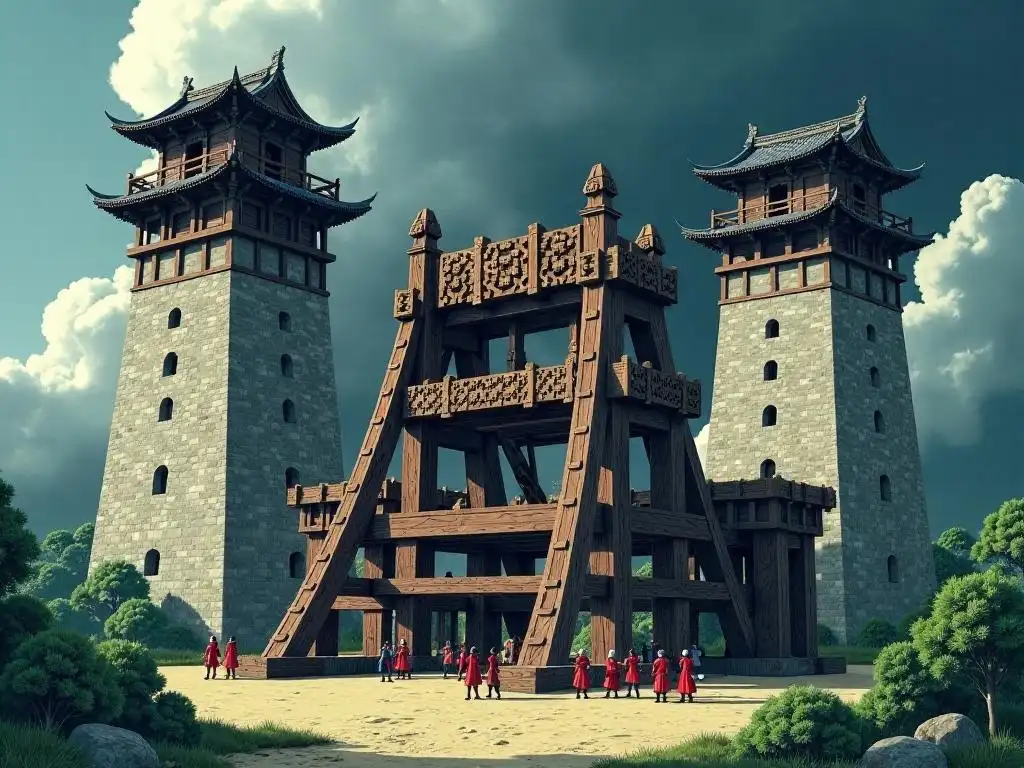
The development of siege engines in Feudal Japan was a critical factor that shaped the landscape of warfare during this period. The evolution of these technologies can be traced back to the adoption and adaptation of various influences, notably from neighboring regions. As Japan transitioned from a series of warring states to a more unified nation, the role of siege engines became increasingly significant in both offensive and defensive strategies.
Historical Context of Siege Warfare
During the Heian period (794-1185), the concept of warfare in Japan was largely influenced by court politics and samurai culture. However, as conflicts intensified—particularly during the Kamakura (1185-1333) and Muromachi (1336-1573) periods—siege warfare emerged as a prominent aspect of military strategy.
Sieges were not just about brute force; they required strategic planning and the effective use of technology. The rise of fortified castles served as the focal point of military campaigns, where samurai would defend against besieging forces. The technology behind these siege engines evolved to meet the demands of increasingly fortified positions and the need for efficiency in warfare.
Types of Siege Engines Used in Feudal Japan
The arsenal of siege engines employed in Feudal Japan included a variety of devices specifically designed for breach and assault. Here are some notable examples:
- Battering Rams: Used to break down gates and walls, these were often made of heavy timber and operated by teams of soldiers.
- Catapults: Known as "nawate," these devices were designed to hurl projectiles over castle walls, often using stones or incendiary materials.
- Trebuchets: A more advanced form of catapult, trebuchets utilized counterweights to launch heavy projectiles with greater accuracy and distance.
- Siege Towers: These mobile structures allowed troops to gain elevation and cross over castle walls, facilitating direct assaults on defenders.
The Impact of Chinese Influence on Japanese Siege Technology
The development of Japanese siege technology was significantly influenced by Chinese innovations. The introduction of gunpowder in the late 13th century, alongside the Mongol invasions, brought new technologies to Japan. The Japanese began to adopt and modify these technologies, including:
- Fire Lances: Early firearms that combined the concept of a spear with a gunpowder charge.
- Gunpowder Bombs: Used for both offensive and defensive operations, these explosive devices were effective in creating chaos among enemy ranks.
This exchange of technology was not merely a matter of imitation; Japanese engineers adapted these ideas to fit their unique combat style and environmental conditions, leading to innovative applications of siege technology.
Unique Japanese Innovations in Siege Engines
Japan's unique cultural and environmental factors led to several innovations in siege engines that distinguished them from their Chinese counterparts. Notable developments included:
- Kara-tachi (turning katapults): These were designed to be more mobile, allowing for quick repositioning during battles.
- Improved construction techniques: The use of lightweight materials and advanced timber joinery allowed siege engines to be more durable and easier to transport.
- Incorporation of psychological warfare: Some siege engines were designed not only to breach walls but also to intimidate defenders through their sheer size and the noise they generated.
Overall, the evolution of siege engines in Feudal Japan reflects a blend of external influences and indigenous innovations that shaped the tactical landscape of Japanese warfare. As samurai adapted their strategies to include these technologies, the essence of Feudal Japan warfare technology was redefined, showcasing a unique amalgamation of creativity and necessity.
Samurai Warfare Tactics and Strategies
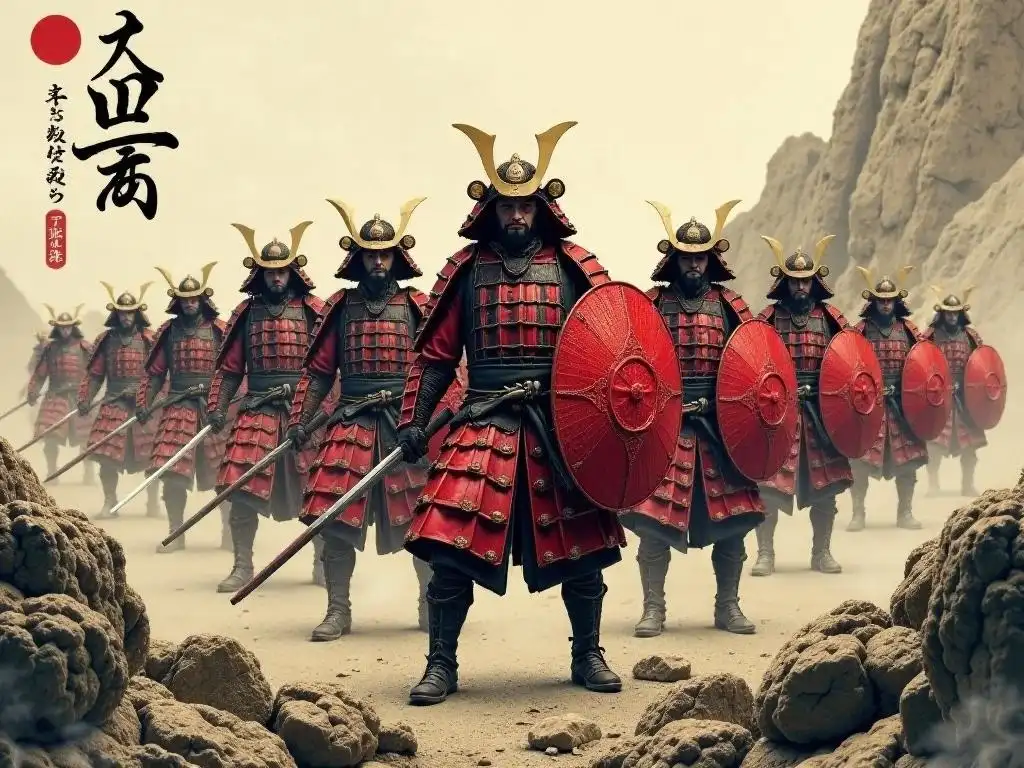
The samurai, as the elite warrior class of feudal Japan, played a pivotal role in shaping warfare tactics and strategies during this era. Their training, discipline, and adherence to the bushido code profoundly influenced military engagements. Samurai warfare tactics were characterized by a combination of individual combat prowess, strategic formations, and the effective use of various weapons.
The Role of Samurai in Feudal Warfare
The samurai were not just skilled swordsmen; they were also trained in a variety of martial arts and adept in the use of different weapons, including bows, spears, and naginata. Their training emphasized agility, precision, and the importance of honor on the battlefield.
- Leadership and Command:
- Samurai often held positions of leadership, commanding troops in battle. Their ability to inspire loyalty and courage among their men was crucial to the success of military campaigns.
- The samurai's status also meant that they were often responsible for the strategies employed by their clans, making them critical to the outcomes of various conflicts.
- Tactical Formations:
- Samurai employed various formations such as the kensei (line formation) and nari (wedge formation) to maximize their effectiveness in battle.
- These formations allowed for both offensive and defensive maneuvers, showcasing the adaptability of samurai tactics in response to evolving battlefield conditions.
- Use of Terrain:
- Samurai were trained to utilize the terrain to their advantage. Knowledge of local geography allowed them to plan ambushes, defend key positions, and retreat strategically when necessary.
- The incorporation of high ground and natural barriers into battle plans was a hallmark of samurai strategy, reflecting their understanding of environmental factors in warfare.
Integration of Siege Engines into Samurai Tactics
The introduction of siege engines into feudal Japan warfare technology marked a significant evolution in military capability. Initially, the samurai primarily engaged in direct combat, but as warfare evolved, so did their tactics to include these powerful machines.
Coordinating Siege Engines with Infantry Units
The successful integration of siege engines, such as tachi (catapults) and sōkō (mangonels), into samurai tactics required meticulous planning and coordination.
- Combined Arms Operations:
- Samurai commanders learned to coordinate the use of siege engines with infantry units to maximize their impact during sieges.
- For instance, while siege engines bombarded enemy fortifications, infantry units would prepare to storm the breaches created by the assault.
- Timing and Positioning:
- Effective timing was essential; infantry units had to be positioned strategically to advance as soon as a breach occurred.
- The synchronization of attacks ensured that the enemy was overwhelmed, minimizing their ability to regroup and respond.
- Protective Measures:
- As siege engines became more prominent, samurai also developed protective measures to shield these valuable assets from enemy fire.
- The use of portable shields and fortifications allowed for safer operation of siege machines, thereby increasing their effectiveness on the battlefield.
Psychological Warfare: The Impact of Siege Engines on Enemy Morale
The psychological aspect of warfare cannot be understated, especially in the context of feudal Japan. The mere presence of siege engines often had a profound effect on enemy morale.
- Fear and Intimidation:
- The sight and sound of siege engines being prepared and fired could demoralize opponents, instilling fear and uncertainty.
- Historical records indicate that many battles were won not just through physical prowess but also through the psychological impact of superior technology.
- Disruption of Traditional Warfare Norms:
- The integration of siege engines disrupted the traditional samurai combat style, which emphasized honor in one-on-one combat.
- This shift forced opposing samurai to reconsider their tactics and approaches to battle, often leading to hesitance or disarray in the face of these formidable machines.
- Strategic Deception:
- Samurai commanders sometimes employed deceptive tactics, such as feigned retreats combined with siege engine assaults, to manipulate enemy actions and create openings for victory.
- This psychological manipulation underscored the importance of mental warfare in the broader strategy of feudal Japan.
The evolution of samurai warfare tactics and the integration of siege engines significantly transformed the landscape of feudal conflict. The adaptability of samurai to incorporate new technologies while maintaining their traditional values enabled them to navigate the complexities of warfare effectively.
Key Battles Involving Siege Engines in Feudal Japan

The Siege of Osaka: A Case Study in Feudal Warfare Technology
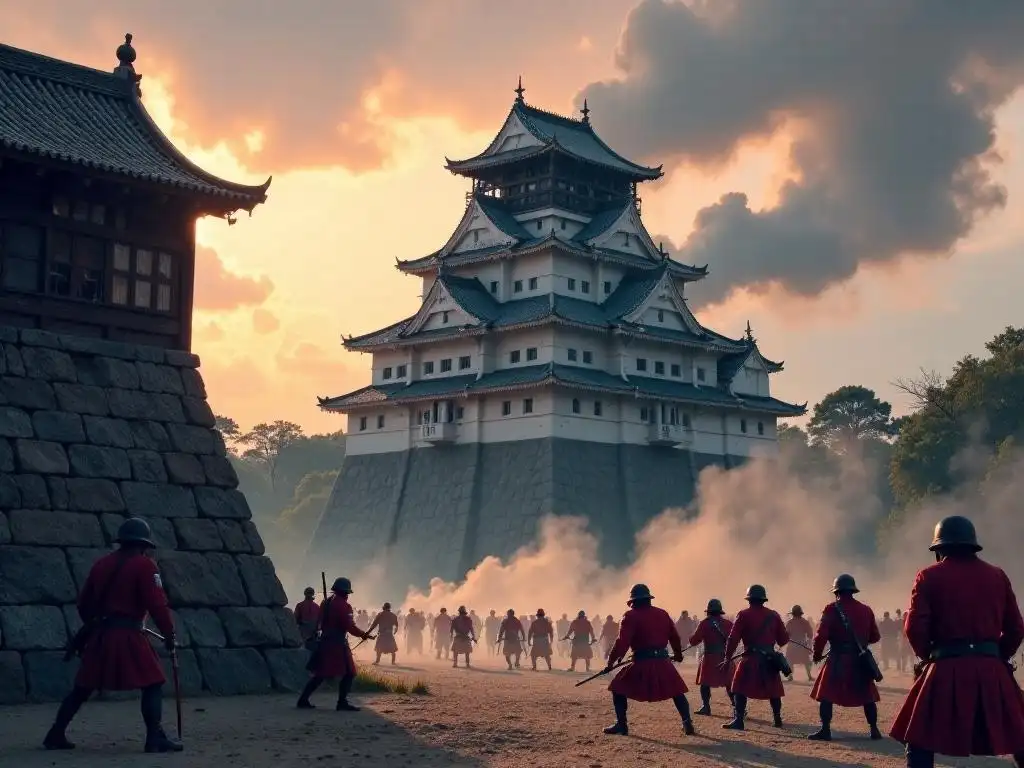
The Siege of Osaka, which transpired during the early 17th century, exemplifies the intricate interplay between siege engines and samurai warfare, marking a significant chapter in the annals of feudal Japan warfare technology. This conflict emerged as a result of the power struggle between the Tokugawa shogunate and the Toyotomi clan, with Osaka Castle serving as the focal point of military operations.
Overview of the Siege
The siege occurred in two phases: the Winter Siege (1614-1615) and the Summer Siege (1615). The Tokugawa forces, led by Ieyasu Tokugawa, aimed to crush the Toyotomi resistance and consolidate their power. The siege engines utilized during this period included large cannon and mobile siege towers, which played critical roles in breaching the formidable defenses of Osaka Castle.
Technology Utilized
- Cannon:
- The Tokugawa forces employed heavy artillery, including large-caliber cannon, to bombard the castle walls. These cannon were capable of firing massive stone projectiles, causing substantial damage to fortifications.
- The introduction of matchlock firearms also transformed the dynamics of the siege, adding a new layer of lethality to the Tokugawa's arsenal.
- Siege Towers:
- The construction of mobile siege towers allowed Tokugawa troops to approach the castle walls while providing cover from enemy fire. These towers were equipped with platforms for archers and gunners, enabling them to deliver sustained fire against the defenders.
The Role of Siege Engines in the Genpei War
The Genpei War (1180-1185), a pivotal conflict between the Taira and Minamoto clans, marked a defining moment in the evolution of feudal Japan warfare technology. Siege engines played a crucial role in shaping the outcomes of several key battles during this era.
Key Siege Techniques
- Wooden Towers:
- The Minamoto clan utilized wooden towers to gain height advantage over the Taira fortifications. These towers provided a vantage point for archers, allowing them to rain arrows upon the defenders.
- Battering Rams:
- Battering rams were employed to breach gates and walls. The Minamoto’s use of these rams illustrated their tactical innovation, enabling them to penetrate enemy strongholds effectively.
- Catapults:
- Although less common, some factions experimented with early forms of catapults to launch projectiles over walls. This added an element of unpredictability to siege warfare, as defenders struggled to counter these new threats.
Analysis of Siege Techniques Used in Notable Conflicts
The study of siege techniques employed in notable conflicts throughout feudal Japan reveals a continuous evolution of military technology, influenced by the specific challenges posed by enemy fortifications.
Comparative Analysis of Siege Warfare
| Conflict | Siege Engines Used | Outcome |
|---|---|---|
| Siege of Osaka | Cannon, Siege Towers | Tokugawa victory, end of Toyotomi power |
| Genpei War | Wooden Towers, Battering Rams | Minamoto victory, rise of the Kamakura shogunate |
| Siege of Kōzuke | Early Catapults, Battering Rams | Taira defeat, shift in military tactics |
Conclusion on Siege Warfare Technology
The technology of feudal Japan warfare evolved significantly through these conflicts, with siege engines becoming integral to military strategy. As samurai adapted to the changing landscape of warfare, the incorporation of siege engines not only altered the outcomes of battles but also contributed to the broader narrative of Japan’s military history. The lessons learned during these sieges laid the groundwork for future military innovations and strategies within the realm of feudal Japan.
Cultural and Societal Implications of Warfare Technology
How Siege Technology Shaped Samurai Culture
The advent of siege technology during the feudal era in Japan profoundly influenced the samurai culture, altering their societal roles and military strategies. The introduction of advanced siege engines, such as the tawara-bune (a type of floating siege tower) and catapults, shifted the dynamics of warfare from open-field battles to strategic fortifications and prolonged sieges. This necessity for specialized knowledge in constructing and operating these devices led to a new layer of expertise within the samurai class.
-
Strategic Adaptation
The samurai had to adapt their combat tactics to incorporate siege warfare, leading to the development of specific training regimens that emphasized fortification and defensive strategies. This included:
- Increased focus on defensive structures: Castles became central to military strategy, with samurai investing in their construction and fortification.
- Collaboration with engineers: Samurai began to work closely with skilled artisans and engineers who specialized in siege technology, creating a symbiotic relationship that enriched both disciplines.
-
Cultural Significance of Fortresses
Castles were not merely military structures; they evolved into symbols of power and status within feudal society. The architecture and design of these fortresses often reflected the wealth and influence of the samurai clan. Notable examples include:
- Himeji Castle: Renowned for its elegance and defensive capabilities, it became a model for samurai fortresses throughout Japan.
- Matsumoto Castle: Its unique design incorporated both aesthetics and functionality, showcasing the integration of siege technology into cultural identity.
-
Impact on Samurai Ethics and Identity
The role of the samurai shifted as siege warfare necessitated a more pragmatic approach to conflict. This led to:
- The emergence of the 'bushido' code: As samurai engaged in prolonged sieges, the ethical implications of warfare became pronounced, shaping their identity and moral frameworks.
- Valor in defense: The notion of honor began to encompass not only bravery in battle but also the ability to defend one’s territory effectively, reinforcing loyalty to one’s clan and lord.
The interplay between warfare technology and social hierarchies in feudal Japan is evident in how advancements in military tools and techniques affected the distribution of power and status among the samurai and their lords. This relationship can be understood through several key aspects:
-
Monopolization of Technology
The knowledge and control of siege technology became a crucial element of power during the feudal era. As such:
- Wealthy clans: Those who could afford to develop and maintain advanced siege engines often gained significant advantages over their rivals, allowing them to dominate regional conflicts.
- Technological gatekeeping: The expertise required to operate and maintain siege engines created a divide between the elite samurai and lower-ranking warriors, solidifying social hierarchies based on access to military technology.
-
Military Campaigns and Status
The ability to successfully conduct sieges directly influenced the status of samurai leaders:
- Renowned generals: Successful siege commanders became celebrated figures, often leading to increased prestige and power within their clans.
- Rewarding loyalty: Samurai who demonstrated adeptness in siege warfare often received land and titles as rewards, further entrenching the connection between military success and social mobility.
-
Cultural Reflections of Hierarchies
The societal implications of siege warfare technology extended into cultural expressions:
- Literature and art: The glorification of successful sieges and the valor of samurai leaders in literature and art served to reinforce the existing social structures, celebrating those who mastered the technology of warfare.
- Rituals and traditions: Ceremonies surrounding military success often highlighted the importance of technological prowess, embedding these values within the cultural fabric of samurai society.
The evolution of siege technology not only transformed military tactics but also reshaped the cultural and societal landscape of feudal Japan, reinforcing social hierarchies and influencing the samurai's identity and ethical codes in profound ways.
Conclusion: The Legacy of Feudal Japan Warfare Technology
The legacy of feudal Japan warfare technology, particularly as exemplified by the use of siege engines and the strategies employed by samurai, continues to resonate through military history. The innovative approaches to warfare during this era not only shaped the battlefield tactics of the time but also laid the groundwork for future advancements in military technology.
The samurai's integration of traditional martial skills with emerging technologies such as siege engines reflects a dynamic evolution of military capabilities. These advancements allowed for more effective sieges and defensive strategies, highlighting the importance of adaptability in warfare. As we examine the remnants of feudal Japan's military practices, it becomes clear that the lessons learned during this period continue to influence contemporary military thought.
Lessons Learned from Samurai Warfare Practices
The samurai themselves were not just warriors; they were also strategists and tacticians who understood the importance of leveraging technology in warfare. Several key lessons can be drawn from their practices:
- Adaptability: The samurai were known for their ability to adapt to changing circumstances on the battlefield. This flexibility allowed them to incorporate new technologies, such as ballistae and catapults, into their military strategies effectively.
- Unity of Strategy and Technology: The integration of siege engines into samurai warfare exemplified the importance of unifying strategy with technology. The successful use of these devices required not only knowledge of their mechanics but also an understanding of how to deploy them effectively within the context of a broader tactical plan.
- Training and Expertise: The samurai's extensive training fostered a deep understanding of both weaponry and battlefield dynamics. This expertise was crucial not only in combat but also in the maintenance and operation of complex siege technologies, ensuring that they could be relied upon during critical moments in warfare.
- Psychological Warfare: The samurai often used the presence of siege engines to intimidate adversaries. Understanding the psychological aspects of warfare can be as crucial as physical tactics, showcasing the multifaceted nature of conflict during this period.
The Influence of Feudal Warfare Technology on Modern Military Strategies
The technological advancements in feudal Japan, particularly in the realm of siege warfare, have had lasting impacts on modern military strategies. Some of the key influences include:
- Engineering Principles: The designs of various siege engines from feudal Japan have informed modern engineering practices. Understanding the mechanics of tension, leverage, and projectile motion that were utilized in these technologies has allowed for the evolution of contemporary siege and artillery systems.
- Asymmetrical Warfare: The samurai's approach to warfare often involved unconventional tactics that can be seen in modern asymmetrical warfare strategies. The ability of smaller, technologically adept forces to challenge larger armies draws from historical practices rooted in the samurai's resourcefulness.
- Combined Arms Warfare: The use of infantry, cavalry, and siege engines in a coordinated manner during feudal battles has influenced modern combined arms tactics. The understanding that different military branches must work together to achieve a common goal remains a cornerstone of military strategy today.
- Cultural Influence: The cultural significance of the samurai and their warfare practices has permeated military doctrine and education worldwide. The principles of honor, discipline, and strategy derived from samurai culture continue to inspire military leaders and strategists around the globe.
The technology behind feudal Japan warfare not only shaped the historical landscape of the era but also left an indelible mark on modern military strategies. The lessons learned from samurai practices and the innovative use of siege engines serve as a testament to the enduring nature of military evolution. Understanding this legacy provides valuable insights into the continuous interplay between technology and warfare.
Frequently Asked Questions
What were the primary types of siege engines used in Feudal Japan?
The primary types of siege engines included catapults, trebuchets, and battering rams, which were designed to breach fortifications and defend against enemy attacks.
How did samurai influence the development of warfare technology?
The samurai, as elite warriors, played a crucial role in shaping warfare technology by adopting and adapting various tools and strategies to enhance their combat effectiveness during sieges.
What materials were commonly used in the construction of siege engines?
Wood, bamboo, and metal were the most common materials used in the construction of siege engines, providing both strength and flexibility necessary for effective siege operations.
How did the introduction of gunpowder affect Feudal Japan warfare?
The introduction of gunpowder led to significant changes in warfare, including the development of firearms and artillery, which shifted the balance of power and tactics on the battlefield.
What role did fortifications play in Feudal Japan warfare?
Fortifications were crucial for defense, providing strategic advantages during sieges and influencing the design and use of siege engines in attempts to breach these strongholds.
Final Reflection: The Enduring Legacy of Feudal Japan Warfare Technology
The intricate relationship between technology and warfare in Feudal Japan remains profoundly relevant today as we examine how innovation shapes conflict and strategy. The evolution of siege engines and the tactical prowess of the samurai not only defined the battles of their time but also laid the groundwork for understanding modern military technology. As we navigate an era where technology continues to redefine the landscape of warfare, we must recognize the lessons of the past and their implications for our future.
The influence of Feudal Japan's warfare technology extends far beyond the battlefield; it permeates cultural narratives and societal values that persist in contemporary Japan and beyond. The samurai ethos, intertwined with their martial innovations, emphasizes honor, discipline, and the relentless pursuit of mastery. This legacy is echoed in the words of renowned historian John W. Hall, who stated, The samurai were not just warriors; they were the embodiment of a cultural ideal that continues to resonate in Japanese society.
This connection between technology and cultural identity illustrates how the advancements of the past continue to shape our understanding of honor and conflict in the present.
As we reflect on the lessons drawn from the siege engines and samurai of Feudal Japan, I invite you to consider how these historical insights can inform your own life and choices. What innovations are you embracing in your personal or professional battles?
Just as the samurai adapted to the challenges of their time, we too must be willing to learn and evolve. Let the stories of these warriors inspire you to harness the power of technology and strategy in your own journey, ensuring that the legacy of Feudal Japan's warfare technology continues to resonate in a world that is ever-changing.
Unleash Your Inner Warrior and Explore the Age of Feudal Japan!
Thank you for diving into the fascinating world of siege engines and samurai! We hope you’ve gained insights into the innovative tactics and remarkable technology that shaped feudal warfare. Now it’s time to channel that curiosity into action!
Here are a few ways you can continue your journey into the enthralling era of samurai and siege warfare:
- Research and visit a local museum featuring feudal artifacts to witness these incredible technologies up close and learn their stories.
- Join a historical reenactment group or community to experience the techniques and culture of samurai warfare firsthand—it's both educational and fun!
- Share your newfound knowledge with friends or on social media to inspire others to delve into the history that defined this captivating period.
Which aspect of feudal warfare intrigues you the most—the strategy of siege engines or the valor of the samurai? Share your thoughts below!