
Tides of Change: The Decline of Traditional Naval Warfare in Japan

Welcome to Feudal Japan History! Dive into the rich tapestry of Japan's feudal era, where history, culture, and society intertwine in fascinating ways. In our featured article, "Tides of Change: The Decline of Traditional Naval Warfare in Japan," we unravel the intricate factors that led to the shift in naval strategies and their implications on Japan's military landscape. Join us as we navigate the currents of history and uncover the profound transformations that shaped a nation. Are you ready to set sail on this enlightening journey? Explore further to discover the tides that changed Japan forever!
The decline of traditional naval warfare in Japan marks a significant turning point in the nation’s military history, reflecting broader social, political, and technological changes. As Japan transitioned from the feudal era to a more centralized state, the methods of warfare evolved, leading to the gradual obsolescence of naval strategies that had once defined its maritime conflicts. This article delves into the intricate tapestry of Japan's naval history, examining the factors that contributed to the waning of traditional naval practices and exploring the implications for Japan's military and cultural identity.
Naval warfare in feudal Japan was characterized by a unique blend of strategy, technology, and cultural significance. The Japanese archipelago, with its extensive coastline and numerous islands, necessitated a robust naval presence for both defense and trade. Feudal lords, or daimyōs, relied heavily on their fleets to assert control over territories and protect their interests against rival clans.
- Key Components of Naval Warfare:
- Ship Types: Traditional vessels such as the atakebune (large warships) and sampans (smaller boats) were pivotal in battles.
- Tactics: Warfare often involved boarding enemy ships, utilizing archers, and employing ramming techniques.
- Training: Samurai and sailors underwent rigorous training, emphasizing discipline and seamanship.
The interplay of these elements not only shaped naval engagements but also influenced the social hierarchy and power dynamics within feudal Japan.
Naval power played a crucial role in the historical context of Japan, particularly during periods of conflict and expansion. Control of the seas allowed for the movement of troops, the transport of goods, and the establishment of trade routes.
- Cultural Impact:
- The prominence of naval battles in folklore and literature highlights the societal reverence for naval prowess.
- Festivals and rituals were often held to honor the sea and those who navigated it.
- Political Implications:
- Naval dominance often translated to political power, as successful daimyōs could leverage their fleets to negotiate treaties and alliances.
Early Naval Strategies in Japan
The roots of naval warfare in Japan can be traced back to ancient times, where early maritime conflicts were influenced by both local and regional dynamics. Initially, naval strategies were rudimentary, focusing primarily on defending coastal settlements and engaging in skirmishes with pirates or rival clans.
- Notable Early Strategies:
- Use of Geography: Understanding local currents and tides was critical for successful naval operations.
- Coalition Warfare: Alliances between clans often led to combined naval forces, enhancing their collective strength.
Key Battles and Naval Conflicts
Throughout Japan's feudal history, several key battles illustrate the evolution of naval warfare strategies. The Genpei War (1180-1185), for instance, showcased the pivotal role of naval engagements in determining the outcome of larger conflicts.
- Notable Battles:
- Battle of Dan-no-ura (1185): A decisive naval battle that led to the downfall of the Taira clan.
- Siege of Nagasaki (1571): Demonstrated the growing sophistication and tactics employed by the samurai at sea.
These conflicts not only underscored the importance of naval power but also set precedents for future maritime engagements.
Influence of Geography on Naval Tactics
Japan's geographical features profoundly influenced its naval tactics and strategies. With thousands of islands and a rugged coastline, the challenges of navigation and engagement required innovative approaches.
- Geographical Factors:
- Tide and Current Management: Sailors had to master local waters, adapting their tactics based on natural conditions.
- Island Hopping Strategies: The ability to maneuver between islands allowed for surprise attacks and strategic retreats.
As the landscape of warfare evolved, the interplay between geography and naval tactics became increasingly complex, leading to both victories and defeats that shaped Japan's military history.
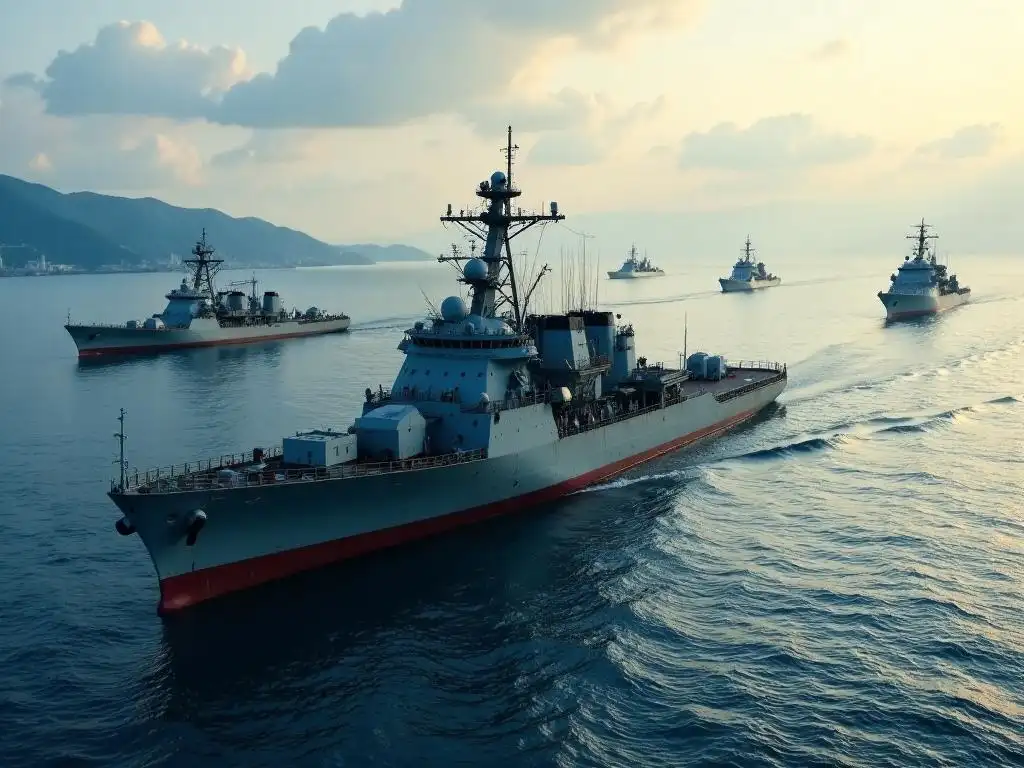
The decline of traditional naval warfare in Japan during the late feudal period can be attributed to a convergence of various factors that reshaped military strategies, technological capabilities, and political landscapes. As Japan transitioned from a feudal society into a more modern state, the emphasis on naval power waned, leading to significant changes in how naval engagements were conducted and prioritized.
Technological Advancements in Warfare
The introduction of advanced weaponry and military technologies played a crucial role in diminishing the effectiveness and relevance of traditional naval warfare. During the late 19th century, innovations such as steam-powered ships, ironclad warships, and more sophisticated artillery transformed naval engagements. The reliance on oar-powered vessels and wooden ships became increasingly obsolete as these new technologies allowed for greater speed, firepower, and durability.
Furthermore, the development of naval mines and torpedoes introduced new dimensions to maritime combat, emphasizing the importance of naval tactics over sheer numbers of ships. This shift meant that traditional naval strategies, which had relied on formations and boarding tactics, were no longer viable against these new technological advancements.
Political Changes and Their Impact on Naval Strategy
Political dynamics within Japan also significantly influenced naval warfare strategies. The decline of the Tokugawa shogunate in the mid-19th century led to a power vacuum that allowed for the rise of new factions and ideologies. As the nation grappled with internal strife and the need to modernize, military leaders increasingly focused on land-based strategies to consolidate power.
The political upheaval, particularly during the Boshin War (1868-1869), shifted priorities toward land forces, as various clans and factions sought to assert their dominance. This culminated in a reduced emphasis on maintaining a strong naval presence, as resources were diverted to strengthen ground forces, which were deemed crucial for territorial control and internal stability.
Shift from Naval to Land-Based Military Power
As Japan moved towards modernization, there was a notable shift in military doctrine that favored land-based military power over naval capabilities. The rise of the Imperial Japanese Army as a dominant force during the Meiji era emphasized the need for a powerful standing army to defend against foreign threats and expand Japan's territorial ambitions.
This shift was underscored by Japan's victory in the First Sino-Japanese War (1894-1895), where land engagements played a pivotal role in establishing Japan as a regional power. The success of ground forces during this period further solidified the perception that land-based military power was more crucial than naval supremacy, contributing to the decline of traditional naval warfare practices.
The interactions with foreign powers significantly impacted Japan's naval practices, introducing new ideas and technologies that altered the course of naval warfare. The influx of Western influence during the 19th century catalyzed a transformation in Japan's military strategies, operations, and organization.
Introduction of Western Naval Technologies
The arrival of Western nations in Japan, particularly following Commodore Perry's expedition in 1853, exposed the Japanese to advanced naval technologies. Western powers showcased steamships, ironclads, and modern naval artillery, prompting Japanese leaders to recognize the need for modernization to compete effectively against foreign navies.
In response, Japan began to adopt these technologies, establishing shipyards and training programs to build a modern navy. The incorporation of Western naval strategies and designs into the imperial fleet marked a significant departure from traditional practices, ultimately leading to the decline of older naval warfare methods.
Impact of the Meiji Restoration on Naval Warfare
The Meiji Restoration of 1868 was a turning point that accelerated the decline of traditional naval warfare in Japan. As the new government sought to modernize the nation, it prioritized the establishment of a contemporary navy that could protect Japan's interests and assert its power in Asia.
The restoration led to significant investments in naval infrastructure, training, and technology, resulting in the creation of a more organized and effective naval force. However, this emphasis on modernization often meant that traditional naval tactics and training were overshadowed by a focus on emulating Western powers. The modernization efforts ultimately shifted the paradigm of naval warfare in Japan, contributing to the decline of its traditional practices.
Comparative Analysis: Japanese Naval Practices vs. Western Powers
A comparative analysis of Japanese naval practices and those of Western powers reveals the dramatic shifts that occurred during the late feudal period. While Japan initially relied on traditional tactics characterized by swift, maneuverable ships and boarding actions, Western navies employed larger, heavily armed vessels capable of engaging at range.
The effectiveness of Western naval strategies was evident in conflicts such as the Sino-Japanese War, where Japan's adoption of modern naval technologies allowed it to effectively challenge and defeat its adversaries. This transformation led to a significant reevaluation of Japan's naval philosophy, where the focus transitioned from traditional engagements to modern warfare tactics that emphasized technological superiority and strategic planning.
The decline of traditional naval warfare in Japan was a multifaceted process influenced by technological advancements, political changes, and foreign influences. As Japan modernized and adapted to the challenges of the 19th century, the remnants of its traditional naval practices gradually gave way to a new era of military engagement that prioritized innovation and adaptability.
The decline of traditional naval warfare in Japan during the late Edo period was significantly influenced by various cultural shifts. These changes in society, values, and beliefs had profound implications for how naval engagements were perceived and conducted. The evolving cultural landscape not only redefined the motivations for warfare but also influenced the strategic decisions made by military leaders.
Changing Perceptions of Honor and Warfare
In feudal Japan, the concept of honor was paramount in warfare, particularly among the samurai class. Traditionally, battles were fought with valor, and personal honor was closely tied to martial prowess. However, as Japan entered the Edo period, the perception of honor began to shift. The emphasis on individual glory gave way to a more collective understanding of honor, which often prioritized the stability and peace of society over personal victories.
This change in perception diminished the significance of naval battles as honorable pursuits. The once-celebrated naval commanders and their exploits became less relevant in a society that increasingly valued diplomacy and trade over military conquest. Consequently, naval engagements were viewed less as opportunities for personal honor and more as necessary evils in the broader context of maintaining peace.
The Rise of Samurai Culture and Its Impact on Naval Engagements
The rise of samurai culture during the Edo period also played a critical role in the decline of traditional naval warfare. As the shogunate consolidated power, the samurai became more focused on internal conflicts rather than external naval engagements. The samurai's primary responsibilities shifted towards land-based defense and governance, resulting in a neglect of naval affairs.
Moreover, the samurai's emphasis on direct combat and personal bravery translated poorly to naval warfare, which often required different skills and strategies. As the samurai class increasingly turned their attention to land battles, naval engagements were often fought by lesser-ranked warriors or mercenaries, leading to a decline in the quality and effectiveness of naval forces.
The Influence of Buddhism and Zen Philosophy on Military Practices
Buddhism and Zen philosophy gradually permeated Japanese culture during the Edo period, influencing military practices, including naval warfare. The principles of mindfulness, inner peace, and non-attachment that characterize Zen philosophy began to shape the attitudes of samurai and military leaders.
As these philosophies gained prominence, the motivations for warfare shifted from aggressive conquest to more contemplative approaches. This shift contributed to the declining emphasis on naval warfare, as many samurai began to view military actions as less desirable compared to the peaceful pursuits of art, literature, and trade. Consequently, the once vibrant tradition of naval warfare began to fade, replaced by a culture that valued introspection and harmony over conflict.
The decline of naval warfare in Japan can be illustrated through various case studies of key naval engagements that occurred during the late Edo period. These battles highlight the changing dynamics of naval power and the factors contributing to their decline.
Analysis of Key Naval Battles in the Late Edo Period
The late Edo period witnessed several notable naval battles that underscored the decline of traditional naval warfare. One such battle was the Battle of Seta Bay in 1864, where the Tokugawa shogunate's fleet faced off against the forces of the Choshu Domain. This engagement revealed not only the diminishing effectiveness of the shogunate's naval forces but also the strategic challenges posed by modernized enemy fleets equipped with Western technology.
Another significant engagement was the Battle of Hakodate in 1869, which marked one of the last significant naval confrontations before the Meiji Restoration. The battle showcased the effectiveness of Western naval technology and tactics, further underscoring the inadequacies of the traditional Japanese naval forces. These conflicts illustrated a clear transition from traditional naval engagements to the modern naval warfare that would dominate the coming years.
The Role of Piracy in the Decline of Naval Power
Piracy played a substantial role in the decline of traditional naval power in Japan. During the Edo period, notorious pirate groups, often referred to as wokou, posed significant challenges to naval security. These pirates disrupted trade routes and engaged in skirmishes with naval forces, revealing the vulnerabilities of the established naval powers.
As piracy became more rampant, the focus shifted from organized naval warfare to defensive actions against these threats. This shift further diminished the importance of traditional naval engagements, as resources were redirected toward combating piracy rather than engaging in formal naval battles. The rise of piracy not only destabilized maritime trade but also showcased the inadequacies of the samurai-led naval forces, contributing to the overall decline of naval power.
The Transition to Modern Naval Warfare
The transition to modern naval warfare in Japan was marked by significant technological and strategic changes that rendered traditional naval practices obsolete. The arrival of Western naval technology during the mid-19th century introduced ironclad warships and advanced artillery, fundamentally altering the nature of naval engagements.
As Japan opened its ports to Western powers, it rapidly began to modernize its navy, adopting new strategies and practices. This shift was exemplified by the establishment of a modernized naval fleet capable of competing on the global stage, a stark contrast to the traditional wooden ships and tactics that had previously dominated Japanese naval warfare.
The decline of traditional naval warfare marked a pivotal moment in Japan's military history, paving the way for a new era of naval power characterized by modernization and international competition. This transition not only shaped Japan's naval capabilities but also reflected broader changes within society, culture, and military strategy.
The decline of traditional naval warfare in Japan marks a pivotal transition in the nation’s military and cultural history. As Japan moved from a feudal society dominated by samurai and their naval engagements to a more modern state influenced by Western military strategies, the legacy of naval warfare was reshaped significantly. This transition not only altered Japan’s military capabilities but also transformed its societal structure and relationships with neighboring nations.
The once-prominent naval battles and strategies rooted in the feudal era became relics of the past, overshadowed by technological advancements and modernization efforts. However, the essence of these traditional practices continued to influence Japan’s maritime identity and its approach to naval affairs.
Reflection on the Transition from Traditional to Modern Naval Strategies
The shift from traditional naval warfare to modern strategies in Japan was gradual yet profound. Initially, naval engagements were characterized by the use of wooden ships and hand-to-hand combat, with tactics that emphasized close-quarter encounters. As the Meiji Restoration unfolded in the late 19th century, Japan began to adopt Western naval technologies and strategies, leading to significant changes in its maritime operations.
By integrating steam power, ironclad ships, and advanced artillery, Japan transitioned to modern naval warfare. This evolution was evident during conflicts such as the First Sino-Japanese War (1894-1895) and the Russo-Japanese War (1904-1905), where Japan's modernized navy played a crucial role in establishing itself as a formidable maritime power. The reflection on this transformation highlights not only the technological advancements but also the strategic shifts in naval doctrine, emphasizing the importance of training and organization that were previously less prioritized in traditional warfare.
The Enduring Impact of Naval Warfare on Japanese History and Culture
Naval warfare has left an indelible mark on Japanese history and culture, shaping national identity and influencing literature, art, and folklore. The tales of legendary naval battles and heroic samurai who fought at sea have been immortalized in various cultural expressions, from Noh theatre to ukiyo-e woodblock prints. These narratives served to instill a sense of pride and valor in the maritime endeavors of the past.
Moreover, the historical significance of naval engagements has fostered a collective memory that continues to resonate in contemporary Japan. The rituals and traditions that stemmed from these maritime practices can still be observed in festivals and ceremonies, reflecting a deep appreciation for the naval heritage. Thus, the legacy of naval warfare in Japan is not merely a historical account; it is a vibrant aspect of the cultural fabric that continues to influence modern Japanese society.
The decline of traditional naval warfare in Japan symbolizes a broader transition within the nation, moving towards modernization and global integration. As Japan embraced new technologies and military doctrines, the once-dominant naval practices faded into history, leading to the emergence of a modern navy equipped to navigate the complexities of global conflicts.
This decline does not signify the loss of maritime prowess; rather, it marks the evolution of Japan’s naval strategy in response to changing geopolitical landscapes. The lessons learned from the feudal era of naval warfare remain relevant, serving as a foundation for understanding contemporary maritime security challenges.
Future Research Directions in Naval History
Future research in naval history should focus on the nuanced impacts of the transition from traditional to modern naval strategies in Japan. Scholars could explore specific case studies of naval battles that illustrate this shift and analyze the socio-political implications of naval modernization.
Additionally, comparative studies with other nations undergoing similar transformations could provide valuable insights into global maritime history. Investigating the role of naval warfare in shaping Japan's international relations and its influence on current maritime policies would also enhance our understanding of Japan's naval legacy.
Relevance to Contemporary Maritime Strategies in Japan
The decline of traditional naval warfare in Japan offers essential lessons for contemporary maritime strategies. As Japan navigates modern security challenges, including territorial disputes and regional tensions, the historical context of its naval heritage can inform strategic decision-making.
Understanding the evolution of naval warfare allows military planners and policymakers to draw parallels between past practices and current realities. Moreover, the enduring cultural significance of naval history can foster a sense of national identity and unity in Japan's maritime endeavors. By acknowledging the lessons of history, Japan can develop robust maritime strategies that honor its legacy while effectively addressing contemporary challenges.
- Introduction to the Decline of Naval Warfare in Japan
- Overview of Naval Warfare in Feudal Japan
- Significance of Naval Power in Historical Context
- Historical Background of Naval Warfare
- Factors Contributing to the Decline of Naval Warfare
- The Role of Foreign Influence on Japanese Naval Practices
- Cultural Shifts and Their Effect on Naval Warfare
- Case Studies of Declining Naval Engagements
- Conclusion: The Legacy of Naval Warfare in Japan
- Final Thoughts on the Decline of Naval Warfare in Japan
- What factors contributed to the decline of naval warfare in feudal Japan?
- How did the political environment affect naval strategies in Japan?
- Were there any significant naval battles that marked the end of traditional naval warfare?
- What impact did foreign influences have on Japan's naval strategies?
- How did the cultural perception of naval warfare evolve during this period?
Frequently Asked Questions
The decline of naval warfare was influenced by changing political dynamics, the rise of land-based power, and the increasing importance of infantry over naval forces during the Sengoku period.
The political environment, marked by warlord conflicts and the unification efforts under leaders like Oda Nobunaga, shifted focus from naval engagements to land battles, diminishing the need for a strong naval presence.
Yes, battles like the Battle of Fukuda in the late 16th century reflected the shift away from traditional naval tactics, as they increasingly favored land-based confrontations over maritime engagements.
Foreign influences, such as the arrival of European powers and their superior naval technology, prompted Japanese leaders to rethink their naval strategies, often leading to the adoption of modern tactics rather than traditional ones.
The cultural perception of naval warfare shifted as samurai ideals and bushido focused more on land combat. This change diminished the social status of naval warriors, leading to a decline in naval engagements.
The decline of traditional naval warfare in Japan is not merely a historical footnote; it is a profound reflection of how societies adapt to evolving challenges. As we witness the rapid advancements in technology and shifts in geopolitical landscapes, the lessons learned from Japan's naval history resonate more than ever. The transformation from age-old maritime strategies to modern approaches underscores the necessity for adaptability in the face of change. This evolution is a striking reminder that stagnation can lead to obsolescence, while innovation paves the way for survival and success.
Cultural and social landscapes are continually shaped by the remnants of past practices, and the decline of naval warfare in Japan serves as a poignant example of this dynamic. The transition from traditional naval tactics to contemporary strategies has not only influenced military doctrine but has also permeated the broader societal consciousness, prompting reflections on identity, power, and resilience. As the historian John Keegan once noted, War is a matter of vital importance to the State,
and in Japan's case, this vital importance has necessitated a reevaluation of what it means to defend and assert national interests in an ever-changing world.
As we contemplate the implications of this decline, I invite you to reflect on your own adaptability in the face of change. Consider how the lessons from Japan's naval history can inspire you to embrace transformation in your own life. Whether in personal endeavors, professional pursuits, or societal engagement, the ability to navigate the tides of change is essential. Let us honor the past while remaining vigilant and open to the future, ensuring that we, too, can chart our course through the unpredictable waters ahead.
Thank you for diving into the intriguing world of traditional naval warfare in Japan! We hope you’ve gained valuable insights into how these historical tides have shifted over time. Now, let’s transform that knowledge into action and exploration.
Here are some inspiring steps you can take next:
- Immerse yourself in naval history by visiting a local museum or exploring online resources to uncover more about the evolution of maritime tactics in Japan.
- Join a discussion forum focused on feudal Japan, where you can share your thoughts and learn from other history enthusiasts about the impact of these changes on modern naval strategies.
- Consider writing a short article or blog about what surprised you the most regarding the transformation of naval warfare, and share it with friends or on social media!
What aspect of Japan’s naval history intrigues you the most, and how do you think it influences today’s maritime strategies?