
The Role of Women in the Development of Japanese Cuisine

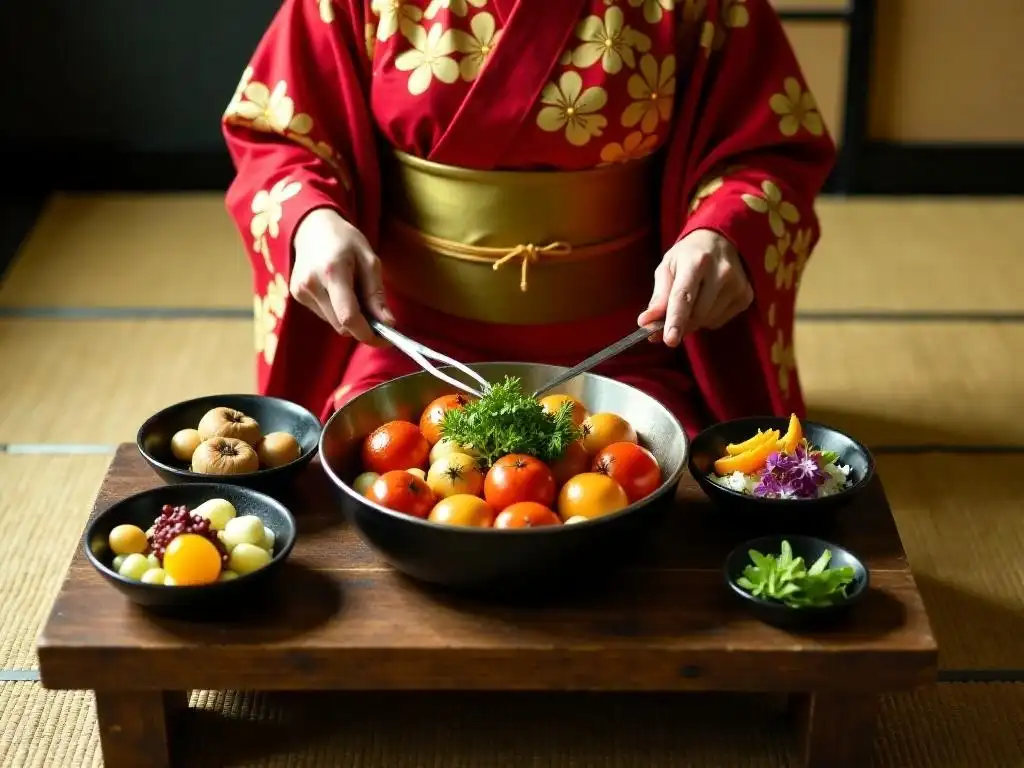
Welcome to Feudal Japan History, where we embark on an intriguing journey through the shadows of Japan's feudal era. Here, we delve deep into the rich tapestry of historical, cultural, and societal aspects that shaped a nation. Our featured article, " The Role of Women in the Development of Japanese Cuisine," uncovers the often-overlooked contributions of women in shaping the culinary landscape of Japan. What secrets lie in the kitchens of the past?
Join us as we explore how these remarkable women influenced not just food, but the very essence of Japanese culture. Ready to uncover the stories that flavor our history? Dive in!
Introduction to Women in Japanese Cuisine History
The history of Japanese cuisine is a rich tapestry, interwoven with the contributions of countless individuals over centuries. Among these, women have played a pivotal yet often underrecognized role. This article will explore the integral part women have had in shaping Japanese culinary traditions, particularly during the feudal era, when societal norms and gender roles significantly influenced the culinary landscape. By examining the historical, cultural, and societal dimensions, we aim to highlight the essential contributions of women in Japanese cuisine history and their lasting impact on Japan's gastronomic identity.
Overview of Japanese Cuisine and Its Cultural Significance
Japanese cuisine, known as washoku, encompasses a variety of dishes, ingredients, and cooking techniques that reflect the country’s geography, climate, and seasons. Central to this culinary tradition is the emphasis on freshness, presentation, and balance, which resonates with the Japanese aesthetic of simplicity and beauty.
Key characteristics of Japanese cuisine include:
- Seasonality: Ingredients are chosen based on seasonal availability, showcasing the natural beauty of each season.
- Balance: Flavors, textures, and colors are harmoniously balanced in each meal.
- Presentation: The visual aspect of food is paramount, often reflecting traditional art forms.
This culinary tradition not only serves to nourish the body but also plays a critical role in social gatherings, cultural ceremonies, and family life, highlighting the deep-rooted connections between food and culture in Japan.
Importance of Women in Culinary Traditions
Women have traditionally been the custodians of culinary knowledge in Japan, passing down recipes and cooking techniques through generations. Their roles in the kitchen extend beyond mere food preparation; they are integral to the preservation of cultural heritage and the transmission of culinary skills.
- Culinary Educators: Women often took on the role of educators, teaching their daughters the nuances of cooking, ensuring the continuity of family recipes.
- Cultural Bearers: Through cooking, women have conveyed cultural values and customs, integrating them into everyday life.
- Innovators: Women have also been instrumental in adapting and innovating traditional dishes to meet changing societal needs and tastes.
Historical Context of Women in Japanese Cuisine
Understanding the role of women in Japanese cuisine requires a look into the historical context of their societal roles during the feudal era. This period, spanning from the 12th to the 19th century, was characterized by a rigid class structure and distinct gender roles, which significantly shaped women’s contributions to culinary practices.
Women’s Roles in Feudal Japan's Society
In feudal Japan, women's roles were predominantly confined to the domestic sphere. Despite these limitations, their influence in the kitchen was profound. Women were responsible for:
- Food Production: Many women engaged in agricultural practices, cultivating rice and vegetables, which were staples of Japanese cuisine.
- Household Management: Women managed the household, overseeing food preparation, preservation, and storage, ensuring that families were well-fed and nourished.
- Culinary Craftsmanship: The skills women developed in cooking and food preparation were highly valued, as they ensured that meals were both nutritious and delicious.
Evolution of Culinary Practices During the Feudal Era
As Japan moved through different phases of the feudal era, culinary practices also evolved. The introduction of new ingredients, cooking techniques, and cultural exchanges transformed Japanese cuisine, often influenced by women’s contributions.
- Regional Variations: The diversity of Japan’s geography led to the development of regional dishes, with women adapting local ingredients and cooking methods to create unique culinary experiences.
- Culinary Innovations: Women played a crucial role in innovating dishes, reflecting the changing tastes and influences from trade and cultural exchanges, including the introduction of foreign ingredients.
- Social Changes: As society gradually shifted towards a more urbanized lifestyle, women adapted their cooking practices to meet the demands of city life, leading to new culinary trends.
Through these lenses, we can appreciate the vital role women have played in the development of Japanese cuisine, marking their contributions as essential to the rich history and culture of Japan.
Key Contributions of Women in Japanese Cuisine
Women have played a pivotal role in shaping the landscape of Japanese cuisine throughout history. Their contributions are deeply embedded in the cultural fabric of the nation, influencing everything from household cooking to the development of regional specialties. Traditionally, women were the primary caretakers of the home, and this role naturally extended to the preparation of meals for their families. As a result, they became the keepers of culinary knowledge, passing down recipes and cooking techniques through generations. This oral tradition not only preserved the techniques but also allowed for innovation and adaptation over time.
In addition to maintaining household cooking, women contributed to the culinary arts through participation in festivals and community events, where they showcased their skills and creativity. Their culinary practices were often tied to seasonal changes and local ingredients, reflecting the rich biodiversity of Japan's environment. As a result, women not only nourished their families but also played a crucial role in establishing the regional flavors that characterize Japanese cuisine today.
Domestic Roles and Household Cooking
The domestic sphere has historically been where women's influence on Japanese cuisine is most profound. From the Heian period (794-1185) onwards, women were primarily responsible for managing household affairs, including meal preparation. This role involved not just cooking but also meal planning, food preservation, and the cultivation of ingredients. Women utilized techniques such as fermenting, pickling, and drying to ensure food security, especially during times of scarcity.
In many households, women were trained from a young age in the art of cooking, learning recipes and techniques that had been passed down through their families. This training was essential for the continuity of culinary traditions and the adaptation of recipes to local tastes and available ingredients. Additionally, the emphasis on aesthetics in Japanese cuisine, particularly in the presentation of dishes, can also be attributed to the influence of women, who often prioritized beauty in their cooking.
Women as Innovators in Traditional Recipes
While women were often seen as the custodians of traditional recipes, they were also innovators who adapted these recipes to changing times and tastes. As Japan underwent significant transformations, particularly during the Edo period (1603-1868), women began to experiment with new ingredients and cooking methods. The introduction of foreign ingredients, such as potatoes and tomatoes, inspired women to create unique dishes that blended traditional flavors with novel elements.
Moreover, women were instrumental in the development of regional cuisines, which often featured local ingredients and cooking styles. For instance, in rural areas, women developed hearty dishes that utilized seasonal produce, while in urban centers, they experimented with more refined presentations and flavors. This spirit of innovation ensured that Japanese cuisine remained dynamic and responsive to both social changes and the availability of resources.
Influence of Women on Regional Cuisines
Women’s influence on regional cuisines in Japan is evident in the distinct culinary identities that have emerged across the country. Each region boasts its own specialties, often shaped by local customs, available ingredients, and climatic conditions. Women were key figures in the development of these regional dishes, utilizing their knowledge of local flora and fauna to create meals that reflected their environment.
In many cases, women organized community gatherings centered around food, where they shared recipes and cooking techniques. These gatherings fostered a sense of community and collective identity, further solidifying the role of women as the backbone of regional culinary practices. The diversity of flavors and cooking styles across Japan can thus be attributed to the collaborative efforts and creativity of women throughout history.
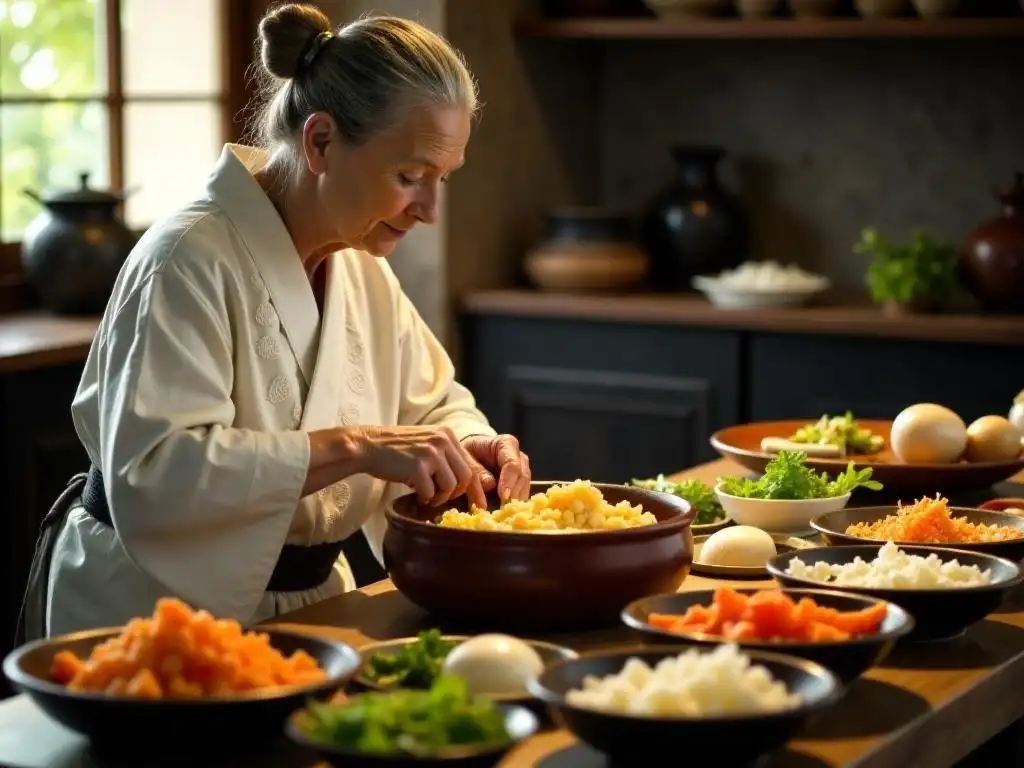
The social structure of feudal Japan significantly impacted the roles of women in culinary history. Class stratification influenced not only the types of food that were consumed but also the culinary skills that were valued and taught. Women from different social backgrounds experienced varying levels of freedom and opportunity in their culinary practices.
Class Differences and Culinary Skills
In the samurai class, women were often educated in the arts, including the culinary arts, as cooking was considered an essential skill for managing a household. They were expected to prepare elaborate meals that demonstrated their family's status and wealth. In contrast, peasant women focused on preparing simple, hearty meals using locally sourced ingredients. This disparity in culinary training and resources created a distinct divide in the culinary skills and practices of women across different classes.
However, regardless of their social standing, women adapted their cooking to their circumstances. For example, while samurai women may have had access to a wider variety of ingredients, peasant women often developed creative methods to make the most of what they had, leading to a rich tradition of resourcefulness in Japanese cuisine.
The Role of Geishas and Courtesans in Culinary Arts
Geishas and courtesans, often viewed through the lens of entertainment and artistry, also played an influential role in Japanese culinary history. They were not only performers but also skilled in the art of hospitality, which included the preparation and presentation of food. These women were trained in various aspects of cuisine, from traditional tea ceremonies to the creation of exquisite kaiseki meals.
The culinary skills of geishas and courtesans were essential in the context of their profession. They were expected to impress their guests with both their artistic talents and their culinary offerings. This resulted in the evolution of sophisticated dining experiences that combined entertainment with culinary excellence, further enriching the landscape of Japanese cuisine.
Notable Women in Japanese Culinary History
Throughout Japan's rich culinary history, women have played a vital role in shaping the country's food culture and practices. From home cooks to professional chefs, their contributions have been pivotal in the evolution of Japanese cuisine. Women have traditionally been the custodians of family recipes and local culinary traditions, often passing down knowledge through generations. This section highlights some notable women who have made significant impacts on Japanese culinary history, showcasing their influence on the development and preservation of various food practices.
Profiles of Influential Female Chefs and Home Cooks
- Kikuko Nakanishi: Often regarded as one of the pioneering female chefs in the 20th century, Kikuko Nakanishi contributed immensely to the popularization of kaiseki ryori, a traditional multi-course Japanese dinner. Her dedication to seasonal ingredients and meticulous presentation set a benchmark for future chefs.
- Akiko Kato: A celebrated home cook and author, Akiko Kato's cookbooks have inspired countless families to embrace traditional Japanese cooking techniques. She emphasizes the importance of using fresh, local ingredients and has been instrumental in reviving regional dishes that were at risk of being forgotten.
- Miyoko Schinner: While primarily known for her vegan culinary innovations, Miyoko Schinner has also incorporated traditional Japanese cooking elements into her dishes. Her work has broadened the scope of Japanese cuisine, making it accessible and appealing to a global audience.
These women, among many others, highlight the diverse contributions of female cooks and chefs throughout Japan's culinary landscape, each bringing their unique perspectives and traditions to the forefront.
Contributions of Women in the Tea Ceremony and Sake Brewing
Women have historically been central to the practices of tea ceremonies and sake brewing, both of which are deeply embedded in Japanese culture.
- Tea Ceremony (Chanoyu): The art of tea preparation has been largely practiced by women, who have refined the rituals surrounding the tea ceremony. Notable figures such as Sen no Rikyū, although a male tea master, were influenced by female practitioners who contributed to the aesthetics and philosophy of the ceremony. Women like Oda Nobunaga's wife, Nōhime, played crucial roles in popularizing tea as a social activity, thus elevating its status within Japanese culture.
- Sake Brewing: Traditionally, sake brewing was also a family affair, with women often managing the brewing process and ensuring the quality of the rice used. Women known as “Toji” (brewers) have passed down their brewing techniques through generations. Notably, Hana no Mai, a women-led sake brewery in Niigata, has gained recognition for its commitment to quality and traditional brewing methods, illustrating how women continue to influence this ancient craft.
These contributions underscore the integral role women have played in nurturing and preserving Japan's culinary heritage through tea and sake.
The Legacy of Women in Japanese Cuisine Today
The legacy of women in Japanese cuisine is not only evident in historical practices but also continues to thrive in contemporary culinary settings. Their influence is pervasive, shaping modern culinary trends and practices while honoring traditional methods.
Modern Perspectives on Women’s Roles in Culinary Arts
Today, women's roles in Japanese culinary arts have expanded significantly. With a growing number of female chefs and restaurateurs, the culinary scene is beginning to reflect a more diverse range of voices. Women like Katsuyo Kobayashi, a prominent television chef, have become household names, showcasing traditional recipes while also innovating new dishes that resonate with modern tastes. Furthermore, culinary schools are increasingly recognizing the importance of women's contributions, offering programs that highlight their historical roles and encourage female students to pursue careers in the culinary field.
Influence of Historical Practices on Contemporary Japanese Cuisine
The historical practices established by women in Japanese cuisine continue to influence modern cooking techniques and culinary styles. For example, the meticulous attention to detail and seasonal ingredient use, which were hallmarks of traditional cooking, are now embraced by chefs worldwide. Contemporary Japanese cuisine often pays homage to its roots, with chefs drawing inspiration from ancestral recipes while incorporating modern cooking techniques. Additionally, the resurgence of interest in home cooking and traditional foodways, fueled in part by the pandemic, has led to a renewed appreciation for the skills and traditions passed down by women throughout Japanese history.
The legacy of women in Japanese cuisine is a testament to their enduring influence and crucial role in the development of culinary arts. Their contributions, both historically and in contemporary settings, continue to shape the vibrant tapestry of Japanese food culture today.
Conclusion: The Lasting Impact of Women on Japanese Cuisine History
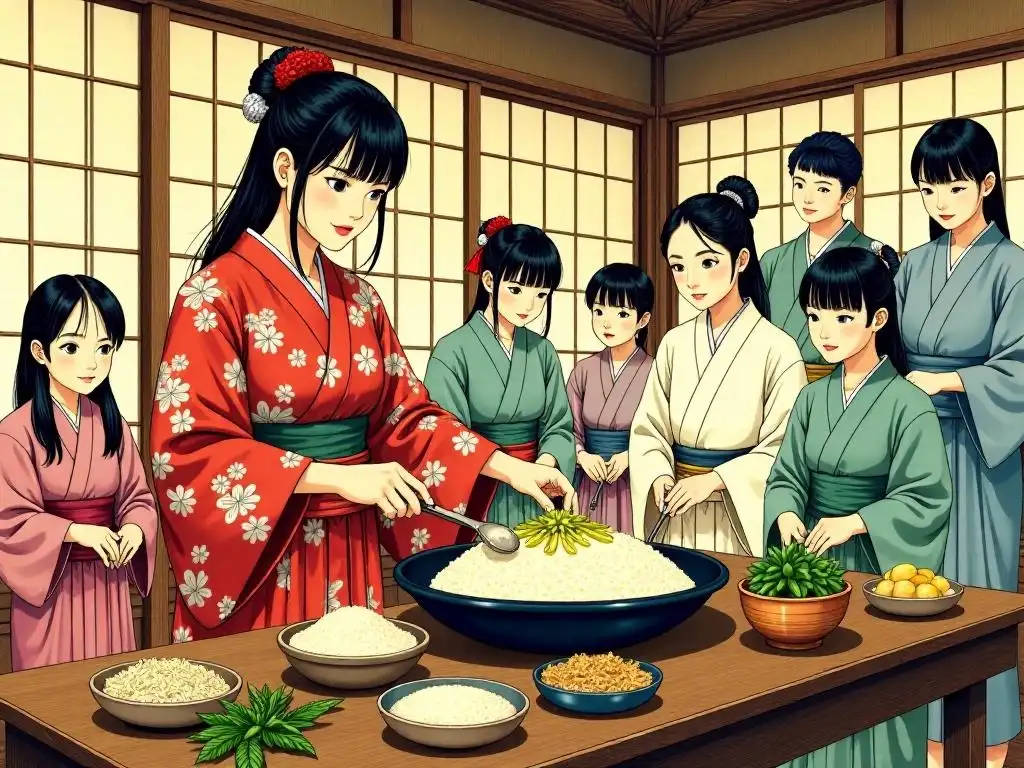
The role of women in the development of Japanese cuisine is both profound and multifaceted, shaping the culinary landscape of Japan throughout history. From the early agricultural practices to the intricate art of cooking that defines modern Japanese cuisine, women have been pivotal in preserving, innovating, and transmitting culinary knowledge across generations. Their contributions have not only enriched the food culture but have also influenced social customs and family dynamics, making the kitchen a central hub of community life.
As the culinary practices evolved, women adapted to changing circumstances, integrating new ingredients and techniques into traditional recipes. This adaptability has ensured the survival of regional cuisines and local food traditions, ultimately contributing to the richness of Japanese culinary heritage. The impact of women in this domain is evident in the continued prominence of home-cooked meals, family recipes, and the revival of traditional cooking methods, which all reflect the intimate connection between gender and culinary practices.
Reflection on the Importance of Recognizing Women’s Contributions
Recognizing the contributions of women in Japanese cuisine history is essential not only for understanding the evolution of culinary practices but also for acknowledging their role in shaping societal norms and values. These contributions often remain unrecorded or undervalued, overshadowed by the more public achievements of male figures in the culinary world. By bringing attention to the stories and legacies of women, we can gain a more holistic view of Japanese history and culture.
Moreover, acknowledging women's roles in cuisine can inspire future generations to appreciate and celebrate the art of cooking as a valuable cultural practice. It challenges the traditional narratives that frequently marginalize women's contributions and highlights the importance of inclusivity in historical discourse. In doing so, it fosters a deeper understanding of the interconnectedness between gender, culture, and community, promoting a richer appreciation for the diversity of experiences that have shaped Japanese cuisine.
Future Directions for Research on Women in Japanese Cuisine History
Future research on women in Japanese cuisine history should aim to uncover and document the untold stories of women who have made significant yet unrecognized contributions to culinary traditions. This could involve exploring various dimensions, such as:
- Historical Documentation: Investigating historical texts, cookbooks, and oral histories that feature women's voices and experiences related to cooking and food preparation.
- Regional Studies: Focusing on specific regions to understand how local women have influenced regional cuisines and food practices, emphasizing the diversity within Japanese culinary traditions.
- Cultural Exchange: Examining the role of women in culinary exchanges between Japan and other cultures, particularly during periods of significant trade and interaction.
- Contemporary Perspectives: Analyzing the current trends in Japanese cuisine and how women chefs and home cooks continue to innovate while honoring traditional practices.
By pursuing these avenues, researchers can contribute to a more comprehensive understanding of the intricate relationships between women, food, and culture in Japan, ensuring that their contributions are celebrated and preserved for future generations. This ongoing exploration will not only enrich the field of culinary history but also affirm the essential role of women in shaping the culinary identity of Japan.
- Introduction to Women in Japanese Cuisine History
- Historical Context of Women in Japanese Cuisine
- Key Contributions of Women in Japanese Cuisine
- The Impact of Social Structure on Women in Japanese Culinary History
- Notable Women in Japanese Culinary History
- The Legacy of Women in Japanese Cuisine Today
- Conclusion: The Lasting Impact of Women on Japanese Cuisine History
- Reflection on the Importance of Recognizing Women’s Contributions
- Future Directions for Research on Women in Japanese Cuisine History
- What was the role of women in Japanese cuisine history?
- How did societal norms impact women in the kitchen during feudal Japan?
- Were women involved in the professional culinary scene in Japan?
- How did women's contributions influence Japanese cuisine?
- What are some traditional dishes linked to women in Japanese cuisine?
Frequently Asked Questions
What was the role of women in Japanese cuisine history?
Women played a crucial role in shaping Japanese cuisine, often being the primary cooks and caregivers in the household, responsible for creating and preserving traditional dishes.
How did societal norms impact women in the kitchen during feudal Japan?
During feudal Japan, societal norms often dictated that women remained in the domestic sphere, which limited their roles primarily to cooking and food preparation, while men engaged in trade and other activities.
Were women involved in the professional culinary scene in Japan?
While women dominated home cooking, their presence in the professional culinary scene was restricted, though some notable female chefs emerged over time, showcasing their culinary skills and innovations.
How did women's contributions influence Japanese cuisine?
Women's contributions significantly influenced Japanese cuisine by ensuring the transmission of culinary techniques and traditional recipes, thereby enriching the overall gastronomic heritage of Japan.
What are some traditional dishes linked to women in Japanese cuisine?
Many traditional dishes, such as onigiri and miso soup, are closely associated with women, as they were commonly prepared by them for family meals, reflecting their nurturing role in Japanese culture.
Final Reflection: Celebrating the Unsung Heroes of Japanese Cuisine
The role of women in the development of Japanese cuisine is not just a historical footnote; it is a vital narrative that continues to resonate today. As we explore the intricate layers of Japanese culinary traditions, we uncover the profound impact women have had in shaping these practices, from the home kitchens to professional kitchens. Their contributions remind us that the essence of culture is often nurtured by those who work quietly behind the scenes, ensuring that flavors, techniques, and stories are passed down through generations.
Clearly, the influence of women in Japanese cuisine extends far beyond the kitchen. Their creativity and resilience have paved the way for a richer culinary landscape that reflects the diverse experiences of women throughout history. As we witness a resurgence of interest in traditional cooking methods and local ingredients, it is essential to acknowledge the foundational role women have played in this evolution. The heart of a nation’s cuisine is often found in the hands of its women.
This quote encapsulates the enduring legacy of female chefs, home cooks, and food artisans who have been instrumental in preserving and innovating Japanese culinary arts.
As we reflect on the lessons learned from the remarkable contributions of women in Japanese cuisine, I invite you to consider how you can honor and celebrate these unsung heroes in your own life. Take a moment to explore the stories behind your favorite dishes, seek out female chefs in your community, or even try your hand at a traditional recipe that has been passed down through generations.
By doing so, you not only pay homage to the rich history of women in Japanese cuisine but also contribute to the ongoing narrative of culinary excellence and cultural appreciation. Let us carry forward this legacy, ensuring that the voices of women in cuisine are heard and celebrated for years to come.
Celebrate and Elevate Women in Japanese Cuisine!
Thank you for exploring the vital role women have played in shaping Japanese cuisine throughout history! Your interest helps bring to light their remarkable contributions and experiences that enrich our understanding of food culture. Now, let’s take the next step in recognizing and celebrating these culinary trailblazers.
Here are some empowering actions you can take:
- Dive Deeper: Discover traditional Japanese recipes crafted by women and try making one at home. Share your culinary creations on social media to celebrate this rich heritage!
- Engage with Community: Participate in local or online cooking classes that focus on traditional Japanese cuisine, and connect with others who share your passion for food and culture.
- Spread the Word: Share this article with friends, family, or your social media followers to raise awareness about the foundational role women have played in gastronomy.
As you reflect on these actions, consider this: What dish embodies the spirit of women in Japanese cuisine for you, and how will you honor it in your cooking?