
Secrets of the Sea: Strategies of Feudal Japan’s Naval Battles

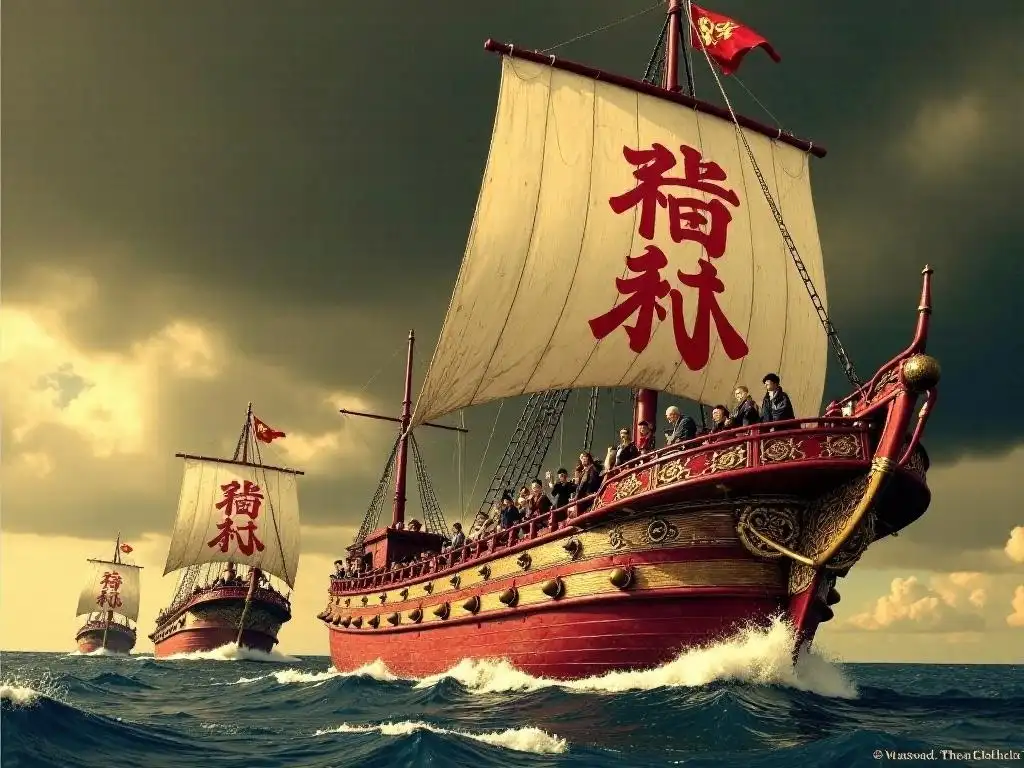
Welcome to Feudal Japan History, where we embark on a captivating journey through the intricate tapestry of Japan's feudal era. Here, history whispers the secrets of the past, revealing the naval battle strategies that shaped the tides of power on the seas. Get ready to dive deep into our featured article, “Secrets of the Sea: Strategies of Feudal Japan’s Naval Battles,” where you’ll uncover the cunning tactics and daring maneuvers that defined a pivotal era in military history. Are you ready to navigate through the waves of history? Let's set sail!
Understanding the intricate strategies employed in naval battles during Feudal Japan is crucial for appreciating the broader military history of the era. The feudal period, spanning from the late 12th century to the 19th century, was marked by intense regional conflicts, territorial disputes, and the significant role of maritime power.
This article delves into the various naval battle strategies that defined this period, exploring how Japan's unique geographical landscape and cultural factors influenced its naval tactics. By examining historical contexts and key events, we aim to uncover the secrets of the sea that shaped the outcomes of these pivotal naval encounters.
Feudal Japan's naval warfare was characterized by a combination of strategic innovation, skilled seamanship, and the influence of political and cultural factors. The maritime strategies that emerged during this time were not only vital for securing territorial waters but also played a crucial role in the expansion of influence among rival clans.
Key aspects of Feudal Japan's naval warfare include:
- Ship Design: The development of specialized vessels optimized for combat, such as the waki-bune and atsu-bune, which were designed for speed and maneuverability.
- Tactics: Innovative tactics, including the use of boarding techniques and archery from ships, which allowed for effective engagement with enemy forces.
- Logistics: The importance of supply lines and harbor defense, ensuring that fleets were well-equipped and capable of sustained operations.
Overview of Feudal Japan Naval Battle Strategies
Naval battle strategies in Feudal Japan were shaped by a myriad of factors, including geography, technology, and the evolving nature of warfare. The primary strategies can be categorized as follows:
- Defensive Strategies: Protecting coastal settlements and trade routes against pirates and rival clans was paramount. This included the use of fortified harbors and naval patrols.
- Offensive Strategies: Clans often engaged in raids against enemy territories, utilizing surprise attacks to seize resources and weaken rival factions.
- Coalition Tactics: Forming temporary alliances with other clans to launch coordinated naval offensives against common enemies proved effective in achieving strategic objectives.
Importance of Naval Battles in Feudal Japan
Naval battles were not merely extensions of land warfare; they played a crucial role in shaping the political landscape of Feudal Japan. The outcomes of these encounters often determined the balance of power among clans, influencing territorial control and economic prosperity. Furthermore, naval supremacy allowed clans to:
- Control Trade Routes: Ensuring the flow of goods and resources was vital for sustaining military campaigns.
- Expand Influence: Successful naval engagements could enhance a clan's reputation and legitimacy, attracting more followers and resources.
- Facilitate Land Campaigns: Naval power enabled the rapid movement of troops and supplies, critical for launching land offensives against rival domains.
The historical context of naval warfare in Feudal Japan is rich and complex, marked by significant events that shaped the strategies employed by various clans.
The Rise of Maritime Power in Japan
The rise of maritime power in Japan can be traced back to the Kamakura period (1185-1333), when the need for naval capabilities became apparent due to increasing trade and piracy. The establishment of the Kamakura shogunate emphasized the importance of naval forces for protecting coastal regions and trade routes.
Key developments included:
- Increased Shipbuilding: The need for more advanced and numerous vessels to counter piracy and rival clans led to innovations in shipbuilding techniques.
- Training of Sailors: As naval engagements became more frequent, the training of skilled sailors and warriors specifically for maritime combat gained prominence.
Key Historical Events Influencing Naval Strategies
Several key events significantly influenced the naval strategies of Feudal Japan:
- The Mongol Invasions (1274 and 1281): The failed invasions by the Mongol Empire highlighted the necessity for a robust naval defense and led to the development of tactics focused on repelling large-scale invasions.
- The Onin War (1467-1477): This civil war marked a shift in naval engagements, where clans began employing more sophisticated strategies to control waterways and support land battles.
- The Sengoku Period (1467-1603): A time of constant warfare among rival factions, this period saw the emergence of powerful daimyos who recognized the strategic importance of naval power in their campaigns for dominance.
Through this exploration of Feudal Japan's naval battle strategies, we aim to illuminate the intricate relationship between maritime warfare and the broader historical narrative of the period. Understanding these strategies offers invaluable insights into the military, cultural, and societal dynamics that shaped Japan's feudal era.
Overview of Japanese Warships
During the feudal era, Japan's naval warfare was characterized by a variety of warships designed for different purposes. Key types included:
- Atakebune: These were large, flat-bottomed ships used for direct combat. Armed with numerous cannons, they were capable of carrying a significant number of troops and were often used in large-scale battles.
- Sankin: Smaller than the atakebune, these vessels were used mainly for support and transportation, capable of navigating shallow waters where larger ships could not.
- Sekibune: A type of ship used primarily for reconnaissance and fast attacks, sekibune were faster and more agile than their larger counterparts. They played a crucial role in hit-and-run tactics.
Japanese warships were often built from wood and featured a high prow and stern, allowing them to withstand rough seas while facilitating boarding actions during combat.
Distinct Features of Samurai Ships
Samurai ships were not only functional but also a reflection of the warrior class's values and aesthetics. Some notable features included:
- Decorative Elements: Many vessels were adorned with intricate carvings, banners, and flags, symbolizing the clan's identity and pride.
- Weaponry: Samurai ships were equipped with a range of weaponry, including archery platforms, spears, and, later, firearms. The integration of these weapons allowed for versatile combat strategies.
- Boarding Ladders: Designed for hand-to-hand combat, these ladders facilitated swift boarding of enemy vessels, a common tactic in naval engagements.
The design of these ships emphasized both the practical needs of warfare and the cultural significance of the samurai ethos.
Comparison with Contemporary Naval Vessels
When comparing feudal Japanese naval vessels to their contemporary counterparts globally, several differences and similarities emerge.
- Construction Materials: While Japanese ships primarily used wood, contemporary naval vessels, especially in Europe, began to incorporate metal for increased durability and combat effectiveness.
- Ship Size and Armament: Feudal Japanese ships tended to be smaller and more maneuverable compared to the larger galleons of Europe, which were heavily armed and designed for longer oceanic voyages.
- Combat Tactics: Naval strategies in feudal Japan often focused on swift, agile movements and boarding tactics, contrasting with the broadside cannon fire that characterized European naval battles of the time.
This divergence in design and tactics highlights the unique evolution of naval warfare in Japan as influenced by its geography and cultural factors.
Tactical Formations and Maneuvers
The effectiveness of naval battles in feudal Japan often hinged on the tactical formations employed. Strategies included:
- Line Abreast Formation: This allowed ships to present a united front, maximizing firepower and making it difficult for enemies to flank.
- Crescent Formation: By curving their ships around the enemy, Japanese commanders could encircle and trap opposing vessels, cutting off escape routes.
- Hit-and-Run Tactics: Smaller ships like sekibune would often engage in quick strikes, allowing them to exploit enemy vulnerabilities before retreating to safety.
These formations required not only skilled seamanship but also a deep understanding of the enemy's tactics and the maritime landscape.
Importance of Geography in Naval Strategies
Geography played a crucial role in shaping naval battles in feudal Japan. Key factors included:
- Choppy Waters and Currents: Knowledge of local waters allowed commanders to exploit natural conditions, using currents to gain speed or hinder enemy movements.
- Island Chains: The extensive archipelago provided numerous hiding spots and ambush opportunities, allowing for surprise attacks on unsuspecting foes.
- Harbors and Bays: Control of strategic harbors was vital for resupplying and launching operations, directly influencing the outcome of conflicts.
Understanding these geographical elements was essential for effective naval strategy and often determined the success or failure of a battle.
Use of Deception and Psychological Warfare
Deception was a cornerstone of feudal Japan’s naval strategies. Tactics included:
- False Signals: Sending misleading signals to confuse the enemy about the fleet's intentions or positioning could create openings for surprise attacks.
- Feigning Retreats: By pretending to flee, commanders could lure enemies into traps, allowing for counterattacks at critical moments.
- Psychological Tactics: Building a fearsome reputation through stories of past victories or showcasing formidable weaponry could demoralize opposing forces before battle even began.
These strategies highlight the importance of psychological warfare in naval engagements, showcasing the cunning and resourcefulness of Japanese commanders.
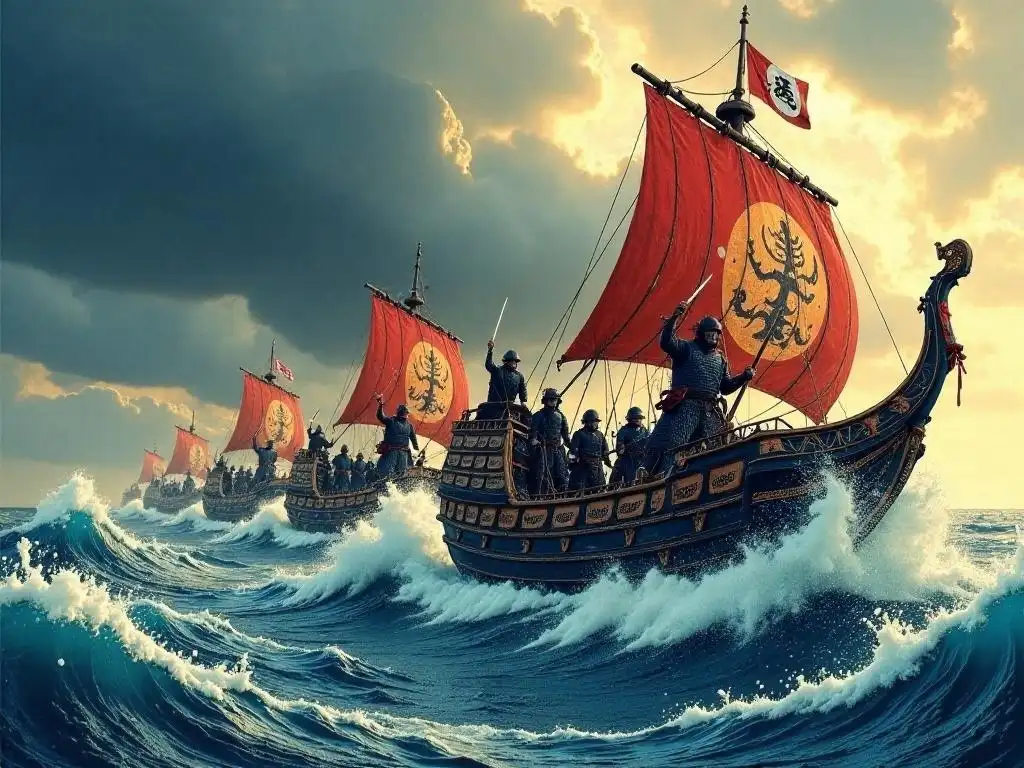
Feudal Japan was marked by a series of significant naval battles that not only shaped the military landscape of the period but also influenced the political and social dynamics of the time. These engagements often revolved around control of trade routes, territorial disputes, and power consolidation among the feudal lords. Some of the most notable naval battles include the Battle of Dan-no-ura and the Battle of Kōan, both of which showcased the strategic prowess of their commanders and the evolving tactics of naval warfare in Japan.
The Battle of Dan-no-ura: A Turning Point
The Battle of Dan-no-ura, fought in 1185, is often regarded as a pivotal moment in Japanese history. This conflict marked the end of the Genpei War between the Taira and Minamoto clans. The battle took place in the Shimonoseki Strait, where the Minamoto, led by Minamoto no Yoshitsune, confronted the Taira forces.
- Tactics and Strategy: The Minamoto employed superior naval tactics, utilizing smaller, more maneuverable vessels to outflank the larger Taira ships. They took advantage of the tides and local geography, launching surprise attacks and retreating when necessary to regroup.
- Outcome and Significance: The defeat of the Taira at Dan-no-ura led to the establishment of the Kamakura shogunate, shifting power dynamics in Japan. This battle not only highlighted the importance of naval power but also demonstrated how strategic innovations could lead to significant changes in governance.
The Battle of Kōan: Strategic Innovations
The Battle of Kōan, fought in 1281 during the Mongol invasions of Japan, was another defining naval engagement. The Japanese forces, primarily led by the shogunate, faced a formidable Mongol fleet.
- Strategic Innovations: Japanese commanders implemented unique strategies, including the use of kamikaze (divine winds) to their advantage. When the Mongol fleet was caught in a typhoon, the Japanese forces capitalized on this natural disaster to attack the disoriented enemy.
- Impact on Naval Warfare: The outcome of the battle emphasized the effectiveness of home-ground advantages and the need for preparation against foreign threats. The successful defense against the Mongols not only thwarted their invasion but also solidified the shogunate's control over Japan.
Analysis of Successful Naval Tactics in Key Battles
Successful naval tactics during Feudal Japan’s naval battles often revolved around several key principles:
- Adaptability: Commanders who could adapt to changing circumstances, such as weather conditions and enemy formations, tended to succeed.
- Intelligence and Reconnaissance: Gathering intelligence about enemy movements and strategies was crucial. This allowed for preemptive strikes and strategic positioning.
- Use of Local Geography: Navigating and utilizing the local waters and tides effectively provided significant advantages. Knowledge of currents, shallow waters, and islands played a vital role in many victories.
Leadership was a critical factor in the success of naval engagements during Feudal Japan. The capabilities and styles of command significantly influenced the outcomes of battles and the morale of troops.
Profiles of Notable Naval Commanders
- Minamoto no Yoshitsune: Renowned for his tactical brilliance at Dan-no-ura, Yoshitsune exemplified the qualities of a successful naval commander, combining boldness with strategic insight.
- Taira no Kiyomori: A prominent leader of the Taira clan, Kiyomori’s initial successes in naval battles were marked by aggressive tactics, though his eventual defeat at Dan-no-ura revealed the limits of his strategies.
- Miyoshi Chokei: Active during the Sengoku period, Chokei was known for his innovative approaches in naval warfare, emphasizing agility and speed over sheer numbers.
Leadership Styles and Their Impact on Battle Outcomes
The leadership styles of naval commanders in Feudal Japan varied, but common themes emerged:
- Decisive Leadership: Commanders who made swift decisions often gained the upper hand. The ability to act quickly in response to enemy movements was crucial in naval battles.
- Inspirational Leadership: Leaders who inspired their crews fostered loyalty and morale, which were essential for the execution of complex naval tactics.
- Collaborative Strategy Development: Successful leaders often consulted with their subordinates and strategists, allowing for a range of perspectives that enhanced overall tactical planning.
The naval battles of Feudal Japan were not solely defined by tactics and ships, but also by the strategic thinking and leadership of those who commanded them. Understanding these elements provides a deeper insight into how naval warfare shaped the course of Japanese history.
The naval warfare strategies of feudal Japan were profoundly shaped by the cultural and societal values of the time. The interplay of religion, philosophy, and art created a unique environment in which naval tactics were not only pragmatic but also deeply influenced by the prevailing cultural ideologies. The emphasis on honor, discipline, and loyalty prevalent in samurai culture translated into naval engagements, leading to strategies that prioritized not just victory, but also the manner in which battles were fought.
Additionally, the geographical context of Japan, an island nation surrounded by water, fostered a strong maritime culture. This resulted in the development of specialized naval forces, such as the Wokou pirates, who showcased both the necessity and the creativity in naval tactics. The integration of cultural elements such as Shinto beliefs and Buddhist philosophies also impacted decision-making processes in naval warfare, making it a holistic aspect of Japanese feudal society.
The Samurai Code and its Influence on Naval Tactics
The Bushido code, which emphasized virtues like loyalty, bravery, and honor, significantly influenced the strategies employed during naval battles in feudal Japan. Samurai warriors, who often served as naval commanders, adhered to these principles, believing that their conduct in battle reflected their personal honor and the honor of their clan. This led to strategies that emphasized direct engagement, valor, and a willingness to face overwhelming odds rather than retreat or surrender.
In practice, this meant that naval battles were often fought with a sense of ritual and formality, where tactics were not solely focused on winning but also on demonstrating martial prowess. For example, the famous naval battle of Dan-no-ura in 1185 showcased the samurai’s commitment to honor, as both sides engaged in fierce combat, with warriors fighting until the last man rather than capitulating. The influence of the samurai code cultivated a unique approach to naval warfare that intertwined moral values with military tactics.
Art and Literature Reflecting Naval Battles
Art and literature during the feudal era served as crucial mediums for documenting and reflecting on naval battles, further influencing the strategies employed in warfare. Works such as the "Heike Monogatari" provide not only historical accounts of battles but also insights into the tactics and motivations behind them. These narratives often romanticized the heroic deeds of samurai during naval engagements, embedding their strategies within the cultural consciousness of the time.
Moreover, traditional Japanese art forms, such as ukiyo-e (woodblock prints), depicted significant naval confrontations, capturing both the chaos of battle and the beauty of the ships and warriors involved. These artistic representations played a role in shaping public perception of naval engagements and contributed to the cultural ethos surrounding naval warfare. The narratives and imagery surrounding naval battles inspired future generations, reinforcing the importance of strategic thinking and the need for valor on the seas.
The naval strategies employed during feudal Japan offer valuable lessons that extend beyond their historical context. Analyzing these strategies provides insights into the evolution of maritime warfare and the importance of adaptability in military tactics.
Adaptation and Evolution of Tactics
Feudal Japan's naval battles were characterized by a constant evolution of tactics in response to changing technologies and geopolitical landscapes. From the early use of simple wooden ships to the adoption of more advanced vessels equipped with cannons, commanders had to be flexible and innovative. This adaptability was crucial in battles such as the Battle of Kōan, where Japanese forces implemented new ship designs and tactics to counter foreign naval threats.
The ability to learn from previous engagements and adapt strategies accordingly is a critical lesson from feudal Japan. Commanders often analyzed their defeats to develop new approaches, emphasizing the importance of strategic foresight and the willingness to change tactics in the face of adversity. This principle of continuous evaluation and adaptation remains relevant in modern military strategy, where the ability to pivot can determine the outcome of engagements.
Relevance of Feudal Naval Strategies in Modern Warfare
The strategies implemented during feudal Japan's naval battles continue to resonate in contemporary military thought. The emphasis on understanding the terrain, utilizing local knowledge, and fostering strong leadership are principles that remain applicable today. Modern naval warfare still requires an appreciation of the historical context and strategic depth that can be found in feudal practices.
Furthermore, the integration of technology and traditional tactics reflects a broader lesson on the importance of blending old and new methodologies. Just as feudal Japanese commanders embraced innovations such as gunpowder and armored ships, today’s military leaders must balance traditional strategies with modern technological advancements to maintain an effective naval presence. The enduring legacy of feudal Japan’s naval battle strategies serves as a reminder that the principles of adaptability, honor, and strategic planning are timeless in the face of evolving warfare.
The naval battle strategies of Feudal Japan not only shaped the outcomes of significant conflicts but also laid the groundwork for future military doctrines in the region. As Japan transitioned from a feudal society to a modern nation-state, the principles and techniques developed during this era continued to influence naval tactics. Understanding these strategies reveals much about the societal values, technological advancements, and geopolitical realities of the time.
The legacy of these naval strategies can be seen in contemporary maritime practices, where elements such as formation tactics and logistical planning still hold relevance. By studying the successes and failures of Feudal Japan's naval battles, modern military strategists can glean valuable insights into the complexities of warfare, the importance of adaptability, and the necessity of understanding the broader context of any conflict.
Lasting Impact on Japanese Military History
The naval engagements of Feudal Japan, particularly during the Kamakura and Sengoku periods, established a framework for maritime warfare that would resonate throughout Japanese military history. The innovative tactics employed, such as the use of the katana in close-quarters combat on ships, and the strategic positioning of vessels to leverage environmental factors, set precedents that influenced both naval and land battles.
Key conflicts, such as the Genpei War and the Mongol invasions, showcased the effectiveness of these strategies. The successful defense against the Mongol fleet at Hakata Bay in 1281 remains a testament to the naval prowess of the Japanese forces and their strategic use of the environment, exemplified by the kamikaze typhoons that thwarted the invaders. This incident not only solidified the reputation of the samurai as formidable warriors but also emphasized the importance of naval strength in deterring foreign threats.
Reflections on the Significance of Naval Warfare in Feudal Japan
Naval warfare during the feudal era was not merely about battles at sea; it was a reflection of the broader socio-political landscape of Japan. Control of maritime routes was crucial for trade, resource acquisition, and territorial expansion, making naval power a significant aspect of feudal governance. The conflict for dominance over sea lanes often mirrored the power struggles between feudal lords, as control of the seas directly impacted their economic and military capabilities.
Moreover, the strategies employed in naval battles highlighted the interplay between local knowledge and military innovation. Feudal lords often relied on their understanding of coastal geography and seasonal weather patterns to devise effective tactics. This localized knowledge, combined with strategic foresight, allowed them to execute plans that would maximize their chances of victory. Therefore, the significance of naval warfare in Feudal Japan extends beyond mere military engagements; it encapsulates a complex relationship between power, geography, and technology.
Additional Resources
Recommended Readings on Feudal Japan Naval Warfare
For those looking to delve deeper into the intricacies of Feudal Japan's naval battle strategies, the following readings are highly recommended:
-
"Samurai and the Long Sword" by Stephen Turnbull
This book provides insights into the martial culture of the samurai, including their naval engagements and combat techniques.
-
"The Mongol Invasions of Japan" by David A. McKeown
A detailed examination of the Mongol invasions, focusing on the naval strategies employed by both sides.
-
"Warriors of Japan: The Story of the Samurai" by John M. A. O’Donnell
This work explores the broader context of warfare in Japan, including the role of naval power in feudal conflicts.
Documentaries and Films on Japanese Naval Battles
Visual storytelling can provide an engaging way to learn about Feudal Japan's naval battles. Here are some noteworthy documentaries and films:
-
"The Last Samurai" (2003)
While primarily a fictional narrative, this film touches upon the end of the samurai era and their naval engagements.
-
"Samurai: The Last Warrior" (Documentary)
This documentary showcases the evolution of the samurai, including their maritime exploits and strategies.
-
"The Mongol Invasions: The Battle of Hakata Bay" (Documentary)
An insightful documentary that details the Mongol invasions and the significant naval battles that ensued.
These resources will enhance your understanding of the naval strategies employed in Feudal Japan and their lasting impact on military history.
- Introduction to Feudal Japan's Naval Warfare
- Historical Context of Naval Warfare in Feudal Japan
- Types of Naval Vessels Used in Feudal Japan
- Key Strategies Employed in Feudal Japan Naval Battles
- Notable Naval Battles of Feudal Japan
- The Role of Leadership in Naval Strategies
- Cultural Influences on Naval Warfare Strategies
- Lessons Learned from Feudal Japan's Naval Strategies
- Conclusion: The Legacy of Feudal Japan Naval Battle Strategies
- Additional Resources
Frequently Asked Questions
In Feudal Japan, naval battle strategies included flanking maneuvers, ambush tactics, and the use of specialized ships like the wokou (pirate ships) that targeted coastal settlements.
Geography played a crucial role, as narrow straits and island chains allowed for surprise attacks and hit-and-run tactics, helping smaller fleets exploit their knowledge of local waters.
What was the significance of the Battle of Dan-no-ura?
The Battle of Dan-no-ura (1185) marked a turning point in naval warfare, showcasing the importance of strategic positioning and ship design, ultimately leading to the downfall of the Taira clan.
Samurai culture emphasized honor and valor, influencing naval battles where courageous boarding tactics and hand-to-hand combat were prevalent, alongside traditional naval strategies.
Yes, Feudal Japan utilized various unique ships, such as the atakebune, which were large, flat-bottomed vessels designed for combat and transport, crucial for effective naval operations.
The naval battles of Feudal Japan reveal a profound connection between strategy and culture that resonates even today. In an era where maritime prowess dictated power and influence, the intricate tactics employed by Japanese commanders not only shaped the outcomes of conflicts but also laid the groundwork for modern naval warfare. The lessons learned from these historical encounters remind us that strategy is not merely about winning battles; it is about understanding the environment, the enemy, and oneself.
The influence of Feudal Japan's naval strategies extends far beyond the pages of history; it continues to inspire contemporary military and strategic thinking. The principles of adaptability, innovation, and the importance of intelligence gathering are as relevant now as they were centuries ago. As we navigate the complexities of modern conflicts, we can draw parallels to the wisdom of the past. > “In the midst of chaos, there is also opportunity.” – Sun Tzu. This timeless insight underscores the necessity of strategic thinking, a hallmark of the naval battles that defined an era.
As we reflect on the lessons of Feudal Japan's naval battle strategies, I invite you to consider how these insights can be applied to your own life. Whether you are facing challenges in your personal or professional journey, remember that strategy, adaptability, and foresight can guide you through turbulent waters. Embrace the wisdom of the past, and let it inspire you to navigate your own battles with courage and clarity, forging a path toward success and understanding in an ever-changing world.
Thank you for diving into the fascinating world of Feudal Japan's naval battles! We hope you gained valuable insights into the strategic brilliance and daring resilience of that era. Now, it's your turn to take action and explore further into the depths of history.
Here are a few powerful steps you can take right now:
- Research a specific naval battle that caught your attention and discover its significance in modern times.
- Join a local history group or an online forum to share your insights and learn from fellow history enthusiasts.
- Consider visiting a museum or participating in historical reenactments to immerse yourself in the naval tactics of the past!
What aspect of Feudal Japan’s naval strategies intrigues you the most, and how can you apply those lessons to your own pursuits?