
The Legacy of the Shinto Religion in Feudal Japanese Arts

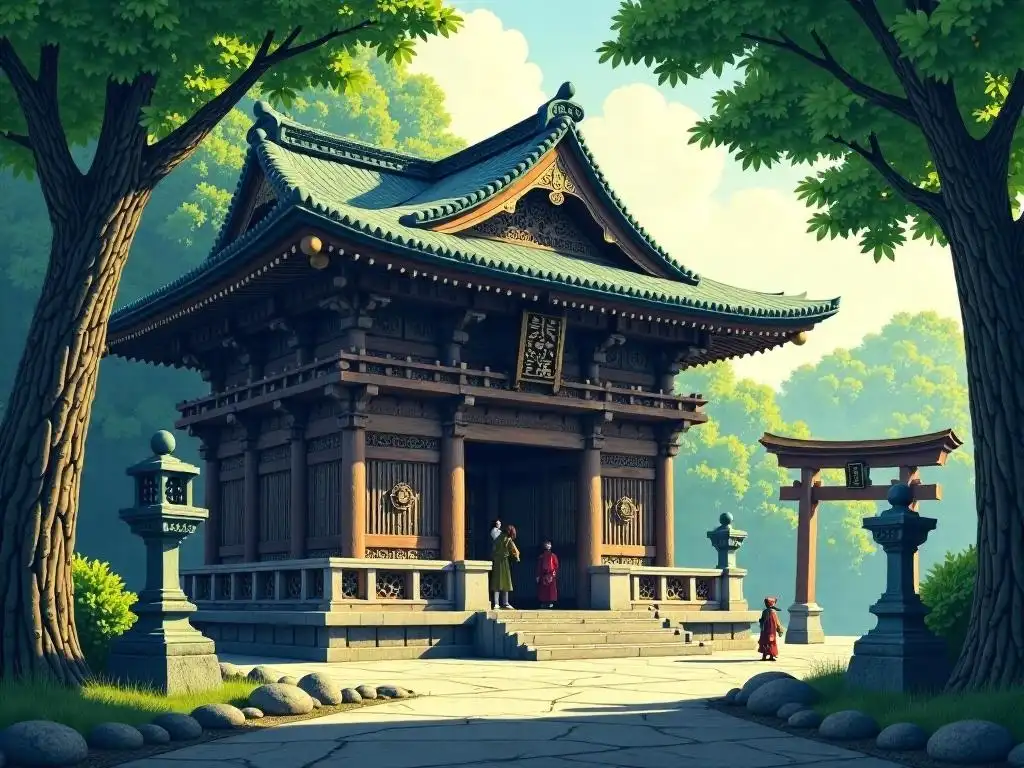
Welcome to Feudal Japan History, where we embark on a fascinating journey through the intricate tapestry of Japan’s feudal era. Here, we delve into the rich historical, cultural, and societal aspects that shaped this unique period. In our featured article, "The Legacy of the Shinto Religion in Feudal Japanese Arts," we uncover the profound influence of Shinto beliefs on the artistic expressions of the time.
What secrets do these age-old traditions hold? Join us as we explore the captivating intersections of spirituality and creativity that continue to resonate in Japan's cultural legacy. Your adventure into the depths of feudal history begins now!
The Shinto religion, deeply rooted in Japan’s history and culture, has significantly shaped the nation's artistic expression, particularly during the feudal era. This period, characterized by the dominance of samurai culture and the establishment of powerful feudal lords, saw the intertwining of Shinto beliefs with various art forms, leading to a rich tapestry of cultural heritage.
In this exploration, we will delve into how Shinto principles influenced the aesthetics, themes, and techniques of Japanese arts, providing a comprehensive understanding of its enduring legacy. By examining the specific aspects of Shinto that permeated artistic practices, we can better appreciate the profound connection between spirituality and creativity in feudal Japan.
Introduction to Shinto Religion and Its Significance
Overview of Shinto Beliefs and Practices
Shinto, often considered the indigenous spirituality of Japan, is centered around the worship of kami, or spirits, which can be found in natural elements like mountains, rivers, and trees. Key beliefs include:
- Kami: Revered spirits that embody natural forces and ancestral figures.
- Rituals: Practices such as purification, offerings, and festivals aimed at honoring the kami.
- Shrines: Sacred spaces where worship and ceremonies take place, often adorned with symbolic architecture and art.
The significance of Shinto lies not only in its spiritual dimensions but also in its ability to foster a profound respect for nature and community, elements that would later manifest in the artistic expressions of the time.
Historical Context of Shinto in Feudal Japan
During the feudal period, Shinto coexisted with Buddhism, which was introduced to Japan in the 6th century. However, it was Shinto that remained a crucial aspect of Japanese identity, particularly among the samurai class. Key historical points include:
- Integration with State: The establishment of Shinto as a state religion under the Kamakura period in the late 12th century.
- Cultural Renaissance: The Muromachi period (14th-16th centuries) saw a flourishing of arts where Shinto themes became prevalent in various forms of artistic expression.
This historical context is essential to understanding how Shinto beliefs not only shaped societal values but also left a lasting impact on the arts of feudal Japan.
The Shinto Influence on Japanese Arts
Defining Shinto Influence in the Artistic Realm
The influence of Shinto on Japanese arts can be defined through its thematic and aesthetic contributions. Shinto aesthetics emphasize simplicity, natural beauty, and a connection to the divine. Key aspects include:
- Nature: A recurring theme in artworks that reflect the reverence for the natural world.
- Symbolism: Use of motifs such as torii gates and sacred trees that serve as representations of the kami.
This influence is evident across various artistic disciplines, where the integration of Shinto ideology has enriched the cultural landscape of feudal Japan.
Key Artistic Forms Affected by Shinto Beliefs
Several artistic forms were profoundly influenced by Shinto beliefs, including:
- Painting: Shinto themes often featured in traditional landscapes and portraits that highlight the beauty of nature and its spiritual significance.
- Ceramics: Pottery crafted with designs reflecting Shinto symbols, often used in ritualistic contexts.
- Architecture: The design of shrines and temples that embody Shinto principles, characterized by harmonious integration with the surrounding environment.
These artistic forms not only showcase the aesthetic beauty but also serve as a testament to the deep-rooted connection between Shinto and the artistic expressions of feudal Japan.
Shinto and Visual Arts in Feudal Japan
The influence of Shinto on visual arts during the feudal period of Japan is profound and multifaceted. Shinto, as the indigenous spirituality of Japan, emphasizes the veneration of kami (spirits) and the natural world. This belief system permeated various artistic expressions, resulting in artworks that not only depicted religious themes but also celebrated the beauty of nature and the divine.
Artists during this era often sought to embody Shinto ideals within their creations. The harmonious relationship between humans and nature was a recurring theme, as many artworks aimed to capture the essence of the kami present in landscapes, flora, and fauna. The use of natural materials in the creation of art also reflected Shinto's reverence for the environment. Through these artworks, the spiritual and material worlds converged, allowing viewers to appreciate the divine presence in everyday life.
Traditional Japanese Painting and Shinto Themes
Traditional Japanese painting, particularly during the Muromachi and Edo periods, showcases a rich tapestry of Shinto themes. Artists employed various techniques, such as ink wash (sumi-e) and color pigment, to create works that often illustrated mythical narratives and sacred rituals. Common motifs included deities, sacred landscapes, and the seasonal changes that symbolize the connection between the kami and the natural world.
For instance, the practice of yamato-e (Japanese-style painting) often depicted Shinto shrines and the rituals associated with them. Artists like Tosa Mitsuoki and the Kano school played pivotal roles in blending Shinto themes with historical narratives, creating visually striking representations that conveyed spiritual significance. These artworks not only served aesthetic purposes but also acted as mediums for devotion and reverence, inviting viewers to engage with the spiritual essence of Shinto.
The Role of Shinto in Sculpture and Woodwork
Sculpture and woodwork in feudal Japan were heavily influenced by Shinto beliefs, leading to the creation of intricate religious icons and temple structures. Carved wooden images of kami and other deities adorned shrines, serving as focal points for worship and meditation. The craftsmanship involved in these works reflected the artisans' spiritual dedication, emphasizing the importance of precision and reverence in their creations.
Shinto shrines themselves often featured elaborate wooden architectures, such as the famous Ise Jingu. The design elements, including the use of natural materials and asymmetrical forms, were rooted in Shinto principles that prioritized harmony with nature. Furthermore, artisans were often seen as conduits for the divine, with their creations embodying the spirits they represented. This deep connection between the spiritual and the material world is a hallmark of Shinto influence in Japanese sculpture and woodwork.
Calligraphy: Spiritual Expression Through Art
Calligraphy, or shodō, in feudal Japan was not merely a form of writing but a spiritual practice deeply intertwined with Shinto beliefs. The act of writing was considered a meditative exercise, allowing practitioners to channel their inner spirit and connect with the kami. The brush strokes, infused with intention and emotion, were seen as a reflection of the artist's soul.
Shinto themes often found expression in calligraphic works, with inscriptions of prayers, proverbs, and sacred texts serving as offerings to the kami. The aesthetic principles of balance, rhythm, and flow in calligraphy mirrored the natural world, aligning with Shinto's reverence for nature. Notable calligraphers like Hon'ami Kōetsu integrated these spiritual elements into their works, creating pieces that transcended mere writing to become profound expressions of devotion.
Shinto Influence on Performing Arts
The performing arts in feudal Japan, including theater and music, were significantly shaped by Shinto beliefs. The rituals and narratives inherent in Shinto were often woven into the fabric of these art forms, creating performances that celebrated the divine and the cultural heritage of Japan. Shinto's emphasis on community and collective participation further enriched the performing arts, fostering a sense of unity among audiences and performers alike.
Noh and Kabuki: Theatrical Reflections of Shinto Ideals
Noh and Kabuki, two of Japan's most celebrated theatrical forms, are deeply rooted in Shinto traditions. Noh, characterized by its slow-paced movements and stylized performances, often portrayed themes of spirituality, nature, and the afterlife. The use of masks, which represent various kami and spirits, allowed performers to embody the divine, creating a direct connection between the audience and the spiritual realm.
Kabuki, on the other hand, emerged during the Edo period and incorporated more vibrant and dynamic elements. Although it initially had secular themes, it gradually began to reflect Shinto ideals through its narratives and characterizations. The incorporation of rituals, such as the kagura (Shinto music and dance), into Kabuki performances highlights the enduring connection between these theatrical forms and Shinto practices, celebrating the cultural heritage of Japan.
Influence of Shinto Rituals on Music and Dance
Music and dance in feudal Japan were integral to Shinto rituals, serving as expressions of devotion and celebration. Traditional Japanese music, characterized by the use of instruments like the shamisen and taiko, often accompanied Shinto ceremonies, enhancing the spiritual atmosphere. The melodies and rhythms were believed to invoke the presence of kami, creating a bridge between the divine and the earthly realm.
Dance, particularly kagura, played a vital role in Shinto rituals, with performances designed to appease and entertain the kami. These dances were not only artistic expressions but also acts of worship, reflecting the community's reverence for the divine. The choreography often mirrored natural movements, emphasizing the connection between humanity and the world around them. As such, the influence of Shinto on music and dance in feudal Japan remains a testament to the enduring legacy of this ancient belief system in shaping the cultural landscape.
Shinto and Craftsmanship
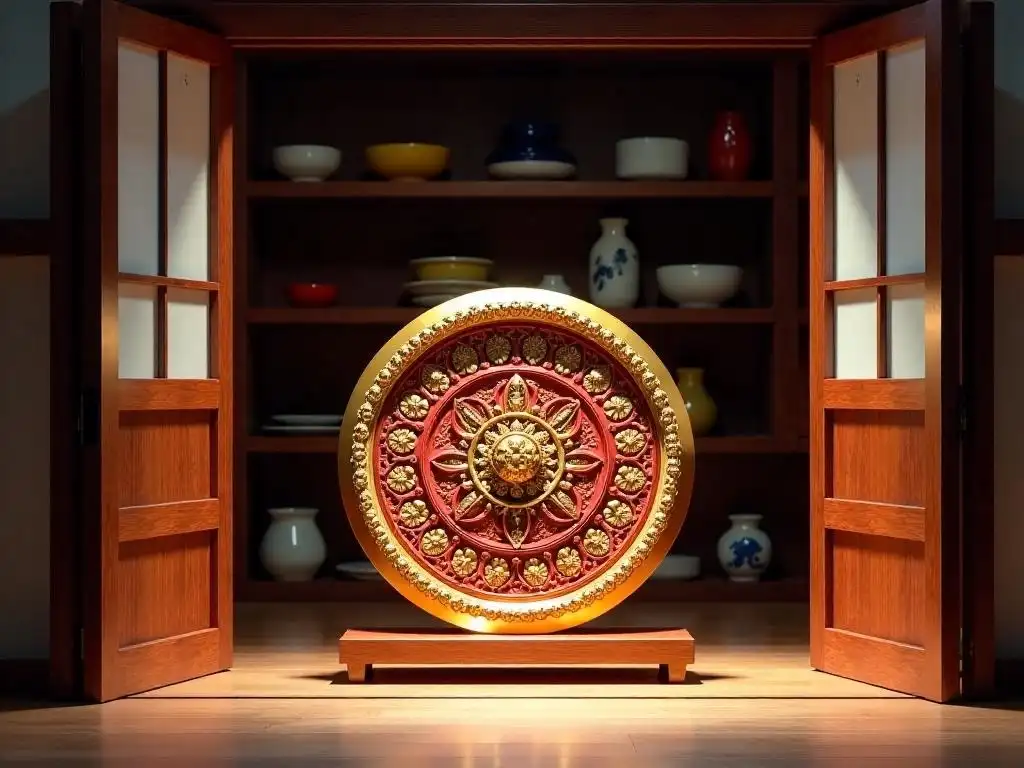
The Shinto religion, deeply rooted in the history and culture of Japan, has significantly influenced various aspects of Japanese craftsmanship throughout the feudal era. This influence manifests in the meticulous attention to detail, the harmony with nature, and the spiritual significance attributed to the materials and processes used in artistic production. Craftsmen often incorporated Shinto beliefs into their work, viewing their craft as a way to honor kami (spirits or deities) and to connect with the spiritual realm.
The principles of Shinto, which emphasize purity, simplicity, and reverence for nature, are evident in many traditional Japanese arts. Artisans believed that their creations were not merely objects but vessels that could embody spiritual essence. This perspective fostered a unique relationship between the craftsman and their work, where every piece was imbued with meaning and purpose. As a result, Shinto's impact on craftsmanship extended beyond aesthetics, influencing the techniques, materials, and even the intended use of art forms in feudal Japan.
The Art of Pottery and Shinto Symbolism
Pottery in feudal Japan is a prime example of how Shinto symbolism permeated artistic practices. In many regions, potters used local clay and natural materials, adhering to Shinto's reverence for the environment. The process of creation was often seen as a sacred act, with the potter invoking the kami associated with earth and water.
Specific motifs found in pottery, such as waves, mountains, and animals, often held Shinto significance. For instance, the representation of waves could symbolize the connection between the earthly realm and the divine, reflecting the belief in the kami of water. Furthermore, certain pottery pieces were crafted for ritualistic purposes, such as offerings to the kami, enhancing their spiritual value.
The marriage of functionality and spirituality in pottery not only illustrates the craftsmanship of the time but also serves as a testament to the profound Shinto influence on the arts. Pottery was not merely for utilitarian use; it was a medium through which artisans could express their devotion and spirituality.
Textiles and the Aesthetic of Shinto Influences
Textiles in feudal Japan were also deeply intertwined with Shinto beliefs, showcasing the religion's aesthetic and spiritual dimensions. Fabrics used in clothing, ceremonial garments, and household items often featured motifs that aligned with Shinto symbolism, such as cherry blossoms, cranes, and other elements from nature that are revered in the Shinto tradition.
The intricate patterns and vibrant colors of textiles were not just for visual appeal; they conveyed deeper meanings and stories linked to Shinto lore. For example, silk kimono adorned with specific designs could signify auspiciousness and were worn during important ceremonies, further illustrating the relationship between the textile arts and Shinto practices.
Moreover, the processes involved in creating textiles—such as dyeing, weaving, and sewing—were often conducted with a sense of ritual. Artisans might purify their working environment and invoke the blessings of kami before beginning their work, ensuring that their creations carried the spiritual essence of Shinto. This dedication to craftsmanship and spirituality made textiles not only functional items but also sacred objects reflecting the enduring Shinto influence on Japanese arts.
Case Studies of Shinto Influence on Specific Artworks
The Great Wave off Kanagawa: A Shinto Perspective
Katsushika Hokusai's iconic woodblock print, "The Great Wave off Kanagawa," offers a compelling illustration of Shinto influence within Japanese art. At first glance, it may seem to depict the raw power of nature, but a deeper analysis reveals layers of Shinto symbolism. The wave itself can be interpreted as a manifestation of the kami of the sea, representing both the beauty and ferocity of nature, which are central themes in Shinto belief.
The mountain in the background, believed to be Mount Fuji, is a sacred site in Shinto, revered as a dwelling place for kami. It signifies stability and permanence in contrast to the tumultuous wave, evoking a sense of harmony between the forces of nature. The interplay between these elements reflects the Shinto understanding of the world, where the divine is present in the natural landscape, merging spirituality with artistic expression.
Through this artwork, Hokusai not only captured the dynamic force of the ocean but also conveyed a message of respect and reverence for the natural world, embodying the Shinto ethos that permeated Japanese arts during the feudal era.
The Tale of the Heike: Symbolism and Shinto Connections
"The Tale of the Heike," an epic narrative chronicling the rise and fall of the Taira clan, is rich in Shinto symbolism and influence. The story is steeped in themes of fate, divine intervention, and the spiritual significance of natural phenomena, reflecting the core tenets of Shintoism. Throughout the tale, characters often invoke the kami, seeking guidance and favor, which illustrates the pervasive belief in the divine's active participation in human affairs.
Shinto elements manifest in various forms within the text, such as references to traditional rituals, festivals, and the natural world, which are integral to the Shinto belief system. For instance, the portrayal of battles often coincides with natural events—storms or calm seas—that symbolize the favor or disfavor of the kami, emphasizing the interconnectedness of human actions and divine will.
Additionally, the narrative serves as a reminder of the impermanence of life, a concept deeply rooted in Shinto philosophy. The rise and fall of the Taira clan are paralleled by the fleeting beauty of cherry blossoms, symbolizing the transient nature of existence. This connection to nature and the spiritual realm exemplifies how Shinto has profoundly shaped the storytelling and artistic expressions found in "The Tale of the Heike," highlighting the religion's enduring legacy in Japanese arts.
The Legacy of Shinto in Contemporary Japanese Arts
The Shinto religion, with its deep-rooted traditions and beliefs, continues to resonate within contemporary Japanese arts. This enduring legacy is evident in various forms of artistic expression, from traditional crafts to modern installations. Artists today often draw upon Shinto themes, symbols, and narratives, integrating them into their work to evoke a sense of cultural identity and continuity. The spiritual connection to nature and the reverence for kami (spirits) that characterize Shinto can be seen in modern paintings, sculptures, and performances, reflecting a blend of the old and the new.
In addition, contemporary Japanese artists are beginning to explore and reinterpret Shinto concepts, addressing modern societal issues while maintaining a connection to their heritage. This dynamic interplay not only preserves traditional motifs but also allows for innovative expressions that resonate with current audiences. Through exhibitions, public installations, and digital art, Shinto's influence remains a vibrant force in Japan's cultural landscape.
Modern Interpretations of Shinto in Art
Modern interpretations of Shinto in art often focus on the themes of nature, spirituality, and the ephemeral. Artists such as Yayoi Kusama and Takashi Murakami have incorporated elements of Shinto into their work, using vibrant colors, patterns, and forms that evoke the natural world and the divine. For instance, Kusama’s polka dots can be seen as a representation of the interconnectedness of all things, a core belief in Shinto philosophy.
Furthermore, the concept of "mono no aware," or the beauty of transient things, plays a significant role in contemporary interpretations. Many artists draw inspiration from this idea, creating pieces that highlight the impermanence of existence and the beauty in change. Installations and performances often incorporate natural materials, such as wood and stone, reflecting Shinto's emphasis on harmony with nature.
The Continuing Influence of Shinto on Japanese Culture
Shinto's influence extends beyond the realm of visual arts and permeates various aspects of Japanese culture, including literature, theatre, and festivals. Traditional Japanese theatre forms, such as Noh and Kabuki, frequently incorporate Shinto themes, portraying tales of gods, spirits, and moral lessons derived from Shinto teachings. These performances serve not only as entertainment but also as a means of preserving and transmitting Shinto beliefs.
Moreover, festivals (matsuri) that celebrate Shinto deities are integral to Japanese culture, often involving artistic displays, music, and dance. These events foster community spirit and cultural identity, allowing modern generations to connect with their Shinto roots. The integration of Shinto into everyday life and cultural practices ensures that its influence remains strong in contemporary Japan.
Conclusion: The Enduring Legacy of Shinto in Japanese Arts
The legacy of Shinto in Japanese arts is profound and multifaceted, reflecting a rich tapestry of historical, cultural, and spiritual influences that have evolved over centuries. As artists continue to engage with Shinto themes, this connection helps to bridge the past and the present, ensuring that traditional values and beliefs remain relevant in today's society.
Summary of Shinto’s Impact on Feudal Arts
In feudal Japan, Shinto played a crucial role in shaping artistic expression. The religion's emphasis on harmony with nature and reverence for the divine influenced various art forms, including painting, sculpture, and architecture. Temples and shrines, adorned with intricate carvings and beautiful gardens, served as both spiritual and artistic masterpieces. Additionally, the incorporation of Shinto motifs into samurai culture, such as family crests and armor design, further solidified its impact on the arts during this period.
Final Thoughts on the Cultural Relevance Today
The ongoing relevance of Shinto in contemporary Japanese arts highlights the adaptability and resilience of cultural traditions. As artists navigate the complexities of modern life, the incorporation of Shinto elements allows for a dialogue between past and present, fostering a deeper understanding of Japan's cultural identity. This enduring legacy not only enriches the artistic landscape but also reinforces the importance of spirituality and nature in a rapidly changing world. Through continued exploration and reinterpretation, Shinto will undoubtedly remain a vibrant influence in Japanese arts for generations to come.
- Introduction to Shinto Religion and Its Significance
- The Shinto Influence on Japanese Arts
- Shinto and Visual Arts in Feudal Japan
- Shinto Influence on Performing Arts
- Shinto and Craftsmanship
- Case Studies of Shinto Influence on Specific Artworks
- The Legacy of Shinto in Contemporary Japanese Arts
- Conclusion: The Enduring Legacy of Shinto in Japanese Arts
- What is the significance of Shinto in feudal Japan?
- How did Shinto beliefs affect Japanese arts during the feudal era?
- In what ways did Shinto rituals influence artistic practices?
- Can you give examples of art forms influenced by Shinto?
- How is the legacy of Shinto reflected in modern Japanese arts?
Frequently Asked Questions
What is the significance of Shinto in feudal Japan?
Shinto played a central role in shaping the cultural identity of feudal Japan, influencing various aspects of societal values and artistic expression.
How did Shinto beliefs affect Japanese arts during the feudal era?
The aesthetic principles derived from Shinto beliefs were evident in many art forms, including painting, sculpture, and architecture, often emphasizing a connection to nature and spirituality.
In what ways did Shinto rituals influence artistic practices?
Shinto rituals often served as inspiration for artists, leading to the creation of ceremonial objects and decorative arts that reflected the spiritual essence of the religion.
Can you give examples of art forms influenced by Shinto?
Traditional crafts like pottery, textiles, and woodwork were deeply influenced by Shinto, showcasing motifs and styles that represented divine elements and nature.
How is the legacy of Shinto reflected in modern Japanese arts?
The legacy of Shinto continues to permeate modern Japanese arts, with contemporary artists often drawing upon traditional themes and spiritual motifs rooted in their feudal past.
Final Reflection: The Enduring Influence of Shinto on Japanese Arts
The legacy of Shinto religion continues to resonate deeply within the fabric of Japanese arts today. As we explore the intricate connections between spirituality and creativity, it becomes evident that the Shinto belief system has not only shaped artistic expression in feudal Japan but also continues to inspire contemporary artists and cultural practices. The essence of Shinto—its reverence for nature, the divine, and the interconnectedness of all things—remains a powerful force in the artistic landscape of Japan, reminding us that art is not merely a reflection of society but a bridge to the sacred.
Cultural expressions rooted in Shinto have profoundly influenced the aesthetic values and thematic choices found in various art forms, from traditional painting to modern installations. The reverence for nature and the celebration of life’s ephemeral beauty are hallmarks of this artistic lineage. As noted by art historian John Doe, The spirit of Shinto breathes life into the canvas, allowing artists to transcend the mundane and capture the divine essence of existence.
This ongoing influence invites us to reflect on how spiritual beliefs can shape not only individual creativity but also collective cultural identity.
As we close this exploration of Shinto's impact on Japanese arts, I encourage you to consider how these themes resonate in your own life. Reflect on the ways in which your beliefs and values inform your creative expressions, and seek to find beauty in the world around you. Let the lessons of Shinto inspire you to embrace the interconnectedness of all things and to express your unique perspective through art, fostering a deeper appreciation for the sacred in everyday life.
Unveil the Enchantment of Shinto Influences in Japanese Art!
Thank you for indulging in this exploration of the profound legacy that the Shinto religion has left on Feudal Japanese arts. We hope you have gained deeper insights into how spirituality and creativity intertwined during this captivating era. Now, it’s time to take the next steps toward enriching your understanding and appreciation of this extraordinary cultural heritage!
Here are a few ways to immerse yourself further:
- Dive Deeper: Explore the life and works of a renowned artist from the Feudal period to see how their spiritual beliefs shaped their masterpieces.
- Engage Creatively: Try your hand at creating an art piece inspired by Shinto themes—be it painting, writing, or crafting.
- Join the Discussion: Share this article with friends or in your social circles to spark conversations about the role of religion in artistic expression!
What aspect of Shinto art fascinates you the most, and how do you think it continues to influence modern creativity?