
Samurai Codes: The Ethical Frameworks That Facilitated Japan's Unification


Welcome to Feudal Japan History, where we embark on a captivating journey through the intricate tapestry of Japan’s feudal era. Dive deep into the Samurai ethical codes in Japan, the very principles that shaped the warriors of this remarkable age and played a pivotal role in the unification of the nation. Discover how these age-old frameworks not only defined honor and loyalty but also laid the groundwork for a society steeped in tradition and resilience.
As you explore our in-depth articles, prepare to unlock the secrets of a time that continues to influence Japan's cultural identity today. What wisdom can we glean from the past? Let’s find out together!
- Introduction to Samurai Ethical Codes in Japan
- Historical Context of Samurai Ethical Codes
- Key Samurai Ethical Codes
- The Role of Samurai Ethical Codes in Japan's Unification
- Case Studies: Samurai Codes in Action
- The Legacy of Samurai Ethical Codes in Modern Japan
- Conclusion: The Enduring Impact of Samurai Ethical Codes on Japan's Unification
- Frequently Asked Questions
- Final Reflection: The Enduring Legacy of Samurai Ethical Codes in Japan
- Embrace the Spirit of the Samurai!
Introduction to Samurai Ethical Codes in Japan
The ethical frameworks governing the samurai, known as bushido, played a pivotal role in shaping not only the lives of these warriors but also the broader context of Japan's unification during the feudal era. As Japan transitioned from a fragmented collection of clans and provinces into a cohesive nation-state, the samurai's adherence to their ethical codes provided a foundation for loyalty, honor, and discipline.
Understanding these codes is essential for grasping how they influenced the political landscape of Japan and facilitated the unification process. This article delves into the various samurai ethical codes, elucidating their significance and their impact on Japan's historical trajectory.
Understanding the Importance of Samurai Codes
The samurai codes, particularly bushido, encompassed a set of principles that dictated the behavior and mindset of these elite warriors. Key tenets included:
- Loyalty: Absolute allegiance to one's lord was paramount, often depicted through the samurai's willingness to sacrifice their lives for their masters.
- Honor: A samurai's honor was a crucial aspect of their identity, guiding their actions and decisions in both personal and social spheres.
- Courage: The courage to confront challenges and adversity was celebrated as a vital trait, reinforcing the samurai's role as defenders of their domain.
- Compassion: Despite their warrior ethos, samurai were also expected to show compassion, particularly to those weaker than themselves.
These ethical codes not only governed samurai behavior but also influenced the societal norms and expectations of the time. The emphasis on loyalty and honor fostered a sense of unity among warriors, which was essential as Japan faced internal strife and external threats. The samurai's commitment to these codes created a framework that supported the efforts of various leaders seeking to unify the country.
Overview of Japan's Unification Period
The unification of Japan, particularly during the late 16th century, was marked by significant political and military upheaval. This period, often referred to as the Sengoku Jidai or the "Warring States Period," saw numerous feudal lords, or daimyōs, vying for control over territories. Key events included:
- Rise of Powerful Daimyōs: Figures like Oda Nobunaga, Toyotomi Hideyoshi, and Tokugawa Ieyasu emerged as dominant forces, each employing samurai as their military backbone.
- Battle of Sekigahara (1600): This pivotal battle marked a turning point in Japan's unification, culminating in Tokugawa Ieyasu's ascension to power and the establishment of the Tokugawa shogunate.
- Cultural Flourishing: As the political landscape stabilized, the samurai culture evolved, with arts, literature, and philosophy reflecting the values of bushido.
Through these tumultuous times, the samurai's ethical codes not only guided their actions in battle but also facilitated alliances and negotiations, ultimately contributing to the emergence of a unified Japan. The blend of martial prowess and ethical conduct became integral to the samurai identity, leaving a lasting legacy on Japanese culture and society.
Historical Context of Samurai Ethical Codes

The Origins of Samurai Codes in Feudal Japan
The samurai ethical codes in Japan, primarily known as Bushido, emerged during the Heian period (794-1185) but became more formalized during the Kamakura period (1185-1333). The term "Bushido" translates to "the way of the warrior," and it encapsulates the moral principles that governed the conduct of samurai. These codes were not merely a set of rules; they represented a complex interplay of loyalty, honor, and martial prowess.
Initially, the samurai class was formed to serve the noble families, acting as military retainers. As Japan transitioned from the Heian to the Kamakura period, the samurai began to establish their own identity and societal role. The need for a coherent ethical framework arose as these warriors sought to justify their actions in battle and their loyalty to their lords. This ethical code became essential in unifying various clans and facilitating cooperation among samurai, which was vital during the tumultuous periods of civil strife known as the Sengoku (Warring States) period.
Key elements of the samurai codes included:
- Loyalty: Devotion to one's lord was paramount, often leading samurai to sacrifice their lives.
- Courage: The willingness to face danger without fear was highly regarded.
- Honor: Maintaining one’s reputation was crucial, as dishonor could lead to seppuku (ritual suicide) to restore personal and familial honor.
- Compassion: Despite their martial nature, samurai were also expected to demonstrate benevolence and protect the weak.
This combination of principles provided a strong foundation for the samurai's role in society and contributed significantly to the unification of Japan, as they upheld these values during conflicts and furthered the interests of their lords and the state.
Influences on Samurai Ethics: Buddhism, Confucianism, and Shinto
The development of samurai ethical codes was not an isolated phenomenon; it was profoundly influenced by three major philosophical and religious traditions: Buddhism, Confucianism, and Shinto. Each contributed distinct elements that shaped the samurai's worldview and moral framework.
- Buddhism:
- Impermanence and Suffering: The Buddhist concept of anicca (impermanence) and dukkha (suffering) encouraged samurai to understand the transient nature of life and death. This perspective helped them confront the realities of warfare and mortality with a sense of acceptance.
- Zen Buddhism: Zen practices, emphasizing mindfulness and meditation, fostered a calm and focused mind, which was essential for samurai during combat. The principles of discipline and self-control in Zen also mirrored the samurai’s aspirations towards mental and spiritual refinement.
- Confucianism:
- Social Harmony: Confucian ideals promoted loyalty, respect for authority, and the importance of familial and social relationships. These values reinforced the samurai's obligations to their lords and families, creating a sense of duty that transcended personal desires.
- Moral Governance: The Confucian emphasis on ethical leadership influenced the samurai's role as protectors of the state, ensuring that their conduct reflected the moral integrity required for effective governance.
- Shinto:
- Connection to Nature: Shinto's reverence for nature instilled in samurai a sense of harmony with their environment. This connection was vital for understanding the spiritual aspects of their existence and responsibilities.
- Rituals and Ancestor Worship: Shinto rituals, including ancestor worship, reinforced the notion of loyalty and duty to one’s lineage, further embedding the importance of honor and respect within samurai culture.
The synthesis of these influences created a rich tapestry of ethical codes that not only guided the samurai in their conduct but also played a crucial role in the broader unification of Japan, as these shared values fostered cooperation and a collective identity among the warrior class.
Key Samurai Ethical Codes
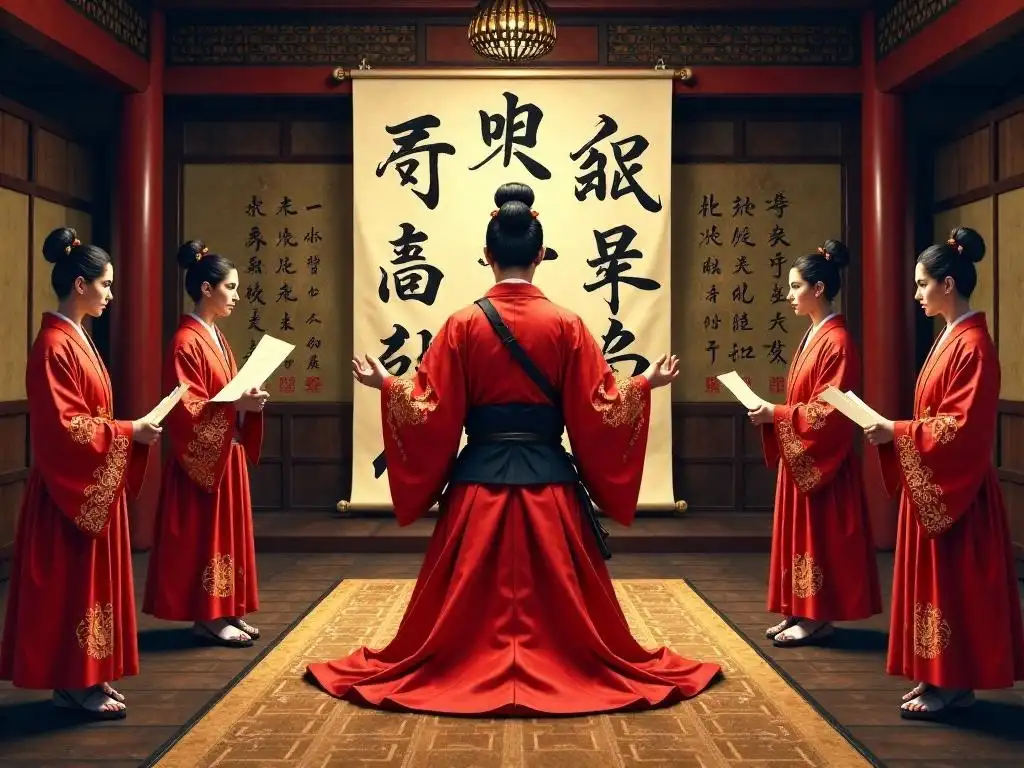
The ethical framework of the samurai was pivotal in shaping not only the identity of the warriors themselves but also the broader socio-political landscape of feudal Japan. The samurai ethical codes, particularly Bushido, contributed significantly to the unification of Japan by establishing a common set of values that transcended individual clans and loyalties. These codes emphasized virtues such as loyalty, honor, and discipline, which were instrumental in fostering a sense of collective identity among the samurai class.
Bushido: The Way of the Warrior
Bushido, often translated as "the way of the warrior," is the most emblematic of the samurai ethical codes. This code encapsulated the ideals and values that governed the conduct of samurai and served as a guiding principle throughout the feudal era.
Principles of Bushido and Its Impact on Samurai Culture
Bushido is founded on several core principles that define the samurai's role in society. These principles include:
- Loyalty (Chūgi): Loyalty to one's lord was paramount. Samurai were expected to serve their masters with unwavering fidelity, often placing their lord's interests above their own lives.
- Honor (Meiyo): Honor was a hallmark of samurai life. Maintaining one's reputation and family name was crucial, and any dishonor could lead to a samurai choosing seppuku (ritual suicide) to restore their honor.
- Courage (Yū): The samurai were trained to confront danger and fear. This courage was not just physical but also moral, encouraging samurai to stand up for their beliefs and fight against injustice.
- Compassion (Jin): Despite their warrior status, samurai were also expected to show compassion towards others, particularly the weak and defenseless.
- Respect (Rei): Respect was pivotal in samurai interactions, not only towards superiors but also peers and subordinates, fostering a culture of mutual regard.
These principles collectively contributed to a warrior ethos that reinforced loyalty among clans, thereby promoting stability and unity in a fragmented Japan. The widespread adherence to Bushido helped align the samurai's personal and political motives, facilitating alliances and reducing conflicts among different factions.
Other Notable Samurai Codes
While Bushido stands out as the most recognized ethical code, there were other notable codes that also influenced samurai behavior and the broader societal structure of Japan.
The Role of Loyalty and Honor in Samurai Ethics
Loyalty and honor were not merely personal virtues but foundational elements that dictated the samurai's relationship with their lords and fellow samurai. The concept of loyalty (Chūgi) was twofold: it required fidelity to one's lord and also loyalty to one's comrades. This dual loyalty reinforced bonds among samurai, creating a network of interdependence that was crucial during times of war and conflict.
Case Study: The 47 Ronin
A historical example illustrating the strength of loyalty is the story of the 47 Ronin. These samurai avenged their lord's death despite the personal risk involved, exemplifying the extreme lengths to which samurai would go to uphold their loyalty and honor. This incident resonated deeply within Japanese culture and reinforced the values of Bushido.
The Importance of Discipline and Self-Control
Discipline and self-control were essential components of the samurai ethos. Samurai trained rigorously, both in martial skills and in the arts, emphasizing the importance of mastering oneself before mastering others. This discipline translated into various aspects of life, including governance, where samurai leaders were expected to rule with fairness and justice.
Training Regimen and Its Effects
Samurai training often included:
- Martial Arts (Bujutsu): Mastery of various fighting techniques.
- Mental Training (Zen): Practices such as meditation to cultivate focus and calmness.
- Cultural Education: Learning arts such as poetry and calligraphy to develop a well-rounded character.
The emphasis on discipline ensured that samurai remained effective in battle and respected within their communities, further solidifying their role as leaders and protectors during Japan's unification.
The samurai ethical codes, particularly Bushido, played a critical role in the unification of Japan by instilling a shared sense of values and principles among the warrior class. The interplay of loyalty, honor, discipline, and compassion laid the groundwork for a cohesive society that could navigate the complexities of feudal conflict and ultimately contribute to a more unified Japan.
The Role of Samurai Ethical Codes in Japan's Unification

The role of samurai ethical codes in Japan's unification cannot be overstated. These codes, primarily rooted in the philosophies of Bushido, shaped the attitudes and behaviors of the samurai class, influencing their interactions not only within their clans but also with rival factions. The ethical frameworks established by the samurai provided a sense of purpose and direction, which was crucial during a period marked by fragmentation and conflict.
Bushido, often translated as "the way of the warrior," emphasized virtues such as loyalty, honor, courage, and self-discipline. These principles cultivated a strong sense of identity among the samurai, enabling them to prioritize collective goals over individual ambitions. The adherence to samurai ethical codes created an environment where collaboration and unity were valued, fostering alliances that ultimately contributed to the unification of Japan.
The samurai's commitment to their ethical codes also extended beyond mere personal conduct; it was instrumental in shaping the socio-political landscape of feudal Japan. This commitment helped to legitimize the authority of leaders who adhered to similar values, creating a framework for governance that was respected and followed by their followers. Thus, the ethical codes of the samurai played a pivotal role in the consolidation of power and the eventual unification of Japan.
How Samurai Codes Promoted Unity Among Clans
The ethical codes of the samurai served as a unifying force among various clans during Japan's tumultuous feudal period. The principles of loyalty and honor were not only personal virtues but also collective ideals that promoted solidarity among samurai warriors.
- Loyalty to Leaders: Samurai were bound by an unwavering loyalty to their lords (daimyō). This loyalty fostered a sense of unity within clans, as samurai fought alongside one another to uphold their leader's honor and protect their lands. This bond encouraged clans to form alliances, sharing resources and military strength, which was crucial for survival against common enemies.
- Shared Values: The samurai ethical codes emphasized respect, integrity, and loyalty, which were not limited to individual clans but resonated across various factions. As clans began to recognize shared values, it became easier to negotiate alliances and collaborate during conflicts, thus promoting a climate of cooperation rather than rivalry.
- Cultural Exchange: The samurai codes facilitated cultural exchanges among clans. As samurai engaged in battles and alliances, they shared not only military tactics but also cultural practices rooted in their ethical frameworks. This exchange helped to create a more cohesive Japanese identity, diminishing the distinctions between clans.
- Rituals and Ceremonies: Various rituals and ceremonies, often tied to the samurai ethical codes, were conducted to reinforce unity. These events provided opportunities for clans to publicly affirm their loyalty to one another and their shared commitment to the ethical values of the samurai.
The samurai ethical codes significantly promoted unity among clans. By fostering loyalty, shared values, cultural exchanges, and communal rituals, these codes created a foundation for collaboration that was essential for the unification of Japan.
The Influence of Ethical Frameworks on Political Alliances
The ethical frameworks established by the samurai had a profound influence on political alliances during Japan's unification process. These frameworks not only guided individual samurai behavior but also shaped the broader political landscape.
- Legitimization of Authority: The samurai's adherence to their ethical codes provided legitimacy to the authority of their leaders. A daimyō who exemplified the virtues of Bushido attracted loyal samurai, who were motivated not just by personal gain but by a sense of duty and honor. This alignment of ethical values between leaders and their samurai helped to solidify political alliances.
- Conflict Resolution: The samurai ethical codes facilitated conflict resolution among rival clans. Samurai were encouraged to resolve disputes honorably, often through diplomacy rather than outright warfare. The principles of respect and integrity led to negotiations that resulted in political alliances, furthering the unification process.
- Strategic Marriages: Ethical frameworks also influenced the practice of strategic marriages among clans. By marrying into allied families, clans could forge stronger political ties while adhering to the ethical codes of loyalty and duty. Such alliances were often celebrated through ceremonies that reinforced the shared commitment to samurai values.
- Military Cooperation: The samurai ethical codes promoted a sense of duty to protect one's allies. This sense of responsibility often led to cooperative military efforts against common enemies. The unity born from these ethical codes was crucial in rallying forces against rival factions, facilitating a more consolidated front in the quest for unification.
The ethical frameworks of the samurai were instrumental in shaping political alliances during Japan's unification. By legitimizing authority, facilitating conflict resolution, encouraging strategic marriages, and promoting military cooperation, these frameworks enabled clans to work together effectively, paving the way for a unified Japan.
Case Studies: Samurai Codes in Action
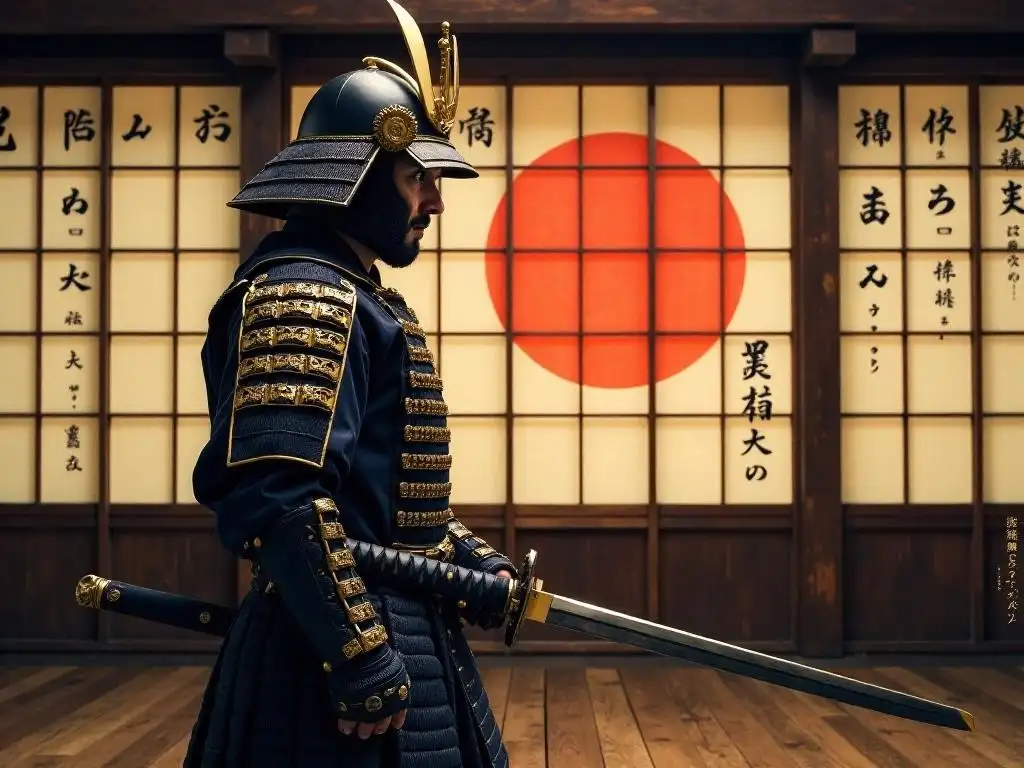
Notable Samurai Leaders and Their Ethical Practices
The application of Samurai ethical codes in Japan was not only theoretical but also deeply manifested in the actions and decisions of notable samurai leaders. These leaders exemplified the principles of bushido, the way of the warrior, and their leadership styles often reflected the ethical frameworks that contributed to Japan's unification. Below, we delve into two prominent figures whose lives and practices illuminate the significance of samurai codes.
Example 1: Minamoto no Yoritomo
Minamoto no Yoritomo (1147-1199) was a pivotal figure in the establishment of the Kamakura shogunate and is remembered for his strategic acumen as well as his adherence to samurai ethical codes. His leadership was characterized by several key ethical practices that showcased his commitment to bushido:
- Loyalty and Allegiance: Yoritomo emphasized loyalty, not only among his samurai but also within the broader societal context. By fostering strong allegiances with other clans, he was able to consolidate power, unifying disparate factions under his banner.
- Justice and Fairness: Yoritomo's administration was marked by a focus on justice. He established legal frameworks that balanced the interests of the samurai class with those of the peasantry, thereby promoting stability and order. His decisions were often guided by a sense of fairness, reflecting the samurai's duty to protect the weak.
- Courage and Honor: He displayed remarkable courage in battle, leading his troops personally in key conflicts, such as the Genpei War. His actions not only demonstrated bravery but also inspired his followers to uphold their honor in combat.
Yoritomo's adherence to these ethical practices not only solidified his rule but also laid the groundwork for the samurai's role in Japanese governance, influencing the unification process through a shared code of conduct.
Example 2: Takeda Shingen
Takeda Shingen (1521-1573), one of Japan's most celebrated warlords, exemplified the samurai ethical codes through his military strategies and governance. His leadership was characterized by a blend of military prowess and ethical leadership, making him a revered figure in Japanese history:
- Strategic Wisdom: Shingen was known for his strategic acumen, often employing tactics that minimized unnecessary bloodshed. His famous battles, such as the Battle of Kawanakajima, were marked by calculated maneuvers rather than reckless aggression, reflecting the samurai's commitment to honor in warfare.
- Benevolence and Leadership: He believed in the concept of benevolent leadership, where a lord should care for his subjects. Shingen implemented policies that improved agricultural production and the welfare of the peasantry, reinforcing the samurai's duty to serve the people.
- Code of Conduct: Shingen’s famous "Shingen's Seven Principles" outlined his expectations for samurai conduct, emphasizing loyalty, courage, and respect. These principles became a guideline for his followers and contributed to a unified ethical framework within his domain.
Through his ethical practices, Takeda Shingen not only earned the loyalty of his samurai but also played a significant role in the unification of Japan by promoting a culture of respect and responsibility among warriors.
The lives of Minamoto no Yoritomo and Takeda Shingen serve as exemplary case studies in understanding how samurai ethical codes in Japan influenced leadership and governance, ultimately facilitating the unification of the nation. Their adherence to bushido principles provided a foundation for a society that valued loyalty, justice, and honor.
The Legacy of Samurai Ethical Codes in Modern Japan

The ethical frameworks established by the samurai during Japan’s feudal era continue to resonate in contemporary society, shaping various aspects of Japanese culture, values, and social interactions. The principles of Bushido, the samurai code of conduct, emphasized virtues such as loyalty, honor, and courage. These values not only guided the samurai in their duties but also laid a foundation for Japanese social norms that persist today.
How Historical Samurai Ethics Influence Contemporary Japanese Culture
The impact of samurai ethical codes is evident in various facets of modern Japanese life. For instance:
- Social Hierarchy and Respect: The samurai’s respect for hierarchy and social order can be seen in contemporary Japanese business practices. Companies often maintain strict hierarchical structures, emphasizing respect for seniority and authority.
- Interpersonal Relationships: The samurai code promoted loyalty and duty to one’s family and community. Modern Japanese society reflects these values in strong family ties and a sense of community responsibility, often seen in local festivals and communal activities.
- Cultural Arts: Traditional arts, such as tea ceremonies, calligraphy, and martial arts, often embody samurai principles. These practices emphasize discipline, respect, and the pursuit of perfection, drawing directly from the samurai ethos.
The legacy of samurai ethical codes extends beyond mere tradition; it has become an intrinsic part of Japan's national identity, influencing everything from education to governance.
The Relevance of Samurai Codes in Today's Society
In today’s rapidly changing world, the principles of samurai ethical codes still hold significant relevance. Here are some critical areas where these codes manifest:
- Leadership and Governance: Modern leaders are often expected to embody the virtues of honor and integrity. The samurai's emphasis on responsibility and accountability is echoed in the expectations placed upon political figures and corporate leaders today.
- Conflict Resolution: The samurai approach to conflict—favoring negotiation and strategy over brute force—has influenced contemporary methods of conflict resolution. This is particularly evident in Japan's emphasis on consensus-building in both corporate and political environments.
- Personal Development: The pursuit of self-improvement and resilience is a key tenet of Bushido. Many Japanese people today engage in practices that foster personal growth, such as martial arts and Zen meditation, which are rooted in samurai traditions.
- Civic Duties: The samurai's sense of duty to their lords parallels the modern expectation of citizenship and civic responsibility. Volunteerism and community service are increasingly emphasized in Japan, reflecting the samurai's commitment to societal welfare.
The samurai ethical codes in Japan not only shaped the past but also continue to influence the cultural, social, and ethical landscape of contemporary Japan. Their enduring legacy serves as a reminder of the importance of honor, loyalty, and duty in fostering a cohesive and resilient society.
Conclusion: The Enduring Impact of Samurai Ethical Codes on Japan's Unification
Summarizing the Role of Samurai Ethics in Shaping Japan's History
The samurai ethical codes, particularly Bushido, played a pivotal role in the unification of Japan during the feudal era. These codes not only defined the moral compass of the samurai class but also influenced the broader societal norms and values. The principles of loyalty, honor, courage, and self-discipline established a cohesive framework that guided samurai behavior and decision-making. This ethical structure was instrumental in fostering alliances and loyalty among rival clans, facilitating negotiations, and mitigating conflicts.
The samurai's dedication to their lords and the rigid adherence to ethical conduct contributed significantly to the stability of feudal Japan. For instance, during the Sengoku period, the rise of powerful warlords necessitated a more organized and ethical warrior class. The samurai's commitment to their ethical codes often led them to prioritize the collective good of their clans and the nation over personal gain, which in turn reduced the likelihood of betrayals and civil strife.
Moreover, these codes were not just limited to the warriors but permeated through the societal fabric, influencing the behavior of the common people and the governance of the land. Samurai ethical codes, therefore, acted as a unifying force, aligning various factions under shared values and principles, ultimately aiding in the consolidation of power that characterized the unification of Japan.
Final Thoughts on the Significance of Ethical Frameworks in Feudal Japan
The ethical frameworks established by the samurai were essential not only for the warriors themselves but also for the entire socio-political landscape of feudal Japan. The samurai ethical codes served as a guiding philosophy that transcended individual clans, promoting a sense of national identity and purpose. As Japan transitioned from a fragmented collection of warring states to a unified nation, the principles of Bushido became integral to the national consciousness.
The legacy of samurai ethics continues to resonate in modern Japan, influencing contemporary values surrounding honor, duty, and respect. Understanding these historical ethical frameworks provides valuable insights into Japan's cultural heritage and the principles that continue to shape its society today. Thus, the samurai codes represent more than just a set of rules; they embody the spirit of a nation striving for unity and harmony amidst diversity.
The exploration of samurai ethical codes in Japan reveals their profound impact on the country's historical trajectory. As we reflect on this era, it is clear that the samurai's commitment to their ethical principles played a crucial role in achieving not only military success but also in fostering a sense of community and shared values that ultimately led to Japan's unification.
Frequently Asked Questions
What are the Samurai ethical codes in Japan?
The Samurai ethical codes, known as Bushido, emphasized values such as honor, loyalty, and courage. These principles were essential for maintaining the Samurai's role in society during feudal Japan.
How did Samurai codes contribute to Japan's unification?
The Samurai codes fostered a sense of discipline and unity among warriors, which helped to create a more cohesive military and political structure, ultimately aiding in Japan's unification under centralized rule.
What are some key principles of Bushido?
Key principles of Bushido include rectitude, courage, benevolence, and respect. These principles guided the Samurai's conduct in both battle and everyday life.
How did cultural aspects influence the Samurai codes?
Cultural aspects, including Shinto and Buddhism, heavily influenced the Samurai codes. These philosophies shaped the ethical frameworks that defined the Samurai's identity and responsibilities.
Are the Samurai ethical codes still relevant today?
While the Samurai ethical codes are rooted in a historical context, their principles of honor and discipline continue to resonate in modern Japanese culture and martial arts practices.
Final Reflection: The Enduring Legacy of Samurai Ethical Codes in Japan
The ethical frameworks established by the samurai have not only shaped Japan's history but continue to resonate in modern society. The principles of honor, loyalty, and discipline that defined the samurai way of life are still relevant today, influencing contemporary Japanese culture and values. As we navigate a world filled with complexity and moral ambiguity, the samurai ethical codes serve as a beacon, reminding us of the importance of integrity and commitment in our personal and professional lives.
The samurai codes have left an indelible mark on Japan's cultural and social landscape, fostering a sense of unity and purpose that transcends generations. The values of bushido, or the way of the warrior, emphasize respect, courage, and self-control, which continue to inspire individuals and communities alike. The samurai's way is not just about martial prowess; it is a way of life that emphasizes moral integrity and personal responsibility.
This ongoing influence invites us to reflect on how these ancient principles can guide our actions and decisions in today's fast-paced world.
As we contemplate the lessons of the samurai, I encourage you to embrace these ethical codes in your own life. Consider how the values of honor, loyalty, and discipline can shape your interactions and decisions. Let the spirit of the samurai inspire you to cultivate a sense of purpose and integrity, not only for yourself but also for the communities you are a part of. In doing so, we honor the legacy of the samurai and contribute to a more unified and ethical society.
Embrace the Spirit of the Samurai!
Thank you for diving into the profound world of Samurai ethics and the pivotal role they played in unifying Japan. Your journey through the codes of honor, loyalty, and integrity reveals not only the history of a warrior class but also timeless lessons that continue to resonate today. Now, it’s time to take these insights and make them your own!
Here are some actionable steps to deepen your connection to the Samurai spirit:
- Reflect on Your Values: Take a moment to identify your own guiding principles. What codes do you live by? Consider writing them down or discussing them with a friend to spark a meaningful conversation.
- Explore Samurai Culture: Immerse yourself in the fascinating world of the Samurai by reading biographies of renowned warriors or watching historical documentaries that bring their stories to life.
- Engage with Our Community: Share your thoughts and insights on our forum! Connect with others who are passionate about feudal Japan and exchange ideas on how Samurai principles can be applied in modern life.
What personal values resonate with you from the Samurai codes, and how can you incorporate them into your everyday life?