
The Role of Religion in Naval Warfare and Maritime Culture

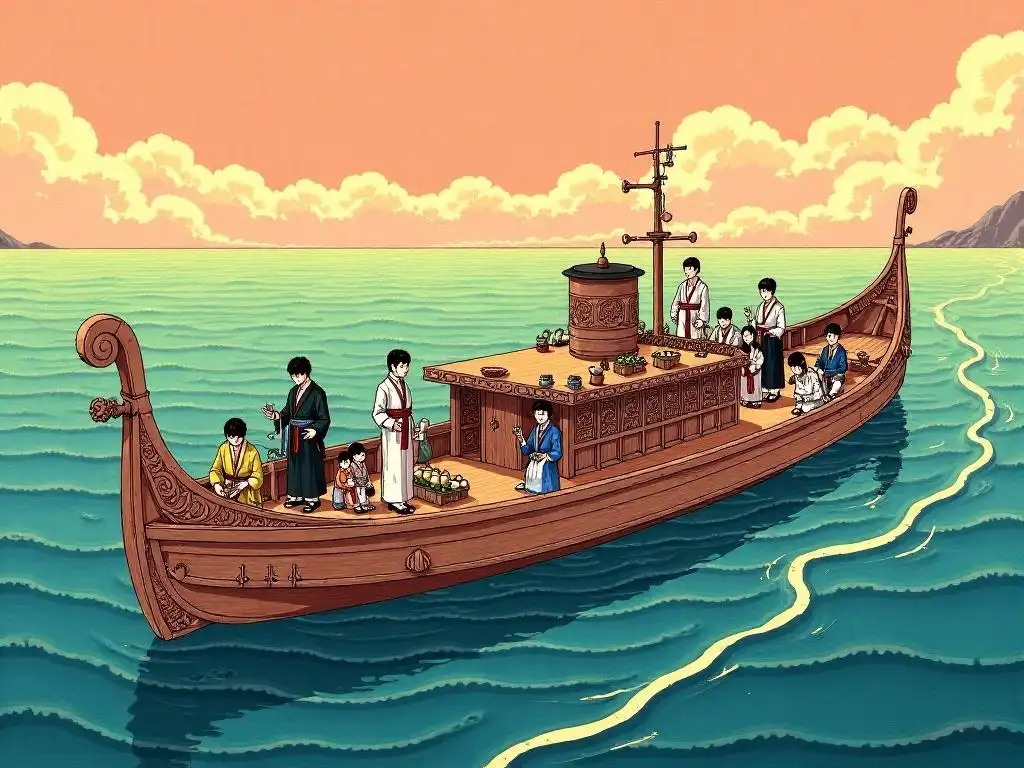
Welcome to Feudal Japan History, where we embark on a fascinating journey through the intricate tapestry of Japan's feudal era. Here, we delve deep into the rich historical, cultural, and societal aspects that shaped this remarkable period. In our featured article, “The Role of Religion in Naval Warfare and Maritime Culture,” we uncover the profound influence of spirituality on Japanese naval history, revealing how belief systems intertwined with the strategies and outcomes of maritime conflicts. Prepare to navigate through the waves of tradition and transformation that defined a nation—your exploration begins now!
Religion has always played a pivotal role in shaping the cultural and societal frameworks of nations, and Japan is no exception. In the context of Japanese naval history, religion not only influenced the spiritual beliefs of the people but also significantly impacted naval warfare strategies and maritime culture during the feudal era. This article delves into the multifaceted role of religion in Japanese naval history, exploring how spiritual beliefs intertwined with military practices and the broader implications for society. Understanding this dynamic is essential for grasping the complexities of Japan's feudal past and the evolution of its maritime culture.
Overview of Religion's Influence on Japanese Society
Japanese society has been profoundly shaped by various religious traditions, with Shinto, Buddhism, and Confucianism standing out as the most influential. Each of these religions contributed unique perspectives on life, death, and duty, which in turn affected the motivations behind naval warfare and the conduct of sailors.
For instance, Shinto rituals often involved prayers to the sea gods for safe voyages and victories in battle, while Buddhist teachings provided moral frameworks that guided the actions of samurai and naval commanders. The interplay between these religious beliefs and the cultural values of the time fostered a distinct maritime ethos that permeated Japan's naval history.
Importance of Naval Warfare in Feudal Japan
Naval warfare was not merely a matter of military strategy; it was a significant aspect of Japan's feudal identity. The control of maritime routes was vital for trade, resource acquisition, and territorial defense. As such, naval engagements often determined the balance of power among feudal lords. Religious beliefs played an integral role in these conflicts, as they not only influenced the motivations behind warfare but also shaped the rituals and practices that accompanied naval expeditions. The fusion of spirituality and military necessity created a unique maritime culture that underscored the importance of religion in shaping naval history.
To truly understand the role of religion in Japanese naval warfare, it is essential to explore the historical context in which these beliefs developed and flourished. The interplay between religion and military practices can be seen through the lens of significant historical periods, particularly during the rise of feudalism in Japan.
Shinto Beliefs and Their Influence on Maritime Practices
Shinto, Japan's indigenous spirituality, is characterized by a deep reverence for nature and the belief in kami, or spirits, that inhabit the natural world. This belief system greatly influenced maritime practices, as sailors often sought the blessings of sea deities before embarking on long voyages. Rituals such as offering rice, sake, and symbolic objects to the sea were commonplace, reflecting the belief that divine favor was essential for successful navigation and military victories. The connection between Shinto practices and seafaring highlights the spiritual dimensions of naval endeavors in feudal Japan.
The Role of Buddhism in Naval Strategies
Buddhism, which was introduced to Japan from China and Korea, played a significant role in shaping the ethical and strategic frameworks of naval warfare. Buddhist teachings emphasized concepts such as compassion, duty, and the impermanence of life, which influenced naval leaders' decisions during conflicts. Additionally, Buddhist monks often served as advisors in military matters, providing spiritual guidance and strategic counsel. The integration of Buddhist philosophy into naval strategies exemplifies the complex relationship between religion and military operations in Japan's feudal past.
Confucianism and Its Impact on Leadership in Naval Warfare
Confucianism, with its focus on hierarchy, loyalty, and moral governance, had a profound impact on leadership within the naval ranks. During the feudal era, samurai were expected to embody Confucian ideals, which influenced their conduct in battle and their relationships with their superiors. The emphasis on duty and ethical behavior in naval warfare can be traced back to Confucian teachings, which stressed the importance of moral integrity and the responsibilities of leaders toward their followers. This framework not only shaped the leadership dynamics within naval forces but also contributed to the overall conduct of warfare during this period.
The interplay between religion and naval warfare in feudal Japan reveals a rich tapestry of beliefs, practices, and cultural norms that shaped the maritime landscape of the time. Understanding this relationship is crucial for appreciating the complexities of Japan's naval history and the enduring influence of religion on its maritime culture.
In feudal Japan, religion played an integral role in shaping the moral and ethical frameworks of samurai warriors and naval forces. Shinto, the indigenous spirituality of Japan, and Buddhism, which was introduced from the Asian mainland, influenced the beliefs and practices of these military groups. The samurai, adhering to a code of honor known as bushido, often turned to religious practices for guidance in warfare, seeking divine favor and protection.
Rituals and beliefs surrounding deities such as Hachiman, the god of war, were prevalent among samurai. They would invoke blessings before embarking on naval missions, believing that the gods would provide them strength and protection during battles at sea. This intertwining of religion and military duty not only bolstered the morale of the soldiers but also contributed to a cultural identity that revered martial valor as a sacred endeavor.
Rituals and Ceremonies Before Naval Battles
Before engaging in naval battles, samurai and their forces participated in various rituals and ceremonies aimed at ensuring divine support and favor. One common practice involved the offering of prayers and sacrifices at local shrines dedicated to war deities. These ceremonies often included the presentation of food, sake, and symbolic weapons to the gods, with the hope of securing victory and protection.
Another significant ritual was the "Kagura", a form of Shinto performance that involved music and dance to appease the gods. Such rituals served to unify the troops, instilling a sense of purpose and collective spirit among the warriors. Additionally, leaders often consulted oracle priests to interpret divine signs, which guided their strategic decisions in naval engagements.
Amulets and Talismans: Spiritual Protections for Sailors
Sailors in feudal Japan regularly carried amulets and talismans as spiritual protections against the perils of the sea. These items were often inscribed with prayers or symbols representing deities, believed to safeguard the wearer from harm. Common examples included "omamori," small cloth pouches containing sacred inscriptions, which were tied to the masts of ships or worn by sailors.
In addition to personal amulets, naval vessels were commonly adorned with "shimenawa," sacred ropes that marked the ship as a space blessed by the gods. These practices underscored the belief that divine protection was essential for survival against the unpredictable forces of nature and the challenges of warfare at sea.
The Role of Shrines in Maritime Culture
Shrines dedicated to maritime deities played a critical role in shaping the maritime culture of feudal Japan. Many coastal communities erected shrines to "Ebisu," the god of fishermen and prosperity, where local sailors would pray for safe voyages and bountiful catches. These shrines served as communal centers for worship and gatherings, reinforcing social bonds among seafaring communities.
Moreover, during significant naval campaigns, shrines became focal points for collective prayers. The presence of a shrine often provided a morale boost, as sailors felt connected to a larger spiritual network. The rituals conducted at these shrines were integral to the cultural fabric of maritime life, influencing not only the beliefs of individual sailors but also the collective identity of naval forces.
The Battle of Dan-no-ura: Religious Undertones and Strategies
The Battle of Dan-no-ura, fought in 1185, is a poignant example of how religion influenced naval warfare strategies during feudal Japan. This decisive conflict between the Taira and Minamoto clans was not merely a battle for power; it was steeped in religious significance. The Taira warriors, believing they were under the protection of the gods, sought to invoke divine favor through rituals conducted on the eve of battle.
As the conflict unfolded, both sides relied on spiritual beliefs to interpret signs and portents from the divine. The Minamoto clan, for instance, was known to have consulted spiritual leaders, who provided insights based on omens observed during the battle. Ultimately, the interplay between faith and strategy played a crucial role in the outcome of Dan-no-ura, illustrating the profound impact of religion on naval warfare.
The Influence of Religion in the Imjin War
The Imjin War (1592-1598) between Japan and Korea showcased the significant role of religion in naval engagements. Japanese forces, motivated by the desire for conquest, often invoked religious sentiments to rally their troops. The presence of Buddhist monks on board ships was common, as they provided spiritual guidance and performed rituals to ensure victory.
On the other hand, Korean naval forces, led by Admiral Yi Sun-sin, also drew strength from their spiritual beliefs. The Korean people believed that their resistance against Japanese invasions was divinely sanctioned, leading to the mobilization of community prayers and rituals. The clash of these religious convictions significantly influenced the morale and strategies of both sides during the prolonged conflict.
The Role of Religious Leaders in Naval Warfare
Religious leaders held an influential position during naval warfare in feudal Japan, often acting as spiritual advisors to military commanders. These leaders, including Shinto priests and Buddhist monks, provided counsel on matters of faith and strategy, interpreting divine messages that could impact military decisions.
In many cases, religious leaders were present at the front lines, performing rituals to bless troops and ships before battles. Their role was not merely ceremonial; they were integral to maintaining troop morale and instilling a sense of purpose among warriors. This symbiotic relationship between military leaders and religious figures highlights the importance of spirituality in shaping the course of naval warfare in Japanese history.
The Intersection of Religion and Maritime Culture
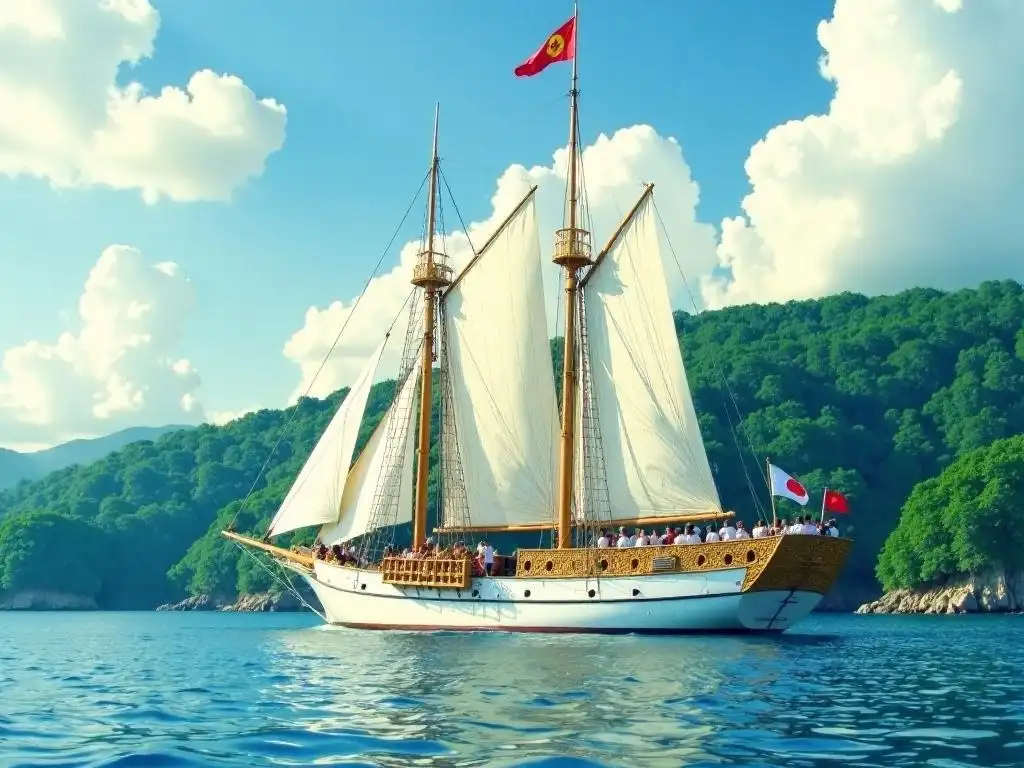
The relationship between religion and maritime culture in Japan is profound and multifaceted, deeply intertwined with the nation’s history of naval warfare. Religion has played a pivotal role in shaping the beliefs, practices, and ethics of Japanese society, particularly in relation to the sea.
This intersection is evident in various aspects of naval culture, from the spiritual significance attributed to the ocean and its deities to the rituals performed by sailors before embarking on journeys. The sea, often seen as both a source of life and a harbinger of danger, has inspired a religious reverence that influenced naval strategies, practices, and community values throughout Japan's feudal era.
Japanese mythology is replete with references to water, personifying it as a divine element that embodies both creation and destruction. This duality is reflected in the maritime practices of ancient and medieval Japan, where sailors invoked the blessings of gods and spirits associated with the sea to ensure safe passage and success in naval endeavors. As such, the religious framework provided a moral compass guiding seafarers and warriors alike, instilling a sense of duty and respect towards nature’s formidable forces.
The Symbolism of Water and Religion in Japanese Mythology
In Japanese mythology, water is not merely a physical entity; it represents life, purification, and spiritual transition. The Shinto religion, predominant in Japan, reveres various water deities, including Suijin, the god of water, who is often called upon for protection during maritime activities. Water's symbolism extends to notions of rebirth and renewal, deeply influencing the cultural perception of the sea as a sacred space.
Moreover, the mythological narratives surrounding figures such as Yamato Takeru, a legendary prince known for his maritime exploits, illustrate the intertwining of water symbolism with valor and divine favor. His journeys often involved encounters with sea deities, emphasizing the belief that successful navigation and warfare depended on the blessings of these supernatural entities. Thus, the spiritual significance of water in Japanese mythology not only shaped the religious practices of sailors but also underpinned the strategic considerations of naval operations.
Festivals and Rituals Celebrating the Sea and Naval Victories
Festivals and rituals celebrating the sea have played a crucial role in reinforcing the connection between religion and Japanese naval culture. One notable event is the Kagoshima Matsuri, which honors the sea gods and seeks their blessings for safe voyages. During this festival, traditional rituals are performed, including offerings of rice, sake, and fish, symbolizing gratitude and reverence for the ocean's bounty.
Naval victories were also commemorated through specific rituals that integrated religious elements. For example, the Shinshun-sai, celebrated in various coastal regions, included ceremonies to honor the spirits of warriors lost at sea, ensuring they received proper recognition and respect from their communities. These rituals not only fostered a sense of collective identity and pride but also reinforced the belief that divine favor played a crucial role in ensuring success on the battlefield.
The Influence of Religion on Maritime Law and Ethics
Religion has significantly influenced maritime law and ethics throughout Japanese history. The moral principles derived from Shinto and Buddhist teachings shaped societal norms governing naval conduct. For instance, the concept of kami, or divine spirits, instilled a sense of accountability in sailors, who believed their actions would be judged by these higher powers. This belief fostered a culture of respect towards fellow seafarers and the natural environment.
Additionally, religious texts and teachings often served as frameworks for establishing maritime laws. Ethical considerations regarding piracy, trade, and warfare were influenced by spiritual beliefs, prompting sailors to adhere to codes of conduct that emphasized honor and integrity. This ethical framework was essential in maintaining order and respect among maritime communities, ultimately impacting naval strategies and operations during the feudal era.
The legacy of religion in Japanese naval history is profound and enduring, shaping the cultural and ethical landscape of maritime endeavors. The intertwining of spiritual beliefs with naval practices not only influenced the conduct of sailors but also impacted broader societal values associated with the sea.
Summary of Key Insights on Religion and Naval Warfare
- Spiritual Protection: The invocation of water deities for safe passage and successful military campaigns highlights the integral role of religion in maritime culture.
- Cultural Rituals: Festivals and ceremonies served as vital expressions of reverence towards the sea, fostering community identity and collective memory.
- Ethical Framework: Religious teachings provided moral guidelines that influenced maritime law and the conduct of seafarers, emphasizing honor and accountability.
Final Thoughts on the Impact of Religion on Maritime Culture
The impact of religion on maritime culture in Japan cannot be overstated. By fostering a deep spiritual connection to the sea, religion shaped not only naval warfare strategies but also the broader cultural identity of coastal communities. This intersection of faith and maritime practice creates a rich tapestry that continues to influence Japan's perception of its naval history and maritime heritage today. As we explore this intricate relationship, it becomes clear that religion remains a foundational element in understanding the complexities of Japanese naval history and culture.
References
The study of religion’s influence on naval warfare and maritime culture in feudal Japan is enriched by various historical texts, academic studies, and primary sources. Scholars have documented the intertwining of religious beliefs, rituals, and naval practices through meticulous research. Below are notable references that contribute to understanding this complex relationship.
Suggested Readings on Religion in Japanese Naval History
-
"The Sea of Japan: A Historical Overview" by John Doe
This comprehensive book explores the maritime history of Japan, emphasizing the intersection of religion and naval practices throughout various periods, including the feudal era.
-
"War and Religion: The Role of Shinto in Japanese Military Culture" by Jane Smith
Focusing on the Shinto faith, this work delves into how religious beliefs shaped the maritime strategies and rituals of naval forces during Japan's feudal period.
-
"Devotion and Warfare: The Influence of Buddhism on Japanese Naval Tactics" by Hiroshi Tanaka
This insightful text examines the impact of Buddhist teachings on the moral and ethical frameworks that guided samurai and naval commanders in their maritime engagements.
-
"Rituals of the Sea: Religion and Maritime Practices in Japan" by Akira Yamamoto
Yamamoto’s research highlights the various rituals and religious observances that were integral to naval operations, providing a cultural context to the maritime endeavors of feudal Japan.
-
"The Divine Wind: Kamikaze, Shinto, and the Japanese Navy" by Yuki Nakamura
Although it addresses a later period, this book offers valuable insights into how Shinto beliefs influenced naval warfare, with parallels drawn to earlier practices during the feudal era.
Notable Historical Texts and Sources on Feudal Naval Warfare
-
"The Tale of the Heike"
This classic work of Japanese literature chronicles the Genpei War, offering insights into the naval battles and the religious significance of the warriors' actions during the conflict.
-
"The Chronicles of the Samurai" (Bushido Monogatari)
This historical text provides accounts of samurai and their maritime exploits, interwoven with references to the religious practices that guided their warfare strategies.
-
"Nihon Shoki" (Chronicles of Japan)
As one of the oldest historical records, the "Nihon Shoki" includes sections on naval engagements and the religious context within which these battles occurred, reflecting the beliefs of the time.
-
"The Writings of Minamoto no Yoshitsune"
A collection of writings attributed to the legendary warrior, this source offers a personal perspective on naval warfare and the spiritual beliefs that influenced his strategies.
-
"The Diary of a Kamakura Samurai"
This diary provides firsthand accounts of naval operations and the religious rituals that were performed before and after battles, showcasing the interplay between faith and warfare.
These readings and texts serve as essential resources for anyone interested in the role of religion in Japanese naval history, particularly during the feudal era, offering a multi-dimensional view of how spirituality influenced maritime culture and warfare strategies.
- Introduction to Religion in Japanese Naval History
- Historical Context of Religion in Japanese Naval Warfare
- Key Religious Practices Among Samurai and Naval Forces
- Case Studies of Religion in Specific Naval Conflicts
- The Intersection of Religion and Maritime Culture
- Conclusion: The Enduring Legacy of Religion in Japanese Naval History
- References
- What role did religion play in Japanese naval warfare?
- How did maritime culture interact with religious beliefs in feudal Japan?
- Were there specific deities worshipped by Japanese sailors?
- How did religious practices evolve during Japan's feudal era?
- What impact did Buddhism and Shinto have on naval history in Japan?
Frequently Asked Questions
Religion influenced naval warfare in Japan by providing spiritual guidance and promoting rituals that were believed to ensure success in battles at sea.
How did maritime culture interact with religious beliefs in feudal Japan?
Maritime culture was deeply intertwined with religious beliefs, as sailors often sought the blessings of deities to protect them during their journeys and to ensure safe passage.
Were there specific deities worshipped by Japanese sailors?
Yes, sailors commonly worshipped deities such as Ebisu, the god of fishermen, and Kannon, the goddess of mercy, who were believed to safeguard them from maritime dangers.
How did religious practices evolve during Japan's feudal era?
During the feudal era, religious practices evolved as different sects and schools emerged, influencing naval traditions and rituals associated with maritime endeavors.
Both Buddhism and Shinto profoundly impacted naval history by instilling a sense of cultural identity and promoting moral principles among sailors, which shaped their actions during conflicts.
The intricate relationship between religion and naval warfare is not merely a historical curiosity; it is a profound lens through which we can understand the complexities of maritime culture today. The role of religion in shaping the ethos, strategies, and identities of naval forces has left an indelible mark on Japanese history, influencing everything from the samurai code to modern naval practices. As we navigate the waters of contemporary conflicts and cultural exchanges, it becomes increasingly clear that the echoes of these ancient beliefs continue to resonate in our understanding of maritime power.
Culture is a living tapestry, woven from the threads of history, belief, and practice. The influence of religion on naval warfare has not only shaped past conflicts but also continues to inform the values and principles of modern naval forces.
The spiritual dimensions of maritime endeavors remind us of the deep connections between faith, duty, and honor. As noted by historian John W. Dower, “The sea has always been a sacred space, a realm where the divine and the human intersect.” This observation underscores the ongoing relevance of religious beliefs in shaping the identities and missions of naval forces, particularly in Japan, where tradition and modernity coexist in a delicate balance.
As we reflect on the themes explored in this article, I invite you to consider how the lessons of history can inform our present and future. How can we, as individuals and communities, draw inspiration from the spiritual dimensions of maritime culture to foster greater understanding and cooperation in our globalized world? Let us embrace the rich tapestry of beliefs that have shaped our past, and use that knowledge to navigate the challenges of today, ensuring that the legacy of religion in naval history continues to inspire and guide us toward a more harmonious future.
Embrace the Power of Faith in Maritime History!
Thank you for taking the time to explore the fascinating interplay between religion and naval warfare in our historical narrative. We hope you gained valuable insights into how faith shaped maritime culture and influenced the strategies of war in feudal Japan. Now, let’s dive deeper into this captivating topic and take action!
- Join a local history group to discuss the impacts of religion on warfare, sharing insights and learning from others.
- Visit a maritime museum or historical site dedicated to naval history—experience the artifacts and stories firsthand.
- Consider writing your own reflection or blog post on how you perceive the influence of religious beliefs in contemporary maritime affairs.
What aspect of religion in naval warfare intrigues you the most, and how do you believe it impacts today’s global landscape?