Western Diplomats in Japan: Bridging Two Cultures Through Dialogue
🌏 Western diplomats in feudal Japan played a crucial role in fostering dialogue between diverse cultures, navigating complex societal dynamics while influencing…
Read article
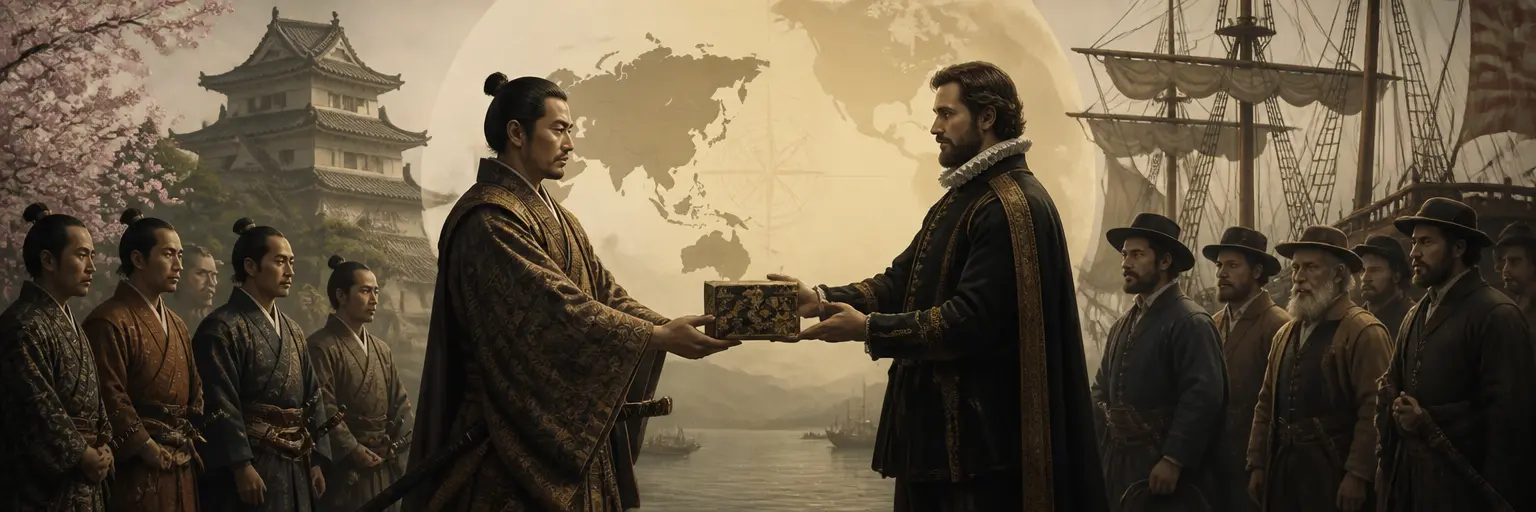
Explore Japan-West Interactions through the pivotal encounters, exchanges, and conflicts that shaped Feudal Japan’s foreign relations. Discover how trade, diplomacy, Christianity, military technology, and cultural exchange connected Japan with European powers and the wider Western world. ⚓📜 Gain expert historical insights into Japan’s opening contacts, evolving policies, and lasting global impact.
🌏 Western diplomats in feudal Japan played a crucial role in fostering dialogue between diverse cultures, navigating complex societal dynamics while influencing…
Read article
In "Artistic Crossroads: The Fusion of Japanese and Western Design," explore the captivating evolution of Japanese Western design fusion, where centuries-old traditions…
Read article
The Meiji Restoration marked a pivotal shift in Japan, as Western influence transformed its political and social landscape. This era not only…
Read article
🌏 Western explorers' impact on Japan reshaped its worldview during the feudal era, introducing new ideas, technologies, and cultures. This exchange fostered…
Read article
The legacy of Japan-West cultural interactions profoundly shaped modern Japanese culture, blending traditional values with Western influences. This article explores how these…
Read article
🌏 Japan's feudal era shaped its unique global interactions, revealing a complex tapestry of cultural exchanges and diplomatic engagements. This exploration delves…
Read article
🌏 Japanese envoys played a pivotal role in shaping foreign relations history with the West during Japan's feudal era, facilitating diplomacy and…
Read article
🌏 Commodore Perry’s expedition in 1853 marked a pivotal moment in Japan’s history, igniting profound transformations in its feudal society. This article…
Read article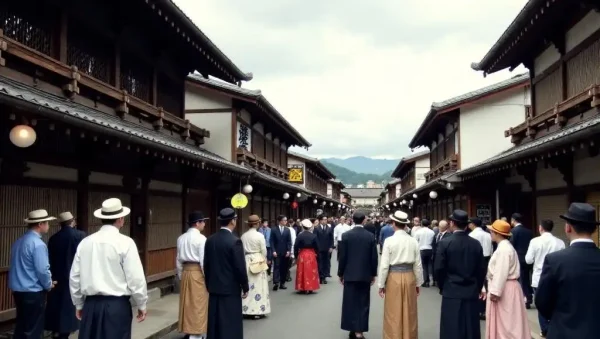
🌸 Uncover the fascinating tales of Japanese artisans and Westerners during Japan’s feudal era, revealing how cultural exchanges shaped artistry, craftsmanship, and…
Read article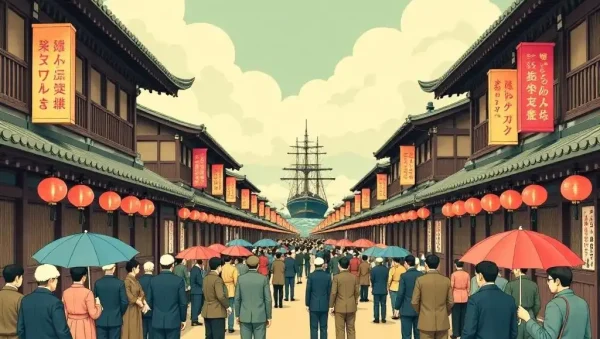
🌏 The Opium Wars marked a pivotal moment in Japan's response to Western imperialism, prompting profound reflections on national identity, cultural integrity,…
Read article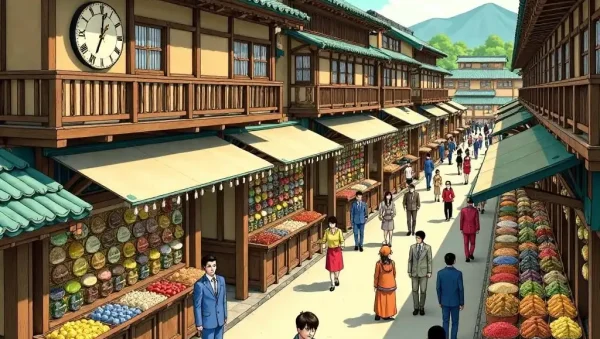
During the Japan feudal era, trade imports from the West transformed the nation's economy and culture. Key goods such as textiles, firearms,…
Read article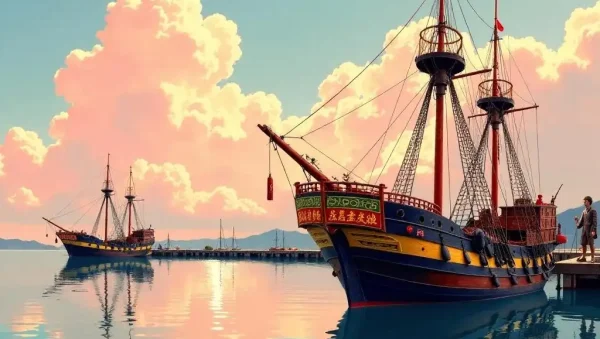
Discover the fascinating interplay between samurai and sailors in Japan's feudal era maritime history. This article unveils untold stories that shaped cultural…
Read articleExplore the complex history of Japan-West interactions during Japan’s feudal era, from the arrival of European traders and Christian missionaries to the diplomatic, military, cultural, and economic exchanges that reshaped Japanese history. This subcategory examines Japan’s foreign relations with Portugal, Spain, the Netherlands, England, and other Western powers through detailed, expert-driven articles designed for readers interested in feudal Japan, European contact, maritime trade, Christianity, the Nanban trade, and Japan’s changing international position.
Learn how Portuguese merchants reached Japan in the sixteenth century and introduced a new era of international contact. Articles explore the first encounters between Japanese daimyō, samurai, merchants, sailors, and European visitors, including the importance of maritime routes across the Indian Ocean and East Asia.
Readers can expect clear explanations of how the arrival of Europeans influenced trade, diplomacy, weaponry, religion, and coastal society. Discover why the Portuguese arrival marked a major turning point in Japan’s foreign relations and how Japanese authorities responded to these unfamiliar powers.
Investigate the Nanban trade, the commercial network linking Japan with Portuguese and Spanish merchants during the Sengoku and early Tokugawa periods. This section covers the exchange of silver, silk, firearms, textiles, spices, ceramics, and other valuable goods between Japan and overseas markets.
Explore how foreign commerce affected powerful domains, port cities, Buddhist institutions, and emerging political leaders. Articles explain the role of Kyushu ports, merchant communities, maritime trade routes, and Japanese silver in the development of an increasingly connected early modern world.
Discover the history of Christian missionaries in Japan, particularly the Jesuit mission associated with figures such as Francis Xavier and other Catholic priests. This section examines missionary strategies, conversions among daimyō and local communities, Christian education, church construction, and the growth of Kirishitan communities.
Readers will also learn about the religious and political challenges created by Christianity. Detailed articles explore how Japanese rulers interpreted missionary activity, why some leaders supported Christian contact, and how persecution, restrictions, and the suppression of Christianity transformed Japan’s religious landscape.
Examine the introduction of matchlock firearms, commonly associated with the arrival of the Portuguese at Tanegashima in 1543. Articles explain how Japanese craftsmen adapted foreign weapons and how firearms became integrated into samurai warfare, castle defense, infantry tactics, and the campaigns of the Sengoku period.
This section goes beyond the basic story of technological transfer by considering Japanese innovation and adaptation. Discover how domestic production, military organization, and strategic experimentation enabled Japan to develop one of the most significant firearm cultures in early modern Asia.
Explore how major Japanese rulers managed relations with Western powers during periods of political unification. Articles examine the policies of Oda Nobunaga, Toyotomi Hideyoshi, and Tokugawa Ieyasu, including their attitudes toward foreign merchants, Christian missionaries, overseas diplomacy, and coastal security.
Readers can expect nuanced discussions of political strategy, religious policy, trade regulation, and central authority. Learn how foreign relations were shaped by Japan’s internal conflicts and how the growing power of the shogunate influenced the country’s approach to Western contact.
Understand the development of Tokugawa maritime restrictions and the policy often described as sakoku, or national seclusion. This section explains the measures used to control foreign travel, Christian activity, overseas trade, and contact with European powers, while also examining the limits of the idea that Japan was completely isolated.
Discover how Dutch merchants at Dejima, Chinese traders, Korean diplomatic missions, and continued international exchanges kept Japan connected to the wider world. Articles offer a balanced view of Tokugawa foreign policy, showing that controlled engagement replaced unrestricted European access rather than ending all global interaction.
Explore Rangaku, or Dutch learning, and the transmission of European knowledge into Japan through Dutch merchants and interpreters. Topics include medicine, astronomy, geography, cartography, science, military studies, and the translation of Western books during the Edo period.
Readers will see how carefully regulated contact supported intellectual exchange even under strict foreign policies. This section highlights the work of Japanese scholars, interpreters, physicians, and translators who connected Tokugawa Japan with European scientific and cultural developments.
Discover how Japan-West interactions influenced art, architecture, clothing, food, language, decorative objects, and everyday life. Articles examine Nanban art, European imagery in Japanese screens and paintings, imported goods, Christian symbols, and the adaptation of foreign styles by Japanese artists and craftsmen.
This section also considers how cultural exchange worked in both directions. Learn how Europeans described Japan, collected Japanese objects, and incorporated Japanese goods into global markets, while Japanese communities selectively adopted, reshaped, or rejected foreign customs and ideas.
Place Japan’s foreign relations within the broader history of early modern globalization. This section connects Japanese interactions with European expansion, Asian maritime networks, colonial competition, religious missions, and the movement of people, technology, commodities, and information across continents.
By studying Japan alongside Portugal, Spain, the Netherlands, and other international powers, readers gain a deeper understanding of Japan as an active participant in global history. The articles emphasize Japanese agency, selective adaptation, diplomacy, and economic power rather than presenting Japan as a passive recipient of foreign influence.
Portuguese traders are generally recognized as the first Western Europeans to reach Japan, arriving in 1543 at Tanegashima. Their arrival opened new channels of trade, technology transfer, diplomacy, and Christian missionary activity during the Sengoku period.
The Nanban trade was the commercial exchange between Japan and mainly Portuguese and Spanish merchants from the sixteenth into the early seventeenth century. Japan exported silver and other goods while importing silk, firearms, textiles, spices, and overseas products.
Christianity attracted converts among some Japanese daimyō, merchants, and local communities. Missionaries established churches and schools, but Christianity also created political and religious concerns, eventually contributing to restrictions, persecution, and the suppression of the faith under the Tokugawa shogunate.
No. Although the shogunate imposed strict controls on foreign travel, trade, and religious activity, Japan continued regulated relations with Dutch and Chinese merchants, Korea, the Ryukyu Kingdom, and the Ainu world. The term sakoku should therefore be understood as controlled engagement rather than total isolation.
Dutch learning, or Rangaku, allowed Japanese scholars to access European knowledge in fields such as medicine, astronomy, geography, and science. Through translation and study, Japanese intellectuals maintained important connections with Western ideas despite Tokugawa restrictions on foreign contact.