The Unexpected Arrival: How Commodore Perry Changed Japan's Path Forever
🌅 Commodore Perry's impact on Japan was transformative, shattering centuries of isolation and paving the way for modernization. His arrival in 1853…
Read article
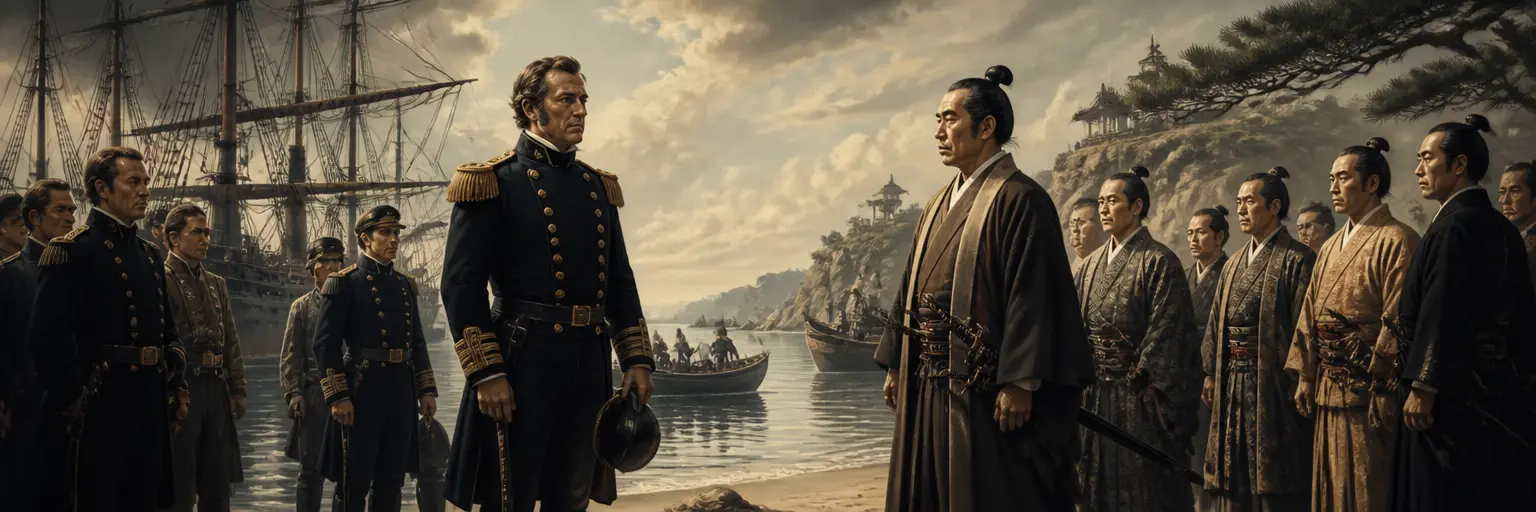
Explore the Arrival of Commodore Perry, a pivotal moment in Japan’s foreign relations that challenged centuries of isolation and reshaped the nation’s future. Discover how the American naval expedition, the arrival of the Black Ships, and mounting diplomatic pressure led to the opening of Japanese ports, transforming trade, politics, and society during the late Edo period. ⚓🇯🇵 Gain expert insight into this turning point in Feudal Japan history and its lasting impact on Japan’s path toward modernization.
🌅 Commodore Perry's impact on Japan was transformative, shattering centuries of isolation and paving the way for modernization. His arrival in 1853…
Read article
🌏 Commodore Perry's arrival in Japan marked a pivotal moment in naval history, catalyzing modernization efforts that transformed Japan's maritime capabilities. This…
Read article
In 1853, Commodore Perry's arrival in Japan marked a pivotal moment, igniting the nation's journey toward industrialization. This encounter challenged Japan's isolationist…
Read article
🌏 Commodore Perry's pivotal role in Japan's opening history marked a transformative moment, bridging feudal isolation and modern globalization. This article delves…
Read article
📜 The impact of technology on Japan's feudal era was pivotal during Perry's arrival, fundamentally transforming trade, military practices, and cultural exchanges.…
Read article
🌟 In "The Art of Negotiation," discover how Commodore Perry's strategic Japan diplomacy revolutionized international relations, compelling the secluded nation to engage…
Read article
🌊 Commodore Perry's arrival marked a pivotal moment in Japan's history, signaling the end of Sakoku. This transformative event reshaped Japan’s feudal…
Read article
🌸 The arrival of Commodore Perry in 1853 marked a pivotal moment in Japanese history, triggering profound changes in society. This article…
Read article
The Perry's Treaty impact on Japan marked a pivotal shift in the nation’s diplomatic landscape, transitioning from isolation to engagement with the…
Read article
Japan's Westernization after Perry marked a pivotal shift, igniting a transformative era that reshaped its feudal society. This article delves into the…
Read article
🌏 Commodore Perry's arrival in Japan marked a pivotal moment, igniting a surge in Japanese nationalism. This encounter with Western powers challenged…
Read article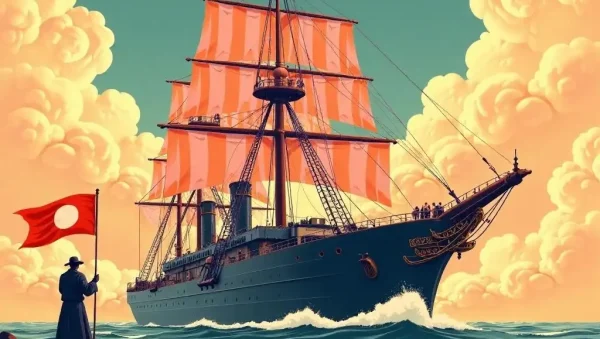
🌏 Commodore Perry's 1853 arrival in Japan marked a pivotal moment in American expansionism, forever altering Japan's historical trajectory. His influence catalyzed…
Read articleThe Arrival of Commodore Perry was a defining moment in Japanese history and a major turning point in the country’s foreign relations. In 1853, United States Navy Commodore Matthew C. Perry entered Edo Bay with a fleet of steam-powered warships, demanding that Japan open its ports to American trade and diplomatic contact. This subcategory explores the Black Ships, the Tokugawa shogunate, the Treaty of Kanagawa, Japanese isolation, and the political crisis that led to the end of the Edo period. Readers will find detailed, historically grounded articles explaining how Perry’s expedition transformed Japan’s relationship with the Western world and helped set the stage for the Meiji Restoration.
Learn about Commodore Matthew Perry’s naval expedition and the arrival of the American Black Ships at Uraga in 1853. This section examines the technology, military appearance, diplomatic purpose, and psychological impact of the steam-powered vessels on Japanese officials and local communities. Articles explain why the ships represented a dramatic challenge to Japan’s long-standing policy of national seclusion, known as sakoku.
Readers can expect clear accounts of Perry’s background, the United States’ growing interest in Pacific trade, and the strategic importance of Japan’s ports. By exploring primary sources, historical context, and Japanese reactions, this content reveals why the Black Ships became one of the most recognizable symbols of Japan’s forced opening to the West.
This section focuses on how the Tokugawa bakufu responded to Perry’s demands and why the arrival of the American fleet created such a serious political crisis. Readers will discover how the shogunate consulted regional daimyo, scholars, samurai, and imperial authorities while attempting to balance national security with the traditional policy of restricted foreign contact.
Articles examine the weaknesses exposed by Perry’s visit, including Japan’s limited coastal defenses, internal political disagreements, and uncertainty over how to respond to technologically superior Western powers. The subcategory explains how the crisis damaged the authority of the shogunate and intensified debates about foreign policy, military reform, imperial power, and national sovereignty.
Explore the negotiations that followed Perry’s return to Japan in 1854 and the signing of the Treaty of Kanagawa. This agreement opened the ports of Shimoda and Hakodate to American ships, established provisions for shipwrecked sailors, and created an official diplomatic relationship between the United States and Japan.
Readers will learn how the treaty differed from later commercial agreements and why it is often regarded as the first major step toward ending Japan’s seclusion. Detailed explanations place the treaty within the broader history of unequal treaties, Western imperial expansion, international diplomacy, and the growing pressure placed on the Tokugawa government.
The arrival of Commodore Perry cannot be understood in isolation from the wider expansion of Western powers across Asia. This section explores the international environment of the nineteenth century, including European colonialism, American Pacific ambitions, the Opium Wars, and the increasing demand for access to Asian markets.
Content in this section helps readers compare Japan’s experience with the treatment of China, Korea, and other Asian societies. By examining gunboat diplomacy, maritime trade, and imperial competition, these articles explain why Japanese leaders viewed foreign warships with urgency and why the Perry expedition became a catalyst for rapid political and military change.
Discover how the events of 1853 and 1854 contributed to the collapse of the Tokugawa political order. Perry’s arrival intensified disputes between supporters of the shogunate and those who demanded a stronger imperial government, often expressed through the slogan sonno joi, or “revere the emperor, expel the barbarians.”
Readers can follow the connections between the opening of Japan, the rise of political activism, the strengthening of domains such as Satsuma and Choshu, and the eventual Meiji Restoration of 1868. This historical perspective shows how a diplomatic encounter developed into a national transformation involving modernization, military reform, industrialization, and a new approach to international relations.
Commodore Matthew C. Perry was a senior officer in the United States Navy who led the American expedition to Japan in the early 1850s. His mission was to establish diplomatic relations, secure access to Japanese ports, protect American sailors, and support commercial interests in the Pacific.
Perry first arrived in Japan on July 8, 1853, with four American warships near Uraga at the entrance to Edo Bay. He returned in 1854 with a larger fleet to negotiate the agreement that became the Treaty of Kanagawa.
The ships were called Black Ships, or kurofune, because their dark-painted hulls and coal-fired steam engines made them appear unusual and threatening to many Japanese observers. Their smoke, size, weapons, and ability to maneuver under steam demonstrated the technological advantage of the United States.
The Treaty of Kanagawa was signed in 1854 between the United States and the Tokugawa shogunate. It opened Shimoda and Hakodate to American vessels, established assistance for shipwrecked sailors, and marked the beginning of formal diplomatic relations between the two countries.
Perry’s arrival weakened the authority of the Tokugawa shogunate, encouraged debates about military modernization and foreign policy, and contributed to political instability. Although it did not alone cause the Meiji Restoration, it accelerated the process that ended the Edo period and led Japan toward modernization and a more active role in global affairs.