From Silk to Sake: The Diverse Crafts of Japan's Feudal Merchants
🌸 Discover the intricate world of Japan's feudal era crafts, where merchants skillfully transformed silk, ceramics, and sake into cultural treasures. This…
Read article

Explore the world of artisans and merchants in feudal Japan 🏯—the skilled craftspeople, traders, and entrepreneurs whose work shaped everyday life, culture, and local economies. Discover traditional craftsmanship, bustling marketplaces, merchant networks, social status, and the products that connected villages, castles, and cities. ✨ Gain insight into the often-overlooked contributors who helped drive Japan’s economic and cultural development throughout its feudal era.
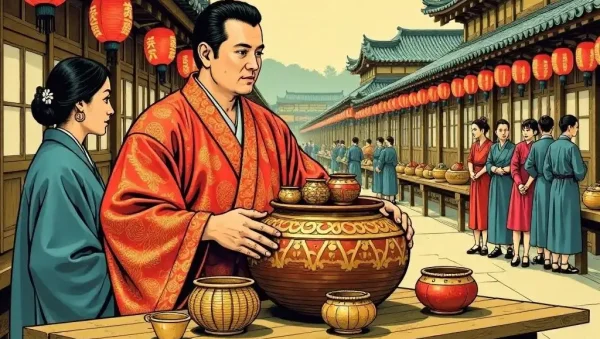
🌸 Discover the intricate world of Japan's feudal era crafts, where merchants skillfully transformed silk, ceramics, and sake into cultural treasures. This…
Read article
✨ The rich tapestry of Japanese artisan techniques history reveals how skills and traditions have been meticulously passed down through generations, reflecting…
Read article
🌸 The intricate relationship between Zen Buddhism and artisanship in feudal Japan reveals how spiritual principles shaped craftsmanship, leading to a unique…
Read article
🌸 Discover the untold tales of female artisans in feudal Japan, whose craftsmanship and resilience shaped cultural heritage. This article unveils their…
Read article
🌟 Artisans in Feudal Japan played a pivotal role in shaping the cultural landscape, crafting exquisite tools, textiles, and art that reflected…
Read article
🌸 The lifestyle of feudal Japan's merchants was intricately woven into the cultural fabric of the era, balancing commerce with social status.…
Read article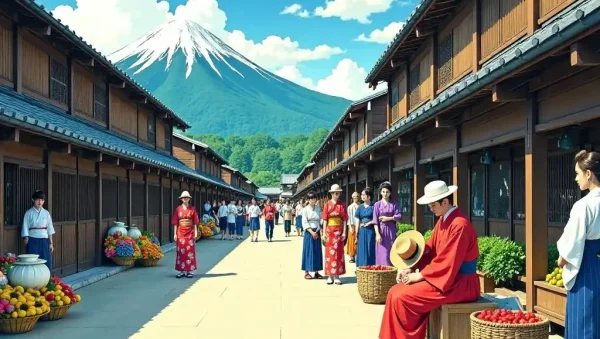
In feudal Japan, the distinction between artisan and merchant roles became increasingly blurred, reflecting a complex interplay of social status and economic…
Read article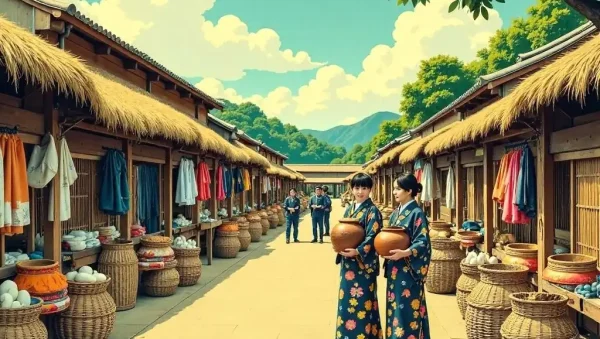
🌸 The economic role of artisans in feudal Japan was pivotal, as their craftsmanship not only fueled local economies but also enhanced…
Read article
🌸 Discover how craftsmanship in feudal Japan evolved through the collaborative efforts of guilds, fostering innovation and preserving traditions. This article delves…
Read article
🌏 Discover how Feudal Japan trade routes shaped the nation’s history, linking artisans to global markets. This exploration reveals the intricate networks…
Read article
🌸 Discover the exquisite craftsmanship of Feudal Japan art masterpieces, where tradition and creativity converge. This article delves into the historical and…
Read article
Discover the captivating Ukiyoe woodblock printing history, an art form that flourished during Japan's feudal era, reflecting the cultural and societal nuances…
Read articleExplore the essential role of artisans and merchants in feudal Japan through detailed articles on the social history, economic life, and cultural development of Japan’s samurai era. This subcategory examines the craftspeople, traders, shopkeepers, and entrepreneurs who helped shape communities during the Kamakura, Muromachi, Azuchi–Momoyama, and Edo periods. Discover how craft production, urban commerce, regional trade, and merchant networks influenced Japanese society, even within a rigid status system that often placed merchants below farmers, artisans, and warriors.
Learn about the skilled artisans who produced the objects that supported daily life and expressed the artistic identity of feudal Japan. Articles may explore swordsmiths, armor makers, potters, lacquerware specialists, woodworkers, textile producers, dyers, metalworkers, carpenters, and printmakers. These craftspeople relied on specialized techniques passed through families, workshops, guilds, and apprenticeships.
Readers can expect insights into how Japanese craftsmanship developed under the influence of samurai culture, Buddhist institutions, Shinto traditions, castle towns, and regional resources. Discover why handmade goods were valued not only for their usefulness, but also for their durability, symbolism, beauty, and connection to local identity.
Examine the activities of merchants who connected villages, castle towns, ports, temples, and major cities across Japan. This section explores rice trade, textile commerce, wholesale markets, money lending, shipping, regional products, and long-distance trade. Merchants transported essential goods and helped create economic networks that linked agricultural production with urban demand.
Articles also explain how commercial activity operated under feudal lords, taxation systems, market regulations, tolls, monopolies, and domain policies. Although merchants were officially ranked near the bottom of the Tokugawa social hierarchy, many accumulated considerable wealth and became influential patrons of culture, education, publishing, theater, and religious institutions.
Discover how the growth of castle towns and urban centers transformed the lives of artisans and merchants. Cities such as Edo, Osaka, Kyoto, Kanazawa, and Nagoya became important centers of manufacturing, consumption, administration, and entertainment. Their streets contained workshops, storefronts, warehouses, inns, markets, and specialized commercial districts.
This section reveals how urban development created new opportunities for skilled labor and private enterprise. Readers can learn about merchant houses, artisan neighborhoods, shop signs, apprentices, business partnerships, credit systems, and the daily rhythms of commercial life in early modern Japan.
Feudal Japanese artisans contributed directly to the development of influential cultural traditions, including tea ceremony, ceramics, gardens, calligraphy, kimono production, lacquerware, woodblock printing, and decorative arts. Their expertise made it possible for elite practices to become refined, recognizable, and regionally distinctive.
Explore how concepts such as wabi-sabi, craftsmanship, discipline, simplicity, and attention to materials shaped Japanese artistic culture. Articles connect everyday objects with broader themes in samurai history, religious practice, social identity, and the cultural history of Japan.
Understand how artisans and merchants experienced Japan’s formal status structure, particularly during the Tokugawa period. Government authorities regulated occupations, residence, clothing, travel, associations, and commercial activity, while village and town officials supervised taxes, public order, and local responsibilities.
Despite these restrictions, artisans and merchants developed strong communities, family enterprises, professional associations, and cultural networks. This section examines social mobility, household economy, gender roles, apprenticeships, education, wealth, and class identity to provide a balanced view of life beyond the warrior elite.
Learn how merchants participated in coastal shipping, inland transportation, and regional exchange throughout the Japanese archipelago. Important commodities included rice, salt, sake, silk, cotton, timber, fish, ceramics, paper, metals, and luxury goods. Commercial routes connected rural producers with urban consumers and helped strengthen Japan’s developing market economy.
Readers can also explore Japan’s limited but significant foreign trade with Korea, China, the Ryukyu Kingdom, and European traders. These exchanges introduced new goods, technologies, ideas, and cultural influences while revealing Japan’s place within the wider history of East Asian commerce.
Artisans were skilled producers who made tools, weapons, clothing, ceramics, furniture, buildings, religious objects, and luxury goods. Their work included swordsmithing, carpentry, weaving, pottery, lacquerware, metalworking, dyeing, and printing. Many learned their professions through family workshops and long apprenticeships.
Merchants bought, sold, transported, stored, and financed goods across Japan. They connected farmers and artisans with consumers in villages, castle towns, ports, and cities. Some merchants also became lenders, wholesalers, publishers, and patrons of Japanese art and culture.
Some merchants became extremely wealthy despite their low official status in the Tokugawa social hierarchy. Successful merchant families controlled major businesses, lending networks, warehouses, shipping operations, and wholesale markets. Their economic influence often exceeded their formal political rank.
Artisans and merchants commonly worked through family businesses, workshops, guild-like associations, neighborhood communities, and professional networks. Apprenticeships were important for transmitting technical knowledge, while town officials and domain authorities regulated commerce, production, taxes, and public behavior.
Artisans and merchants reveal how ordinary people shaped Japan’s economy, cities, material culture, and social development. Studying them provides a fuller understanding of feudal Japan beyond samurai and daimyo, showing how trade, craftsmanship, labor, and consumption influenced Japanese history and culture.