The Crafts of Samurai: Daily Life Skills Beyond the Battlefield
The samurai daily life skills extended far beyond the battlefield, encompassing arts like calligraphy, tea ceremony, and martial training. These practices shaped…
Read article
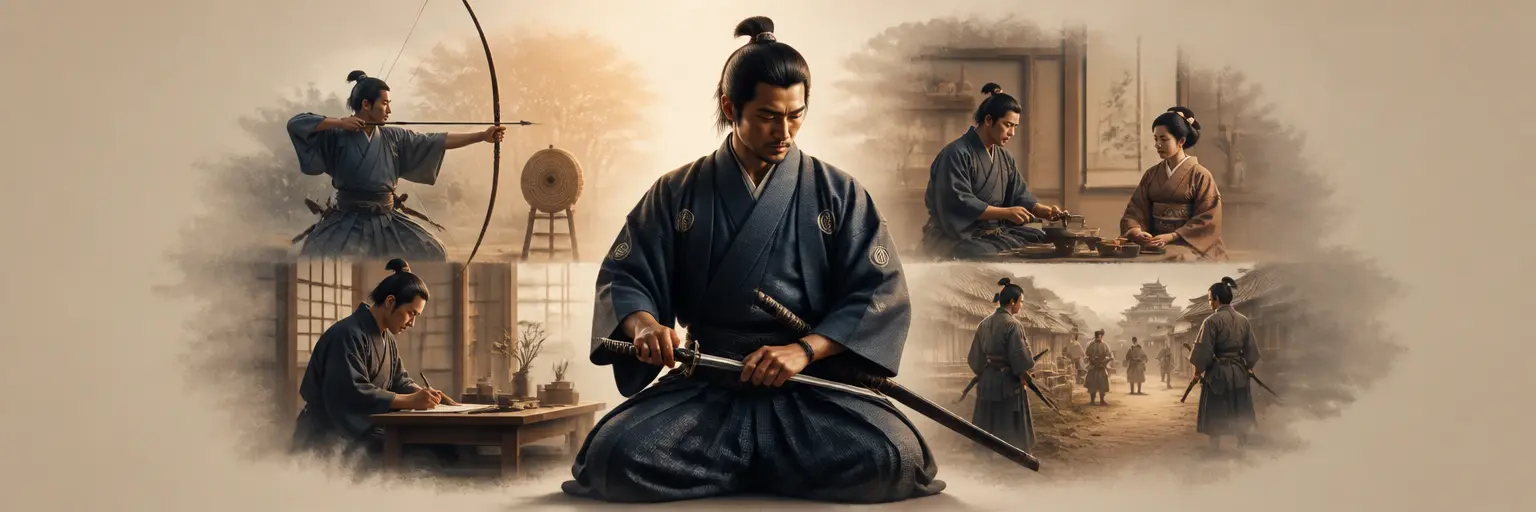
Explore the daily life of samurai in feudal Japan, from disciplined routines and martial training to family duties, education, clothing, food, and social customs. 🏯 Discover how samurai culture shaped Japan’s social history and influenced the values, traditions, and institutions of the warrior class. ⚔️ Dive into expert-driven insights that reveal what life was truly like beyond the battlefield.
The samurai daily life skills extended far beyond the battlefield, encompassing arts like calligraphy, tea ceremony, and martial training. These practices shaped…
Read article
In "The Emotional Life of a Samurai," we delve into the emotional struggles of samurai, revealing their daily conflicts between duty and…
Read article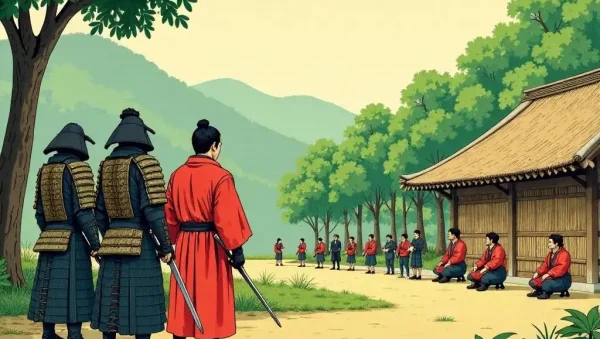
Discover the multifaceted roles of samurai in the community beyond their legendary combat skills. This exploration highlights how samurai community roles in…
Read article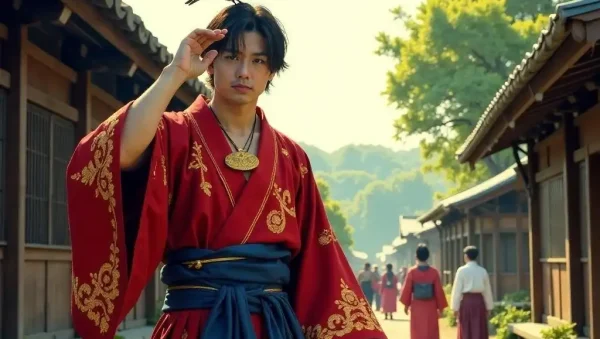
The intricate world of samurai clothing and daily life reveals how fashion reflected status and function in feudal Japan. Explore the significance…
Read article
The spiritual practices of Samurai, including meditation and daily reflection, were integral to their discipline and mindset. These rituals not only shaped…
Read article
🌸 The legacy of samurai daily life profoundly shapes modern Japanese culture, influencing everything from martial arts to aesthetics. This exploration delves…
Read article
🌸 Discover the profound Samurai travel experiences in Japan, where history intertwines with culture. Explore the journey from home to battle, uncovering…
Read article
The Confucianism impact on Samurai life profoundly shaped their values, emphasizing loyalty, honor, and discipline. This philosophical influence permeated daily routines, guiding…
Read article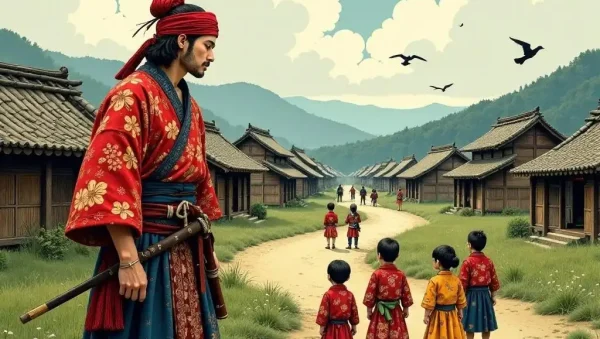
🌸 The tumult of conflict significantly shaped samurai daily life during war, compelling these warriors to adapt their routines, values, and social…
Read article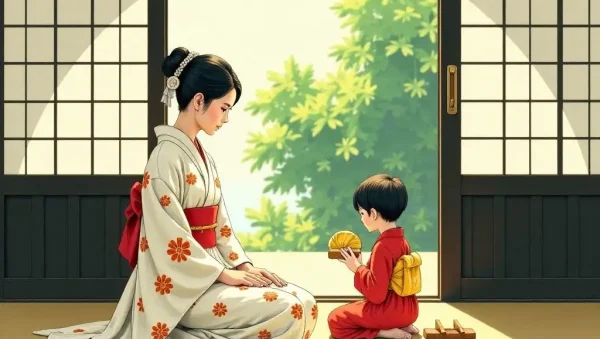
In feudal Japan, women in samurai households played pivotal roles, balancing domestic duties with managing family affairs. Their responsibilities extended beyond the…
Read article
The study explores the stark samurai daily life differences between rural and urban settings, highlighting how geography influenced their duties, social interactions,…
Read article
🌸 Beyond the Sword delves into the everyday life of samurai, revealing their intricate routines, cultural practices, and societal roles that shaped…
Read articleExplore the daily life of samurai and discover how warriors in feudal Japan lived, worked, trained, worshipped, and served their lords. This subcategory examines samurai society beyond the battlefield, offering detailed insights into samurai culture, household life, education, social status, clothing, food, religion, discipline, and personal relationships. Through expert-driven historical articles, Feudal Japan History reveals the routines and responsibilities that shaped the lives of Japan’s warrior class from the Kamakura and Muromachi periods through the Sengoku era and the Tokugawa shogunate.
Learn how samurai lived within castles, fortified residences, domain towns, and rural estates. Articles explore the organization of a samurai household, including the roles of wives, children, servants, retainers, and administrators. Readers can expect a closer look at samurai family life, inheritance, marriage customs, gender roles, and the importance of maintaining family honor.
Discover how social rank influenced architecture, privacy, domestic duties, and everyday comfort. From tatami rooms and gardens to household shrines and storage areas, this section explains how the samurai home reflected Japanese social hierarchy, Confucian values, and feudal obligations.
Samurai life involved far more than carrying a sword. Explore the physical and mental training expected of warriors, including swordsmanship, archery, horsemanship, strategy, etiquette, and battlefield preparation. Articles explain how training differed according to age, rank, period, and regional tradition.
Readers will also learn about the duties samurai performed during peacetime. These responsibilities could include guarding castles, managing estates, enforcing laws, serving as officials, inspecting roads, and advising a daimyo. This provides a balanced view of the samurai as both warrior and administrator.
Examine what samurai ate and wore in everyday life. This section covers staple foods such as rice, fish, vegetables, miso, tea, and preserved foods, while also explaining how diet varied by wealth, location, season, and military circumstance. Readers can discover the difference between ordinary samurai meals, formal banquets, and campaign provisions.
Explore traditional samurai clothing, including kimono, hakama, kamishimo, armor, footwear, and accessories. Articles also discuss swords, household objects, writing implements, religious items, and other possessions that communicated status, identity, rank, and loyalty in feudal Japan.
Education was a central part of samurai development. Learn how children from warrior families studied reading, writing, classical literature, history, Confucian thought, mathematics, etiquette, and military arts. This section explains the role of private tutors, domain schools, temple education, and later institutions in shaping samurai education and literacy.
Discover how concepts associated with bushido, loyalty, courage, self-control, duty, honor, and filial piety influenced behavior. Articles also place bushido in historical context, distinguishing early warrior customs from later interpretations created during the Edo period and modern Japan.
Explore the religious world of the samurai, where Shinto, Buddhism, Confucianism, and local traditions often existed together. Readers can learn about temple visits, shrine rituals, ancestor worship, funeral practices, protective deities, Buddhist meditation, and the spiritual meaning of war and death.
This section also examines how religion influenced daily decisions, political legitimacy, family identity, and samurai morality. By studying samurai spirituality and religious practice, readers gain a deeper understanding of how warriors interpreted duty, impermanence, sacrifice, and the afterlife.
Samurai participated in a broad range of cultural and social activities outside official duties. Discover their involvement in tea ceremony, poetry, calligraphy, Noh theater, painting, flower arrangement, hunting, archery contests, travel, and seasonal celebrations. These activities reveal the sophisticated side of samurai culture and leisure in feudal Japan.
Articles also explore relationships between samurai, daimyo, merchants, farmers, artisans, monks, and townspeople. Readers can expect insights into hospitality, gift exchange, patronage, political networking, and the complex social interactions that connected Japan’s feudal communities.
The Tokugawa peace transformed the daily life of many samurai. With fewer wars, warriors increasingly served as bureaucrats, teachers, magistrates, and administrators. This section examines samurai life during the Edo period, including castle-town residence, alternate attendance, stipends, debt, bureaucracy, and the economic pressures faced by lower-ranking samurai.
Learn how peace reshaped warrior identity and created tensions between inherited status and practical financial realities. Articles explain how samurai adapted to urban life, changing cultural trends, merchant influence, and the gradual transformation of Japan before the Meiji Restoration.
Samurai routines depended on rank and historical period. Daily activities could include military training, administrative work, estate management, official audiences, policing, education, religious observance, and family responsibilities. During the Edo period, many samurai spent more time as bureaucrats and local officials than as active soldiers.
No. Only the highest-ranking samurai generally lived in castle compounds or major castle residences. Many lower-ranking warriors lived in castle towns, fortified villages, domain residences, or rural estates. Housing quality depended on rank, income, occupation, and regional conditions.
Rice was a central part of the samurai diet, often accompanied by fish, vegetables, tofu, miso soup, pickles, tea, and seasonal ingredients. Wealthier warriors could enjoy more varied meals and formal dining, while lower-ranking samurai often ate simple foods shaped by their income and location.
Education was highly valued in samurai families. Boys were commonly taught literacy, etiquette, history, Confucian ethics, military strategy, and martial arts. By the Edo period, many samurai were proficient readers and writers, and some became scholars, teachers, physicians, or government officials.
Samurai were expected to uphold ideals such as loyalty, duty, courage, discipline, and honor, but historical behavior was complex. The concept of bushido changed over time and was interpreted differently across regions and periods. Studying everyday samurai life reveals both the influence and the limitations of these ideals.