The Legacy of Feudal Education: How it Shaped Modern Japanese Society
📚 The legacy of feudal education in Japan profoundly influenced modern society, shaping cultural values and social structures. This article delves into…
Read article
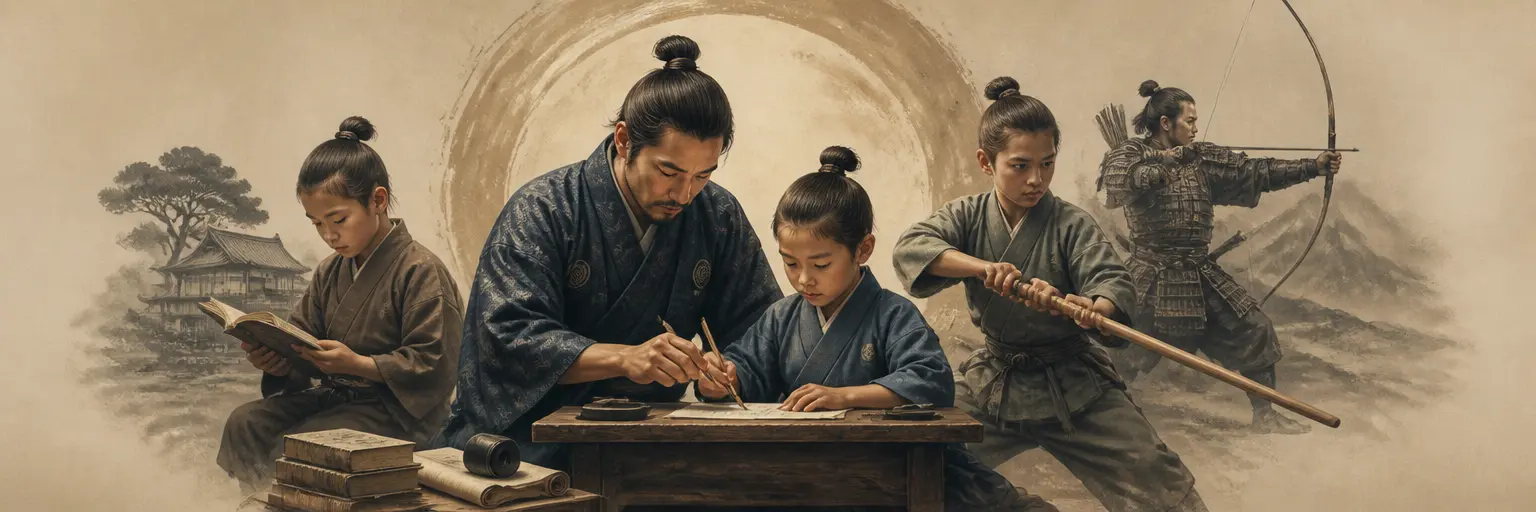
Explore education and training in feudal Japan 🎓—from samurai instruction and temple schooling to Confucian learning, martial arts, and practical apprenticeships. Discover how knowledge, discipline, and social class shaped education across Japan’s warrior society, revealing the traditions that influenced samurai culture, religious life, and everyday skills. Uncover the schools, teachers, texts, and training practices that defined learning during Japan’s feudal era.
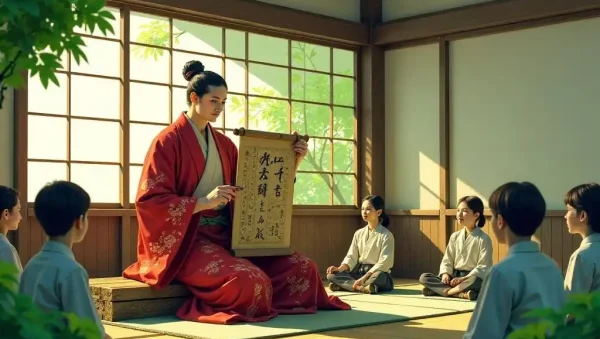
📚 The legacy of feudal education in Japan profoundly influenced modern society, shaping cultural values and social structures. This article delves into…
Read article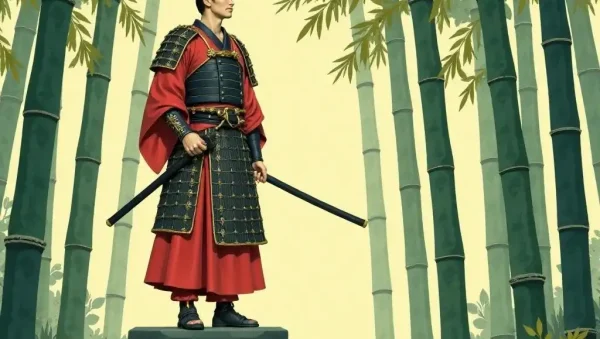
🌟 Discover the intricate world of military education in feudal Japan, where samurai warriors honed their skills in strategy, discipline, and combat.…
Read article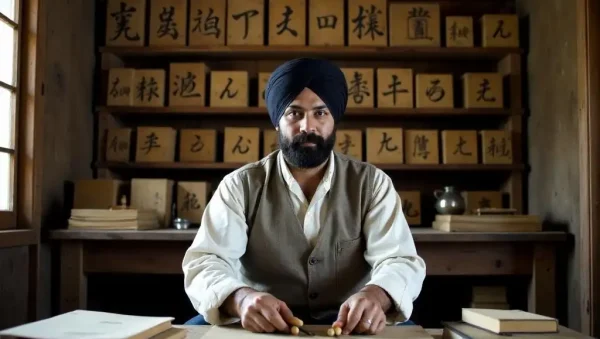
🌸 Discover how craftsmanship training in feudal Japan shaped skilled artisans and tradespeople, fostering a unique cultural heritage. Explore the intricate guild…
Read article
🌟 Discover how samurai education and training transcended mere combat, encompassing philosophy, ethics, and the arts. This exploration reveals the profound societal…
Read article
In Feudal Japan, education and class were intricately linked, with social mobility largely determined by birth. This article delves into how educational…
Read article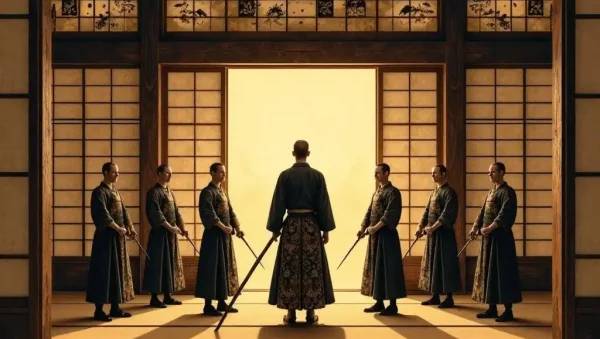
Discover the samurai training evolution history as we delve into the transformation of traditional techniques into modern practices, highlighting the cultural significance…
Read article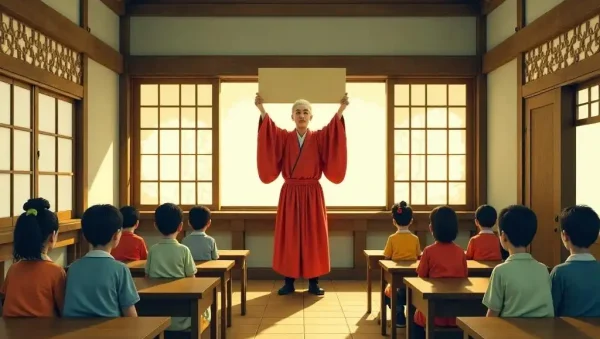
🌸 In feudal Japan, education for non-Samurai classes was limited yet essential for societal advancement. This article explores how learning opportunities evolved,…
Read article
🌸 In exploring Samurai education ceremonial practices, we uncover how rituals and rites shaped the moral and cultural foundations of the samurai…
Read article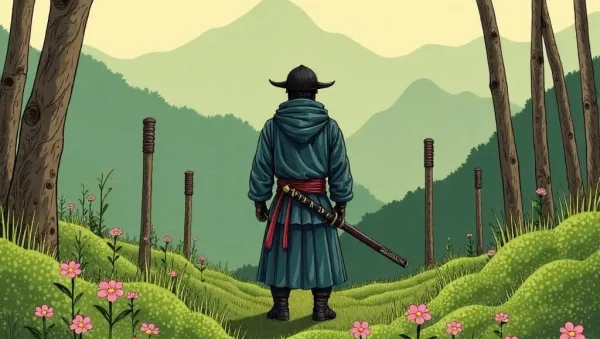
🌿 Zen gardens played a pivotal role in samurai training, fostering mindfulness and discipline. Their serene landscapes served as a backdrop for…
Read article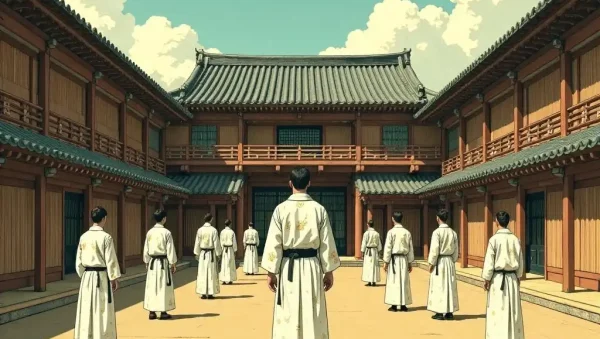
Martial arts education in Japan transcends mere combat skills, embodying discipline, respect, and perseverance. This article delves into how these practices shaped…
Read article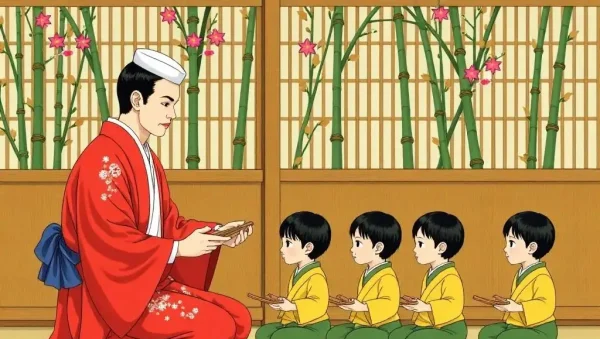
📚 This article delves into a Feudal Japan education system comparison with European counterparts, highlighting distinct philosophies, societal roles, and pedagogical methods…
Read article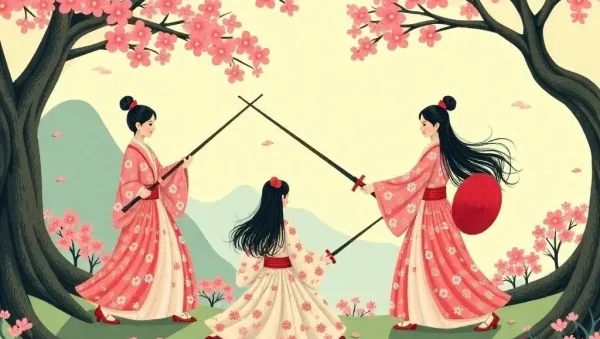
🌸 Explore the fascinating Onnabugeisha warrior training history, where women of Japan's feudal era defied traditional roles. This article delves into their…
Read articleExplore the history of education and training in feudal Japan, from samurai instruction and Buddhist learning to village schools, artisan apprenticeships, and practical household knowledge. This subcategory examines how people acquired literacy, discipline, religious understanding, military skills, and professional expertise within the social structures of Japan’s feudal era. Discover how education reflected class, gender, occupation, and status, while also helping shape the political, cultural, and economic development of medieval and early modern Japan.
Learn how samurai children and young warriors were prepared for life within the warrior class. Articles explore instruction in swordsmanship, archery, horseback riding, military strategy, castle defense, and battlefield discipline, alongside the ethical ideals associated with loyalty, duty, and household service.
This section also considers the broader education of the bushi elite, including reading, writing, Confucian thought, legal traditions, etiquette, and estate administration. Readers can expect detailed explanations of how samurai education combined martial skills with political and cultural training.
Discover the important role of Buddhist temples, monasteries, and religious institutions in preserving knowledge during feudal Japan. Temples served as centers of literacy, manuscript copying, philosophy, calligraphy, ritual instruction, and historical record keeping, making them essential to Japanese intellectual history.
This section explains how monks, novices, patrons, and local communities participated in religious education. Topics may include Zen learning, Pure Land traditions, temple schools, Buddhist texts, and the relationship between spiritual training and social education in medieval Japanese society.
Explore the development of literacy in feudal Japan and the writing systems used by different social groups. Readers can learn about kanji, kana, classical Chinese texts, Japanese literature, calligraphy, private instruction, and the practical use of written documents in government, religion, and commerce.
Articles in this area examine who could read and write, how education differed between elites and commoners, and why written communication became increasingly important. The content highlights the connection between literacy, social mobility, administration, cultural identity, and historical record keeping.
Understand the growth of community-based education, including the terakoya schools that became especially influential during the Edo period. These informal schools taught children practical subjects such as reading, writing, arithmetic, etiquette, religious morality, and commercial skills.
This section explores the teachers, students, textbooks, and local communities that supported popular education. Readers will discover how village schooling expanded access to learning and helped create higher levels of literacy among farmers, artisans, merchants, and townspeople in early modern Japan.
Examine the educational experiences of women across aristocratic, samurai, merchant, and farming households. Topics include household management, textile production, literacy, religious instruction, etiquette, childcare, music, poetry, and marriage preparation.
The section also considers the limitations and opportunities that shaped women’s education in feudal society. Readers can expect a nuanced look at how women preserved family traditions, managed domestic economies, participated in cultural life, and sometimes gained influence through literacy, religious roles, and elite learning.
Learn how technical knowledge was passed from one generation to the next through apprenticeships and household-based instruction. Articles cover blacksmithing, pottery, weaving, carpentry, printing, medicine, cooking, farming, and merchant skills, with attention to the discipline required to master specialized occupations.
This section explains how guilds, workshops, families, and master-apprentice relationships preserved practical knowledge. Discover how occupational training supported Japan’s feudal economy and contributed to the development of distinctive artistic traditions, manufacturing techniques, and professional identities.
Explore the influence of Confucian education on social order, political thought, and personal behavior during the feudal period. Readers will encounter subjects such as loyalty, filial piety, hierarchy, self-discipline, scholarship, public duty, and moral cultivation.
Articles examine how Confucian texts and ethical teachings were used by shoguns, daimyo, domain schools, and village leaders. The content also explains how moral education helped define relationships between rulers, retainers, parents, children, teachers, and students.
Discover the educational institutions established by daimyo and domain governments during the Edo period. These schools trained samurai in Confucian classics, administration, law, military science, history, medicine, mathematics, and foreign studies.
This section shows how domain schools supported governance and helped prepare officials for service. It also explores the relationship between elite education, political reform, technological knowledge, and the intellectual changes that influenced Japan before the Meiji Restoration.
Learn how Japanese scholars studied knowledge from outside the country, particularly through Dutch learning known as Rangaku. Topics include Western medicine, astronomy, geography, science, anatomy, military technology, translation, and the role of Nagasaki in cultural exchange.
Readers can expect insight into how scholars acquired foreign books, mastered languages, and adapted international knowledge to Japanese institutions. This subject reveals that feudal Japan was not intellectually isolated, but engaged in carefully managed exchanges that enriched medicine, science, and technical education.
Samurai commonly studied martial arts, archery, horsemanship, military strategy, etiquette, law, calligraphy, history, and Confucian ethics. Their education aimed to prepare them for both warrior service and administrative responsibilities.
Yes. Although access varied by period and location, many commoners learned through temples, family instruction, apprenticeships, and terakoya schools. Reading, writing, arithmetic, and practical skills became increasingly common, especially during the Edo period.
Terakoya were local schools that provided basic education to children from samurai and commoner families. Students often learned literacy, arithmetic, etiquette, moral instruction, and practical commercial skills from teachers connected to temples or local communities.
Women’s education depended heavily on class, family, region, and period. Many learned household management, textile work, etiquette, childcare, and religious practices, while women from elite or prosperous families could also study reading, writing, poetry, music, and classical literature.
Temples preserved manuscripts, trained monks, taught literacy, and served as important centers of religious and intellectual life. They helped transmit Buddhist philosophy, calligraphy, historical knowledge, and written culture throughout feudal Japan.