
Ashigaru and the Feudal Economy: The Costs of War


Welcome to Feudal Japan History, where we embark on a captivating journey through the intricate tapestry of Japan's feudal era. Here, we delve deep into the Ashigaru and the Feudal Economy: The Costs of War, unraveling the pivotal role these foot soldiers played not just in battles, but in shaping the very economic landscape of their time. What drove the Ashigaru, and how did their contributions influence the feudal system?
Prepare to explore a world where valor meets economics, and discover insights that will challenge your understanding of this fascinating period. Dive in and uncover the layers of history that await!
- Introduction to Feudal Japan Ashigaru Economy
- The Role of Ashigaru in the Feudal Economy
- Costs of War in Feudal Japan
- The Socioeconomic Status of Ashigaru
- The Ashigaru During Times of Peace
- The Influence of Ashigaru on Feudal Policies
- Conclusion: Legacy of the Ashigaru in the Feudal Economy of Japan
- Frequently Asked Questions
- Final Reflection: The Enduring Legacy of Ashigaru in Feudal Japan's Economy
- Embrace the Legacy: Engage with Feudal Japan Today!
Introduction to Feudal Japan Ashigaru Economy
During Japan's feudal era, the socio-economic landscape was deeply intertwined with the military framework, particularly the role of the ashigaru. These foot soldiers were not merely warriors; they were integral to the feudal economy, influencing agricultural practices, resource allocation, and the overall societal structure.
Understanding the economic implications of the ashigaru offers valuable insights into the costs of war during this period, revealing how their presence shaped both military strategies and local economies. In this exploration, we will delve into the multifaceted roles of ashigaru, examining their contributions to the feudal economy and their significance in the broader context of Japan's military history.
Overview of the Ashigaru in Feudal Japan
The ashigaru were typically lower-ranking soldiers who served as foot soldiers in the armies of samurai lords. Emerging during the late 15th century, they played a pivotal role in the military innovations of the time. Unlike the elite samurai, ashigaru were often recruited from the peasant class, allowing for a more extensive mobilization of manpower during conflicts. Their training and equipment varied widely, but they were generally equipped with basic armor and weapons such as spears and swords.
- Key Characteristics of Ashigaru:
- Recruitment: Often drawn from the lower classes, including farmers and laborers.
- Training: Received basic military training, focusing on discipline and battlefield tactics.
- Armament: Typically armed with simpler weapons compared to samurai, including long spears (yari) and bows (yumi).
- Role on the Battlefield: Served as infantry to support samurai forces, often forming the bulk of an army.
The presence of ashigaru allowed feudal lords to rapidly expand their armies without incurring the high costs associated with maintaining a purely samurai force. Their contributions were not only crucial in battle but also reflected the economic foundations of feudal Japan, where the cost of warfare directly impacted agricultural output and local economies.
Importance of the Ashigaru in Military History
The significance of the ashigaru extends beyond mere numbers on the battlefield; they represent a shift in military tactics and social structures during the feudal period. As warfare evolved, the reliance on ashigaru became increasingly pronounced, leading to several transformative effects in military history and the economy.
- Tactical Evolution:
- The integration of ashigaru into military formations allowed for more flexible and adaptive strategies. They often formed the front lines, enabling samurai to engage in critical flanking maneuvers.
- Economic Impact:
- The costs of maintaining a standing army were spread across various regions, leading to changes in tax structures and agricultural practices. Feudal lords had to balance the demands of war with the need for sustenance from their lands.
- Social Mobility:
- Serving as ashigaru could provide opportunities for social advancement; successful soldiers could gain land, wealth, or even samurai status, altering the traditional class dynamics of feudal Japan.
- Long-term Consequences:
- The reliance on ashigaru foreshadowed the eventual decline of the samurai's exclusive hold on military power, paving the way for new social and political structures in Japan.
Through these lenses, the role of ashigaru in the feudal economy highlights the intricate connections between military endeavors and economic realities. As we continue our examination, we will uncover more about the costs of war and the lasting legacy of the ashigaru in shaping Japan's history.
The Role of Ashigaru in the Feudal Economy

Ashigaru as a Military Force
The Ashigaru were a crucial element in the military structure of feudal Japan, often serving as foot soldiers in the armies of samurai lords. Initially composed of commoners, the Ashigaru evolved into a more organized military force during the late 15th century and the Sengoku period (1467-1603). Their role was not merely as cannon fodder; they were trained in the use of weapons, including spears (yari) and, later, firearms.
The Ashigaru were distinct from the elite samurai class, characterized by their lack of noble lineage. However, they played a vital role in the effectiveness of samurai armies. With the rise of the Ashigaru, military tactics began to shift.
- Training and Organization: Ashigaru received basic training that allowed them to operate effectively on the battlefield. This included formations such as the "kisho," enabling them to advance and retreat cohesively.
- Versatile Roles: As the battlefield dynamics changed, Ashigaru were often employed in various roles, including skirmishers, infantry in larger formations, and even as support for samurai cavalry.
- Social Mobility: Serving as Ashigaru offered opportunities for social mobility. Successful soldiers could gain favor with their lords and sometimes be granted land or wealth, blurring the lines between classes.
Economic Contributions of Ashigaru
The presence of Ashigaru in feudal Japan had significant economic implications. While they were primarily soldiers, their contributions affected various aspects of the feudal economy.
- Tax Relief and Land Utilization: Many Ashigaru were given stipends or land in exchange for military service. This system allowed samurai lords to maintain a ready military force without the direct costs of maintaining a larger, more traditional samurai army. The land granted to Ashigaru was often less fertile or considered less valuable, allowing lords to utilize resources efficiently.
- Agricultural Production: Ashigaru, as landholders, contributed to agricultural production. Their ability to farm and generate food supplies ensured that armies could be sustained during prolonged campaigns. This agricultural output was crucial for the local economy, as it helped stabilize food prices and availability.
- Market Participation: With their stipends, Ashigaru participated in local markets, stimulating trade and commerce. Their presence in villages and towns meant increased demand for goods and services, which in turn supported artisans and merchants.
- Military Campaigns and Economic Disruption: While Ashigaru contributed positively to local economies, their involvement in military campaigns often led to economic disruption. Raids and battles could devastate agricultural areas, leading to temporary economic downturns. However, the subsequent rebuilding efforts often stimulated local economies as communities sought to recover.
The Impact of Ashigaru on Local Economies
The Ashigaru's role extended beyond the battlefield, influencing local economies in various ways. Their involvement in feudal society reshaped economic structures and social relationships.
- Labor Shift: The enlistment of Ashigaru led to a shift in labor dynamics in rural areas. Many farmers were drawn into military service, which sometimes resulted in labor shortages in agriculture. However, this also encouraged technological advancements in farming to compensate for reduced labor.
- Infrastructure Development: As Ashigaru were often stationed in various regions, their presence necessitated the development of infrastructure, such as roads and fortifications. These improvements facilitated trade and communication, ultimately benefiting local economies.
- Inter-class Relations: The Ashigaru's rise blurred the rigid class distinctions of feudal Japan. As they gained resources and influence, they often formed alliances with local merchants and craftsmen, leading to a more interconnected economy. This interaction fostered a sense of community and mutual dependence among different social classes.
- Legacy of Economic Change: The legacy of the Ashigaru can be seen in the evolution of Japan’s economic landscape. Their contributions helped lay the foundation for a more complex economic structure that would later emerge in the Edo period (1603-1868), where commerce and trade flourished as a result of previous militaristic endeavors.
The Ashigaru were not only pivotal as military forces but also played essential roles in shaping the feudal economy of Japan. Their contributions helped balance the costs of war with local economic activity, illustrating the interconnected nature of warfare and economics in feudal society.
Costs of War in Feudal Japan
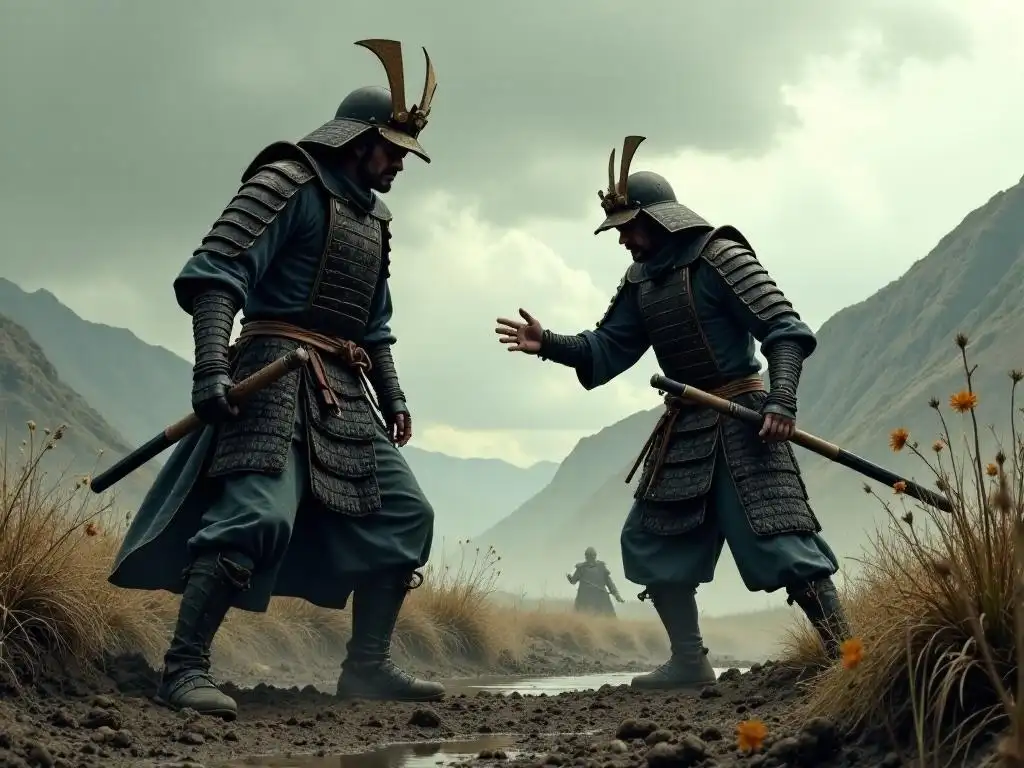
The feudal era in Japan was marked by a series of conflicts that shaped the social, political, and economic landscape of the country. The costs of war during this period were not solely measured in terms of lives lost but also in the significant financial and resource burdens placed upon the feudal lords and their domains. The role of Ashigaru, the foot soldiers of the samurai class, became pivotal in these conflicts, impacting the economy in profound ways. Understanding the costs associated with maintaining these forces provides insight into the broader implications of warfare in feudal Japan.
Financial Burden of Maintaining Ashigaru Forces
The financial burden of maintaining Ashigaru forces was considerable. Unlike the elite samurai, who often came from wealthy families and were equipped with high-quality armor and weapons, Ashigaru were typically recruited from the lower classes and provided with more basic gear. Nonetheless, their upkeep still represented a significant expense for the daimyō (feudal lords).
- Recruitment and Training Costs:
- The process of recruitment involved not only payment to the soldiers but also the costs associated with training them. This included provisions for food, lodging, and the time invested in preparing them for battle.
- Training Ashigaru to be effective soldiers required resources that could have otherwise been allocated to agricultural production or other economic activities.
- Supply Chain and Equipment:
- The supply chain necessary to equip Ashigaru was extensive. Each soldier needed weapons (often spears, bows, or firearms) and armor, which required a steady supply of materials.
- As the demand for weapons grew, local craftsmen and blacksmiths were often pushed to their limits, increasing costs and sometimes leading to shortages.
- Logistical Challenges:
- Maintaining an army in the field posed logistical challenges, including the need for food, medical supplies, and transportation. These demands not only strained the immediate finances of a domain but also affected local economies.
- The cost of logistics often exceeded the costs of the soldiers themselves, as provisions had to be acquired from local farms or markets, sometimes leading to increased prices and economic distress in the surrounding areas.
Resource Allocation and Economic Strain
The need to fund Ashigaru forces resulted in significant resource allocation challenges for feudal lords. The continuous military campaigns necessitated a reallocation of resources that could have supported agricultural production or local trade.
- Taxation and Economic Impact:
- To finance their military endeavors, daimyō often increased taxes on their subjects. This taxation placed a heavy burden on farmers and artisans, who were already struggling to meet their needs.
- Increased taxation often led to discontent among the populace, which could result in uprisings or decreased productivity, further exacerbating economic strain.
- Shift in Agricultural Focus:
- Many lords shifted their focus from sustainable agricultural practices to producing goods necessary for warfare, such as food for soldiers and materials for weapons.
- This shift could lead to long-term damage to agricultural viability, creating cycles of famine and poverty that affected entire regions.
- Impact on Trade:
- Continuous warfare disrupted trade routes and markets. The movement of Ashigaru forces often meant that local trading activities were halted, contributing to economic instability.
- Merchants faced difficulties in transporting goods, and the overall economy suffered as a result of the conflict-driven disruptions.
Case Studies of Notable Battles and Their Economic Costs
Examining specific battles during the feudal era reveals the economic costs associated with warfare, particularly concerning the deployment of Ashigaru.
- Battle of Nagashino (1575):
- This battle showcased the effective use of Ashigaru armed with matchlock rifles. However, the cost of equipping these troops with firearms and ammunition was significant.
- The financial strain on Takeda Shingen's forces, who faced superior tactics from Oda Nobunaga's army, highlighted how the economic repercussions of defeat could lead to resource depletion and loss of territory.
- Siege of Osaka (1614-1615):
- The siege required a massive mobilization of Ashigaru forces, costing the Tokugawa shogunate considerable resources.
- The sustained campaign drained local economies, as the surrounding regions were forced to provide food and supplies, further exacerbating economic difficulties.
- Battle of Sekigahara (1600):
- Often considered one of the most decisive battles in Japanese history, the costs associated with the mobilization of Ashigaru were immense. The battle not only determined the political landscape but also strained the economy of both the victor and the vanquished.
- The aftermath led to increased taxation and resource allocation shifts that affected local communities for years.
The role of Ashigaru in the feudal economy of Japan during times of war underscores the intricate relationship between military needs and economic sustainability. The financial burdens, resource allocations, and specific case studies illustrate how warfare impacted the very fabric of feudal society, influencing both the immediate and long-term economic health of the regions involved.
The Socioeconomic Status of Ashigaru

The Ashigaru were a crucial component of the military structure during Feudal Japan, characterized by their unique socioeconomic status. Unlike the elite samurai class, Ashigaru occupied a distinct position within the feudal hierarchy, often emerging from the peasantry or lower classes. Their role extended beyond mere foot soldiers; they represented a significant part of the economy and military logistics, influencing both warfare and the societal structure of the time.
Class Structure and the Position of Ashigaru
Ashigaru were typically recruited from the lower strata of society, including peasants and craftsmen, who were able to provide military service to their lords in exchange for various forms of compensation. This arrangement allowed them a degree of mobility within the rigid class structure of Feudal Japan.
- Recruitment and Training: Initially, Ashigaru were often conscripted during times of war. Over time, as warfare became more regularized, many received formal training and were equipped with weapons such as spears, swords, and, later, firearms.
- Roles and Responsibilities: Their duties extended beyond direct combat, encompassing logistical support, such as transporting supplies and maintaining equipment. This multifaceted role made them indispensable in military campaigns.
The position of Ashigaru reflected a complex interaction between social status and economic necessity, as their loyalty to their lords often translated into economic benefits for their families.
Comparison with Other Warrior Classes
When comparing Ashigaru to other warrior classes, particularly the samurai, several key differences emerge:
| Aspect | Ashigaru | Samurai |
|---|---|---|
| Social Status | Lower class, often peasants | Noble class, landholding warriors |
| Training | Basic military training | Extensive training in martial arts |
| Equipment | Simpler weapons | High-quality, personalized arms |
| Loyalty | Often bound by necessity | Devoted to a code of honor (Bushido) |
| Economic Role | Labor and military service | Land management and governance |
The samurai were bound by the Bushido code, emphasizing honor, loyalty, and personal valor, which distinguished them from the Ashigaru. While samurai were landholders and often had substantial wealth, Ashigaru relied on their military service for economic stability, highlighting a stark contrast in their societal roles.
Economic Opportunities for Ashigaru
Despite their lower social standing, Ashigaru could access various economic opportunities, particularly through their military service:
- Land Grants: Successful Ashigaru who distinguished themselves in battle could be rewarded with land grants from their lords, allowing them to transition into landholders and improve their socioeconomic status.
- Mercenary Work: In times of peace, some Ashigaru chose to become mercenaries, offering their services to other lords or clans, which provided them with additional income.
- Craftsmanship and Trade: Many Ashigaru retained skills from their previous occupations, enabling them to engage in trade or craftsmanship, contributing to local economies and enhancing their financial independence.
The presence of Ashigaru in the feudal economy underscores the interconnectedness of military service and economic opportunity, revealing how warfare influenced broader societal dynamics during Feudal Japan. Their contributions not only shaped the outcome of battles but also played a pivotal role in the economic landscape of the era.
The Ashigaru During Times of Peace

The role of the Ashigaru in feudal Japan extended well beyond their duties as foot soldiers during times of conflict. In periods of peace, these warriors underwent significant transformations, adapting to the changing socio-economic landscape of their time. The Ashigaru, primarily known for their martial skills, often transitioned into roles that supported the agricultural economy and contributed to the overall stability of feudal society.
Transition from Warriors to Farmers
After a prolonged period of warfare, many Ashigaru found themselves returning to their villages, where they often took on the role of farmers. This transition was not merely a shift in occupation but represented a fundamental change in their identity and societal contributions.
- Land Ownership: Some Ashigaru, having gained wealth and status during their service, acquired land. This new ownership allowed them to cultivate rice and other crops, thereby enhancing their economic standing within their communities.
- Skills Utilization: The skills learned during military service, such as discipline, teamwork, and resource management, were repurposed in agricultural settings. Many Ashigaru employed strategic planning techniques to optimize farming practices, which in turn improved crop yields.
- Social Integration: As they reintegrated into civilian life, the Ashigaru helped bridge the gap between the samurai class and the peasantry. Their experiences as soldiers enabled them to command respect among farmers, fostering a sense of community and cooperation.
This transition highlights the adaptability of the Ashigaru and their significant role in shaping the agricultural landscape of feudal Japan.
Economic Activities of Retired Ashigaru
The economic contributions of retired Ashigaru were multifaceted, reflecting their diverse skills and experiences gained during their military careers.
- Craftsmanship: Many retired Ashigaru turned to craftsmanship, producing goods ranging from weapons to everyday utensils. Their military experience often endowed them with a unique understanding of material properties, allowing them to create high-quality products that were sought after in local markets.
- Trade Participation: Some Ashigaru engaged in trade, leveraging their connections and knowledge gained from traveling across Japan during military campaigns. They facilitated the exchange of goods between regions, contributing to the broader feudal economy.
- Community Leadership: With their military background, many retired Ashigaru assumed leadership positions within their villages. They often became local officials or community leaders, playing vital roles in organizing agricultural activities and managing resources.
In these ways, retired Ashigaru not only supported their families but also enhanced the economic vitality of their communities, demonstrating the enduring impact of their military service.
Contribution to Agricultural Development
The integration of Ashigaru into agricultural development during peacetime had profound implications for the feudal economy.
- Innovative Farming Techniques: Many Ashigaru introduced innovative farming techniques, often learned from their travels or military campaigns. This included crop rotation, irrigation methods, and the introduction of new crops, which diversified and strengthened local agriculture.
- Labor Force: With a significant number of Ashigaru returning to their villages, they contributed a substantial labor force to agricultural production. This increase in manpower enabled the expansion of farmland and improved productivity.
- Economic Resilience: The involvement of Ashigaru in agriculture helped create a more resilient economy. By diversifying income sources through farming and crafts, communities became less vulnerable to the fluctuations of war and ensured a stable food supply.
The Ashigaru played a crucial role in the feudal economy of Japan, especially during times of peace. Their transition from warriors to farmers, engagement in various economic activities, and contributions to agricultural development not only aided their own communities but also fostered broader economic stability in feudal Japan. The legacy of the Ashigaru is a testament to their adaptability and importance in the historical narrative of Japan's feudal era.
The Influence of Ashigaru on Feudal Policies
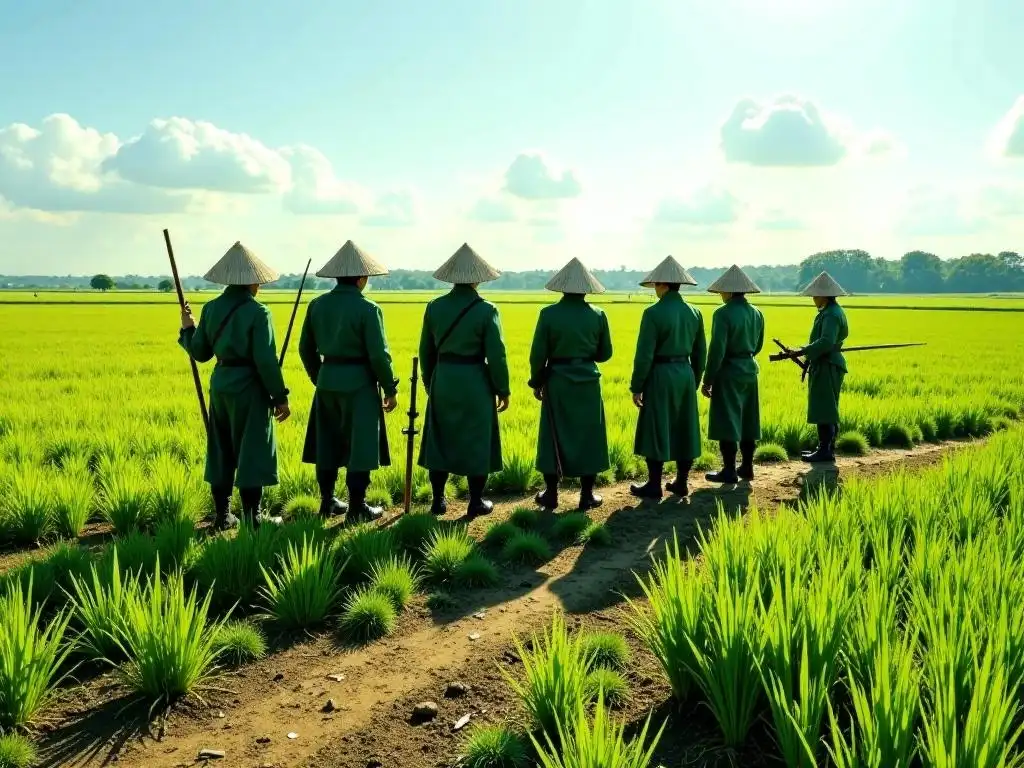
The influence of Ashigaru on feudal policies during Japan's feudal era cannot be overstated. As the foot soldiers of the samurai class, Ashigaru played a crucial role not only in military campaigns but also in shaping the economic and political landscape of the time. Their status as lower-ranking warriors allowed for a unique perspective on the feudal system, leading to significant changes in military and governance policies that had lasting impacts on the economy.
Military Reforms and Economic Implications
The emergence of the Ashigaru coincided with the need for military reforms in the late medieval period. As conflicts intensified, the traditional samurai class began to face challenges in terms of manpower and resources. The Ashigaru, often recruited from peasant classes, provided a solution to the growing demand for soldiers.
- Recruitment Strategies:
- Feudal lords, or daimyōs, adopted new recruitment strategies to bolster their armies, often offering incentives such as land or monetary rewards to entice peasant men to join the ranks of Ashigaru.
- This shift not only increased military strength but also redistributed wealth, as land was often taken from poorer classes to reward Ashigaru for their service.
- Economic Contributions:
- The Ashigaru played a critical role in the economic sustainability of military campaigns. They were often responsible for logistical tasks such as transporting supplies, which required a well-organized economic framework to support the troops.
- Additionally, the presence of Ashigaru on the battlefield shifted the economic burdens of war from the samurai class to the broader peasant population, impacting local economies as resources were redirected towards military needs.
- Impact on Feudal Policies:
- As the Ashigaru gained prominence, feudal leaders began to recognize their importance, leading to policies that formalized their roles within the military structure. This included the establishment of ranks and training systems, which further integrated them into the economy of war.
- The economic implications were profound, as the Ashigaru’s increased role in military governance also meant greater involvement in civilian affairs, shaping local economies and influencing feudal policies on resource allocation.
Ashigaru in Local Governance and Economic Management
The Ashigaru's role extended beyond the battlefield into the realms of local governance and economic management. Their integration into the feudal system allowed them to influence local policies and economic practices significantly.
- Local Authority:
- As military leaders, Ashigaru were often tasked with maintaining order in the territories they occupied. This role empowered them to oversee local governance, collect taxes, and manage land resources.
- Their authority often stemmed from the daimyōs, who relied on Ashigaru to enforce policies and maintain loyalty among the peasantry.
- Economic Management:
- The Ashigaru’s involvement in local governance meant they had a direct hand in economic management, overseeing agricultural production, trade, and resource distribution.
- By implementing policies that favored agricultural development, Ashigaru contributed to stabilizing local economies, which were crucial for supporting the war efforts of their lords.
- Conflict Resolution:
- In many cases, Ashigaru acted as mediators in local disputes, which not only fostered a sense of order but also ensured the smooth functioning of local economies.
- Their role in conflict resolution often led to more equitable economic practices, as they understood the needs of the peasantry and worked towards maintaining peace, which was essential for economic productivity.
The Role of Ashigaru in Shifting Power Dynamics
The presence and actions of Ashigaru during the feudal period significantly influenced the power dynamics within Japanese society. Their rise altered the traditional hierarchy and contributed to a more fluid social structure.
- Challenging Samurai Authority:
- As Ashigaru became more integral to military campaigns, they began to challenge the traditional authority of the samurai class. Their increasing military importance allowed them to negotiate better terms for their service, including land rights and social status.
- This shift created tension within the samurai class, who found their dominance challenged by the very soldiers they once viewed as expendable.
- Economic Empowerment:
- Many Ashigaru, after serving in the military, were rewarded with land or elevation in social status, which allowed them to become economically empowered. This newfound wealth enabled them to invest in local economies and engage in trade, further shifting power dynamics.
- As newly minted landowners, Ashigaru contributed to the rise of a more diverse economic class that included former peasants alongside traditional samurai.
- Formation of Alliances:
- The Ashigaru’s role in shifting power dynamics also extended to forming alliances with other social classes, including merchants and peasants. This coalition-building led to a more united front against oppressive feudal lords, impacting the overall structure of feudal Japan.
- Their involvement in local governance and economic management often positioned them as mediators and advocates for the common people, further entrenching their role in the socio-economic fabric of feudal Japan.
The influence of Ashigaru on feudal policies was profound, affecting military reforms, local governance, and the shifting power dynamics of the era. Their contributions to the feudal economy were marked by a blend of military service and economic management that reshaped the landscape of feudal Japan.
Conclusion: Legacy of the Ashigaru in the Feudal Economy of Japan
Summary of Economic Impact
The Ashigaru, as the foot soldiers of feudal Japan, played a pivotal role in shaping the economic landscape during the tumultuous periods of the Sengoku and Edo eras. Their emergence is closely tied to the evolving military needs of the samurai class, which necessitated a more extensive and flexible fighting force. This transition had profound implications for the feudal economy.
-
Military Recruitment and Economic Influence
The recruitment of Ashigaru was often drawn from the peasant class, which meant that their service directly impacted agrarian productivity. By mobilizing these individuals for military campaigns, local economies faced labor shortages, leading to a temporary decline in agricultural output. However, successful campaigns often resulted in territorial expansion and increased resource acquisition, thereby altering the local economies in favor of the samurai lords.
-
Economic Burden of Warfare
The costs associated with maintaining a standing army of Ashigaru were significant. Feudal lords had to invest in training, equipment, and sustenance for their troops. This created a ripple effect throughout the economy as lords imposed heavier taxes on the peasantry to fund military endeavors. The sustainability of these taxes often depended on the success of military campaigns, creating a precarious balance between war and economic viability.
-
Market Dynamics and Trade
As Ashigaru gained prominence, the demand for weapons, armor, and supplies surged, stimulating local craft industries and trade networks. The need for logistical support during campaigns led to the emergence of specialized markets that catered to military needs, thus integrating the Ashigaru into broader economic systems. This specialization not only supported the war effort but also contributed to the evolution of Japan’s feudal economy.
Reflection on the Ashigaru's Role in Shaping Feudal Japan
The Ashigaru were not merely foot soldiers; they were instrumental in the socio-political dynamics of feudal Japan. Their presence altered the traditional hierarchical structure dominated by samurai and daimyo. By participating in warfare, Ashigaru gained a sense of agency and, in some instances, social mobility, which was rare in the rigid class system of the time.
-
Social Mobility and Class Dynamics
The Ashigaru's contributions in battle sometimes earned them land grants or elevated status, which challenged the established norms of class hierarchy. This phenomenon was critical in reshaping societal roles in feudal Japan, as it introduced the possibility of upward mobility through military service.
-
Cultural Shifts
The integration of Ashigaru into military campaigns also led to cultural exchanges and the diffusion of military tactics. Their experiences on the battlefield influenced military strategies, which were documented and disseminated, contributing to the overall evolution of Japanese warfare.
-
Historical Legacy
The legacy of the Ashigaru extends beyond their military contributions; they represent the complexities of feudal society and the interconnectedness of warfare and economy. Their role is a testament to how lower-ranked warriors could significantly influence the socio-economic fabric of their time.
Final Thoughts on the Future of Ashigaru Studies in Economic History
As scholars continue to explore the nuances of feudal Japan, the study of Ashigaru presents a unique opportunity to deepen our understanding of the era's economic history. Future research could focus on several key areas:
-
Comparative Studies
Investigating the role of Ashigaru in relation to other military forces in different regions could provide insights into the universal themes of war and economy in historical contexts.
-
Economic Models
Developing economic models that account for the contributions and costs associated with the Ashigaru could yield valuable data for understanding the broader implications of military expenditures on feudal economies.
-
Cultural Representations
Analyzing how Ashigaru have been depicted in literature and art over time could reveal shifts in societal attitudes towards these warriors and their economic impact.
The Ashigaru's role in the feudal economy of Japan is a rich field for exploration, promising to enhance our understanding of not only military history but also the intricate relationships between war, society, and economy during one of Japan's most formative periods.
Frequently Asked Questions
What were Ashigaru in Feudal Japan?
Ashigaru were foot soldiers during Japan's feudal era, primarily composed of lower-class warriors who served samurai. They played a crucial role in military campaigns and were essential to the feudal economy.
How did the Ashigaru contribute to the economy of Feudal Japan?
The Ashigaru impacted the feudal economy by providing manpower for military endeavors, which influenced agricultural production and local economies. Their service often required resources from the land, affecting economic stability.
What were the costs of war for the Ashigaru?
The costs of war for the Ashigaru included not only their equipment and training but also the economic burden on their families and local communities. War often led to displacement and a decline in agricultural productivity.
How did the Ashigaru's role evolve during the feudal period?
Over time, the Ashigaru transitioned from basic foot soldiers to more organized and specialized troops, reflecting changes in the military structure and economic demands of feudal Japan.
What impact did the Ashigaru have on Japanese society?
The Ashigaru influenced social mobility, as some could rise in rank due to their service. Their existence highlighted the economic disparities and the class system prevalent during the feudal period.
Final Reflection: The Enduring Legacy of Ashigaru in Feudal Japan's Economy
**The exploration of the Ashigaru and their role in the feudal economy of Japan reveals a profound truth about the costs of war: **the sacrifices made by the common soldier are often overshadowed by the glory of their leaders. Today, as we reflect on the historical significance of the Ashigaru, we recognize their contributions not only as warriors but also as vital components of the socio-economic fabric of feudal Japan. Their existence challenges us to reconsider the narratives of valor and honor that often dominate discussions of military history.
The Ashigaru were more than just foot soldiers; they were the backbone of a complex economic system that sustained the samurai class and their ambitions. Their struggles and sacrifices highlight the intricate relationship between warfare and economic stability, reminding us that the impacts of conflict extend far beyond the battlefield. In war, the first casualty is truth,
a saying that resonates deeply when we consider the often-unseen costs borne by those who fight. The Ashigaru's story is a testament to the resilience of the common people, whose lives were irrevocably altered by the tides of war.
As we contemplate the lessons of the Ashigaru and the feudal economy, I invite you to reflect on the implications of these historical narratives in our own lives. How do we recognize and honor the sacrifices of those who contribute to our society, often without the recognition they deserve?
Let us strive to acknowledge the complexities of our own economic systems and the individuals who sustain them, ensuring that their stories are not lost to history. Embrace the spirit of the Ashigaru by advocating for a more inclusive understanding of our shared past and a commitment to a future that honors all contributions, both seen and unseen.
Embrace the Legacy: Engage with Feudal Japan Today!
Thank you for immersing yourself in the intricate world of Ashigaru and the feudal economy of Japan. Your curiosity about the complexities of war and its costs signifies a commitment to understanding history's lessons. Now, let's take that knowledge and put it into action!
Here’s how you can deepen your engagement with this fascinating period:
- Dive Deeper: Explore more articles on our site about the social structures and economic impacts in Feudal Japan to reveal the full tapestry of this era.
- Join the Conversation: Share your thoughts or questions in the comments section and connect with fellow history enthusiasts who are eager to discuss this captivating topic.
- Spread the Knowledge: Share this article with friends or on social media to ignite discussions on how the past shapes our present and future.
As you reflect on the costs of war and its effects on society, consider this: How do the experiences of the Ashigaru inform our understanding of modern conflicts and their economic impacts?
Your insights could spark meaningful conversations—let's hear your thoughts!