
The Impact of Ashigaru on the Outcome of Feudal Wars

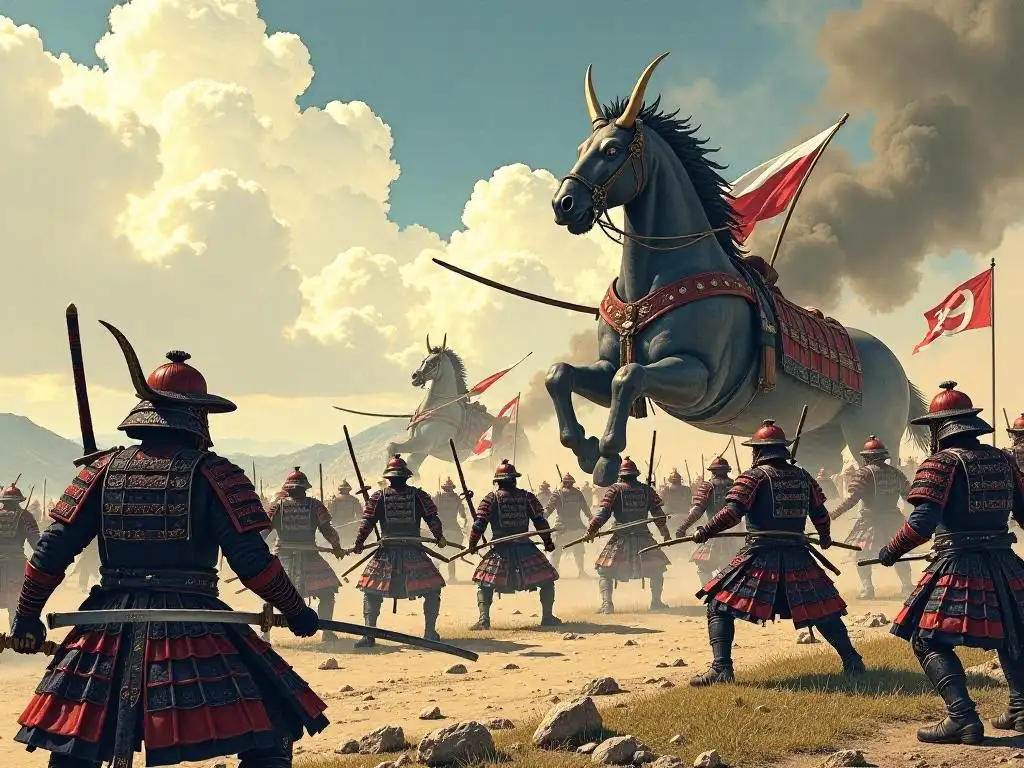
Welcome to Feudal Japan History, your gateway to a captivating exploration of Japan’s feudal era! Here, we unravel the intricate tapestry of historical, cultural, and societal dynamics that shaped a nation. Dive into our featured article, “The Impact of Ashigaru on the Outcome of Feudal Wars,” where we uncover the pivotal role these foot soldiers played in the military conflicts of their time. What secrets did they hold that could sway the tides of war? Join us on this journey and satisfy your curiosity as we delve deeper into the remarkable stories of feudal Japan!
Introduction to the Role of Ashigaru in Feudal Wars
The term Ashigaru refers to the foot soldiers who played a pivotal role in the military landscape of feudal Japan. Emerging during the late 15th century, these warriors were essential to the evolving nature of warfare in a period characterized by clan rivalries and constant conflict. Unlike the elite samurai, who were often tied to noble lineage and codes of honor, the Ashigaru were primarily drawn from the common populace.
Their rise marked a significant shift in military tactics and social structures, as these infantry units became a formidable force on the battlefield. Understanding the role of Ashigaru in feudal wars not only sheds light on their military significance but also reflects the broader societal changes occurring in Japan during this tumultuous era.
As we delve into this exploration, we will uncover how the Ashigaru influenced the outcome of key battles and contributed to the shifting dynamics of power among the warring states. The analysis will reveal the tactical advantages they provided to their lords, the training and equipment they utilized, and their impact on the overall military strategies that defined feudal Japan.
Overview of Feudal Japan and its Military Structure
Feudal Japan, spanning from the late 12th century until the early 17th century, was characterized by a decentralized political structure, where power was fragmented among various clans led by daimyōs (feudal lords). This era was marked by significant military conflicts, such as the Genpei War and the Sengoku Period, which saw numerous battles for dominance among rival factions.
Key Components of the Military Structure:
- Daimyōs: Powerful lords who controlled vast territories and commanded private armies. They relied on both samurai and Ashigaru to maintain their power.
- Samurai: The elite warrior class, known for their code of honor (Bushidō) and mastery of martial arts. They were typically mounted and engaged in individual combat.
- Ashigaru: Foot soldiers, often equipped with rudimentary weapons such as spears (yari) and matchlock guns (tanegashima). Their numbers allowed daimyōs to field larger armies, which was crucial in an era where sheer force could determine the outcome of battles.
The integration of Ashigaru into the military structure of feudal Japan reflected broader social changes, as these foot soldiers began to gain recognition for their contributions on the battlefield. Their ability to adapt to new technologies and tactics made them an indispensable asset during the feudal wars, ultimately influencing the course of history in Japan.
In the following sections, we will examine specific battles where Ashigaru made a decisive impact and explore how their presence reshaped both military strategies and societal perceptions in feudal Japan.
- Introduction to the Role of Ashigaru in Feudal Wars
- Overview of Feudal Japan and its Military Structure
Historical Context of Ashigaru in Feudal Wars
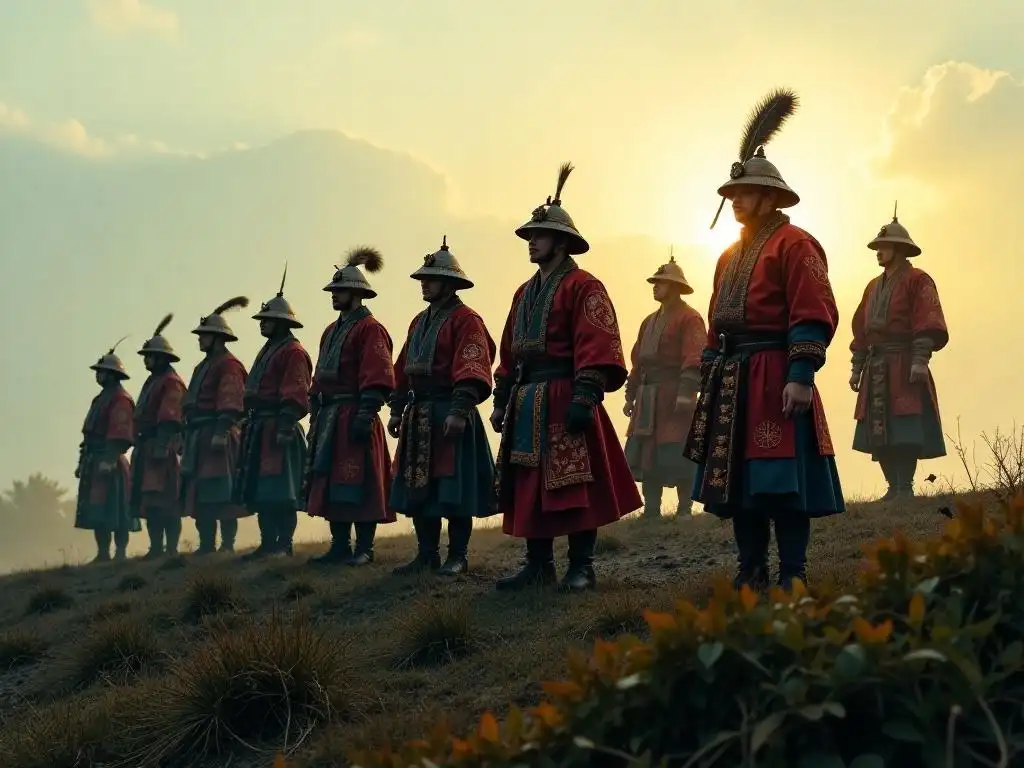
The role of Ashigaru in feudal wars is a pivotal aspect of Japan's military history, particularly during the Sengoku period (1467-1603). Understanding their historical context reveals how these foot soldiers significantly influenced the outcomes of numerous conflicts and reshaped the socio-political landscape of Japan. Ashigaru, often viewed as the lower tier of the samurai class, were instrumental in the evolution of warfare strategies and the mobilization of large armies.
Origins of Ashigaru in the Samurai Class
The origins of the Ashigaru can be traced back to the 15th century, during a time when Japan was embroiled in internal conflicts and power struggles among feudal lords (daimyō). Initially, Ashigaru were considered irregular troops, often recruited from the peasant class or lower societal strata, who provided vital manpower to feudal armies. Their entry into the military sphere marked a significant shift in Japan's military organization.
- Recruitment and Composition:
- Ashigaru were predominantly drawn from the lower classes, including farmers and laborers. This diversified the military ranks and expanded the pool of available soldiers.
- Unlike samurai, Ashigaru did not require extensive training in swordsmanship or martial arts; instead, they were often equipped with simple weapons such as spears (yari) and bows (yumi), making them more accessible to a broader demographic.
- Social Mobility:
- Serving as Ashigaru offered individuals a pathway to improve their social standing. Successful Ashigaru could gain recognition and, in some cases, land or titles, blurring the lines between the samurai and commoners.
- This potential for upward mobility fostered loyalty and motivation among the ranks, as many sought to distinguish themselves on the battlefield.
The emergence of Ashigaru highlighted a transformation in the military structure of Japan, emphasizing the importance of numbers and massed infantry tactics over the traditional reliance on elite samurai warriors.
Evolution of the Ashigaru Role Throughout the Sengoku Period
As the Sengoku period unfolded, the role of Ashigaru evolved considerably, adapting to the changing dynamics of warfare. This period was characterized by constant conflict among rival daimyō, leading to the development of more sophisticated military strategies.
- Tactical Innovations:
- The rise of Ashigaru coincided with advancements in weaponry and tactics. Ashigaru units began to employ coordinated formations, such as the kisho (rapid assault) and chūdan (middle rank), allowing for more effective battlefield maneuvers.
- The introduction of firearms, particularly the matchlock musket (tanegashima), further transformed Ashigaru into a formidable force. Their ability to operate these new weapons allowed for a significant tactical advantage over traditional samurai cavalry.
- Mass Mobilization:
- The sheer numbers of Ashigaru became a crucial factor in battles. As armies grew larger, the ability to mobilize thousands of Ashigaru helped feudal lords to maintain a competitive edge. For instance, during the Battle of Nagashino in 1575, Oda Nobunaga's extensive use of Ashigaru armed with firearms played a decisive role in defeating the Takeda clan.
- This shift towards mass mobilization underscored the importance of Ashigaru in the changing landscape of warfare, as they became essential for sustaining prolonged campaigns.
- Integration with Samurai Units:
- Over time, Ashigaru began to operate alongside samurai forces, forming an integrated military system. They often served as the frontline troops, absorbing the brunt of enemy attacks and allowing samurai to execute their more specialized roles.
- The collaboration between Ashigaru and samurai contributed to a more cohesive military strategy, making the combined forces of these two groups highly effective in battle.
As the Sengoku period drew to a close, the role of Ashigaru had firmly established itself as a critical component of feudal warfare in Japan. Their contributions not only impacted individual battles but also played a significant role in the overall transformation of Japan's military practices during this tumultuous era.
The Role of Ashigaru in Military Strategies
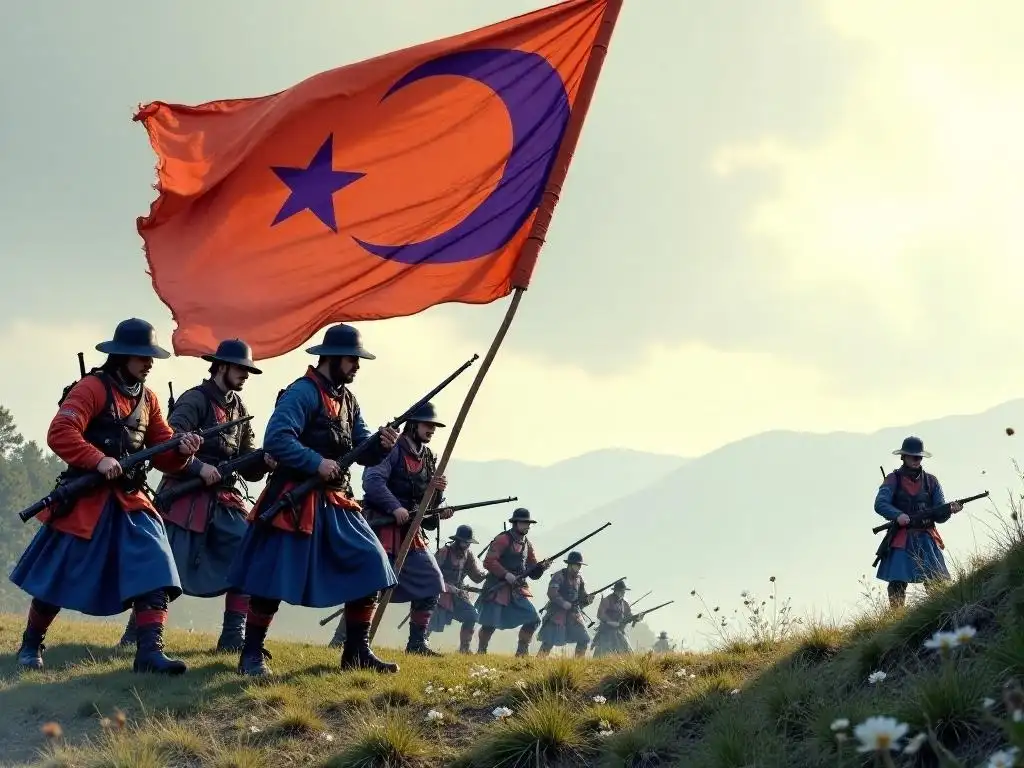
The Ashigaru, a class of foot soldiers in feudal Japan, played a pivotal role in the military strategies employed during the numerous conflicts of the feudal era. Their significance cannot be overstated, as they provided a flexible and formidable force that complemented the elite samurai warriors. Understanding the role of Ashigaru in military strategies sheds light on how they influenced the outcomes of feudal wars.
Tactical Advantages of Utilizing Ashigaru in Battle
The tactical advantages of deploying Ashigaru in battle were numerous, contributing to the success of various military campaigns during the feudal period:
- Mobility and Flexibility:
- Ashigaru were often lighter armed and armored compared to their samurai counterparts. This allowed them greater mobility on the battlefield, enabling rapid maneuvers and the ability to adapt to changing combat situations.
- Their flexibility allowed commanders to deploy them in various formations, such as skirmish lines to harass enemy forces or in massed formations to engage in direct combat.
- Cost-Effectiveness:
- Training and equipping Ashigaru was significantly less expensive than that of samurai. This made it feasible for warlords to raise large numbers of Ashigaru, providing a substantial fighting force without the financial burden associated with recruiting samurai.
- The ability to field large armies of Ashigaru allowed for overwhelming numerical superiority in battles, which could compensate for the lack of elite training and armor.
- Use of Firearms:
- During the later stages of the feudal era, particularly after the introduction of firearms from the Portuguese in the 16th century, Ashigaru were often trained to use matchlock guns (teppō). This development revolutionized warfare in Japan.
- The mass deployment of Ashigaru armed with firearms allowed armies to deliver devastating volleys that could disrupt enemy formations and change the tide of battle.
- Psychological Impact:
- The sheer number of Ashigaru could create a psychological advantage. An overwhelming force of foot soldiers could demoralize opponents, leading to potential routs without a direct confrontation.
- Their presence on the battlefield also allowed samurai to focus on strategic objectives rather than being overwhelmed by sheer numbers, as Ashigaru could absorb attacks and hold lines.
Comparison of Ashigaru and Samurai Forces in Warfare
When comparing Ashigaru and samurai forces in warfare, several distinctions arise that highlight their unique roles and contributions to feudal battles:
| Aspect | Ashigaru | Samurai |
|---|---|---|
| Training | Basic military training, often short: focused on discipline and weapon handling | Extensive training in martial arts and weaponry, often lifelong |
| Equipment | Lighter armor, spears (yari), and later firearms | Heavy armor (ō-yoroi), swords (katana), and various weapons |
| Role in Battle | Flexible infantry, used for skirmishing and forming the bulk of the army | Elite warriors, typically engaged in personal combat and leadership |
| Tactics | Used in mass formations; effective in large numbers | Employed as shock troops, leading charges and engaging in duels |
| Social Status | Lower social status, often farmers or commoners | High social status, part of the samurai class with noble lineage |
The Ashigaru supplemented the samurai forces by providing a robust infantry backbone that could be relied upon during prolonged engagements. While samurai were often seen as the elite warriors of the battlefield, the effectiveness of Ashigaru should not be underestimated. Their integration into military strategies allowed for a more dynamic and adaptable approach to warfare, enabling warlords to capitalize on both the elite combat skills of samurai and the numbers and versatility of Ashigaru.
The role of Ashigaru in feudal wars was critical in shaping military strategies. Their tactical advantages, combined with a comparative analysis to samurai forces, demonstrates how these foot soldiers contributed significantly to the outcomes of battles and the overall dynamics of feudal Japan's military history.
The Impact of Ashigaru on Feudal War Outcomes
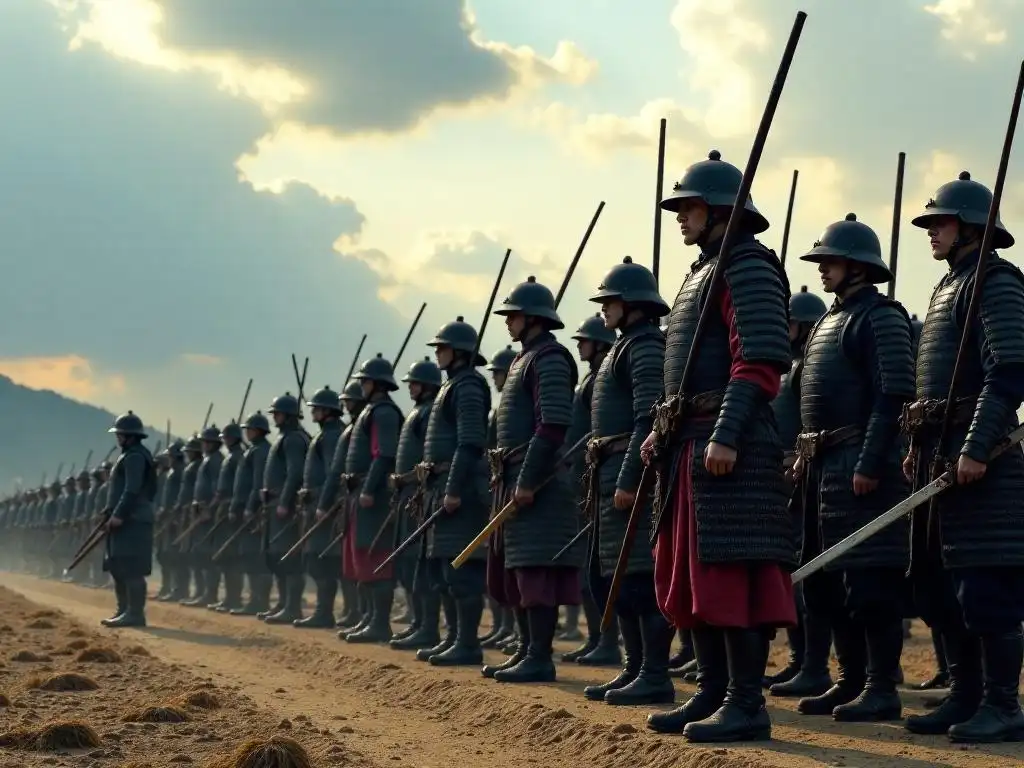
The Ashigaru, the foot soldiers of feudal Japan, played a crucial role in shaping the outcomes of various conflicts during the feudal era. Their evolution from primarily conscripted farmers to essential components of samurai armies marked a significant shift in military dynamics. This transformation allowed for the incorporation of mass tactics and innovative strategies that would ultimately influence the course of Japan’s feudal wars. Understanding the impact of Ashigaru requires a deep dive into specific battles where their contributions were pivotal.
Case Studies: Notable Battles Involving Ashigaru
Battle of Nagashino: Strategies and Outcomes
The Battle of Nagashino, fought in 1575, is often cited as a watershed moment for the Ashigaru within the context of feudal warfare. In this battle, the forces of Oda Nobunaga faced off against the Takeda clan, known for their cavalry tactics. Nobunaga's innovative use of Ashigaru armed with teppo (firearms) revolutionized battlefield strategies.
- Tactical Deployment: Nobunaga arranged his Ashigaru in a series of three defensive lines, utilizing wooden palisades to shield them from cavalry charges. This formation allowed the Ashigaru to fire in volleys, creating a deadly barrage that neutralized the Takeda’s cavalry advantage.
- Outcome: The effective use of gunpowder weaponry by the Ashigaru led to a decisive victory for Nobunaga. Approximately 10,000 Takeda warriors were killed, showcasing how Ashigaru could turn the tide of battle through innovative tactics and training.
The Battle of Nagashino exemplifies how the tactical deployment of Ashigaru changed the face of warfare, enabling even numerically inferior forces to secure victory.
Battle of Sekigahara: Contributions of Ashigaru Forces
The Battle of Sekigahara in 1600, which concluded the Warring States period, further underscored the significance of Ashigaru in feudal conflicts. This pivotal battle determined the future of Japan as Tokugawa Ieyasu emerged victorious, establishing a long-lasting shogunate.
- Role in the Battle: Ashigaru units played a vital role by providing support to samurai commanders. Their mobility allowed them to adapt quickly to changing battlefield conditions, facilitating the reinforcement of key positions.
- Strategic Decisions: Ieyasu leveraged Ashigaru to conduct flanking maneuvers and create diversions, which were crucial in outmaneuvering the opposing forces. Their presence in significant numbers bolstered morale and provided a solid base for the samurai elite to operate effectively.
- Significance: The outcome of Sekigahara not only solidified Tokugawa power but also marked the Ashigaru as indispensable in military campaigns, showcasing their evolution from mere foot soldiers to critical players in feudal warfare.
Analysis of Ashigaru's Influence on Tactical Innovations
The contributions of Ashigaru to feudal warfare led to several tactical innovations that transformed Japanese military strategies. Their integration into samurai armies catalyzed the following developments:
- Massed Infantry Tactics: The rise of the Ashigaru encouraged the shift towards massed infantry formations, allowing for coordinated attacks and defensive stands that were previously dominated by cavalry.
- Use of Firearms: The Ashigaru were often the first to utilize firearms on a large scale, prompting the development of new strategies that revolved around gunpowder technology. This not only changed how battles were fought but also how armies were organized.
- Logistics and Mobility: The versatility of Ashigaru units led to improved logistics within military campaigns. Their ability to move quickly and adapt to battlefield conditions made them an effective force for both offense and defense.
- Democratization of Warfare: The increased reliance on Ashigaru allowed for a more democratic approach to military service. Unlike the elite samurai class, Ashigaru came from various social backgrounds, which contributed to a larger pool of available soldiers and widened the base of military engagement.
The role of Ashigaru in feudal wars was not merely as foot soldiers but as transformative elements that influenced military tactics, strategies, and outcomes. Their contributions continue to be a significant area of study for understanding the complexities of feudal Japan's military history.
Societal Implications of Ashigaru Participation in Wars
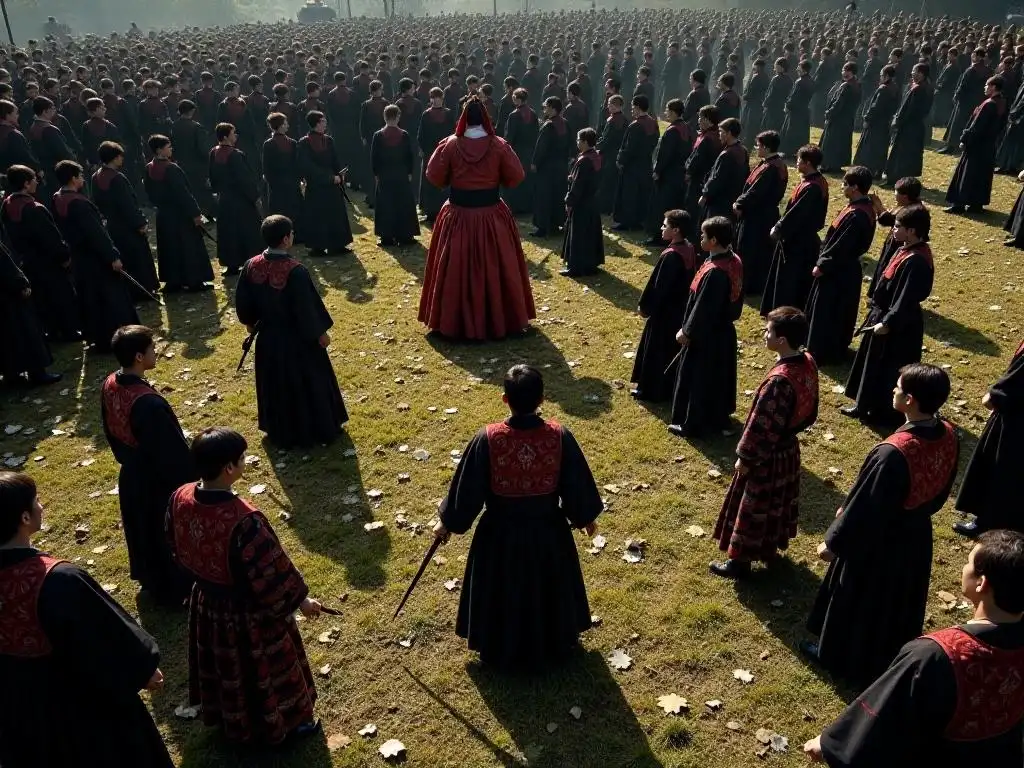
The role of Ashigaru in feudal wars did not merely influence military tactics and strategies; it also had profound societal implications. As a class of foot soldiers, Ashigaru originated from the lower echelons of society, predominantly consisting of farmers, laborers, and even the impoverished. Their participation in warfare marked a significant shift in the social fabric of feudal Japan, challenging traditional class structures and perceptions.
The emergence of the Ashigaru can be seen as a catalyst for social mobility during the feudal era. Traditionally, samurai were the esteemed warriors of Japan, bound by strict codes of honor and loyalty, known as Bushido. However, the increasing demand for soldiers during the protracted conflicts of the Sengoku period led to the rise of Ashigaru, who were often able to rise through the ranks based on merit rather than noble birth.
- Rise Through Military Service: Many Ashigaru distinguished themselves in battle, earning promotions to higher ranks within the military hierarchy. This allowed them to gain land, status, and even the right to bear arms—a privilege traditionally reserved for samurai.
- Land Ownership: Successful Ashigaru could be granted small parcels of land as a reward for their service. This land ownership not only provided economic stability but also elevated their social standing, allowing them to transition into the role of minor samurai or local leaders.
- Changing Class Dynamics: The rise of Ashigaru blurred the rigid class distinctions prevalent in feudal Japan. As more commoners took up arms, the definition of a 'warrior' expanded, allowing for a new understanding of loyalty and honor in the context of military service.
The growing importance of Ashigaru in warfare illustrates a transformative period in Japanese history, where meritocracy began to challenge the feudal order.
The Cultural Perception of Ashigaru in Society and Warfare
The perception of Ashigaru in Japanese society evolved significantly throughout the feudal era. Initially viewed with skepticism, their role in warfare gradually garnered respect and recognition.
- From Disdain to Respect: In the early stages of their involvement, Ashigaru were often regarded as mere foot soldiers, lacking the noble lineage and training of samurai. However, as they proved their valor and effectiveness in battle, these perceptions began to shift. Notable victories achieved by Ashigaru forces led to a growing appreciation for their contributions to military campaigns.
- Cultural Representations: Literature and art from the period often depicted Ashigaru in various ways, reflecting the complexities of their status. While some portrayals emphasized their humble origins and bravery, others presented them as instruments of chaos in the tumultuous landscape of feudal warfare. This duality highlights the contrasting views held by different segments of society.
- Legacy and Honor: Over time, the legacy of Ashigaru became intertwined with the broader narrative of Japanese warfare. Many samurai leaders acknowledged their Ashigaru troops as essential components of their armies, leading to a cultural reevaluation of the foot soldier's role in the success of military endeavors.
The societal implications of Ashigaru participation in wars are multifaceted, reflecting significant changes in social mobility and cultural perceptions during feudal Japan. Their contributions reshaped not only the battlefield dynamics but also the very structure of society, paving the way for future generations to redefine what it meant to be a warrior in Japan.
Challenges Faced by Ashigaru in Feudal Warfare
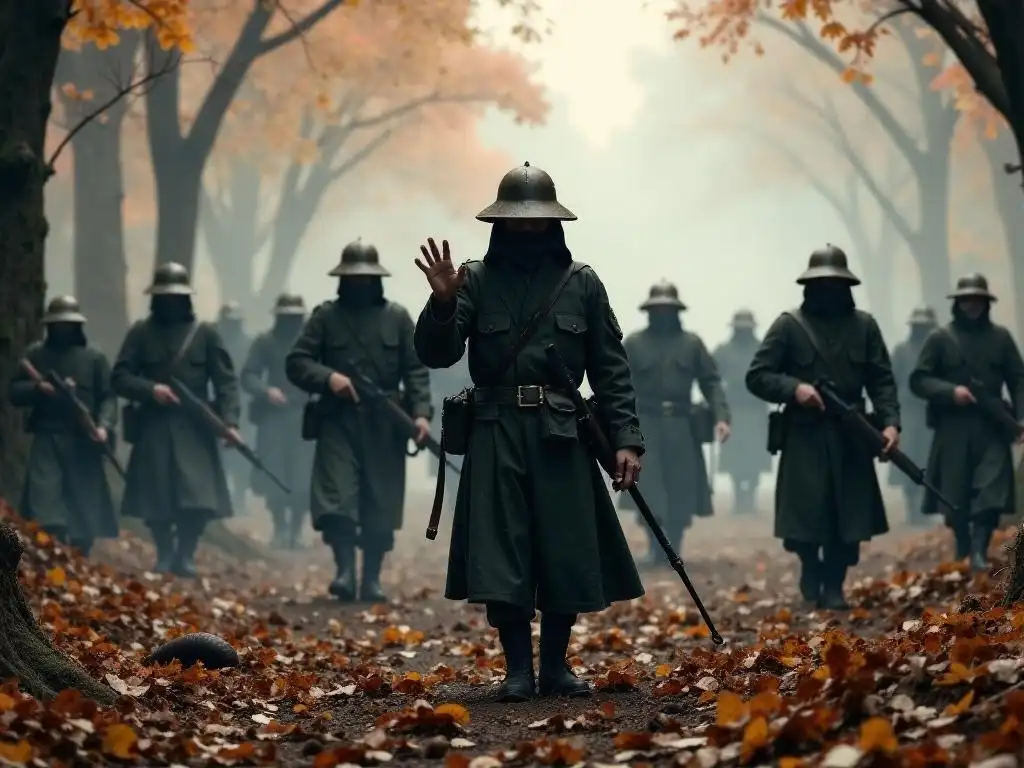
The role of Ashigaru in feudal warfare was pivotal, yet they faced numerous challenges that influenced their effectiveness on the battlefield. Understanding these challenges sheds light on the complexities of their contributions and limitations during the tumultuous periods of Japan's feudal era.
Limitations of Ashigaru Compared to Samurai
Ashigaru, often viewed as the foot soldiers of feudal Japan, had several limitations when compared to their elite counterparts, the Samurai. These limitations not only affected their performance in battle but also shaped their roles within the military hierarchy.
-
Training and Experience:
Unlike the Samurai, who underwent rigorous training from a young age, Ashigaru typically received minimal military training. Their skills were often limited to basic weapon handling and formations, which hindered their adaptability in complex battle scenarios.
-
Equipment and Armament:
Samurai were equipped with high-quality armor and weapons crafted with advanced techniques, such as the iconic katana. In contrast, Ashigaru wore simpler armor, often made from leather or cloth, and utilized weapons like spears or wooden clubs. This disparity not only affected their combat effectiveness but also their morale during engagements.
-
Social Status:
The Ashigaru were generally of lower social standing, which influenced their treatment both on and off the battlefield. They were often seen as expendable compared to Samurai, who were afforded greater respect and privileges. This social hierarchy could demoralize Ashigaru, particularly in situations where they faced overwhelming odds.
-
Tactics and Strategy:
Ashigaru units were often employed in mass formations and used as a means to overwhelm opponents through sheer numbers. However, their lack of strategic maneuvering compared to the highly skilled Samurai commanders made it challenging for them to execute complex battle plans effectively.
These limitations played a significant role in defining the Ashigaru's contributions to feudal warfare, often placing them in a supporting role rather than a leading one.
The Evolution of Warfare and the Decline of Ashigaru's Role
As Japan transitioned through various phases of feudal warfare, the role of Ashigaru evolved significantly. Several factors contributed to the decline of their prominence on the battlefield.
-
Technological Advancements:
The introduction of firearms in the late 16th century marked a turning point in Japanese warfare. Ashigaru began to adopt matchlock rifles, which allowed them to engage enemies from a distance. However, as warfare became more reliant on gunpowder and firearms, the traditional combat skills of Ashigaru became less relevant, shifting the focus towards specialized infantry units.
-
Rise of Professional Armies:
During the late Sengoku period, the emergence of professional armies and the consolidation of power under influential warlords led to the formation of more organized military units. The Samurai began to integrate Ashigaru into their ranks, but often relegated them to subordinate roles, further diminishing the Ashigaru's autonomy and tactical significance.
-
Change in Military Strategies:
The strategies employed during warfare began to change, emphasizing speed, maneuverability, and combined arms tactics. This shift required higher levels of training and coordination that the Ashigaru, with their limited experience, struggled to achieve. As a result, many warlords favored the recruitment of more specialized troops who could better adapt to these new tactics.
-
Social Changes:
The social structure of Japan began to shift as well, leading to the formation of a more rigid caste system. The declining importance of the Ashigaru was reflective of a broader societal trend where military hierarchy became increasingly stratified, limiting opportunities for social mobility for lower-ranked soldiers.
While the Ashigaru played a crucial role in the outcome of feudal wars, their challenges and the evolution of warfare profoundly impacted their effectiveness and prominence on the battlefield. Understanding these dynamics provides valuable insight into the complexities of military history during Japan's feudal era.
Conclusion: The Lasting Legacy of Ashigaru in Feudal Wars
Summary of the Ashigaru's Impact on Military History
The Ashigaru, initially composed of foot soldiers who served the samurai class, emerged as a pivotal force during Japan’s feudal wars, particularly from the late 15th century to the early 17th century. Their significance cannot be overstated, as they dramatically altered the dynamics of warfare in feudal Japan.
- Military Versatility:
- Ashigaru were trained to fight in various formations and utilized a range of weapons, including spears, swords, and firearms.
- Their adaptability allowed commanders to deploy them effectively across different battle scenarios, making them invaluable during shifting military strategies.
- Economic Accessibility:
- Unlike the samurai, whose service was often tied to land ownership, Ashigaru were typically drawn from the peasantry and commoners. This economic model allowed for larger armies to be assembled without the financial burden that would come with recruiting solely from the samurai class.
- This shift not only democratized military service but also fostered a deeper connection between the warrior class and the common people, enhancing loyalty and morale.
- Tactical Innovations:
- The Ashigaru played a crucial role in the development of new military tactics, including the use of gunpowder weapons, which became increasingly prevalent in the late Sengoku period.
- Their integration into battle formations, such as the famous kisho infantry, allowed for flexible and responsive combat strategies that were essential to the success of many warlords.
- Influence on Warfare Outcomes:
- The decisive actions of Ashigaru units in key battles, such as the Battle of Nagashino in 1575, where they were instrumental in the effective use of arquebuses, showcased their capacity to change the tide of war.
- Their presence often tipped the scales in favor of numerically inferior samurai forces, highlighting their critical role in shaping military outcomes.
Reflections on the Role of Ashigaru in Modern Understanding of Feudal Japan
The legacy of the Ashigaru transcends their military contributions; they offer a lens through which to understand the socio-political dynamics of feudal Japan. Their evolution from mere foot soldiers to vital components of the samurai-led armies reflects broader trends in Japanese society, including:
- Social Mobility: The Ashigaru's rise illustrates the potential for mobility within the rigid class structure of feudal Japan, as many Ashigaru eventually gained status and land, transforming into local leaders or even samurai themselves.
- Cultural Representation: In modern depictions of feudal Japan, Ashigaru are often portrayed in literature, film, and art as symbols of the common warrior. This representation emphasizes their contributions while also challenging traditional narratives that center solely on the samurai.
- Historical Reevaluation: Contemporary historians increasingly recognize the role of Ashigaru in the larger narrative of Japan's military history, advocating for a more inclusive understanding of feudal society that acknowledges the contributions of various social classes.
References and Further Reading on Ashigaru in Feudal Wars
For those interested in delving deeper into the role of Ashigaru in feudal wars, the following resources offer comprehensive insights:
- Books:
- The Samurai: A Military History by Stephen Turnbull
- Warriors of Japan: The Story of the Samurai by John S. Brown
- The Ashigaru: A History of Samurai Foot Soldiers by David A. A. O'Brien
- Articles and Journals:
- "The Role of Ashigaru in the Sengoku Jidai" - Journal of Japanese Military History
- "Foot Soldiers of the Feudal Era: The Ashigaru" - Asian Studies Review
- Online Resources:
- Feudal Japan Military Overview (hypothetical link)
- The Dynamics of Ashigaru Warfare (hypothetical link)
By examining these texts, readers can gain a more nuanced understanding of the Ashigaru's impact on feudal warfare and their lasting influence on Japan's military history.
Frequently Asked Questions
What were Ashigaru in feudal Japan?
Ashigaru were foot soldiers in feudal Japan, often recruited from the lower classes. They played a crucial role in various military campaigns during the feudal era.
How did Ashigaru influence the outcome of feudal wars?
The impact of Ashigaru on the outcome of feudal wars was significant, as they provided numerical strength and flexibility to armies. Their ability to adapt and fight on foot made them essential for many battles.
What was the training like for Ashigaru soldiers?
Training for Ashigaru soldiers was often less formal compared to samurai. They received basic military training and were equipped with simple weapons, emphasizing readiness over extensive skill.
While Ashigaru were predominantly from the lower classes, their role in the military allowed some to gain social mobility. Successful Ashigaru could rise to higher ranks or even become landowners.
How did the use of Ashigaru evolve over time?
The use of Ashigaru evolved significantly, especially during the warring states period. As warfare tactics changed, they were increasingly integrated into strategic formations, enhancing their effectiveness on the battlefield.
Final Reflection: The Enduring Legacy of Ashigaru in Feudal Warfare
The role of Ashigaru in feudal wars is not merely a historical footnote; it is a powerful reminder of how adaptability and innovation can shape the course of events. In today's world, where the dynamics of power and conflict continue to evolve, understanding the significance of these foot soldiers offers valuable insights into modern military strategies and the importance of every individual in a collective effort. The Ashigaru, once seen as mere foot soldiers, emerged as pivotal players in the feudal landscape, illustrating that even the most humble origins can lead to monumental change.
The influence of Ashigaru extends beyond the battlefield and resonates within our cultural and social fabric. Their rise reflects a shift in societal values, emphasizing merit over birthright, and this principle remains relevant today as we navigate issues of equity and representation. As historian John W. Hall once noted, The Ashigaru exemplified the potential of the common man to alter the course of history.
This observation underscores the ongoing relevance of the Ashigaru's legacy, reminding us that every individual has the power to impact their community and society at large.
As we reflect on the lessons from the Ashigaru, let us embrace the spirit of resilience and adaptability they embodied. Consider how you can apply these principles in your own life, whether in your career, community involvement, or personal growth. The story of the Ashigaru encourages us to recognize our potential and the importance of every role within a larger narrative. Let this be a call to action: to honor the past by actively participating in shaping a more equitable and impactful future.
Unleash Your Knowledge and Contribute to Feudal Insights!
Thank you for diving into the fascinating world of ashigaru and their pivotal role in feudal warfare! Your interest helps preserve the legacies of our history and understand the dynamics that shaped Japan. Now that you've explored the past, it's time to take action and further your journey!
- Join a local history group or an online forum to discuss feudal Japan and share your thoughts on the role of ashigaru in warfare.
- Explore additional resources on the evolution of samurai tactics and how they influenced the effectiveness of ashigaru.
- Share this article with friends and family to spark conversations about Japan's rich history—many people may not be familiar with the significance of the ashigaru!
What aspect of the ashigaru's impact on warfare intrigued you the most, and how do you think it relates to modern military strategies?