
From Oars to Cannons: Technological Advances in Naval Warfare

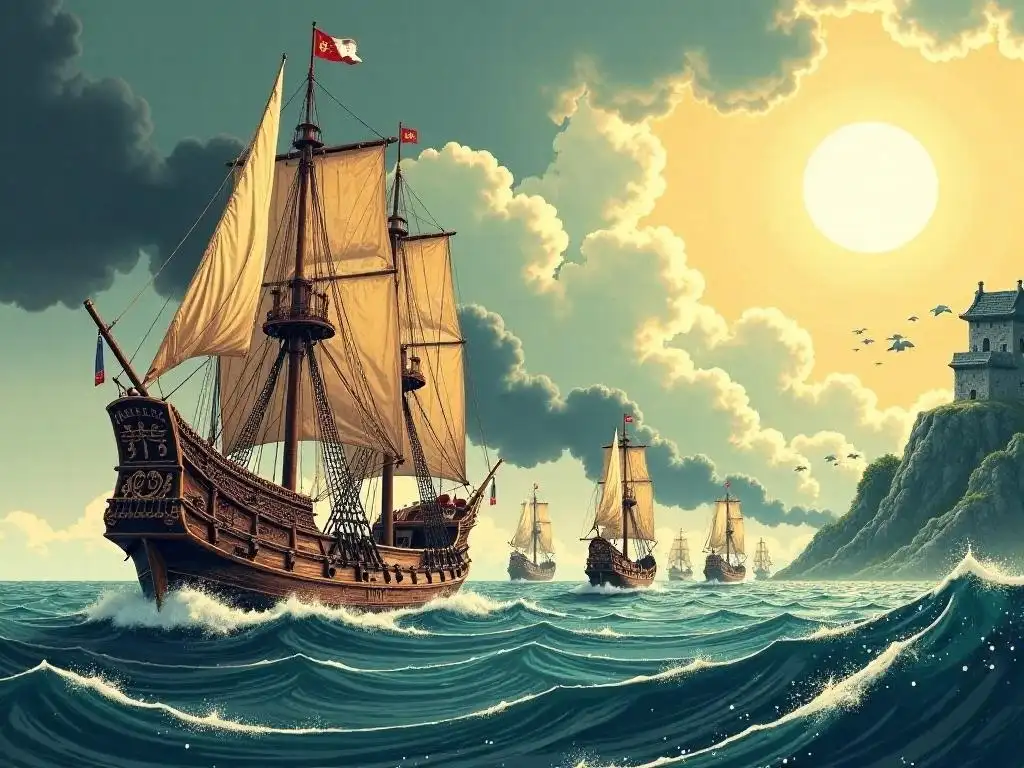
Welcome to Feudal Japan History, your gateway to the intricate tapestry of Japan’s feudal era. Dive deep into the fascinating world of Japan feudal naval warfare technology as we unravel the remarkable journey from oars to cannons. Discover how these technological advances not only shaped battles on the high seas but also influenced the very fabric of Japanese society. Prepare to embark on a captivating exploration that will leave you eager to uncover the secrets of this pivotal period in history. Your voyage through time starts here!
- Introduction to Japan's Feudal Naval Warfare Technology
- The Era of Oars: Early Naval Warfare Techniques in Japan
- Transitioning to Gunpowder: The Introduction of Cannons
- Technological Innovations in Japanese Naval Warfare
- Case Studies of Naval Engagements: Oars vs. Cannons
- The Cultural Impact of Naval Warfare Technology
- Conclusion: The Evolution of Japan's Feudal Naval Warfare Technology
-
Frequently Asked Questions
- What technological advances defined naval warfare in feudal Japan?
- How did naval warfare technology influence feudal Japanese society?
- Were there specific naval battles that showcased these technological advances?
- How did Japan’s feudal lords contribute to naval warfare technology?
- What are the lasting impacts of feudal naval warfare technology on modern Japan?
- Final Reflection: The Evolution of Naval Warfare Technology and Its Lasting Legacy
- Embark on Your Journey through Naval Innovation!
The technological advancements in naval warfare during Japan's feudal era played a pivotal role in shaping the nation's military strategies and engagements. From the early days of oar-driven vessels to the introduction of cannons and advanced shipbuilding techniques, these innovations not only transformed the way battles were fought at sea but also influenced broader societal and political dynamics.
This article delves into the significant technological developments in naval warfare, exploring how they affected Japan's military capabilities and its historical trajectory. By examining the nuances of these advancements, we aim to provide a comprehensive understanding of the intricate relationship between technology and warfare in feudal Japan.
The evolution of naval warfare technology in Japan can be traced through several key periods and innovations:
- Early Ship Design: The initial vessels utilized during the Kamakura period were primarily fishing boats and cargo ships, which were adapted for military use. These ships were typically propelled by oars and sails, limiting their speed and maneuverability.
- **The Introduction of the Atakebune: The Atakebune, or "large boats," emerged in the 15th century as a formidable war vessel. Characterized by their broad hulls and significant firepower, these ships played a crucial role in naval battles, particularly during the Sengoku period.
- Gunpowder and Cannons: The introduction of gunpowder to Japan in the 16th century marked a transformative moment in naval warfare. European traders brought cannons, which were initially mounted on ships, drastically changing naval engagements. The use of cannons allowed for long-range attacks, altering traditional tactics that relied heavily on close-quarters combat.
- Shipbuilding Innovations: Advances in shipbuilding techniques, including the use of stronger woods and improved designs, enabled the construction of larger and more resilient vessels. The ability to carry more troops and supplies became a strategic advantage during prolonged conflicts.
These technological advancements not only enhanced the effectiveness of naval operations but also reflected the broader changes in Japanese society and its interactions with foreign powers.
Naval warfare held significant importance in the feudal period of Japan, influencing both military and political landscapes:
- Control of Trade Routes: The ability to dominate maritime routes was crucial for maintaining trade and resource supply, particularly during periods of conflict. Control over trade led to economic prosperity for warlords and their domains.
- Strategic Military Operations: Naval forces allowed for the rapid transportation of troops and resources, offering a strategic advantage in regional conflicts. This mobility was essential for executing surprise attacks and defending coastal territories.
- Cultural Exchange and Influence: The interaction with foreign naval technologies, particularly during the Age of Exploration, opened avenues for cultural exchange. This not only enriched Japanese warfare but also led to the assimilation of new ideas and practices from abroad.
- Political Power Dynamics: Naval prowess became a symbol of power among feudal lords, influencing political alliances and rivalries. Those who mastered naval warfare often secured greater control over their regions, shaping the course of Japanese history.
The technological advances in naval warfare during Japan’s feudal era were instrumental in defining military strategies, enhancing trade, and influencing the socio-political landscape of the time. Understanding these developments is essential for grasping the complexities of feudal Japan's naval history.
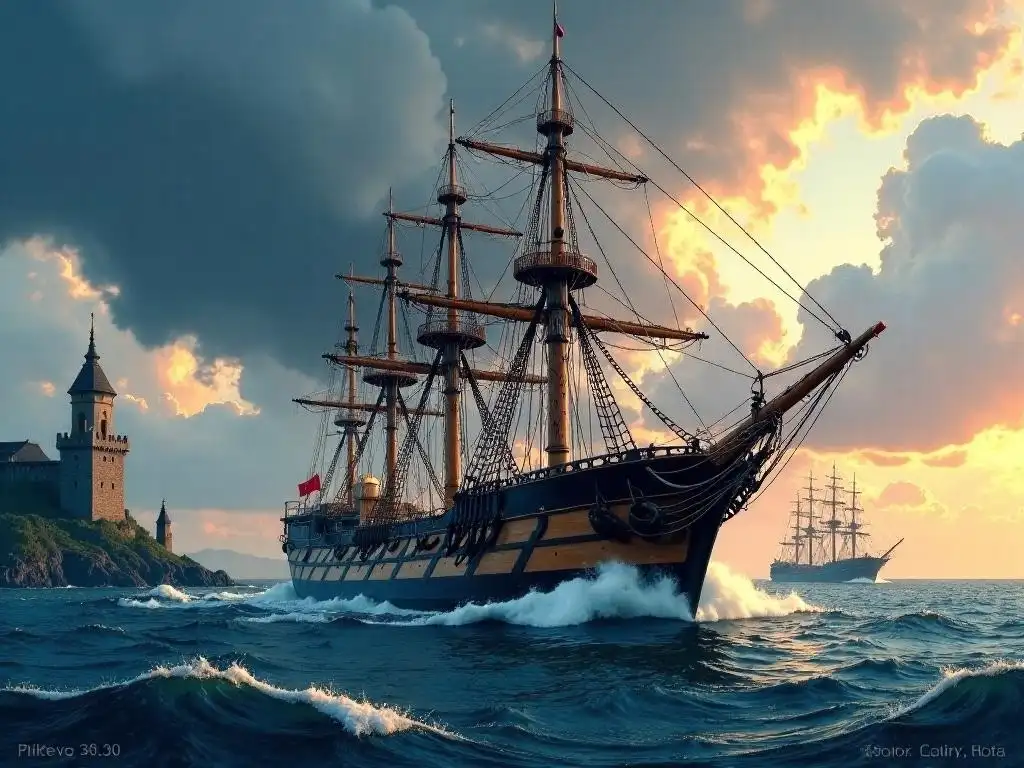
In the early years of feudal Japan, naval warfare heavily relied on oar technology, which played a crucial role in the effectiveness and maneuverability of ships. Oars provided a means of propulsion that was essential for navigating the often unpredictable waters surrounding Japan. Unlike wind-dependent vessels, oared ships could maintain control in various weather conditions, allowing for tactical advantages during battles.
The strategic use of oars allowed ships to engage in close-range combat, enabling quick maneuvers to outflank opponents. Oar technology also facilitated rapid troop deployment, as warriors could disembark swiftly to engage in hand-to-hand combat onshore. The flexibility provided by oars was invaluable in the narrow coastal waters and rivers where many feudal conflicts took place.
Types of Early Japanese Ships and Their Design
Early Japanese ships were primarily classified into two main types: wakas and sugata.
- Wakas:
- These were smaller, lightweight vessels designed for speed and agility.
- Typically constructed from wood, they featured a slender hull that reduced water resistance.
- Wakas were often used for reconnaissance missions and quick raids, allowing for swift movement along the coastline.
- Sugata:
- Larger than wakas, sugata were built to accommodate more crew and cargo, including warriors and supplies.
- They had a broader beam, providing stability in rough waters, and could carry multiple oars on each side.
- Sugata ships were often outfitted with simple sails, enhancing their versatility during longer voyages.
The design of these ships was heavily influenced by the prevailing naval warfare tactics of the time. The incorporation of multiple oars not only improved speed but also allowed for coordinated rowing techniques, enabling crews to work in unison during battles.
Several significant naval battles in feudal Japan showcased the effectiveness of oar technology.
- Battle of Dan-no-ura (1185):
- This pivotal battle during the Genpei War marked the confrontation between the Minamoto and Taira clans.
- The Taira fleet, primarily composed of oared ships, initially held an advantage due to their superior numbers.
- However, the Minamoto's tactics and skillful maneuvering led to their victory, illustrating how effective oar technology could outmaneuver larger fleets.
- Battle of Yashima (1185):
- Another critical engagement in the Genpei War, the Battle of Yashima featured intense naval maneuvers.
- Both sides relied heavily on their oar-powered ships to engage in strategic positioning and flanking maneuvers.
- The Minamoto's use of oars allowed them to better navigate the shallow waters, securing a crucial victory that further weakened the Taira clan.
- Naval Raids on the Mongol Invasions (1274 & 1281):
- During the Mongol invasions of Japan, Japanese defenders utilized their oared vessels to launch surprise attacks against the Mongol fleet.
- The agility of the Japanese ships allowed them to effectively disrupt the larger, less maneuverable Mongol vessels, showcasing the continued importance of oar technology in naval warfare.
Through these battles, it is evident that oar technology was not only a means of propulsion but also a vital component in the naval strategies of feudal Japan. The adaptability and effectiveness of oared vessels laid the groundwork for the evolution of naval warfare in Japan, paving the way for future technological advancements.
Transitioning to Gunpowder: The Introduction of Cannons
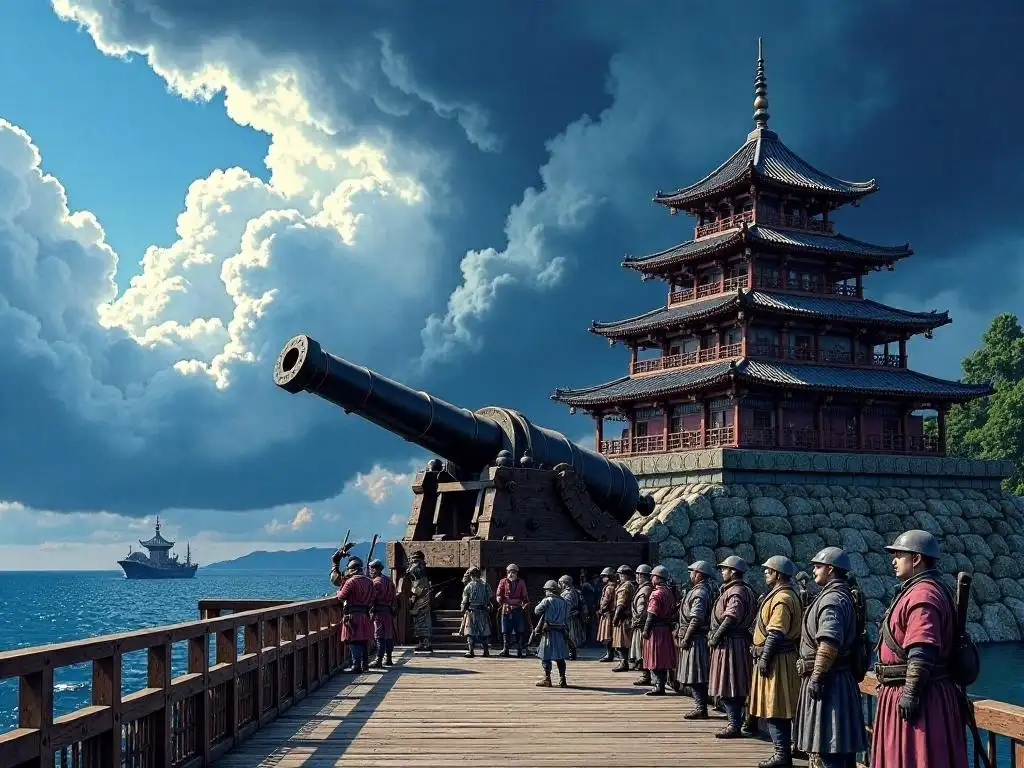
Historical Context of Gunpowder in Japan
The introduction of gunpowder to Japan can be traced back to the mid-16th century, largely attributed to the Portuguese traders who brought with them firearms and artillery technology. Prior to this, Japanese warfare was predominantly characterized by the use of traditional weapons such as swords and bows, along with oar-powered ships dominating naval engagements. The arrival of gunpowder marked a pivotal shift in both land and naval military tactics.
Initially, gunpowder was met with skepticism by Japanese warriors who were accustomed to hand-to-hand combat and the valor of the samurai code. However, the effectiveness of firearms during the Sengoku period (circa 1467-1603), a time of constant military conflict, led to a gradual acceptance and integration of gunpowder weaponry. Notably, the Battle of Nagashino in 1575 showcased the potential of arquebuses, as the Takeda clan was decisively defeated by the forces of Oda Nobunaga, who utilized gunpowder-based tactics.
By the late 16th century, cannons began to be incorporated into naval warfare, fundamentally transforming ship designs and battle strategies. The Japanese shipbuilders adapted their vessels to accommodate these new weapons, leading to innovations in naval architecture and artillery placement.
The integration of cannons into naval warfare strategies had profound implications for the conduct of battles at sea. The most significant impact was the shift from close-quarter combat to long-range engagements. This transition allowed naval commanders to engage enemy vessels from a distance, reducing the risks associated with boarding actions and hand-to-hand combat.
- Tactical Shifts: Naval tactics evolved as commanders began to prioritize positioning and maneuverability to maximize their cannon fire. Ships were no longer merely platforms for troop transport but became formidable artillery platforms.
- Fortification of Ports: With the advent of cannon technology, coastal fortifications became essential. Ports were fortified with heavy artillery to defend against naval attacks, leading to a new strategic layer in maritime defense.
- Psychological Warfare: The sheer power of cannon fire instilled fear in opposing fleets. The sound and destructive capability of cannons significantly impacted morale, often leading to surrender without a fight.
As a result, the dynamics of naval warfare in feudal Japan were forever altered. The combination of ship design evolution and tactical innovation allowed Japanese naval forces to effectively project power and defend their territories against both internal factions and foreign incursions.
Comparison of Oar-Powered Ships and Cannon-Equipped Vessels
The transition from oar-powered ships to cannon-equipped vessels illustrates a significant evolution in naval technology and warfare. Below is a comparative analysis highlighting the key differences between these two types of vessels.
| Feature | Oar-Powered Ships | Cannon-Equipped Vessels |
|---|---|---|
| Propulsion | Human-powered using oars | Wind-powered sails, with some oars for maneuverability |
| Range | Close-range combat | Long-range engagement with cannons |
| Combat Style | Boarding actions and hand-to-hand combat | Ranged artillery fire, reducing close encounters |
| Design | Narrow and agile for speed | Broader hulls to support heavy artillery |
| Crew Requirements | Larger crew for rowing | Smaller crew with specialized roles for operating cannons |
| Tactical Flexibility | High maneuverability in close quarters | Greater strategic options due to firepower |
The shift to cannon-equipped vessels not only enhanced the lethality of naval engagements but also necessitated a rethinking of how battles were fought at sea. As Japan moved into the early modern period, these changes would lay the groundwork for future naval innovations and strategies, ultimately contributing to Japan's emergence as a formidable maritime power.
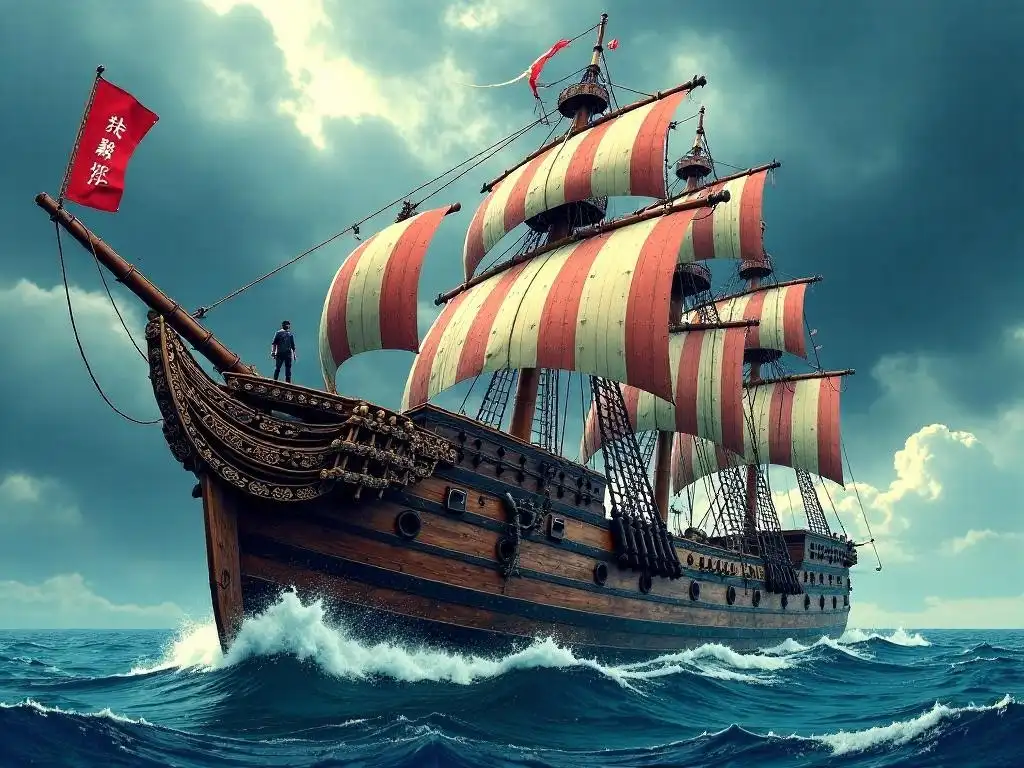
The evolution of naval warfare technology in feudal Japan represents a significant chapter in the broader narrative of military history. As Japan transitioned from a collection of warring states to a more centralized authority, technological innovations played a crucial role in shaping naval strategies and capabilities. This section delves into the pivotal advancements in shipbuilding, navigation, and the craftsmanship of naval weaponry that defined this era.
Development of Shipbuilding Techniques
The art of shipbuilding in feudal Japan underwent substantial advancements, driven by both necessity and innovation. During the early periods of feudal Japan, ships were primarily constructed using local materials such as wood from indigenous trees, predominantly cedar and fir. The following developments mark the evolution of Japanese shipbuilding:
- Modular Design: Japanese shipbuilders began employing modular designs, allowing for easier repairs and modifications. This approach facilitated the construction of larger vessels capable of carrying more troops and supplies.
- Kurikawa and Kake Maru: The introduction of specific vessel types such as the kurikawa (flat-bottomed boats) and kake maru (round ships) optimized for coastal and riverine navigation became crucial for territorial control and trade.
- Use of Iron: By the late feudal period, iron was increasingly incorporated into shipbuilding, particularly in the form of fastenings and reinforcements. This transition enhanced the durability and seaworthiness of Japanese vessels.
- Design Influences: The influence of Chinese shipbuilding techniques also played a role, particularly in the adoption of the junk-style hull, which featured a sail plan that improved maneuverability and speed.
These innovations not only improved the operational capabilities of Japanese naval forces but also allowed them to engage effectively with foreign powers, adapting to the changing landscape of maritime warfare.
Navigational techniques and warfare tactics evolved significantly during the feudal era, reflecting the growing importance of naval supremacy. Key advancements included:
- Celestial Navigation: Japanese sailors utilized celestial navigation techniques, relying on the position of stars and the sun to chart their courses. This method was crucial for long-distance voyages and military expeditions.
- Combat Tactics: The development of tactics such as the kōbō (boarding tactics) and yubune (small skirmishing boats) allowed for more versatile engagements during naval confrontations. These tactics emphasized speed and surprise, enabling forces to outmaneuver larger ships.
- Integration of Artillery: The introduction of firearms and cannons into naval warfare marked a pivotal shift. Ships began to incorporate teppō (matchlock guns) and later cannons, allowing for devastating ranged attacks during naval battles.
- Strategic Use of Geography: Japanese naval commanders adeptly utilized coastal geography to their advantage, employing hit-and-run tactics in familiar waters. This knowledge of local currents and tides gave them a significant edge over less familiar adversaries.
These advancements transformed Japanese naval warfare, propelling it into a new era characterized by increased effectiveness and adaptability.
Japanese blacksmiths played an instrumental role in the development and refinement of naval warfare technology through their expertise in metallurgy and weapon crafting. Their contributions can be highlighted as follows:
- Weapon Forging: Blacksmiths were responsible for producing a wide range of naval weaponry, including swords, spears, and firearms. The quality of their craftsmanship ensured that Japanese forces were equipped with reliable and effective weapons.
- Innovative Techniques: Techniques such as folding steel and quenching allowed for the creation of superior blades that were both resilient and sharp. This mastery of metallurgy extended to the production of ship components, such as anchors and reinforcing metal plates.
- Collaboration with Shipbuilders: The collaboration between blacksmiths and shipbuilders was crucial. Blacksmiths provided the necessary metal components that enhanced ship durability, while shipbuilders ensured that designs accommodated these innovations.
- Cultural Significance: Beyond their practical contributions, blacksmiths held a revered position in Japanese society, often seen as artisans whose skills were integral to the nation's military prowess. Their legacy is reflected in the high-quality craftsmanship that characterized Japanese weaponry.
The technological innovations in shipbuilding, navigation, and weapon crafting during feudal Japan were not just advancements; they were pivotal elements that shaped the very nature of naval warfare. These developments laid the groundwork for Japan's naval capabilities and had lasting impacts on its military history.
Key Battles Illustrating the Shift from Oars to Cannons
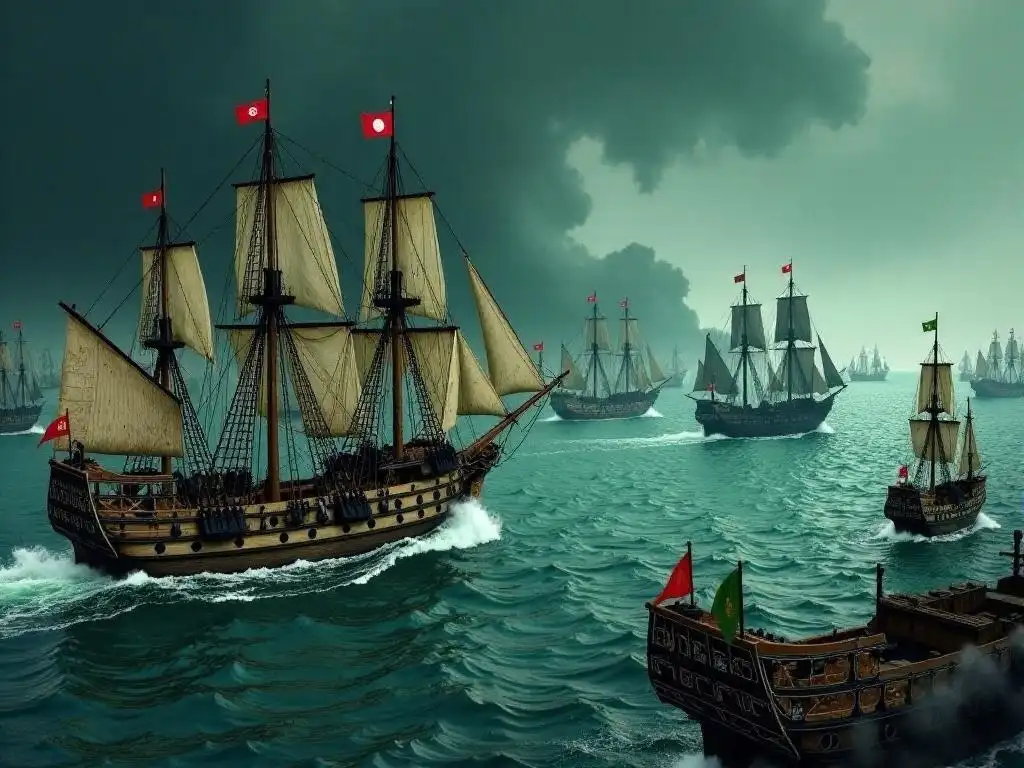
The transition from oar-powered vessels to cannon-equipped ships marked a significant turning point in Japan's feudal naval warfare technology. Several key battles illustrate this pivotal shift.
-
Battle of Fukuda (1564)
The Battle of Fukuda stands as one of the first confrontations showcasing the effectiveness of cannons in naval engagements. The forces of the Wokou pirates faced off against the naval fleet of the Ashikaga shogunate. The Wokou, utilizing gunpowder weaponry, managed to overpower the traditional oar-driven boats, leading to a strategic shift towards incorporating cannons in naval tactics.
-
Battle of Kizugawaguchi (1578)
In this engagement, the forces of the Mōri clan, equipped with cannon-laden ships, clashed with the forces of the Miyoshi clan. The Mōri’s superiority in firepower allowed them to dominate the battlefield, demonstrating how the introduction of cannons not only changed the dynamics of naval battles but also the importance of ship design and armament.
-
Siege of Nagasaki (1582)
The Siege of Nagasaki is another critical example where cannons played a decisive role. During this encounter, the naval forces of the Toyotomi clan utilized ships armed with cannons to bombard fortifications, showcasing the shift in strategy from close-quarters combat to long-range engagements facilitated by artillery technology.
The introduction of cannons into naval warfare significantly altered the tactical landscape of feudal Japan. Key changes included:
-
Shift from Close Combat to Ranged Warfare
The advent of cannon technology allowed for engagements to occur at greater distances. Naval commanders began to prioritize ship designs that maximized firepower, leading to a preference for larger vessels that could carry more artillery.
-
Formation and Maneuvering Strategies
With the introduction of cannons, naval formations adapted to create broadside attacks. Ships were arranged to maximize their firing arcs, allowing them to unleash volleys of cannon fire on enemy vessels while minimizing exposure to return fire.
-
Use of Fortifications and Coastal Defenses
The effectiveness of cannons prompted the development of coastal fortifications. These structures were designed to withstand cannon fire and to provide a strategic advantage during naval engagements, leading to an emphasis on combined arms tactics where land and naval forces worked in concert.
Outcomes and Implications for Feudal Japan’s Military Strategy
The shift from oar-powered naval engagements to cannon-based warfare had profound implications for Japan’s military strategy:
-
Evolution of Naval Doctrine
The integration of cannons led to a re-evaluation of naval tactics, emphasizing the importance of artillery in naval engagements. This evolution fostered a new generation of naval officers who specialized in artillery tactics and ship design.
-
Impact on Trade and Piracy
As naval warfare technology advanced, the control of trade routes became a priority. The ability to project power through cannons allowed clans to secure their economic interests and deter piracy, fundamentally altering the maritime landscape of feudal Japan.
-
Strategic Alliances and Conflicts
The newfound capabilities of cannon-armed vessels influenced alliances among feudal lords. Those who adopted advanced naval technology gained strategic advantages, leading to shifts in power dynamics and further conflicts as clans vied for supremacy over maritime territories.
The transition from oars to cannons in Japan feudal naval warfare technology resulted in significant tactical innovations, reshaped military strategies, and altered the balance of power among feudal lords, demonstrating the profound impact of technological advancements on historical military conflicts.
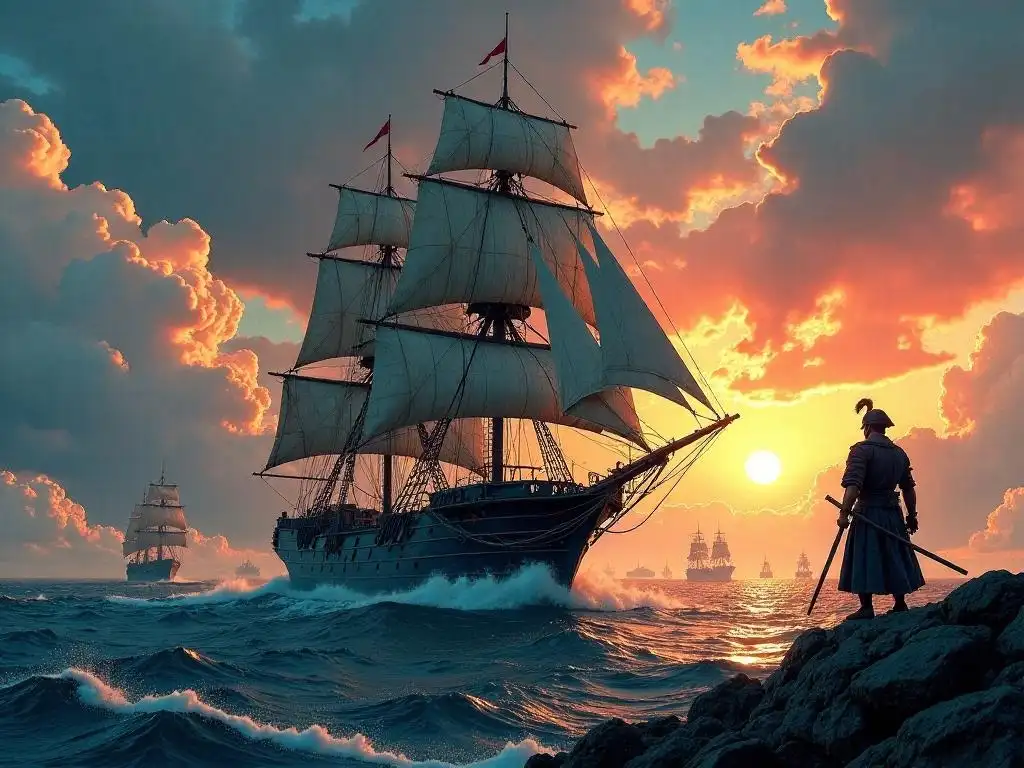
Naval warfare technology during Japan's feudal era significantly influenced the samurai culture and the leadership dynamics of naval forces. As maritime conflicts became more pronounced, the samurai class, traditionally associated with land warfare, began to adapt their strategies and values to include naval engagements.
- Integration of Naval Strategies: The rise of ship-based combat necessitated that samurai commanders develop new tactics. Unlike the typical battlefield, naval warfare required specialized skills in navigation, ship maintenance, and the handling of naval artillery. This shift led to the emergence of naval leaders who were not only adept in traditional samurai combat but also skilled in maritime strategy.
- Symbols of Status and Power: Ownership of advanced ships became a symbol of prestige among the samurai. The construction of warships like the Atakebune, large vessels equipped for combat, allowed powerful clans to showcase their military prowess. This ownership was not just a matter of warfare; it reflected the clan's economic strength and political influence within the feudal hierarchy.
- Cultural Narratives and Identity: The narratives surrounding naval battles began to permeate samurai culture, influencing literature and folklore. These tales often glorified naval heroes who displayed bravery and cunning at sea, reinforcing the samurai code of honor, known as Bushido. The valor displayed in naval warfare became a source of inspiration, shaping the identities of naval leaders and their followers.
Reflection of Technological Change in Japanese Art and Literature
The advancements in naval warfare technology left a profound impact on Japanese art and literature, serving as a reflection of the cultural and societal shifts during the feudal era.
-
Artistic Depictions of Naval Battles: Artists began to portray naval conflicts and the vessels utilized in these engagements. Ukiyo-e woodblock prints, for instance, captured scenes of naval battles, showcasing the intricate designs of ships and the chaos of combat at sea. These artworks not only documented historical events but also celebrated the craftsmanship involved in shipbuilding.
Artwork Artist Year Description The Battle of Dan-no-ura Utagawa Kuniyoshi 1847 Depicts the famous naval battle with dramatic scenes. The Sea Battle of Shimonoseki Katsushika Hokusai 1834 Illustrates the technological advancements in ships. -
Literary Reflections: Literature from the period also began to explore themes related to naval technology. Historical narratives, poetry, and plays incorporated elements of maritime warfare, reflecting the significance of naval power in the feudal era. Works like "The Tale of Heike" recount famous naval battles, emphasizing the strategic importance of naval technology and the valor of those who commanded these forces.
-
Symbolism in Literature: The ships themselves became symbolic within literary works, representing not only military power but also the journey of life and the unpredictability of fate. This dual representation highlighted the connection between technological advancements in naval warfare and the broader philosophical themes present in Japanese literature.
The technological advancements in naval warfare during Japan's feudal era had a profound cultural impact, influencing the samurai class, shaping artistic expressions, and redefining literary narratives. These elements collectively illuminate the importance of naval warfare technology within the broader context of Japan's feudal history.
The evolution of Japan's feudal naval warfare technology was marked by significant innovations that shaped the course of military engagements throughout the era. The transition from oar-powered vessels to more advanced designs, including the introduction of cannons, underscores a broader trend in military adaptation to changing warfare dynamics. This transformation was not merely about enhancing firepower but also involved strategic, tactical, and logistical refinements that allowed Japanese naval forces to respond effectively to both internal conflicts and external threats.
Japan's feudal naval warfare technology can be examined through several key developments:
- Early Ship Design:
- The initial naval vessels, primarily sampans and wakas, were designed for coastal navigation and fishing. Their evolution into warships, such as the atakebune, showcased a shift towards military utility.
- The atakebune, with its flat bottom and broad hull, was particularly effective for quick maneuvering in shallow waters, allowing for rapid troop deployments and surprise attacks.
- Technological Advances:
- The introduction of cannon technology in the 16th century, influenced by European traders, marked a pivotal shift. Japanese shipbuilders integrated cannons into their designs, enhancing the lethality of their naval forces.
- The use of gunpowder not only revolutionized ship-to-ship combat but also changed the nature of naval engagements, making traditional boarding tactics less effective.
- Strategic Naval Warfare:
- The development of naval tactics, such as the formation of fleets and the use of reconnaissance, became crucial. Leaders like Admiral Tōdō Takatora exemplified strategic foresight in utilizing naval power to control trade routes and conduct raids.
- The Battle of Kizaki in 1582 highlighted the effective use of coordinated naval attacks, emphasizing the importance of communication and strategy over sheer firepower.
- Impact of Foreign Influence:
- The arrival of the Portuguese and Spanish in the 16th century introduced advanced naval techniques and ship designs. This exposure prompted Japanese naval leaders to innovate further, leading to the creation of hybrid ships that combined local and foreign features.
- The Tokugawa Shogunate later focused on consolidating power and minimizing foreign influence, leading to a more insular approach to naval technology and strategy.
Future Implications for Understanding Military History in Japan
The study of Japan's feudal naval warfare technology offers profound implications for understanding the broader narrative of military history in Japan.
- Cultural Integration of Technology: The blending of indigenous and foreign technologies illustrates how cultures adapt and innovate through interaction. This integration showcases Japan's ability to assimilate and enhance imported ideas, a theme prevalent throughout its history.
- Military Innovation and Strategy: As naval technology evolved, so did military strategies. Analyzing these shifts provides insights into how military leaders adapted to changing landscapes, both geographically and politically. Such adaptability is a crucial aspect of military history that can inform contemporary military strategies.
- Lessons for Modern Warfare: The historical context of naval innovations in feudal Japan offers valuable lessons for modern military leaders. Understanding how technology drives strategy and vice versa can influence contemporary military planning and operations.
The trajectory of Japan's feudal naval warfare technology not only reflects the military advancements of the time but also serves as a lens through which to examine the complexities of cultural exchange, strategic evolution, and the interconnectedness of technology and warfare throughout history.
Frequently Asked Questions
The era saw significant advancements in ship design and weaponry, transitioning from traditional oars to the use of cannons. These innovations enhanced Japan's naval capabilities and combat effectiveness.
The development of naval technology not only improved military strategy but also affected trade and commerce. Enhanced naval power allowed for better control of maritime routes and resources.
Yes, battles such as the Battle of Dan-no-ura highlighted the impact of naval technology. The introduction of firearms and improved ships played a crucial role in determining outcomes.
Feudal lords, or daimyos, invested in shipbuilding and armament, leading to advancements in naval warfare technology. Their competition for power often drove innovation and military tactics.
The technological innovations from feudal naval warfare laid the groundwork for Japan's modern navy. The principles of strategy and engineering developed during this era continue to influence Japan's maritime capabilities today.
The journey from oars to cannons in naval warfare is not just a historical narrative; it is a testament to human ingenuity and adaptability in the face of ever-changing challenges. Today, as we navigate complex geopolitical waters, understanding the technological advancements of the past, particularly in the context of Japan's feudal naval warfare technology, provides invaluable insights into the strategies that shaped nations and their maritime capabilities. The evolution of naval warfare reflects a broader theme of innovation that continues to resonate in modern military and civilian contexts.
Cultural and social landscapes have been profoundly influenced by the technological advancements in naval warfare. The shift from traditional oared vessels to cannon-equipped ships not only altered the dynamics of naval battles but also transformed trade, exploration, and international relations. This evolution serves as a reminder of how technology can redefine power structures and societal interactions. Innovation distinguishes between a leader and a follower.
– Steve Jobs. This quote encapsulates the essence of how embracing technological change can lead to leadership on the global stage, a lesson that remains pertinent as we face new challenges today.
As we reflect on the lessons from Japan's feudal naval warfare technology, I invite you to consider how the principles of innovation and adaptability apply to your own life. What can you learn from the past to navigate the complexities of the present? Embrace the spirit of innovation, whether in your personal endeavors or professional pursuits, and recognize that the evolution of technology is not just a historical phenomenon but a continuous journey. Let the legacy of naval warfare inspire you to forge ahead, adapt, and lead in your own unique way.
Thank you for diving into our exploration of technological advances in naval warfare! You have gained insight into the pivotal shifts that transformed how battles were fought at sea. Now, it’s time to take that knowledge and put it into action!
- Dive deeper into the fascinating world of maritime history by exploring related articles on significant naval conflicts—uncover the strategies that defined these battles!
- Share your thoughts and insights in the comments below; which technological advancements do you believe were the most impactful?
- Join a discussion group or online forums dedicated to historical warfare—connect with fellow enthusiasts and broaden your understanding.
What aspect of naval innovation intrigues you the most, and how do you think it has shaped our world today?