
The Craft of Swordsmithing: The Art Behind the Katana

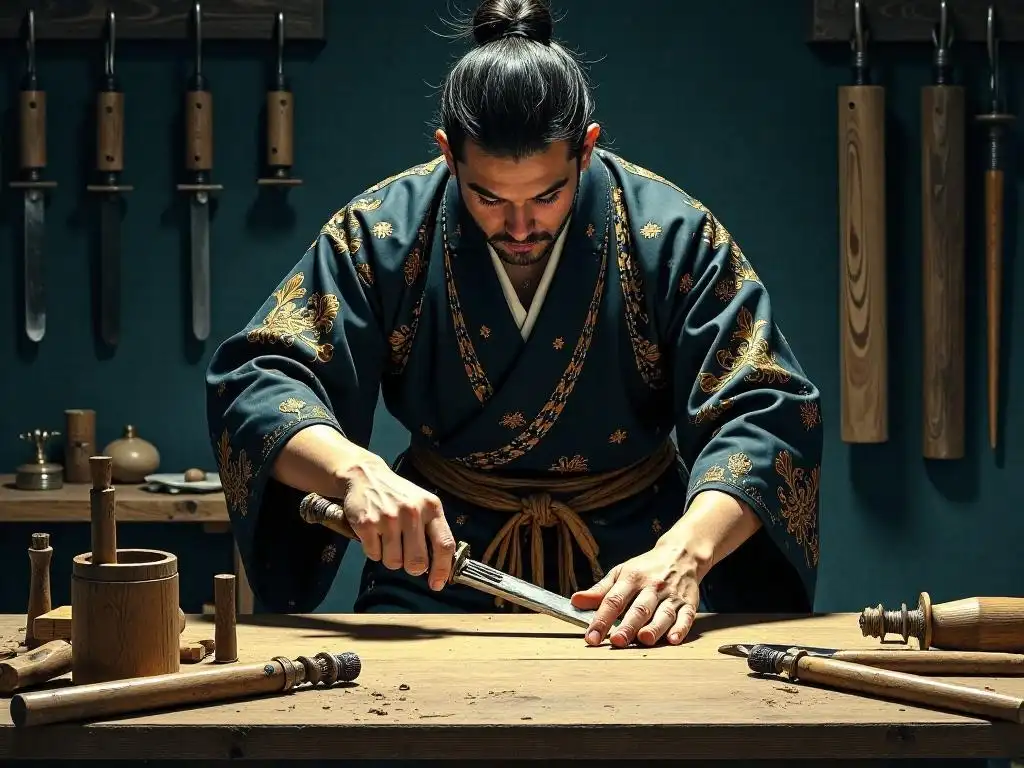
Welcome to Feudal Japan History, where we invite you on a captivating journey through the rich tapestry of Japan’s feudal era. Explore the intricate world of Japanese swordsmithing techniques history, a craft steeped in tradition and artistry that has forged not only weapons but also the very spirit of samurai culture.
In our featured article, "The Craft of Swordsmithing: The Art Behind the Katana," discover the secrets behind this revered skill and how it has shaped the identity of a nation. Prepare to immerse yourself in the profound stories and techniques that define this timeless art, and let your curiosity lead you deeper into the fascinating cultural history of feudal Japan.
Introduction to Japanese Swordsmithing Techniques History
Japanese swordsmithing is not merely a craft; it is an intricate art form that embodies centuries of tradition, skill, and cultural significance. At the heart of this craft lies the katana, a symbol of honor and craftsmanship that has captivated enthusiasts and historians alike.
This article will delve into the history of Japanese swordsmithing techniques, exploring how they evolved through the feudal era of Japan, the societal influences that shaped them, and the profound impact they have had on Japanese culture. By understanding the artistry involved in crafting a katana, we can appreciate not only the beauty of these swords but also their historical weight and significance.
Overview of Swordsmithing in Feudal Japan
In feudal Japan, swordsmithing emerged as a highly revered profession, often passed down through generations. The process of creating a katana was both an art and a science, requiring an extensive understanding of metallurgy, design, and the spiritual beliefs surrounding weaponry.
- Key Elements of Swordsmithing:
- Materials: The use of high-quality iron sand and tamahagane steel.
- Techniques: Folding and forge welding for purity and strength.
- Tools: Specialized tools such as chisels, hammers, and anvils.
The techniques employed by swordsmiths varied significantly across different regions, leading to distinct styles that are still recognized today. The meticulous nature of swordsmithing reflected the ethos of the samurai, where the sword was not just a weapon but a testament to one’s honor and skill.
Significance of the Katana in Japanese Culture
The katana holds a unique place in Japanese culture, transcending its function as a weapon to become an emblem of the samurai spirit. It is often associated with the bushido code, which emphasizes virtues such as loyalty, courage, and honor.
- Cultural Symbolism:
- Artistic Expression: The katana is celebrated not only for its functionality but also for its aesthetic beauty.
- Spiritual Connection: Many swordsmiths believed that their blades were imbued with a spirit, making the act of swordsmithing a sacred endeavor.
Through various historical events and cultural shifts, the katana has remained a powerful symbol of Japan’s heritage, embodying the craftsmanship and dedication of those who forge it.
Historical Context of Japanese Swordsmithing
Understanding the historical context of Japanese swordsmithing requires a look back at its origins and the influences that shaped its development. From the early days of sword production to the advancements made during the feudal era, the journey of the katana is intertwined with Japan’s tumultuous past.
Origins of Swordsmithing Techniques in Japan
The roots of Japanese swordsmithing can be traced back to the 8th century, influenced by the introduction of ironworking techniques from the Korean Peninsula. The early swords were primarily utilitarian, but as demand for more effective weapons grew, swordsmithing became a specialized craft.
- Early Techniques:
- Tamahagane Production: The creation of tamahagane from iron sand.
- Heat Treatment: The development of quenching methods to enhance blade durability.
These foundational techniques laid the groundwork for the sophisticated swordsmithing methods that would follow, culminating in the production of the iconic katana.
Evolution of the Katana Throughout History
Over the centuries, the katana evolved in response to changes in warfare, technology, and aesthetics. The Heian period saw the emergence of the curved blade, which would become a defining characteristic of the katana.
- Key Historical Developments:
- Kamakura Period: Introduction of the tachi, a predecessor of the katana.
- Muromachi Period: Refinement of blade design and the rise of famous swordsmiths.
This evolution highlights how the katana adapted to the needs of its users while simultaneously reflecting the cultural and artistic trends of each era.
Influence of Feudal Society on Swordsmithing
The feudal structure of Japanese society played a critical role in the development of swordsmithing techniques. As the samurai class rose to prominence, the demand for high-quality swords surged, leading to innovations in production methods.
- Societal Impacts:
- Patronage: Wealthy samurai and feudal lords commissioned swords, fostering competition among swordsmiths.
- Cultural Exchange: Interaction with other cultures through trade and conflict influenced techniques and styles.
This interplay between society and craftsmanship not only advanced the art of swordsmithing but also solidified the katana’s status as a cultural icon, representing the warrior ethos of feudal Japan.
The Art and Science of Katana Forging
The craft of swordsmithing in Japan is a remarkable blend of artistry and science, deeply rooted in centuries of tradition. The process of forging a katana is not merely about shaping metal; it involves a meticulous interplay of techniques, materials, and cultural significance.
At the heart of katana forging lies the principle of tamahagane, a type of steel produced from iron sand. This unique material is essential for creating the katana's distinctive qualities, such as its flexibility and sharpness. Swordsmiths harness the properties of tamahagane through repeated folding and hammering, a technique that aligns the steel’s carbon content, enhancing its strength and durability.
Moreover, the forging process involves precise temperature control and a deep understanding of metallurgical properties, allowing smiths to achieve the desired balance between hardness and toughness. This scientific approach underpins the artistic vision of the smith, as they strive to produce a blade that is not only functional but also a work of art, often adorned with intricate designs and engravings.
Materials Used in Japanese Swordsmithing
The materials used in Japanese swordsmithing are integral to the katana's performance and aesthetic appeal. The primary material is tamahagane steel, which is derived from the smelting of iron sand using a traditional tatara furnace. This method results in a high-quality steel rich in carbon, which is essential for creating the blade's edge.
In addition to tamahagane, swordsmiths often utilize other materials to enhance the katana's characteristics:
- Iron: Used in the construction of the tang and other components, iron provides additional strength.
- Copper: Employed in the construction of fittings and the tsuba (handguard), copper's malleability allows for intricate designs.
- Gold and Silver: Occasionally used for decorative purposes, these materials can embellish the blade and fittings, reflecting the smith's artistry.
- Lacquer: Utilized for coating the handle and scabbard, lacquer protects the wood and enhances the overall aesthetic.
Each of these materials plays a crucial role in the overall functionality and visual appeal of the katana, emphasizing the importance of careful selection and craftsmanship in swordsmithing.
Traditional Methods of Sword Making
Traditional Japanese sword making is a time-honored process that has evolved over centuries, with techniques passed down through generations. The typical steps involved in crafting a katana include:
- Steel Preparation: The process begins with the selection and preparation of tamahagane steel. The steel is broken into small pieces and sorted according to carbon content.
- Shaping: The pieces are heated and forged into a rough blade shape through hammering. This stage involves folding the steel multiple times to create layers, which enhances its strength and flexibility.
- Quenching: Following the shaping, the blade is heated to a specific temperature and then rapidly cooled in water or oil. This process hardens the edge while retaining a softer spine for flexibility.
- Tempering: The blade is then reheated to relieve stresses and further refine its hardness, ensuring a balance between resilience and sharpness.
- Polishing: A critical phase that involves using various stones to polish and sharpen the blade. This not only enhances the blade's functionality but also brings out the unique patterns in the steel.
- Fitting: Finally, the blade is fitted with a handle, guard, and scabbard. Each of these components is crafted with care, often featuring ornate designs that reflect the smith's artistic vision.
These traditional methods highlight the intricate balance between craftsmanship and artistry in creating a katana, making each piece a unique reflection of the swordsmith's skill and heritage.
Tools and Equipment in Swordsmithing
The tools and equipment used in Japanese swordsmithing are essential for achieving the high levels of craftsmanship associated with katana production. Some of the most important tools include:
- Hammers: Various hammers are used for shaping the steel, each designed for specific tasks within the forging process.
- Anvils: These provide a solid surface for hammering and shaping the blade, crucial for ensuring precision.
- Tongs: Used to hold and manipulate the hot steel, tongs must be durable and designed for different sizes of workpieces.
- Furnaces: Traditional tatara furnaces are integral for producing tamahagane, while forges are used for heating the steel during various stages of the sword-making process.
- Polishing Stones: A variety of stones, each with different grits, are utilized for the final polishing of the blade, allowing for a mirror-like finish.
These tools are not just functional; they embody the tradition and skill that have been honed over generations, playing a pivotal role in the creation of each katana.
Master Swordsmiths and Their Legacy
Master swordsmiths hold a revered place in Japanese culture, their skills representing the pinnacle of sword-making artistry. These artisans, often recognized by their unique signatures, have significantly influenced the history of Japanese swordsmithing, shaping the identity of the katana as not only a weapon but also a symbol of honor and craftsmanship.
Notable Swordsmiths in Japanese History
Throughout history, several swordsmiths have made indelible marks on the craft of Japanese swordmaking. Some notable figures include:
- Masamune: Perhaps the most famous swordsmith, known for producing blades of exceptional quality during the Kamakura period. His swords are characterized by their beautiful hamon (temper line) and superior cutting ability.
- Muramasa: Renowned for his blades that were believed to possess supernatural powers. His swords were highly sought after, albeit often associated with a dark folklore.
- Tadayoshi: A master of the early Edo period, known for his meticulous craftsmanship and the production of swords that are still highly prized today.
These swordsmiths not only contributed to the technical advancements of sword-making but also left behind a legacy that continues to inspire contemporary craftsmen.
The Role of Apprenticeship in Swordsmithing Craft
Apprenticeship plays a crucial role in the transmission of swordsmithing techniques and traditions. Typically, aspiring swordsmiths undergo rigorous training under the guidance of master smiths, often lasting several years. This apprenticeship involves:
- Hands-on Training: Apprentices learn the intricacies of forging, polishing, and assembling swords, gaining practical skills that are essential for mastering the craft.
- Cultural Education: Beyond technical skills, apprentices are taught the history, philosophy, and cultural significance of sword-making, ensuring they appreciate the art form's deeper meaning.
- Mentorship: The master-apprentice relationship fosters personal growth and skill development, allowing apprentices to inherit not only technical prowess but also the artistic vision of their masters.
This system of apprenticeship is vital for preserving the rich heritage of Japanese swordsmithing, ensuring that the knowledge and skills of past generations continue to thrive in modern practice.
Cultural Significance of the Katana
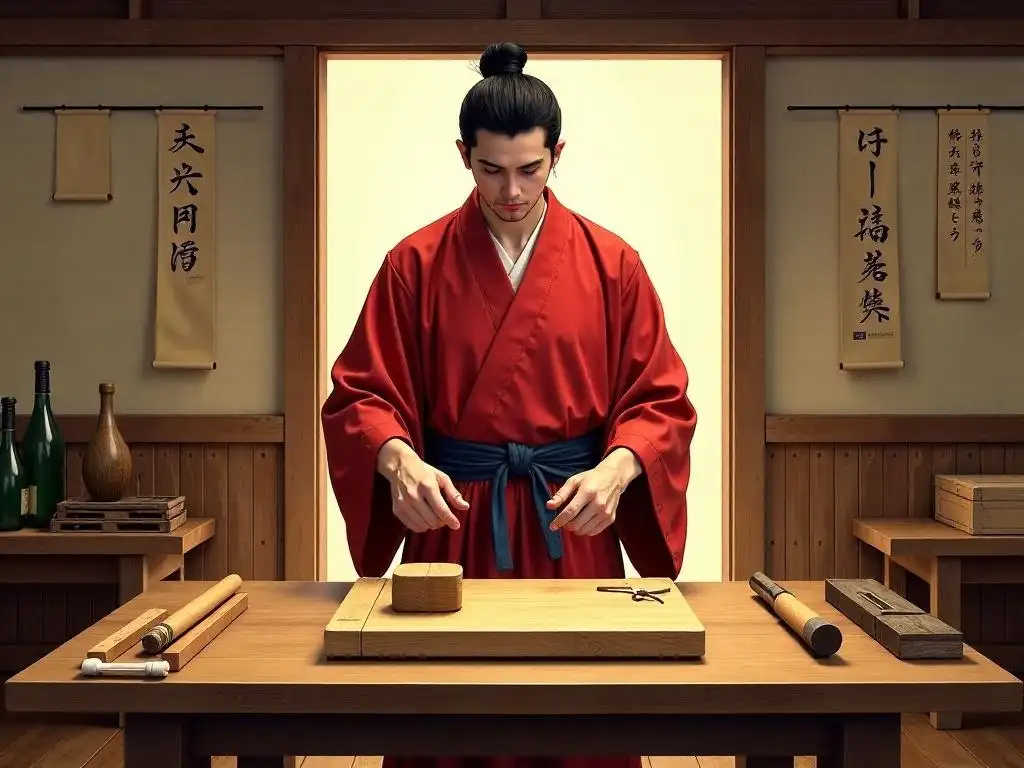
The katana, often regarded as a symbol of Japanese craftsmanship, transcends mere weaponry to embody the spirit, history, and cultural identity of Japan. Its significance is deeply rooted not only in its practical use as a sword but also in its representation of the values, aesthetics, and traditions of Japanese society. The sword represents a harmonious blend of art and functionality, showcasing the skills of the swordsmith and the warrior’s honor.
The katana's curvilinear blade and intricate designs are a testament to Japan's rich history of forging techniques, which have been passed down through generations. As a cultural artifact, the katana has played a pivotal role in shaping Japanese identity, influencing literature, art, and philosophy. It stands as an emblem of the samurai class, reflecting their code of conduct, known as Bushido, which emphasizes loyalty, honor, and discipline.
The Symbolism of the Katana in Japanese Society
In Japanese society, the katana symbolizes more than just a weapon; it is a representation of the soul of the samurai. Often referred to as "the soul of Japan," the katana embodies the ideals of courage and self-sacrifice. Its blade is viewed as a protector, both in the physical and spiritual realms. The katana is also intricately tied to the concept of kami (spiritual essence), with many believing that the sword holds a spirit of its own, thus requiring proper care and respect.
The craftsmanship involved in creating a katana further enhances its symbolic status. Each sword is unique, with its own history and story, reflecting the identity of its maker. The meticulous process of swordsmithing—comprising folding, hammering, and tempering—serves as a metaphor for the forging of one's character through perseverance and dedication.
The Katana in Samurai Culture and Warfare
The katana was not merely a tool for combat; it was an integral part of samurai culture and identity. Samurai warriors were trained to wield their swords not just with skill, but with a deep understanding of their significance. The katana was often the last resort in battle, reserved for moments of honor and valor, reinforcing the idea of fighting for justice and protecting the weak.
During the feudal era, the katana was central to the samurai's life, serving both as a weapon and a status symbol. It was common for samurai to carry two swords, the katana and a shorter blade known as a wakizashi. This pairing, known as daisho, represented the samurai's social status and adherence to their warrior code. The katana's unique design, allowing for quick drawing and swift strikes, made it ideal for the combat styles of the time, which emphasized agility and precision.
Rituals and Ceremonies Involving the Katana
The katana is deeply entwined with various rituals and ceremonies that underscore its significance in Japanese culture. One notable ritual is the tachi-waza, a ceremonial sword drawing performed by skilled practitioners that showcases the grace and power of the katana. This ritual emphasizes the beauty of the sword as an art form, highlighting the connection between the blade and the wielder.
Additionally, the katana often features in traditional Shinto ceremonies, where it is blessed and purified to embody spiritual power. These ceremonies reflect the sword's role as a sacred object, believed to bring protection and fortune. The katana is also present in cultural events such as tea ceremonies and martial arts demonstrations, further solidifying its status as a symbol of Japanese heritage.
Preservation of Swordsmithing Techniques Today
Despite the passage of time and the evolution of technology, the art of Japanese swordsmithing persists, with efforts being made to preserve these ancient techniques. Traditional swordsmiths continue to uphold centuries-old methods, ensuring that the cultural significance of the katana remains alive in contemporary society.
Modern Interpretations of Traditional Methods
Today, while some swordsmiths strive to maintain traditional practices, others explore modern interpretations that incorporate contemporary materials and techniques. This blending of old and new can produce swords that appeal to both collectors and martial artists. Innovations such as the use of modern alloys and advanced heat treatment methods have emerged, allowing for enhanced durability while still paying homage to the art’s rich heritage.
These modern interpretations also include the creation of artistic katana intended for display rather than combat. Such pieces often feature intricate designs and embellishments, showcasing the aesthetic qualities of swordsmithing and attracting interest from art collectors around the globe.
The Role of Swordsmithing in Contemporary Japanese Culture
Swordsmithing holds a significant place in contemporary Japanese culture, symbolizing a connection to the past while adapting to modern values. Swordsmiths, known as tosho, are recognized as cultural treasures, with many designated as Important Intangible Cultural Properties by the Japanese government. This status helps ensure the continuation of traditional techniques and the education of new generations.
Moreover, the katana has gained international appreciation, with enthusiasts and practitioners of martial arts around the world recognizing its artistry and historical importance. Exhibitions and demonstrations of swordsmithing techniques, as well as workshops, are increasingly popular, allowing a broader audience to engage with this ancient craft.
Challenges Facing Traditional Swordsmiths
Despite the ongoing interest in swordsmithing, traditional swordsmiths face several challenges. The declining number of skilled artisans, due in part to the rigorous training required and the limited demand for functional swords, poses a significant threat to the preservation of these techniques. Additionally, the high cost of materials and the labor-intensive nature of swordsmithing can deter newcomers from entering the field.
Environmental factors also play a role, as the availability of traditional materials, such as tamahagane (a type of steel used in katana production), becomes increasingly limited. The rising costs associated with sustainable practices further complicate the situation, making it imperative for the swordsmithing community to adapt while maintaining the integrity of their craft.
The cultural significance of the katana and the preservation of swordsmithing techniques today reflect a rich tapestry of history, art, and identity that continues to resonate in both Japan and around the world.
Conclusion
The craft of swordsmithing, particularly in the context of the katana, stands as a remarkable testament to the intricate blend of artistry, tradition, and functionality that defines Japanese culture. Over centuries, the techniques and philosophies surrounding Japanese swordsmithing have evolved, yet they remain deeply rooted in the historical context of feudal Japan. From the meticulous selection of materials to the rigorous forging processes, every step in the creation of a katana reflects a commitment to excellence and an understanding of the sword's significance beyond mere weaponry.
The katana, with its distinctive curvature and sharpness, embodies not only practical combat utility but also spiritual and aesthetic values. As we delve into the historical narratives surrounding Japanese swordsmithing, we uncover a rich tapestry of craftsmanship that has influenced not only martial arts but also art forms, culture, and identity. Thus, the legacy of swordsmithing continues to resonate, inspiring artisans and enthusiasts alike.
The Enduring Legacy of Japanese Swordsmithing
The legacy of Japanese swordsmithing goes well beyond the physical swords themselves; it encompasses a philosophy of craftsmanship that emphasizes patience, respect, and dedication. Renowned swordsmiths like Masamune and Muramasa have achieved legendary status, their works transcending time and becoming symbols of strength and beauty. The meticulous practices they established, such as the differential hardening that creates the katana's signature hamon (temper line), remain foundational in contemporary swordmaking.
Moreover, the cultural significance of the katana extends into various aspects of Japanese society, including art, literature, and martial traditions. The sword is often seen as a representation of the samurai spirit, embodying ideals such as honor, loyalty, and discipline. Today, this legacy is celebrated through exhibitions, museums, and cultural festivals that honor both historical and modern interpretations of swordsmithing.
Future of Katana Craftsmanship in a Modern World
As the world continues to globalize, the future of katana craftsmanship faces both challenges and opportunities. Traditional smithing techniques are at risk of fading as fewer artisans take up the craft, leading to concerns about the preservation of this ancient art. However, there is a resurgence of interest in handcrafted goods, with modern enthusiasts seeking authentic experiences and connections to history. This trend has sparked a renewed appreciation for the artistry of the katana and its cultural significance.
Innovations in materials and technology are also influencing swordsmithing. While traditional methods remain revered, some artisans are exploring modern advancements that enhance the durability and performance of katanas. This fusion of old and new approaches can potentially create a new renaissance in swordsmithing, attracting younger generations to the craft.
As we look to the future, it is crucial to balance the preservation of traditional techniques with the incorporation of contemporary practices. By doing so, the art of Japanese swordsmithing can continue to thrive, ensuring that the rich heritage of the katana remains vibrant and relevant in a rapidly changing world.
- Introduction to Japanese Swordsmithing Techniques History
- Historical Context of Japanese Swordsmithing
- The Art and Science of Katana Forging
- Master Swordsmiths and Their Legacy
- Cultural Significance of the Katana
- Preservation of Swordsmithing Techniques Today
- Conclusion
- What is the significance of swordsmithing in feudal Japan?
- How did Japanese swordsmithing techniques evolve over time?
- What are the key features of the katana produced during the feudal era?
- Who were the prominent swordsmiths in feudal Japan?
- What materials are traditionally used in Japanese swordsmithing?
Frequently Asked Questions
What is the significance of swordsmithing in feudal Japan?
Swordsmithing held cultural and historical significance as it produced the revered katana, symbolizing the samurai's honor and craftsmanship.
How did Japanese swordsmithing techniques evolve over time?
Japanese swordsmithing techniques evolved through centuries, incorporating innovations in metallurgy and design that enhanced the katana's performance and aesthetic appeal.
What are the key features of the katana produced during the feudal era?
Katana from the feudal era are characterized by their curved blades, exceptional sharpness, and unique hamon, or temper line, reflecting the artisan's skill.
Who were the prominent swordsmiths in feudal Japan?
Prominent swordsmiths, like Masamune and Munechika, are renowned for their exceptional work and have become legends in Japanese swordsmithing history.
What materials are traditionally used in Japanese swordsmithing?
Traditional swordsmithing utilizes high-carbon steel, known as tamahagane, which is prized for its strength and flexibility, essential for crafting a durable katana.
Final Reflection: The Enduring Legacy of Japanese Swordsmithing
The art of Japanese swordsmithing is not just a craft; it is a profound expression of culture, history, and identity. Today, as we navigate a world increasingly dominated by technology, the intricate techniques and philosophies behind the katana remind us of the value of craftsmanship and the stories embedded within each blade. The meticulous process of forging a katana, from the selection of materials to the final polish, serves as a testament to the dedication and artistry that transcends time.
Cultural heritage is often defined by the skills and traditions passed down through generations, and swordsmithing is a prime example of this continuum. The techniques honed over centuries not only reflect the technical prowess of the smiths but also embody the spirit of the samurai and their code of honor. As noted by renowned swordsmith Yoshindo Yoshihara, A sword is not just a weapon; it is a reflection of the soul of the craftsman.
This connection between the artisan and their creation highlights the ongoing influence of swordsmithing in contemporary society, where the appreciation for handmade artistry is experiencing a renaissance.
As we reflect on the significance of Japanese swordsmithing, I invite you to consider how the principles of dedication, patience, and respect for tradition can be applied in your own life. Embrace the lessons learned from this ancient craft, and let them inspire you to pursue your passions with the same fervor and commitment. Whether you are an artist, a professional, or simply someone seeking to cultivate a deeper appreciation for craftsmanship, remember that every endeavor can be a journey of mastery, echoing the timeless art of the katana.
Unveil Your Inner Swordsmith Today!
Thank you for diving into the fascinating world of swordsmithing with us! We hope you feel inspired by the artistry and history behind the katana. Now, let's take that inspiration and turn it into action!
- Explore your creativity! Try your hand at a local blacksmithing workshop or an online class to learn essential metalworking skills.
- Share your newfound knowledge! Engage with fellow enthusiasts by discussing the artistry of katana-making on social media or in dedicated forums.
- Uncommon twist: Research and share a unique or lesser-known fact about katana history; you might surprise your friends!
What captivating aspect of swordsmithing resonates most with you, and how will you express that passion?