
Cavalry vs. Infantry: The Dynamics of Samurai Combat Forces

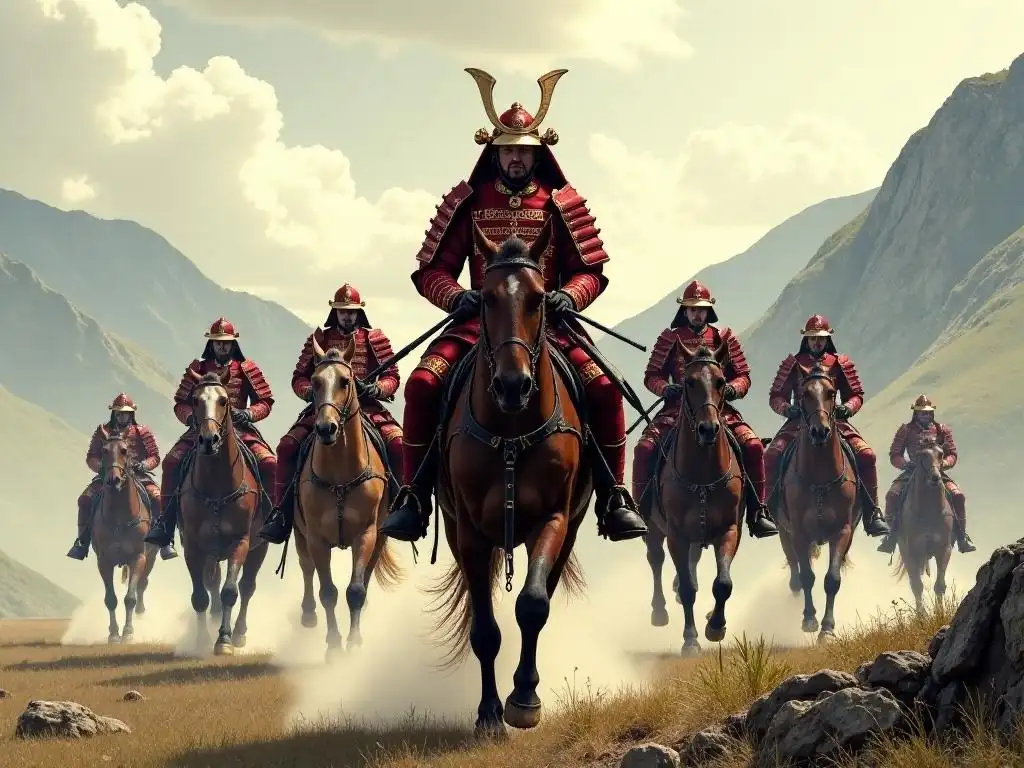
Welcome to Feudal Japan History, where the echoes of the past resonate through the intricate tales of honor, strategy, and valor. Here, we embark on a comprehensive exploration of Japan's feudal era, delving deep into the historical, cultural, and societal aspects that shaped this fascinating period.
Today, we invite you to uncover the secrets of "Samurai combat strategies explained," as we dissect the dynamic interplay between cavalry and infantry in the legendary battles of the samurai. Prepare to ignite your curiosity and immerse yourself in the world of warrior tactics that defined an era—read on to discover the complexities of these formidable combat forces!
The history of feudal Japan is rich with tales of valor, honor, and intricate military strategies, particularly those employed by the iconic samurai warriors. Two primary combat forces defined the battlefield during this era: cavalry and infantry. Understanding the dynamics between these two groups is crucial for grasping the broader context of samurai combat strategies explained in this article.
The samurai, renowned for their martial prowess, adopted varied tactics depending on the circumstances, terrain, and the nature of their opponents. This exploration delves into the specifics of cavalry and infantry roles, their unique strengths and weaknesses, and how these elements shaped the outcomes of conflicts throughout Japan’s feudal era.
In examining the military strategies of the samurai, we will uncover how the interplay between cavalry and infantry not only influenced individual battles but also the overall trajectory of Japan’s feudal history. Join us as we unravel the complexities of samurai combat forces, shedding light on the intricate tactics and the cultural significance of warfare during this tumultuous yet fascinating period.
- Introduction to Samurai Combat Strategies Explained
- Historical Context of Samurai Combat Forces
- Key Differences Between Cavalry and Infantry
- Samurai Combat Strategies Explained: Cavalry Tactics
- Samurai Combat Strategies Explained: Infantry Tactics
- Comparative Analysis of Cavalry and Infantry in Samurai Warfare
- Conclusion: The Legacy of Samurai Combat Forces
- Further Reading on Samurai Combat Strategies Explained
-
Frequently Asked Questions
- What were the primary differences between cavalry and infantry in Samurai combat?
- How did Samurai combat strategies evolve during the feudal era?
- What role did terrain play in Samurai combat strategies?
- How did the Samurai's code of conduct affect their combat strategies?
- What are some key historical battles that showcased Samurai combat strategies?
- Final Reflection: The Enduring Legacy of Samurai Combat Strategies
- Unleash Your Inner Warrior: Dive Deeper into Samurai Combat!
Introduction to Samurai Combat Strategies Explained
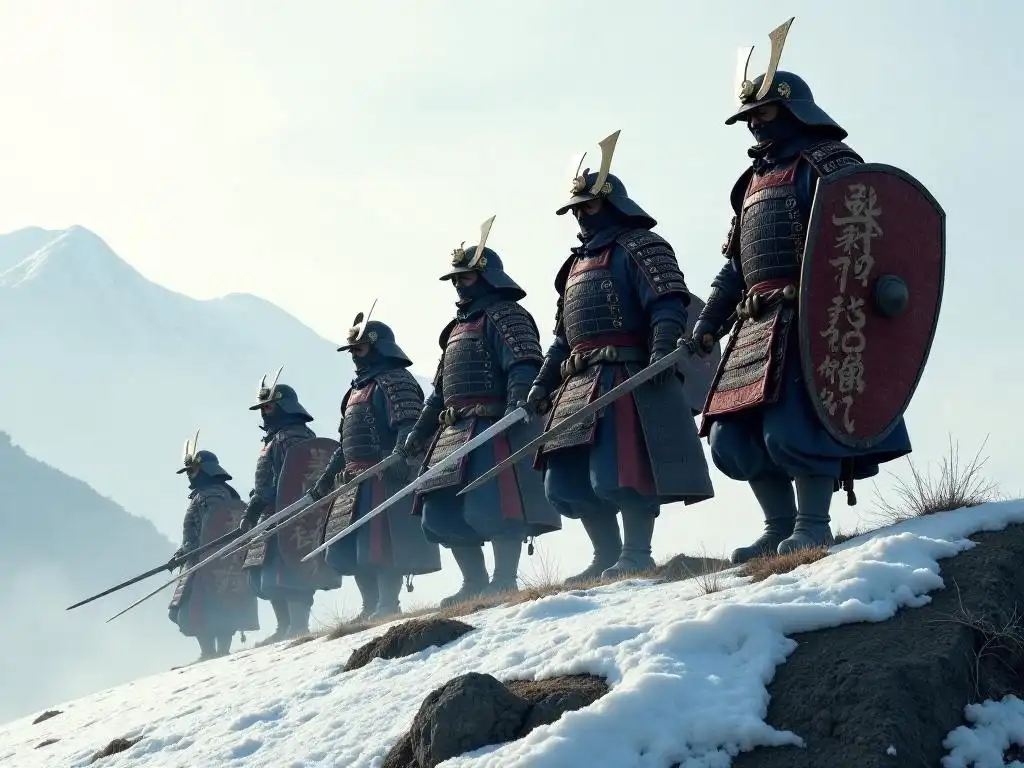
In the context of feudal Japan, samurai combat strategies were deeply intertwined with the dynamics between cavalry and infantry forces. Understanding these strategies provides insight into the military effectiveness and adaptability of samurai warriors during various phases of Japan's tumultuous history. This exploration not only highlights the tactical approaches employed by samurai but also underscores the cultural and social significance of these combat forces.
Overview of Samurai Warfare in Feudal Japan
Samurai warfare in feudal Japan was characterized by a complex interplay of tactics that evolved over centuries. The samurai, serving as the military nobility, were skilled in various forms of combat, including archery, swordsmanship, and horsemanship. They operated under a code of honor known as Bushido, which emphasized loyalty, bravery, and martial prowess.
- Tactical Formations: Samurai forces often utilized specific formations based on the terrain and the enemy's strengths and weaknesses. The Hōjō formation, for instance, allowed for maximum visibility and flexibility, enabling samurai to adapt quickly to changing battle conditions.
- Cavalry Units: Cavalry played a crucial role in samurai warfare, particularly during the early feudal period. Mounted samurai, known as bushi, executed rapid flanking movements and charges to disrupt enemy lines. Their mobility allowed them to scout ahead and deliver swift strikes against vulnerable infantry units.
- Infantry Strategies: As warfare evolved, the significance of infantry increased. Samurai infantry, often organized into ashigaru (foot soldiers), employed a mix of spear formations and archery to counter the advantages of cavalry. The use of Yari (spears) became prevalent, offering a defensive measure against mounted attacks.
- Siege Warfare: The samurai also engaged in siege warfare, employing tactics to breach fortifications. This involved the use of siege engines, psychological warfare, and strategic alliances to weaken the enemy's resolve.
The evolution of samurai combat strategies reflects the broader social and political changes in feudal Japan, where clan rivalries and the quest for power dictated military approaches.
Importance of Understanding Cavalry and Infantry Dynamics
Understanding the dynamics between cavalry and infantry is vital for several reasons:
- Strategic Insight: Analyzing how samurai utilized both cavalry and infantry can provide insights into their overall military strategy. This understanding is crucial for historians and military enthusiasts who seek to comprehend the effectiveness of samurai forces in various conflicts.
- Cultural Significance: The relationship between these two combat arms reveals much about the cultural values of the samurai. The emphasis on honor and loyalty in battle is reflected in how they coordinated their forces, often sacrificing personal safety for the sake of their comrades.
- Adaptability in Combat: The ability of samurai to adapt their strategies based on enemy tactics demonstrates their ingenuity. For example, during the Genpei War (1180-1185), both the Minamoto and Taira clans had to adjust their strategies based on the effectiveness of their opponents’ cavalry and infantry formations.
- Modern Military Studies: Insights gained from studying samurai combat strategies have relevance in modern military studies. The principles of combined arms operations, where different types of forces work together, can trace their roots back to the practices of feudal Japan.
The dynamics of cavalry and infantry within the realm of samurai combat strategies not only illuminate the military history of feudal Japan but also provide a broader understanding of the cultural ethos that shaped one of history's most iconic warrior classes.
Historical Context of Samurai Combat Forces
The historical context of samurai combat forces is crucial to understanding the dynamics of warfare in feudal Japan. This period, which spanned from the late 12th century to the 19th century, saw the rise of the samurai as a distinct social class with unique combat roles and strategies.
During this era, Japan was characterized by a decentralized political structure, where power was fragmented among various clans and warlords. The samurai emerged as the military elite, serving not only as warriors but also as landholding nobility. This dual role shaped their combat strategies and overall participation in warfare.
The Evolution of Samurai Warfare
Over the centuries, samurai warfare evolved significantly, adapting to changes in technology, tactics, and the socio-political landscape. Initially, samurai were heavily armored cavalry, utilizing horses for mobility and speed in battle. However, as warfare progressed, so did the need for versatile combat strategies.
- Early Tactics:
- The earliest samurai primarily relied on swordsmanship and archery.
- Battles often involved mounted charges, where cavalry units would strike swiftly and retreat, making it challenging for enemy infantry to respond effectively.
- Change in Armament:
- The introduction of gunpowder weapons in the 16th century forced samurai to adapt. The matchlock musket became a common weapon, leading to the development of new infantry tactics.
- As firearms became prevalent, samurai began to integrate pike formations and ranged attacks, emphasizing the importance of coordinated infantry units.
- Strategic Developments:
- By the late 16th century, the focus shifted towards combined arms warfare, integrating cavalry, infantry, and artillery to enhance combat effectiveness.
- Notable figures like Oda Nobunaga and Toyotomi Hideyoshi exemplified this evolution, employing innovative strategies that capitalized on the strengths of each combat force.
Role of Cavalry in Feudal Japan
Cavalry played a pivotal role in the military strategies of feudal Japan. They were often seen as the elite warriors of the battlefield, combining speed, maneuverability, and shock value.
- Mobility and Flanking: Cavalry units were primarily utilized for their ability to flank enemy formations and disrupt their lines. This maneuverability allowed them to exploit weaknesses quickly.
- Psychological Impact: The presence of cavalry could instill fear in enemy troops, often leading to premature retreats or disarray within enemy ranks. The iconic image of samurai on horseback, clad in armor, became a symbol of power and authority.
- Tactical Roles:
- Shock Troops: Cavalry units were often deployed as shock troops, leading charges to break enemy lines.
- Scouts: They also served crucial roles in reconnaissance, gathering intelligence on enemy movements and terrain.
Despite their advantages, the effectiveness of cavalry diminished with the rise of fortified positions and improved infantry tactics. As such, their role evolved to complement infantry forces rather than dominate the battlefield.
Role of Infantry in Samurai Combat
While cavalry was critical, infantry composed the backbone of samurai combat forces. Their role became increasingly vital as warfare developed and strategies evolved.
- Formation and Discipline:
- Infantry units were organized into formations that maximized their effectiveness against cavalry charges. Techniques such as the "Yari" (spear) wall were employed to counter cavalry attacks effectively.
- Use of Firearms: With the advent of firearms, infantry became essential as gunmen were organized into ranks to deliver concentrated firepower. Musketeers could unleash devastating volleys that turned the tide of battles.
- Adaptation and Versatility:
- Infantry were trained in various combat skills, from sword fighting to archery, allowing them to adapt to different battlefield scenarios.
- Their ability to hold ground and engage in close-quarter combat made them indispensable, especially in sieges and defensive operations.
- Cohesion and Command: Successful infantry tactics relied heavily on discipline and coordination. Effective leadership was crucial, as commanders needed to adapt to changing battlefield conditions rapidly.
While the cavalry represented the elite fighting force of feudal Japan, the infantry's role was equally important in shaping samurai combat strategies. The interplay between these two forces defined the dynamics of warfare during the samurai era, reflecting the complexities of military engagement in a constantly evolving landscape.
Key Differences Between Cavalry and Infantry
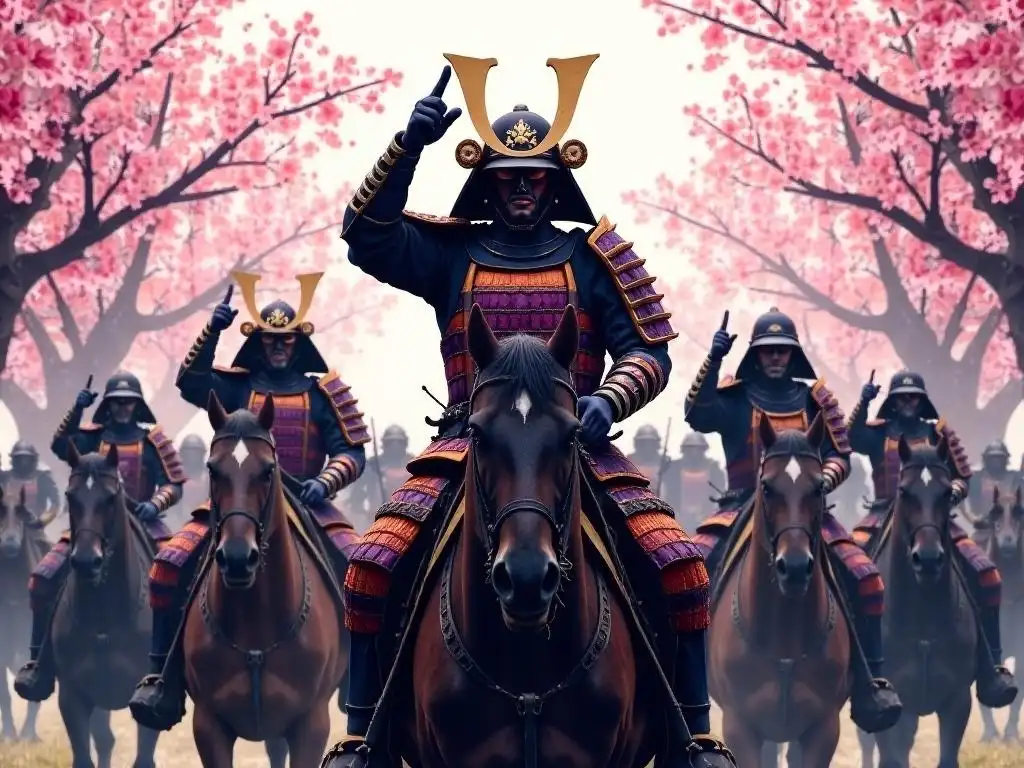
Understanding the distinctions between cavalry and infantry is crucial to grasping the dynamics of samurai combat strategies. In feudal Japan, both forces played significant roles on the battlefield, yet their methods of engagement, mobility, and overall tactical applications varied greatly.
Mobility and Speed in Samurai Combat
Mobility and speed are essential factors in determining the effectiveness of combat forces.
- Cavalry Forces:
- Samurai cavalry units, known as uma-samurai, were known for their remarkable speed and agility. Mounted warriors could traverse vast distances quickly, allowing them to flank enemy positions, retreat rapidly, or engage in hit-and-run tactics.
- The use of horses not only provided mobility but also enhanced the height advantage of the rider, making it easier to survey the battlefield and strike from advantageous positions.
- Infantry Forces:
- Samurai infantry, or ashigaru, were primarily foot soldiers. While they could be trained in various formations and tactics, their mobility was limited compared to cavalry.
- However, infantry units had the advantage of being able to hold ground and defend positions effectively, especially in rough terrain where horses could not maneuver easily.
In essence, while cavalry excelled in rapid movement and the capacity to engage swiftly, infantry provided stability and resilience in defensive situations.
Tactical Advantages of Cavalry Forces
Cavalry forces carried distinct tactical advantages that shaped the course of battles in feudal Japan.
- Flanking Maneuvers:
- Cavalry could execute flanking maneuvers effectively, leveraging their speed to attack the sides of enemy formations. This tactic often led to disarray within infantry ranks, creating opportunities for breakthroughs.
- Psychological Impact:
- The sheer presence of mounted warriors could instill fear in opposing forces. The sight of charging cavalry could demoralize infantry soldiers, leading to hasty retreats or poor decision-making under pressure.
- Hit-and-Run Tactics:
- The mobility of cavalry allowed for effective hit-and-run tactics where they could strike hard and fast, then retreat before the enemy could mount a counterattack. This strategy was particularly useful in skirmishes and ambush scenarios.
Overall, the tactical advantages of cavalry forces lay in their ability to control the battlefield through speed, psychological warfare, and aggressive maneuvers that could disrupt enemy formations.
Strengths of Infantry Soldiers in Battle
While cavalry forces had their advantages, infantry soldiers also possessed unique strengths that contributed to their effectiveness in samurai combat.
- Defensive Capabilities:
- Infantry units were often trained to form defensive lines, using shields and spears to create barriers against cavalry charges. Their ability to hold ground was crucial in prolonged engagements, especially in sieges or fortified positions.
- Versatility in Combat:
- Infantry could adapt to various combat scenarios, employing different weapons such as yari (spears) and naginata (polearms), allowing for both ranged and close-quarters combat. This versatility made them formidable in diverse battle conditions.
- Loyalty and Cohesion:
- Samurai infantry often fought as part of a clan or a specific unit, fostering a strong sense of loyalty and camaraderie that could enhance morale and performance in battle. Their training emphasized discipline and teamwork, which were vital in executing complex maneuvers.
The strengths of infantry soldiers lay in their defensive capabilities, adaptability, and the strong bonds formed through shared experiences, making them an indispensable part of samurai warfare in feudal Japan.
By understanding these dynamics, we gain insight into samurai combat strategies explained through the lens of the complementary roles played by cavalry and infantry forces in the historical context of Japan's feudal era.
Samurai Combat Strategies Explained: Cavalry Tactics
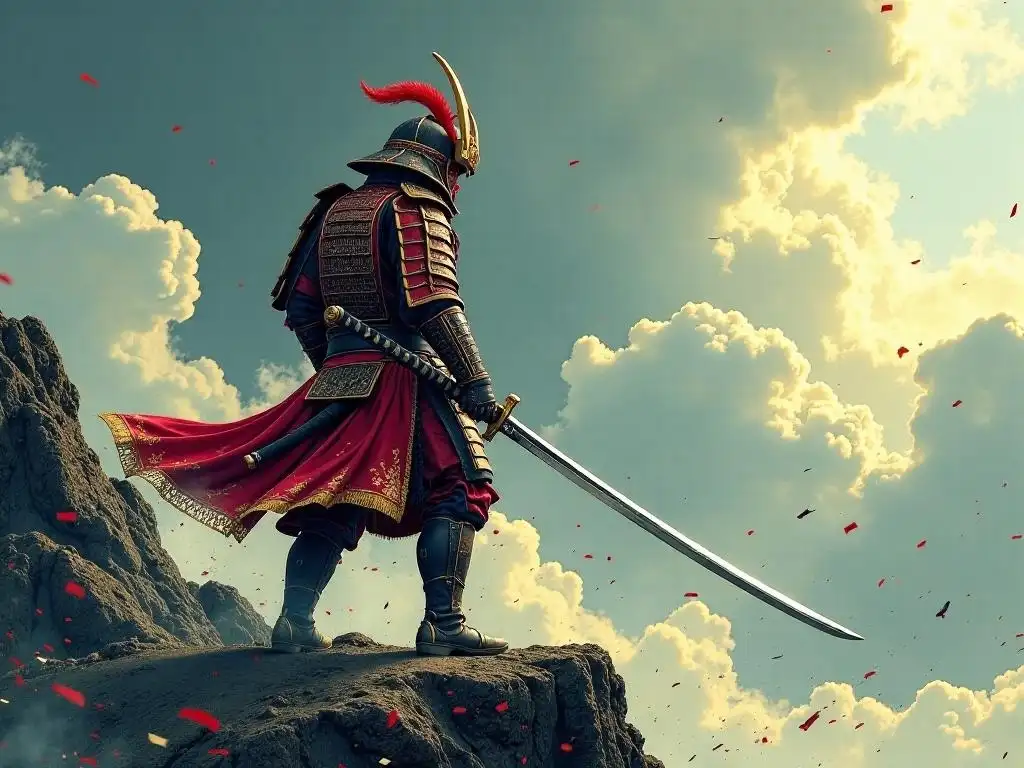
The dynamics of Samurai combat strategies during Japan's feudal era were heavily influenced by the use of cavalry. Samurai cavalry units, known as "uma," played a pivotal role in battles, leveraging their speed and mobility to outmaneuver infantry forces. Understanding these strategies provides insight into how battles were won and lost during this tumultuous period.
Formation and Maneuvering of Samurai Cavalry
The formation and maneuvering of Samurai cavalry were crucial to their effectiveness in combat. Cavalry units were typically organized in a variety of formations, which allowed them to adapt to different battlefield scenarios.
- Column Formation: This formation allowed for rapid movement and was particularly useful for flanking maneuvers. Cavalry units would advance in a tight, vertical line, enabling them to break through enemy lines.
- Line Formation: When engaging an enemy directly, Samurai cavalry often formed a line, maximizing their striking power. This formation facilitated coordinated charges against infantry, which were often more vulnerable to cavalry attacks due to their stationary nature.
- Wedge Formation: This V-shaped formation was employed to penetrate enemy formations effectively. The point of the wedge would spearhead the attack, creating chaos in enemy ranks, which could then be exploited by following units.
Maneuverability was enhanced by the training of both the horse and rider. Samurai were skilled horsemen, trained from a young age in archery and swordsmanship while mounted. The ability to shoot arrows accurately from horseback, known as "yabusame," was a testament to their rigorous training and played a significant role in cavalry tactics.
The speed and mobility of cavalry units allowed them to execute hit-and-run tactics, which disrupted enemy formations and supply lines. Furthermore, the psychological impact of a cavalry charge could demoralize infantry troops, often leading to routs before a battle even commenced.
Notable Historical Cavalry Battles
Throughout Japan's feudal history, several notable battles showcased the effectiveness of Samurai cavalry.
- The Battle of Kurikara (1183): This confrontation during the Genpei War featured Minamoto no Yoshinaka's cavalry successfully flanking the Taira forces, leading to a decisive victory for the Minamoto clan. The use of surprise attacks and rapid movement was crucial in this engagement.
- The Battle of Nagashino (1575): While primarily known for the use of firearms, the cavalry played a significant role in the tactics employed by Oda Nobunaga. His forces utilized cavalry to harass and disrupt Takeda cavalry charges, demonstrating the importance of integrated tactics in warfare.
- The Battle of Sekigahara (1600): This battle marked the beginning of the Tokugawa shogunate. Cavalry units were instrumental in the initial phases of the battle, with both sides employing cavalry to outmaneuver the opposition. The effectiveness of coordinated attacks between infantry and cavalry highlighted the evolving strategies of the time.
These battles exemplified the critical role of cavalry in Samurai warfare, showcasing their ability to adapt and respond to dynamic combat situations.
Key Figures and Their Impact on Cavalry Strategies
Several key figures in Japanese history significantly influenced cavalry strategies and tactics during the feudal era.
- Minamoto no Yoshitsune: A legendary warrior of the late Heian period, Yoshitsune is known for his innovative cavalry tactics. His strategies during the Genpei War, particularly his use of rapid flanking maneuvers, set a precedent for future generations of Samurai commanders.
- Oda Nobunaga: As a unifier of Japan, Nobunaga recognized the shift in warfare dynamics with the introduction of firearms. He adapted cavalry tactics to complement new technology, demonstrating versatility in strategy that would influence Samurai warfare for years to come.
- Tokugawa Ieyasu: The founder of the Tokugawa shogunate, Ieyasu emphasized the importance of disciplined cavalry units. His strategies often included the use of cavalry for reconnaissance and harassment, laying the groundwork for future military doctrines.
These figures not only shaped their respective battles but also left a lasting legacy on the evolution of Samurai combat strategies, particularly regarding the integration of cavalry into broader military tactics. Their contributions continue to be studied and admired in the context of feudal Japan's military history.
Samurai Combat Strategies Explained: Infantry Tactics
Samurai combat strategies were multifaceted, with infantry tactics playing a crucial role in the overall effectiveness of the samurai as warriors. While the samurai are often romanticized for their individual prowess and cavalry charges, it is essential to understand that their infantry tactics were equally sophisticated and integral to their military success.
Formation and Organization of Samurai Infantry
The samurai infantry was organized into units known as ashigaru, which were primarily composed of foot soldiers. These troops were pivotal in battles, especially during the late feudal period when firearms began to emerge on the battlefield. The organization of ashigaru was often hierarchical, reflecting the samurai's strict social structure.
- Unit Types:
- Yari Ashigaru: Spearmen who wielded long poles known as yari. Their long reach allowed them to effectively engage cavalry and other infantry.
- Teppo Ashigaru: Armed with matchlock firearms, these soldiers provided critical fire support.
- Sohei: Warrior monks who sometimes fought alongside samurai, known for their fierce combat skills and discipline.
The formations used by samurai infantry were carefully crafted to maximize their strengths and mitigate vulnerabilities:
- Hiki-tachi: A defensive formation where soldiers would create a line to keep the enemy at bay.
- Kumite: A flexible and adaptive formation, allowing for quick movement and repositioning on the battlefield.
- Kusho: A more aggressive formation designed for charging the enemy.
These formations were influenced by the terrain and the style of combat, with commanders often shifting tactics mid-battle based on the evolving dynamics of warfare.
Notable Historical Infantry Engagements
Throughout Japan's feudal era, several notable engagements highlighted the effectiveness of samurai infantry tactics. One such example is the Battle of Nagashino (1575), where the use of firearms by the ashigaru dramatically altered the course of battle.
- The Battle of Nagashino:
- Context: A confrontation between Tokugawa Ieyasu and Takeda Katsuyori.
- Tactics: Tokugawa's forces utilized a series of wooden palisades to protect their ashigaru while they fired upon the advancing cavalry of the Takeda clan.
- Outcome: The disciplined volleys of gunfire decimated the Takeda cavalry, showcasing the effectiveness of infantry when supported by proper strategy and technology.
Another significant engagement was the Siege of Osaka (1614-1615), where infantry tactics played a crucial role in urban warfare.
- The Siege of Osaka:
- Context: A conflict between the Tokugawa shogunate and the Toyotomi clan.
- Tactics: Samurai infantry utilized the terrain of the castle grounds, engaging in close-quarter combat and employing siege tactics to breach defenses.
- Outcome: The siege highlighted the importance of infantry in both offensive and defensive roles within urban environments.
Key Figures and Their Strategies in Infantry Combat
Several prominent figures in samurai history excelled in infantry tactics, shaping the course of battles through their innovative strategies.
- Uesugi Kenshin: Known as the "Dragon of Echigo," Kenshin was famed for his tactical ingenuity on the battlefield. He effectively utilized infantry formations that combined mobility with defensive strength, adapting to the enemy's movements.
- Takeda Shingen: A master of cavalry, Shingen also understood the importance of infantry. He employed a strategy known as "Kōgeki", which involved coordinated attacks between infantry and cavalry, overwhelming opponents through combined arms tactics.
- Oda Nobunaga: A revolutionary military leader who integrated firearms into traditional samurai combat. His emphasis on disciplined infantry formations and the use of matchlocks at the Battle of Okehazama (1560) marked a significant evolution in samurai warfare.
These key figures exemplified the complexities of samurai combat strategies, demonstrating that infantry tactics were not just secondary to cavalry but a vital component of successful military campaigns. By understanding the interplay between infantry and cavalry, we gain deeper insights into the strategic thinking that defined samurai warfare.
Comparative Analysis of Cavalry and Infantry in Samurai Warfare
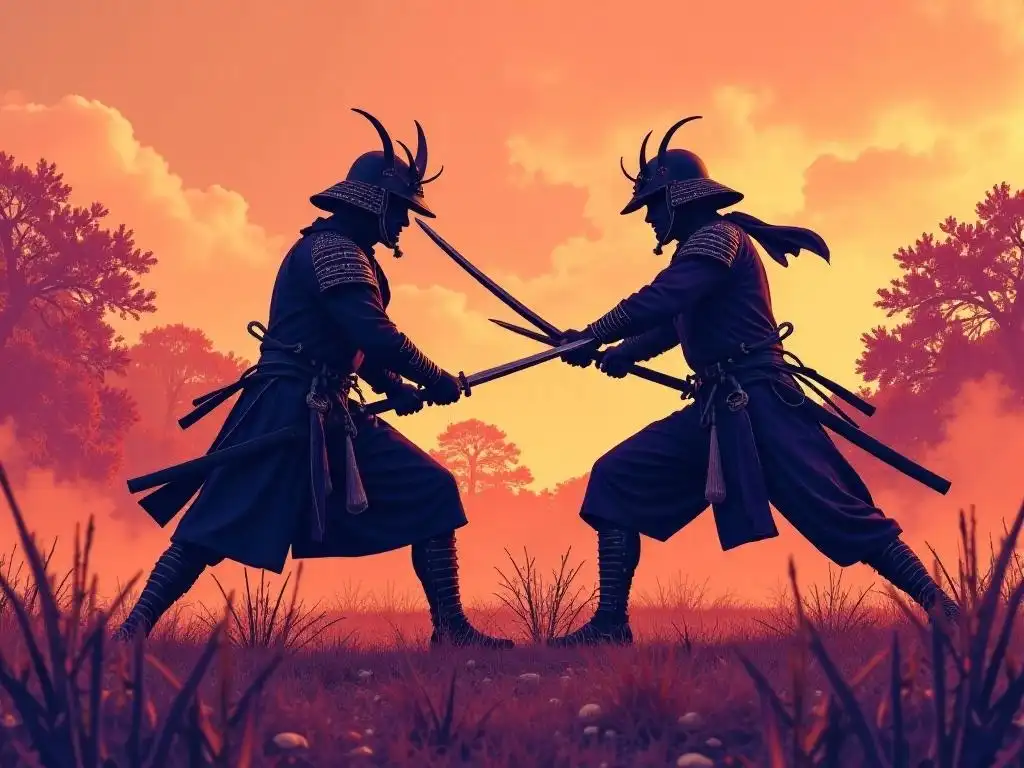
The dynamics of samurai combat were significantly influenced by the roles played by cavalry and infantry within the feudal military structure of Japan. Understanding these roles provides insight into the effectiveness and strategic applications of both forces during various conflicts. This analysis explores the comparative strengths, weaknesses, and tactical applications of samurai cavalry and infantry.
Effectiveness of Cavalry versus Infantry in Different Scenarios
The effectiveness of cavalry and infantry in samurai warfare largely depended on the specific context of the battle, terrain, and tactical objectives. Here are some critical considerations:
- Cavalry:
- Mobility: Samurai cavalry units, often mounted on swift horses, excelled in mobility and speed, making them effective for flanking maneuvers and rapid assaults. They could cover extensive distances quickly, which was crucial during surprise attacks or retreats.
- Shock Tactics: The cavalry's ability to charge at high speed created a devastating impact on enemy lines. This shock tactic could disrupt formations and demoralize opposing infantry.
- Limitations: However, cavalry was less effective in densely forested or mountainous terrains where movement was restricted. Their effectiveness diminished in prolonged engagements where sustained combat was necessary.
- Infantry:
- Stability and Defense: Samurai infantry, often armed with spears (yari) and swords (katana), provided a robust defensive line, capable of withstanding cavalry charges. Their formation could be adapted to create a wall of pikes or utilize archers for ranged support.
- Versatility: Infantry units were more versatile in various combat scenarios, able to engage in close-quarters fighting and hold positions against advancing foes. They were crucial in sieges and urban warfare, where terrain favored foot soldiers.
- Limitations: The primary drawback was their slower movement compared to cavalry, which could limit their ability to reposition quickly during dynamic battlefield situations.
Overall, while cavalry offered speed and impactful charges, infantry provided stability and versatility. The effectiveness of each force was context-dependent, with both playing critical roles in the overall strategy of samurai warfare.
Strategic Roles in Major Battles of Feudal Japan
Throughout the feudal era, several significant battles showcased the strategic roles of cavalry and infantry in samurai combat. Here are notable examples:
- Battle of Okehazama (1560):
- In this decisive engagement, Oda Nobunaga's forces, primarily infantry, faced the much larger army of Imagawa Yoshimoto. Nobunaga executed a surprise cavalry charge, leveraging the element of surprise to decimate the enemy's ranks. This battle exemplified how cavalry could tip the scales in favor of a numerically inferior force.
- Battle of Nagashino (1575):
- This battle marked a pivotal moment in the evolution of samurai warfare, where Takeda Shingen's cavalry faced Tokugawa Ieyasu's infantry. Tokugawa's use of firearms and defensive formations allowed his infantry to repel the famed Takeda cavalry charges, demonstrating the growing importance of infantry tactics and technology over traditional cavalry supremacy.
- Siege of Osaka (1614-1615):
- During the siege, both cavalry and infantry played essential roles. Tokugawa forces utilized cavalry for rapid assaults and reconnaissance, while their infantry formed the primary defensive and offensive lines in the siege warfare. The integration of both forces showcased the necessity of combined arms in achieving military objectives.
These battles reveal how cavalry and infantry were not isolated forces but rather components of a cohesive military strategy that adapted to the evolving circumstances of warfare.
Adaptation of Tactics Over Time
The tactics employed by samurai forces evolved significantly throughout Japan's feudal period, reflecting changes in warfare, technology, and societal structures. Key adaptations include:
- Incorporation of Firearms: The introduction of matchlock firearms in the 16th century transformed the battlefield dynamics. Infantry units began to adopt gunpowder weapons, allowing them to engage cavalry effectively from a distance. This shift necessitated new formations and tactics to maximize the strengths of both infantry and cavalry.
- Combined Arms Tactics: As warfare evolved, the importance of coordinating cavalry and infantry became evident. Commanders began to implement combined arms strategies, where infantry would engage the enemy and hold positions while cavalry executed flanking maneuvers or pursued retreating foes. This adaptation improved the overall effectiveness of samurai forces in battle.
- Terrain Utilization: Strategies adapted based on the terrain. In hilly or mountainous areas, cavalry units were often deployed to secure high ground, while infantry would form defensive lines in valleys or plains. This strategic deployment maximized the strengths of each force according to the battlefield characteristics.
- Decline of Traditional Cavalry: By the late feudal period, the role of cavalry began to decline as infantry tactics and formations became more sophisticated. The rise of professional armies and the consolidation of power under the Tokugawa shogunate shifted the focus towards more organized infantry units, signaling a significant change in samurai combat strategies.
The evolution of tactics in samurai warfare demonstrates a continuous adaptation to technological advancements and the changing nature of conflict, highlighting the dynamic interplay between cavalry and infantry throughout Japan's feudal history.
Conclusion: The Legacy of Samurai Combat Forces
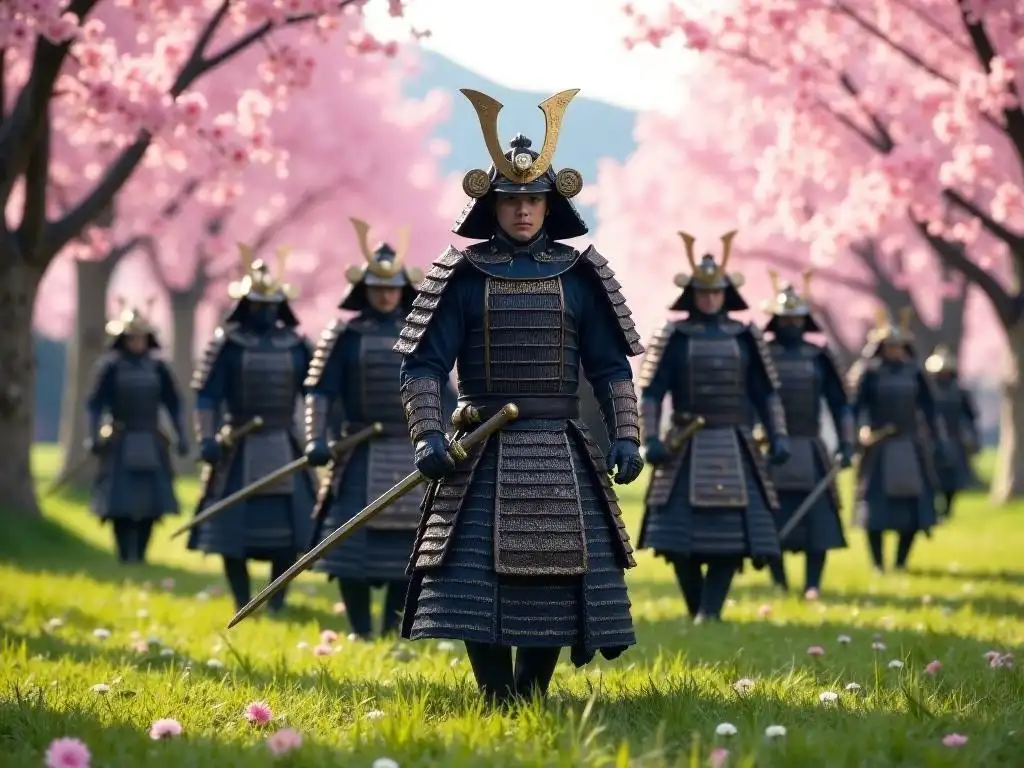
The legacy of samurai combat forces transcends the battlefield, influencing military strategies and cultural narratives in Japan and beyond. The unique blend of cavalry and infantry tactics employed by the samurai not only shaped their successes during the feudal era but also left a lasting imprint on modern military thought. Understanding these strategies provides valuable insights into the evolution of warfare.
Lasting Impact on Modern Military Strategies
The strategies developed by samurai warriors during the feudal era have been studied and adapted by military leaders worldwide. Key elements of samurai combat strategies include:
- Mobility and Agility: Samurai cavalry units were known for their speed and maneuverability, allowing them to outflank enemy forces. This principle remains relevant in modern warfare, where rapid deployment and flexible formations are crucial.
- Discipline and Training: The rigorous training of samurai in both mounted and foot combat fostered an unparalleled level of discipline. Modern military forces emphasize similar training regimens to build cohesive units capable of executing complex maneuvers under stress.
- Psychological Warfare: Samurai engaged in psychological tactics, such as feigned retreats and surprise attacks, to demoralize their opponents. This approach is echoed in contemporary military strategies that prioritize the psychological aspects of warfare.
| Samurai Strategy | Modern Equivalent |
|---|---|
| Mobility and Agility | Rapid Response Forces |
| Discipline and Training | Cohesive Unit Training |
| Psychological Warfare | Information Operations |
The integration of these strategies into modern military doctrine highlights the enduring relevance of samurai combat tactics.
Reflections on Cavalry and Infantry in Samurai History
The dynamic interplay between cavalry and infantry within samurai combat forces is a reflection of broader trends in warfare. Samurai warfare was characterized by:
- The Complementary Roles: Cavalry and infantry units often worked in tandem, with cavalry providing mobility and shock, while infantry delivered sustained firepower and defense. This synergy allowed samurai armies to adapt to various battlefield scenarios.
- Evolution of Tactics: As warfare progressed, the roles of cavalry and infantry evolved. While cavalry was dominant in the early feudal period, the rise of firearms and changes in battlefield tactics led to a greater emphasis on infantry. This shift illustrates how military forces must continually adapt to technological advancements.
- Cultural Significance: Beyond combat effectiveness, the roles of cavalry and infantry reflected the social hierarchy of the samurai class. Cavalry were often viewed as the elite warriors, which influenced the cultural narratives and legends surrounding samurai.
The intricate relationship between cavalry and infantry in samurai combat strategies offers rich insights into both historical and modern military practices. Understanding these dynamics not only enhances our appreciation of samurai warfare but also serves as a testament to the enduring legacy of these formidable warriors.
Further Reading on Samurai Combat Strategies Explained
Recommended Books and Resources on Samurai Warfare
When delving into the intricate world of Samurai combat strategies, a wealth of literature is available that provides in-depth analysis and historical context. Here are some recommended books and resources that can expand your understanding of Samurai warfare:
-
Books
-
"Hagakure: The Book of the Samurai" by Yamamoto Tsunetomo
This classic text offers firsthand insights into the philosophy and code of conduct of the Samurai. It emphasizes the importance of loyalty, honor, and the warrior's mindset, all crucial for understanding combat strategies.
-
"Samurai Warfare" by Stephen Turnbull
This comprehensive guide covers various aspects of Samurai combat, including tactics, weaponry, and the evolution of battlefield strategies throughout the feudal era.
-
"The Samurai: A Military History" by John M. McCulloh
This book presents a detailed examination of the Samurai's military organization and the strategic innovations that defined their combat style.
-
"The Book of Five Rings" by Miyamoto Musashi
Written by one of Japan's most famous swordsmen, this text focuses on martial arts philosophy and strategy, providing timeless insights relevant to understanding Samurai combat.
-
-
Documentaries and Videos
-
"The Samurai: Behind the Warrior"
This documentary offers a visual exploration of Samurai life, including their combat techniques and strategies, combining expert interviews with historical reenactments.
-
YouTube Channels
Channels like "History Buffs" and "Kings and Generals" often feature episodes dedicated to the Samurai, highlighting their combat strategies, notable battles, and historical significance.
-
-
Online Resources
-
The Samurai Archives
A comprehensive database that includes articles, documents, and discussions about Samurai warfare and history. This resource is invaluable for anyone researching specific battles or tactics.
-
Podcasts
Look for history-focused podcasts that cover Japanese history, such as "History of Japan," which often discusses Samurai strategies and their impact on warfare.
-
To further enhance your understanding of Samurai combat strategies, consider exploring these related articles that provide additional context and details on various facets of feudal Japan:
-
"The Role of the Samurai in Feudal Japan"
This article examines the social and political roles of Samurai beyond the battlefield, shedding light on how their responsibilities influenced their combat strategies.
-
"Weapons of the Samurai: Tools of War"
An exploration of the various weapons used by Samurai, including the katana and yari, detailing how each weapon's design impacted combat effectiveness and strategy.
-
"The Evolution of Samurai Warfare: From Feudal Clans to Unified Japan"
This piece outlines the transition of Samurai warfare from clan-based conflicts to more organized military strategies during the unification of Japan.
-
"Tactics and Strategies of Samurai Battles"
A detailed analysis of famous battles and the tactics employed by Samurai leaders, providing concrete examples of combat strategies in action.
These resources will deepen your appreciation of Samurai combat strategies and their historical significance in the broader context of Japanese military history.
Frequently Asked Questions
What were the primary differences between cavalry and infantry in Samurai combat?
Cavalry units were typically mobile and fast, allowing them to outmaneuver infantry. In contrast, infantry formations relied on strength and stability, often utilizing long-range weapons for distant attacks.
How did Samurai combat strategies evolve during the feudal era?
Samurai combat strategies evolved to incorporate both cavalry and infantry tactics, adapting to changing battlefield conditions and enemy forces. This period saw a blend of traditional martial arts and innovative warfare techniques.
What role did terrain play in Samurai combat strategies?
The terrain significantly influenced Samurai combat strategies, with cavalry favoring open fields for speed, while infantry thrived in wooded or hilly areas where they could utilize cover and formations effectively.
How did the Samurai's code of conduct affect their combat strategies?
The Bushido code emphasized honor, loyalty, and discipline, which shaped Samurai combat strategies by promoting strategic retreats and calculated attacks. This adherence influenced decision-making on the battlefield.
What are some key historical battles that showcased Samurai combat strategies?
Notable battles such as the Battle of Sekigahara and the Genpei War highlighted the effective use of cavalry and infantry tactics. These encounters demonstrated the evolution of combat strategies and the importance of leadership in warfare.
Final Reflection: The Enduring Legacy of Samurai Combat Strategies
The dynamics between cavalry and infantry in samurai combat reveal not only the tactical brilliance of these warriors but also their profound impact on modern martial arts and military strategies. Today, as we navigate complex challenges in various fields, the lessons learned from samurai combat strategies resonate deeply, reminding us that adaptability and strategic thinking are timeless virtues. The samurai's ability to harmonize different combat forces serves as a powerful metaphor for collaboration in our increasingly interconnected world.
The influence of samurai combat strategies extends far beyond the battlefield, shaping cultural narratives and inspiring countless individuals in their personal and professional lives. The principles of discipline, honor, and strategic foresight that defined the samurai ethos continue to inspire modern leaders and practitioners of martial arts alike. As the renowned philosopher Sun Tzu once said, In the midst of chaos, there is also opportunity.
This quote encapsulates the essence of samurai strategies, highlighting the importance of clarity and purpose even in tumultuous times.
As you reflect on the intricate dynamics of samurai combat forces, consider how these strategies can be applied to your own life. Embrace the spirit of the samurai by cultivating resilience, adaptability, and a commitment to continuous learning. Whether in your career, relationships, or personal growth, let the lessons of the samurai guide you toward a path of excellence and fulfillment. The legacy of these warriors is not just a relic of the past; it is a call to action for all of us to embody their principles in our daily lives.
Unleash Your Inner Warrior: Dive Deeper into Samurai Combat!
Thank you for exploring the fascinating dynamics of cavalry and infantry in Samurai combat! You’ve just unlocked a treasure trove of knowledge that showcases the strategic brilliance behind these legendary warriors. Now, let’s take your understanding to the next level with a few actionable steps.
- Engage with our community: Join our forum to discuss your insights on Samurai strategies and share your thoughts with fellow history enthusiasts.
- Explore further: Check out our in-depth articles on legendary Samurai battles and their tactical innovations that transformed warfare.
- Challenge yourself: Consider recreating a battle scenario from Samurai history with friends to deepen your understanding of their tactical maneuvers.
As you continue your journey through the rich tapestry of Feudal Japan, what aspect of Samurai combat do you find most intriguing? How do you think these historical strategies influence modern tactics today?