
Crafting the Perfect Tea: The Importance of Quality Ingredients in the Ceremony

Welcome to Feudal Japan History, where we invite you to embark on a mesmerizing journey through the intricate tapestry of Japan’s feudal era. Here, we delve deep into the cultural and societal nuances that shaped this remarkable period. In our featured article, "Crafting the Perfect Tea: The Importance of Quality Ingredients in the Ceremony," we uncover the essential Japanese tea ceremony ingredients that elevate this ancient ritual to an art form.
Prepare to discover the secrets behind each carefully selected component, as we unravel the profound significance of quality in this beloved tradition. Join us as you explore and ignite your curiosity about the rich heritage of Japanese cuisine!
- Introduction to the Japanese Tea Ceremony and Its Ingredients
- Essential Ingredients for a Traditional Japanese Tea Ceremony
- The Role of Water in the Japanese Tea Ceremony
- Complementary Ingredients to Enhance the Experience
- The Process of Preparing Quality Ingredients for the Ceremony
- Conclusion: Elevating Your Japanese Tea Ceremony
-
Frequently Asked Questions
- What are the key ingredients used in a Japanese tea ceremony?
- How does the quality of ingredients affect the tea ceremony?
- Are there specific types of matcha recommended for ceremonies?
- What role do sweet treats play in the tea ceremony?
- Can the tea ceremony be performed with different types of tea?
- Final Reflection: The Essence of Quality in Every Sip
- Elevate Your Tea Ceremony Experience Today!
Introduction to the Japanese Tea Ceremony and Its Ingredients
The Japanese tea ceremony, known as "chanoyu" or "sado," is a profound cultural ritual that transcends mere tea drinking, embodying a philosophy of aesthetics, mindfulness, and harmony. This ceremonial practice is steeped in history and tradition, reflecting the values and social structures of feudal Japan. At its heart lies the meticulous selection of ingredients, which plays a crucial role in creating an authentic experience. Understanding the Japanese tea ceremony ingredients is essential for appreciating the art and significance of this practice.
In this article, we will delve into the intricate relationship between the tea ceremony and its ingredients, exploring how each component contributes to the overall experience. We will examine not only the types of tea used but also the accompanying elements that enhance the ceremony's sensory aspects, such as the utensils, sweets, and even the setting. Through this exploration, readers will gain a comprehensive understanding of the importance of quality ingredients in crafting the perfect tea, ultimately enriching their appreciation of this timeless tradition.
The Cultural Significance of the Japanese Tea Ceremony
The Japanese tea ceremony is deeply rooted in Zen Buddhism, emphasizing principles such as simplicity, tranquility, and the beauty of imperfection. Each aspect of the ceremony, from the preparation of the tea to the arrangement of the room, is imbued with meaning and intention. The act of preparing and serving tea becomes a meditative practice, fostering mindfulness and a connection between the host and guests.
- Philosophical Underpinnings: The tea ceremony encourages participants to appreciate the moment, fostering a sense of presence and inner peace.
- Social Interaction: The gathering serves as a platform for building relationships, where the host’s attention to detail and choice of ingredients reflect their respect for guests.
- Artistic Expression: The aesthetics involved in the tea ceremony, from the tea utensils to the presentation of sweets, showcase traditional Japanese artistry and craftsmanship.
Understanding the cultural significance of the Japanese tea ceremony enriches one’s experience and appreciation for its ingredients, as each serves a purpose beyond mere consumption.
Overview of Japanese Tea Ceremony Ingredients and Their Roles
The ingredients used in a Japanese tea ceremony are selected with great care, and each plays a vital role in the ceremony's execution and overall ambiance. Here’s a breakdown of the essential components:
| Ingredient | Role in the Ceremony |
|---|---|
| Matcha (Powdered Green Tea) | The centerpiece of the ceremony, representing purity and quality. |
| Wagashi (Japanese Sweets) | Complement the bitter taste of matcha, enhancing the sensory experience. |
| Chawan (Tea Bowl) | The vessel that holds the tea, symbolizing the connection between host and guest. |
| Chasen (Tea Whisk) | Used for whisking the matcha, representing the artistry involved in tea preparation. |
| Kensui (Waste Water Bowl) | Holds the water used to rinse utensils, emphasizing cleanliness and respect. |
These ingredients not only contribute to the flavor and enjoyment of the tea but also embody the principles of harmony and respect that are central to the ceremony. By focusing on high-quality ingredients, practitioners honor the tradition and elevate the experience for all participants.
Essential Ingredients for a Traditional Japanese Tea Ceremony
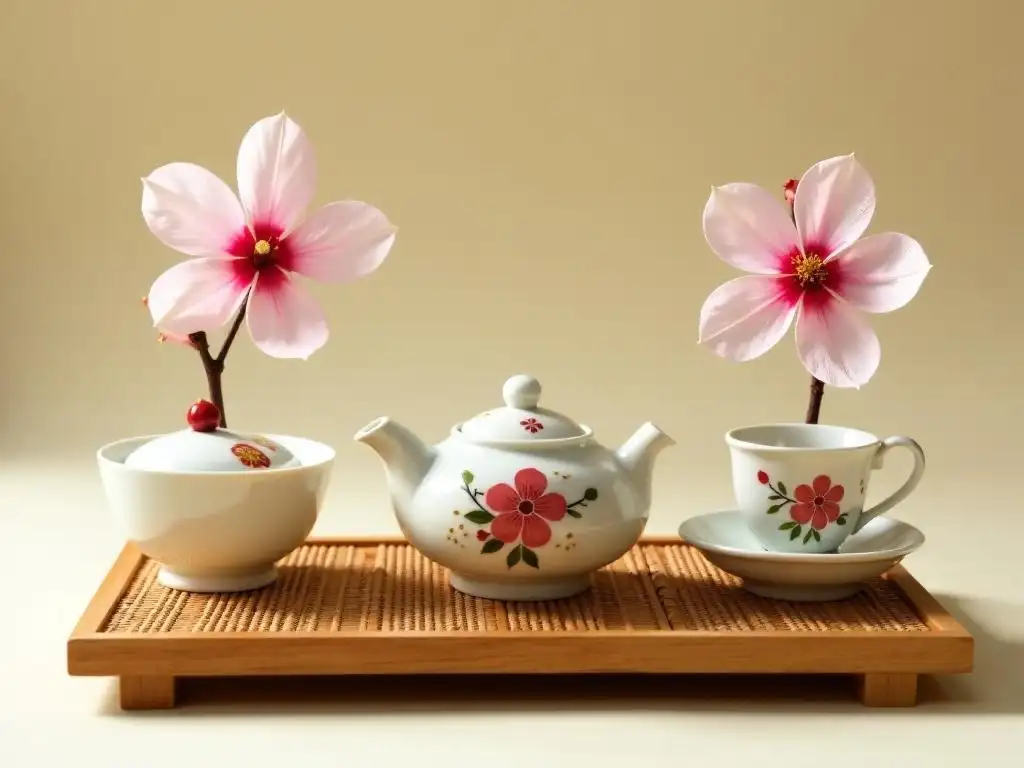
Matcha: The Heart of the Ceremony
At the core of the Japanese tea ceremony is matcha, a finely ground powder made from specially grown green tea leaves. This vibrant green ingredient is not only valued for its flavor but also for its rich cultural significance. The preparation and serving of matcha symbolize harmony, respect, purity, and tranquility—principles that are integral to the tea ceremony.
The quality of matcha plays a crucial role in the overall experience, affecting flavor, color, and texture. High-quality matcha is characterized by a bright green hue, a smooth texture, and a sweet, umami flavor profile. In contrast, lower grades of matcha can taste bitter and lack the creamy mouthfeel that is desired in a traditional tea ceremony.
Different Grades of Matcha and Their Uses
Matcha can be categorized into several grades, each serving a specific purpose:
- Ceremonial Grade:
- Characteristics: The highest quality, vibrant green color, delicate flavor.
- Uses: Ideal for traditional tea ceremonies and for those who appreciate the nuances of flavor.
- Premium Grade:
- Characteristics: Slightly lower quality than ceremonial grade, but still rich in flavor.
- Uses: Suitable for everyday drinking and informal gatherings.
- Culinary Grade:
- Characteristics: Duller color, stronger flavor; often has a slightly bitter taste.
- Uses: Primarily used in cooking and baking, such as in matcha lattes, desserts, and other culinary applications.
Selecting the appropriate grade of matcha is essential for creating the desired atmosphere and experience during the tea ceremony.
Recommended Brands for High-Quality Matcha
When it comes to sourcing matcha, quality is paramount. Here are some esteemed brands known for their high-quality matcha:
| Brand | Description |
|---|---|
| Ippodo Tea | A prestigious Kyoto-based brand with a long history and a wide variety of matcha options. |
| Encha | Known for organic matcha sourced from Uji, offers a range of ceremonial and culinary grades. |
| Matcha Konomi | Focuses on single-origin matcha and emphasizes quality and flavor. |
| Tea Drunk | Provides premium matcha directly from Japanese tea farms, ensuring freshness and quality. |
These brands are celebrated for their commitment to quality and authenticity, making them ideal choices for anyone looking to enhance their tea ceremony experience.
Tea Tools: The Importance of Quality Utensils
In addition to matcha, the tools used in the Japanese tea ceremony significantly impact the overall experience. Each utensil has a specific role, and the quality of these tools can elevate the ceremony from a mere act of drinking tea to a profound experience of art and mindfulness.
Using authentic, high-quality utensils is essential for both the preparation and presentation of matcha. The right tools ensure that matcha is whisked to perfection and served in a way that honors the tradition.
Chawan (Tea Bowl) and Chasen (Bamboo Whisk)
Two of the most important tools in the tea ceremony are the chawan and chasen.
- Chawan (Tea Bowl):
- Material: Traditionally made from ceramic or pottery, each chawan reflects the artistry of the maker.
- Significance: The shape and size of the chawan can influence the aeration of the matcha, affecting its flavor and texture.
- Chasen (Bamboo Whisk):
- Material: Crafted from a single piece of bamboo, the chasen is designed with multiple prongs to whisk matcha thoroughly.
- Usage: A quality chasen creates a frothy layer on top of the matcha, enhancing the visual appeal and mouthfeel of the drink.
Where to Find Authentic Japanese Tea Tools
Finding authentic Japanese tea tools can be a rewarding endeavor. Here are some recommended sources:
- Specialty Tea Shops: Look for shops that specialize in Japanese tea and tea accessories, often stocked with high-quality utensils.
- Online Retailers: Websites dedicated to Japanese culture and tea often offer a wide variety of authentic tools.
- Cultural Stores: Stores that focus on Asian or Japanese goods frequently carry traditional tea ceremony utensils.
Purchasing from reputable sources ensures that you are getting genuine products that will not only enhance your tea ceremony experience but also contribute to the preservation of this beautiful tradition.
The Role of Water in the Japanese Tea Ceremony
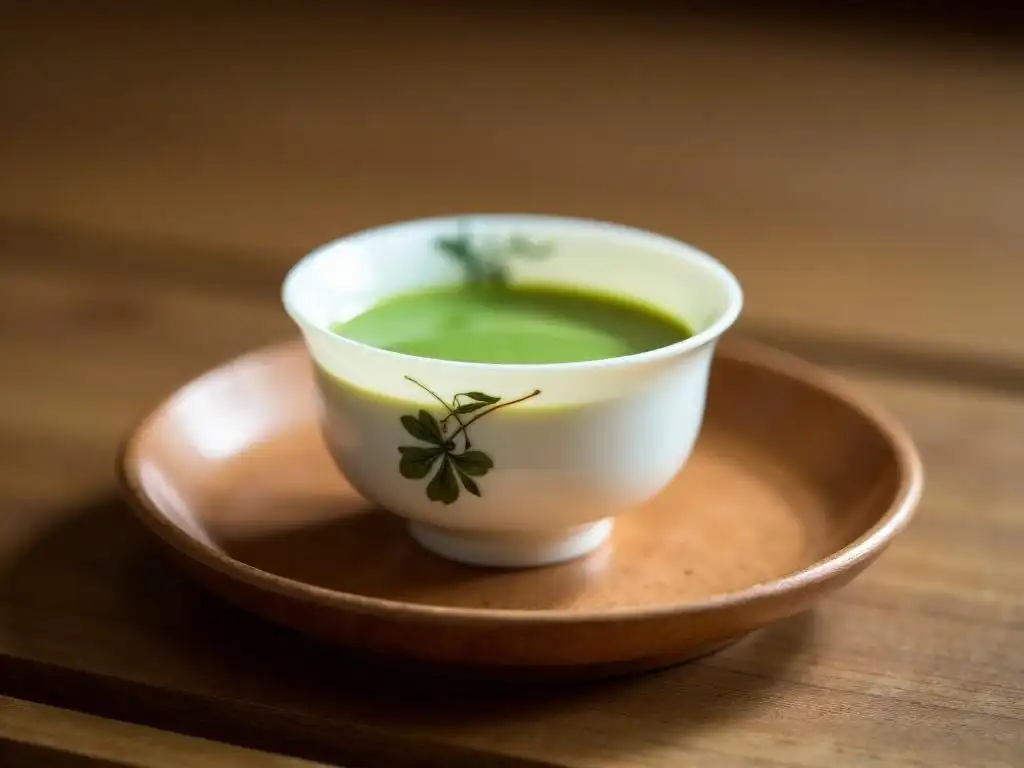
Water plays a crucial role in the Japanese tea ceremony, particularly in the preparation of matcha. The quality of water used can significantly affect the flavor and overall experience of the tea. In this section, we will explore the importance of selecting the right water for brewing matcha, the impact of water quality on flavor, and recommended sources of water to achieve the perfect brew.
Selecting the Right Water for Brewing Matcha
When it comes to brewing matcha, the water used should be free from impurities and possess a balanced mineral content. Here are some key considerations for selecting the right water:
- Purity: It is essential to use water that is free from chlorine, sediment, and other contaminants that can alter the taste of the tea.
- Mineral Content: The ideal water for matcha should have a balanced mineral content, as minerals can enhance or detract from the flavor profile. Soft waters, which have lower mineral content, are often preferred.
- Temperature: The temperature of the water is just as important as its quality. For matcha, water should typically be heated to about 75-80°C (167-176°F) to avoid burning the delicate tea powder.
The Impact of Water Quality on Flavor
Water quality directly influences the flavor and aroma of matcha. Here’s how different aspects of water can affect the brewing process:
- Taste Profile: The presence of minerals like calcium and magnesium can enhance the umami flavor in matcha, making it richer and more complex. Conversely, highly chlorinated or hard water can lead to a flat or even unpleasant taste.
- Clarity and Aroma: High-quality water contributes to the visual clarity of the tea, allowing the vibrant green color of matcha to shine through. Additionally, pure water helps preserve the subtle aroma of the matcha, which is an integral part of the tea ceremony experience.
- Brewing Consistency: Using consistent water quality in every brew ensures that the flavor remains stable, allowing for a more predictable and enjoyable tea experience.
Recommended Water Sources for the Perfect Brew
Choosing the right source of water is vital for crafting the perfect cup of matcha. Here are some recommended sources:
| Water Source | Characteristics |
|---|---|
| Spring Water | Naturally filtered through geological formations, often rich in minerals. Ideal for matcha. |
| Filtered Water | Removes impurities and chlorine, providing clean water that retains essential minerals. |
| Mineral Water | Select brands that specify low sodium and balanced mineral content for the best results. |
| Well Water | If tested and proven safe, can provide a unique flavor profile, influenced by local geology. |
The quality of water used in the Japanese tea ceremony is paramount to the successful preparation of matcha. By selecting the right water, understanding its impact on flavor, and utilizing recommended sources, one can elevate the tea ceremony experience to a new level of enjoyment and authenticity.
Complementary Ingredients to Enhance the Experience
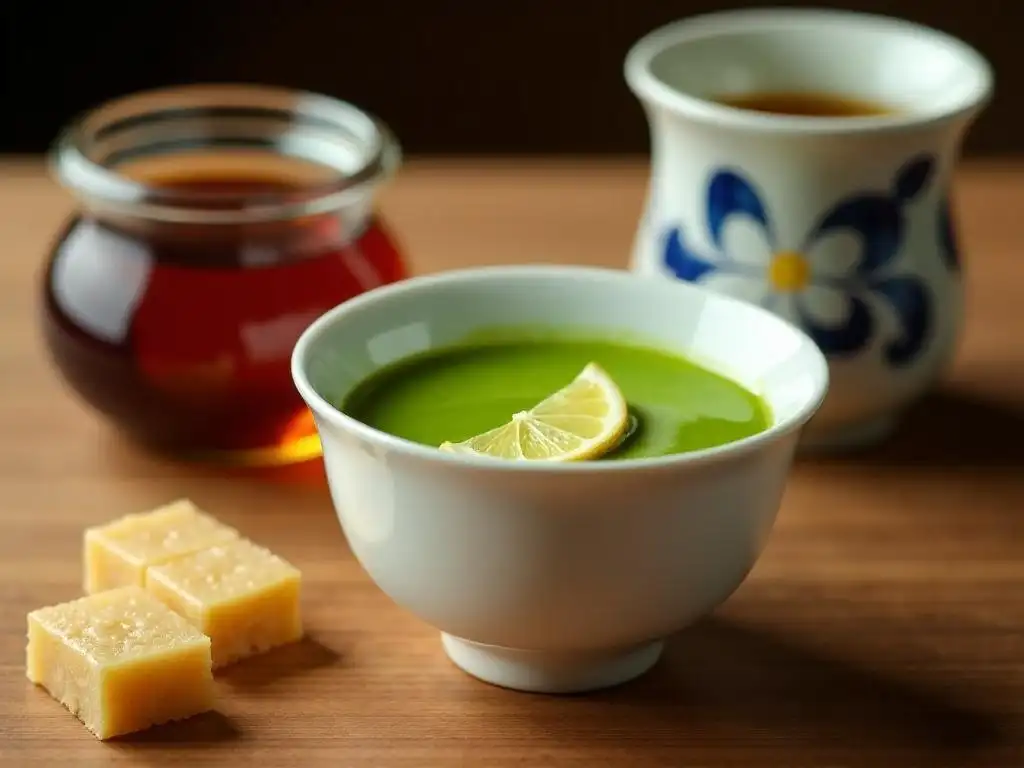
Wagashi: Traditional Japanese Sweets
Wagashi are traditional Japanese confections that play a vital role in the Japanese tea ceremony. These delicacies are crafted with an emphasis on aesthetics, seasonality, and harmony, making them a perfect accompaniment to matcha. The careful selection of wagashi not only enhances the flavor of the tea but also enriches the overall sensory experience of the ceremony.
Wagashi can be categorized into various types, each with its unique flavors, textures, and visual presentations. Some common types include:
- Namagashi: Fresh, moist confections often made with rice flour and filled with sweetened red bean paste.
- Monaka: Crispy wafers filled with sweet bean paste, often shaped into beautiful forms.
- Daifuku: Soft, chewy rice cakes filled with various fillings, such as sweet red bean or fruit.
Types of Wagashi and Their Pairing with Matcha
Different types of wagashi complement matcha in unique ways, contributing to a balanced flavor profile during the tea ceremony. Here are some recommended pairings:
- Namagashi: The subtle sweetness and moist texture of namagashi enhance the umami notes of matcha, creating a delightful contrast.
- Monaka: The crispy texture of monaka provides a pleasant crunch that pairs well with the smoothness of matcha, offering a satisfying mouthfeel.
- Daifuku: The chewy nature of daifuku adds depth to the experience, and when paired with matcha, it creates a harmonious balance of flavors.
Suggested Wagashi Brands to Try
When exploring wagashi, consider trying these renowned brands that offer high-quality selections:
| Brand Name | Description |
|---|---|
| Toraya | A historic brand known for its exquisite namagashi and seasonal offerings. |
| Kagizen Yoshifusa | Famous for its beautiful seasonal wagashi, often presented in elegant packaging. |
| Gion Tsujiri | A Kyoto-based brand specializing in matcha and wagashi, celebrated for its traditional flavors. |
Seasonal Ingredients and Their Significance
The Japanese tea ceremony is deeply connected to nature and the changing seasons. Seasonal ingredients not only reflect the time of year but also influence the choice of tea and accompanying food. By incorporating seasonal elements, participants can celebrate the beauty of nature and the passage of time within the ceremony.
How Seasonal Changes Influence Ingredient Choices
Seasonal ingredients play a crucial role in determining the types of wagashi and tea served during the ceremony. For example:
- Spring: Cherry blossom-flavored treats and green tea are popular, symbolizing renewal and beauty.
- Summer: Light and refreshing ingredients, such as sweet melon and iced matcha, are preferred to combat the heat.
- Autumn: Ingredients like chestnuts and sweet potatoes are featured, reflecting the harvest season and warmth.
- Winter: Heartier flavors, such as yuzu and mochi, are chosen to provide comfort during the colder months.
By incorporating seasonal ingredients, the tea ceremony becomes a celebration of nature's cycles, creating a more meaningful and immersive experience for participants.
The Process of Preparing Quality Ingredients for the Ceremony
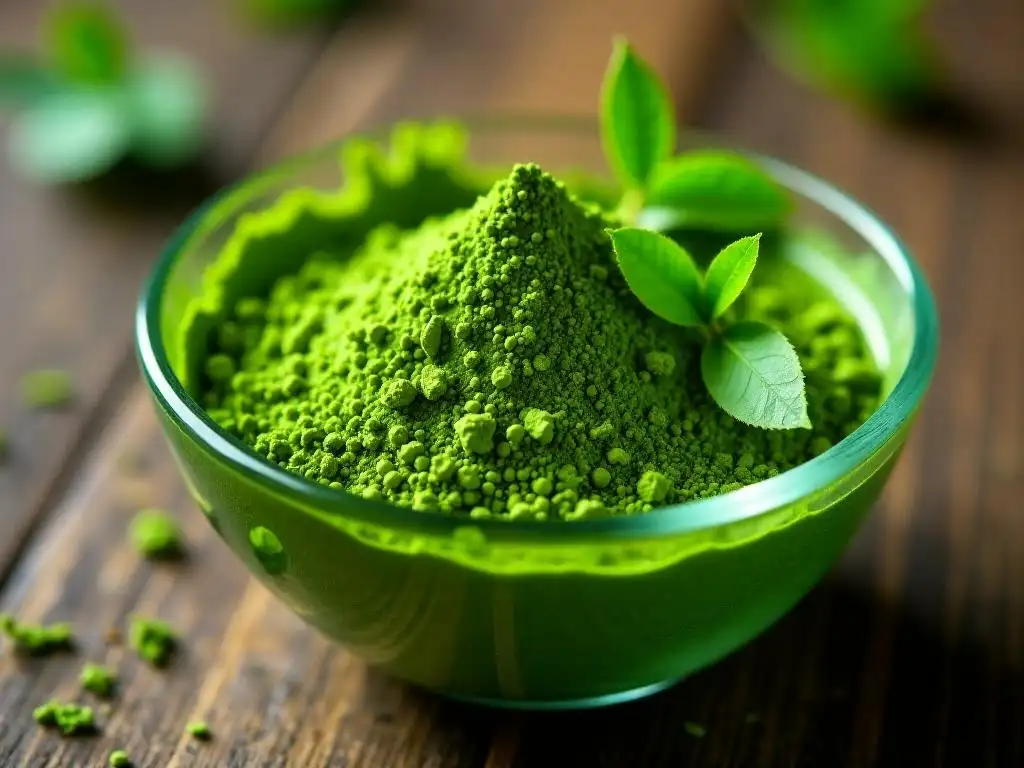
In the Japanese tea ceremony, the selection and preparation of ingredients are fundamental to achieving the desired aesthetic and experiential qualities of the ritual. Quality ingredients not only enhance the flavor of the tea but also reflect the practitioner's respect for tradition and nature. Understanding the meticulous process of preparing these ingredients is essential for any practitioner aiming to honor the essence of the ceremony.
Sourcing Authentic Japanese Tea Ceremony Ingredients
Authenticity in sourcing ingredients is paramount to the integrity of the Japanese tea ceremony. The primary components include high-quality matcha, ceremonial-grade sencha or gyokuro, and accompanying sweets (wagashi). Each element plays a crucial role in the overall experience and must be carefully selected.
- Matcha:
- Origin: The best matcha is sourced from regions in Japan such as Uji, Nishio, and Shizuoka. These areas are renowned for their tea cultivation practices.
- Grade: When selecting matcha, look for ceremonial-grade matcha, which is vibrant green and finely ground. This type is ideal for whisking and offers a rich flavor.
- Sencha and Gyokuro:
- Sencha: This is the most commonly consumed green tea in Japan and should be sourced from reputable tea producers who use traditional methods.
- Gyokuro: Known for its delicate flavor, gyokuro is shade-grown and requires meticulous harvesting. Authentic gyokuro can be identified by its sweet aroma and deep green color.
- Wagashi:
- Choose sweets that complement the tea's flavors. Common types include mochi, dorayaki, and seasonal sweets, which should be fresh and made from high-quality ingredients.
Where to Buy Quality Ingredients Online and Offline
Finding quality Japanese tea ceremony ingredients can be done both online and in specialty stores. Here are some recommended sources:
- Online Retailers:
- Specialty Tea Websites: Look for websites dedicated to Japanese teas, such as Ippodo Tea, Yunomi, and Matcha Konomi, which offer a wide range of authentic ingredients.
- E-commerce Platforms: Websites like Amazon and Etsy often feature sellers who specialize in Japanese tea and accessories. Check for customer reviews to ensure quality.
- Local Stores:
- Asian Grocery Stores: Many cities have Asian markets that carry authentic Japanese tea and sweets. Look for items labeled as "imported from Japan."
- Tea Shops: Specialty tea shops may offer a selection of high-quality Japanese teas, including matcha and sencha, alongside knowledgeable staff who can provide recommendations.
The Importance of Freshness in Tea Ceremony Ingredients
Freshness is a critical factor in the quality of Japanese tea ceremony ingredients. Tea, particularly green tea, is sensitive to oxidation and can lose its flavor and aroma over time. The freshness of the ingredients directly impacts the overall experience of the tea ceremony.
- Flavor Profile: Fresh ingredients provide a vibrant taste that is essential for a successful tea ceremony. Stale tea can result in a dull, bitter flavor, undermining the ceremony's aesthetics and enjoyment.
- Aroma: The fragrance of freshly harvested tea leaves heightens the sensory experience. Fresh tea emits a sweet, grassy aroma that contributes to the overall ambiance of the ceremony.
- Visual Appeal: Fresh ingredients maintain their vibrant colors, enhancing the visual presentation. The deep green color of fresh matcha and tea leaves is a feast for the eyes and essential for the ceremony's beauty.
Tips for Storing and Maintaining Ingredients
To ensure the longevity and quality of your tea ceremony ingredients, proper storage is essential. Here are some practical tips:
- Tea:
- Keep in a Cool, Dark Place: Store tea in an airtight container away from light and heat to prevent oxidation. A cool pantry or a dedicated tea chest is ideal.
- Avoid Moisture: Ensure that the container is moisture-proof. Humidity can lead to mold and spoilage, so avoid storing tea in the refrigerator.
- Wagashi:
- Consume Fresh: Since wagashi are often made with natural ingredients, they should be consumed soon after purchase for optimal taste. Check expiration dates and consume them within a few days.
- Store Properly: If you need to store wagashi, keep them in a cool, dry place, and consider wrapping them in a light cloth to maintain freshness.
By understanding the importance of quality and freshness in Japanese tea ceremony ingredients, practitioners can elevate their tea experiences, paying homage to the rich traditions of feudal Japan while delighting the senses.
Conclusion: Elevating Your Japanese Tea Ceremony
The Japanese tea ceremony, or chanoyu, is a profound reflection of culture, spirituality, and artistry. To truly appreciate this intricate tradition, one must acknowledge the critical role that quality ingredients play in shaping the experience.
The Impact of Quality Ingredients on the Overall Experience
The ingredients used in a Japanese tea ceremony are not mere components; they are the essence of the ritual. Each element—from the tea itself to the accompanying sweets—contributes to the sensory experience, which is both aesthetic and spiritual.
- Matcha Quality: The backbone of the ceremony is high-quality matcha, which should be vibrant green, finely ground, and aromatic. The grade of matcha directly affects the flavor and texture of the tea, influencing the overall experience. Ceremonial-grade matcha, for example, is the preferred choice due to its rich umami flavor and smooth finish.
- Water Purity: The water used to prepare the tea must be pure and free from contaminants. Soft water is ideal, as it enhances the flavor of the matcha. Many practitioners even go to great lengths to source spring water to ensure the best possible taste.
- Wagashi (Japanese Sweets): The traditional sweets served during the tea ceremony, known as wagashi, are crafted with seasonal ingredients and are designed to complement the bitterness of the matcha. The harmony between the sweetness of the wagashi and the tea is essential for a balanced experience. Choosing high-quality, handcrafted wagashi can elevate the ceremony significantly.
- Utensils: While not ingredients in the traditional sense, the utensils used in the tea ceremony—such as the whisk ( chasen), tea scoop ( chashaku), and tea bowl ( chawan)—are crafted with precision and care. The quality of these tools impacts the preparation and presentation of the tea, adding to the overall ritual.
The integration of these quality elements creates a unique atmosphere that facilitates mindfulness and appreciation. The aesthetic presentation and harmonious balance of flavors transform the ceremony into a meditative experience, reinforcing the importance of choosing the right ingredients.
Final Thoughts on Crafting the Perfect Japanese Tea Ceremony
The Japanese tea ceremony is a delicate blend of tradition, artistry, and sensory experience. By prioritizing quality ingredients and understanding their impact on the ceremony, practitioners can create a moment that resonates deeply with participants.
- Mindfulness and Intent: Each choice made—from selecting the matcha to serving the wagashi—should be approached with mindfulness and intent. This not only enhances the flavor but also fosters a deeper connection to the ritual.
- Seasonality and Locality: Emphasizing seasonal ingredients and locally sourced products can also enrich the ceremony, celebrating the natural beauty of Japan's changing landscapes.
By embracing these principles, one can craft a tea ceremony that transcends mere beverage preparation, becoming a profound celebration of culture, community, and tranquility. Whether you are a seasoned practitioner or new to the chanoyu, the journey toward perfecting your Japanese tea ceremony is one of continuous learning and appreciation.
Frequently Asked Questions
What are the key ingredients used in a Japanese tea ceremony?
The key ingredients include matcha (powdered green tea), water, and sometimes sweet treats. Each ingredient plays a vital role in ensuring a harmonious experience.
How does the quality of ingredients affect the tea ceremony?
The quality of ingredients is crucial, as it directly influences the flavor and aesthetic of the tea. Using high-quality matcha can enhance the overall experience and appreciation of the ceremony.
Are there specific types of matcha recommended for ceremonies?
Yes, ceremonial grade matcha is recommended for traditional tea ceremonies. It is characterized by its vibrant color, smooth texture, and rich flavor, making it ideal for serving guests.
What role do sweet treats play in the tea ceremony?
Sweet treats, known as wagashi, are served to balance the bitterness of the matcha. They enhance the overall flavor profile and contribute to the aesthetic presentation of the ceremony.
Can the tea ceremony be performed with different types of tea?
While the traditional tea ceremony primarily uses matcha, variations exist that may incorporate loose leaf tea or infusions. However, these adaptations may differ in rituals and presentation.
Final Reflection: The Essence of Quality in Every Sip
In a world where the fast pace of life often overshadows the beauty of tradition, the significance of quality ingredients in the Japanese tea ceremony remains profoundly relevant. The meticulous selection of tea leaves, water, and utensils not only enhances the sensory experience but also embodies a philosophy that values mindfulness and respect for nature. As we navigate our modern lives, the lessons from this ancient practice remind us that the essence of quality can transform the ordinary into the extraordinary.
Crafting the perfect tea is not just about the ingredients; it is about the cultural tapestry they weave into our lives. The Japanese tea ceremony, or Chanoyu, serves as a poignant reminder of the beauty found in simplicity and intention. As we embrace these values, we can see their influence permeating various aspects of our lives, from culinary arts to personal relationships. Tea is the magic key to the vault where my brain is kept.
– Frances Hardinge. This quote encapsulates how the act of preparing and enjoying tea can unlock deeper connections and reflections within ourselves and with others.
As you close this chapter on the art of the Japanese tea ceremony, I invite you to reflect on the ingredients that enrich your own life. Consider how you can bring the same level of care and quality into your daily rituals, whether it’s in your meals, your relationships, or your personal growth. Let the essence of quality inspire you to cultivate a life that honors tradition while embracing the present, ensuring that every moment is savored like the perfect cup of tea.
Elevate Your Tea Ceremony Experience Today!
Thank you for exploring the intricate world of crafting the perfect tea ceremony! You've discovered how pivotal quality ingredients are in this timeless tradition. Now, let's take your newfound knowledge a step further and deepen your appreciation for this art form.
Here are some actionable steps to enhance your tea journey:
- Choose a high-quality tea: Visit a local specialty store or explore online retailers to find rare or authentic teas that embody the rich heritage of tea culture.
- Share your experience: Organize a small tea gathering with friends or family to share the traditions you've learned and encourage them to taste the depth and complexity of premium teas.
- Join a tea community: Connect with fellow tea enthusiasts through online forums or local meetups to exchange insights, techniques, and recommendations that can enrich your practice.
What unique tea blends or practices have you discovered that enhance your tea ceremonies? Share your thoughts and inspire others!