
The Connection Between Shinto Beliefs and Housing Design in Feudal Japan


Welcome to Feudal Japan History, where we invite you to embark on a fascinating journey through the rich tapestry of Japan's feudal era. In our featured article, "The Connection Between Shinto Beliefs and Housing Design in Feudal Japan," we delve into the intriguing intersection of spirituality and architecture, uncovering how Shinto beliefs profoundly influenced the design of homes during this captivating period. What secrets lie within the walls of these historic dwellings?
Join us as we explore the intricate relationship between daily life and society in feudal Japan, sparking your curiosity and expanding your understanding of this remarkable epoch. Prepare to be enlightened!
The relationship between Shinto beliefs and housing design in feudal Japan is a fascinating interplay that reflects the spiritual and cultural fabric of the era. Shinto, as the indigenous spirituality of Japan, played a pivotal role in shaping not only the daily lives of the people but also the architectural styles and housing layouts of the time.
This article delves into the profound connection between Shinto practices and the design of homes during the feudal period, exploring how spiritual beliefs influenced practical aspects of living spaces. By examining the historical significance and the key principles of Shinto that permeated housing design, we can gain a deeper understanding of the societal values and environmental considerations that defined feudal Japan.
Introduction to Shinto Beliefs in Feudal Japan
Overview of Shintoism and Its Significance
Shintoism is a polytheistic belief system that emphasizes the worship of kami, or deities, which are believed to inhabit natural elements such as mountains, rivers, and trees. This reverence for nature is central to Shinto beliefs and manifests in various cultural practices, rituals, and traditions.
In feudal Japan, Shintoism was not only a religion but also a way of life that influenced every aspect of society, including governance, agriculture, and, importantly, architecture. The significance of Shintoism during this period can be observed in the way it shaped community values and individual identities, fostering a deep connection between people and their environment.
The Role of Shinto in Daily Life During Feudal Japan
During the feudal era, Shinto rituals and practices permeated daily life. From birth to death, significant life events were often marked by Shinto ceremonies. Homes were not merely physical structures but also sacred spaces that reflected the inhabitants' beliefs and connections to the divine. The presence of kami was believed to bring protection and prosperity to families, leading to the incorporation of specific elements in housing design to honor these spirits. This spiritual dimension of daily life underpinned the significance of Shinto in shaping the architectural choices of the time.
Shinto Beliefs in Feudal Housing Design
Key Principles of Shinto Influencing Architecture
The architectural design of feudal Japanese homes was deeply intertwined with Shinto beliefs. Key principles include:
- Natural Materials: Homes were typically constructed using wood, bamboo, and clay, materials that resonated with the Shinto principle of harmony with nature.
- Simplicity and Minimalism: Designs often emphasized simplicity, reflecting the belief that less is more when it comes to harmony and spirituality.
- Sacred Spaces: Areas within the home, such as the kamidana (a small shrine), were dedicated to the worship of kami, showcasing the importance of spiritual practice within the living environment.
These principles not only served functional purposes but also embodied the spiritual ethos prevalent in feudal Japan.
Spirituality and Nature in Housing Layouts
The layout of homes in feudal Japan was meticulously planned to reflect the connection between spirituality and nature. Features such as:
- Open Spaces: Homes often incorporated open layouts that invited natural light and airflow, symbolizing openness to the kami.
- Gardens and Natural Elements: Many residences featured gardens, which were designed as sacred spaces to cultivate a connection with nature and the divine.
- Orientation and Placement: The positioning of a home in relation to its surroundings was often strategic, ensuring that it aligned with natural landscapes and sacred sites.
These elements highlight the profound respect for nature and spirituality that characterized housing design in feudal Japan, illustrating how Shinto beliefs were intricately woven into the fabric of daily life and architecture.
Traditional Features of Feudal Japanese Homes
Feudal Japanese homes, or minka, were characterized by specific traditional features that reflected both the practical needs of the inhabitants and the cultural significance of Shinto beliefs. These homes were designed to harmonize with the natural environment, promoting a sense of balance and tranquility. The architecture primarily employed a wooden framework, with thatched or tiled roofs, which not only provided shelter but also blended seamlessly into the surrounding landscape.
The layout of these homes typically included a central living area, known as the doma, which served multiple purposes, including cooking and receiving guests. The use of sliding doors, or fusuma, allowed for flexibility in space and facilitated a connection between indoor and outdoor environments. Furthermore, the incorporation of gardens and natural settings around the home underscored the importance of nature in Shinto beliefs, emphasizing the need to coexist with the elements around them.
The Tatami and Its Symbolism in Shinto
Tatami mats, made from rice straw and covered with woven rush grass, were a fundamental component of feudal Japanese homes. Beyond their practicality as flooring, tatami held significant symbolic meaning in Shinto and Japanese culture. The arrangement of tatami often dictated the layout of a room, reinforcing the concept of order and balance, which are deeply rooted in Shinto beliefs.
In Shinto, purity and cleanliness are vital, and tatami mats were believed to embody these principles. The act of sitting or sleeping on tatami was viewed as a way to connect with the earth, promoting a sense of humility and reverence for the natural world. Moreover, the specific dimensions of tatami mats were designed to convey harmony and proportion, aligning with the Shinto emphasis on aesthetic beauty and spiritual balance in living spaces.
Use of Natural Materials: Wood, Paper, and Stone
The materials used in feudal Japanese housing were intentionally chosen to reflect Shinto beliefs and the natural environment. Wood, paper, and stone were predominant materials that not only served functional purposes but also symbolized the connection to nature.
- Wood: Wood was the primary building material, valued for its availability and flexibility. The use of untreated wood allowed homes to breathe and age gracefully, reinforcing the Shinto belief in the impermanence of life.
- Paper: Shoji screens, made of translucent paper, facilitated the flow of light and air while offering privacy. The use of paper also represented the Shinto value of simplicity and purity.
- Stone: Stone was often used in foundations and pathways, symbolizing stability and permanence. The careful placement of stones in gardens and around homes was meant to honor the deities of nature, reflecting the Shinto reverence for the landscape.
These natural materials not only served practical needs but also illustrated the profound respect for nature that is central to Shinto beliefs.
Architectural Elements Reflecting Shinto Values
Feudal Japanese homes incorporated various architectural elements that directly reflected Shinto values. These features were designed not only for aesthetic appeal but also to foster a spiritual connection between the inhabitants and the natural world.
- Roofs: The sweeping curves of thatched roofs were not just practical for shedding rain and snow; they also symbolized the embrace of nature and protection from the elements. Roofs often extended beyond the building's walls, creating a transition zone that blurred the lines between the interior and the exterior, allowing the home to coexist harmoniously with its surroundings.
- Gardens: The presence of gardens was a crucial element in home design, serving both as a space for relaxation and as a spiritual site for rituals. Carefully arranged rocks, water features, and plants were designed to mimic natural landscapes, inviting the kami (spirits) to inhabit these spaces.
- Verandas and Entrances: The design of entrances and verandas often included specific alignments and orientations that were thought to please the kami, reinforcing the connection between the home and the spiritual world.
These architectural elements showcased how Shinto beliefs permeated the daily lives of individuals, influencing the very structure of their homes.
The Relationship Between Shinto Shrines and Residential Structures
Shinto shrines and residential structures in feudal Japan maintained a harmonious relationship, with many homes incorporating elements of shrine design. This integration fostered a sense of continuity between the sacred and the mundane, allowing residents to experience the divine within their everyday lives.
Integration of Shrines in Household Design
Many feudal Japanese homes featured small household shrines, or kamidana, which served as focal points for daily rituals and offerings. These shrines were typically placed in a prominent location within the home, symbolizing the family's commitment to honoring the kami.
The design of these shrines mirrored that of larger Shinto shrines, often incorporating similar architectural features such as a torii gate. This integration allowed families to create a sacred space for worship and reflection, reinforcing the importance of spirituality in daily life. The presence of a kamidana not only emphasized the family's devotion to Shinto beliefs but also served as a reminder of the kami's protection over the household.
The Concept of 'Kami' and Its Influence on Home Orientation
The Shinto concept of kami, which refers to the spirits that inhabit natural elements, significantly influenced the orientation and placement of feudal homes. Builders often considered the direction a home faced, as certain orientations were believed to attract positive energies and kami.
- Cardinal Directions: Homes were often aligned with cardinal directions, as it was thought that specific kami resided in these orientations. For instance, facing the home toward the rising sun was believed to invite good fortune and prosperity.
- Natural Landforms: The surrounding landscape also played a crucial role in home orientation. Natural features like mountains, rivers, and trees were respected as manifestations of kami, and their presence was considered when designing and positioning homes.
This careful consideration of orientation not only reflected the inhabitants' reverence for the kami but also highlighted the intricate relationship between land, architecture, and spirituality in feudal Japan.
Case Studies: Examples of Feudal Housing Reflecting Shinto Beliefs
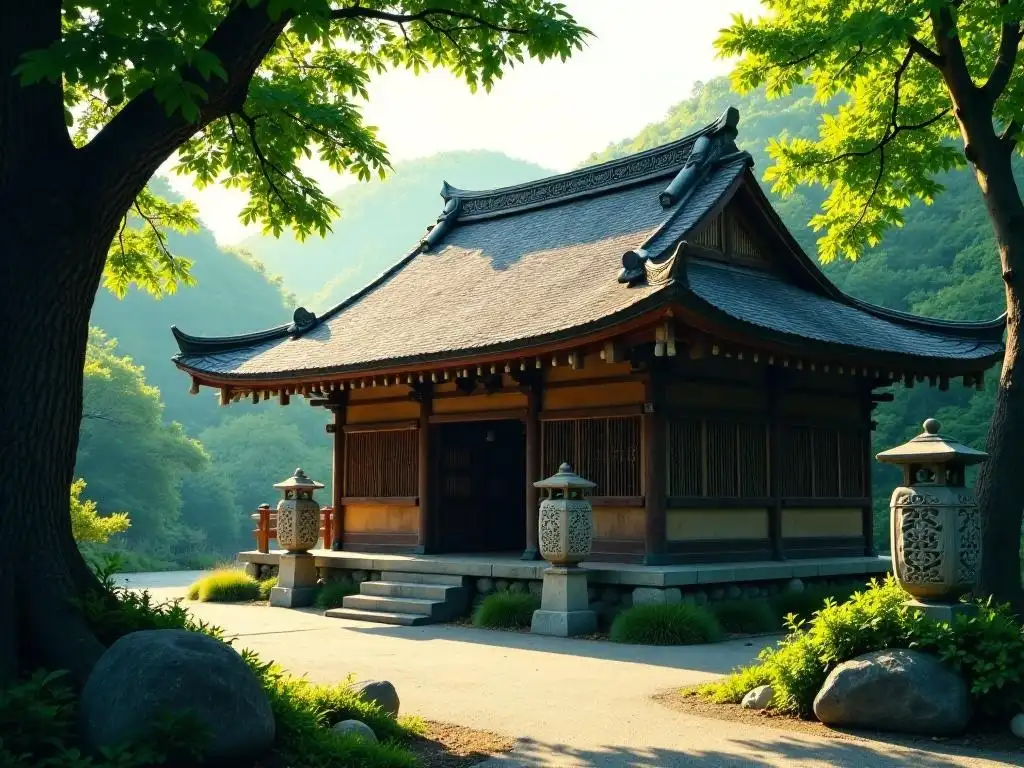
Feudal Japan's architecture was heavily influenced by Shinto beliefs, which emphasized harmony with nature, purity, and spiritual presence. Several notable examples showcase how these principles were integrated into housing designs. By examining specific case studies, we can uncover the profound impact of Shinto on architectural practices during this period.
The Katsura Imperial Villa: Description and Analysis
The Katsura Imperial Villa, located in Kyoto, exemplifies the harmonious relationship between Shinto beliefs and architectural design. Constructed in the early 17th century, this villa serves as a prime example of the integration of nature and architecture, a core tenet of Shinto philosophy. The layout of the villa is characterized by its connection to the surrounding landscape, with carefully placed gardens, ponds, and trees that reflect the natural beauty and spiritual essence of the environment.
The use of tatami mats and sliding doors (fusuma) within the villa emphasizes the concept of flexibility and openness, allowing spaces to flow into one another. This design choice resonates with the Shinto belief in the presence of kami (deities) in natural elements, fostering an atmosphere of tranquility and reverence for the environment. The villa's garden, with its meticulously arranged rocks and water features, further embodies the Shinto principle of achieving harmony with nature, creating a serene space for reflection and spiritual connection.
The Sukiya-zukuri Style: Description and Analysis
The Sukiya-zukuri style of architecture, prevalent in the late feudal period, is another notable example of the influence of Shinto beliefs on housing design. This style is characterized by its simplicity, asymmetry, and use of natural materials, which align with the Shinto emphasis on purity and the beauty of the natural world. Sukiya-zukuri homes typically feature wooden structures with thatched roofs, open interiors, and an abundance of natural light, enhancing the sense of connection to nature.
One of the defining characteristics of Sukiya-zukuri architecture is the incorporation of gardens and tea rooms, spaces designed for contemplation and communion with nature. The tea room, in particular, exemplifies the Shinto principle of ritualistic purity, where guests engage in the ceremonial tea practice, fostering a spiritual experience that honors the environment and the present moment. This architectural style not only reflects Shinto aesthetics but also creates a living space that encourages mindfulness and appreciation of the natural surroundings.
The Evolution of Shinto Influences on Housing Post-Feudal Era
As Japan transitioned from the feudal era into the modern age, the influence of Shinto beliefs on housing continued to evolve. The architectural styles developed during this period adapted to changing societal norms while still resonating with traditional Shinto principles.
Changes in Architectural Styles and Shinto Influence
With the Meiji Restoration and the subsequent modernization of Japan, traditional architectural styles began to incorporate Western influences. However, the core tenets of Shinto beliefs remained evident in the design philosophies of new structures. While materials and techniques changed, the emphasis on harmony with nature persisted, leading to the creation of modern buildings that still reflect a connection to Shinto values.
For instance, contemporary Japanese architecture often integrates natural elements such as wood and stone, as well as large windows that open up to gardens and natural landscapes. This design approach not only acknowledges the importance of nature but also honors the Shinto belief in the spirituality inherent in the environment. The result is a seamless blend of tradition and modernity, allowing contemporary homes to embody the essence of Shinto even in a rapidly changing architectural landscape.
Modern Interpretations of Shinto Beliefs in Contemporary Housing
In recent years, there has been a resurgence of interest in traditional Shinto values, leading to a revival of architectural styles that reflect these beliefs in modern housing. Architects and designers are increasingly looking to integrate elements of Shinto philosophy into their work, creating spaces that foster spiritual well-being and a deep connection to nature.
Modern homes often feature open floor plans, natural materials, and minimalist designs that promote tranquility and mindfulness. The use of gardens, water features, and the strategic placement of windows to frame natural views are common practices in contemporary housing, reflecting the Shinto belief in the divine presence within the natural world. These modern interpretations not only pay homage to Japan's architectural heritage but also serve as a reminder of the enduring significance of Shinto beliefs in shaping the lived experience of space and environment in daily life.
Conclusion: The Lasting Impact of Shinto on Japanese Housing Design
The influence of Shinto beliefs on housing design in feudal Japan is profound and enduring. Shinto, with its deep reverence for nature and the spiritual significance attributed to natural elements, has shaped not only the physical structures of homes but also the very essence of Japanese living spaces. The architectural principles that emerged from Shinto practices, such as the incorporation of natural materials, open layouts, and the importance of harmony with the environment, continue to resonate in contemporary Japanese architecture.
As we conclude this exploration, it is essential to recognize that the connection between Shinto beliefs and housing design transcends mere aesthetics; it embodies a worldview that prioritizes balance, respect for nature, and a sense of spirituality within everyday life. This legacy can be seen in modern Japanese homes, where traditional elements are often integrated with contemporary designs, reflecting a continuity of cultural values that honors the past while embracing the future.
Summary of Key Connections Between Shinto and Architecture
The relationship between Shinto beliefs and architectural design in feudal Japan can be summarized through several key connections:
- Natural Materials: Shinto emphasizes the sacredness of nature, leading to the use of materials like wood, bamboo, and paper, which are not only aesthetically pleasing but also harmonize with the surroundings.
- Spiritual Spaces: Homes often included specific areas designated for kami, or spirits, which were treated with great respect. This included the placement of kamidana (household shrines) that served as focal points for worship and connection to the divine.
- Open and Flexible Designs: The design of feudal homes, particularly the use of sliding doors (fusuma) and tatami mats, allowed for fluidity in space, reflecting the Shinto belief in the adaptability and impermanence of life.
- Integration with Nature: The placement of homes often considered the surrounding landscape, promoting a seamless transition between the indoor and outdoor environments, reinforcing the Shinto principle of living in harmony with nature.
These connections illustrate how deeply intertwined Shinto beliefs are with the architectural practices of feudal Japan, creating spaces that were not only functional but also spiritually significant.
Reflections on Cultural Heritage and Its Relevance Today
The cultural heritage of feudal Japan, particularly regarding Shinto beliefs and housing design, remains remarkably relevant in today’s context. As contemporary society grapples with urbanization and the loss of connection to nature, the principles derived from Shinto offer valuable insights.
Modern architects and designers are increasingly looking back to traditional practices to create sustainable and harmonious living environments. For instance, the emphasis on natural materials and integration with greenery is gaining traction in urban planning and residential architecture.
Furthermore, the spiritual aspect of housing, such as the creation of spaces for meditation and reflection, resonates strongly in a fast-paced world where mindfulness is becoming increasingly important. By acknowledging the Shinto influence on housing design, we can appreciate a holistic approach to living that values both functionality and spirituality.
In essence, the lessons drawn from Shinto beliefs continue to inform and inspire contemporary housing design, reminding us of the importance of cultural heritage in shaping our built environments and daily lives. The legacy of feudal Japan's architectural practices encourages a thoughtful engagement with our surroundings, fostering a sense of community, tranquility, and respect for the natural world.
- Introduction to Shinto Beliefs in Feudal Japan
- Shinto Beliefs in Feudal Housing Design
- Traditional Features of Feudal Japanese Homes
- The Relationship Between Shinto Shrines and Residential Structures
- Case Studies: Examples of Feudal Housing Reflecting Shinto Beliefs
- The Evolution of Shinto Influences on Housing Post-Feudal Era
- Conclusion: The Lasting Impact of Shinto on Japanese Housing Design
- What are Shinto beliefs in the context of feudal Japan?
- How did Shinto beliefs impact housing design in feudal Japan?
- Were there specific features in feudal housing that reflected Shinto beliefs?
- How did the social hierarchy in feudal Japan affect the expression of Shinto beliefs in housing?
- Is there a modern influence of Shinto beliefs on contemporary Japanese housing?
Frequently Asked Questions
What are Shinto beliefs in the context of feudal Japan?
Shinto beliefs are the indigenous spirituality of Japan, emphasizing the importance of nature, kami (spirits), and rituals. In feudal Japan, these beliefs significantly influenced various aspects of daily life, including housing design.
How did Shinto beliefs impact housing design in feudal Japan?
Housing designs were often influenced by Shinto principles, which emphasized harmony with nature. Homes were typically constructed using natural materials and were oriented to align with the spiritual landscape.
Were there specific features in feudal housing that reflected Shinto beliefs?
Yes, many feudal houses included features like tatami mats, which symbolized purity, and shrine spaces to honor kami. These elements were essential for creating a spiritually harmonious environment.
The social hierarchy dictated the scale and complexity of housing designs. While nobility could afford elaborate shrines and spacious layouts, commoners often had simpler homes that still incorporated basic Shinto elements.
Is there a modern influence of Shinto beliefs on contemporary Japanese housing?
Yes, modern Japanese architecture still reflects Shinto beliefs, emphasizing a connection to nature and the use of open spaces. Many homes incorporate elements like gardens and natural light to maintain this spiritual connection.
Final Reflection: Embracing Harmony Through Shinto Beliefs in Feudal Housing
The intricate relationship between Shinto beliefs and housing design in feudal Japan remains profoundly relevant today, as it highlights the importance of harmony between human dwellings and the natural world. In an era where urbanization often leads to disconnection from nature, understanding how Shinto principles shaped the architecture and spatial organization of homes can inspire modern designs that foster a sense of balance and tranquility. The lessons from feudal Japan remind us that our living spaces can reflect our values and beliefs, creating environments that nurture both our spirits and our communities.
The influence of Shinto beliefs on housing design has left an indelible mark on Japanese culture, emphasizing the significance of nature and spirituality in everyday life. This connection is not merely historical; it continues to resonate in contemporary architecture, where biophilic design principles echo the Shinto reverence for nature. As architect Tadao Ando once said, The architecture must be rooted in the spirit of the place.
This sentiment encapsulates the enduring legacy of Shinto beliefs, urging us to consider how our environments can embody the essence of the world around us.
As we reflect on the lessons from Shinto beliefs in feudal housing, I invite you to contemplate how these principles can be integrated into your own living spaces. Consider the ways in which you can create harmony within your home, whether through design choices that embrace natural elements or by fostering a deeper connection with the environment. Let the wisdom of the past guide you in crafting a sanctuary that not only serves your needs but also resonates with the beauty and spirit of the world around you.
Embrace the Harmony of Shinto and Design!
Thank you for diving into the fascinating relationship between Shinto beliefs and housing design in Feudal Japan! You've explored how spirituality and architecture beautifully intertwined to shape the living spaces of the time. Now, it's your turn to carry this insight forward!
Here are a few ways you can deepen your understanding and appreciation:
- Visit a local exhibit or museum to explore traditional Japanese architecture firsthand and reflect on the spiritual elements involved.
- Engage with communities that focus on Japanese culture—consider joining forums or social media groups to share insights and learn from others about similar connections in various cultures.
- Incorporate Shinto principles into your own space by researching natural materials or minimalist designs that promote harmony and tranquility.
What aspect of Shinto beliefs resonates the most with you, and how might it inspire your own living space?