
The Role of Naval Warfare in the Expansion of Japanese Influence

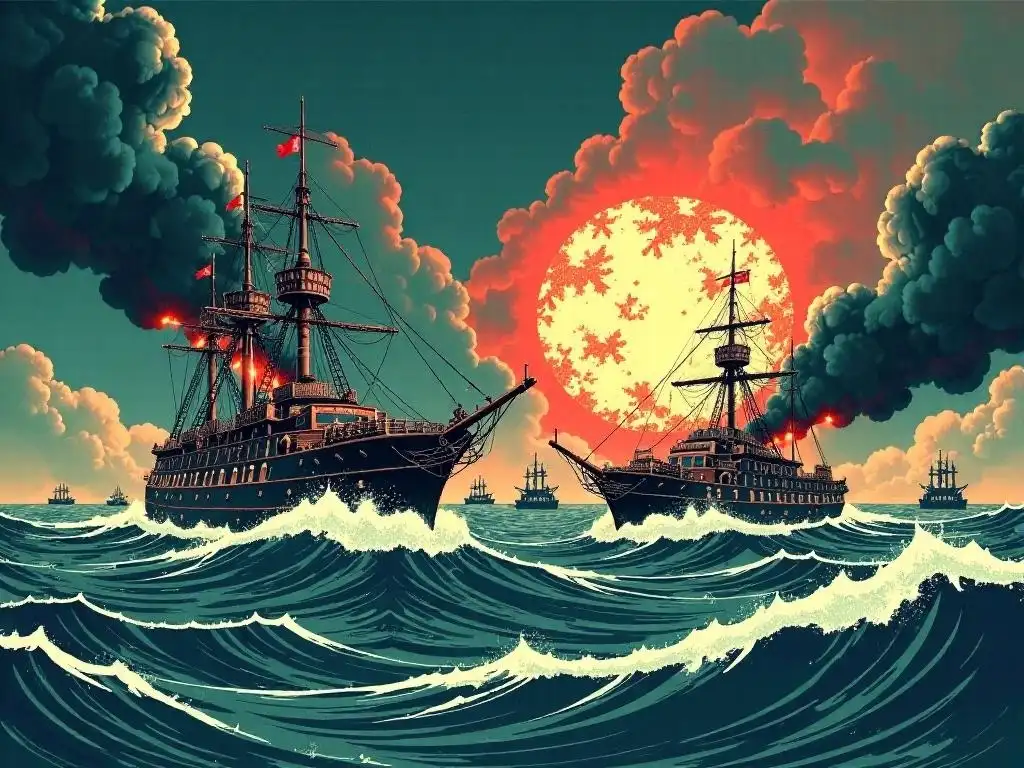
Welcome to Feudal Japan History, where we embark on a captivating journey through the intricate tapestry of Japan's feudal era. Here, we delve into the rich historical, cultural, and societal dimensions that shaped this remarkable period. In our featured article, "The Role of Naval Warfare in the Expansion of Japanese Influence," we invite you to explore the strategic significance of naval engagements that not only defined battles but also expanded Japan's reach across the seas.
What secrets lie within the waves of history? Join us as we uncover the pivotal moments that forged Japan's maritime prowess and influenced its legacy. Dive deeper, and let the exploration begin!
- Introduction to Japanese Naval Warfare History
- Historical Context of Japanese Naval Warfare
- Major Naval Conflicts in Japanese History
- Innovations in Japanese Naval Warfare Tactics
- The Cultural Significance of Naval Warfare in Japan
- The Role of Naval Warfare in Expanding Japanese Influence
- Conclusion: Legacy of Japanese Naval Warfare History
- References and Further Reading
-
Frequently Asked Questions
- What is the significance of naval warfare in Japanese history?
- How did naval warfare evolve during the feudal era in Japan?
- What were the key naval battles that shaped Japanese history?
- How did foreign interactions influence Japanese naval tactics?
- What resources are available for further study of Japanese naval warfare history?
- Final Reflection: The Enduring Legacy of Japanese Naval Warfare
- Unleash Your Curiosity: Dive Deep into Japan's Naval Legacy!
The history of Japanese naval warfare is a captivating chapter within the broader narrative of Feudal Japan, marked by its strategic significance in shaping regional power dynamics and the expansion of Japanese influence. Throughout the feudal era, naval engagements were not merely battles fought on water; they represented a critical component of military strategy, trade, and diplomacy. As Japan transitioned through various periods of political fragmentation and consolidation, naval warfare evolved into an essential tool for asserting dominance over rival factions and securing maritime routes.
This article delves into the intricate tapestry of Japanese naval warfare history, exploring its evolution, pivotal moments, and the cultural implications that arose from seafaring battles. By examining the role of naval power during the feudal era, we can gain deeper insights into how these maritime endeavors helped to shape Japan's historical trajectory and its interactions with neighboring nations.
Naval warfare in Feudal Japan can be traced back to the Heian period, where the early foundations of maritime conflict began to take shape. The emergence of powerful clans, such as the Taira and Minamoto, highlighted the necessity for naval capabilities in asserting territorial control and conducting raids.
Key elements of naval warfare during this period included:
- Types of Ships: The development of various ship types, such as the wakibune (small boats) and atakebune (large warships), allowed for diverse tactical options.
- Tactics and Strategies: Naval battles often involved the use of ramming, boarding, and archery, with commanders employing innovative tactics to outmaneuver their opponents.
- Influence of Trade: The expansion of trade routes necessitated the protection of merchant vessels, leading to increased naval engagements aimed at safeguarding economic interests.
As the Kamakura period unfolded, the Mongol invasions in the late 13th century marked a pivotal moment in Japanese naval warfare history. The defense against Kublai Khan’s fleets showcased the significance of naval power and the resilience of the Japanese forces, which were ultimately aided by the kamikaze or "divine winds" that thwarted the invaders.
The significance of naval power in the expansion of Japanese influence cannot be overstated. As Japan's feudal lords recognized the strategic advantages of a robust navy, they began to invest more heavily in maritime capabilities. The ability to control the seas translated into several key benefits:
- Territorial Expansion: Control over coastal territories and islands enhanced Japan's ability to project power beyond its shores.
- Trade and Commerce: A strong naval presence ensured the protection of trade routes, facilitating economic growth and the exchange of goods with neighboring regions, such as Korea and China.
- Diplomatic Leverage: Naval prowess granted Japanese leaders greater negotiating power in diplomatic relations, allowing them to assert their influence over weaker states.
The history of Japanese naval warfare during the feudal era is a testament to the intricate relationship between military strategy, economic interests, and cultural identity. By understanding this historical context, we gain valuable insights into how Japan navigated its path toward becoming a formidable maritime power in East Asia.
Early Maritime Activities in Japan
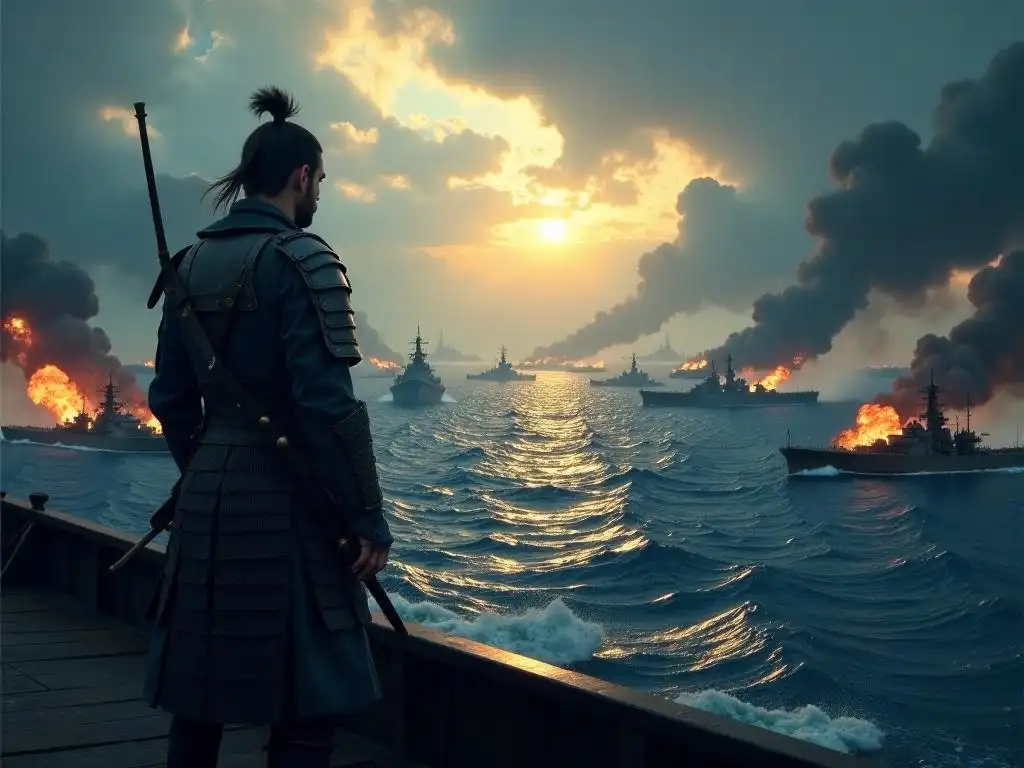
From ancient times, the Japanese archipelago has been intrinsically linked to the sea, with maritime activities forming a crucial part of its cultural and economic framework. Early Japanese societies engaged in fishing, trading, and establishing links with neighboring regions. The Jomon period (circa 14,000 – 300 BCE) witnessed the use of dugout canoes and simple fishing boats, indicative of the early maritime skills of the Japanese people.
By the Yayoi period (300 BCE – 300 CE), Japan began to develop more sophisticated vessels, enabling longer sea voyages. These advancements facilitated trade with the Korean Peninsula and China, leading to the exchange of goods, technology, and cultural practices. Key archaeological findings, such as artifacts from ancient shipwrecks, reveal insights into the construction and use of these early ships, which were primarily made from wood and designed for both fishing and transport.
Japan's unique geographical position as an island nation has significantly influenced its naval warfare strategies throughout history. Surrounded by seas and straits, the natural topography provided both advantages and challenges:
- Isolation and Defense: The surrounding waters served as a natural barrier against invasions, allowing Japan to develop its own distinct maritime culture. This isolation also fostered a strong sense of national identity, particularly during periods of foreign threats.
- Trade Routes and Expansion: The seas surrounding Japan were crucial for trade, leading to the establishment of maritime routes that connected Japan with continental Asia. As Japanese naval capabilities improved, these routes became essential for the expansion of influence and power. The Sengoku period (1467 – 1603) marked a significant increase in naval engagements, driven by the need to secure trade routes and assert dominance over rival clans.
- Strategic Locations: Key geographic locations, such as the Seto Inland Sea, served as natural highways for naval operations. Control of these waters allowed for quicker troop movements and the ability to launch surprise attacks against enemy forces.
Understanding the evolution of Japanese naval warfare requires an examination of several key historical periods that shaped its development:
- Heian Period (794 – 1185): During this era, naval engagements were primarily related to piracy and defense against foreign raiders. The rise of the Fujiwara clan and later the Minamoto clan demonstrated the importance of naval power in asserting political dominance.
- Kamakura Period (1185 – 1333): The Mongol invasions in 1274 and 1281 highlighted the significance of naval warfare. The Japanese forces, utilizing the kamikaze (divine winds), successfully repelled the Mongol fleets, establishing a legacy that emphasized the importance of a robust naval defense.
- Muromachi Period (1336 – 1573): This period saw the rise of Wokou (Japanese pirates) who engaged in raiding coastal settlements in China and Korea. The Japanese developed naval tactics that included fast, maneuverable ships, which would later influence their naval strategies in the Sengoku period.
- Edo Period (1603 – 1868): The establishment of the Tokugawa shogunate led to a more centralized and organized naval strategy. While this era was largely peaceful, the importance of naval power remained, particularly in enforcing trade policies and controlling maritime routes.
- Meiji Restoration (1868): The modernization of the Japanese navy began with the Meiji Restoration, where Western naval techniques and technologies were adopted. This transformation enabled Japan to become a significant maritime power, culminating in victories in the First Sino-Japanese War (1894-1895) and the Russo-Japanese War (1904-1905).
The trajectory of Japanese naval warfare is a testament to the adaptability and resilience of its maritime strategies, reflecting the intricate relationship between geography, culture, and power dynamics throughout history.
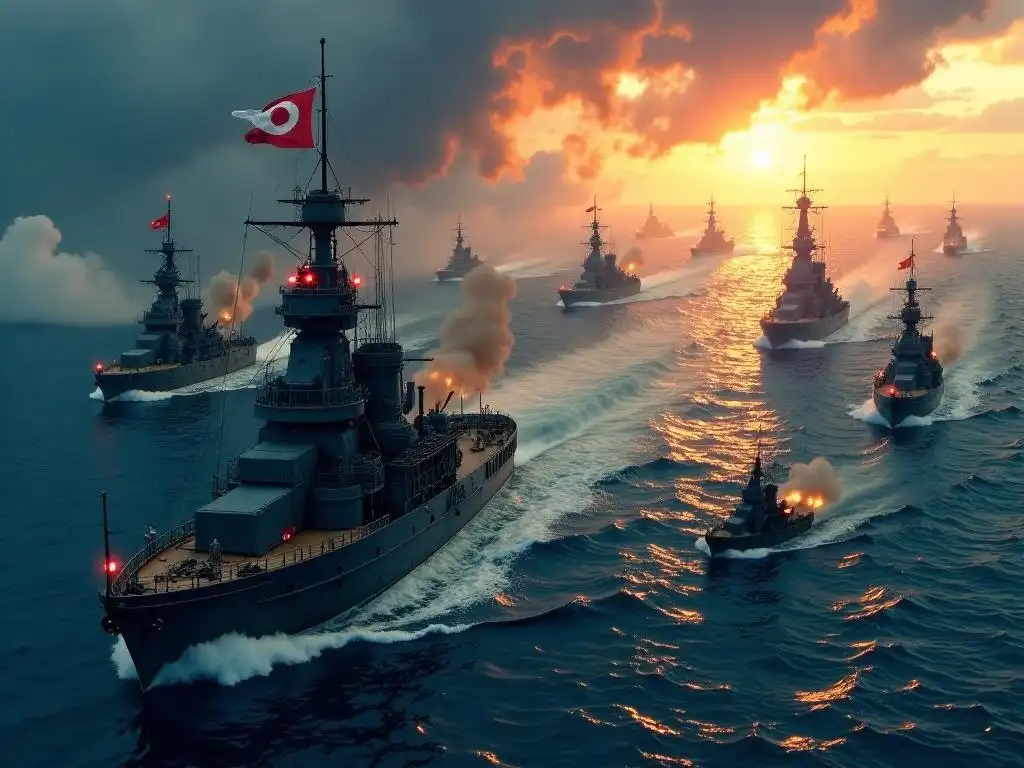
The Genpei War (1180-1185) marked a significant turning point in Japanese history, establishing the foundation for the Kamakura shogunate and altering the power dynamics of the era. This conflict primarily involved the Taira and Minamoto clans, and while many battles were fought on land, naval engagements played a crucial role in determining the war's outcome.
One of the most notable naval confrontations occurred in 1184 at the Battle of Yashima. Here, the Minamoto forces, led by Minamoto no Yoshitsune, launched a surprise attack on the Taira's fleet, which was stationed on the island of Yashima. The Minamoto employed innovative tactics, including the use of fire ships to disrupt the Taira vessels, demonstrating an early form of strategic naval warfare. This engagement not only showcased the burgeoning importance of naval power but also highlighted the role of the sea in the logistics and strategy of the conflict.
Another critical battle was the Naval Battle of Dan-no-ura in 1185, which concluded the Genpei War. The Taira's naval forces, despite their initial advantage, were ultimately defeated by the Minamoto fleet. The loss at Dan-no-ura not only resulted in the demise of the Taira clan but also underscored the significance of naval warfare in Japan's feudal conflicts, influencing future military strategies.
The Mongol invasions of Japan in 1274 and 1281 stand as a pivotal moment in Japanese naval warfare history. These invasions, initiated by Kublai Khan, aimed to expand the Mongol Empire into Japan, bringing about the first large-scale use of naval forces in Japan's defense.
During the first invasion in 1274, the Mongols utilized advanced naval tactics, including the use of large ships and coordinated land-sea assaults. The Japanese response, however, was hampered by a lack of unified naval command and preparation. Nevertheless, the Japanese forces, led by local samurai, engaged in fierce battles, and the invasion ultimately faltered due to a combination of fierce resistance and adverse weather conditions.
The second invasion in 1281 witnessed an even more formidable Mongol fleet, estimated to consist of over 4,000 ships. The Japanese, having learned from their earlier encounters, fortified their coastal defenses and developed more sophisticated naval strategies. The decisive moment came with the appearance of a kamikaze, or "divine wind," which devastated the Mongol fleet, leading to a catastrophic defeat for Kublai Khan's forces. This event not only protected Japan from foreign conquest but also solidified the importance of naval power in Japanese military strategy, leading to advancements in shipbuilding and naval tactics in the following centuries.
The Sengoku Period (1467-1603), often referred to as the "Warring States" era, was characterized by near-constant military conflict and the rise of powerful samurai clans. During this tumultuous time, naval warfare underwent significant evolution, reflecting the broader changes in Japanese society and military organization.
One of the key developments in this period was the emergence of the daimyō (feudal lords) who began to recognize the strategic value of naval power. The warring clans, such as the Miyoshi and Mitsukuri, invested heavily in their naval forces, constructing larger and more advanced ships to gain superiority over their rivals. The use of long-range artillery on ships, such as cannon, began to change the dynamics of naval engagements, allowing for more effective bombardments.
Notable naval battles, such as the Battle of Kizugawaguchi in 1560, demonstrated the shifting tides of power. Here, the Miyoshi clan faced off against the forces of Mitsukuri, with the former utilizing superior naval tactics to secure victory. The outcome of such battles not only influenced territorial control but also established naval warfare as a critical component of the samurai's strategy.
Throughout the Sengoku Period, the interplay between land and sea warfare became increasingly complex, with naval forces playing a crucial role in logistics and troop movements. The eventual unification of Japan under Toyotomi Hideyoshi and later Tokugawa Ieyasu further emphasized the need for a strong naval presence, paving the way for the development of Japan's maritime capabilities in the Edo period.
The Sengoku Period solidified the importance of naval warfare in Japanese history, as clans recognized that control of the seas was vital for territorial expansion and military dominance. This era laid the groundwork for Japan's future engagements on the water, shaping the evolution of its naval warfare history.
The evolution of shipbuilding techniques played a pivotal role in shaping Japanese naval warfare history throughout the feudal era. Initially, the Japanese relied on a variety of traditional vessels, but as the demand for more sophisticated naval capabilities grew, innovations began to emerge.
- Types of Vessels:
- Atakebune: A large, flat-bottomed warship designed for both combat and transport. This vessel was instrumental during the Sengoku period, capable of carrying large numbers of samurai and supplies.
- Taka: A smaller, faster ship used for reconnaissance and raiding missions. Its agility allowed for quick strikes against enemy vessels.
- Construction Materials:
- Japanese shipbuilders utilized local timber, particularly from the cedar and hinoki trees, known for their durability and resistance to rot. This choice of materials significantly enhanced the longevity and performance of naval vessels.
- Design Innovations:
- The introduction of turtle ships during the late feudal period, which featured iron plating and a unique shape, provided greater protection against enemy fire. These innovations reflect a strategic response to evolving threats in naval warfare.
Technological advancements were crucial in transforming the dynamics of Japanese naval warfare. During the feudal era, several key innovations emerged that significantly enhanced naval capabilities:
- Gunpowder and Firearms: The introduction of gunpowder weapons, such as cannons and matchlock rifles, revolutionized naval engagements. By the late 16th century, Japanese naval forces began integrating these firearms into their ships, allowing for more effective ship-to-ship combat.
- Navigational Instruments: The adoption of European navigational tools, including compasses and astrolabes, improved the ability of Japanese naval commanders to undertake long voyages and engage in strategic planning. This technological integration facilitated greater exploration and expansion of Japanese influence across maritime territories.
- Ship Armament: Advances in ship armament, such as the development of heavier artillery and more accurate cannons, allowed for greater offensive capabilities. The ability to deliver powerful salvos from ships drastically changed the approach to naval engagements.
Strategic alliances played a crucial role in shaping the course of Japanese naval warfare history. Throughout the feudal era, various clans recognized the importance of forming alliances to bolster their naval strength and expand territorial control.
- Key Alliances:
- The Miyoshi clan formed alliances with other clans to dominate the maritime trade routes in the Seto Inland Sea, facilitating the movement of goods and troops.
- The Toyotomi clan established naval alliances with European powers, notably the Portuguese, which led to the introduction of new technologies and tactics that enhanced naval warfare capabilities.
- Impact on Warfare:
- These alliances allowed for a pooling of resources and intelligence, enabling clans to launch coordinated naval operations against common enemies. This strategy was particularly effective during the invasions of Korea in the late 16th century, where allied forces demonstrated the strength of unified naval power.
- Diplomatic Relations: The establishment of diplomatic relations with foreign powers not only provided access to new technologies but also opened up trade routes that enriched the Japanese economy, further fueling naval expansion initiatives.
The innovations in shipbuilding, the adoption of new technologies, and the formation of strategic alliances all contributed to the evolution of Japanese naval warfare tactics, significantly impacting the nation's ability to project power and influence during the feudal era.
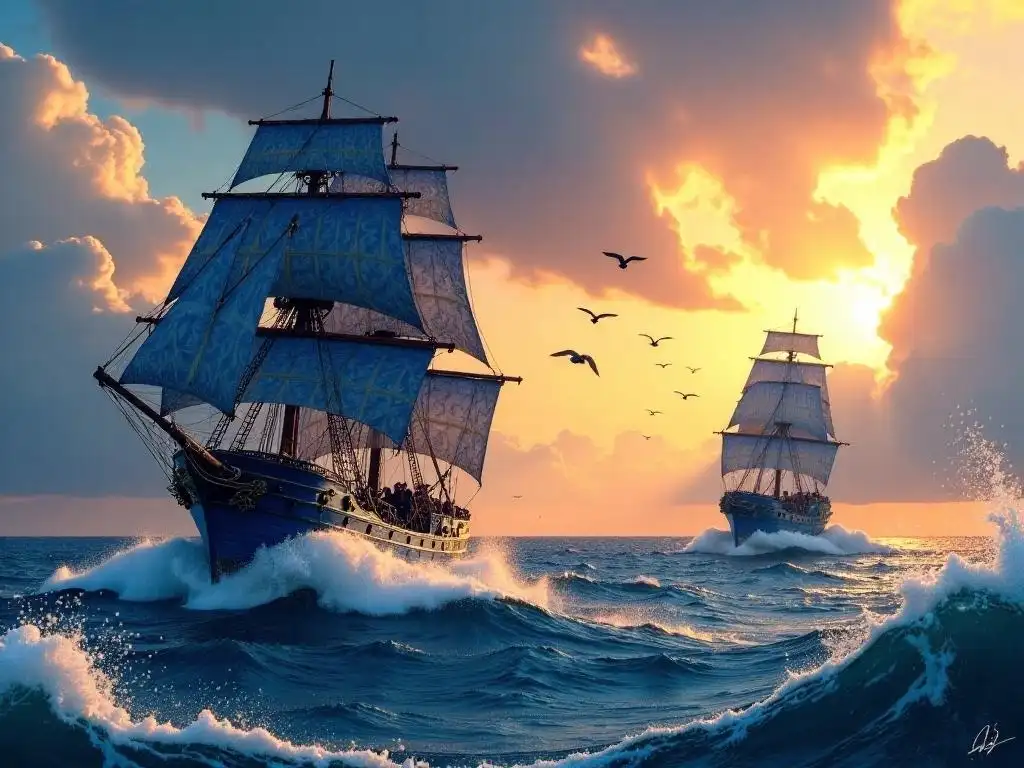
Naval warfare in Japan was not merely a series of military engagements; it held profound cultural significance that permeated various aspects of Japanese society. This cultural dimension is reflected in literature, folklore, the symbolism associated with the samurai, and the broader influence on governance and societal structures. Understanding these elements offers a deeper insight into how naval warfare shaped not only military strategies but also national identity and cultural narratives in Japan.
Japanese literature and folklore have long celebrated the themes of naval warfare, illustrating its importance in shaping the cultural landscape. Classic texts, such as The Tale of the Heike, recount the epic battles of the Genpei War (1180-1185), featuring the rise and fall of the Taira and Minamoto clans. These narratives highlight not just the battles themselves, but the valor, honor, and tragedy associated with naval confrontations.
- Epic Poetry and Prose
- The tales often incorporate elements of bushido (the way of the warrior), emphasizing the honor and sacrifice of those involved in naval conflicts.
- Poetic forms like haiku and tanka frequently reference the sea, symbolizing both beauty and danger, capturing the duality of naval engagements.
- Folkloric Heroes
- Many regional legends celebrate maritime heroes who defended their shores against invaders. Figures like Kintaro and Yamato Takeru are often depicted as embodying the spirit of naval warfare, demonstrating bravery and strength in the face of adversity.
- Cultural Rituals
- Festivals and rituals, such as the Oni Matsuri, often recount historical naval battles, reinforcing community identity and collective memory. These events serve not only as entertainment but also as a means of preserving historical narratives and instilling values associated with maritime courage.
The Symbolism of the Samurai and the Sea
The samurai, as the warrior class of feudal Japan, are intrinsically linked to the concept of naval warfare, with the sea often serving as a backdrop for their valor and exploits. The symbolism of the samurai in relation to the sea reflects broader cultural values and beliefs.
-
The Sea as a Metaphor
The ocean represents the unknown, embodying the challenges that samurai faced in battle. The vastness of the sea symbolizes the trials of life and the journey toward honor and glory.
-
Ships as Extensions of Identity
For many samurai, their ships were not just vessels for combat; they were extensions of their identity and social status. The design and decor of a ship often reflected the clan’s heritage, with intricate carvings and colors symbolizing lineage and loyalty.
-
Naval Tactics and Strategy
The development of unique naval strategies, such as the use of tachi (long swords) and naginata (polearms) on ships, showcased the adaptability of the samurai class. This innovation in naval warfare revealed the samurai's deep connection to maritime culture, influencing their tactics and enhancing their effectiveness in battle.
Influence on Japanese Society and Governance
The impact of naval warfare on Japanese society and governance extends beyond the battlefield, influencing political structures and societal norms throughout history.
- Shogunate Control
- The rise of the shogunate system was significantly influenced by naval power. Control over maritime routes and trade allowed shoguns to expand their influence, ensuring the stability and prosperity of their domains.
- The Kamakura Shogunate (1185-1333) and later the Tokugawa Shogunate (1603-1868) relied heavily on naval strength to protect their interests against foreign threats and to maintain internal order.
- Economic Expansion
- Naval warfare facilitated trade with neighboring regions, enhancing Japan's economy. The Sengoku Period (1467-1615) saw increased naval engagements that often secured trade routes, allowing for the flow of goods and cultural exchange, which enriched Japanese society.
- Coastal towns that emerged as trading hubs became centers of cultural exchange, leading to the diffusion of ideas, art, and technology.
- Cultural Identity
- The legacy of naval warfare has contributed to a unique cultural identity that blends martial prowess with maritime heritage. This duality is evident in traditional arts, crafts, and even cuisine, where the sea plays a crucial role in shaping local customs and practices.
The cultural significance of naval warfare in Japan transcends mere military history, influencing literature, societal structures, and cultural identity. The interplay between the samurai and the sea not only shaped Japan's naval strategies but also enriched its cultural heritage, leaving a lasting legacy that continues to be celebrated today.
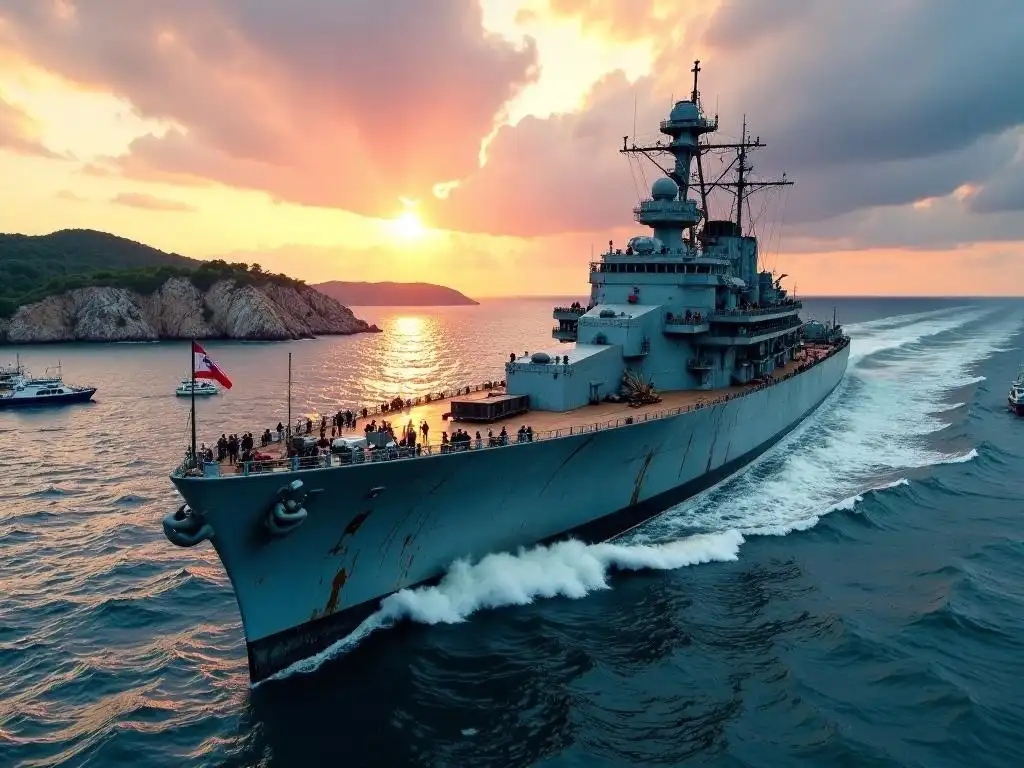
During the feudal era, Japan's geographical positioning as an island nation made naval power crucial for its economic prosperity. The establishment and control of trade routes facilitated not only the exchange of goods but also the spread of culture and ideas. The Japanese naval warfare history reveals how strategic maritime operations were instrumental in securing Japan’s trade interests.
- Key Trade Routes:
- The Silk Road extended maritime routes linking Japan to China and beyond.
- The Korean Peninsula served as a critical passage for trade between Japan and the Asian mainland.
To enhance its economic capabilities, Japan developed a robust naval fleet that included both merchant ships and war vessels. The sengoku period (1467-1603) saw an increase in piracy and maritime conflicts, prompting the need for stronger naval defenses. Notably, the Ming Dynasty of China engaged in naval trade, and Japan sought to protect its interests through military might.
- Economic Impacts:
- The control of trade routes led to the rise of merchant classes in coastal regions.
- Increased trade resulted in the influx of foreign goods, which stimulated local economies.
The expansion of Japan's influence can be traced through its naval engagements that safeguarded these vital trade networks, ultimately contributing to the nation’s wealth and cultural exchange.
Naval warfare played a significant role in shaping Japan's diplomatic landscape during the feudal period. The ability to project power at sea not only deterred potential adversaries but also facilitated negotiations and alliances with foreign powers.
- Diplomatic Engagements:
- The Sakuradamon Incident in 1863 exemplified how naval strength could influence foreign relations, as Japan sought to assert its sovereignty against Western encroachments.
- The Treaty of Kanagawa in 1854 marked a pivotal moment where naval power led to the opening of Japan to foreign trade after years of isolation.
The Japanese navy's presence was essential in establishing treaties and alliances that favored Japan, as naval superiority often translated into political leverage. The Russo-Japanese War (1904-1905) further illustrated this dynamic, as Japan's naval victories allowed it to emerge as a significant player on the global stage, marking the first time an Asian power defeated a European one in modern history.
- Strategic Alliances:
- Japan formed tactical alliances with Western powers, bolstering its military capabilities and enhancing its diplomatic clout.
- The naval engagements highlighted Japan's commitment to maintaining its sovereignty and advancing its interests in the region.
Thus, the evolution of Japanese naval warfare not only safeguarded trade but also reshaped diplomatic relations, establishing Japan as a formidable force in international affairs.
Examining specific conflicts provides insight into the pivotal role of the Japanese navy in regional dynamics. The Imjin War (1592-1598), also known as the Japanese invasions of Korea, is a significant example where naval power was central to military strategy.
- Key Events:
- The Battle of Hansan Island in 1592 showcased the effectiveness of the Japanese navy, utilizing tactics such as the turtle ship and engaging in flank maneuvers to defeat the Korean fleet.
- Control of the seas allowed Japan to transport troops and supplies efficiently, demonstrating the critical nature of naval logistics in warfare.
The First Sino-Japanese War (1894-1895) further emphasizes the evolution of Japanese naval warfare. Japan's modernized navy outperformed the Qing Dynasty's forces, allowing Japan to secure Taiwan and establish itself as a colonial power.
- Outcomes:
- The victory in the Sino-Japanese War marked Japan's ascension as a regional power, with its navy playing a decisive role in the conflict.
- The establishment of naval bases and increased naval infrastructure fueled further expansion and influence in the region.
These case studies illustrate how naval warfare was not merely a military endeavor but a vital aspect of Japan's strategy for regional dominance and influence during the feudal era. Through naval engagements, Japan was able to project power, secure trade routes, and assert its position on the international stage.
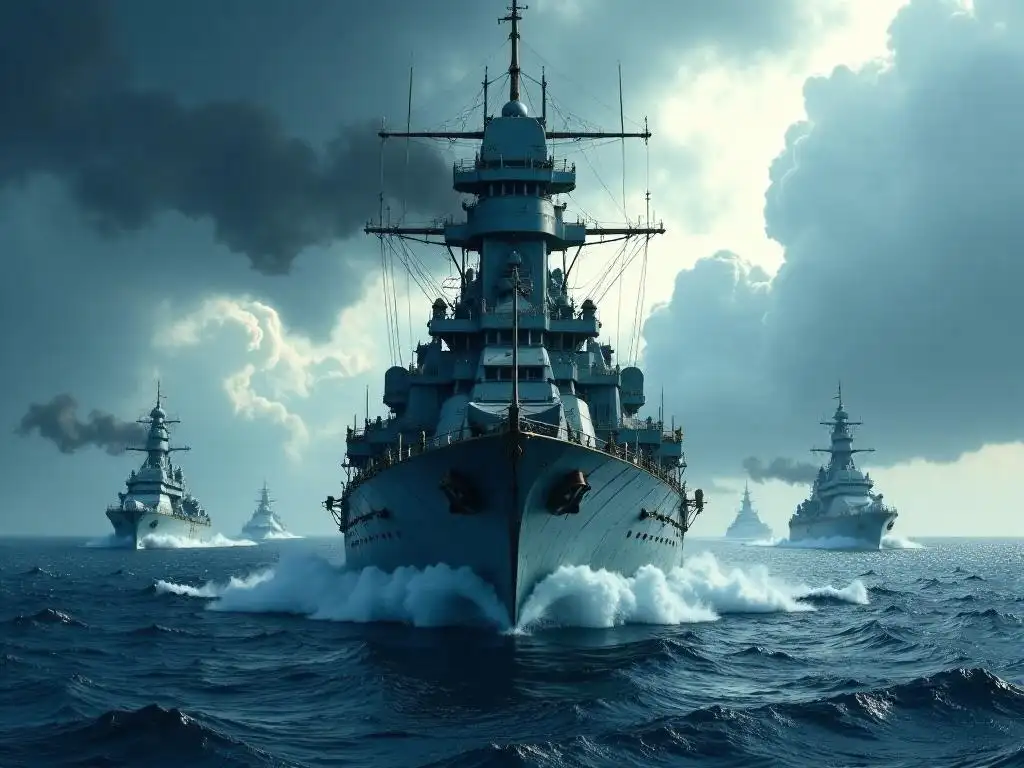
The legacy of Japanese naval warfare history is a multifaceted narrative that extends beyond mere military strategy. It encapsulates the evolution of a nation from insular beginnings to an era of imperial expansion, shaping not just the geographical boundaries of Japan but also its cultural identity and international relations. By analyzing pivotal naval battles and the evolution of maritime strategies, we can appreciate how these historical developments have influenced both Japan’s past and present.
Japanese naval warfare strategies have undergone significant transformations from the Heian period through the Edo era and into the modern age. Initially, naval engagements were characterized by simple skirmishes and boarding tactics, primarily conducted by samurai warriors on small vessels. However, as trade expanded and foreign influences increased, Japan’s approach to naval warfare evolved.
- Heian and Kamakura Periods: During these periods, naval confrontations largely involved piracy and defense against invaders. The Mongol invasions in the late 13th century marked a turning point, leading to the development of more organized naval fleets.
- Muromachi Period: The emergence of the Wokou pirates highlighted the need for structured naval operations, leading to the creation of specialized naval units.
- Edo Period: With the establishment of peace under Tokugawa rule, naval focus shifted towards trade protection and maritime diplomacy, paving the way for Japan’s entry into modern naval warfare by the late 19th century.
The evolution of these strategies reflects the dynamic interplay between military needs and socio-political contexts, illustrating how Japan adapted to external pressures while maintaining its unique identity.
The historical developments in naval warfare have profoundly influenced the structure and philosophy of modern Japanese naval forces. Post-World War II, Japan adopted a pacifist constitution that reshaped its naval strategy, focusing primarily on self-defense and humanitarian missions.
- Self-Defense Forces (SDF): Established in 1954, the Japan Maritime Self-Defense Force (JMSDF) emerged as a response to Cold War tensions and regional security challenges.
- Technological Advancements: The JMSDF has incorporated cutting-edge technology, such as Aegis combat systems and advanced submarines, reflecting a commitment to modern naval capabilities.
- International Cooperation: Japan now actively participates in multinational maritime security initiatives, showcasing a shift from isolationism to collaborative security efforts.
This legacy of naval warfare not only serves as a foundation for Japan’s modern naval doctrine but also illustrates its adaptability in a rapidly changing geopolitical landscape.
Looking ahead, the future of naval warfare in Japan is poised to be shaped by several critical factors, including regional security dynamics, technological advancements, and evolving international relations.
- Increased Regional Tensions: Ongoing disputes in the East China Sea and North Korean provocations may compel Japan to further enhance its naval capabilities.
- Technological Integration: Emerging technologies such as unmanned systems and cyber warfare will likely play a pivotal role in shaping future naval strategies, necessitating a reevaluation of traditional naval doctrines.
- Global Naval Cooperation: As Japan continues to strengthen alliances, particularly with the United States and other regional partners, its naval strategy will increasingly reflect a collaborative approach to addressing maritime challenges.
The legacy of Japanese naval warfare history is not merely a tale of past glories but a living narrative that continues to evolve. By understanding this legacy, we can better appreciate the complexities of Japan’s current naval strategy and its potential trajectories in the years to come.
References and Further Reading
- "Samurai and the Sea: The Role of Naval Power in Feudal Japan" by David A. D'Andrea
- This comprehensive work delves into the evolution of naval power during the feudal period, focusing on the strategies employed by samurai leaders and their fleets. D'Andrea provides detailed accounts of naval battles, ship designs, and the overall impact of naval warfare on Japan's expansion.
- "The Rise of the Japanese Navy: 1868-1945" by William T. Y'Blood
- Although this book covers a broader timeframe, it offers critical insights into the foundations laid during the feudal era that influenced naval strategies in modern Japan. Y'Blood highlights how early naval conflicts shaped Japan's maritime policies.
- "Japanese Warfare: A Historical Overview" by Michael J. Green
- This article presents an overview of Japan's military history, including its naval warfare practices. Green analyzes the socio-political implications of naval battles and their influence on Japan's territorial ambitions.
- "Naval Warfare in the Age of the Samurai" by Richard H. P. Smith
- Smith's work meticulously examines the naval tactics and technologies used during the samurai era, providing readers with a deeper understanding of how naval warfare shaped Japan's feudal society.
- "Feudal Japan: A History" by John W. Hall
- This book provides an essential context for understanding the broader historical landscape in which Japanese naval warfare evolved. Hall discusses the interplay between land and sea forces, emphasizing the significance of naval engagements in territorial conflicts.
- Japan National Museum of History
- Japanese Naval Warfare Exhibition
- This online exhibition provides access to artifacts, documents, and scholarly articles related to the naval warfare of feudal Japan, supporting a deeper understanding of the era.
- The Japan Society
- Feudal Japan Online Archive
- Featuring a collection of articles, videos, and lectures on various aspects of feudal Japan, including naval warfare, this resource serves as an excellent supplementary tool for researchers.
- National Diet Library of Japan
- Japanese Historical Records
- The National Diet Library offers a vast array of historical texts and documents related to Japanese naval history, including primary sources from the feudal era.
- H-Japan Discussion Network
- Naval Warfare Topics
- This scholarly forum allows researchers to discuss and share insights on various topics related to Japanese history, including naval warfare. It provides a platform for engaging with experts and accessing valuable resources.
- The Japanese Historical Society
- Naval History Resources
- This society offers a range of resources, including newsletters, academic papers, and conference proceedings that focus on Japanese naval history, ideal for anyone looking to explore the subject in depth.
Frequently Asked Questions
Naval warfare played a crucial role in the expansion of Japanese influence, enabling control over trade routes and territorial waters, which were vital for economic and military strength.
During the feudal era, naval warfare evolved from small-scale skirmishes to more organized military campaigns, reflecting changes in technology and strategic importance in regional conflicts.
Key battles, such as the Battle of Dan-no-ura and the Battle of Hakata Bay, were pivotal in establishing political power and influence within Japan and against foreign adversaries.
Interactions with foreign powers introduced new tactics and technologies, leading to the adaptation of naval strategies that enhanced Japan's defensive and offensive capabilities.
For in-depth insights, consider exploring expert-driven articles on Japanese naval warfare history, historical texts, and museums dedicated to maritime heritage in Japan.
The evolution of Japanese naval warfare is not just a chapter in history; it is a powerful testament to the strategic ingenuity that shaped the nation’s influence across the globe. As we navigate the complexities of modern geopolitics, understanding the historical significance of naval power in Japan’s expansion offers invaluable insights into how maritime strength can redefine a nation's position on the world stage. The lessons learned from Japan’s naval endeavors resonate today, reminding us that the seas remain a pivotal arena for international relations and power dynamics.
The impact of naval warfare on Japan's cultural and social landscape is profound, shaping national identity and collective memory. The strategic victories and innovations of the Imperial Japanese Navy not only established Japan as a formidable maritime power but also fostered a sense of pride and unity among its people. The sea is a great teacher; it teaches us the value of resilience and adaptability.
This quote encapsulates the essence of Japan's naval history, illustrating how the challenges faced at sea have forged a resilient spirit that continues to influence contemporary Japanese society.
As we reflect on the lessons of Japanese naval warfare, let us consider how these insights can inspire our own lives. Take a moment to ponder how the principles of strategy, resilience, and adaptability can be applied in your personal and professional endeavors. Embrace the spirit of exploration and courage that characterized Japan's naval history, and let it guide you in navigating the challenges of your own journey. The past is not merely a record of what has been; it is a wellspring of wisdom that can illuminate our path forward.
Thank you for taking the time to explore the fascinating role of naval warfare in shaping Japan's influence throughout history. Your interest helps keep the rich narrative of Feudal Japan alive, and we hope you've gained valuable insights into this pivotal aspect of the era.
Now, why not take a step further and engage with this captivating topic? Here are some actions you can take:
- Explore further: Delve deeper into Japan’s naval battles and their global impact by visiting our in-depth articles on maritime strategy.
- Share your thoughts: Start a discussion with friends or on social media about how naval warfare influenced Japan's interactions with other nations.
- Join our community: Subscribe to our newsletter for regular updates on new articles, events, and discussions related to Feudal Japan.
How do you envision the outcomes of Japan's naval conflicts influencing today's geopolitical landscape?