
The Psychological Impact of Armor: How It Shaped Samurai Identity


Welcome to Feudal Japan History, where we delve deep into the fascinating tapestry of Japan's feudal era. Here, you'll discover the intricate layers of history, culture, and society that shaped a nation. In this article, we explore the psychological effects of samurai armor—a topic that reveals how these iconic pieces not only protected warriors in battle but also forged their very identities. Join us on this journey, and uncover how the weight of metal influenced the mind and spirit of the samurai. Are you ready to unravel the mysteries behind the armor that defined an era? Let’s dive in!
Introduction to Samurai Armor and Identity
The samurai, the elite warrior class of feudal Japan, were not only defined by their martial prowess but also by the distinctive armor they donned. This armor was more than mere protection; it was a profound symbol of identity, status, and psychological fortitude. The psychological effects of samurai armor extend beyond its physical attributes, influencing the mindset and self-perception of the samurai. In this article, we will delve into the intricate relationship between armor and the samurai's identity, exploring how these elaborate garments shaped their psychological landscape and societal roles during Japan's feudal era.
Overview of Samurai Culture in Feudal Japan
The samurai culture flourished during Japan's feudal period, characterized by a strict social hierarchy and a strong code of ethics known as Bushido. This code emphasized loyalty, honor, and discipline, forming the backbone of samurai identity. The samurai were often seen as the protectors of their lords, wielding not just swords but also the weight of their social responsibilities.
The intricate designs and craftsmanship of samurai armor were not merely for aesthetic appeal; they reflected the samurai's values and status within the hierarchical structure of feudal society. Armor became a canvas for personal and familial identity, often adorned with symbols and crests that conveyed lineage and honor.
Importance of Armor in the Samurai Ethos
Armor played a critical role in the samurai ethos, embodying the virtues of courage and resilience. It was a manifestation of the samurai's commitment to their duties, serving as a constant reminder of their obligations to their lord and family. The act of wearing armor was imbued with ritual significance, marking the transition from an ordinary individual to a warrior ready to face the battlefield. Furthermore, the psychological impact of donning armor could instill a sense of invincibility and purpose, reinforcing the samurai's resolve in the face of adversity.
The Psychological Effects of Samurai Armor
The relationship between samurai armor and the psychological state of the wearer is multifaceted, involving both individual and collective dimensions. Understanding these effects can provide deeper insights into the samurai's mental fortitude and their approach to warfare.
Understanding the Concept of Armor as a Psychological Tool
Armor served as a psychological tool, offering both protection and empowerment. The physical presence of armor could evoke feelings of strength and security, allowing the samurai to confront the uncertainties of battle with greater confidence. Additionally, the elaborate designs and personalized elements of armor could foster a sense of pride and individual identity. By embodying their family's legacy and values through their armor, samurai were able to bolster their self-esteem and affirm their place within the social order.
The Role of Armor in Samurai Identity Formation
The formation of samurai identity was closely tied to their armor. Each piece of armor was not just functional but also symbolic, representing the samurai's personal journey and the collective history of their clan. Aspects such as the choice of materials, the craftsmanship, and the decorative motifs all contributed to the narrative of the samurai's life and aspirations. This deep connection between armor and identity was reinforced through rituals, ceremonies, and storytelling, allowing the samurai to internalize their roles as warriors within the broader context of feudal Japan.
How Armor Influenced Samurai Morale and Courage
The influence of armor on samurai morale and courage cannot be overstated. In moments of crisis, the very act of donning their armor could serve as a psychological boost, heightening their readiness to confront danger. The shared experience of battle, coupled with the collective symbolism of their armor, fostered camaraderie among samurai, reinforcing their commitment to one another and to their cause. Studies of historical battles reveal that the psychological effects of armor often translated into increased morale, enabling samurai to fight with unparalleled courage and determination, even in the face of overwhelming odds.
The psychological effects of samurai armor were profound, intricately woven into the fabric of samurai identity and culture. Understanding this relationship provides valuable insights into the mindset of these legendary warriors and the enduring legacy of their armor in the annals of Japan's military history.
Historical Context of Samurai Armor
The history of samurai armor is deeply intertwined with the evolution of Japanese warfare and the social structure of feudal Japan. Initially designed for function and protection, armor underwent significant transformations to reflect the changing nature of combat, social status, and cultural expressions. Early samurai armor, known as dō maru, emerged during the Heian period (794-1185) and was primarily constructed from leather and iron, emphasizing mobility and agility on the battlefield. As warfare escalated during the Kamakura period (1185-1333), so did the complexity and artistry of armor.
By the time of the Sengoku period (1467-1603), armor became not only a protective garment but also a symbol of a samurai's identity and status. The intricate designs and embellishments reflected the user's clan and personal achievements, creating a distinct connection between the warrior and their armor. Thus, the evolution of samurai armor serves as a testament to the shifting paradigms of warfare, identity, and the cultural significance assigned to martial prowess in Japan.
Evolution of Samurai Armor through the Ages
The evolution of samurai armor can be categorized into distinct phases, each reflecting advancements in technology, materials, and aesthetics.
- Heian Period (794-1185):
- Early armor was simple and primarily made from leather and iron plates for mobility.
- The dō maru style offered flexibility, allowing samurai to engage in horseback combat effectively.
- Kamakura Period (1185-1333):
- Introduction of the ō-yoroi, a more rigid structure designed for mounted combat.
- Armor became heavier and more protective, with elaborate lacing techniques.
- Sengoku Period (1467-1603):
- Armor designs became increasingly ornate, showcasing clan symbols and personal motifs.
- The introduction of nanban-gusoku, influenced by European armor, integrated new materials and styles.
- Edo Period (1603-1868):
- Armor transitioned towards ceremonial uses as warfare diminished.
- Artistic craftsmanship flourished, with intricate lacquer and textile applications.
This evolution illustrates how samurai armor not only adapted to the needs of the battlefield but also became an essential part of samurai identity.
Key Materials and Designs in Samurai Armor
Samurai armor was crafted from a variety of materials, each contributing to its functionality and aesthetic appeal:
- Iron: The primary material used for protective plates, providing durability and resistance to weapons.
- Leather: Used in earlier designs for flexibility, allowing for easier movement.
- Lacquer: Applied to armor for protection against rust and to create vibrant colors and designs.
- Silk and Cotton: Often used in the lacing and undergarments, providing comfort and additional protection.
Designs:
- Kabuto (Helmet): Often elaborately decorated, it served both protective and ceremonial purposes.
- Dō (Chest Armor): The central piece, designed to protect vital organs, often featuring clan insignia.
- Sode (Shoulder Guards): These large plates provided additional protection while allowing for arm movement.
The combination of these materials and designs not only enhanced the armor's protective capabilities but also its role as a status symbol among samurai.
The Symbolic Significance of Armor in Warfare
Armor held profound symbolic significance in the context of samurai warfare. Beyond mere protection, it represented the honor, strength, and social status of the wearer. The intricate designs and clan insignia showcased the samurai's loyalty to their lord and their commitment to the bushido code.
In battle, the sight of an armored samurai inspired fear and respect among enemies, while instilling courage and pride among allies. The psychological weight of wearing armor transformed it into a source of identity—every dent and scratch told a story of past battles, victories, and the warrior's journey. Thus, armor was not merely a functional item but a powerful emblem of the samurai ethos that shaped the very fabric of feudal Japanese society.
The Connection Between Armor and the Samurai Spirit
The relationship between samurai armor and the samurai spirit is profound and multifaceted. Armor served as both a physical barrier against harm and a psychological shield, embodying the ideals of courage, honor, and discipline that defined the samurai way of life. Wearing armor was akin to donning a second skin, a transformation that allowed the samurai to step into their role as warriors.
The Psychological Impact of Wearing Armor in Battle
The psychological impact of wearing armor in battle was significant. It provided a sense of confidence and security, allowing samurai to confront the chaos of combat with greater resolve. The weight of the armor, while physically burdensome, became a source of empowerment, reminding the wearer of their identity and purpose.
Moreover, the act of donning armor was ritualistic, marking the transition from civilian to warrior. This psychological shift enabled samurai to embrace their roles fully, fostering a mindset geared toward bravery and resilience in the face of adversity. The armor became synonymous with the samurai's honor, compelling them to fight for their clan and uphold their reputation.
Armor as a Reflection of Samurai Values and Virtues
Samurai armor encapsulated the values and virtues of the samurai class, reflecting ideals such as loyalty, bravery, and honor. Each piece was meticulously crafted to convey the wearer's status and adherence to the bushido code. The choice of materials, the complexity of designs, and the presence of clan symbols served as visual representations of a samurai's commitment to their values.
Armor also facilitated the expression of individual identity while adhering to the broader group ethos. For instance, a samurai's decision to adorn their armor with specific motifs could signify personal achievements or aspirations, linking their identity to both the collective and the individual. In this way, armor transcended its physical utility, becoming a canvas for the samurai's values and virtues.
Rituals and Practices Surrounding Armor Donning
The rituals and practices surrounding the donning of armor were steeped in tradition and significance. Preparing for battle was not merely a practical affair; it involved a series of ceremonial steps that reinforced the samurai's identity and purpose.
- Purification Rituals: Before donning armor, samurai often engaged in purification rituals to cleanse their spirit and prepare mentally for combat.
- Assistance from Retainers: The process of putting on armor was typically a communal act, with trusted retainers assisting in the intricate lacing and adjustments, fostering a sense of solidarity.
- Final Prayers and Meditations: Many samurai would take a moment for prayer or meditation before stepping into battle, reinforcing their resolve and connection to their ancestors.
These practices underscored the deep psychological and cultural significance of armor, transforming it into a sacred component of the samurai's martial identity.
Case Studies: Notable Samurai and Their Armor
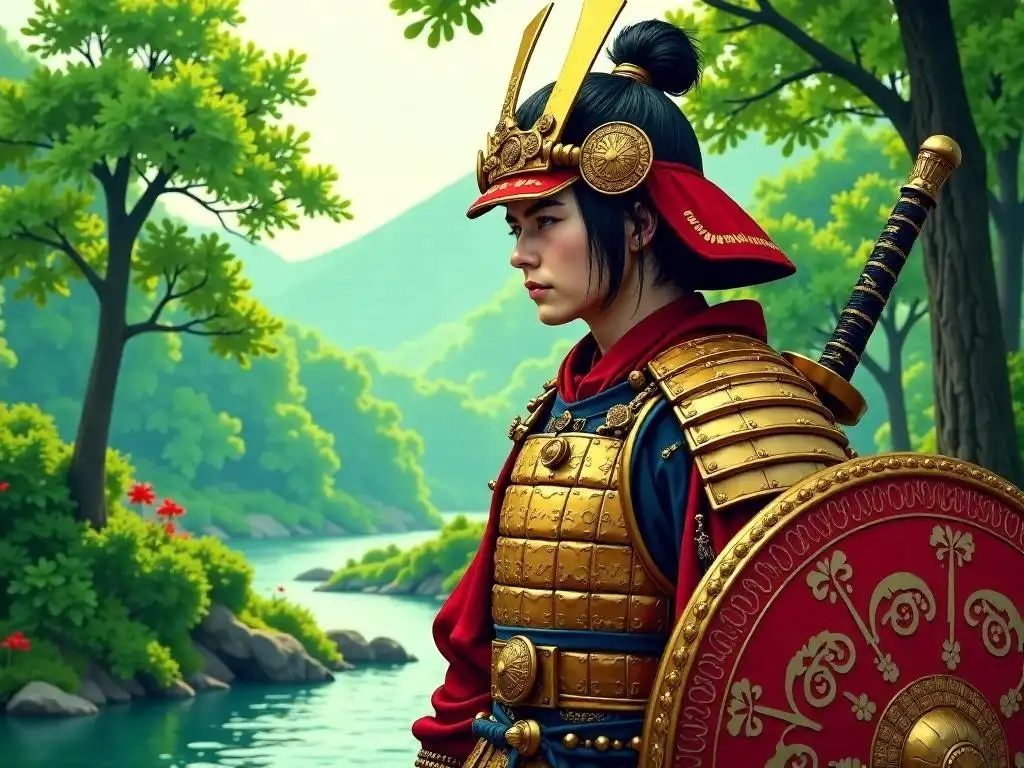
The study of samurai armor extends beyond mere functionality; it is deeply intertwined with the psychological identity of the warriors themselves. Various notable samurai figures exemplify how armor served as a symbol of their status, ideals, and personal narratives. By examining these historical figures, we can gain insight into the psychological effects of samurai armor and its role in shaping identities during feudal Japan.
Analyzing Famous Samurai and Their Psychological Connection to Armor
One of the most striking examples of the psychological connection to armor can be seen in the case of Oda Nobunaga, a powerful daimyo who unified Japan during the late 16th century. Nobunaga’s armor was not only a protective garment but also a declaration of his authority and ambition. Adorned with intricate designs and a distinctive helmet, it represented his status and aspirations. The psychological impact of wearing such armor likely bolstered his confidence on the battlefield, instilling a sense of invincibility that fueled his aggressive campaigns.
Similarly, Tokugawa Ieyasu, the founder of the Tokugawa shogunate, wore armor that symbolized stability and control. His choice of understated yet formidable armor reflected his strategic mindset and the psychological need to project strength while cultivating a sense of peace. The armor became a part of his identity, reinforcing his role as a unifier and leader during a tumultuous period in Japanese history.
The Armor of Miyamoto Musashi: A Case Study in Identity and Legacy
Miyamoto Musashi, perhaps the most famous samurai swordsman, represents a unique case in the psychological impact of armor. Musashi favored a minimalist approach to armor, often opting for lighter gear that allowed for greater mobility. His armor was less about protection and more about agility, reflecting his philosophy of adaptability in combat. This choice was deeply tied to his identity as a strategist and artist, illustrating how armor can signify personal values and beliefs.
Musashi’s legacy extends beyond his martial prowess; it is encapsulated in his writings, particularly "The Book of Five Rings." The psychological effect of his armor choices can be seen in how he approached not just combat but life itself. His identity was shaped by a continuous quest for self-improvement and mastery, where even the armor he wore played a role in expressing his philosophical stance.
Lessons from Historical Accounts of Samurai and Their Gear
Historical accounts provide numerous insights into the psychological effects of samurai armor. For instance, the Siege of Osaka in the early 17th century highlighted how armor could influence morale. Samurai warriors donned their armor not only for protection but to embody their clan's honor and commitment. The psychological weight of this armor often led to heightened bravery, as the fear of dishonor outweighed the fear of death.
Moreover, the practice of kamikaze, or the divine wind, during battles, showcased how armor served to protect not just the body but also the soul. Samurai believed that their armor, imbued with the spirit of their ancestors, offered them divine protection. This belief further solidified the psychological bond between the warrior and his gear, making armor a sacred extension of their identity.
The Modern Interpretation of Samurai Armor and Identity
The legacy of samurai armor continues to resonate in contemporary Japan, influencing not only cultural representations but also collective identity. Modern interpretations of samurai armor evoke a sense of pride and nostalgia, reflecting Japan's historical ethos while adapting to current societal values.
How Samurai Armor Influences Contemporary Japanese Culture
In contemporary Japanese culture, samurai armor is frequently utilized in various artistic expressions, from film to fashion. Movies such as "The Last Samurai" and anime series often depict samurai in their iconic armor, creating a romanticized image that resonates with both domestic and international audiences. This portrayal fosters a collective cultural identity rooted in the values of honor, bravery, and resilience.
Moreover, traditional events such as the Jidai Matsuri (Festival of Ages) in Kyoto celebrate samurai heritage, where participants wear replicas of historical armor. These events serve as a reminder of the psychological significance of armor, reinforcing the connection between past and present identities in Japan.
The Psychological Legacy of Samurai Armor in Modern Society
The psychological legacy of samurai armor extends into modern society, where it continues to symbolize strength and honor. This is evident in various martial arts practices, where practitioners often wear traditional uniforms that echo samurai armor. The psychological effects of these garments can be profound, instilling discipline, respect, and a connection to the samurai ethos.
Additionally, the use of samurai imagery in branding and marketing demonstrates how deeply ingrained these symbols are within Japanese culture. Companies often leverage the samurai ethos to evoke feelings of reliability and dedication, reflecting the enduring psychological impact of samurai identity.
Reflections on Identity and Heritage in Today’s Japan
In today’s Japan, reflections on identity and heritage are increasingly intertwined with the samurai legacy. The armor worn by these historical figures serves as a metaphor for personal and collective identity, prompting introspection about values such as honor, loyalty, and courage.
As Japan navigates modern challenges, the lessons learned from samurai armor—both its physical and psychological significance—remain relevant. The exploration of this legacy invites individuals to consider how historical narratives shape contemporary identities, creating a bridge between the past and present while fostering a deeper understanding of what it means to be Japanese today.
Conclusion: The Lasting Psychological Impact of Samurai Armor
The psychological impact of samurai armor extends far beyond its physical protection; it fundamentally shaped the identity and ethos of the samurai class during feudal Japan. The armor represented not just a tool for battle, but a symbol of honor, bravery, and the samurai's commitment to their lord and society. The intricate designs and decorations of the armor were meticulously crafted to convey status and lineage, instilling a sense of pride and belonging among the samurai. This emotional connection to their armor reinforced a warrior's resolve in battle, impacting their mental state and approach to conflict.
As samurai donned their armor, they embraced an identity steeped in tradition and duty. The psychological effects of wearing such armor included heightened confidence and a sense of invulnerability, which were essential for facing the horrors of warfare. This mental fortitude was crucial, as samurai were often required to confront not only physical enemies but also the psychological toll of combat. In many ways, the armor became an extension of the samurai themselves, embodying their values and aspirations.
Summary of Key Insights on Identity and Armor
- Symbolism of Armor: Samurai armor served as a powerful symbol of identity, reflecting the wearer's status, lineage, and commitment to the samurai code (bushido).
- Emotional Connection: The intricate designs and personalization of armor fostered a deep emotional connection, promoting a sense of pride and belonging among samurai.
- Psychological Fortification: Wearing armor provided psychological support, boosting confidence and instilling a sense of invincibility necessary for battle readiness.
- Cultural Significance: The role of armor transcended its practical function, becoming a cultural artifact that represented the ideals and values of the samurai class.
- Influence on Conduct in Battle: The psychological effects of armor influenced how samurai conducted themselves in battle, often inspiring acts of bravery and valor.
Final Thoughts on the Psychological Effects of Samurai Armor in Feudal Japan
The psychological effects of samurai armor were profound and multifaceted, integrating both identity formation and cultural significance. Armor was not merely a physical barrier against blades and arrows; it was a manifestation of the samurai's honor and duty. By donning their armor, samurai could channel their mental fortitude and embody the ideals of loyalty, courage, and resilience that defined their existence.
The legacy of this psychological impact endures, as the armor of the samurai continues to captivate modern imaginations, symbolizing an era where the interplay of identity, culture, and warfare created a unique and unyielding warrior class. Understanding these psychological dimensions enriches our appreciation of samurai history and the complex narratives woven into the fabric of feudal Japan.
- Introduction to Samurai Armor and Identity
- The Psychological Effects of Samurai Armor
- Historical Context of Samurai Armor
- The Connection Between Armor and the Samurai Spirit
- Case Studies: Notable Samurai and Their Armor
- The Modern Interpretation of Samurai Armor and Identity
- Conclusion: The Lasting Psychological Impact of Samurai Armor
- What were the psychological effects of samurai armor on warriors?
- How did samurai armor influence battle strategies?
- In what ways did armor contribute to the samurai's cultural identity?
- Did the psychological impact of armor affect samurai in peaceful times?
- How did the design of samurai armor reflect their psychological state?
Frequently Asked Questions
What were the psychological effects of samurai armor on warriors?
The psychological effects of samurai armor included a heightened sense of identity and courage, as the armor symbolized their status and warrior spirit in battle.
How did samurai armor influence battle strategies?
Samurai armor not only provided protection but also played a crucial role in intimidation, as the visual impact of the armor could demoralize opponents and boost the confidence of the samurai.
In what ways did armor contribute to the samurai's cultural identity?
Armor was essential in establishing a cultural identity, representing heritage and tradition while also serving as a canvas for artistry that reflected the samurai's values and social status.
Did the psychological impact of armor affect samurai in peaceful times?
Yes, even in peaceful times, samurai armor served as a reminder of their duty and honor, reinforcing their commitment to the samurai code and influencing their behavior in society.
How did the design of samurai armor reflect their psychological state?
The design of samurai armor often included symbols and colors that resonated with the wearer’s emotions and beliefs, reflecting their individuality and the psychological state of the samurai during different periods.
Final Reflection: The Enduring Legacy of Samurai Armor on Identity
The exploration of the psychological effects of samurai armor reveals a profound connection between identity and the artifacts we choose to embody. In today's world, where personal branding and self-representation are paramount, understanding how armor shaped the samurai's sense of self offers valuable insights into our own lives. The samurai's armor was not merely a protective shell; it was a symbol of honor, status, and psychological fortitude. This legacy continues to resonate, reminding us that the way we present ourselves can significantly influence our identity and the perceptions of those around us.
The impact of samurai armor extends beyond its physical form, deeply influencing cultural narratives and social structures. As we navigate our own identities in a complex world, the lessons from the samurai's relationship with their armor remind us of the importance of self-awareness and the roles we play. The armor you wear is not just for protection; it is a reflection of who you are and who you aspire to be.
This observation highlights how the psychological implications of armor are still relevant, encouraging us to contemplate how our choices—be they in fashion, career, or personal relationships—shape our identities and influence our interactions with others.
As we reflect on the themes presented in this article, I invite you to consider the armor you wear in your own life. What symbols do you choose to represent your identity? How do these choices affect your perception of yourself and how others perceive you? Embrace the opportunity to redefine your armor, allowing it to empower you rather than confine you. In doing so, you can cultivate a stronger sense of self that honors both your past and your aspirations for the future.
Unveil Your Inner Samurai Spirit Today!
Thank you for taking the time to explore the captivating world of samurai identity and the profound psychological effects of armor. You’ve gained valuable insights into how these warriors shaped their sense of self and honor. Now, it’s your turn to connect with that legacy and embark on your own journey of self-discovery!
Here are some powerful actions you can take right now:
- Dive deeper into samurai culture by reading a classic book that explores their philosophy and way of life.
- Visit local museums or historical sites that feature samurai armor and artifacts—take a moment to reflect on their rich stories and significance.
- Join a community group or online forum focused on Japanese history to share insights and discuss the influence of these warriors on contemporary culture.
What aspect of the samurai identity resonates most with you, and how will you honor it in your own life?