
Rituals of War: The Spiritual Aspects of Samurai Combat

Welcome to Feudal Japan History! Immerse yourself in the captivating world of Japan’s feudal era, where the art of war intertwined with profound spiritual beliefs. In our featured article, “Rituals of War: The Spiritual Aspects of Samurai Combat,” we unveil the intricate spiritual rituals of samurai warfare that shaped the mindset of these legendary warriors. Discover how ancient traditions influenced combat strategies and forged an indomitable spirit in the hearts of samurai. Prepare to delve deeper into the past and uncover the mysteries that lie within these sacred practices—your journey into the heart of feudal Japan begins now!
- Introduction to the Spiritual Rituals of Samurai Warfare
- Historical Context of Samurai Warfare
- Core Spiritual Beliefs Influencing Samurai Warfare
- Rituals Preceding Battle
- Rituals During Combat
- Post-Battle Spiritual Practices
- Comparative Analysis of Samurai Spiritual Rituals and Other Warrior Cultures
- Conclusion: The Lasting Legacy of Samurai Spirituality in Warfare
- Further Reading on Samurai Warfare and Spirituality
- Frequently Asked Questions
- Final Reflection: The Enduring Legacy of Spiritual Rituals in Samurai Warfare
- Embrace the Spirit of the Samurai: Take Action Today!
Introduction to the Spiritual Rituals of Samurai Warfare
The spiritual rituals of samurai warfare are an integral aspect of the intricate tapestry that defines Japan's feudal era. The samurai, often romanticized as noble warriors, were not just skilled fighters; they were deeply influenced by spiritual and philosophical beliefs that shaped their approach to combat. In a society where honor, loyalty, and duty were paramount, the rituals surrounding warfare went beyond mere strategy and tactics. They encompassed a rich blend of religious practices, cultural customs, and psychological preparation that aimed to align the samurai's spirit with their martial prowess.
This exploration delves into the profound spiritual dimensions of samurai combat, revealing how rituals served to fortify the warriors' resolve and connect them to a larger metaphysical framework. By understanding these spiritual aspects, we can gain insight into the samurai's mindset and the cultural values that underpinned their actions on the battlefield. The following sections will illuminate the significance of spirituality in samurai warfare, and the rituals that were meticulously observed to honor both the art of war and the divine.
Understanding the Concept of Spirituality in Samurai Combat
The concept of spirituality in samurai combat was deeply intertwined with Buddhism, Shinto, and Confucianism, which shaped the moral and ethical framework of the samurai's life. Spirituality wasn't merely an abstract idea; it had practical applications that influenced the samurai's behavior in both peacetime and wartime.
- Buddhism: The samurai often turned to Buddhist teachings for guidance on self-discipline, meditation, and acceptance of death. The Zen school of Buddhism particularly influenced the samurai's mindset, emphasizing mindfulness and presence in the moment, which proved invaluable during combat.
- Shinto: As the indigenous spirituality of Japan, Shinto rituals were pivotal in seeking blessings from the kami (spirits) for success in battle. Rituals, such as offerings and prayers at shrines, were performed to ensure divine favor and protection.
- Confucianism: This philosophy instilled values of loyalty, honor, and duty, shaping the samurai's commitment to their lord and their moral conduct on the battlefield.
These spiritual beliefs fostered a sense of purpose and clarity among samurai warriors, allowing them to transcend the chaos of combat and approach warfare as a sacred duty.
Overview of the Importance of Rituals in Feudal Japan
Rituals played a crucial role in the fabric of feudal Japanese society, serving as a means of reinforcing social structures and cultural identity. In the context of samurai warfare, rituals were not only about preparing for battle but also about establishing a connection between the samurai and the spiritual world.
Key Aspects of Ritual Importance:
- Cultural Identity: Rituals helped shape the samurai's identity, embedding them within a larger narrative of honor and tradition. This cultural identity was vital in fostering unity and purpose among the samurai class.
- Psychological Preparation: Engaging in rituals allowed warriors to mentally prepare for the realities of war. The acts of prayer, purification, and offerings enabled them to focus their minds and calm their spirits before facing the adversities of the battlefield.
- Communal Bonds: Many rituals were communal, fostering camaraderie and reinforcing bonds among warriors. Shared experiences in ritualistic practices created a sense of belonging and loyalty, which was essential for effective synergy during combat.
- Spiritual Connection: Rituals provided a channel for samurai to connect with the divine, seeking guidance and strength from the kami. This spiritual connection was believed to enhance their martial abilities and protect them from harm.
The spiritual rituals associated with samurai warfare were deeply rooted in the beliefs and values of feudal Japan, providing a framework that influenced the samurai's approach to combat, life, and death. Understanding these rituals not only unveils the complexities of samurai warfare but also highlights the profound interplay between spirituality and martial prowess in shaping Japan's historical narrative.
Historical Context of Samurai Warfare
The Rise of the Samurai Class in Feudal Japan
The emergence of the samurai class during the late 12th century marked a significant transformation in Japan's military and social landscape. Initially composed of provincial warriors, the samurai gained prominence as they served powerful feudal lords, or daimyo, during the Kamakura period (1185-1333). This period saw the establishment of the first shogunate, where military governance became the norm, and the samurai became essential to maintaining order and protecting land.
The samurai were not just warriors; they were also bound by a strict code of conduct known as Bushido, which emphasized loyalty, honor, and discipline. This code shaped their identity and the spiritual rituals associated with warfare. For instance, samurai believed that their actions in battle not only influenced their personal fate but also the fate of their ancestors and the land they defended.
As the samurai class solidified its power, they engaged in numerous conflicts, including the Genpei War (1180-1185) and later the Mongol invasions in the late 13th century. These events were pivotal in reinforcing the samurai's role as elite warriors and further embedding their spiritual practices within the context of warfare.
Key Historical Events Influencing Samurai Combat Rituals
Several historical events profoundly influenced the spiritual rituals of samurai warfare, intertwining combat with cultural and religious practices.
- The Genpei War (1180-1185): This conflict between the Taira and Minamoto clans not only established the Minamoto shogunate but also set the stage for the rituals of warfare that emphasized honor and loyalty. The battles were often accompanied by ceremonies that invoked deities for protection and victory, highlighting the samurai's reliance on spiritual support.
- The Mongol Invasions (1274 and 1281): The samurai faced a formidable challenge from the Mongol Empire, which prompted a blend of military strategy and spiritual invocation. Samurai believed that divine intervention played a role in their victories, particularly the kamikaze, or "divine winds," which were seen as protective forces sent by the gods.
- The Onin War (1467-1477): This civil war marked the beginning of the Sengoku period, a time of widespread conflict and fragmentation in Japan. The chaos of this era led to the development of new combat rituals, where samurai sought to appease the spirits of fallen warriors through ceremonies and offerings, reinforcing their belief in an afterlife and the spiritual consequences of their actions.
- The Unification of Japan (late 16th century): As figures like Oda Nobunaga and Toyotomi Hideyoshi worked to unify Japan, the samurai's role evolved. The focus shifted towards not just military prowess but also spiritual preparation for battle, as rituals became essential for instilling morale and a sense of purpose among warriors.
The interplay between these historical events and the spiritual rituals of samurai warfare highlights a complex relationship where combat was not merely a physical endeavor but a deeply spiritual experience, reflecting the values and beliefs of the society in which the samurai thrived.
Core Spiritual Beliefs Influencing Samurai Warfare
Shintoism and Its Role in Samurai Rituals
Shintoism, the indigenous spirituality of Japan, plays a pivotal role in shaping the spiritual rituals of samurai warfare. Central to Shinto beliefs is the concept of kami, or spirits, which inhabit all aspects of the natural world. For the samurai, these kami not only provided guidance but also protection in battle. Before engaging in combat, samurai would often perform purification rituals known as harai to cleanse themselves of impurities and prepare both physically and spiritually for the fight ahead.
These rituals included offerings to the kami at shrines, where samurai would pray for victory and honor. The act of presenting symbolic items, such as rice or sake, served as a means of establishing a connection with the divine. This relationship was crucial, as the samurai believed that the favor of the kami could turn the tide of battle. Furthermore, the use of talismans and charms, often inscribed with prayers, was common among samurai, who carried these items into battle as a source of spiritual strength.
Zen Buddhism and the Samurai Mindset
Zen Buddhism profoundly influenced the samurai's approach to warfare, emphasizing discipline, mindfulness, and the acceptance of mortality. The practice of zazen, or seated meditation, allowed samurai to cultivate a calm mind and focus their thoughts during the chaos of battle. This mental clarity was essential for making split-second decisions and maintaining composure in the face of danger.
The concept of mu, often translated as “nothingness,” is fundamental to the samurai's mindset. By embracing mu, samurai learned to let go of fear and attachment, enabling them to engage in combat with a sense of liberation. This perspective transformed the act of killing into a spiritual experience, where the samurai transcended mere survival and connected with the essence of life and death.
Moreover, Zen principles were integrated into martial arts training, where techniques were not just physical but also spiritual exercises. The fluidity and precision of swordsmanship reflected a deeper understanding of balance and harmony, allowing samurai to embody the Zen ideal of being fully present in each moment.
Ancestor Worship and Its Impact on Combat
Ancestor worship was another vital spiritual aspect that influenced the samurai's conduct in warfare. The samurai believed that their ancestors, especially those who had died in battle, remained as protective spirits guiding their descendants. Rituals to honor these ancestors included offerings, prayers, and the maintenance of household altars, known as butsudan.
Before a battle, samurai would often seek the blessings of their forebears, invoking their spirits for courage and guidance. This connection to their lineage provided a powerful sense of duty and honor, motivating samurai to fight not only for themselves but also for the legacy of their ancestors. The thought of bringing shame to one's family through defeat was a significant motivator, instilling a fierce determination in combat.
Additionally, the practice of dedicating victories to ancestors reinforced the idea of continuity between past and present. This spiritual bond shaped the samurai's identity, as they viewed themselves as stewards of their family’s honor, further intertwining personal valor with ancestral reverence.
The spiritual rituals of samurai warfare were, thus, deeply rooted in Shintoism, Zen Buddhism, and ancestor worship, creating a rich tapestry of beliefs that guided their actions in battle. Each of these elements contributed to the samurai's unique approach to combat, making it not just a physical endeavor but a profound spiritual journey.
Rituals Preceding Battle
The Significance of Purification Rituals
In the context of samurai warfare, purification rituals held profound significance, serving both spiritual and psychological purposes. Before engaging in battle, samurai warriors participated in a variety of purification rites, known as misogi and harae. These rituals were designed to cleanse the body and spirit, enabling the samurai to approach combat with a clear mind and a sacred heart.
- Misogi: This ritual often involved water, emphasizing the importance of cleanliness. Samurai would immerse themselves in rivers or perform ritualistic washing to rid themselves of impurities. The act was not merely physical; it symbolized the washing away of doubts and fears, allowing the warrior to focus entirely on the task at hand.
- Harae: Different from misogi, harae involved the use of specific tools, such as sacred branches or salt, to cleanse spaces and individuals. This ritual was crucial in preparing the battlefield and the warriors themselves, ensuring that they were spiritually purified and ready to face their enemies.
The psychological impact of these rituals cannot be understated. Engaging in purification helped to instill a sense of discipline and commitment, reinforcing the samurai's resolve and readiness for the challenges of battle.
Offerings and Prayers to the Gods
Samurai warriors often turned to the divine in preparation for battle, believing that the favor of the gods could significantly influence the outcome of their endeavors. Offerings and prayers were integral components of this spiritual pre-battle preparation.
- Shrines and Altars: Samurai would create temporary altars or visit local shrines dedicated to specific deities, such as Hachiman, the god of war. These shrines served as focal points for their prayers and offerings.
- Sacrificial Offerings: It was common to offer items such as rice, sake, or even horses to the gods. These offerings were made to appease the deities, seeking their blessings for victory and protection during the conflict.
- Prayers and Incantations: Prior to combat, samurai would recite specific prayers or incantations, often invoking ancestral spirits or deities. These prayers were believed to provide strength and courage, ensuring that the warrior would be favored in battle. Such acts reinforced the connection between the samurai and their spiritual beliefs, underscoring their reliance on divine intervention in warfare.
The Role of Divination in Samurai Warfare Decisions
Divination played a critical role in samurai warfare, guiding decisions and strategies through spiritual insight. Samurai leaders often consulted various forms of divination to determine the most auspicious times to engage in battle or to assess the overall situation.
- Omens and Signs: Samurai were keen observers of nature and believed that omens could provide insight into their fortunes. Unusual occurrences, such as the behavior of animals or celestial events, were interpreted as warnings or blessings that could influence battle strategies.
- Tasseography and Divinatory Methods: Techniques such as tasseography (reading tea leaves) and the use of yarrow stalks were employed by samurai to glean insights into future events. These methods helped leaders make informed decisions about troop movements, alliances, and battle preparations.
- Consultation with Shamans and Priests: Many samurai sought the counsel of shamans or priests, who were believed to have the ability to communicate with the spiritual realm. These spiritual guides would perform rituals and interpret the messages they received, providing valuable information that could sway the course of warfare.
By integrating divination into their strategic planning, samurai not only sought to navigate the uncertainties of battle but also reinforced their belief in the interconnectedness of the physical and spiritual worlds. This practice exemplified the spiritual rituals of samurai warfare, highlighting the deep-seated beliefs that shaped their approach to combat.
Rituals During Combat
The rituals during combat in feudal Japan were deeply intertwined with the spiritual beliefs and values of the samurai. These rituals served not only to prepare warriors for battle but also to reinforce the moral and ethical principles that guided their actions. The samurai, as elite warriors, adhered to a code known as Bushido, which emphasized honor, loyalty, and courage. This code was integral to their identity and shaped their approach to warfare, making the spiritual rituals of samurai warfare a crucial aspect of their combat practices.
The Importance of Honor and Bushido Code
The Bushido Code was essentially a samurai's ethical framework, dictating their conduct in both life and death. Honor, or "meiyo," was paramount, as it defined a samurai’s reputation and integrity. Battles were not merely physical confrontations; they were also arenas where a warrior’s honor could be tested and demonstrated.
- Loyalty: Samurai were expected to remain fiercely loyal to their lord (daimyō) and to their comrades in arms. This loyalty was often expressed through rituals such as oaths and ceremonies that solidified bonds among warriors.
- Courage: Fearlessness in the face of danger was celebrated. Samurai would partake in rituals to summon their courage, often involving meditation or prayer to their ancestors or deities before entering battle.
- Death with Honor: The act of dying honorably in battle was revered. Samurai would often engage in rituals that included writing death poems (jisei) to express their feelings and ensure their legacy would endure beyond death.
These elements of the Bushido Code were crucial in shaping the samurai's approach to warfare, making each battle not just a physical struggle but a spiritual quest for honor.
Ritualized Combat Techniques and Their Spiritual Significance
Combat techniques among the samurai were not merely tactical maneuvers; they were steeped in ritualism and spiritual significance. Each movement and action had a purpose that transcended the physical realm, serving as a conduit for the samurai's inner spirit.
- Kata (Forms):
- Kata are pre-arranged forms practiced in various martial arts. These movements were not only for training but were also seen as a way to connect with the spiritual essence of combat. Each kata was imbued with historical significance and teachings from past masters.
- Practicing kata allowed samurai to internalize their techniques, embodying the philosophy behind each move, thus enhancing their combat efficacy and spiritual focus.
- Use of Ritual Weapons:
- The samurai's sword, particularly the katana, was viewed as a sacred extension of their being. Rituals surrounding the maintenance and usage of the sword emphasized its spiritual significance. For instance, the act of cleaning and polishing the sword was considered a meditative practice that represented purity and readiness for battle.
- Ceremonial Duels:
- Duels often incorporated rituals that highlighted respect and honor between opponents. These included formal introductions and bowing, which served to acknowledge the warrior spirit of both participants.
Through these ritualized combat techniques, samurai not only honed their physical abilities but also their spiritual resilience, preparing them for the moral complexities of warfare.
The Role of Kiai (Spirit Shout) in Battle
Kiai, or the "spirit shout," was a powerful expression used by samurai during combat. This shout was more than just a battle cry; it was believed to harness and project the warrior's spirit, enhancing their focus and energy.
- Psychological Impact: The kiai served as a means to intimidate opponents while simultaneously boosting the morale of allies. The loud, unified shouts from a group of samurai could create a profound psychological effect on the battlefield, instilling fear in enemies and reinforcing camaraderie among warriors.
- Physical Energy Boost: The act of shouting during a combat maneuver was thought to channel inner strength, providing an adrenaline rush that could enhance physical performance. Samurai believed that the kiai helped them tap into their ki (life force), allowing them to execute techniques with greater power and precision.
- Spiritual Connection: The kiai also represented a spiritual invocation, calling upon the spirits of ancestors and deities for protection and guidance during battle. This connection to the spiritual realm was integral for samurai, reinforcing their belief in the sacredness of their role as warriors.
The spiritual rituals of samurai warfare were essential in shaping the samurai's identity and approach to battle. From the code of honor and the significance of combat techniques to the energizing power of the kiai, these rituals created a complex interplay of spirituality and martial prowess that defined the samurai experience in feudal Japan.
Post-Battle Spiritual Practices
Post-battle spiritual practices among the samurai were deeply entrenched in the belief systems and cultural norms of feudal Japan. These practices were not merely about mourning the dead; they encapsulated a multitude of rituals aimed at maintaining harmony between the physical and spiritual worlds. Elders, priests, and warriors alike recognized that the aftermath of battle held significant spiritual implications.
Mourning and Rituals for Fallen Warriors
The death of a samurai during battle was met with profound sorrow, not just for the individual but for the clan and the spiritual realm. The mourning rituals executed for fallen warriors were comprehensive, often involving multiple stages:
- Preparation of the Body:
- The body of the deceased was meticulously cleaned and dressed in ceremonial garments.
- A katana was placed by their side, symbolizing their warrior spirit.
- Funeral Ceremonies:
- Buddhist priests were typically called to conduct the funeral rites, which included chanting sutras to guide the spirit of the deceased.
- Family and comrades would gather to pay their respects, often bringing offerings of food, incense, and flowers.
- Seclusion for Grieving:
- Close relatives often engaged in a period of seclusion, reflecting on their loss and honoring the memory of the fallen warrior.
- This practice served to ensure that the spirit was properly honored and that no negative energies lingered.
These rituals emphasized the importance of respect and remembrance, ensuring that the warrior's spirit would find peace and not haunt the living. The Japanese proverb, "The soul of a warrior will remain until the last person remembers," underscores the cultural significance of these mourning practices.
The Spiritual Significance of Victory and Defeat
In samurai culture, the outcomes of battles were imbued with spiritual significance, affecting both the victors and the vanquished. Each outcome was seen as a reflection of the will of the gods and the moral standing of the warriors involved.
- Victory Rituals:
- Victorious samurai often engaged in thanksgiving rituals, expressing gratitude to the deities for their success. This could involve offerings at shrines or the performance of kagura (divine music and dance).
- Celebrations included feasts, where warriors would recount their bravery and honor their fallen comrades, ensuring that the spirits of those who died were acknowledged.
- Rituals of Defeat:
- Conversely, defeat led to introspection and propitiation. Samurai would often visit shrines to seek forgiveness and guidance, hoping to understand the reasons behind their failure.
- Atonement rituals might include fasting, meditation, or pilgrimage to significant spiritual sites, reflecting the samurai’s commitment to personal and spiritual growth.
These practices illustrated the samurai's belief in the interconnectedness of life, death, and the spiritual realm. The outcomes of war were seen not merely as triumphs or failures but as pivotal moments in the ongoing journey of the warrior’s soul.
Commemoration Rituals and Their Cultural Importance
Commemoration rituals held a vital place in preserving the legacy of samurai warriors. These rituals not only honored the fallen but also reinforced the values of bravery, loyalty, and honor that defined samurai culture.
- Annual Remembrance Days:
- Specific days were set aside each year to honor the spirits of those who had died in battle. These days often included ceremonies at local shrines, where families would gather to pray and offer food.
- Community participation was encouraged, reinforcing communal bonds and shared values.
- Monuments and Shrines:
- The creation of memorial stones or shrines dedicated to fallen warriors served as physical reminders of their sacrifice. These sites became focal points for collective memory, ensuring that their stories lived on.
- Rituals at these shrines involved offerings, prayers, and sometimes the reenactment of significant battles to honor the bravery of the deceased.
- Cultural Narratives:
- Tales of heroic deeds were passed down through generations, often immortalized in literature and art. This storytelling was not merely for entertainment; it served as a means to instill the values of the samurai in future generations.
Through these commemoration rituals, the samurai ethos of honor and sacrifice was preserved, ensuring that the lessons learned from both victory and defeat continued to resonate throughout Japanese society. The spiritual rituals of samurai warfare were thus integral to the maintenance of cultural identity, moral lessons, and the collective memory of a storied past.
Comparative Analysis of Samurai Spiritual Rituals and Other Warrior Cultures

Similarities with European Knightly Rituals
The spiritual rituals of samurai warfare share notable similarities with the knightly traditions of medieval Europe. Both warrior classes placed a strong emphasis on the moral and ethical dimensions of combat, with rituals that underscored honor, loyalty, and the divine justification for warfare.
- Chivalric Code vs. Bushido:
- Chivalric Code: European knights adhered to a code of chivalry that outlined values such as bravery, courtesy to women, and defense of the weak. This code was deeply intertwined with Christian principles, often invoking divine support in battle.
- Bushido: Similarly, the samurai followed Bushido, the "Way of the Warrior," which emphasized loyalty, honor, and the readiness to lay down one's life for duty. This code was also influenced by Zen Buddhism, Shinto beliefs, and Confucianism, creating a unique spiritual framework for samurai combat.
- Rituals Before Battle:
- Both cultures engaged in pre-combat rituals to prepare spiritually and mentally for battle.
- Knights often participated in Mass or sought blessings from clergy before entering the fray, believing this would protect them and ensure victory.
- Samurai would perform purification rituals, such as misogi (ritual washing), and offer prayers to their ancestors and deities, seeking spiritual fortitude and guidance.
- Ceremonial Combat:
- In both traditions, combat was often viewed as a ceremonial act.
- Tournaments were held in Europe where knights could prove their valor in a controlled environment, often with religious significance attached to the events.
- Sumai, or samurai wrestling, also served as a ceremonial combat form, showcasing skills and virtue without the immediate threat of death.
These similarities highlight a common cultural thread among warrior societies, where spiritual beliefs played a crucial role in the conduct and justification of warfare.
Differences in Spiritual Approaches to Combat
While there are parallels, the spiritual approaches to combat between the samurai and European knights exhibit significant differences, shaped by their respective cultural, religious, and philosophical contexts.
- Religious Influences:
- Christianity vs. Shinto and Zen Buddhism:
- European knights primarily drew their spiritual guidance from Christianity, viewing warfare as a means to fulfill divine will. The concept of "just war" played a vital role in their justification for combat.
- In contrast, samurai spirituality was heavily influenced by Shinto and Zen Buddhism. The samurai believed in the interconnectedness of life and death, embracing the inevitability of mortality in battle. This led to a mindset that valued acceptance of death as a path to enlightenment.
- Christianity vs. Shinto and Zen Buddhism:
- Attitude Towards Death:
- Fear versus Acceptance:
- Knights often feared death and sought to avoid it through valorous acts and the hope of divine salvation. Their rituals frequently included prayers for protection and victory, reflecting a desire to triumph over death.
- Conversely, samurai were trained to accept death with dignity. Rituals such as seppuku (ritual suicide) demonstrated their commitment to honor, allowing them to die on their own terms rather than live in disgrace. This acceptance of mortality was a cornerstone of their spiritual practice.
- Fear versus Acceptance:
- Post-Battle Rituals:
- Knightly Celebrations vs. Samurai Mourning:
- Post-battle, European knights often celebrated victories with feasts and religious services, viewing these moments as a time of triumph and glory.
- In contrast, samurai rituals following battle often included mourning for fallen comrades and purification rites for their own souls. They believed that the spirits of the deceased required appeasement through rituals to ensure peace for both the living and the dead.
- Knightly Celebrations vs. Samurai Mourning:
While both samurai and European knights engaged in spiritual rituals surrounding warfare, the underlying philosophies and attitudes toward combat, death, and the divine reveal a rich tapestry of cultural differences that defined their respective warrior traditions.
Conclusion: The Lasting Legacy of Samurai Spirituality in Warfare
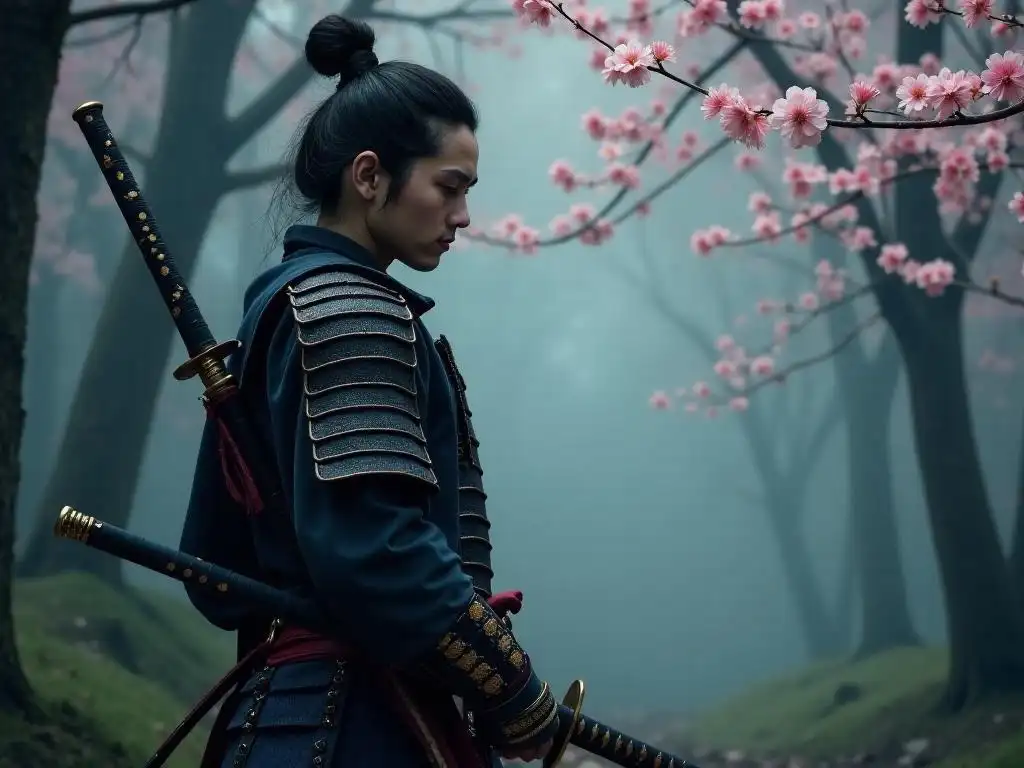
The spiritual rituals of samurai warfare have left an indelible mark on Japanese culture, transcending the battlefield and permeating various aspects of modern life. The profound connection between the samurai and their spiritual practices not only shaped the conduct of warfare but also influenced the moral and ethical frameworks within which warriors operated. This legacy continues to be observed today through various forms of art, philosophy, and cultural traditions that echo the samurai's adherence to honor, discipline, and spirituality.
The rituals that samurai engaged in, such as purification rites, offerings to deities, and the practice of Zen meditation, were not merely ceremonial but were deeply intertwined with their identity as warriors. These practices instilled a sense of purpose, clarity, and inner peace, enabling samurai to confront the chaos of battle with composure. Aspects of this spirituality can still be seen in modern Japanese martial arts, where practitioners uphold the values of respect, mindfulness, and spiritual awareness.
The Enduring Influence of Samurai Rituals on Modern Japanese Culture
The rituals of the samurai have significantly influenced contemporary Japanese culture in various ways. Martial arts, such as kendo and iaido, retain elements of samurai spirituality, emphasizing mental discipline and the importance of ritual in training. Practitioners often begin and end their sessions with formal bows, reflecting the samurai's respect for their opponents and their craft.
Additionally, the concept of bushido, or the "way of the warrior," continues to resonate within Japanese society. This code encompasses virtues such as loyalty, honor, and courage, which are celebrated in literature, film, and theater. Festivals and ceremonies that commemorate historical battles or honor fallen warriors often incorporate traditional rituals, allowing modern Japanese to connect with their feudal past.
Furthermore, the aesthetic principles derived from samurai culture, such as simplicity and harmony, are evident in contemporary Japanese art and architecture. The tea ceremony, for instance, is steeped in ritual and mindfulness, mirroring the samurai’s approach to life and warfare.
Reflection on the Spiritual Aspects of Warfare Today
In today’s world, the spiritual aspects of warfare are often overshadowed by the brute realities of combat; however, they still hold relevance. Many military organizations worldwide now recognize the importance of mental resilience and emotional well-being in preparing soldiers for the challenges of war. Techniques such as mindfulness and meditation, akin to the Zen practices of the samurai, are increasingly being integrated into military training programs.
Moreover, the discussions surrounding the ethics of warfare invoke the samurai’s spiritual approach to combat. The question of honor in battle, the moral implications of violence, and the psychological impact on soldiers are areas of growing interest among scholars and military leaders alike. By revisiting the spiritual rituals of samurai warfare, contemporary society can glean insights into the importance of maintaining a sense of purpose and humanity, even amidst the horrors of conflict.
The spiritual rituals of samurai warfare continue to offer valuable lessons that transcend time. They remind us of the profound connection between mind, body, and spirit in the pursuit of honor and excellence, both on and off the battlefield.
Further Reading on Samurai Warfare and Spirituality
Recommended Books and Articles
To deepen your understanding of the spiritual rituals of samurai warfare, a variety of books and articles provide extensive insights into the intersection of spirituality and combat practices among the samurai. Here are some notable recommendations:
-
"Hagakure: The Book of the Samurai" by Yamamoto Tsunetomo
This classic text offers a profound glimpse into the samurai's mindset, emphasizing the spiritual dimensions of duty, honor, and the acceptance of death. Tsunetomo's reflections reveal how spiritual beliefs shaped samurai behavior in warfare.
-
"The Samurai: A Military History" by Stephen Turnbull
This comprehensive work covers the evolution of samurai warfare, including the spiritual aspects intertwined with their martial practices. Turnbull discusses the role of Shintoism and Buddhism in shaping the samurai's approach to war.
-
"Bushido: The Soul of Japan" by Inazo Nitobe
Nitobe’s exploration of the samurai code highlights the spiritual and ethical beliefs guiding warriors. This book is essential for understanding how spirituality influenced samurai conduct during combat.
-
"The Zen Way to the Martial Arts" by Taisen Deshimaru
This text connects Zen Buddhism with martial arts, illustrating how meditation and mindfulness practices were integral to samurai readiness in battle.
-
Academic Articles
- "Warriors and the Way: The Spirituality of the Samurai" provides a detailed analysis of the rituals and beliefs that defined samurai warfare.
- "The Role of Shintoism in Samurai Culture" explores how spiritual rituals influenced samurai combat strategies and decision-making.
Documentaries and Films on Samurai Combat Rituals
Visual media can offer compelling representations of the spiritual rituals of samurai warfare. Here are some documentaries and films that delve into this subject:
-
"The Last Samurai" (2003)
This film portrays the transition of samurai culture during the Meiji Restoration, highlighting the spiritual and martial values that shaped the samurai identity. The film captures the aesthetic of samurai combat and their deep-seated spiritual beliefs.
-
"Samurai: Behind the Blade" (2005)
A documentary that examines the life and rituals of the samurai, showcasing the blend of warfare and spirituality. It includes interviews with historians and martial arts practitioners who elucidate the samurai's spiritual practices.
-
"The Samurai: A History of Japan's Warrior Class"
This documentary series offers insights into the historical context of samurai warfare, emphasizing the spiritual rituals performed before and during battles.
-
"The Art of Swordsmanship"
This film explores the spiritual discipline of kendo, connecting modern practices to ancient samurai combat techniques and their spiritual origins.
By engaging with these resources, you can gain a richer understanding of how spiritual rituals were integral to the samurai's approach to warfare, enriching both their combat practices and their cultural legacy.
Frequently Asked Questions
What were the spiritual rituals associated with samurai warfare?
The spiritual rituals of samurai warfare often included purification ceremonies, prayers, and offerings to the gods, aimed at ensuring divine favor and guidance in battle.
How did shinto beliefs influence samurai combat?
Shinto beliefs played a crucial role in samurai combat, emphasizing the importance of kami (spiritual beings) and rituals that sought to align the samurai’s actions with divine will during warfare.
Were there specific ceremonies performed before battle?
Yes, samurai often participated in ceremonies like the Kujō, which involved sword blessings and spiritual invocations to prepare mentally and spiritually for the challenges of battle.
How did rituals affect samurai morale?
Rituals boosted samurai morale by fostering a sense of unity, purpose, and connection to their ancestors and the spiritual realm, helping them face the uncertainties of war with confidence.
What role did ancestor worship play in samurai culture?
Ancestor worship was fundamental in samurai culture, as honoring forebears through rituals instilled a sense of duty and pride, reinforcing their commitment to honor and loyalty in warfare.
Final Reflection: The Enduring Legacy of Spiritual Rituals in Samurai Warfare
The spiritual rituals of samurai warfare are not merely relics of the past; they resonate deeply in today's world, reminding us of the profound connection between honor, discipline, and the human spirit. As we navigate the complexities of modern conflicts—both personal and societal—the lessons embedded in these ancient practices offer invaluable insights into resilience and purpose. The samurai's commitment to their spiritual rituals illustrates how deeply intertwined our actions and beliefs can be, shaping not only the battlefield but also our everyday lives.
The influence of these spiritual rituals extends far beyond the confines of historical warfare; they continue to shape cultural narratives and personal philosophies. In a world often marked by chaos and disconnection, the samurai's dedication to mindfulness, respect, and the pursuit of mastery serves as a beacon of hope. As the renowned philosopher Sun Tzu once said, In the midst of chaos, there is also opportunity.
This sentiment encapsulates the essence of the samurai's approach to combat, where every ritual was a pathway to clarity and strength amid turmoil.
As we reflect on the spiritual aspects of samurai combat, let us consider how we can incorporate these timeless principles into our own lives. I invite you to explore the rituals that ground you, whether through meditation, discipline, or acts of service. Embrace the opportunity to cultivate a deeper understanding of your own values and beliefs, much like the samurai did. In doing so, we can honor their legacy and forge a path that not only respects the past but also enriches our present and future.
Embrace the Spirit of the Samurai: Take Action Today!
Thank you for exploring the spiritual dimensions of Samurai combat with us! Your engagement with this rich history empowers you to understand the profound rituals and beliefs that shaped these legendary warriors. Now, it’s your turn to carry forward these insights and deepen your connection with the world of the Samurai.
Here are a few ways to get started:
- Immerse Yourself in Ritual: Practice meditation or mindfulness exercises inspired by Samurai principles. Reflect on your intentions and cultivate discipline in your daily life.
- Share Your Insights: Discuss what you've learned with friends or in online communities. Initiate conversations about how these ancient practices can inspire our modern lives.
- Join a Community: Seek out local or online groups dedicated to martial arts or historical discussions. Engaging with others can enhance your understanding and appreciation for the Samurai way.
What aspect of the Samurai spirit resonates with you the most, and how will you incorporate it into your life?