
Pairing Perfection: The Art of Matching Sushi with Sake

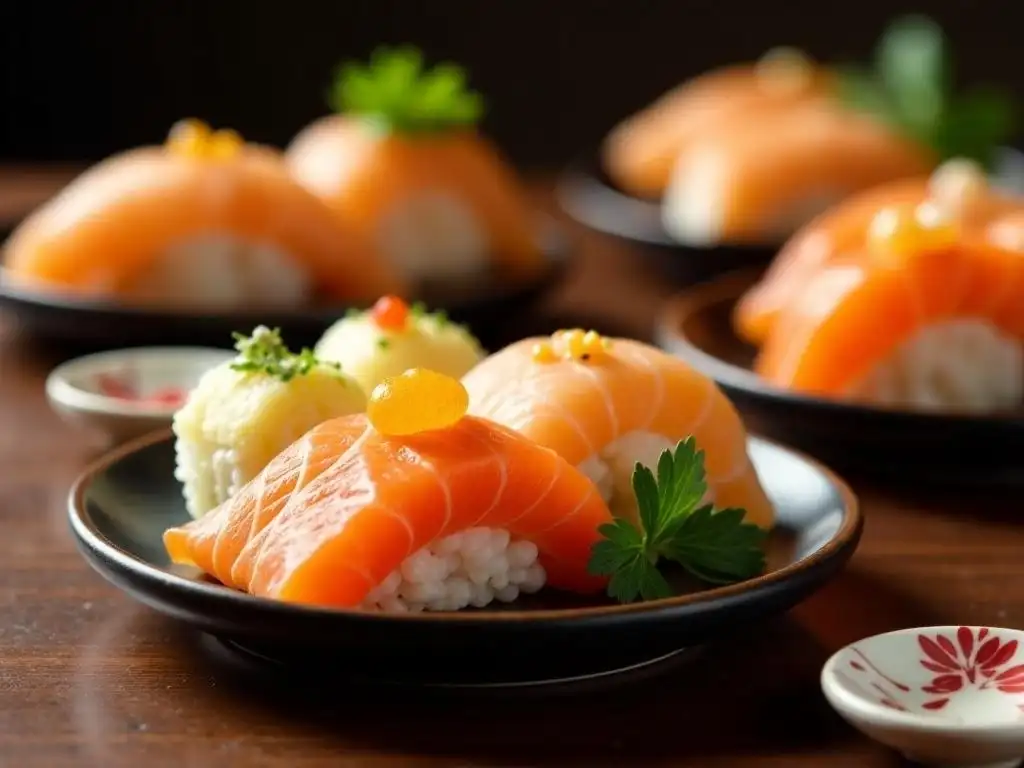
Welcome to Feudal Japan History, where we take you on a fascinating journey through the rich tapestry of Japan's feudal era. Here, history meets culinary artistry, and today we're diving into the delightful world of sushi and sake pairing. Ever wondered how to elevate your dining experience with the perfect match? Our article, "Pairing Perfection: The Art of Matching Sushi with Sake," unveils the secrets behind this exquisite union, blending tradition with taste. Prepare to awaken your senses and discover the nuances of Japanese cuisine that will leave you craving more. Ready to explore? Let's begin!
- Introduction to Sushi and Sake Pairing Guide
- Understanding Sushi: Types and Flavors
- Exploring Sake: Types and Characteristics
- The Art of Sushi and Sake Pairing
- Recommended Sushi and Sake Pairings
- Tips for Hosting a Sushi and Sake Pairing Dinner
- Myths and Realities About Sushi and Sake Pairing
- Conclusion: Elevating Your Culinary Experience
-
Frequently Asked Questions
- What is the main focus of the article "Pairing Perfection: The Art of Matching Sushi with Sake"?
- Why is sake considered a traditional beverage in Japan?
- How do flavor profiles of sushi and sake influence pairing choices?
- Are there specific types of sake recommended for different sushi varieties?
- Can beginners easily grasp the art of sake and sushi pairing?
- Final Reflection: Embracing the Harmony of Sushi and Sake
- Savor the Journey: Elevate Your Sushi & Sake Experience!
Introduction to Sushi and Sake Pairing Guide
The art of pairing sushi with sake is a culinary tradition that has deep roots in Japanese history, particularly during the feudal era when both dishes evolved alongside the culture and society of Japan. This sushi and sake pairing guide seeks to illuminate the significance of these two iconic elements of Japanese cuisine, exploring not only their flavors and textures but also the historical context that shaped their relationship.
As we delve into this intricate pairing, we will uncover the nuances that make sushi and sake more than just food and drink, but rather a reflection of Japan's rich cultural tapestry.
The Cultural Significance of Sushi and Sake in Japan's Feudal Era
During Japan's feudal era, which spanned from the 12th to the 19th centuries, sushi and sake were not merely culinary staples but also important cultural symbols. Sushi, initially a method of preserving fish using fermented rice, evolved into various forms we recognize today, such as nigiri and maki. This transformation was influenced by the growing trade routes and the rise of urban centers, particularly Edo (modern-day Tokyo), where sushi became a popular street food.
Sake, on the other hand, has been brewed for over a thousand years and was often consumed during festivals, ceremonies, and social gatherings. The brewing process itself was an art form, with regional variations reflecting the local rice, water, and brewing techniques. The intertwining of sushi and sake during this period was not only a culinary development but also a manifestation of Japanese aesthetics, emphasizing harmony, seasonality, and the beauty of simplicity.
Importance of Pairing in Japanese Cuisine
Pairing sushi with sake is an essential aspect of enjoying Japanese cuisine, as the flavors and aromas of both can enhance one another in remarkable ways. Understanding the principles of pairing can elevate a dining experience, leading to a more profound appreciation of the subtleties present in both the food and the drink. Here are a few key considerations when it comes to pairing sushi with sake:
- Flavor Harmony: The umami of sushi can be beautifully complemented by the fruity or floral notes of certain sakes.
- Texture Balance: The richness of fatty fish, like salmon or tuna, may require a sake that has a higher acidity to cut through the richness.
- Temperature Matters: The serving temperature of sake can greatly influence the flavor profile, with some sakes served chilled while others are best enjoyed warm.
By understanding these principles, diners can create a symbiotic relationship between sushi and sake, allowing each bite and sip to amplify the other, resulting in a truly harmonious dining experience. This guide will explore various pairings, focusing on the historical context and culinary techniques that have shaped the modern pairing of sushi and sake.
Understanding Sushi: Types and Flavors
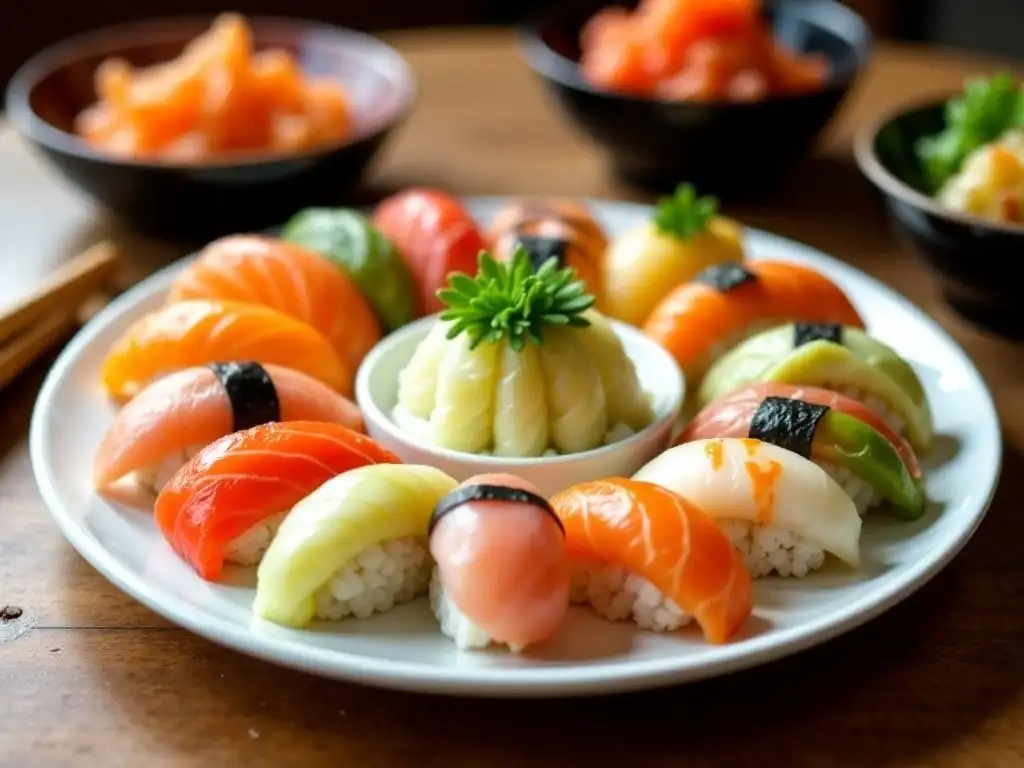
Sushi is a culinary art form that has evolved over centuries, reflecting Japan's rich history and cultural significance. At its core, sushi is a dish that combines vinegared rice with various ingredients, including seafood, vegetables, and occasionally tropical fruits. The types of sushi can be broadly categorized into several varieties, each offering unique flavors and textures that contribute to the overall dining experience.
Popular Sushi Varieties: From Nigiri to Maki
- Nigiri:
- This style consists of a small ball of sushi rice topped with a slice of fish or seafood. The simplicity of nigiri allows the quality of the fish to shine through. Common toppings include salmon, tuna, and shrimp.
- Maki:
- Maki sushi is rolled sushi, where vinegared rice and fillings are wrapped in seaweed (nori). Maki can be further categorized into:
- Hosomaki: Thin rolls with a single filling, such as cucumber or tuna.
- Futomaki: Thick rolls that often contain multiple ingredients, including vegetables and seafood.
- Uramaki: Inside-out rolls where rice is on the outside, often garnished with sesame seeds.
- Maki sushi is rolled sushi, where vinegared rice and fillings are wrapped in seaweed (nori). Maki can be further categorized into:
- Sashimi:
- Although not technically sushi, sashimi refers to thinly sliced raw fish served without rice. It is often accompanied by soy sauce and wasabi, providing a pure taste of the fish.
- Temaki:
- Also known as hand rolls, temaki are cone-shaped rolls filled with sushi rice and various ingredients. They are meant to be eaten with hands, offering a fun and casual dining experience.
- Chirashi:
- Chirashi is essentially a bowl of sushi rice topped with a variety of sashimi and garnishes, allowing for a colorful presentation and diverse flavors in every bite.
Flavor Profiles of Sushi: Sweet, Salty, and Umami
The flavor profiles of sushi are as diverse as its varieties, with each component contributing to a rich tapestry of tastes. Understanding these profiles enhances the enjoyment of sushi and its pairing with sake.
-
Sweet:
The sweetness in sushi often comes from the vinegared rice, which is seasoned with a mixture of rice vinegar, sugar, and salt. Additionally, certain fish, like eel (unagi), are brushed with a sweet soy glaze, adding a caramelized flavor.
-
Salty:
Salty flavors can arise from the use of soy sauce, a common condiment for sushi. Some fish, such as mackerel (saba), have a naturally salty taste due to their high oil content and can be enjoyed without additional seasoning.
-
Umami:
Often referred to as the "fifth taste," umami is a key component in sushi. It is most prevalent in ingredients like seaweed, fish, and fermented products. The balance of umami in sushi enhances the overall flavor experience, making it an ideal companion for sake.
The art of sushi is not just in its preparation but also in understanding the various types and flavors that come together to create an exquisite dining experience. This knowledge serves as a foundation for exploring the intricate world of sushi and sake pairing.
Exploring Sake: Types and Characteristics
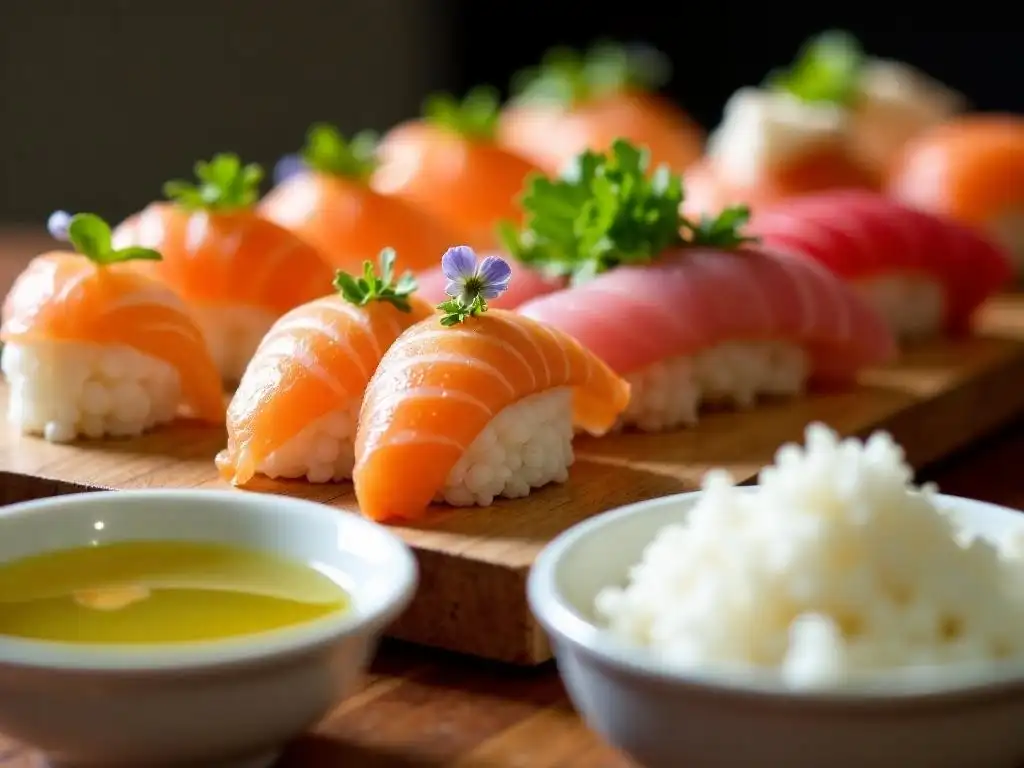
Sake, often referred to as "nihonshu" in Japan, is a traditional rice wine known for its delicate flavors and aromas. The process of making sake involves fermenting polished rice, and the variety of sake available today reflects the intricacies of this process. Understanding the different types of sake is essential for any sushi and sake pairing guide, as each variety brings unique characteristics that can enhance the dining experience.
Overview of Sake Varieties: Junmai, Ginjo, and Daiginjo
When delving into the world of sake, three primary categories stand out: Junmai, Ginjo, and Daiginjo. Each type is distinguished by its rice polishing ratio and fermentation process, resulting in distinct flavor profiles and aromas.
- Junmai:
- Definition: Junmai means "pure rice wine," and it contains no added alcohol or sugar.
- Polishing Ratio: The rice used for Junmai is polished to at least 70%, meaning 30% of the grain is removed.
- Flavor Profile: Junmai tends to have a rich, full-bodied flavor with earthy and umami notes. It often features a slightly acidic finish, making it versatile for pairing with various sushi types.
- Ginjo:
- Definition: Ginjo sake is made from rice that has been polished to at least 60%.
- Polishing Ratio: The polishing process enhances the purity of the rice, creating a refined sake.
- Flavor Profile: Ginjo is characterized by fruity and floral notes, often with a light and elegant finish. Its complexity pairs well with delicate sushi, such as sashimi.
- Daiginjo:
- Definition: Daiginjo is a premium sake that uses rice polished to 50% or less.
- Polishing Ratio: This meticulous polishing results in a sake of exceptional quality and flavor.
- Flavor Profile: Daiginjo offers an exquisite balance of fruity, floral, and sometimes nutty flavors, with a smooth, clean finish. It is ideal for pairing with high-end sushi offerings, such as premium nigiri.
| Sake Type | Polishing Ratio | Flavor Profile | Suggested Sushi Pairing |
|---|---|---|---|
| Junmai | ≥ 70% | Rich, full-bodied | Mackerel, tuna |
| Ginjo | ≥ 60% | Fruity, floral | Sashimi, salmon |
| Daiginjo | ≥ 50% | Exquisite, complex | Premium nigiri, uni |
Tasting Notes: How Sake Complements Sushi Flavors
The art of pairing sake with sushi is an intricate dance of flavors. Each type of sake enhances specific aspects of sushi, creating a harmonious experience for the palate.
- Umami and Richness:
- Sakes like Junmai excel in pairing with rich, oily fish such as mackerel and salmon, as their earthy notes complement the umami flavor of the fish.
- Delicate Balance:
- Ginjo sake's lightness and fruity aromas beautifully elevate the taste of delicate sushi like white fish and sashimi. The floral notes harmonize with the freshness of the fish, creating a refreshing experience.
- Luxurious Experience:
- For high-end sushi dishes, Daiginjo provides an extraordinary pairing option. Its complexity and elegance match well with premium ingredients like uni (sea urchin) and toro (fatty tuna), enhancing the overall dining experience.
Understanding the types of sake and their tasting notes is fundamental for anyone looking to master the art of sushi and sake pairing. By considering the flavor profiles of both the sake and the sushi, diners can create a memorable culinary journey that celebrates the rich heritage of Japanese cuisine.
The Art of Sushi and Sake Pairing
The relationship between sushi and sake is not merely gastronomic; it embodies centuries of Japanese tradition and culture. Mastering the art of pairing these two staples is essential for anyone looking to enhance their dining experience. This pairing is influenced by several factors, including the type of sushi, the flavor profile of the sake, and the overall dining context.
When considering sushi and sake pairing, the aim is to create harmony between the flavors, allowing each element to complement rather than overpower the other. Understanding the characteristics of both sushi and sake is crucial for achieving this balance.
Key Principles of Pairing Sushi with Sake
- Understanding Flavor Profiles:
- Sushi Types: Sushi can be categorized into various types, such as nigiri, sashimi, and maki, each with distinct flavors and textures. For instance, fatty fish like salmon pairs well with richer sake, while lighter options like white fish are best enjoyed with crisp, clean sake.
- Sake Varieties: Sake ranges from dry to sweet, and its flavor can be influenced by factors like the rice polishing ratio and brewing methods. Junmai, Ginjo, and Daiginjo are popular types that vary in complexity and taste.
- Temperature Matters:
- The serving temperature of sake can drastically affect its flavor profile. Cold sake often emphasizes fruity notes, while warm sake can enhance umami flavors, making it essential to match the temperature with the type of sushi being served.
- Regional Pairings:
- Pairing sushi and sake from the same region can enhance the dining experience. For example, pairing sushi from Hokkaido with sake produced in the same area can create a more unified taste experience, highlighting regional characteristics.
- Personal Preferences:
- Ultimately, individual taste should guide the pairing process. Encouraging experimentation allows diners to discover unique combinations that resonate with their palate.
Balancing Flavors: Light vs. Bold Pairings
The balance between light and bold flavors plays a significant role in achieving an ideal sushi and sake combination. Understanding how to pair these flavors can elevate your dining experience.
- Light Pairings:
- Characteristics: Light-flavored sushi, such as nigiri with white fish or vegetable rolls, is best paired with delicate sake types.
- Recommendations:
- Sake: A Ginjo sake, known for its fragrant and fruity aroma, is an excellent choice.
- Example Pairing: A Hirame (flounder) nigiri with a chilled Ginjo offers a refreshing, balanced taste.
- Bold Pairings:
- Characteristics: Bold sushi, such as tuna or eel, require a more robust sake.
- Recommendations:
- Sake: A Junmai or Junmai Ginjo can stand up to the stronger flavors of these fish.
- Example Pairing: Pairing fatty tuna (otoro) with a full-bodied Junmai sake enhances the richness of the fish while providing a satisfying contrast.
By adhering to these principles and understanding the dynamics of flavor balance, enthusiasts can create memorable sushi and sake experiences, celebrating the rich heritage of Japanese cuisine.
Recommended Sushi and Sake Pairings
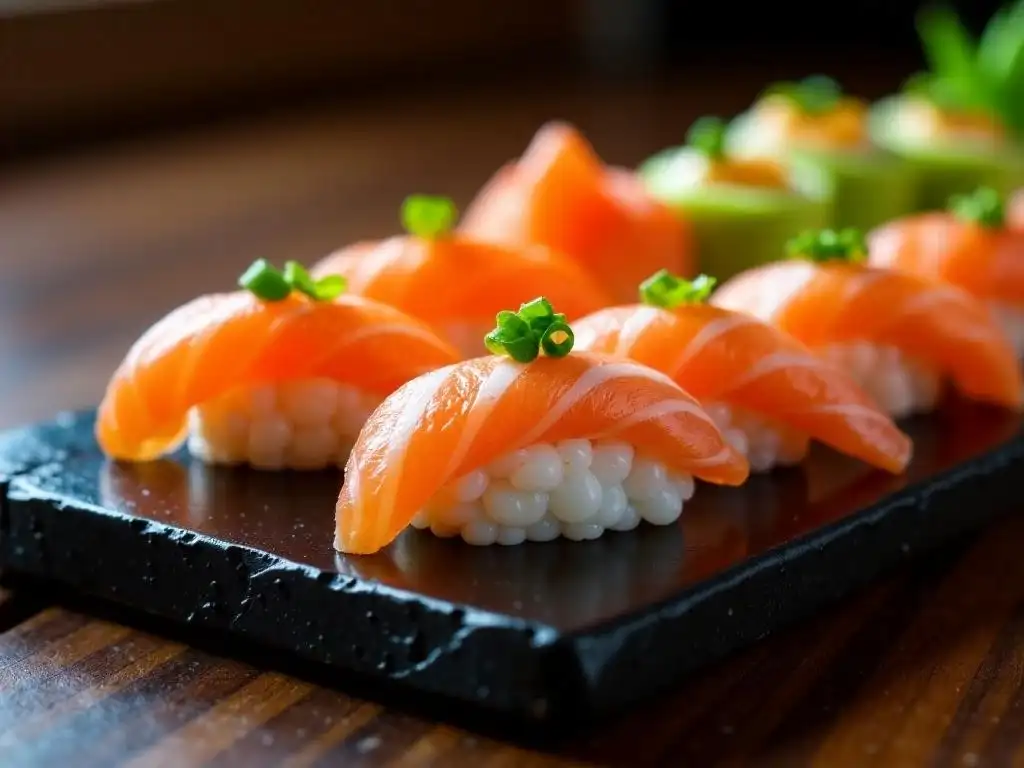
Classic Pairings: Traditional Sushi Types and Their Ideal Sake
In the realm of sushi and sake, certain traditional combinations have stood the test of time, creating a harmonious balance of flavors that enhances the dining experience. Here, we explore some classic pairings that have become staples in Japanese cuisine.
1. Nigiri with Junmai Sake
Nigiri, characterized by its hand-formed rice and a slice of fish atop, pairs beautifully with Junmai Sake. This type of sake is made without any added alcohol, preserving the pure flavors of the rice.
- Flavor Profile: Junmai Sake typically has a rich and full-bodied taste, with earthy notes that complement the umami of fresh fish.
- Serving Suggestion: Serve Junmai slightly warm (around 50-55°F or 10-13°C) to enhance its richness. This pairing works exceptionally well with nigiri topped with fatty fish like salmon or tuna, where the sake's depth rounds out the dish.
2. Maki with Ginjo Sake
Maki, which consists of rice and fillings rolled in seaweed, benefits from the crisp and fruity notes of Ginjo Sake. This sake is brewed with rice polished to at least 60%, giving it a refined flavor.
- Flavor Profile: Ginjo Sake often has floral and fruity aromas, with a clean finish that complements the variety of flavors found in maki rolls.
- Serving Suggestion: Serve Ginjo chilled (around 45-50°F or 7-10°C) to highlight its refreshing qualities. A spicy tuna maki or a vegetable roll with tempura elements pairs particularly well.
3. Sashimi with Daiginjo Sake
Sashimi, featuring thinly sliced raw fish, is best paired with the delicate and aromatic Daiginjo Sake. This premium sake type is made with rice polished to at least 50%, resulting in an elegant profile.
- Flavor Profile: Daiginjo Sake is known for its light, aromatic notes and complex flavors, which enhance the subtlety of sashimi.
- Serving Suggestion: Serve Daiginjo very chilled (around 40-45°F or 4-7°C) to maintain its crispness. This pairing is perfect for sashimi made from high-quality fish like yellowtail or snapper, where the sake accentuates the freshness of the fish.
Modern Pairings: Fusion Sushi and Contemporary Sake Options
As sushi evolves, so do the pairings. Modern fusion sushi often incorporates bold flavors and inventive ingredients, calling for contemporary sake options that can stand up to these exciting combinations.
1. Spicy Tuna Roll with Sparkling Sake
The spicy tuna roll, known for its bold heat and rich flavor, pairs wonderfully with the effervescence of Sparkling Sake.
- Flavor Profile: Sparkling Sake offers a refreshing and vibrant taste, with bubbles that cleanse the palate and enhance the experience of spicy elements.
- Serving Suggestion: Serve Sparkling Sake chilled (around 40-45°F or 4-7°C). This pairing is particularly enjoyable during warm weather or festive occasions, where the lively flavors of the sake complement the spicy kick of the tuna.
2. Tempura Sushi with Nigori Sake
Tempura sushi, featuring crispy tempura-fried ingredients, finds a perfect match in the unfiltered and creamy texture of Nigori Sake.
- Flavor Profile: Nigori Sake has a cloudy appearance and a sweet, rich flavor profile, which contrasts beautifully with the fried crunch of tempura.
- Serving Suggestion: Serve Nigori chilled (around 45-50°F or 7-10°C) or at room temperature. This pairing is ideal for sushi rolls that incorporate tempura shrimp or vegetables, where the sake’s sweetness balances the savory elements.
By exploring these recommended sushi and sake pairings, enthusiasts can enhance their culinary experiences, discovering the nuanced relationships between flavors and textures that define Japanese cuisine.
Tips for Hosting a Sushi and Sake Pairing Dinner
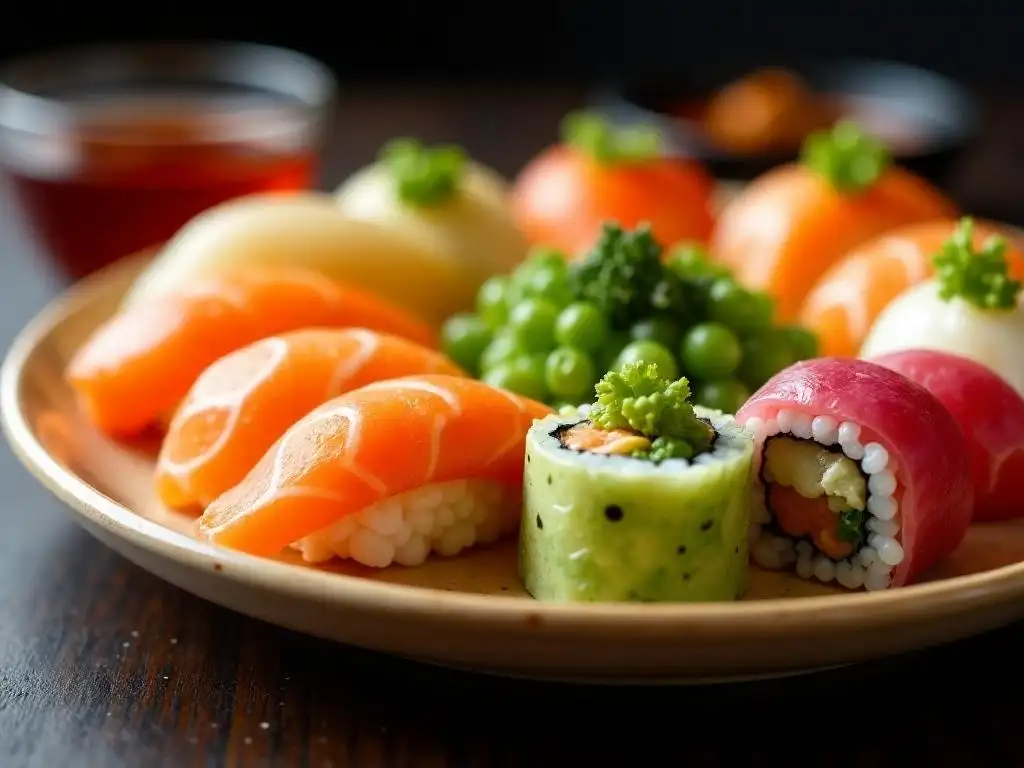
Selecting the Right Sushi: Freshness and Quality
When it comes to pairing sushi with sake, the foundation lies in the quality and freshness of the sushi itself. Freshness is paramount; the best sushi is made from fish that has been caught recently and handled with care. Here are some key points to consider when selecting sushi:
- Fish Type: Common choices include tuna, salmon, and yellowtail, each offering distinct flavors that can complement different sake varieties.
- Sourcing: Opt for sushi from reputable suppliers that prioritize quality and sustainability. Local fish markets or specialized sushi restaurants often have fresh options.
- Preparation: Pay attention to how the sushi is prepared. For instance, nigiri, which features a slice of fish atop a small mound of rice, may pair differently than rolls that include additional ingredients like avocado or cream cheese.
Choosing high-quality sushi not only enhances the overall dining experience but also allows the subtleties of the sake to shine through.
Choosing Sake: Where to Buy and What to Look For
Selecting the right sake is another crucial element of a successful sushi and sake pairing dinner. Here are some tips to help you make informed choices:
- Types of Sake: Understand the different types of sake available:
- Junmai: Pure rice sake, often rich and full-bodied.
- Ginjo: Sake that is polished more than 40%, offering a fruity and floral profile.
- Daiginjo: A premium sake with a polished rice grain of at least 50%, known for its complexity and elegance.
- Where to Buy: Look for sake at specialized liquor stores, Asian markets, or online retailers that focus on Japanese products. This ensures a wider selection and better quality options.
- Taste Profiles: When selecting sake, consider the flavor profiles that will enhance your sushi. For example, a crisp ginjo pairs beautifully with lighter fish like white tuna, while a richer junmai can complement fatty fish such as salmon.
By understanding the nuances of sake, you can create pairings that elevate the flavors of both the sushi and the drink.
Setting the Scene: Creating the Perfect Ambiance
The ambiance of your sushi and sake pairing dinner can greatly influence the overall experience. Here are some tips to help you set the perfect scene:
- Table Setting: Use traditional Japanese tableware, such as ceramic sake cups and wooden sushi platters, to enhance authenticity. Consider adding a simple floral arrangement, like cherry blossoms, for an elegant touch.
- Lighting: Soft, warm lighting helps create a relaxing atmosphere. Avoid harsh fluorescent lights; instead, opt for candles or paper lanterns to evoke a traditional Japanese feel.
- Music: Incorporate soothing Japanese music or nature sounds to complement the dining experience. This can help transport your guests into a serene environment that reflects the cultural roots of sushi and sake.
By paying attention to these details, you can create a memorable dining experience that celebrates the art of sushi and sake pairing, ensuring your guests enjoy both the culinary and cultural aspects of this exquisite tradition.
Myths and Realities About Sushi and Sake Pairing
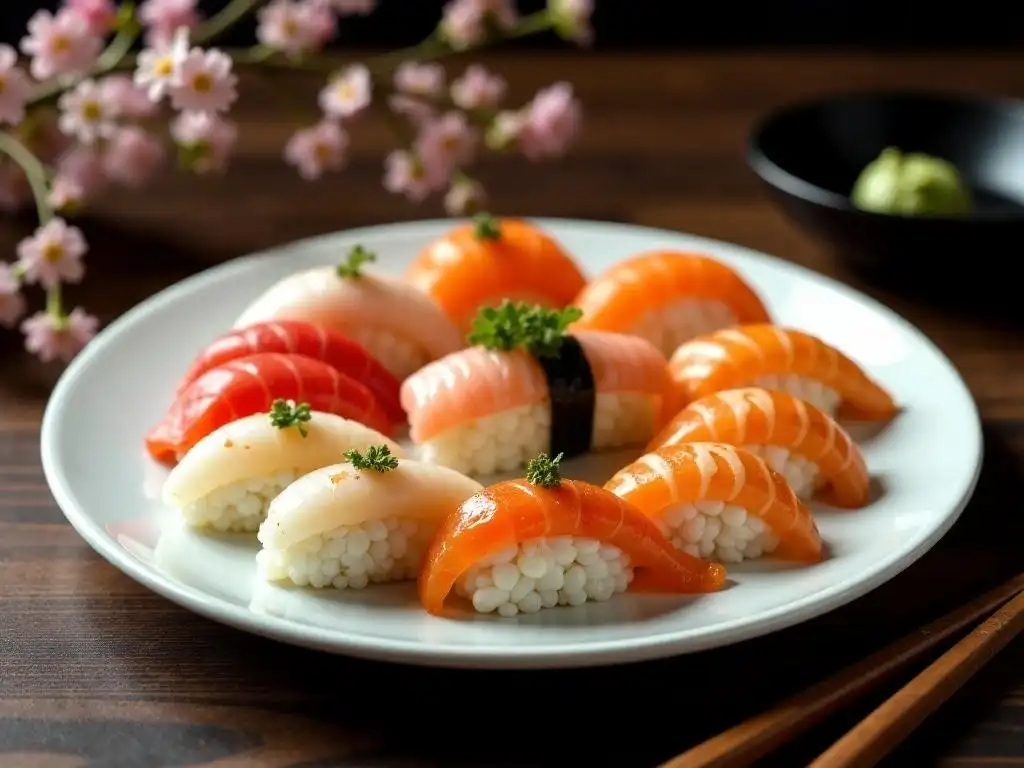
Common Misconceptions: “All Sake Goes with Any Sushi”
One of the most prevalent myths surrounding sushi and sake pairing is the belief that any type of sake can complement any sushi dish. This misconception often stems from the general idea that sake, being a rice-based beverage, shares an inherent compatibility with rice, thus making it suitable for any sushi. However, this oversimplification ignores the complexity of both sushi and sake, which can vary significantly in terms of flavor profiles, aromas, and textures.
- Sake Variability: There are several types of sake, including Junmai, Ginjo, and Daiginjo, each with distinct characteristics. For instance:
- Junmai: This type is known for its rich and full-bodied flavor, which may overshadow delicate sushi like nigiri with white fish.
- Ginjo: Typically lighter and more fragrant, Ginjo can enhance the flavors of sushi but may not stand up to richer dishes like unagi (grilled eel).
- Sushi Composition: Sushi is not a monolithic dish; it encompasses a wide range of ingredients, from fresh seafood to vinegared rice, each with unique tastes. Pairing sake without considering the specific sushi type can lead to a dish that feels unbalanced or mismatched.
The idea that “all sake goes with any sushi” oversimplifies the nuanced dance of flavors that can occur when these two culinary arts are paired thoughtfully.
The Reality: The Science Behind Flavor Compatibility
The art of pairing sushi and sake is steeped in a combination of tradition, flavor science, and sensory experience. Understanding the underlying principles of flavor compatibility can elevate the experience of enjoying these two iconic elements of Japanese cuisine.
Key Considerations for Pairing
- Flavor Profiles: Each sake has a unique flavor profile that can either complement or clash with the flavors of sushi. For example:
- Umami and Sweetness: Sakes with a higher umami content, such as Junmai, can enhance the savory aspects of sushi, particularly those featuring fish rich in umami like mackerel.
- Acidity and Freshness: Light and crisp sakes, like Ginjo, work well with sushi that has bright, fresh flavors, such as salmon or tuna.
- Temperature: The serving temperature of sake can significantly influence its taste.
- Chilled Sake: Generally enhances the fruity and floral notes of premium sakes, making it an ideal match for lighter sushi varieties.
- Warm Sake: Can bring out richer and bolder flavors, suitable for heartier sushi, such as those with cooked fish or grilled ingredients.
- Texture and Body: The mouthfeel of both the sake and sushi plays a crucial role in the pairing.
- Creamy Textures: Sake with a full body can create a harmonious experience with creamy sushi, such as those featuring avocado or eel.
- Light and Crisp: In contrast, lighter sakes pair well with the delicate textures of sashimi.
Practical Pairing Examples
| Sushi Type | Recommended Sake | Reason for Compatibility |
|---|---|---|
| Maguro (Tuna) | Junmai Daiginjo | Complements rich flavors with a smooth finish |
| Sake (Salmon) | Ginjo | Enhances the freshness and fatty notes |
| Unagi (Eel) | Junmai | Balances the sweetness of the glaze with umami |
| Ebi (Shrimp) | Honjozo | The lightness matches well with the delicate shrimp |
By understanding these elements, one can begin to appreciate the intricate relationship between sushi and sake, moving beyond myths to a deeper knowledge that enhances the dining experience. The pairing of sushi and sake is not just about matching ingredients; it's a fusion of flavors, aromas, and textures that celebrates the essence of Japanese culinary artistry.
Conclusion: Elevating Your Culinary Experience
Sushi and sake pairing is more than just a culinary choice; it is a celebration of Japan's rich cultural heritage, reflecting the meticulous attention to detail that defines Japanese cuisine. This pairing enhances the flavors of both the sushi and the sake, creating a harmonious dining experience that tantalizes the palate and nourishes the spirit. By understanding the nuances of flavors, textures, and aromas, one can elevate a simple meal into an extraordinary event, capturing the essence of Japanese gastronomy.
Embracing the Tradition of Sushi and Sake Pairing
The tradition of pairing sushi with sake dates back centuries, intertwining two iconic elements of Japanese food culture. Historically, these pairings were crafted to highlight the freshness of the fish and the subtleties of the sake. For instance:
- Nigiri Sushi: Often paired with a light Junmai sake, which complements the delicate flavors of the fish without overpowering them.
- Maki Rolls: These can vary in pairing; a richer, more robust Junmai Ginjo can balance the flavors of spicy tuna rolls or eel.
- Sashimi: A premium Daiginjo sake enhances the experience, bringing out the natural umami of the raw fish.
The art of pairing is not merely about taste; it also involves understanding the seasonal availability of ingredients, regional specialties, and traditional practices. By embracing these elements, one can appreciate the cultural significance behind each sip and bite, fostering a deeper connection to the culinary arts of Japan.
Encouragement to Experiment with Different Combinations
While traditional pairings provide a solid foundation, the joy of sushi and sake pairing lies in the endless possibilities for experimentation. Here are a few suggestions to inspire your culinary creativity:
- Explore Regional Sakes: Different regions of Japan produce unique sake varieties. Try pairing local sake with sushi sourced from the same area for a cohesive experience.
- Play with Flavors: Don't hesitate to mix sweeter sake with spicy sushi rolls or experiment with rich, full-bodied sakes with lighter fish. The contrasts can lead to delightful surprises.
- Seasonal Ingredients: Adapt your pairings based on the season. For example, in spring, opt for lighter sakes and sushi made with fresh, seasonal ingredients like cherry blossom shrimp.
Tips for Experimentation
- Start Small: Begin by trying small quantities to discover your preferences without overwhelming your palate.
- Keep a Journal: Document your pairings to remember what works best for you and refine your choices over time.
- Engage in Tastings: Attend sake tastings or sushi-making classes to deepen your understanding and appreciation of both.
Ultimately, the journey of sushi and sake pairing is a personal one, inviting each enthusiast to explore and discover their unique flavor profiles. Embrace the adventure, and elevate your culinary experiences to new heights! 🍣🍶
Frequently Asked Questions
What is the main focus of the article "Pairing Perfection: The Art of Matching Sushi with Sake"?
The article emphasizes the importance of pairing sushi with sake, providing insights into how different flavors can enhance the overall dining experience.
Why is sake considered a traditional beverage in Japan?
Sake has a deep-rooted cultural significance in Japan, often used in rituals and celebrations, making it a staple during traditional meals, especially when paired with sushi.
How do flavor profiles of sushi and sake influence pairing choices?
Understanding the flavor profiles is crucial; for instance, lighter sakes complement delicate sushi, while richer sakes enhance the taste of heavier dishes.
Are there specific types of sake recommended for different sushi varieties?
Yes, the article provides a sake pairing guide that suggests specific types of sake for various sushi, ensuring an optimal combination for each dish.
Can beginners easily grasp the art of sake and sushi pairing?
Absolutely! The article is designed to be accessible for beginners, breaking down complex concepts into simple guidelines for an enjoyable pairing experience.
Final Reflection: Embracing the Harmony of Sushi and Sake
The delicate balance between sushi and sake is not just a culinary pairing; it is a celebration of culture, tradition, and the art of gastronomy. As we navigate through a world increasingly focused on experiences, understanding the nuances of sushi and sake pairing enriches our dining moments and deepens our appreciation for Japanese cuisine. This pairing is more than a meal; it is an invitation to explore flavors and stories that have been crafted over centuries.
The influence of sushi and sake extends far beyond the dining table; it resonates within our cultural fabric, fostering connections and shared experiences. The ritual of enjoying these two elements together encourages us to slow down, savor each bite, and engage in meaningful conversations. As the renowned chef Nobu Matsuhisa once said, Food is not just about eating; it’s about sharing and connecting.
This sentiment encapsulates the essence of sushi and sake pairing, reminding us that food is a bridge that connects us to our heritage and to one another.
As you reflect on the insights shared in this article, I invite you to embark on your own journey of discovery. Consider how you can elevate your next meal by thoughtfully pairing sushi with sake. Whether you are a seasoned connoisseur or a curious novice, take the time to experiment with flavors and share these experiences with friends and family. Let the art of pairing sushi and sake inspire you to create moments of joy and connection, transforming every meal into a celebration of life’s simple pleasures.
Savor the Journey: Elevate Your Sushi & Sake Experience!
Thank you for joining us on this delicious exploration of sushi and sake! By diving deep into the art of pairing, you've unlocked the secrets that can transform a simple meal into an extraordinary culinary adventure. Now, it's time to take it to the next level!
Here are a few exciting steps to enhance your sushi and sake journey:
- Host a tasting party with friends! Gather a variety of sushi and sake selections, and discover the perfect combinations together. Share your favorites and learn from each other’s experiences.
- Explore regional sakes and their unique flavors. Visit a local sake shop and don’t hesitate to ask for recommendations from knowledgeable staff.
- Join an online community or forum dedicated to sushi and sake enthusiasts. Sharing your experiences can inspire others and provide you with new insights on pairings!
What’s your favorite sushi and sake pairing? What unique flavors have you discovered along the way? Share your thoughts below!