
The Legacy of Feudal Japanese Weaponry: Its Impact on Modern Martial Arts

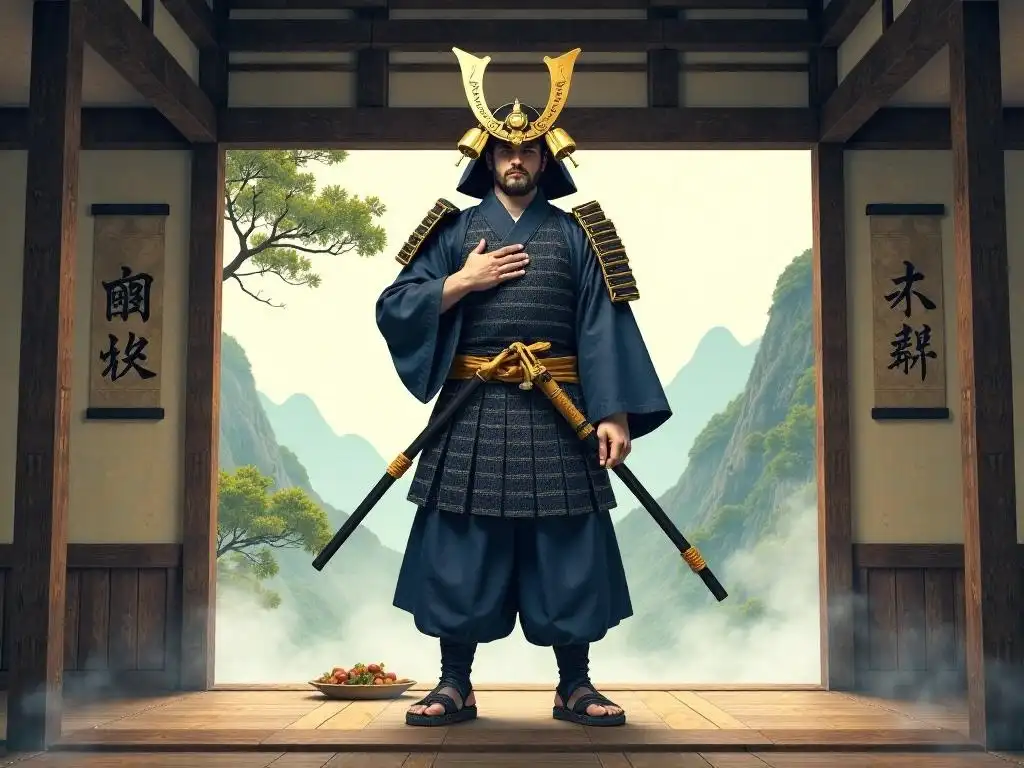
Welcome to Feudal Japan History, where we embark on a fascinating journey through the intricate tapestry of Japan’s feudal era. Here, you will uncover the profound influence of Feudal Japanese weaponry, not just on the battlefield of the past, but also on the modern martial arts that continue to captivate practitioners today.
Dive into our featured article, "The Legacy of Feudal Japanese Weaponry: Its Impact on Modern Martial Arts," and discover how these ancient tools of combat have shaped techniques, philosophies, and the very essence of martial discipline. Join us as we unravel the stories that connect the past to the present, and prepare to be inspired!
Introduction to Feudal Japanese Weaponry Influence
The legacy of feudal Japanese weaponry is a pivotal chapter in the narrative of Japan's military history, influencing not only the tactics and strategies of warfare during its time but also shaping modern martial arts disciplines practiced worldwide today. This article delves into the intricate relationship between historical weaponry and its enduring impact on martial arts, examining how techniques and philosophies developed in feudal Japan continue to resonate in contemporary practices. From the artistry of the katana to the tactics of battlefield weaponry, understanding this influence is essential for both historians and martial arts enthusiasts alike.
Overview of Feudal Japan’s Military History
Feudal Japan, spanning from the 12th to the 19th centuries, was characterized by a decentralized political structure dominated by warlords, samurai, and a plethora of regional conflicts. The military history of this era is marked by significant battles, strategic innovations, and the rise of the samurai class, who became not only warriors but also cultural icons. The period saw the development of various weaponry, each tailored to the needs of the battlefield and the ethos of the samurai.
Key events such as the Genpei War (1180-1185) and the Sengoku Period (1467-1603) illustrate the evolution of military tactics and weaponry, laying the groundwork for the martial traditions that would follow.
- Key Features of Feudal Military History:
- The rise of the samurai and their code of conduct, Bushido.
- Development of military strategies and alliances.
- Increased specialization in weaponry and combat techniques.
Importance of Weaponry in Feudal Japanese Society
In feudal Japan, weaponry was not merely a tool of war; it was a symbol of status, honor, and identity. The samurai, serving as the warrior class, relied on their weapons to uphold their values, defend their lords, and maintain their honor. The craftsmanship of weapons, particularly swords, was revered, and the process of forging them was steeped in tradition and spirituality.
- Cultural Significance:
- Swords as symbols of power and prestige.
- The role of weaponry in ritual and ceremony.
- Influence on arts, philosophy, and literature.
Historical Context of Feudal Japanese Weaponry
Understanding the historical context of feudal Japanese weaponry is crucial to appreciate its legacy. The development of various arms during this period reflects not only technological advancements but also modifications in warfare strategy.
Development of Weaponry During the Feudal Era
Throughout the feudal era, Japan saw remarkable innovations in weaponry. The introduction of metalworking techniques allowed for the creation of more durable and effective weapons. The katana, characterized by its curved, single-edged blade, became the quintessential symbol of the samurai's skill and artistry.
- Innovative Advances:
- Introduction of the tanto (dagger) and naginata (polearm).
- The impact of foreign influences, including firearms from the Portuguese in the 16th century.
- Shifts in combat techniques that necessitated new weapon designs.
Key Weapons: Swords, Spears, and Bows
The primary weapons of feudal Japan encompassed a diverse array, with each serving distinct purposes on the battlefield.
- Swords:
- The katana and its variations exemplified the pinnacle of Japanese craftsmanship.
- Spears:
- The yari played a crucial role in infantry tactics, allowing for effective engagement at range.
- Bows:
- The yumi, a longbow, was instrumental in both warfare and hunting, showcasing the samurai's versatility.
The Role of Samurai in Weaponry Evolution
The samurai were not only warriors but also custodians of a rich martial heritage. Their influence on weaponry evolution was profound, as they adapted and refined weapons to suit their combat styles and philosophies.
- Key Aspects of Samurai Influence:
- Training methods and the integration of weaponry into martial arts.
- The samurai's role in the transmission of weapon techniques through generations.
- The cultural narrative surrounding weapons as extensions of the samurai's spirit and identity.
By examining these facets, we can grasp how the intricate development of feudal Japanese weaponry has left an indelible mark on modern martial arts, with its techniques and philosophies echoing through time.
The Influence of Feudal Japanese Weaponry on Modern Martial Arts
The impact of feudal Japanese weaponry on modern martial arts is profound and multifaceted. Many contemporary martial arts systems can trace their roots back to the techniques and philosophies developed during Japan's feudal era. The evolution of weapons such as the katana, naginata, and yari not only shaped combat skills but also influenced the very essence of martial training. Practitioners today often study these historical techniques to enhance their understanding of combat dynamics, discipline, and the art of self-defense.
One of the most significant ways feudal weaponry has influenced modern martial arts is through the creation of koryu (traditional schools). These schools preserve the teachings of ancient martial arts, including the weaponry techniques used by samurai. As martial artists explore these historical practices, they gain insights into the tactical applications and the philosophical underpinnings of each weapon. This serves not only as a means of physical training but also as a way to connect with Japan’s rich cultural heritage.
Traditional Martial Arts Directly Influenced by Feudal Weaponry
Several traditional martial arts still practiced today are directly influenced by feudal Japanese weaponry. Among them are:
- Kendo: This modern sport evolved from the techniques of Kenjutsu (swordsmanship) and focuses on the use of bamboo swords (shinai). Kendo emphasizes discipline, respect, and mental fortitude, reflecting the samurai's philosophy.
- Iaido: This martial art concentrates on the smooth, controlled movements of drawing a sword, representing the techniques honed by samurai during the feudal period. Practitioners learn to execute precise strikes and develop a deep understanding of timing and distance.
- Kusarigama: A weapon that combines a sickle and a weighted chain, kusarigama techniques are preserved in certain traditional martial arts. Practicing this weapon requires agility and strategy, echoing the adaptability of feudal warriors.
- Naginatajutsu: This art focuses on the use of the naginata, a pole weapon with a curved blade. It integrates footwork, sweeping strikes, and defensive maneuvers, showcasing the versatility of feudal combat techniques.
Each of these martial arts not only preserves the techniques of feudal weaponry but also embodies the spirit and philosophy of the samurai, allowing practitioners to connect with Japan's martial heritage.
Integrating Feudal Techniques in Contemporary Practices
Modern martial artists are increasingly integrating feudal techniques into their practices. This can be observed in various ways:
- Cross-training: Many martial artists practice multiple disciplines, incorporating feudal techniques into contemporary styles. For example, a practitioner of Brazilian Jiu-Jitsu may also learn iaido to enhance their understanding of movement and timing.
- Seminars and Workshops: Experts in traditional weaponry often hold seminars and workshops to teach specific feudal techniques. This provides modern martial artists with opportunities to learn and apply historical knowledge in their training.
- Cultural Adaptation: Some martial arts schools incorporate historical narratives and philosophies into their training regimens. This helps students appreciate the cultural context of the techniques they are learning and fosters a greater respect for martial traditions.
By embracing these feudal techniques, modern martial artists not only improve their skills but also honor the legacy of those who practiced these arts centuries ago.
Cultural Significance of Weaponry in Feudal Japan
The cultural significance of weaponry in feudal Japan extends beyond mere combat utility. Weapons were imbued with meanings that reflected the values and societal structures of the time. They were symbols of power, artistry, and social order, making them integral to the identity of the samurai and the broader culture of feudal Japan.
Symbolism of Weapons in Samurai Culture
In samurai culture, weapons were not just tools of war; they represented the samurai's honor and status. The katana, for instance, was often referred to as the "soul of the samurai." It was customarily worn at all times and ceremonially presented. The craftsmanship of a sword was a testament to the skill of the smith and the value placed on martial excellence. Each weapon, from the katana to the tanto (dagger), carried symbolic weight, often representing the bearer’s family lineage and personal honor.
Moreover, the act of drawing a sword was laden with significance; it was a ritual that underscored the samurai’s readiness to defend their honor and the values they upheld. This connection between weaponry and identity continues to influence modern martial arts, where practitioners often seek to embody the principles of discipline, respect, and honor that the samurai lived by.
Weaponry as a Reflection of Social Hierarchy
The type and quality of weaponry in feudal Japan also reflected social hierarchy. Different classes had distinct access to various weapons:
- Samurai: As the warrior class, samurai had the right to bear swords, specifically the katana and wakizashi. Their weapons were often elaborately crafted and adorned, indicative of their status.
- Farmers and Peasants: While they primarily relied on farming tools, some peasants used simple weapons for self-defense, such as clubs or sickles, highlighting a stark contrast in access to weaponry.
- Nobility: The higher the rank, the more ornate and sophisticated the weapons. Nobles commissioned weapons that signified their power and wealth, often using them not only for combat but also as status symbols.
This stratification of weaponry serves as a lens through which to understand the societal structure of feudal Japan, illustrating how martial prowess was intertwined with social status and power.
Artistic Representation of Feudal Weapons in Japanese Culture
The artistry of feudal weapons extends into various aspects of Japanese culture, including literature, visual arts, and performance.
- Literature: Many classical Japanese texts, such as The Tale of the Heike, highlight the significance of weapons in the lives of samurai. These stories often depict battles and the heroic qualities of warriors, emphasizing the role of weaponry in shaping their destinies.
- Visual Arts: The intricate designs of swords and armor were often captured in paintings and prints, showcasing the aesthetic value of weaponry. Artists would depict warriors in battle, emphasizing both the beauty and brutality of these tools.
- Theater: Traditional Japanese theater, such as Kabuki, often features samurai characters wielding weapons. The dramatic representation of weaponry in these performances reinforces its cultural importance and the values associated with honor and bravery.
This artistic representation underscores the multi-dimensional role of weaponry in feudal Japan, serving not only functional purposes in battle but also enriching the cultural narrative of the era. Through these representations, modern audiences can appreciate the intricate relationship between feudal weaponry and Japanese cultural identity.
Comparative Analysis of Feudal Japanese Weaponry and Modern Martial Arts Weapons
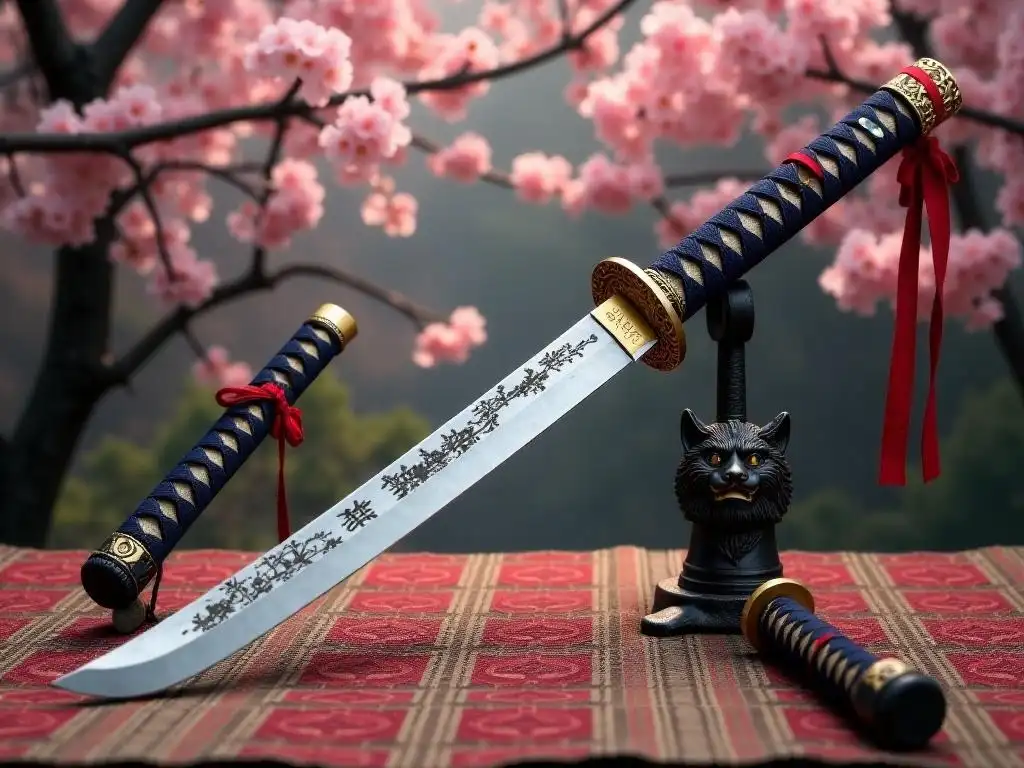
Feudal Japanese weaponry has profoundly influenced the development of modern martial arts weapons. Understanding these influences requires a detailed comparative analysis, focusing on the types of weapons, techniques, and philosophies that emerged during the feudal period and their modern counterparts.
The primary weapon used during the feudal era was the katana, a curved, single-edged sword renowned for its sharpness and cutting ability. In contrast, modern martial arts often utilize a variety of weapons, including sticks, knives, and even firearms, depending on the discipline. However, many modern weapon techniques still draw inspiration from traditional forms. For instance, the use of the katana in disciplines like Kendo and Iaido emphasizes precision and discipline, mirroring the focus required in contemporary martial arts.
Moreover, the training methods associated with feudal weaponry, such as kata (pre-arranged forms), have been adapted in many modern martial arts, underscoring the importance of tradition in martial practice. The integration of mental discipline, respect, and spiritual growth is another legacy of feudal Japanese weaponry that remains vital in modern martial arts training.
Differences in Technique and Philosophy
The techniques associated with feudal Japanese weaponry are often characterized by their emphasis on efficiency, fluidity, and timing. Practitioners of traditional martial arts such as Kenjutsu focused not just on the physical act of striking but also on the mental state required to understand timing and distance. This contrasts with some modern martial arts, where techniques may prioritize strength or speed over the finesse inherent in feudal styles.
Philosophically, feudal Japanese martial arts are steeped in the concept of bushido, or "the way of the warrior," which emphasizes honor, loyalty, and self-discipline. Modern martial arts, while they may incorporate similar values, often focus on self-improvement, competition, and sport. This shift reflects broader societal changes, where the martial arts have become more accessible and less tied to the rigid hierarchies of feudal Japan.
Evolution of Weapon Designs and Materials
The evolution of weapon designs from feudal Japan to modern martial arts highlights significant advancements in technology and materials. Feudal Japanese weapons were primarily crafted from steel, with intricate folding techniques used to enhance durability and sharpness. The katana, for instance, was forged using a layering technique that produced a blade capable of withstanding significant stress while maintaining a sharp edge.
In contrast, modern martial arts weapons may utilize a variety of materials, including modern composites and alloys that provide enhanced performance and durability. Additionally, the design of weapons has evolved to accommodate various martial arts styles, with some opting for lighter, more ergonomic forms that prioritize speed and agility over raw power. Despite these advancements, many modern martial artists still honor the traditional designs and techniques, incorporating them into their practice.
Cross-Cultural Influences in Martial Arts
Cross-cultural exchanges have significantly shaped martial arts over the centuries, with feudal Japanese weaponry serving as a crucial point of influence. For instance, the introduction of jujutsu and its subsequent evolution into Brazilian jiu-jitsu showcases how techniques from feudal Japan have permeated other martial traditions.
Additionally, the popularization of karate in the 20th century, which itself was influenced by Chinese martial arts, demonstrates the blending of various styles and philosophies. The integration of feudal weaponry techniques into these systems illustrates how martial arts have transcended cultural boundaries, adapting and evolving to meet the needs of practitioners around the world.
Challenges and Misconceptions About Feudal Japanese Weaponry Influence
The influence of feudal Japanese weaponry on modern martial arts is often misunderstood, leading to misconceptions about its significance and application. Many enthusiasts may romanticize the past, failing to recognize the practical realities and challenges faced by warriors in feudal Japan.
Common Myths Surrounding Feudal Weapons
One prevalent myth is that feudal Japanese weapons were solely designed for combat. While they were indeed effective in battle, many weapons also had ceremonial and symbolic purposes. The katana, for example, was considered a representation of the samurai's honor and status, often displayed in a manner that emphasized its beauty as much as its utility.
Another common misconception is that traditional techniques are obsolete in modern contexts. While the battlefield has changed, the principles underlying these techniques—balance, timing, and precision—remain relevant and are actively integrated into various modern martial arts.
Reality of Weaponry Use in Feudal Japan
The reality of weaponry use in feudal Japan was complex and multifaceted. Warfare during this period was characterized by both large-scale battles and individual duels, each requiring different tactical approaches. The samurai were not only trained in the use of weapons but were also educated in strategy, philosophy, and ethics.
Furthermore, the role of women in weaponry during feudal times is often overlooked. Many women, particularly those from samurai families, trained in martial arts and could wield weapons effectively, challenging the notion that martial prowess was solely a male domain. Understanding these nuances provides a more comprehensive view of feudal Japanese weaponry and its enduring legacy in modern martial arts.
Conclusion: The Enduring Legacy of Feudal Japanese Weaponry
The legacy of feudal Japanese weaponry is profound and continues to resonate in modern martial arts. The techniques, philosophies, and weapon designs developed during Japan's feudal era have not only influenced traditional practices but have also laid the groundwork for contemporary martial arts disciplines. Weaponry such as the katana, yari (spear), and naginata (polearm) embody the intricate craftsmanship and strategic thinking that characterized feudal Japan. Their use in martial arts today is a testament to the enduring nature of these ancient practices, as they have been preserved, adapted, and integrated into various forms of combat training worldwide.
As martial artists engage with these historical weapons, they not only hone their physical skills but also connect with a rich cultural heritage that emphasizes discipline, respect, and mental fortitude. The philosophical underpinnings of feudal weaponry—such as the concept of bushido (the way of the warrior)—continue to inspire practitioners, shaping their approach to training and life. This legacy serves as a bridge between the past and present, ensuring that the art of feudal Japanese weaponry remains a vital aspect of martial arts today.
Summary of Influence on Modern Martial Arts
Feudal Japanese weaponry has significantly influenced various modern martial arts, both in terms of technique and philosophy. Styles like Kendo and Iaido directly derive their practices from the swordsmanship of the samurai, emphasizing precision, timing, and mental clarity. The use of the katana in these martial arts not only showcases physical prowess but also embodies the spiritual and ethical dimensions integral to samurai training.
Moreover, other martial arts, such as Aikido and Jujutsu, incorporate principles from traditional weapon techniques to enhance their effectiveness in unarmed combat. The strategic concepts of distance, timing, and movement fluidity found in feudal weaponry are evident in the practice of these arts. As martial artists explore these connections, they gain a deeper understanding of the historical context and cultural significance behind their training.
Future Perspectives on the Study of Feudal Weaponry
The ongoing study of feudal Japanese weaponry offers exciting opportunities for both historians and martial artists. As interest in traditional practices continues to grow, there is a push for more comprehensive research into the techniques and philosophies of ancient Japanese combat. This includes not only the physical aspects of weaponry but also the socio-cultural factors that influenced their development.
Future perspectives may also involve the use of technology in martial arts training, with virtual reality and augmented reality potentially providing immersive experiences of feudal combat scenarios. As the martial arts community embraces these innovations, there is a possibility for a deeper exploration of historical techniques and their applications in modern practice. Additionally, the collaborative efforts between historians, martial artists, and educators can lead to a richer understanding of the legacy of feudal weaponry, ensuring its preservation and relevance in contemporary society.
References
Suggested Reading on Feudal Japanese Weaponry and Martial Arts
- The Book of Five Rings by Miyamoto Musashi: A classic text on strategy, tactics, and philosophy from one of Japan's most renowned swordsmen.
- Hagakure: The Book of the Samurai by Yamamoto Tsunetomo: This book provides insights into the samurai way of life and the principles that guided their martial practices.
- Secrets of the Samurai: The Martial Arts of Feudal Japan by John M. O'Brien: A detailed exploration of various martial arts styles and their historical contexts.
Key Historical Texts and Resources
- The Sword and the Mind by Masayuki Shimabukuro: A critical examination of the mental aspects of using the sword in martial practice.
- Samurai: The Last Warrior by John Man: An engaging narrative that delves into the life and culture of the samurai, along with their weaponry.
- The Art of War by Sun Tzu: Although not specifically Japanese, this ancient text has influenced samurai strategies and combat philosophies extensively.
These texts and resources serve as valuable tools for those interested in the intricate relationship between feudal Japanese weaponry and modern martial arts, providing a foundation for further study and appreciation of this rich heritage.
- Introduction to Feudal Japanese Weaponry Influence
- Historical Context of Feudal Japanese Weaponry
- The Influence of Feudal Japanese Weaponry on Modern Martial Arts
- Cultural Significance of Weaponry in Feudal Japan
- Comparative Analysis of Feudal Japanese Weaponry and Modern Martial Arts Weapons
- Challenges and Misconceptions About Feudal Japanese Weaponry Influence
- Conclusion: The Enduring Legacy of Feudal Japanese Weaponry
- References
Frequently Asked Questions
What was the significance of feudal Japanese weaponry?
Feudal Japanese weaponry played a crucial role in shaping military strategies and the cultural identity of Japan during its feudal era, influencing both combat techniques and societal structures.
How did feudal Japanese weaponry influence modern martial arts?
The techniques and philosophies behind feudal Japanese weaponry have directly impacted the development of modern martial arts, especially in styles such as Kendo and Aikido, promoting a blend of tradition and innovation.
What types of weaponry were commonly used in feudal Japan?
Common weapons included the katana, naginata, and yari, each representing unique combat philosophies and craftsmanship that have left a lasting legacy in both martial arts and Japanese culture.
In feudal Japan, social status dictated access to weaponry; samurai were permitted to carry swords, symbolizing their noble status, while commoners were often restricted from carrying weapons, reflecting the societal hierarchy.
Are there modern adaptations of feudal Japanese weapons?
Yes, many modern martial arts schools incorporate traditional feudal weapons into their training, adapting techniques for contemporary practice while preserving the historical significance of these weapons.
Final Reflection: The Enduring Influence of Feudal Japanese Weaponry
The legacy of feudal Japanese weaponry continues to resonate in today's martial arts, shaping not only techniques but also philosophies of discipline and respect. As we explore the intricate relationship between historical practices and modern interpretations, it becomes clear that the influence of these ancient weapons transcends time, offering valuable lessons that remain relevant in our contemporary world. The artistry and strategic thinking inherent in feudal weaponry serve as a foundation for martial artists today, reminding us that the past is not merely a series of events but a living influence that shapes our present and future.
The impact of feudal Japanese weaponry on modern martial arts is profound, fostering a culture of honor, resilience, and mastery. As practitioners engage with these traditional forms, they not only learn techniques but also embrace the values that accompany them. The words of Miyamoto Musashi resonate deeply: In battle, if you make your opponent flinch, you have already won.
This insight underscores the psychological and philosophical dimensions of martial arts, illustrating how the legacy of feudal weaponry continues to mold the mindset of modern practitioners, encouraging them to cultivate both skill and character.
As we reflect on the teachings and techniques derived from feudal Japanese weaponry, I invite you to consider how these principles can be integrated into your own life. Embrace the discipline, respect, and strategic thinking that these ancient practices embody. Whether you are a martial artist or simply someone seeking personal growth, let the influence of feudal weaponry inspire you to forge your path with intention and honor. The journey of mastery is not just about physical prowess; it is about cultivating a mindset that values perseverance and respect for tradition, paving the way for a brighter future.
Unleash Your Warrior Spirit: Dive into Modern Martial Arts!
Thank you for taking the time to explore the fascinating legacy of feudal Japanese weaponry and its enduring influence on modern martial arts. You've unearthed valuable insights into how history shapes our present, and it's time to channel that knowledge into action!
Here are some ways you can further your journey:
- Enroll in a martial arts class that incorporates traditional Japanese techniques. Experience firsthand the evolution of these ancient skills in a contemporary setting.
- Share this article with fellow enthusiasts or your martial arts community to spark deeper conversations about the historical significance and its relevance today.
- Visit local historical sites or museums that feature exhibits on samurai culture to deepen your appreciation of this rich heritage.
What aspect of feudal Japanese weaponry are you most excited to incorporate into your own martial arts practice?