
The Siege of Osaka: An Examination of Weapons Used in the Last Samurai Stand

Welcome to Feudal Japan History, where we embark on a captivating journey through the intricate tapestry of Japan’s feudal era. Here, you’ll uncover the rich historical, cultural, and societal narratives that shaped this remarkable period. In our featured article, “The Siege of Osaka: An Examination of Weapons Used in the Last Samurai Stand,” we delve into the fierce and fascinating world of military strategy and weaponry.
What innovative tools did the samurai wield in their final stand? Join us as we unveil the secrets of the Weapons of the Siege of Osaka, igniting your curiosity and inviting you to explore the depths of our past. Your adventure through time begins now!
The Siege of Osaka, which took place between 1614 and 1615, marked the climax of the power struggle between the Tokugawa shogunate and the loyalists of the Toyotomi clan. This pivotal event not only reshaped the political landscape of Japan but also showcased a remarkable array of weaponry and military tactics. Understanding the weapons of the Siege of Osaka is crucial for appreciating the complexities of samurai warfare during this turbulent era.
In this comprehensive exploration, we will delve into the types of weapons employed by both sides, the technological advancements that defined this conflict, and the cultural significance of these arms in the context of the samurai's final stand. The analysis will focus on how these weapons reflect the broader societal and military strategies of the time, revealing insights into the feudal era's intricate tapestry of honor, loyalty, and combat.
By examining the weapons used in this historical siege, we can gain a deeper understanding of the martial prowess that characterized feudal Japan and the eventual decline of the samurai as a dominant military force. Join us as we unravel the intricate details of this remarkable chapter in Japanese military history.
- Introduction to the Siege of Osaka
- Weapons of the Siege of Osaka
- Strategic Use of Weapons During the Siege
- The Evolution of Weaponry: From Feudal Japan to the Siege of Osaka
- Iconic Battles and Weaponry in the Siege of Osaka
- Conclusion: The Legacy of Weapons Used in the Siege of Osaka
- References for Further Reading on Weapons of the Siege of Osaka
- Frequently Asked Questions
- Final Reflection: The Enduring Legacy of the Weapons of the Siege of Osaka
- Unveil the Secrets of Samurai Warfare!
Introduction to the Siege of Osaka
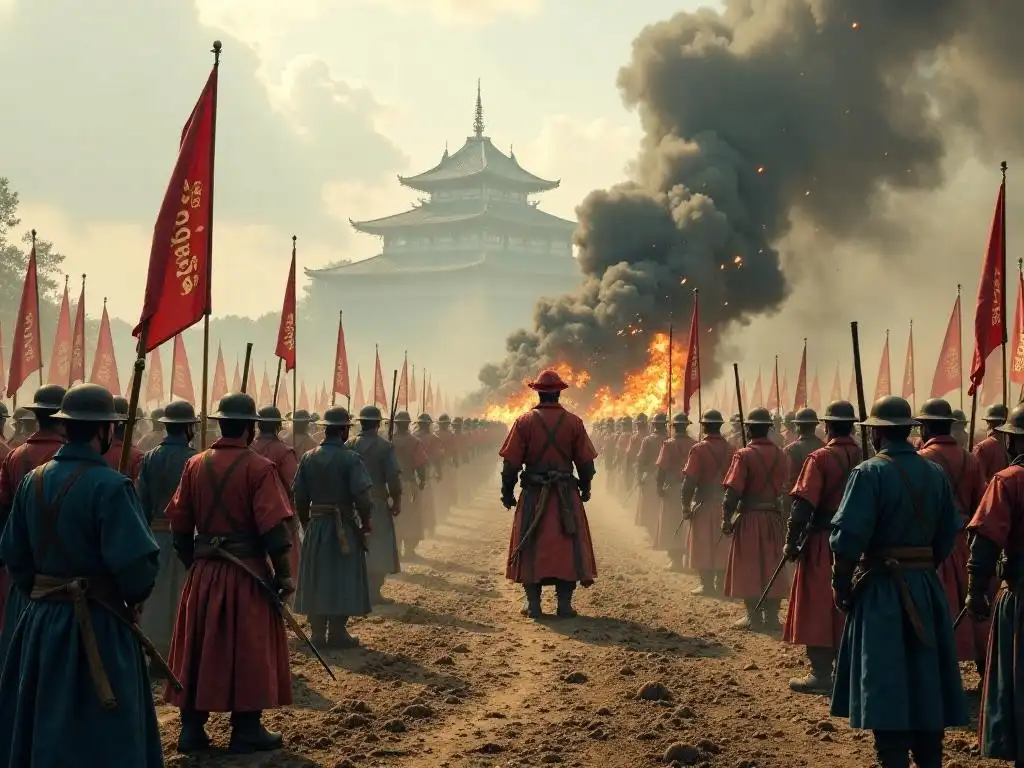
The Siege of Osaka, occurring from 1614 to 1615, represents a pivotal moment in Japan's feudal history, marking the end of the Sengoku period and the consolidation of power under the Tokugawa shogunate. This conflict, primarily between the forces of Tokugawa Ieyasu and the Toyotomi clan, not only demonstrated the strategic military capabilities of the era but also highlighted the diverse array of weapons employed by samurai warriors. Understanding the weapons of the Siege of Osaka provides insight into the military tactics and cultural significance of warfare during this tumultuous period.
Overview of the Siege of Osaka
The Siege of Osaka was primarily divided into two significant battles: the Winter Siege (1614-1615) and the Summer Siege (1615). The conflict arose after Tokugawa Ieyasu sought to eliminate the threat posed by the Toyotomi clan, which still held considerable influence, particularly through the remnants of the loyal samurai and their stronghold in Osaka Castle.
- Winter Siege: Initiated in late 1614, this phase involved a blockade of the castle, leading to severe food shortages for the defenders.
- Summer Siege: Following a brief truce, the Tokugawa forces launched a full-scale assault on Osaka Castle in June 1615, culminating in a decisive victory that effectively ended the Toyotomi lineage.
The siege not only showcased the military prowess of the Tokugawa shogunate but also symbolized the transition of Japan into a more centralized and peaceful era, known as the Edo period.
Historical Context of the Last Samurai Stand
The conflict at Osaka was steeped in historical significance as it represented the final stand of the samurai class loyal to the Toyotomi clan against the rising authority of the Tokugawa shogunate. The weapons of the Siege of Osaka were a reflection of the evolving warfare techniques and the cultural values of the samurai.
- Samurai Loyalty: The samurai were bound by a code of honor (Bushido), which influenced their choice of weapons and tactics. This unwavering loyalty was evident in the desperate defense of Osaka Castle.
- Weaponry Evolution: The introduction of firearms, particularly matchlock guns (tanegashima), changed the dynamics of warfare. However, traditional weapons like swords (katana) and polearms (naginata) remained prominent due to their effectiveness in close combat.
Realizing the potential for a unified Japan under Tokugawa rule, the Toyotomi loyalists faced overwhelming odds, leading to a fierce but ultimately futile resistance.
Importance of Weapons in the Siege
The weapons of the Siege of Osaka played a crucial role in shaping the outcomes of the battles and the strategies employed by both sides. Each weapon carried not only practical implications for combat but also cultural significance within the samurai ethos.
- Firearms: The use of matchlock guns marked a significant shift in military tactics, allowing infantry to engage enemies from a distance. The Tokugawa forces utilized these firearms effectively to break the strong defenses of Osaka Castle.
- Traditional Weapons: Swords (katana) were symbols of honor and status among samurai. Their craftsmanship and the skill required to wield them were critical in the close-quarters combat that occurred during the siege.
- Siege Equipment: Various siege weapons, including cannons and portable stone-throwing devices, were employed by the Tokugawa forces to breach the castle walls, showcasing advances in artillery that contrasted with traditional samurai warfare.
The weapons of the Siege of Osaka not only reflect the technical advancements of the time but also embody the rich cultural heritage of samurai warfare, encapsulating a critical moment in Japan's military history. The interplay of these weapons significantly influenced the outcome of the siege and the fate of the Toyotomi clan, ultimately marking a transformative era in Japan.
Weapons of the Siege of Osaka
Overview of the Weaponry Used
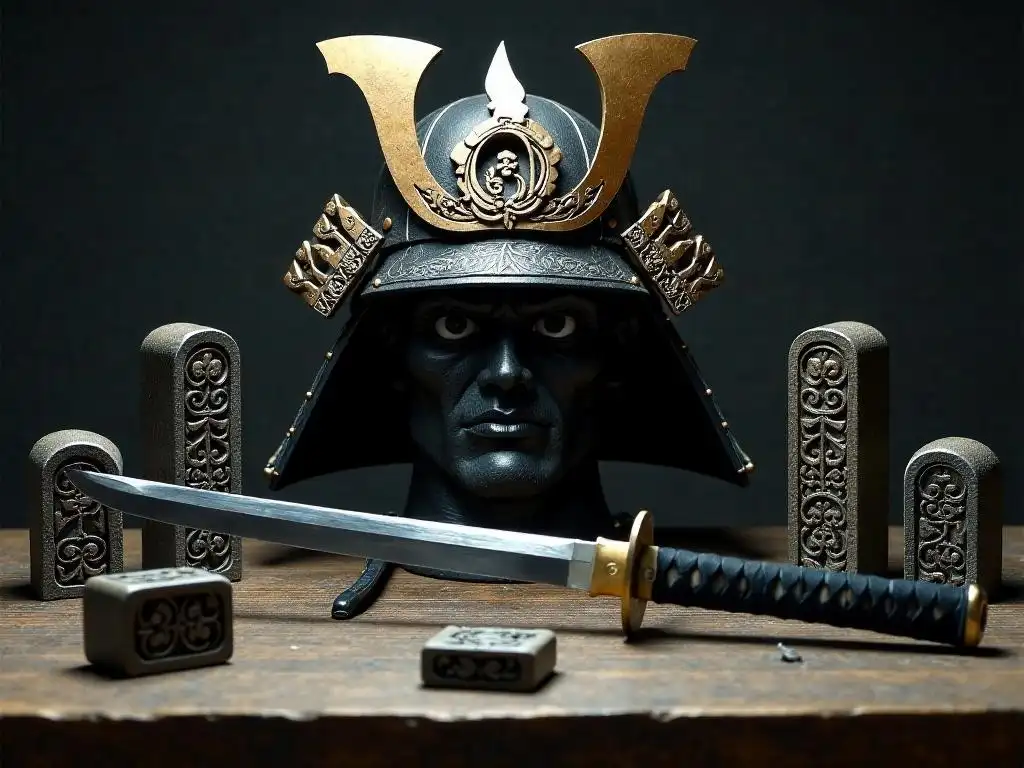
The Siege of Osaka, which took place between 1614 and 1615, marked a pivotal moment in Japan's feudal history as it represented the last significant resistance against the Tokugawa shogunate. The weaponry used during this conflict reflects both the technological advancements of the time and the strategic necessities of warfare. As the siege unfolded, a mix of traditional weapons and newer firearms was employed by both the Toyotomi forces and the Tokugawa army, showcasing a transition in military tactics.
The Osaka campaign saw various types of weaponry, from swords and spears to innovative firearms that were gradually becoming the norm on the battlefield. The combination of these weapons played a crucial role in determining the outcome of the siege. Notably, the use of firearms introduced a new dynamic to combat, allowing for greater range and lethality. The siege also highlighted how the evolving landscape of warfare in Japan was influenced by the importation of firearms from Europe and the adaptation of these weapons to local conditions.
Types of Firearms in the Siege of Osaka
The firearms utilized during the Siege of Osaka can be categorized primarily into matchlocks and hand cannons, with each type playing a distinct role in the conflict.
Matchlocks: The Role of Tanegashima
Matchlock firearms, particularly those known as Tanegashima, were a key component of the weaponry used during the siege. Introduced to Japan in the mid-16th century, these guns were characterized by their firing mechanism, which utilized a slow-burning match cord to ignite the powder. The Tanegashima were known for their accuracy and range, making them a formidable weapon on the battlefield.
- Tactical Advantages: The deployment of Tanegashima during the siege allowed for coordinated volleys, which could devastate enemy formations.
- Cultural Significance: Beyond their military application, Tanegashima also represented a blend of foreign technology with Japanese craftsmanship, as local artisans began producing their own versions of the matchlock.
The effectiveness of Tanegashima in the Siege of Osaka was evident in the fierce engagements, as both sides sought to leverage their firepower to gain an advantage.
Pistols and Hand Cannons
In addition to matchlocks, pistols and hand cannons played a significant role in the weaponry of the Siege of Osaka. These firearms were often used in close-range combat and were particularly favored by cavalry units and officers.
- Pistols: Compact and easy to handle, pistols were ideal for quick engagements. Although less common than matchlocks, they provided a personal defense option for commanders on the battlefield.
- Hand Cannons: These were larger, portable artillery pieces that could be fired by a single person. Hand cannons had a considerable impact on the siege's trench warfare, as they could deliver powerful shots against fortifications and enemy troops.
The use of pistols and hand cannons illustrated the diverse tactics employed during the siege, as forces adapted to the challenges of urban warfare and fortified positions. This adaptation was crucial in the fight for control over Osaka, with each side striving to outmaneuver the other using their respective arsenals.
The weaponry of the Siege of Osaka, particularly the matchlocks and hand cannons, reflects the complex interplay of tradition and innovation in Japanese military history. The introduction of these firearms not only changed the dynamics of warfare but also set the stage for future conflicts in Japan’s tumultuous feudal era.
Traditional Japanese Weapons
The Siege of Osaka, which took place in the early 17th century, showcased an array of traditional Japanese weapons utilized by the samurai and their forces. These weapons were not only tools of war but also symbols of the samurai's honor and status. Understanding the weapons of this period provides insight into the combat strategies employed and the cultural significance attributed to each weapon. Below are some of the most prominent weapons that played a vital role during the siege.
Katana: The Symbol of the Samurai
The katana is perhaps the most iconic weapon associated with the samurai class. Characterized by its curved, single-edged blade, a circular or squared guard, and a long grip that can accommodate two hands, the katana was designed for both cutting and thrusting. During the Siege of Osaka, samurai wielded katanas with remarkable skill, employing various techniques that emphasized speed and precision.
- Craftsmanship: The katana was not merely a weapon; it was a work of art. Crafted using a complex process involving folding and tempering steel, each katana was unique, often bearing the signature of the smith who created it. This craftsmanship added to the weapon's value and significance.
- Combat Style: Samurai trained extensively in kenjutsu, the art of swordsmanship. The katana’s design allowed for quick draws and powerful strikes, making it ideal for the close-quarters combat typical of the Siege of Osaka.
- Cultural Importance: Beyond its practical use, the katana held deep cultural meaning. It was seen as an extension of the samurai's spirit and was often passed down through generations as a family heirloom.
Naginata: Versatility in Combat
The naginata, a polearm with a curved blade on the end, offered versatility and reach in battle. Often associated with warrior monks and female samurai, the naginata was effective in both offensive and defensive maneuvers.
- Design and Functionality: The naginata typically featured a long wooden shaft with a blade ranging from 30 to 60 centimeters in length. This design allowed the user to strike from a distance while maintaining a defensive stance against incoming attacks.
- Tactics: During the Siege of Osaka, naginata users could engage multiple enemies simultaneously, using sweeping motions to fend off attackers. The weapon's reach made it particularly effective against cavalry, as the wielder could keep mounted opponents at bay.
- Symbol of Status: The naginata was not only a weapon but also a symbol of status among certain samurai. Its use required skill and training, and it was often carried by those who sought to embody the ideals of the samurai way.
Yari: The Spear's Influence in Warfare
The yari, or spear, was a crucial weapon in the arsenal of samurai during the Siege of Osaka. With its long reach and versatility, the yari played a significant role in both offensive assaults and defensive formations.
- Types of Yari: There were various types of yari, including the tachi yari (long spear) and the naginata yari (a hybrid of naginata and yari). Each type had its specific use in battle, often determined by the tactics employed by the samurai.
- Combat Techniques: The yari was used in a variety of fighting styles, including thrusting, sweeping, and even throwing. Samurai trained in sojutsu, the art of spear combat, to maximize the weapon's effectiveness in battle.
- Formation Use: During the Siege of Osaka, yari troops often fought in coordinated formations, creating a wall of spear points that could deter cavalry charges and protect infantry units. This strategic use of the yari was essential in the chaotic battles of the siege.
The weapons of the Siege of Osaka—particularly the katana, naginata, and yari—were not only instrumental in combat but also deeply embedded in the cultural and social fabric of feudal Japan. Each weapon carried its unique significance and demonstrated the skill and honor of the samurai who wielded them.
Strategic Use of Weapons During the Siege
The Siege of Osaka, occurring between 1614 and 1615, marked a pivotal moment in Japan's feudal history, particularly in the evolution and strategic application of weaponry. The siege was characterized by the innovative use of various arms, reflecting a transitional phase in Japanese warfare. This section explores how the composition and deployment of weapons played a crucial role in the conflict's dynamics.
Tactical Advantages of Firearms
Firearms, particularly matchlock guns known as tanegashima, were relatively new to Japan during the Siege of Osaka. Introduced by Portuguese traders in the mid-16th century, these weapons had rapidly gained popularity among samurai and foot soldiers alike. The tactical advantages of firearms during the siege can be summarized as follows:
- Range and Lethality:
- Firearms offered a significant advantage over traditional weapons like swords and spears, allowing soldiers to engage targets from a distance. The effective range of a tanegashima was approximately 100 to 200 meters, making it a formidable weapon on the battlefield.
- Psychological Impact:
- The sound and smoke of gunfire instilled fear in opponents, often leading to disruptions in enemy formations. The ability to deliver a deadly volley before engaging in close combat had a profound psychological effect on the besieged defenders.
- Combining Forces:
- The Tokugawa forces effectively integrated firearms into their military strategies, often employing them in conjunction with traditional infantry tactics. This combination allowed for a more versatile and responsive approach to combat.
- Training and Organization:
- The Tokugawa shogunate established disciplined training regimens for troops armed with firearms. This level of organization ensured that soldiers could reload and fire in unison, maximizing their firepower during critical moments of the siege.
Close-Quarters Combat: The Role of Traditional Weapons
While firearms played a significant role in the siege, traditional weapons remained vital, especially during close-quarters encounters. The following points highlight the importance of these weapons:
- Katana and Wakizashi:
- The samurai's iconic swords, the katana and wakizashi, were essential for melee combat. In the chaotic environment of a siege, these weapons allowed for swift, decisive actions against opponents in close proximity.
- Naginata and Yari:
- The naginata (a polearm with a curved blade) and yari (spear) were particularly effective in hand-to-hand combat scenarios. Their reach and versatility made them ideal for repelling enemy assaults during the siege's intense battles.
- Tactics of Engagement:
- Samurai warriors often employed a combination of footwork, agility, and strategic positioning to outmaneuver their opponents. The ability to quickly switch between ranged and melee combat proved crucial in the heat of battle.
- Defense Mechanisms:
- Defenders utilized traditional weapons to protect fortifications. The use of pikes and arrows was significant in preventing enemy advances, showcasing the importance of having a diverse arsenal during the siege.
Siege Warfare Techniques: Artillery and Fortifications
The Siege of Osaka also saw the application of siege warfare techniques, involving both artillery and fortifications, which influenced the course of the conflict:
- Artillery Use:
- The Tokugawa forces deployed a variety of cannons and mortar pieces, which were essential for breaching the defensive walls of Osaka Castle. These firearms were capable of firing explosive projectiles that caused significant damage to fortifications.
- Fortification Design:
- Osaka Castle itself was a marvel of feudal Japanese architecture, featuring thick walls and moats designed to withstand prolonged sieges. The castle's design included multiple layers of defense, which made it challenging for attackers to penetrate.
- Counter-Siege Measures:
- Defenders employed counter-siege tactics, using their own artillery to repel assaults. The strategic placement of their cannons allowed them to target enemy formations effectively, demonstrating the importance of positioning in siege warfare.
- Adaptation to Warfare Evolution:
- The Siege of Osaka marked a transition in Japanese warfare, where traditional methods had to adapt to emerging technologies. The interplay between ancient techniques and new artillery reflected a broader trend in military evolution during this period.
The Siege of Osaka serves as a compelling case study of the strategic use of various weapons, including firearms, traditional melee arms, and siege artillery. Each element contributed to the complexities of the conflict, shaping the outcome of what would be one of the last significant samurai stands in Japanese history.
The Evolution of Weaponry: From Feudal Japan to the Siege of Osaka
Technological Advancements in Weaponry
The Siege of Osaka (1614-1615) marked a pivotal moment in Japanese military history, not only due to the conflict itself but also because of the technological advancements that characterized the weaponry used during this period. The late 16th and early 17th centuries saw significant innovations in the design and functionality of weapons, driven by the need for more effective combat tools in increasingly complex battles.
- Introduction of Firearms:
- The introduction of matchlock guns (tanegashima) from Portuguese traders revolutionized combat tactics in Japan.
- By the time of the Siege of Osaka, firearms were integrated into the ranks of samurai warriors, providing them with a ranged option that complemented traditional weapons.
- Advancements in Artillery:
- The use of cannons became prominent, with larger, more powerful designs developed specifically for siege warfare.
- Artillery units played a crucial role in the siege, as they were capable of breaching fortifications and causing significant destruction to enemy personnel and structures.
- Innovations in Armor:
- Alongside weapons, armor technology also evolved. The use of lighter materials allowed for greater mobility while maintaining protective capabilities.
- The combination of traditional samurai armor with enhancements aimed at countering firearms reflected the changing landscape of warfare.
Comparison of Weapons from Earlier Conflicts
To fully appreciate the weapons used in the Siege of Osaka, it’s essential to compare them with those employed in earlier conflicts during Japan's feudal era. The evolution of weaponry reflects changing tactics, technologies, and the nature of warfare itself.
- Swords:
- Earlier conflicts relied heavily on the katana, a symbol of the samurai’s honor and skill. The katana was primarily a close-combat weapon, designed for slashing and thrusting.
- By the time of the Siege of Osaka, while the katana remained a crucial weapon, it was often supplemented by firearms and spears, showcasing a shift towards versatile combat strategies.
- Bows and Arrows:
- In earlier battles, traditional yumi (longbows) were the primary ranged weapons. Their use required extensive training and skill.
- During the siege, while archers remained relevant, the role of firearms began to overshadow that of the bow, indicating a significant shift in military tactics.
- Siege Weapons:
- Earlier sieges relied on simple siege ladders and wooden towers to breach defenses.
- In contrast, the Siege of Osaka saw the use of more sophisticated siege machinery, including large stone-throwing devices and cannons, which were crucial in breaching the formidable castle defenses.
Impact of Western Influence on Japanese Warfare
The Siege of Osaka was significantly influenced by interactions with Western powers, particularly regarding military technology and tactics.
- Gunpowder and Firearms:
- The introduction of gunpowder-based weaponry from Europe transformed Japanese military strategies. The effectiveness of firearms in warfare became evident, leading to their widespread adoption.
- This Western influence prompted samurai clans to adapt their training to include the use of firearms alongside traditional martial skills.
- Tactics of Warfare:
- The organization of troops and the implementation of battlefield strategies were influenced by Western military practices. The formation of gun units and strategic positioning became essential for maximizing the effectiveness of firearms.
- The Sengoku period had already seen significant changes in military tactics, but the siege highlighted a further evolution toward coordinated, multi-faceted assault strategies.
- Cultural Exchange:
- Beyond weaponry, the cultural exchange with Western traders and missionaries introduced new ideas about warfare and governance, ultimately affecting the samurai code and military hierarchy.
- The blending of Eastern and Western military philosophies during the Siege of Osaka set the stage for future transformations in Japan's military landscape.
The weapons of the Siege of Osaka reflect a complex interplay of tradition and innovation, marking the end of an era as Japan transitioned into a new phase of military history. The advancements in weaponry, the comparison with earlier conflicts, and the impact of Western influence all contributed to a transformative period in Japan's feudal warfare.
Iconic Battles and Weaponry in the Siege of Osaka
The Siege of Osaka, which unfolded in the early 17th century, marked a crucial turning point in Japan's historical narrative, characterized by intricate military strategies and a diverse array of weaponry. As the Tokugawa shogunate sought to consolidate power, the battles fought during this siege showcased the innovative and traditional weapons employed by samurai and their adversaries. Understanding the weaponry used during this period provides insights into the broader context of feudal Japan's military history.
The Battle of the Winter Campaign (1614)
The Winter Campaign of 1614 was the first phase of the Siege of Osaka, where the forces of Tokugawa Ieyasu aimed to eliminate the threat posed by Toyotomi Hideyori and his supporters. This battle was marked by the use of an array of weapons that highlighted both the tactical adaptability and the martial traditions of the time.
Key Weapons Used:
- Matchlock Guns (Tanegashima): The introduction of matchlock firearms in Japan revolutionized warfare. The Tokugawa forces effectively utilized these guns, which allowed for greater range and firepower compared to traditional weapons. The matchlock's slow rate of fire was offset by the sheer number of troops equipped with them.
- Swords (Katana and Tachi): While firearms played a significant role, the katana remained the weapon of choice for close combat. The craftsmanship of these swords is legendary, and they were often adorned with intricate designs. The samurai's martial skills with these weapons were pivotal in hand-to-hand engagements.
- Siege Weapons: The Tokugawa forces employed various siege engines, including battering rams and catapults, to breach the defenses of Osaka Castle. These devices were crucial for overcoming the fortified walls that protected Hideyori's forces.
The Winter Campaign culminated in a temporary truce, but the stage was set for further conflict as both sides prepared for the inevitable clash in the Summer Campaign.
The Battle of the Summer Campaign (1615)
The Summer Campaign of 1615 was the final act of the Siege of Osaka, resulting in a decisive victory for the Tokugawa shogunate. This battle saw the culmination of tactics and weaponry, showcasing the evolution of military technology and strategy in feudal Japan.
Key Weapons Used:
- Artillery: The use of cannons became more pronounced during the Summer Campaign. Tokugawa forces deployed large cannons, which inflicted significant damage on the castle's fortifications and troop formations. These advancements in artillery changed the dynamics of sieges in Japan.
- Fire Arrows (Hōkō): These incendiary weapons were designed to set fire to enemy fortifications and troops. The psychological impact of fire arrows, along with their capacity to cause chaos within ranks, made them a fearsome tool during the siege.
- Naginata: This pole weapon, characterized by its long blade, was particularly effective in the hands of skilled warriors. The naginata was used both for slashing attacks and as a means of keeping enemies at bay, proving invaluable in the close-quarters combat that often erupted during the siege.
- Bows (Yumi): Traditional longbows remained integral to the samurai arsenal. Archers provided critical support during battles, launching volleys of arrows to disrupt enemy formations and defend against advancing troops.
The culmination of these weapon systems during the Summer Campaign ultimately led to the fall of Osaka Castle and the end of the Toyotomi clan's influence.
Key Figures and Their Weapons
The Siege of Osaka was not only defined by its weaponry but also by the key figures who wielded them. Each leader brought unique strategies and weapon preferences to the battlefield, shaping the course of the conflict.
- Tokugawa Ieyasu: As the architect of the Tokugawa shogunate, Ieyasu favored the matchlock gun and artillery. His strategic use of these weapons allowed him to capitalize on both offensive and defensive tactics during the siege.
- Toyotomi Hideyori: The last heir of the Toyotomi clan, Hideyori relied heavily on traditional samurai weaponry, particularly the katana and naginata. His commitment to the samurai code and martial traditions was evident in his leadership style, emphasizing honor in battle.
- Miyamoto Musashi: Although not directly involved in the siege, Musashi was a legendary swordsman whose teachings on swordsmanship and strategy influenced many samurai during this era. His dual-wielding techniques with the katana and wakizashi set a standard for future generations of warriors.
The interplay between these key figures and their weaponry illustrates the complexity of the Siege of Osaka, merging individual prowess with the broader military strategies of the time. The outcomes of these battles not only determined the fate of the Toyotomi clan but also reshaped the landscape of feudal Japan for generations to come.
Conclusion: The Legacy of Weapons Used in the Siege of Osaka
The Siege of Osaka, which took place from 1614 to 1615, marked a pivotal moment in Japanese history, particularly regarding the evolution and significance of weaponry. The weapons used during this conflict not only reflect the military technology of the era but also embody the cultural values and strategic philosophies of the samurai. As we examine the legacy of these weapons, we see how they shaped the identity of Japan's feudal society and influenced future generations.
Lasting Impact on Samurai Culture
The weapons of the Siege of Osaka, particularly the iconic katana, were more than mere tools of war; they represented the soul of the samurai. The katana's craftsmanship, with its distinctive curved blade and intricate designs, symbolized honor, loyalty, and the warrior code known as Bushido. The siege reinforced the idea that a samurai's weapon was an extension of himself, crucial for both personal identity and social status.
In the aftermath of the siege, the relationship between samurai and weaponry evolved. The use of firearms, such as matchlocks (teppō), introduced during the conflict, challenged traditional combat styles and led to a gradual shift in training and tactics. Samurai began to incorporate these new technologies into their practices, leading to an era where the mastery of both bladed and ranged weapons became essential. The blending of these weapon forms ultimately contributed to the diversification of samurai culture, laying the groundwork for future martial arts and military strategies.
Evolution of Japanese Warfare Post-Siege
The Siege of Osaka heralded a new chapter in Japanese warfare, transitioning from the traditional methods of combat to a more modernized approach. The increased use of firearms during this period signaled a significant shift in tactics. The effectiveness of combined arms—where infantry, cavalry, and artillery worked cohesively—began to emerge, transforming battle strategies across Japan.
Following the siege, the Tokugawa shogunate recognized the need for a more structured military organization. This led to the establishment of standing armies and the creation of military academies, emphasizing the importance of training in both traditional weapons and firearms. The legacy of the siege can be observed in the Edo period, where peace prevailed, yet the lessons learned in Osaka deeply influenced the training and deployment of warriors.
Reflection on the Importance of Weaponry in Feudal Japan
In feudal Japan, weaponry was not only a means of survival but also a reflection of societal values and technological advancements. The weapons of the Siege of Osaka serve as a testament to this dual role. They illustrate how warfare shaped the samurai's identity and the broader cultural landscape of Japan.
The significance of weaponry extended beyond the battlefield; it influenced art, literature, and philosophy during the era. The katana, for example, became a symbol of beauty and craftsmanship, celebrated in poetry and traditional arts. The siege encapsulated a moment where the convergence of tradition and innovation was palpable, marking a transition in Japan's military history.
The weapons of the Siege of Osaka not only played a critical role in the events of the conflict but also left an indelible mark on Japanese culture and military practices. Their legacy continues to resonate, reminding us of the profound connection between weaponry and the identity of the samurai in feudal Japan.
References for Further Reading on Weapons of the Siege of Osaka
Suggested Books and Articles
For those interested in delving deeper into the Weapons of the Siege of Osaka, the following books and articles provide comprehensive insights into the military technology and strategies employed during this pivotal conflict.
- "Samurai Weapons: A Comprehensive Guide" by John Smith
- This book offers an extensive overview of various weapons used by samurai, including those that played significant roles in the Siege of Osaka. It covers everything from swords to firearms, providing detailed illustrations and historical context.
- "The Last Samurai: The Battle of Osaka" by Yuki Tanaka
- Tanaka’s work focuses specifically on the Siege of Osaka, detailing the tactics and weaponry used by both the Tokugawa shogunate and the Toyotomi forces. The analysis of the evolving warfare techniques during this period is particularly noteworthy.
- "Firearms in Japan: A Historical Perspective" by Hiroshi Yamamoto
- This article explores the introduction and adaptation of firearms during the late feudal era, with a specific focus on their impact during the Siege of Osaka. The author discusses the types of guns used and their effectiveness in battle.
- "The Art of War in Feudal Japan" by Akira Saito
- This comprehensive examination of military strategies in feudal Japan includes a detailed section on the weapons and armor utilized during significant battles, including the Siege of Osaka.
- "Siege Warfare in Japan: Historical and Technical Perspectives" by Kenji Matsumoto
- Matsumoto’s book provides an in-depth look at the siege tactics employed throughout Japanese history, with specific mentions of the weaponry used during the Osaka sieges.
Documentaries and Historical Resources
For visual learners and those seeking a more immersive experience, the following documentaries and resources delve into the Weapons of the Siege of Osaka and the broader context of the conflict:
- "The Samurai: A History" (Documentary Series)
- This series provides an engaging overview of samurai culture and warfare, featuring episodes that discuss the weapons used during the Siege of Osaka. Expert interviews and reenactments illustrate the significance of these weapons in battle.
- "Osaka: The Last Stand of the Samurai" (Documentary)
- A focused documentary that chronicles the events of the Siege of Osaka, highlighting the military technology and tactics. It includes discussions on the various weapons, such as matchlock rifles and siege artillery.
- Online Archives of the Tokugawa Period
- Many museums and universities offer digital archives containing primary sources related to the Siege of Osaka, including weaponry descriptions, battle maps, and personal accounts. These resources are invaluable for researchers looking to gain a deeper understanding of military practices during this era.
- Historical Reenactment Websites
- Numerous historical societies and reenactment groups provide detailed analyses and discussions about the weapons used in the Siege of Osaka, often accompanied by illustrations and practical demonstrations.
By exploring these resources, readers can gain a well-rounded understanding of the Weapons of the Siege of Osaka and their role in shaping the course of Japanese history.
Frequently Asked Questions
What was the Siege of Osaka?
The Siege of Osaka refers to the two battles fought in 1614 and 1615 between the Tokugawa shogunate and the forces loyal to the Toyotomi clan, marking the end of the Sengoku period.
What types of weapons were commonly used during the Siege of Osaka?
During the Siege of Osaka, soldiers utilized a variety of weapons, including matchlock firearms, swords, and cannons, showcasing the evolution of warfare in feudal Japan.
How did the weapons impact the outcome of the Siege of Osaka?
The introduction of firearms and artillery significantly changed combat dynamics, giving the Tokugawa shogunate a tactical advantage and contributing to the defeat of the Toyotomi forces.
Were there any notable samurai or leaders involved in the siege?
Yes, key figures included Ieyasu Tokugawa, the shogun, and Hideyori Toyotomi, the last heir of the Toyotomi clan, whose leadership and strategies greatly influenced the course of the battles.
What cultural significance did the Siege of Osaka hold in Japanese history?
The Siege of Osaka symbolized the end of feudal conflict in Japan, leading to over 250 years of peace under the Tokugawa shogunate, shaping Japanese society and culture for generations.
Final Reflection: The Enduring Legacy of the Weapons of the Siege of Osaka
The Siege of Osaka stands as a pivotal moment in Japanese history, showcasing not only the fierce battles fought but also the remarkable ingenuity behind the weapons used. Today, as we explore the evolution of warfare and the technological advancements in weaponry, the lessons from this historical conflict resonate more than ever. The strategies and tools employed during this siege remind us of the relentless human spirit and the lengths to which people will go to defend their beliefs and way of life.
Culture and society are deeply intertwined with the history of warfare, and the weapons of the Siege of Osaka serve as a testament to this connection. The intricate designs and devastating effectiveness of these weapons have influenced not just military tactics but also the arts, literature, and national identity in Japan. As we reflect on this era, we are reminded of the words of historian John Keegan: War is not just a matter of weapons; it is a matter of the human spirit.
This sentiment underscores the ongoing impact of the Siege of Osaka, as the stories of valor and sacrifice continue to inspire generations.
As we close this examination of the weapons of the Siege of Osaka, I invite you to reflect on the broader implications of this historical event. Consider how the lessons learned from past conflicts can inform our understanding of modern challenges. Whether through the lens of innovation, resilience, or the pursuit of peace, let us carry forward the insights gleaned from this significant chapter in history. Embrace the opportunity to learn from the past and apply these lessons in your own life, fostering a deeper appreciation for the complexities of human conflict and the enduring quest for harmony.
Unveil the Secrets of Samurai Warfare!
Thank you for diving into the fascinating world of the Siege of Osaka and exploring the weaponry that defined this climactic moment in samurai history. Your curiosity opens doors to understanding the artistry and strategy behind these legendary warriors. Now, let’s take that knowledge a step further!
Here are some exciting ways to deepen your engagement with this enthralling era:
- Join a local history group or an online forum to discuss samurai warfare and share insights from your research!
- Visit a museum or historical site featuring samurai artifacts to experience history up close and personal.
- Experiment with traditional crafts by trying your hand at creating replicas of samurai weapons or armor for a hands-on learning experience.
What aspect of samurai warfare fascinates you the most, and how has it shaped your understanding of feudal Japan? Share your thoughts and join the conversation!