
Women in Ashigaru Roles: Challenging Gender Norms in Feudal Japan

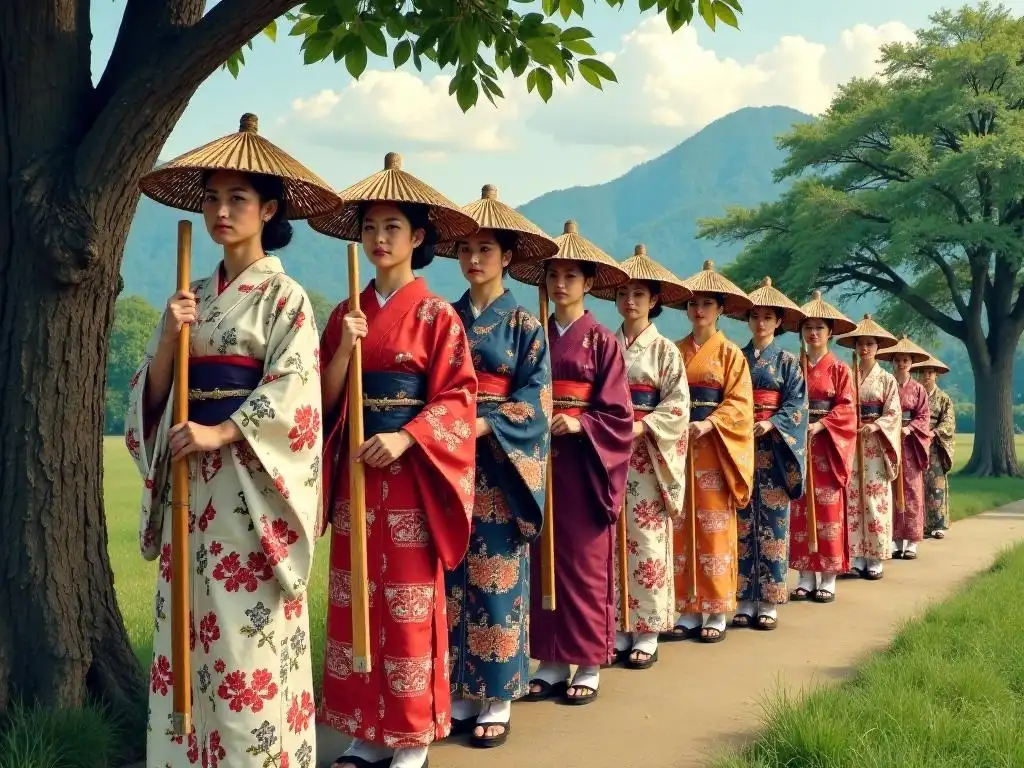
Welcome to Feudal Japan History, where we embark on a fascinating journey through the intricate tapestry of Japan's feudal era. Delve into our featured article, "Women in Ashigaru Roles: Challenging Gender Norms in Feudal Japan," as we uncover the extraordinary stories of women who defied societal expectations and carved their paths in a predominantly male-dominated military landscape.
Prepare to be captivated by the untold narratives of resilience and strength that shape our understanding of this remarkable period. Join us as we challenge perceptions and explore the dynamic roles women played in feudal Japan—you're just a click away from uncovering a history that defies the ordinary!
Introduction to Women in Feudal Japan
The narrative of women in Feudal Japan is often overshadowed by the dominant tales of samurai honor and military exploits. However, beneath the surface of this patriarchal society, women played significant roles that challenged the traditional gender norms of their time.
This article explores the unique contributions of women within the ashigaru—the foot soldiers of the samurai class—highlighting how they navigated and sometimes subverted the rigid societal expectations placed upon them. By examining the roles women held, we uncover a more nuanced understanding of their place in the military hierarchy and the broader implications of their involvement during a transformative period in Japanese history.
Overview of Gender Norms in Feudal Japan
In Feudal Japan, gender norms were deeply entrenched in societal structures, dictating the roles and responsibilities of men and women. The Confucian ideals prevalent during this era emphasized male authority and female subservience, resulting in a rigid social order. Women were primarily expected to manage domestic affairs, bear children, and support their husbands. However, the realities of war and the demands of survival during tumultuous periods forced many women to assume roles that diverged from these norms.
- Patriarchal Society: Men held the majority of power in both family and society.
- Domestic Roles: Women were often relegated to household duties.
- Resistance and Adaptation: Some women actively participated in military efforts, challenging these established norms.
The Role of Women in Society and Military
Despite the constraints placed upon them, women in Feudal Japan exhibited resilience and agency, particularly in times of conflict. Their involvement in military ventures often stemmed from necessity when men were away at war or when communities needed defense. Women not only supported the military efforts through logistics and supplies but also engaged directly in combat or assumed leadership positions in the absence of men.
- Support Roles: Women took on crucial logistical roles, managing supplies and caring for the wounded.
- Combatants: Historical accounts document instances of women fighting alongside men, displaying courage and skill.
- Leadership: Some women emerged as leaders, guiding their communities in times of crisis.
Understanding Ashigaru in Feudal Japan
The ashigaru were foot soldiers who played a pivotal role in the military structure of Feudal Japan. Understanding their definition, historical context, and functions is essential to grasping the significance of women's involvement in these ranks.
Definition and Historical Context of Ashigaru
Ashigaru were typically lower-ranking soldiers who served the samurai class. Initially, they were often peasant conscripts, but over time, they evolved into a more organized and integral part of the military. Their role became increasingly important during the Sengoku period (1467-1615), a time marked by social upheaval and constant warfare.
- Origins: Ashigaru emerged as a response to the need for larger armies.
- Social Mobility: Some ashigaru could rise through the ranks, gaining prestige and land.
- Tactical Importance: Their effectiveness in battle contributed significantly to the outcomes of many conflicts.
Military Functions and Responsibilities of Ashigaru
Ashigaru were not only foot soldiers but also played diverse roles within the military framework. They were responsible for various tasks that extended beyond mere combat, including logistics, intelligence gathering, and even participating in sieges.
- Combat: Armed with spears and later firearms, they formed the backbone of the samurai forces.
- Logistics: They managed supplies, helping to ensure that troops were well-equipped.
- Siege Warfare: Ashigaru participated in both offensive and defensive operations, adapting to the needs of the moment.
By examining the intersection of gender roles and the military functions of ashigaru, we can appreciate the complexity of women's contributions to Feudal Japan's military history. As we delve deeper into this topic, we will uncover specific examples and stories that highlight the resilience and strength of women in these challenging roles.
Women’s Participation in Ashigaru Roles
The role of women in the military landscape of feudal Japan, particularly among the ranks of the ashigaru, showcases a fascinating departure from the traditional gender norms of the era. While the samurai class was predominantly male, the ashigaru, who were foot soldiers, presented a unique scenario where women's involvement was not entirely absent. Women occasionally took on roles that mirrored those of their male counterparts, especially during times of conflict and instability, where the need for manpower was critical.
Women participated in various capacities within the ashigaru ranks, often taking on supportive roles such as logistics and healthcare, but there are instances where they engaged directly in combat. This involvement challenges the stereotype of women being relegated solely to domestic spheres, illustrating their adaptability and resilience. Accounts from historical texts and records indicate that women sometimes donned armor and fought alongside men, particularly in defense of their homes and communities during sieges or battles.
Historical Evidence of Women as Ashigaru
Historical records provide compelling evidence of women serving in ashigaru roles, although such accounts are often fragmented and less documented than those of their male counterparts. Documents from the Sengoku period, a time of significant military conflict in Japan, hint at instances where women took up arms. For example, some clan leaders would recruit women to defend their castles or engage in skirmishes, particularly when male warriors were scarce due to ongoing battles.
One notable source is the Chronicles of the Samurai, which reference women participating in battle alongside male ashigaru. Additionally, the Tales of the Heike includes stories of women who fought valiantly in defense of their families. These historical accounts, while anecdotal, underscore the contributions of women to the military efforts of the time and reflect a more complex social structure than previously understood.
Case Studies of Notable Women in Ashigaru Positions
Several notable women exemplify the active roles women held within ashigaru ranks. One such figure is Tomoe Gozen, a legendary warrior known for her prowess in battle during the late Heian period. Although primarily associated with the samurai class, her story illustrates how women could transcend societal expectations in military contexts. Her participation in battles and leadership in combat scenarios serves as an inspiring example of female agency during feudal Japan.
Another example includes Kikyo, a woman mentioned in clan records who is said to have led a group of female soldiers during a siege. Her strategic acumen and bravery in combat highlight how some women not only participated in the military efforts but also took on leadership roles within ashigaru units. Such cases challenge the narrative that women were merely passive figures in the feudal military structure, revealing their capacity for influence and action.
Challenges Faced by Women in Ashigaru Roles
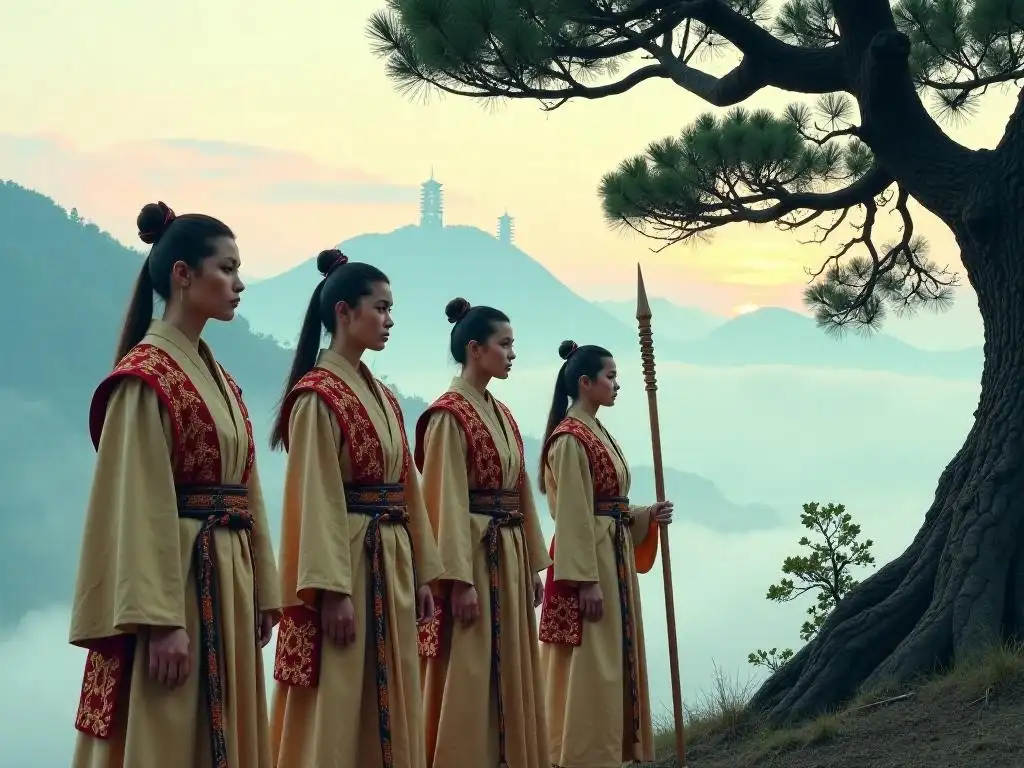
Despite their involvement, women in ashigaru roles faced numerous challenges that hindered their full participation in the military sphere. These challenges were largely rooted in the prevailing social and cultural norms of feudal Japan, which dictated rigid gender roles and expectations.
Social and Cultural Barriers
The societal expectations placed on women during feudal Japan created significant barriers to their participation in ashigaru roles. The Confucian ideals that dominated the era emphasized women's roles as caretakers and homemakers, thereby discouraging any military involvement. Women who sought to join the ranks of ashigaru often faced ostracism and disapproval from their communities, which viewed military service as inappropriate for women.
Additionally, the lack of formal recognition and documentation of women's contributions in military history further perpetuated their marginalization. Many women who fought or supported military campaigns did so without acknowledgment, leading to a historical narrative that often overlooks their involvement. This cultural bias not only limited the opportunities available to women but also reinforced the notion that their primary responsibilities lay within the domestic sphere.
Military Limitations and Expectations
In the context of military engagement, women faced inherent limitations that affected their roles as ashigaru. While some were able to fight, they often lacked access to the same training and resources as their male counterparts. The societal notion that women were physically weaker than men contributed to their exclusion from formal military training programs, which were predominantly male-dominated.
Moreover, the expectations placed upon women to fulfill traditional roles meant that those who did engage in combat were often viewed with skepticism. They were frequently relegated to auxiliary positions or tasked with non-combat duties, such as tending to the wounded or managing supplies. This dual burden of expectation and limitation served to constrain the potential of women within the military framework, ultimately shaping their experiences and contributions in the ashigaru roles.
The Impact of Women's Involvement in Ashigaru Roles
The involvement of women in Ashigaru roles during feudal Japan marked a significant shift in the perception of gender within the military framework. While the Ashigaru were primarily foot soldiers, often seen as the lower tier of samurai warriors, women's participation in these roles challenged the traditional view that military service was exclusively male. This involvement not only expanded the definition of military service but also showcased women's capabilities in a domain typically dominated by men.
Women who took on Ashigaru roles often did so out of necessity, especially during times of conflict when the male population was away fighting. Their participation contributed to the sustenance of their families and communities, reinforcing the idea that women's roles were crucial to the survival of society. As these women engaged in battles, trained in combat, and assumed responsibilities that were traditionally male-dominated, they began to alter the narrative surrounding gender roles in feudal Japan.
This shift in perception had a ripple effect throughout society. The involvement of women in military roles led to a gradual acceptance of their capabilities, paving the way for future generations to redefine their societal roles. Moreover, it sparked discussions about equality and women's rights, even if those conversations were nascent at the time.
Changing Perceptions of Gender Roles in Feudal Japan
The active participation of women in Ashigaru roles played a pivotal role in changing perceptions of gender roles in feudal Japan. Traditionally, women were relegated to domestic spheres, primarily responsible for household management, child-rearing, and maintaining family honor. However, as women donned armor and wielded weapons alongside men, the rigid boundaries of gender roles began to blur.
This transformation was not instantaneous; it evolved over time. The visibility of women in combat situations and their effectiveness in these roles challenged the prevailing narrative that equated masculinity with martial prowess. As women demonstrated their valor and skill, societal attitudes slowly began to shift, with some recognizing that courage and strength were not inherently linked to gender.
Furthermore, this evolving perception was often reflected in cultural narratives, literature, and art of the period, which started to depict women as warriors and leaders rather than mere supporters of men. The acknowledgment of women's contributions to military efforts began to foster a more inclusive view of gender roles within the broader context of feudal society.
Contributions to Military Strategies and Outcomes
Women in Ashigaru roles made significant contributions to military strategies and outcomes during various conflicts in feudal Japan. Their unique perspectives, often stemming from their experiences in domestic life, provided valuable insights into logistics, resource management, and community organization. Women were adept at rallying support from local populations, which was crucial for maintaining troop morale and securing supplies during prolonged campaigns.
In many instances, women played key roles in intelligence gathering, using their positions within communities to gather information that could be pivotal in battle. Their ability to navigate social networks often allowed them to obtain intelligence about enemy movements and strategies, which could shift the tide of conflict in favor of their forces.
Moreover, the presence of women on the battlefield could also serve as a morale booster for troops. Their involvement often inspired both men and other women, reinforcing the notion that everyone had a role to play in the defense of their land. This collective effort helped to strengthen military units and contributed to various successful engagements throughout Japan's feudal era.
Comparative Analysis: Women in Ashigaru vs. Other Military Roles
The role of women as Ashigaru provides an intriguing contrast to their counterparts in other military roles during feudal Japan. While both positions faced societal constraints, the nature of their contributions and the recognition they received varied significantly.
Women in Samurai Families and Their Influence
Women in samurai families often held influential positions, albeit in different capacities compared to Ashigaru women. Samurai women were generally expected to manage household affairs, raise children, and uphold family honor, but many also engaged in the martial arts and received training in combat. Their influence was often exercised through their familial connections, leveraging their status to affect political decisions or military alliances.
Unlike Ashigaru women, who were typically seen as foot soldiers with limited status, women from samurai families were often afforded a degree of respect and recognition due to their lineage. Their roles in nurturing the next generation of samurai and maintaining family honor were crucial, and they sometimes played significant roles in political maneuvering. This distinction highlights a stark difference in societal perception between women in Ashigaru roles and those from the higher echelons of samurai society.
Differences in Opportunities and Recognition
The opportunities available to women in Ashigaru roles were often less than those afforded to women in samurai families. While Ashigaru women could participate actively in military campaigns, their status was typically lower, and they faced greater social stigma. Recognition for their contributions was minimal, as military achievements were frequently overshadowed by the accomplishments of their male counterparts.
In contrast, women from samurai families could gain recognition through their connections and lineage, as well as their roles in maintaining family honor. They often had access to training in martial arts, which provided them with skills that were not as readily available to Ashigaru women. This disparity in opportunities underscores the complexities of gender roles in feudal Japan, revealing a nuanced landscape where social class significantly influenced women's experiences and recognition in military contexts.
The roles of women in Ashigaru positions were critical in challenging and reshaping gender norms in feudal Japan, while also highlighting the differences in opportunities and societal perceptions compared to women in samurai families. Their contributions, though often overlooked, played a vital role in the military landscape of the era.
Legacy of Women in Ashigaru Roles
The legacy of women who engaged in Ashigaru roles during Japan's feudal era is a fascinating aspect of the country's military history. These women, often relegated to the background in traditional narratives, played vital roles in supporting the Ashigaru, the foot soldiers of samurai clans. Their contributions ranged from logistical support, such as preparing supplies and maintaining equipment, to direct involvement in battles, particularly during sieges or conflicts where their presence was necessary.
Historically, these women challenged the rigid gender norms of their time, which relegated women primarily to domestic spheres. By stepping into roles traditionally held by men, they not only contributed to military efforts but also began to shift perceptions regarding women's capabilities. The existence of women in these military roles thus seeds the early notions of gender equality in Japan, setting a precedent for future generations.
Lasting Effects on Gender Norms in Japanese History
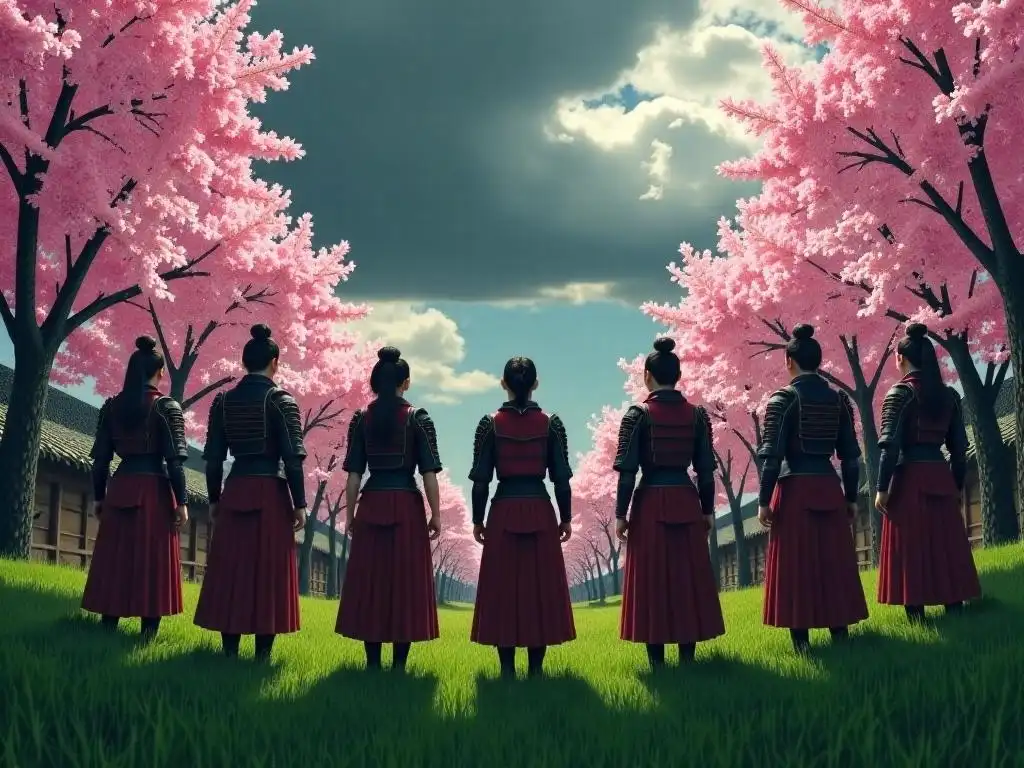
The involvement of women in Ashigaru roles contributed to a gradual transformation in gender norms within Japanese society. While the feudal system predominantly reinforced patriarchal structures, the active participation of women in the military sphere highlighted their potential beyond domestic duties. This involvement sparked discussions about women's rights and capabilities, influencing later periods, including the Edo period, when women began to occupy more visible roles in society.
Despite the eventual return to stricter gender roles, the legacy of these women persisted. They became symbols of resilience and strength, and their stories began to emerge in folklore and historical accounts, influencing cultural perceptions of women in Japanese society. The recognition of these contributions has led to a more nuanced understanding of women's roles throughout Japanese history, challenging the notion that they were passive participants in a male-dominated world.
Modern Perspectives on Women in Feudal Japan
In contemporary discussions about feudal Japan, the role of women, particularly those in Ashigaru positions, has gained increased attention. Modern historians and scholars strive to uncover the lives of these women, analyzing primary sources and historical texts to shed light on their experiences and contributions. This has led to a reevaluation of the narratives that have traditionally centered on men, allowing for a more inclusive understanding of Japan's past.
Moreover, the acknowledgment of women's roles in feudal Japan encourages a broader examination of gender dynamics within historical contexts. By highlighting the complex interplay between gender, class, and military involvement, modern scholarship fosters a deeper appreciation for the diverse experiences of women during this period. This shift in perspective not only honors the legacy of women in Ashigaru roles but also inspires discussions about the ongoing evolution of gender roles in contemporary Japan.
Conclusion
Summary of Key Findings on Women in Feudal Japan
Women in Ashigaru roles played a significant part in the military landscape of feudal Japan. Their involvement not only challenged prevailing gender norms but also contributed to the shaping of societal perceptions regarding women's capabilities. Key findings reveal that these women provided crucial support to military operations, engaged in combat when necessary, and helped to foster a dialogue about gender roles that would reverberate through subsequent historical periods.
The legacy of these women is an important aspect of understanding the multifaceted nature of Japanese history, illustrating that women's contributions were integral to the cultural and social fabric of the time. Recognizing these contributions is essential for a comprehensive understanding of Japan's feudal era.
Reflection on the Importance of Recognizing Women’s Roles in History
Reflecting on the importance of recognizing women's roles in history, it becomes clear that these narratives are vital for creating an accurate and inclusive portrayal of the past. By acknowledging the contributions of women in Ashigaru roles, scholars and enthusiasts of feudal Japan can challenge traditional historical narratives that often overlook or diminish female participation.
Understanding the roles of women in military contexts not only enriches the study of history but also empowers modern discussions about gender equality and representation. It emphasizes the necessity of a holistic approach to history that values diverse perspectives, fostering a deeper appreciation for the complexities of social dynamics in feudal Japan. Ultimately, recognizing the roles of women in this era serves as a reminder of the resilience and strength that have always existed within societies, regardless of the constraints imposed by gender norms.
- Introduction to Women in Feudal Japan
- Understanding Ashigaru in Feudal Japan
- Women’s Participation in Ashigaru Roles
- Historical Evidence of Women as Ashigaru
- Challenges Faced by Women in Ashigaru Roles
- The Impact of Women's Involvement in Ashigaru Roles
- Comparative Analysis: Women in Ashigaru vs. Other Military Roles
- Legacy of Women in Ashigaru Roles
- Lasting Effects on Gender Norms in Japanese History
- Modern Perspectives on Women in Feudal Japan
- Conclusion
- What were the roles of women in Ashigaru society during Feudal Japan?
- How did women's roles in Feudal Japan challenge traditional gender norms?
- Were there any notable women in Ashigaru roles during Feudal Japan?
- How did the societal perception of women change during the feudal era?
- What can we learn from the roles of women in Feudal Japan today?
Frequently Asked Questions
What were the roles of women in Ashigaru society during Feudal Japan?
Women in Ashigaru society often took on various roles, including managing households and supporting their families. They contributed to the military efforts by tending to the needs of the soldiers.
How did women's roles in Feudal Japan challenge traditional gender norms?
The involvement of women in Ashigaru roles showcased their ability to engage in activities typically reserved for men, thereby challenging the strict gender norms of the era. This shift opened up discussions about women’s capabilities beyond domestic spheres.
Were there any notable women in Ashigaru roles during Feudal Japan?
Yes, there were notable women who played significant roles in Ashigaru units. Their stories highlight the resilience and leadership that women exhibited, proving that they were integral to the military and societal fabric of the time.
How did the societal perception of women change during the feudal era?
The perception of women evolved as they began to take on more active roles in society and warfare. This gradual change prompted a reevaluation of women’s contributions and their status within the feudal hierarchy.
What can we learn from the roles of women in Feudal Japan today?
The experiences of women in Ashigaru roles can inspire modern discussions on gender equality and the importance of recognizing historical contributions of women in shaping society. Their stories remind us of the ongoing struggle against gender stereotypes.
Final Reflection: Empowering Voices of Women in Feudal Japan
The exploration of women in Ashigaru roles during feudal Japan reveals a profound narrative that resonates with contemporary discussions on gender equality and empowerment. Today, as we navigate a world still grappling with gender norms and expectations, the stories of these women remind us that the fight for equality has deep historical roots. Their courage to challenge societal limitations serves as a powerful testament to the resilience of women throughout history, urging us to reflect on our own roles in fostering change.
The influence of women in feudal Japan extends beyond their historical context, shaping cultural narratives and social frameworks that persist today. These women, often overlooked in traditional historical accounts, embody the spirit of defiance and strength that continues to inspire movements for gender equality. As we examine their contributions, we recognize that their legacy is not merely a relic of the past but a living testament to the ongoing struggle for women's rights. The most common way people give up their power is by thinking they don’t have any.
– Alice Walker. This quote encapsulates the essence of empowerment that these women exemplified, challenging us to acknowledge our own potential for influence.
As we conclude this exploration, I invite you to reflect on the lessons learned from the women in feudal Japan and consider how their stories can inspire action in our lives today. Let us honor their legacy by challenging the norms that still seek to limit us and by supporting one another in our journeys toward equality. Embrace your voice, share your story, and become an advocate for change, for every action taken today contributes to a more equitable future for all.
Unveil Your Power: Embrace the Legacy of Women in Ashigaru Roles!
Thank you for exploring the inspiring world of women in Ashigaru roles during Feudal Japan! We hope you gained valuable insights into how these remarkable individuals challenged gender norms and reshaped history. Now, it's time to take action and honor their legacy!
- Share the story! Write a post on social media about what you've learned and tag us to engage with others who might be interested in this topic.
- Dive deeper! Explore further by reading books or articles that delve into the lives of extraordinary women throughout history.
- Join the conversation! Connect with a history group or forum to discuss how gender roles have evolved over time and what lessons we can learn from the past.
What unique perspective do you think women in Ashigaru roles offer us today about breaking barriers and redefining strength?