
The Role of Honor in Samurai Battles: More Than Just Survival

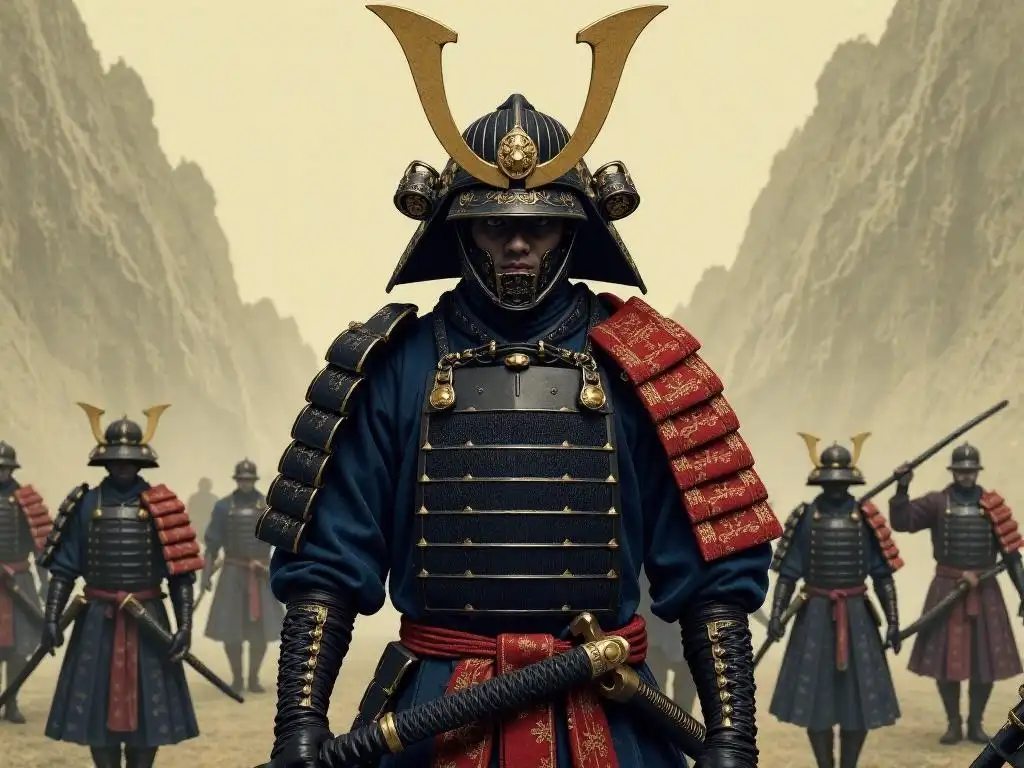
Welcome to Feudal Japan History, where we embark on a captivating journey through the intricate tapestry of Japan's feudal era. Here, we delve deep into the Samurai honor in battles, exploring not just the clash of swords but the profound principles that defined these legendary warriors. What drove them to fight with such fierce conviction? How did their unwavering commitment to honor shape the very fabric of Japanese society? Join us as we unravel these compelling questions and discover the rich narratives that illuminate the spirit of the samurai. Your adventure into the heart of military history begins now!
Introduction to Samurai Honor in Battles
The concept of honor holds a pivotal place in the history of the samurai, influencing not only their personal conduct but also the very fabric of warfare during Japan’s feudal era. While battles were fought for survival and territorial gains, the underlying principles of honor guided samurai actions on and off the battlefield.
Samurai honor in battles transcended mere ambition; it was a code that dictated the samurai’s behavior, shaping their identities as warriors and leaders. This article delves into the nuanced role of honor in samurai battles, examining how this ethos dictated their strategies and decisions and ultimately impacted the outcomes of significant conflicts.
Definition of Samurai Honor
Samurai honor, often referred to as "bushido," represents the ethical code and moral principles that governed the samurai class. It encompasses virtues such as loyalty, bravery, and righteousness, forming the backbone of a samurai's identity. At its core, bushido emphasizes the importance of personal integrity and the commitment to one's lord and comrades. The samurai believed that maintaining honor was essential not only for personal redemption but also for the honor of their clan and family.
Importance of Honor in Samurai Culture
Honor played a critical role in samurai culture, influencing their social standing and interactions. A samurai's reputation was paramount; actions that compromised honor could lead to disgrace, not just for the individual but also for their lineage. This emphasis on honor often resulted in a strict adherence to loyalty, with samurai expected to serve their lords unwaveringly. The notion of seppuku, or ritual suicide, exemplifies the lengths to which samurai would go to preserve their honor, demonstrating that losing one's honor was seen as worse than death itself.
Historical Context of Samurai Warfare
Overview of the Feudal Era in Japan
The feudal era in Japan, spanning from the late 12th century to the mid-19th century, was characterized by a decentralized political structure dominated by powerful landowners and their samurai retainers. This period witnessed the rise of the samurai as a distinct social class, skilled in martial arts and deeply influenced by the bushido code. The constant power struggles among feudal lords, known as daimyo, shaped the landscape of warfare, with samurai acting as both warriors and administrators in their quest for honor and loyalty.
Evolution of Samurai Warfare Tactics
As warfare evolved throughout the feudal era, so too did samurai tactics. Initially reliant on individual combat and traditional weapons, such as the katana, samurai began to adopt more strategic approaches influenced by the principles of honor. The rise of mounted archery and coordinated troop movements illustrated a shift from solitary battles to more organized warfare, emphasizing the importance of honor in collective efforts. The samurai's commitment to their code dictated their engagement strategies, fostering a culture of discipline and unity in the face of adversity.
Key Battles Influenced by Samurai Honor
Several key battles throughout Japan's feudal history exemplify the profound influence of honor on samurai engagement. For instance, the Battle of Sekigahara in 1600 not only determined the future of the Tokugawa shogunate but also highlighted the samurai's struggle between loyalty and personal honor. The Siege of Osaka further illustrates how honor influenced decisions, as samurai chose to fight valiantly for their lord, even in the face of overwhelming odds. These battles underscore the complex interplay between survival instincts and the unwavering commitment to honor that defined samurai warfare.
The Concept of Honor in Samurai Philosophy
Honor was a fundamental tenet of the samurai culture, intricately woven into the fabric of their identity and actions. It transcended mere survival, encompassing a complex array of values, ethics, and personal responsibility. For the samurai, maintaining honor was paramount; it dictated their behavior in both public and private life, influencing decisions and interactions. This concept of honor was not just a personal attribute but a societal expectation, deeply rooted in the historical context of Japan's feudal system.
The samurai's relationship with honor was shaped by their commitment to a code of conduct that emphasized courage, respect, and integrity. This philosophical grounding led to a culture where honor could often take precedence over life itself. The expectation to act honorably, even in the face of death, reinforced a warrior's status and legacy. As a result, the concept of honor became a powerful motivator, driving samurai to uphold their values and protect their clan's reputation, often at great personal cost.
Bushido: The Way of the Warrior
Bushido, meaning "the way of the warrior," served as the ethical framework guiding samurai conduct. It emerged during the Kamakura period (1185–1333) and solidified into a codified form during subsequent eras. Bushido encompassed various virtues, including righteousness, courage, benevolence, respect, honesty, honor, and loyalty. Each of these principles played a critical role in shaping the samurai’s approach to warfare and their perception of honor.
The essence of Bushido was not merely to win battles but to fight with a sense of duty and morality. This philosophy emphasized that the samurai’s actions must reflect their inner values, leading them to make decisions that aligned with their understanding of honor. For instance, a samurai would prefer to die valiantly in battle rather than live with the shame of dishonor. This adherence to Bushido created a unique culture where bravery and ethical conduct were intertwined, making the samurai not just fighters, but also guardians of societal values.
Key Principles of Bushido Related to Honor
Several key principles of Bushido are particularly relevant to the concept of honor:
- Gi (Righteousness): The samurai's commitment to justice and moral integrity, ensuring that their actions align with ethical standards.
- Yū (Courage): The courage to face danger without fear, exemplifying bravery in battle as a means of upholding honor.
- Jin (Benevolence): The practice of compassion and altruism, reflecting an honorable character that values the lives of others.
- Rei (Respect): The importance of treating others with dignity, fostering respect even towards adversaries as a reflection of one’s honor.
- Makoto (Sincerity): The dedication to honesty and truthfulness, which reinforced the samurai’s personal integrity and honor.
These principles collectively guided samurai behavior in warfare and daily life, influencing their decisions and interactions within the feudal hierarchy.
The Relationship Between Honor and Loyalty in Samurai Culture
Honor and loyalty were inseparable in samurai culture, forming a symbiotic relationship that defined the samurai's identity. Loyalty, particularly to one's lord or clan, was viewed as a manifestation of honor. The samurai's commitment to their lord was not only a matter of duty but also a reflection of their personal honor. Betrayal or failure to support one's lord could lead to a loss of honor, not just for the individual but for their entire family or clan.
This relationship was vividly illustrated during critical moments in battles or political turmoil. Samurai were often faced with the choice between personal survival and loyalty to their lord. Upholding loyalty often meant sacrificing one’s life, as the samurai believed that dying in service to their lord was the ultimate expression of honor. Such decisions were not taken lightly, and the weight of loyalty often dictated the samurai's actions in battle, reinforcing the cultural narrative that honor and loyalty were the cornerstones of their existence.
The Impact of Honor on Samurai Battle Strategies
Honor significantly influenced samurai battle strategies, shaping their approaches to warfare and conflict resolution. The desire to maintain honor often dictated the methods employed in warfare, leading to tactics that emphasized valor over sheer survival. Samurai were trained to engage in battles that allowed for honorable combat, often adhering to formalized rules of engagement, known as koden.
The emphasis on honor also meant that samurai would sometimes choose to engage in battle even when the odds were against them. The fear of dishonor could outweigh the instinct for self-preservation, leading to bold yet perilous strategies. This impact on battle strategies not only defined individual warriors but also influenced the outcomes of larger conflicts throughout feudal Japan.
Honor vs. Survival: A Samurai's Dilemma
The dilemma between honor and survival was a recurring theme in samurai warfare. Samurai warriors often faced situations where they had to choose between adhering to their code of honor or prioritizing their survival. This conflict could manifest in various ways, such as refusing to retreat from battle to preserve their reputation or engaging in combat against overwhelming odds.
Instances like the Seppuku ritual exemplify this dilemma, where a samurai would choose to take their own life rather than live with the shame of defeat or dishonor. This act was seen as a noble resolution to maintain one's honor, reinforcing the idea that for samurai, survival was secondary to maintaining their ethical standing and legacy. Such decisions had profound implications, influencing not only the individual samurai but also their families and clans.
Case Studies of Samurai Decisions Driven by Honor
Historical case studies illustrate the profound influence of honor on samurai decisions. One notable example is the 47 Ronin, a legendary tale where a group of samurai avenged their lord’s dishonorable death. Despite knowing that their actions would lead to their own execution, these warriors chose honor over their lives, embodying the quintessential samurai ethos.
Another example is the Battle of Sekigahara (1600), where many samurai made strategic choices based on loyalty to their lords. The decision by certain clans to support Tokugawa Ieyasu, despite potential risks, was driven by a sense of honor and loyalty that influenced the battle's outcome. These case studies highlight how deeply embedded the concept of honor was within samurai culture, guiding their actions even in the most challenging circumstances.
Examples of Honor-Driven Tactics in Notable Battles
Throughout history, samurai battles often showcased honor-driven tactics that reflected the principles of Bushido. In the Battle of Kawanakajima (1561), for instance, Takeda Shingen and Uesugi Kenshin engaged in direct, face-to-face combat, emphasizing honor in their confrontations rather than using underhanded tactics. The respect shown in these encounters reinforced the samurai's commitment to honorable warfare.
Another example can be seen in the Siege of Osaka (1614-1615), where samurai forces adhered to strict codes of conduct, refusing to attack non-combatants or engage in dishonorable tactics. This adherence to honor not only defined the samurai's approach to battle but also shaped the cultural narrative surrounding warfare in feudal Japan, reinforcing the idea that honor was integral to the samurai identity.
Honor in the Face of Defeat
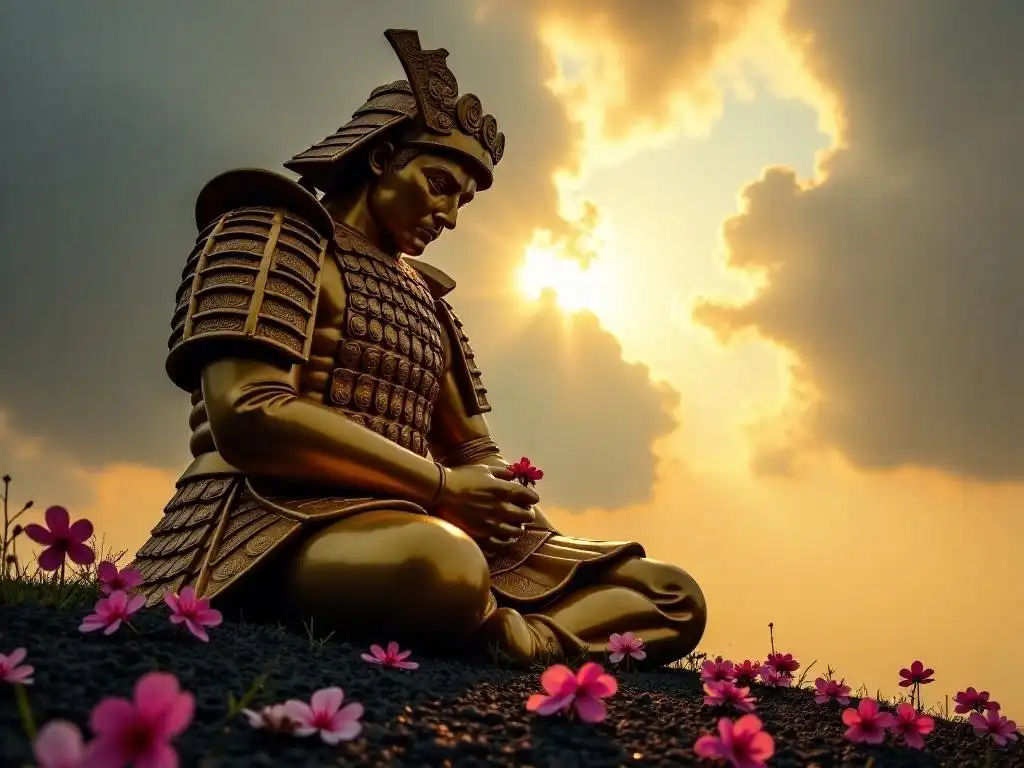
In feudal Japan, the concept of honor was intricately woven into the fabric of samurai culture, especially when it came to battles. For the samurai, defeat was not merely a tactical setback; it was often perceived as a profound personal failure that could lead to a loss of honor. This societal expectation placed immense pressure on samurai warriors to maintain their honor even in the direst circumstances. To them, the path of honor was paramount, and many would choose death over living with the shame of defeat.
The concept of bushido, the way of the warrior, emphasized virtues such as loyalty, courage, and honor. As such, a samurai's reputation was often tied to their performance in battle. They believed that a noble death could preserve their honor and legacy, even if it meant facing overwhelming odds. This unwavering adherence to the principles of honor resulted in numerous instances where samurai preferred to die in battle rather than surrender or retreat, illustrating the depth of their commitment to their code.
The Role of Seppuku (Ritual Suicide) in Samurai Honor
Seppuku, or ritual suicide, was a practice that exemplified the lengths to which samurai would go to preserve their honor. When faced with the prospect of defeat or dishonor, a samurai could choose to end their life through this ceremonial act, which was often seen as a way to atone for failures or to avoid capture. This act was not only a personal choice but also a statement to others about the importance of honor and the lengths one would go to uphold it.
The ritual itself was highly formalized, involving a specific procedure that included the use of a short sword. A trusted friend or retainer, known as a kaishakunin, would often assist by delivering a swift blow to decapitate the samurai immediately after the act of seppuku, ensuring that the death was dignified and swift. This practice highlighted the samurai's commitment to their values, as they would rather die than live with the shame of dishonor.
Stories of Samurai Who Chose Death Over Dishonor
Throughout history, there are countless stories of samurai who chose death over the dishonor of defeat. One of the most renowned figures is the warlord Minamoto no Yoshitsune, who faced insurmountable odds in battle. After being betrayed and cornered, he opted for seppuku rather than surrender. His choice not only preserved his honor but also solidified his legacy as a tragic hero in Japanese folklore.
Another poignant example is that of the 47 Ronin, a group of samurai who avenged their master's death. After successfully carrying out their mission, they chose to commit seppuku rather than live as masterless warriors. Their story remains a powerful narrative on the honor of the samurai, symbolizing loyalty, sacrifice, and the tragic consequences of a warrior's duty.
Cultural Significance of Honor in Defeat
The cultural significance of honor in defeat transcends the individual samurai and permeates Japanese society as a whole. The samurai's relationship with honor shaped the collective identity of the warrior class and influenced societal expectations. Honor was seen as a vital component of personal integrity and social standing, affecting not only the samurai but also their families and clans.
In times of conflict, the notion of honor served as a motivating force, urging warriors to fight valiantly and to accept the consequences of their actions. This cultural ethos fostered a deep respect for those who fell in battle, as they were viewed as having made the ultimate sacrifice for their principles. Consequently, honor in defeat became a revered aspect of samurai culture, with stories of heroic last stands and noble deaths celebrated in literature, theater, and art.
Comparative Analysis of Honor in Other Warrior Cultures
When examining the concept of honor within the context of warfare, it is essential to compare the samurai's understanding of honor with that of other warrior cultures. This comparative analysis reveals both similarities and differences in how honor influenced behavior and societal expectations in the face of defeat.
Samurai Honor Compared to European Knightly Codes
The samurai's code of honor shares several parallels with the knightly codes of chivalry that were prevalent in medieval Europe. Both cultures emphasized virtues such as loyalty, bravery, and the importance of reputation. Knights and samurai alike were expected to uphold their honor, often leading to similar choices in the face of defeat, including the willingness to fight to the death rather than surrender.
However, significant differences also existed. While samurai often resorted to seppuku as a means of preserving honor, European knights typically faced dishonor through exile or loss of status rather than death. The samurai's ritualized approach to death as a means of maintaining honor contrasts with the more varied responses of knights, who might seek to redeem their honor through subsequent deeds or quests.
Influence of Honor on Warfare in Other Cultures
Honor has been a critical factor in various warrior cultures beyond Japan and Europe. In cultures such as the Mongols and Zulus, honor played a significant role in shaping the behaviors and expectations of warriors. For example, Mongolian warriors were also bound by a code that emphasized loyalty and bravery, and they too faced severe consequences for dishonor, often leading to similar outcomes as those seen in samurai culture.
In the case of the Zulus, the cultural significance of honor was evident during battles where warriors were expected to demonstrate courage and valor. Defeat could lead to a loss of status, prompting warriors to fight fiercely to preserve their reputation. This emphasis on honor, regardless of cultural context, highlights a universal aspect of warrior societies, illustrating how the concept of honor influences human behavior in times of conflict and adversity.
Conclusion: The Enduring Legacy of Samurai Honor in Battles
The concept of honor held a pivotal role in the lives of samurai, shaping not only their approach to warfare but also their societal interactions and personal conduct. Samurai honor, often encapsulated in the code of bushido, transcended mere survival on the battlefield; it defined a way of life that emphasized loyalty, courage, and respect.
The enduring legacy of this honor is visible in modern Japan, where the principles of bushido continue to inform societal values and cultural practices. The samurai's dedication to honor has left a profound mark, illustrating that while the nature of warfare may change, the ideals of honor and integrity remain timeless.
Reflection on the Importance of Honor in Modern Context
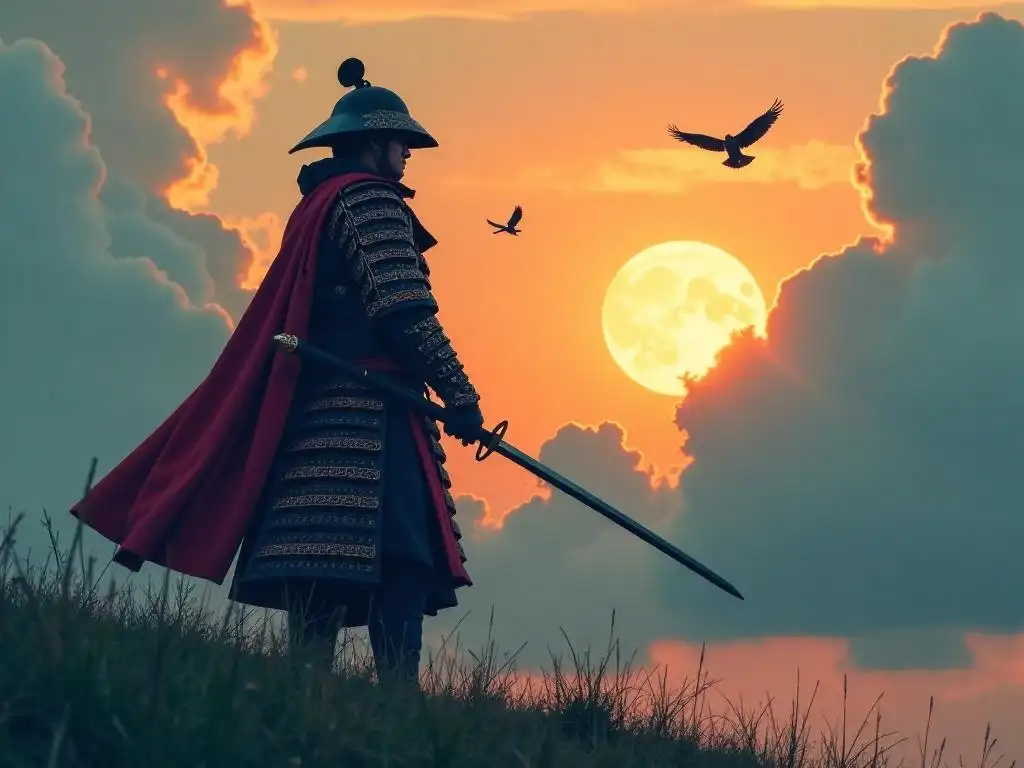
In contemporary society, the concept of honor retains significant relevance, though it manifests in diverse ways across different cultures and contexts. The samurai's commitment to honor serves as a reminder of the ethical and moral responsibilities individuals bear, whether in personal relationships, professional environments, or broader societal interactions. This idea challenges us to consider how we define honor in our lives today. For instance, the emphasis on integrity in business practices, the role of loyalty among friends and family, and the commitment to fairness in community engagements can all be seen as modern interpretations of samurai honor.
Lessons from Samurai Honor for Contemporary Society
The lessons drawn from samurai honor can guide contemporary society in fostering a culture of accountability and respect. Key takeaways include:
- Integrity: Upholding one's principles, even in challenging circumstances, fosters trust and respect in relationships.
- Loyalty: Valuing loyalty not just to individuals but also to organizations and communities can strengthen bonds and promote collective well-being.
- Courage: Facing challenges with bravery, whether personal or societal, encourages resilience and inspires others to act similarly.
By integrating these samurai principles into our daily lives, we can cultivate a more honorable society that values integrity and respect at its core, echoing the ancient ethos of the samurai.
Further Reading on Samurai Warfare and Honor
For those interested in delving deeper into the fascinating world of samurai warfare and the intricate relationship between honor and conflict, a wealth of resources is available. These materials offer insights into the historical context, cultural significance, and philosophical underpinnings of samurai honor.
Recommended Books and Articles on Samurai History
-
"Bushido: The Soul of Japan" by Inazo Nitobe
A classic text that explores the moral code of the samurai and its implications for Japanese culture.
-
"Samurai: The World of the Warrior" by Stephen Turnbull
This book provides an in-depth look at the life of samurai, including their codes of conduct and battlefield strategies.
-
"The Book of Five Rings" by Miyamoto Musashi
A treatise on strategy, tactics, and philosophy by one of Japan's most famous samurai, offering timeless wisdom applicable beyond warfare.
-
"Samurai Warfare" by John M. Manjiro
An exploration of the military tactics and strategies employed by samurai throughout history, along with the cultural significance of their honor-driven approach.
Notable Documentaries about Samurai Culture and Warfare
-
"Samurai: Warriors of the Sun"
This documentary provides a gripping overview of samurai history, highlighting their battles, cultural practices, and the code of honor that guided their lives.
-
"The Samurai: Behind the Sword"
An insightful look into the lives of samurai, exploring the duality of their roles as warriors and protectors of peace.
-
"The Last Samurai" (Documentary)
While a dramatization, this film includes historical elements that reflect the realities of samurai life and the impact of Western influence during the Meiji Restoration.
These resources offer a comprehensive understanding of the intricate relationship between samurai honor and warfare, enriching our appreciation of this pivotal era in Japanese history.
- Introduction to Samurai Honor in Battles
- Historical Context of Samurai Warfare
- The Concept of Honor in Samurai Philosophy
- The Impact of Honor on Samurai Battle Strategies
- Honor in the Face of Defeat
- Comparative Analysis of Honor in Other Warrior Cultures
- Conclusion: The Enduring Legacy of Samurai Honor in Battles
- Reflection on the Importance of Honor in Modern Context
- Lessons from Samurai Honor for Contemporary Society
- Further Reading on Samurai Warfare and Honor
- What was the significance of honor in Samurai battles?
- How did Samurai honor influence their tactics in warfare?
- What were the consequences of losing honor in battle for a Samurai?
- How did cultural values affect the concept of Samurai honor?
- Were there any specific rituals associated with Samurai honor in battle?
Frequently Asked Questions
What was the significance of honor in Samurai battles?
Honor played a crucial role in Samurai culture, dictating their conduct in battle. It was not just about survival, but also about maintaining one's reputation and the integrity of their clan.
How did Samurai honor influence their tactics in warfare?
Samurai honor often led to strategic decisions that prioritized valor over mere victory. They believed that fighting with integrity would bring them respect, even in defeat.
What were the consequences of losing honor in battle for a Samurai?
Losing honor could result in social disgrace, loss of status, and even ritual suicide (seppuku) to restore one's reputation. This intense focus on honor shaped their entire way of life.
How did cultural values affect the concept of Samurai honor?
Cultural values such as loyalty, courage, and self-discipline were deeply embedded in the Samurai code (Bushido), influencing their actions and decisions in battles, and reinforcing the importance of honor.
Were there any specific rituals associated with Samurai honor in battle?
Yes, there were various rituals and practices, such as proclaiming one's name before battle and performing ritualistic acts post-battle, aimed at demonstrating and preserving honor among the Samurai.
Final Reflection: The Enduring Legacy of Samurai Honor in Battles
The concept of honor in samurai battles transcends mere survival; it embodies a profound commitment to values that resonate deeply in today's society. In an era where individualism often overshadows collective ethics, the samurai's unwavering dedication to honor serves as a poignant reminder of the importance of integrity, loyalty, and respect. The lessons drawn from the samurai's code continue to inspire us, urging us to reflect on our own values and the impact of our actions in a world that sometimes feels chaotic and uncertain.
Culture and society are continually shaped by the ideals we choose to uphold, and the legacy of samurai honor is a testament to this influence. The principles of bushido, or the way of the warrior, have permeated various aspects of modern life, from martial arts to leadership philosophies. As we navigate our own battles—be they personal, professional, or societal—we can draw strength from the samurai's commitment to honor. A samurai is not just a warrior; he is a guardian of values that transcend time.
This enduring influence invites us to examine how our own values can guide us through challenges and conflicts.
As we conclude our exploration of samurai honor in battles, I invite you to reflect on how these timeless principles can be woven into the fabric of your own life. Consider the moments when you face difficult choices or conflicts—how can the samurai's commitment to honor guide your decisions? Embrace the challenge of living with integrity and purpose, allowing the lessons of the past to illuminate your path forward. In doing so, you not only honor the legacy of the samurai but also contribute to a world where values matter as much as victory.
Embrace the Spirit of Honor: Take Action Now!
Thank you for diving into our exploration of the profound role honor played in samurai battles. You've uncovered the essence that guided these warriors beyond mere survival, and now it's time to channel that inspiration into meaningful action!
Here are some ways you can further engage with the themes of honor and resilience:
- Reflect on your values: Take a moment to identify a key principle in your life that you hold dear, and consider how you can embody this honor in your daily actions.
- Join a discussion: Share your thoughts about the role of honor in your life or in modern contexts within our community forum. Join the conversation here!
- Explore more: Read our next article about the code of bushido and its relevance in today’s world.
As you consider these actions, reflect on this question: In what ways can you infuse the spirit of samurai honor into your personal or professional life?