
The Role of Western Influence on Japanese Weaponry in the Late Feudal Era

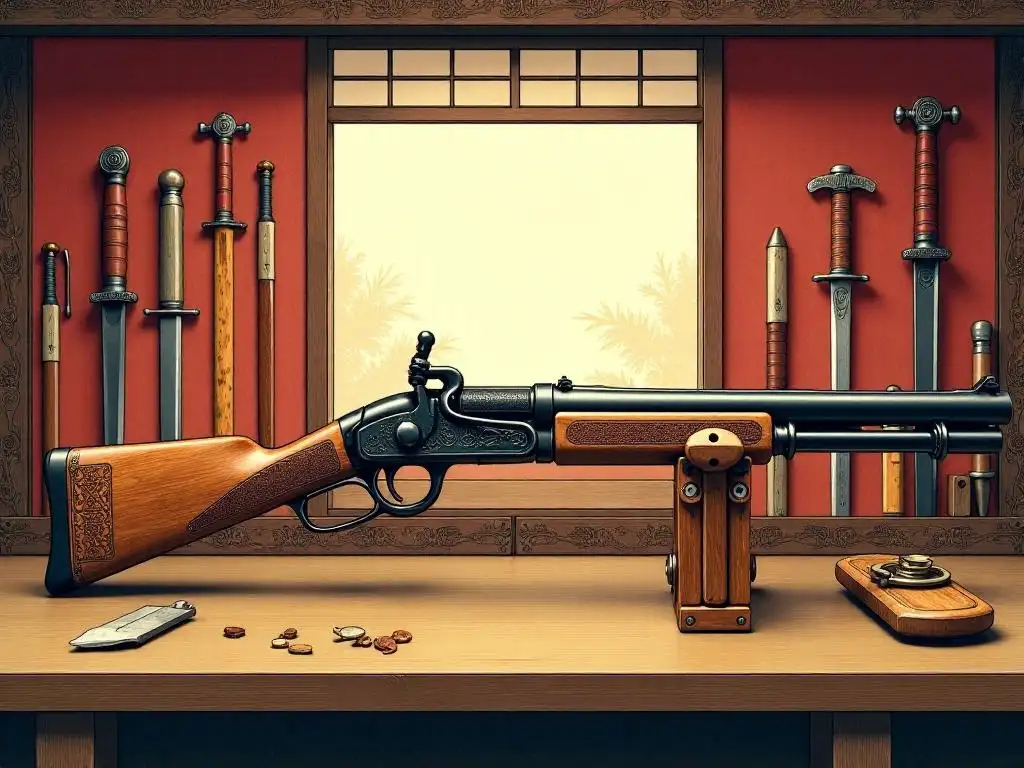
Welcome to Feudal Japan History, where we invite you to embark on a journey through the intricate tapestry of Japan’s feudal era. Here, history comes alive as we delve into the fascinating interplay between tradition and innovation, particularly in our featured article on the Western influence on Japanese weaponry. Discover how foreign ideas reshaped the battlefield and transformed the art of war. Prepare to uncover the layers of culture and conflict that defined this remarkable period, and let your curiosity guide you deeper into the rich narratives that await!
Introduction to Western Influence on Japanese Weaponry
The late feudal era of Japan, spanning from the 16th to the 19th centuries, was a transformative period marked by significant changes in military technology and tactics. During this time, the interaction between Japan and Western nations heralded a profound shift in the development of Japanese weaponry.
As new technologies, ideas, and cultural practices were introduced, they began to influence traditional Japanese methods of warfare, leading to a unique amalgamation of Eastern and Western military strategies. This article explores the Western influence on Japanese weaponry, examining its historical context, significance, and the resulting innovations that emerged from this period of contact.
Overview of Japan's Late Feudal Era
The late feudal era is characterized by the rule of the Tokugawa shogunate, which established a period of relative peace known as the Edo period (1603-1868). However, prior to this peace, Japan was embroiled in civil wars and power struggles among various feudal lords (daimyō). This tumultuous environment necessitated advancements in weaponry and military organization. Traditional weapons such as the katana and yumi (longbow) were central to warfare, but as the era progressed, the need for more effective arms became apparent due to the changing nature of conflicts and the introduction of foreign technologies.
Significance of Weaponry in Feudal Japan
Weaponry in feudal Japan was not merely a tool of war; it was a reflection of social status, artistry, and cultural identity. The craftsmanship of weapons like swords and armor was highly esteemed, and they often carried spiritual significance. Samurai, the warrior class, adhered to a strict code of conduct known as bushido, which emphasized honor and skill in battle. As Western influence began to permeate Japanese society, the integration of new weaponry technologies raised questions about tradition versus modernization, ultimately reshaping the military landscape.
The Emergence of Western Influence
The emergence of Western influence in Japan can be traced back to the arrival of European traders and missionaries in the 16th century. This interaction not only introduced new goods and ideas but also opened the door for the exchange of military techniques and technologies.
The introduction of firearms, in particular, would have a lasting impact on Japanese warfare, fundamentally changing the way battles were fought and the types of weapons that were employed. As Japan sought to adapt to these changes, it began to incorporate Western weaponry into its military arsenal, leading to a fascinating evolution of traditional combat practices.
Historical Context of Western Interaction with Japan
Early Encounters: Trade and Diplomacy
The initial contact between Japan and Western nations was primarily driven by trade and diplomacy. In the mid-1500s, Portuguese traders were among the first Europeans to arrive in Japan, establishing trade routes that facilitated the exchange of goods, ideas, and technologies. This interaction laid the groundwork for future relationships, as the Japanese became increasingly intrigued by the innovative weaponry and maritime technologies that the West had to offer.
The Arrival of Portuguese and Dutch Traders
Following the Portuguese, the Dutch emerged as significant players in Japan's international trade landscape during the early 17th century. Unlike the Portuguese, who sought to spread Christianity, the Dutch focused on commerce and technology. Their arrival marked a pivotal moment in Japan's interaction with the West, as they introduced not only firearms but also advanced shipbuilding techniques, which would later influence Japanese naval capabilities.
The Impact of European Technology on Japanese Society
The impact of European technology on Japanese society during the late feudal era was profound. The introduction of matchlock firearms, known as tanegashima, revolutionized Japanese warfare. Samurai, once relying primarily on swords and bows, began to adopt these new firearms, leading to a dramatic shift in military tactics. The integration of Western weaponry not only altered the battlefield landscape but also spurred a cultural reevaluation of traditional weapons, resulting in a dynamic interplay between old and new that defined this unique period in Japanese history.
Types of Western Weaponry Introduced to Japan
During the late feudal era, Japan experienced significant shifts in its military technology, largely due to the influx of Western weaponry. This period saw the introduction of various types of arms that would profoundly affect the traditional samurai warfare and the overall military strategy of feudal Japan.
- Firearms: The most notable introduction was the firearm, particularly matchlocks, which rapidly became a staple in the Japanese arsenal.
- Cannons: Associated with siege warfare, cannons allowed for new tactics and strategies in battles, making fortified positions more vulnerable.
- Other Innovations: In addition to firearms and cannons, various Western military innovations, including improved fortifications and artillery techniques, were also adopted.
These weapons not only altered the physical landscape of battle but also transformed the underlying philosophies of warfare in Japan.
Firearms: Matchlocks and Their Adaptation
The introduction of matchlock firearms, known as "tanegashima," marked a revolutionary shift in Japanese military capabilities. The Portuguese first arrived in Japan in the mid-16th century, bringing with them these innovative weapons.
- Initial Reception: Initially, matchlocks were met with skepticism by the samurai, who were traditionally trained in the use of bows and swords.
- Adaptation: Over time, however, the Japanese adapted the matchlock design to suit their needs. They developed unique firing mechanisms and manufacturing techniques, leading to the production of high-quality firearms that were well-suited for their battles.
- Impact on Samurai Warfare: The effectiveness of matchlocks changed the dynamics of samurai combat, as they could inflict damage from a distance, reducing the reliance on close-quarters fighting.
This adaptation demonstrated not only the ingenuity of Japanese artisans but also the willingness of the samurai class to embrace new technologies for warfare.
Cannons: Changes in Siege Warfare
Cannons, introduced around the same time as firearms, fundamentally altered the landscape of siege warfare in Japan.
- Destruction of Fortifications: With the advent of cannons, traditional castle fortifications became less effective. The ability to breach walls from a distance shifted the focus of military engineering.
- Tactical Changes: Commanders began to incorporate cannons into their battle plans, utilizing them to create breaches in enemy defenses and provide cover for advancing troops.
- Key Examples: Notable battles, such as the Siege of Takamatsu in 1582, highlighted the effectiveness of cannon fire, allowing forces to take fortified positions that would have previously been considered impregnable.
The integration of cannons into Japanese warfare not only increased the efficiency of sieges but also led to a reevaluation of military architecture throughout Japan.
Other Western Military Innovations
Beyond firearms and cannons, various other Western military innovations influenced Japanese warfare during the late feudal era.
- Fortification Techniques: Western concepts of fortification, including the use of bastions and strategic positioning, were integrated into existing Japanese castle designs, enhancing their defensive capabilities.
- Artillery Tactics: The organization of artillery units and their coordination with infantry and cavalry was refined through Western practices, leading to more effective battlefield strategies.
- Logistics and Supply Chains: The Western approach to military logistics began to take root, emphasizing the importance of supplies and reinforcements in sustaining prolonged campaigns.
These innovations contributed to a more modern military framework within Japan, preparing the nation for the challenges of the subsequent centuries.
The Integration of Western Weaponry into Japanese Warfare
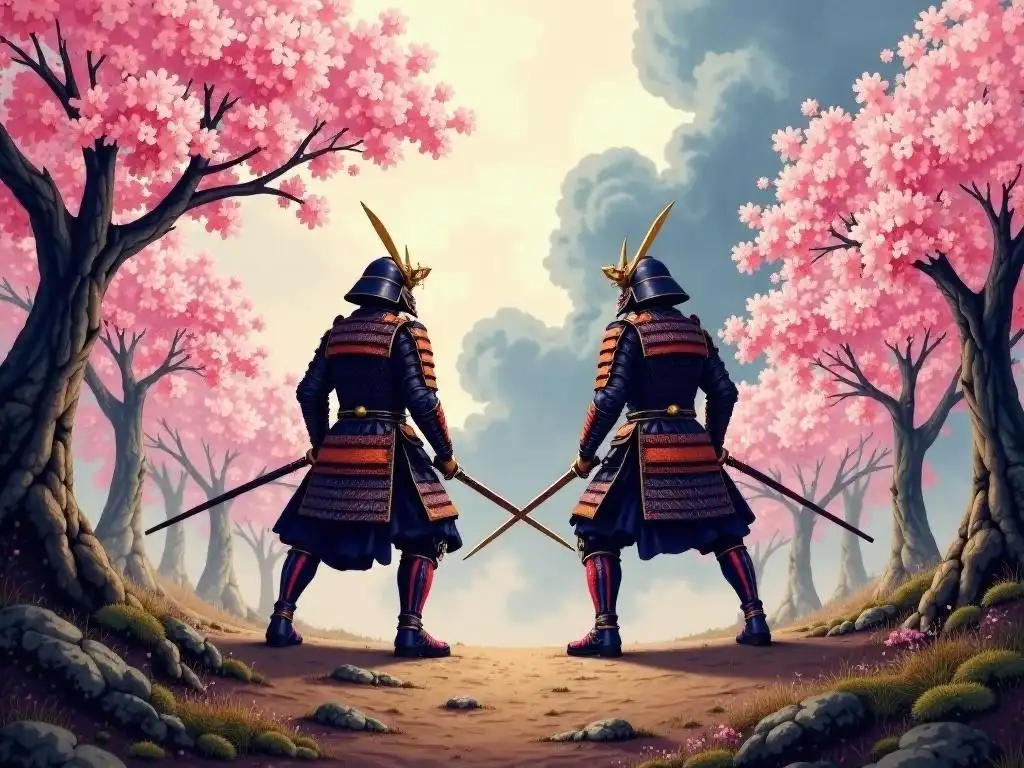
The integration of Western weaponry into Japanese warfare was not merely a matter of acquisition; it involved a complex process of adaptation, training, and strategic incorporation into existing military systems.
Adoption by Samurai and Feudal Lords
The adoption of Western weapons was initially slow, as many samurai were reluctant to abandon their traditional combat methods. However, as the effectiveness of matchlocks became evident, feudal lords began to integrate firearms into their armies.
- Training and Drilling: Samurai began to receive training in the use of firearms, and specialized units called "teppo" (musketeers) emerged. These units played crucial roles in various battles, showcasing the effectiveness of coordinated fire.
- Changing Hierarchies: The rise of firearms also altered the social hierarchies within the military, as commoners who could effectively wield a firearm gained status and influence.
This shift in military organization paved the way for a more egalitarian approach to warfare, where skill with firearms became a crucial determinant of a warrior's status.
Influence on Battle Tactics and Strategies
The introduction of Western weaponry led to significant changes in Japanese battle tactics and strategies.
- Formation Changes: Traditional formations were modified to incorporate the use of firearms. Troops began to adopt line formations to maximize the effectiveness of gunfire, replacing the older, more fluid samurai tactics.
- Combined Arms Tactics: The integration of various units, including infantry armed with matchlocks, cavalry, and artillery, became a hallmark of battle strategies, allowing for more coordinated and effective assaults.
- Psychological Impact: The sheer noise and lethality of gunfire had a psychological effect on both combatants and commanders, often leading to shifts in morale and tactics during battles.
These changes not only influenced individual battles but also reshaped the overall approach to warfare in Japan.
The Role of Western Weapons in Key Conflicts
Western weaponry played pivotal roles in several key conflicts during the late feudal era, shaping the outcomes of battles and the future of Japan.
- Battle of Nagashino (1575): This battle is a prime example of the effectiveness of matchlocks in coordinated volleys, leading to a decisive victory for Tokugawa Ieyasu against the Takeda clan, who relied heavily on cavalry.
- Siege of Osaka (1614-1615): The use of cannons and firearms during this siege helped to dismantle the defenses of the Toyotomi clan, marking the end of the Sengoku period and the establishment of the Tokugawa shogunate.
- Long-term Effects: The influence of Western weaponry did not cease with the conclusion of the feudal era; it laid the groundwork for Japan's modernization in the 19th century, leading to its emergence as a formidable military power.
The impact of Western influence on Japanese weaponry was profound, leading to significant transformations in military tactics, the organization of forces, and the very fabric of warfare in Japan.
Cultural Implications of Western Weaponry on Japanese Society
The introduction of Western weaponry during the late feudal era of Japan had profound cultural implications that extended beyond the battlefield. As firearms and artillery replaced traditional weapons, such as the katana and yari, the very fabric of samurai culture began to shift. The samurai, who had long prided themselves on their martial skills and adherence to bushido—the code of the warrior—faced a crisis of identity. The reliance on gunpowder weapons diminished the emphasis on individual combat skills, leading to an internal conflict within the samurai class about the essence of their warrior ethos.
Moreover, the influx of Western weaponry coincided with increased contact with European powers, which brought not only new military technologies but also new ways of thinking about warfare and strategy. The samurai began to adopt a more pragmatic approach to combat, focusing on efficiency and results rather than the traditional values of honor and personal valor. This shift had lasting effects on Japanese society, as the samurai class transitioned from being revered warriors to becoming more akin to military professionals, adapting their skills to the changing landscape of warfare.
Additionally, Western influence stirred debates among Japanese intellectuals and leaders about modernization and the future of Japan. This period marked the beginning of a broader acceptance of foreign ideas, which would eventually contribute to the Meiji Restoration and the rapid modernization of Japan in the late 19th century.
Changes in Samurai Identity and Warfare Ethics
The arrival of Western firearms fundamentally altered the samurai's identity and the ethics surrounding their warfare practices. Traditionally, the samurai's honor was tied to their prowess with the sword and their ability to engage in direct combat. However, as firearms became more prevalent, the nature of warfare shifted from individual duels to mass engagements, where strategies and formations were prioritized over personal skill.
This evolution prompted a reevaluation of the samurai's role in society. With the ability to kill from a distance, the samurai began to grapple with the implications of using such weapons. The samurai code of honor was challenged, as the act of killing became less personal and more mechanical. Consequently, many samurai sought to reconcile their traditional values with the practical demands of modern warfare, leading to a gradual transformation of their ethical framework.
Moreover, the integration of Western military tactics introduced concepts such as discipline, organization, and strategic planning, which were less emphasized in traditional samurai warfare. This shift not only transformed the samurai's approach to combat but also influenced their societal status, as they adapted to serve in newly formed military units alongside commoners, further blurring the lines of class distinction.
The Impact on Traditional Japanese Weaponry and Armor
Western influence brought significant changes to traditional Japanese weaponry and armor, catalyzing a period of innovation and adaptation. The most notable impact was the introduction of firearms, particularly matchlocks, which dramatically altered the dynamics of warfare in Japan. Samurai began to incorporate guns into their arsenals, leading to the development of hybrid weapons that combined traditional craftsmanship with new technology.
As firearms gained prominence, traditional weapons like the katana and naginata were often relegated to secondary roles, primarily used for close combat or ceremonial purposes. This shift necessitated a reevaluation of armor design, as the need for protection against bullets became paramount. Consequently, armor makers started integrating materials that could withstand gunfire, leading to the evolution of designs that combined both traditional aesthetics and modern functionality.
In addition to firearms, Western influence also inspired the adaptation of artillery. The Japanese began to develop their own cannons and siege weaponry, which were used in conflicts like the Siege of Osaka. This integration of Western artillery not only changed the scale and tactics of warfare but also signaled a broader acceptance of technological advancement within the military sphere, paving the way for future innovations in Japanese weaponry and defense strategies.
Perceptions of Western Influence Among Japanese Nobility
The perceptions of Western influence on weaponry within the Japanese nobility were varied and complex. Initially, many samurai and feudal lords viewed Western firearms with skepticism, considering them inferior to the esteemed katana, which symbolized honor and the samurai's martial identity. However, as the effectiveness of Western weaponry became evident in battle, attitudes began to shift.
Prominent daimyo recognized the strategic advantages offered by firearms and artillery, leading to a gradual acceptance of Western military technology. This pragmatism was often driven by a desire to maintain power and defend against rival clans, as well as the encroaching presence of European powers in Asia. Consequently, some noble families invested in the procurement of Western arms and training, seeking to modernize their forces and enhance their military capabilities.
Despite this acceptance, there remained a faction within the nobility that resisted the complete adoption of Western methods, often citing concerns about the loss of traditional samurai values. This internal conflict illustrated the tension between modernization and the preservation of cultural identity, a theme that would resonate throughout Japan's transition into the modern era.
Case Studies of Western Influence on Japanese Weaponry
Case Study 1: The Battle of Nagashino
The Battle of Nagashino, fought in 1575, serves as a pivotal case study illustrating the impact of Western influence on Japanese weaponry. In this battle, the forces of Tokugawa Ieyasu and his ally, Takeda Katsuyori, employed a revolutionary strategy utilizing arquebuses, which were introduced from Europe. The innovative tactics employed by Ieyasu's forces, including the use of volley fire, demonstrated the effectiveness of firearms in organized warfare and marked a turning point in Japanese military history.
At Nagashino, the samurai relied heavily on their matchlocks, which allowed them to engage the enemy from a distance, significantly reducing the risks associated with traditional close-quarters combat. This battle not only showcased the successful integration of Western firearms into Japanese warfare but also highlighted the changing dynamics of samurai engagement, where the emphasis shifted from individual prowess to coordinated team efforts in battle.
The victory at Nagashino reinforced the importance of adopting Western military strategies and weapons, leading other warlords to reconsider their own approaches to warfare and ultimately contributing to the broader acceptance of Western influence in Japan.
Case Study 2: The Siege of Osaka
The Siege of Osaka, occurring in the early 17th century, further exemplifies the impact of Western weaponry on Japanese military tactics. This conflict saw the use of advanced artillery and fortifications, reflecting the innovations brought about by Western influence. The Tokugawa shogunate employed cannons and firearms to besiege the well-defended Osaka Castle, demonstrating a significant departure from traditional siege methods.
During the siege, the effectiveness of Western artillery was evident, as it allowed the besieging forces to breach the castle's defenses more efficiently than previously possible. The use of gunpowder weapons not only changed the nature of siege warfare but also emphasized the importance of logistical support and supply chains, which had to adapt to the demands of operating artillery.
The Siege of Osaka highlighted the successful integration of Western military technology into Japanese warfare and underscored the necessity for continuous adaptation in military strategy. This case study illustrates how the influence of Western weaponry was not merely a matter of adopting new tools, but also a comprehensive transformation of military practices and philosophies.
Case Study 3: The Role of Western Advisors in Military Strategy
The late feudal era also witnessed the involvement of Western advisors who played a crucial role in shaping Japanese military strategies. These foreign experts, often from Portugal and the Netherlands, brought with them knowledge of Western tactics, artillery, and fortification techniques, significantly influencing Japanese warfare during this period.
One notable example is the Portuguese Jesuit missionaries, who not only introduced firearms but also provided guidance on their effective use in battle. Their insights on military organization and tactics helped Japanese leaders understand the strategic advantages of gunpowder weapons in warfare. As a result, many daimyos began to employ Western advisors to modernize their armies and enhance their combat effectiveness.
The collaboration with Western advisors also facilitated a cultural exchange that extended beyond weaponry. It led to the introduction of new military concepts and strategies that were integrated into the traditional samurai practices, ultimately reshaping the Japanese military landscape. This melding of Western and Japanese military thought marked a significant evolution in the approach to warfare, underscoring the lasting impact of Western influence on Japanese weaponry and military strategy in the late feudal era.
The Legacy of Western Influence on Japanese Weaponry
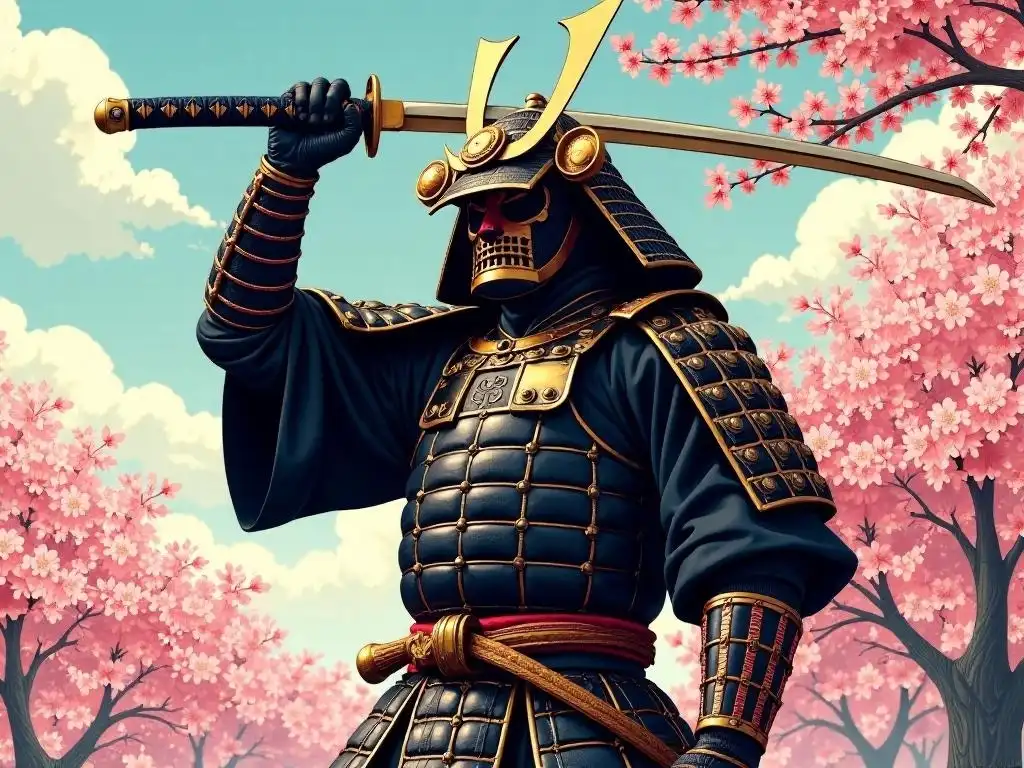
The late feudal era in Japan was marked by significant Western influence, particularly in the realm of weaponry. This period saw the introduction of firearms, specifically matchlock guns, which drastically altered traditional Japanese warfare. The arrival of these weapons, primarily through Portuguese traders in the mid-16th century, not only improved firepower but also changed tactics on the battlefield. Japanese samurai, known for their skill with swords and bows, began to adapt their strategies to incorporate these new technologies, leading to a hybridization of combat styles.
The impact of Western weaponry went beyond mere adoption; it also catalyzed innovation within Japanese arms manufacturing. Local artisans and smiths were inspired to produce their own versions of Western firearms, which incorporated traditional Japanese craftsmanship. This melding of techniques resulted in unique weapons that combined Western efficiency with Eastern aesthetics. The legacy of this influence can still be observed in modern Japanese weaponry and military strategies, where the historical integration of foreign technologies continues to shape advancements.
Transition to the Modern Era: Meiji Restoration
The Meiji Restoration, initiated in 1868, represented a pivotal shift in Japan’s approach to military modernization and the influence of Western technology. As Japan sought to compete with Western powers, the government recognized the need to overhaul its military infrastructure, including weaponry. This period marked the systematic importation of Western arms, alongside a concerted effort to establish domestic manufacturing capabilities.
The adoption of Western military doctrines transformed the samurai-centric military structure into a more organized army, reflecting Western models. The introduction of breech-loading rifles, artillery, and naval vessels changed the face of Japanese warfare. The government invested heavily in military education and training, sending officers abroad to learn from Western powers. This transition not only modernized Japan’s military capacity but also established a foundation for Japan to emerge as a formidable power in Asia by the early 20th century.
Lasting Effects on Japanese Military Technology
The lasting effects of Western influence on Japanese weaponry are evident in the technological advancements that emerged during and after the late feudal era. The integration of Western firearms led to significant developments in the production and usage of guns, which became a staple in Japanese warfare. The introduction of repeating firearms and artillery changed the dynamics of battles, allowing for greater firepower and tactical versatility.
Moreover, the influence persisted into the 20th century, as Japan continued to adopt and adapt Western military technologies. The evolution of armored vehicles, aircraft, and naval technology during the Russo-Japanese War (1904-1905) showcased Japan's ability to integrate and innovate upon Western designs. This trend of modernization and technological adoption laid the groundwork for Japan's military strategies through World War II, illustrating the profound and lasting impact of Western weaponry on Japan’s military evolution.
Reflection on the Cultural Exchange Between East and West
The cultural exchange between East and West during the late feudal era was not solely a one-way transfer of technology; it also involved a complex interplay of ideas and practices. The introduction of Western weaponry prompted Japanese society to reflect on its own martial traditions, leading to a unique synthesis of culture. Samurai, who had long been the embodiment of traditional Japanese martial values, found themselves in a position where they had to adapt to new realities.
This cultural exchange fostered a broader understanding of military strategies and technologies. Japanese scholars and military leaders began to study Western military texts, leading to an intellectual renaissance in military strategy. The fusion of Eastern and Western philosophies not only altered warfare but also influenced various aspects of Japanese culture, including literature, art, and education. The legacy of this exchange remains a significant aspect of Japan's historical narrative, highlighting the fluidity and interconnectedness of global cultures.
Conclusion: The Lasting Impact of Western Influence
The Western influence on Japanese weaponry during the late feudal era has had an enduring impact on Japan's military history and technological development. The transformation brought about by the introduction of firearms and Western military practices set the stage for Japan’s emergence as a modern power. This influence not only advanced military capabilities but also facilitated a broader cultural exchange that reshaped traditional Japanese society.
Summary of Key Points on Weaponry in Late Feudal Japan
- Introduction of Firearms: The arrival of Portuguese matchlock guns revolutionized Japanese warfare.
- Hybridization of Combat Styles: Traditional samurai tactics evolved to incorporate firearms and Western techniques.
- Meiji Restoration Modernization: A concerted effort to modernize the military, including the adoption of Western weapons and strategies.
- Technological Advancements: Continued development of Japanese military technology into the 20th century, influenced by Western designs.
The Ongoing Importance of Historical Military Influences
Understanding the historical military influences is crucial for comprehending Japan's current military landscape. The synthesis of Eastern and Western weaponry and strategies illustrates the dynamic nature of military evolution. The legacy of these interactions continues to shape Japan's defense policies and military innovations today, underscoring the importance of historical perspectives in analyzing contemporary military strategies.
Final Thoughts on East-West Military Interactions
The interactions between Eastern and Western military practices during the late feudal era highlight the importance of cultural exchange in shaping national identities and military capabilities. Japan's ability to adapt and innovate in response to Western influences not only transformed its military but also fostered a unique cultural dialogue. This complex history serves as a reminder of the interconnectedness of global military developments and the significant role that cultural exchange plays in shaping the future of warfare.
References and Further Reading
The study of Western influence on Japanese weaponry during the late feudal era is a multifaceted topic that draws from various historical, cultural, and technological perspectives. Below are some recommended resources that provide deeper insights into this significant period of Japan's military history.
Recommended Books on Japanese Weaponry and Western Influence
-
"The Samurai and the Sword" by Stephen Turnbull
This book explores the evolution of the samurai and their weaponry, including the impact of Western arms on traditional Japanese designs.
-
"Japanese Weapons and Armor" by John M. McCawley
A comprehensive examination of the development of Japanese arms and armor, highlighting the changes brought about by foreign influence.
-
"The Influence of the West on Japanese Military Strategy" by H. Paul Varley
This work discusses how Western military techniques and technologies were integrated into Japanese practices during the late feudal period.
-
"War and Society in Japan: 500-2000" by Thomas D. Conlan
This book provides a broad overview of military history in Japan with specific sections dedicated to the technological exchanges between Japan and the West.
-
"The Art of War in Japan" by John T. Kuehn
An insightful analysis of Japanese military strategy that includes discussions on Western influences, particularly in weaponry and tactics.
Scholarly Articles on Military History and Cultural Exchange
-
"Cultural Exchange and Military Technology: The Case of Japan"
This article delves into the ways Japan assimilated Western military technology and the reciprocal influences that shaped both cultures.
-
"The Adoption of Firearms in Japan"
An academic study focusing on the introduction and evolution of firearms in Japan after contact with European traders and missionaries.
-
"Western Influence on the Development of Japanese Military Technology"
This paper provides a detailed examination of specific weaponry changes in Japan and the influence of Western innovations during the late feudal era.
-
"The Role of European Traders in the Transference of Military Knowledge to Japan"
An insightful exploration of how trade relationships facilitated the exchange of military knowledge and weaponry between Japan and Western nations.
Additional Resources on Feudal Japan and Its Military Evolution
-
Online Archives and Museums
Websites such as the Tokyo National Museum and the Kyoto National Museum offer virtual exhibits and collections related to Japanese weaponry and armor, showcasing the historical context of these artifacts.
-
Documentaries and Educational Videos
Platforms like NHK World provide documentaries on feudal Japan that often include segments on military history and the influence of Western technology in weaponry.
-
Podcasts and Lectures
Various academic institutions offer podcasts and recorded lectures focusing on Japanese military history, featuring discussions on the impact of Western influence on weaponry.
-
Historical Societies and Forums
Engaging with organizations such as the Society for Japanese Military History can provide additional insights and networking opportunities for those interested in the topic.
By exploring these resources, readers can gain a more nuanced understanding of how Western influence shaped Japanese weaponry during the late feudal era, contributing to the evolution of Japan's military landscape.
- Introduction to Western Influence on Japanese Weaponry
- Historical Context of Western Interaction with Japan
- Types of Western Weaponry Introduced to Japan
- The Integration of Western Weaponry into Japanese Warfare
- Cultural Implications of Western Weaponry on Japanese Society
- Case Studies of Western Influence on Japanese Weaponry
- The Legacy of Western Influence on Japanese Weaponry
- Conclusion: The Lasting Impact of Western Influence
- References and Further Reading
- What was the significance of Western influence on Japanese weaponry?
- How did Western firearms affect Japanese warfare?
- Were there any specific Western nations that impacted Japanese weapon design?
- Did Western influence extend beyond weaponry in Japan?
- What lasting effects did Western weaponry have on Japan?
Frequently Asked Questions
What was the significance of Western influence on Japanese weaponry?
Western influence introduced new technologies and tactics to Japan, enhancing their traditional weaponry and transforming military strategies during the late feudal era.
How did Western firearms affect Japanese warfare?
The introduction of firearms, such as muskets, changed the dynamics of Japanese battlefields, leading to greater emphasis on ranged combat and altering traditional infantry formations.
Were there any specific Western nations that impacted Japanese weapon design?
Yes, Portugal and the Netherlands played critical roles in the transfer of gunpowder weapons and military knowledge, significantly shaping Japan’s weaponry during this period.
Did Western influence extend beyond weaponry in Japan?
Absolutely, Western influence also affected military organization, training practices, and even naval technology, contributing to a broader modernization of Japan’s military forces.
What lasting effects did Western weaponry have on Japan?
The adoption of Western weaponry laid the groundwork for Japan's military modernization in the Meiji Restoration, ultimately influencing its rise as a global power in the 19th century.
Final Reflection: The Lasting Impact of Western Influence on Japanese Weaponry
The interplay between Western influence and Japanese weaponry during the late feudal era is not merely a historical curiosity; it is a testament to the transformative power of cultural exchange. As we navigate an increasingly interconnected world, understanding how these influences shaped Japan's military capabilities and strategies offers critical insights into the dynamics of globalization and adaptation. The evolution of weaponry during this period serves as a striking reminder of how external forces can catalyze profound change within a society.
Culturally and socially, the impact of Western weaponry on Japan was profound, fostering a blend of tradition and innovation that continues to resonate today. The adoption of Western techniques and materials not only revolutionized Japanese warfare but also laid the groundwork for Japan's emergence as a modern power. As historian John W. Dower aptly noted, “The Japanese were not passive recipients of Western influence; they actively engaged with it, reshaping their own identity in the process.” This observation highlights the ongoing dialogue between cultures, emphasizing that influence is a two-way street that can lead to mutual growth and understanding.
As we reflect on the lessons from this historical period, let us consider how we can embrace the spirit of adaptation and innovation in our own lives. How can we learn from the past to navigate the complexities of our modern world? I invite you to explore the ways in which external influences shape your own perspectives and practices, fostering a mindset that values growth through engagement with diverse ideas. In doing so, we honor the legacy of those who came before us, while also paving the way for a future enriched by collaboration and understanding.
Unleash Your Curiosity: Dive Deeper into History!
Thank you for taking the time to explore the fascinating interplay between Western influence and Japanese weaponry during the late Feudal Era. Your interest in this pivotal period not only enriches your understanding but also keeps the legacy of history alive!
Now, it's time to take the next step and further your journey into this captivating world:
- Discover more: Learn about the individual samurai and how Western techniques shaped their fighting style.
- Join the conversation: Participate in our community forum and share your thoughts on how historical weaponry influences modern views on honor and combat.
- Spread the knowledge: Share this article with a friend and ignite an engaging discussion about the cross-cultural exchanges that have shaped our world!
Which aspect of Western influence on Japanese weaponry intrigues you the most, and why do you believe it’s important to understand these historical connections today?