
The Samurai's Fearsome Reputation: Fact or Fiction?

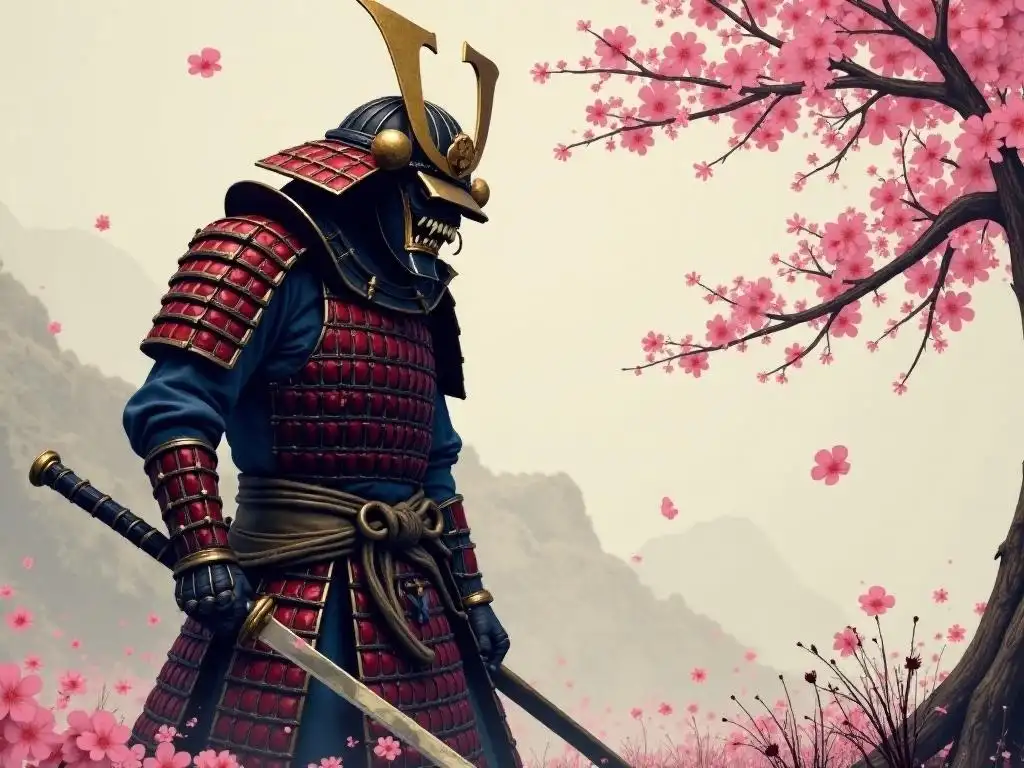
Welcome to Feudal Japan History, where we embark on a captivating journey through the intriguing tapestry of Japan’s feudal era. Here, we delve deep into the historical, cultural, and societal aspects that shaped this remarkable period. In our featured article, "The Samurai's Fearsome Reputation: Fact or Fiction?
", we unravel the layers of the legendary samurai reputation and examine its historical accuracy. Are these elite warriors truly as fearsome as folklore suggests, or is there more to the story? Join us as we explore the truth behind the myth, and prepare to uncover insights that will challenge your perceptions and inspire further discovery.
The reputation of the samurai, Japan's iconic warrior class, is steeped in a complex interplay of historical realities, cultural narratives, and mythologized portrayals. This article seeks to dissect the layers of the samurai's fearsome reputation, addressing the question of its historical accuracy.
By delving into the social, military, and cultural dimensions of the samurai during Japan's feudal era, we aim to illuminate the truths and embellishments that have shaped their legacy in both historical and contemporary contexts. Understanding this multifaceted reputation not only enhances our grasp of samurai warfare but also offers insights into the broader fabric of feudal Japanese society.
Introduction to Samurai Reputation
Overview of Samurai in Feudal Japan
The samurai were not merely warriors; they were a distinct social class that emerged during Japan's feudal period, particularly between the 12th and 19th centuries. Characterized by their dedication to the Bushido code, which emphasized loyalty, honor, and martial skill, samurai played a crucial role in shaping Japan's military and political landscape. They served powerful daimyos (feudal lords) and were often at the forefront of military campaigns, earning both respect and fear from the common populace.
- Key Characteristics of Samurai:
- Warrior Ethos: Adherence to the Bushido code
- Social Status: Elevated position in feudal hierarchy
- Martial Skill: Proficient in various forms of combat, particularly kenjutsu (swordsmanship)
Importance of Samurai Reputation in Historical Context
The samurai's reputation has been pivotal in defining Japan's historical narrative. Their image as noble warriors has been romanticized over centuries, influencing not only historical accounts but also popular culture and national identity. This reputation has significant implications for how we understand warfare, governance, and social structures of feudal Japan.
- Cultural Impact:
- Literature and Theatre: Samurai stories permeate classic literature and Kabuki theatre.
- National Identity: The samurai ethos is often invoked in discussions of Japanese exceptionalism and heritage.
Historical Origins of the Samurai's Reputation
The Emergence of the Samurai Class
The origins of the samurai class can be traced back to the Heian period (794-1185), when provincial warriors began to rise in prominence. As local conflicts escalated, these warriors transitioned from mere land protectors to a formalized military class. The establishment of the Kamakura shogunate in 1192 solidified the samurai's role as the ruling military elite, further embedding their reputation within the fabric of Japanese society.
Key Events Influencing Samurai Image
Several pivotal events throughout Japanese history have contributed to the evolution of the samurai's reputation. The Genpei War (1180-1185) marked a significant turning point, as the samurai displayed their combat prowess and strategic acumen. Additionally, the Mongol invasions in the late 13th century showcased the samurai's resilience and martial capabilities, further enhancing their fearsome image.
- Notable Events:
- Genpei War: The rise of samurai as elite warriors
- Mongol Invasions: Demonstration of martial skill and unity
Literature and Art: Shaping Perceptions of Samurai
The samurai's reputation has been intricately woven into the literary and artistic expressions of Japan. From the epic tales of "The Tale of the Heike" to the visual narratives in ukiyo-e woodblock prints, these mediums have immortalized the samurai's valor, honor, and, at times, brutality. This artistic portrayal often blurs the lines between fact and fiction, creating a romanticized yet distorted image of the samurai that persists to this day.
- Influential Works:
- "The Tale of the Heike": Epic chronicle of samurai battles and honor
- Ukiyo-e Prints: Visual representations of samurai life and ideals
By exploring these themes, we will unravel the complexities of the samurai's reputation, assessing how much of it is grounded in historical fact and how much is the product of myth-making throughout the centuries.
Samurai Warfare: Reality vs. Myth
The reputation of samurai as fearsome warriors is a complex interplay of historical fact and myth. While they were indeed skilled fighters, the romanticized image often portrayed in popular culture can distort our understanding of their true capabilities and the nature of warfare during Japan's feudal era.
The samurai were not just warriors; they were also members of a specific social class with unique cultural practices and a code of conduct that influenced their behavior on and off the battlefield. Understanding the reality of samurai warfare requires delving into their combat skills, the philosophical underpinnings of their approach to battle, and how these elements compare to other martial traditions.
Historical Accuracy of Samurai Combat Skills
The combat skills of the samurai were honed through rigorous training and experience. Samurai were trained from a young age in various martial arts, including kenjutsu (the art of the sword), iaijutsu (the art of drawing the sword), and other forms of armed and unarmed combat. Historical accounts indicate that samurai engaged in live combat, often facing formidable foes during clan conflicts and civil wars, such as the Genpei War (1180-1185) and the Sengoku period (1467-1603).
However, the romanticized portrayal of samurai as invincible warriors is often exaggerated. While they were certainly formidable, they faced many limitations, such as the unpredictability of battle and the fact that not all samurai were equally skilled. Moreover, the effectiveness of their combat skills often depended on various factors, including terrain, tactics employed, and the morale of the troops.
The Role of Bushido in Samurai Reputation
Bushido, meaning "the way of the warrior," served as the ethical framework guiding samurai conduct. This code emphasized virtues such as loyalty, honor, and courage, shaping not only how samurai engaged in warfare but also how they were perceived by society. The ideals of Bushido contributed significantly to the samurai's reputation as noble and fearsome fighters, reinforcing their image as the epitome of honor in battle.
In practice, however, adherence to Bushido varied among individual samurai and clans. While many adhered to these principles, there were instances where personal ambition and political struggles overshadowed the ethical tenets of Bushido. This duality complicates the historical accuracy of the samurai's reputation, as their ethical ideals sometimes clashed with the brutal realities of warfare.
Comparison of Samurai Warfare Tactics to Other Warriors
When comparing samurai warfare tactics to those of other warriors, such as European knights or Mongol horsemen, several distinctions emerge. Samurai emphasized the use of the katana and mounted combat, focusing on individual skill and honor in one-on-one confrontations. Their tactics included ambushes and swift cavalry charges, reflecting their understanding of the terrain and the element of surprise.
In contrast, European knights often relied on heavy armor and formation fighting, while Mongol warriors excelled in mobility and archery. Understanding these differences highlights the unique aspects of samurai warfare while also contextualizing their combat style within the broader landscape of martial traditions worldwide. This comparison reveals that while the samurai were indeed skilled fighters, their approach to warfare was shaped by cultural, geographical, and technological factors that influenced their reputation.
Cultural Influences on the Samurai’s Image
The samurai's image as fearsome warriors has been significantly shaped by cultural influences, both historical and modern. Various factors, including religion, philosophy, and the portrayal of samurai in literature and film, contribute to the ongoing fascination with their legacy. These cultural narratives often create a blend of fact and fiction that complicates our understanding of their historical accuracy.
The Influence of Religion and Philosophy
Religious beliefs and philosophical teachings, particularly Zen Buddhism and Confucianism, played a vital role in shaping the samurai's worldview and behavior. Zen Buddhism emphasized mindfulness and meditation, influencing samurai training and their approach to combat. This philosophical backdrop contributed to the perception of samurai as disciplined and focused warriors, further enhancing their fearsome reputation.
Confucian ideals, on the other hand, emphasized loyalty and filial piety, reinforcing the samurai's commitment to their lords and families. These philosophical influences not only shaped the samurai's conduct in battle but also contributed to the development of their cultural identity, intertwining their martial prowess with ethical and spiritual dimensions.
The Samurai in Film and Literature: A Modern Perspective
In modern times, the portrayal of samurai in film and literature has profoundly impacted their reputation. Classic films like Akira Kurosawa's "Seven Samurai" and the more contemporary "Kill Bill" series present samurai as heroic figures, often emphasizing their martial skills and moral dilemmas. These narratives, while entertaining, can distort the historical accuracy of the samurai's experiences and capabilities.
Moreover, popular media often highlights the dramatic aspects of samurai life, overshadowing the complexities of their actual roles in society. By focusing on the romanticized elements of their existence, these portrayals can perpetuate myths and reinforce stereotypes, creating a dichotomy between the samurai's historical reality and their contemporary image.
How Cultural Narratives Shape Historical Accuracy
Cultural narratives play a crucial role in shaping our understanding of historical figures, including the samurai. The blending of legends, folklore, and historical accounts can lead to an embellished or simplified view of their lives and actions. This phenomenon raises important questions about historical accuracy and the potential for bias in interpreting samurai history.
As historians and enthusiasts explore the samurai's legacy, it becomes essential to differentiate between fact and fiction. An informed examination of the samurai's reputation requires a critical approach to the sources and narratives that have shaped their image over time, ensuring a more accurate portrayal that honors their complexity and significance in Japan's feudal history.
The Impact of Samurai Reputation on Society

The reputation of the samurai was not merely a matter of personal honor; it had profound implications for the society of feudal Japan. The samurai were seen as the epitome of martial prowess and moral integrity, and this perception influenced the social hierarchy, governance, and cultural practices of the era. Their esteemed position allowed them to serve as both warriors and administrators, shaping the political landscape while enforcing the code of bushido, which emphasized virtues such as loyalty, honor, and courage.
Samurai Reputation and Its Influence on Feudal Society
The samurai's reputation significantly affected feudal society's structure. Samurai were part of the bushi class, which formed the ruling elite. Their fearsome reputation often instilled a sense of awe and respect among the common populace, creating a societal framework where the samurai were both protectors and enforcers. This dual role reinforced their authority, as their martial skills were admired and feared, further solidifying their social standing.
Moreover, the samurai’s reputation for bravery and discipline contributed to the moral fabric of feudal Japan. The ideals embodied by the samurai became benchmarks for societal behavior, influencing everything from governance to education. The bushido code, which dictated the samurai's conduct, permeated various levels of society, impacting the cultural values of the time.
The Role of Samurai in Shaping National Identity
The samurai played a crucial role in forming a cohesive national identity during the feudal era. Their legendary status as fierce warriors contributed to a sense of pride and unity among the Japanese people. The samurai were often portrayed in literature, art, and folklore, which romanticized their lives and valorized their contributions to the nation.
As the nation faced internal conflicts and external threats, the samurai became symbols of resilience and patriotism. The imagery of the samurai not only served to inspire the populace but also reinforced the idea of a collective identity rooted in honor, sacrifice, and loyalty to the land. This legacy has persisted into modern times, influencing Japan’s national ethos and its perception in global discourse.
Economic and Political Implications of Samurai Reputation
The reputation of the samurai also had significant economic and political implications. Economically, the samurai’s status allowed them to control land and resources, leading to a feudal system that benefited them and reinforced their power. The samurai’s role as landowners and military leaders meant that they played a pivotal part in local economies, collecting taxes and managing agricultural production.
Politically, the samurai's fearsome reputation was a tool for maintaining order and stability within the realm. Their ability to wage war and protect territories meant that local lords relied heavily on them for governance. The shogunate system, which centralized power in the hands of military leaders, further amplified the samurai's influence over political matters, allowing them to shape policies and decisions that would affect the entire nation.
Debunking Myths: Samurai Reputation in Modern Discourse
As the samurai's reputation has been romanticized in modern culture, it has also led to the proliferation of numerous myths and misconceptions about their lives and conduct. Understanding these myths is crucial for achieving a more accurate portrayal of samurai life and their historical significance.
Common Myths About Samurai Fearlessness
One prevalent myth is that all samurai were uniformly fearless and invincible warriors. This oversimplification neglects the reality that samurai, like all humans, experienced fear and uncertainty. The notion of invulnerability often stems from exaggerated tales and adaptations in popular media, such as films and novels.
In truth, samurai faced numerous challenges, including the fear of death in battle, the pressure to maintain their honor, and the consequences of failure. These aspects of their lives create a more nuanced understanding of their reputation, highlighting that fearlessness was an ideal rather than an absolute trait.
Reality of Samurai Life: Challenges and Vulnerabilities
The reality of samurai life included numerous challenges that contradicted their fearsome reputation. Many samurai struggled with poverty, especially during times of peace when their martial skills were not in demand. The shift from a warrior society to one focused on governance and trade led to disillusionment among some samurai who found themselves without a clear purpose.
Additionally, samurai were not immune to the psychological burdens associated with warfare, such as trauma and moral injury. The expectation to adhere to bushido, even in the face of personal doubts, added to their vulnerabilities. This complexity reveals that the samurai's reputation often masked a reality filled with struggles and conflicts.
Expert Opinions on Samurai Reputation Historical Accuracy
Experts emphasize the importance of critically assessing the samurai's reputation through a historical lens. Historians and scholars argue that while the samurai were indeed skilled warriors, the narratives surrounding them often inflate their prowess and diminish the more human aspects of their lives.
Research into primary sources, such as historical texts, documents, and accounts from the period, reveals a more balanced view of their character. Scholars advocate for a nuanced understanding that recognizes both the admirable qualities and the flaws of the samurai. This perspective allows for a more comprehensive exploration of their historical significance and the societal structures they influenced.
The samurai's reputation is a multifaceted subject that continues to be dissected and debated. By examining the realities behind the myths, we can appreciate the complexity of their legacy in Japan’s feudal history.
Conclusion: Fact or Fiction?
The reputation of the samurai, often characterized by their discipline, honor, and martial prowess, has been shaped by both historical events and cultural narratives. While certain aspects of their fearsome image are rooted in truth, such as their combat skills and the strict code of conduct known as Bushido, other elements have been exaggerated or romanticized over time. This blend of fact and fiction creates a complex portrait of the samurai that is both captivating and misleading.
The samurai were indeed skilled warriors, and their role in the military hierarchy of feudal Japan was significant. However, the portrayal of the samurai as invincible and morally superior warriors often overlooks the nuances of their actual lifestyle, including the political machinations, economic motivations, and social dynamics that influenced their actions. Understanding the historical context allows for a more balanced view of the samurai's reputation, distinguishing between the ideals they aspired to and the realities they faced.
Summarizing Key Findings on Samurai Reputation
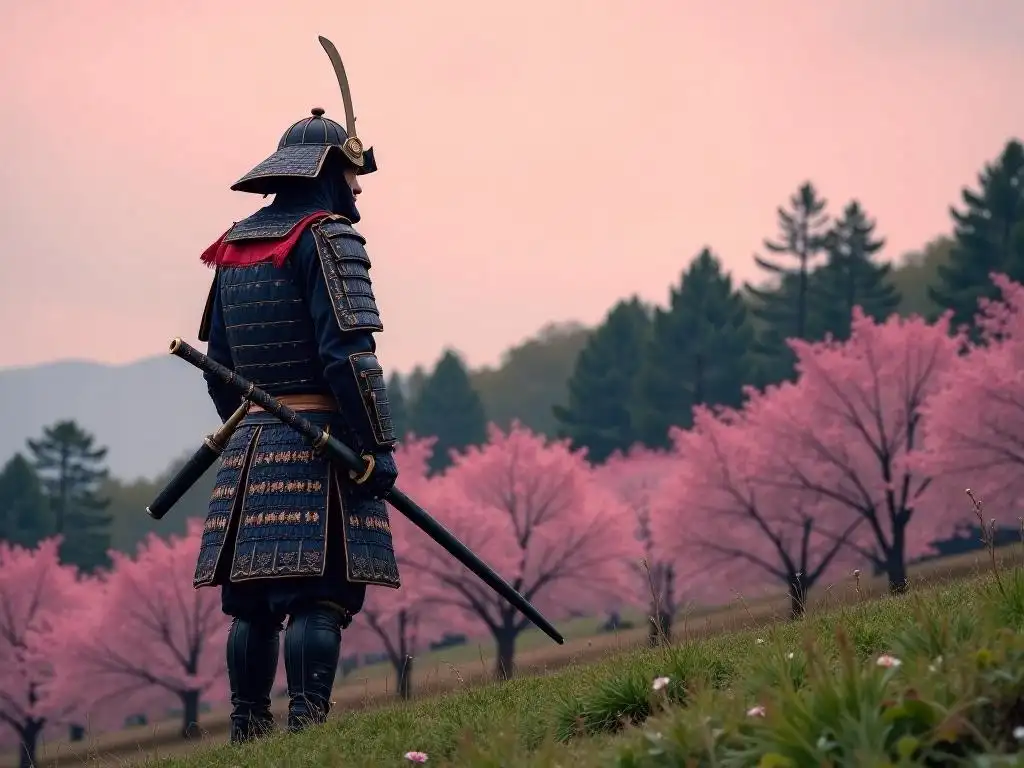
The exploration of samurai reputation reveals several key findings:
- Historical Accuracy: While the samurai were formidable fighters, their reputation as unparalleled warriors is overstated. Historical records indicate that their effectiveness in battle varied greatly depending on the time period and context.
- Cultural Impact: The samurai's reputation has been significantly influenced by literature, film, and folklore, which often emphasize romanticized versions of their bravery and honor. This has contributed to a mythologized image that persists in modern culture.
- Bushido and Ethics: The code of Bushido, emphasizing loyalty, honor, and self-discipline, played a crucial role in shaping the samurai's behavior and public perception. However, interpretations of this code have evolved, leading to different representations of samurai ethics over time.
- Diversity Among Samurai: Not all samurai adhered to the same standards or lived by the same principles. The samurai class was diverse, with varying degrees of loyalty, effectiveness, and ethical conduct, depending on individual circumstances and historical context.
The Importance of Understanding Samurai History Accurately
Understanding the samurai’s history accurately is vital for several reasons:
- Cultural Appreciation: A nuanced view of the samurai enriches our appreciation of Japanese culture and its historical complexities. It helps to differentiate between authentic historical narratives and popular myths.
- Critical Thinking: Engaging with the realities of samurai history encourages critical thinking about how history is recorded and remembered. It challenges readers to question sources and consider the motives behind historical narratives.
- Lessons from History: The samurai's experiences offer valuable insights into themes of loyalty, honor, and conflict that resonate beyond their time. By understanding their reality, we can draw parallels to modern issues in ethics and governance.
- Preserving Heritage: An accurate understanding of samurai history helps preserve the integrity of Japan’s cultural heritage. It allows for a more authentic representation of samurai in education and media, fostering respect for the complexities of their legacy.
Future Research Directions on Samurai Warfare and Reputation
Future research on samurai warfare and reputation should focus on several promising directions:
- Interdisciplinary Approaches: Combining insights from history, sociology, and cultural studies can provide a more holistic understanding of the samurai’s role in society. Researchers could explore how samurai culture influenced and was influenced by contemporary social structures.
- Regional Variations: Investigating the differences in samurai practices and reputations across various regions of Japan could highlight the diversity within the samurai class. This could include studies on local leaders and their unique contributions to the samurai tradition.
- Comparative Studies: Drawing comparisons between the samurai and other warrior cultures globally can illuminate common themes in martial traditions, honor codes, and societal roles, enriching the understanding of the samurai's place in world history.
- Archival Research: Delving into lesser-known historical documents, such as diaries, letters, and military records from the feudal era, could uncover new perspectives on samurai actions and beliefs, challenging existing narratives about their reputation.
By pursuing these research directions, scholars can continue to unravel the complex legacy of the samurai, contributing to a more informed and accurate understanding of their historical reputation.
- Introduction to Samurai Reputation
- Historical Origins of the Samurai's Reputation
- Samurai Warfare: Reality vs. Myth
- Cultural Influences on the Samurai’s Image
- The Impact of Samurai Reputation on Society
- Debunking Myths: Samurai Reputation in Modern Discourse
- Conclusion: Fact or Fiction?
- Summarizing Key Findings on Samurai Reputation
- The Importance of Understanding Samurai History Accurately
- Future Research Directions on Samurai Warfare and Reputation
- What is the historical accuracy of the Samurai's reputation?
- How did cultural influences shape the Samurai's image?
- What role did politics play in the Samurai's fearsome reputation?
- Are there any myths surrounding the Samurai that we should be aware of?
- How does the portrayal of Samurai in modern media differ from historical truths?
Frequently Asked Questions
What is the historical accuracy of the Samurai's reputation?
The Samurai's reputation as fierce warriors is largely accurate, rooted in their military prowess and code of honor, known as Bushido.
How did cultural influences shape the Samurai's image?
The Samurai's image was shaped by literature, art, and mythology, which often exaggerated their valor and nobility, contributing to a romanticized portrayal.
What role did politics play in the Samurai's fearsome reputation?
Throughout feudal Japan, political power struggles heightened the Samurai's fearsome reputation as they were often used by warlords to maintain control and dominance.
Are there any myths surrounding the Samurai that we should be aware of?
Yes, many myths exist, such as the belief that all Samurai were masters of combat; in reality, their skills varied widely based on training and experience.
How does the portrayal of Samurai in modern media differ from historical truths?
Modern media often exaggerates the Samurai's abilities and moral code, creating a more heroic image than what is supported by historical evidence from the feudal era.
Final Reflection: The Enduring Legacy of the Samurai's Reputation
The exploration of the samurai's reputation reveals a complex tapestry woven from both fact and fiction, highlighting how historical narratives shape our understanding of cultural icons. Today, as we navigate a world increasingly fascinated by the stories of the past, the samurai's image continues to evoke a sense of honor, discipline, and martial prowess, reminding us that the legends we create can often overshadow the truth of historical realities.
Clearly, the samurai's reputation has not only influenced historical discourse but has also permeated modern culture, inspiring countless works of art, literature, and film. The romanticized portrayal of these warriors invites us to reflect on the values they represent, such as loyalty and courage. As noted by historian John Man, The samurai are more than just warriors; they embody a philosophy that transcends time and culture.
This ongoing fascination encourages us to question the narratives we accept and to seek a deeper understanding of the figures we admire.
As you reflect on the samurai's legacy, consider how the lessons drawn from their storied past can inform your own life. Embrace the opportunity to discern between myth and reality, and let the samurai's principles of honor and resilience inspire your personal journey. In a world where perceptions often cloud the truth, strive to cultivate a deeper appreciation for the complexities of history and the stories that shape our identities.
Unveil the Truth Behind the Samurai’s Legend!
Thank you for diving into the intriguing world of the samurai with us! We hope you’ve gained insights into the complexity of their reputation—blending fact and fiction in fascinating ways. Now, it's time to take your understanding a step further!
Here are a few actionable steps you can take to deepen your exploration:
- Join our community: Connect with fellow history enthusiasts in our forum to discuss insights and perspectives about samurai culture and myths.
- Share your thoughts: Post this article on social media to spark discussions with friends and challenge their views on the samurai.
- Dive deeper: Explore additional resources on our website for a more comprehensive understanding of feudal Japan—check out our recommended reading list!
What aspect of the samurai’s legacy fascinates you the most, and how do you think it shapes our understanding of **honor** and **valor** today?