
The Role of the Ninja: Stealth Tactics and Weaponry in Feudal Japan


Welcome to Feudal Japan History, where we invite you to embark on a captivating journey through the intricate tapestry of Japan’s feudal era. Here, you'll uncover the secrets of ninja tactics in feudal Japan, exploring the stealthy maneuvers and cunning strategies that defined these enigmatic warriors. As you delve into our expert-driven article, "The Role of the Ninja: Stealth Tactics and Weaponry in Feudal Japan," prepare to have your curiosity piqued and your understanding deepened about the military history that shaped a nation.
Join us as we peel back the layers of history and reveal the shadows where these legendary figures thrived. Your adventure begins now!
Introduction to Ninja in Feudal Japan
The ninja, often shrouded in mystery and folklore, played a pivotal role in the military landscape of feudal Japan. Known for their remarkable agility and unparalleled stealth, ninjas—also referred to as shinobi—were skilled in espionage, sabotage, and guerrilla warfare. This article will explore the fascinating world of ninja tactics in feudal Japan, delving into their historical context, cultural significance, and the evolution of their strategies and weaponry. By examining the intricate methods employed by these covert operatives, we can gain a deeper understanding of their impact on Japanese society and military history.
Understanding the Historical Context of Ninjas
To fully appreciate the role of ninjas in feudal Japan, it's essential to examine the era's political landscape. The period, spanning from the late 12th century to the early 17th century, was marked by constant power struggles among feudal lords or daimyōs. The rise of the samurai class led to a demand for specialized tactics that could provide strategic advantages in warfare.
Ninjas emerged as key players during this tumultuous period, primarily serving as spies and assassins. Unlike their samurai counterparts, who adhered to a strict code of honor ( bushidō), ninjas operated in the shadows, often utilizing deception and cunning to achieve their objectives. Their ability to blend into the environment and gather intelligence made them invaluable assets in the feudal power dynamics.
The Cultural Significance of Ninja Tactics
Ninja tactics held a profound cultural significance in feudal Japan, embodying values such as adaptability and resourcefulness. These qualities were not only vital for survival in the chaotic landscape of the time but also contributed to the development of a unique martial tradition.
The art of ninjutsu, the practice of stealth and subterfuge, became intertwined with Japanese folklore, elevating ninjas to legendary status. Stories of their exploits, filled with fantastical elements and supernatural abilities, permeated popular culture, influencing literature, theater, and later, modern media. This cultural portrayal of ninjas has contributed to the enduring fascination with their tactics and weaponry.
The Evolution of Ninja Tactics in Feudal Japan
The tactics employed by ninjas were not static; they evolved over time, adapting to the changing nature of warfare and the political climate in Japan. Understanding this evolution provides insight into their effectiveness and versatility on the battlefield.
Early Origins of Stealth Techniques
The origins of ninja tactics can be traced back to ancient military strategies employed by various clans. Early operatives utilized natural terrain and environmental elements to conceal their movements and intentions. Techniques such as shuriken throwing and silent movement were honed through trial and error, influenced by the practical needs of espionage and covert operations.
Moreover, early ninjas often drew inspiration from Chinese military texts, incorporating philosophies and tactics that emphasized the element of surprise. This blend of influences laid the groundwork for the sophisticated ninja techniques that would emerge in later centuries.
Key Developments in Ninja Strategies
As feudal Japan progressed, so too did the strategies employed by ninjas. The rise of organized military factions necessitated a more structured approach to tactics. Key developments included:
- Diversified Weaponry: Ninjas began to utilize a variety of weapons, including swords, throwing stars, and specialized tools designed for stealth and assassination.
- Psychological Warfare: The concept of instilling fear and confusion among enemies became a focal point of ninja tactics, often employing misdirection and deception to create chaos.
- Training and Organization: The establishment of ninja clans and schools allowed for systematic training in various techniques, resulting in a more cohesive and effective approach to sabotage and intelligence gathering.
Through these developments, ninjas solidified their place in the military history of feudal Japan, showcasing a blend of tactical innovation and adaptability that continues to captivate historians and enthusiasts alike.
Core Principles of Ninja Stealth Tactics
Ninja tactics in feudal Japan were deeply rooted in a philosophy of stealth, deception, and adaptability. The core principles of these tactics revolved around the following key elements:
- Silence and Movement: Ninjas were trained to move silently, employing techniques that minimized noise, such as walking on the balls of their feet. This allowed them to navigate various terrains without drawing attention.
- Observation and Patience: Successful reconnaissance required keen observation skills. Ninjas often spent long hours studying their surroundings and waiting for the perfect moment to strike or gather intelligence.
- Environment Utilization: Ninjas adeptly used their environment to their advantage. They were skilled in climbing, swimming, and traversing through forests, mountains, and urban areas, often employing natural cover to remain hidden.
- Deception: Misdirection was a fundamental aspect of ninja tactics. They created diversions or used disguises to confuse adversaries, allowing them to achieve their objectives without direct confrontation.
- Adaptability: The ability to adjust tactics based on the situation was crucial. Ninjas were trained to improvise, using available resources creatively to overcome obstacles or threats.
The Importance of Concealment and Camouflage
Concealment and camouflage were paramount in the arsenal of a ninja. Their effectiveness often relied on their ability to blend into their surroundings, rendering them nearly invisible. Various techniques were employed to achieve this, including:
- Dressing in Dark Colors: Ninjas typically wore black or dark blue clothing, which helped them blend into the night or shadowy environments.
- Natural Camouflage: During daylight operations, they might wear clothing that mimicked the colors of the environment, such as greens and browns for forested areas.
- Use of Terrain: Ninjas took advantage of the landscape; they would hide in foliage, behind rocks, or within the architecture of buildings. Utilizing shadows and natural barriers enhanced their concealment.
Concealment was not merely about clothing; it was a holistic approach that included behavior, movement, and strategic positioning, making it difficult for enemies to detect their presence.
Psychological Warfare: Fear and Misdirection
Ninjas were not just masters of physical stealth; they were also adept at psychological warfare. Fear played a crucial role in their tactics, which included:
- Creating Anonymity: By operating in shadows, ninjas instilled a sense of fear among their enemies. The knowledge that unseen foes could strike at any moment created a pervasive anxiety that could disrupt the morale of opposing forces.
- Misinformation: Ninjas often spread rumors or false information to mislead opponents. This tactic sowed confusion and distrust, forcing enemies to question their own strategies and decisions.
- Dramatic Appearances: Occasionally, ninjas would use theatrics, such as sudden appearances or the use of smoke bombs, to create panic or distraction, allowing them to escape or attack without being pursued.
This psychological edge was often as crucial as physical confrontations, allowing ninjas to achieve their objectives without direct conflict.
Espionage: Gathering Intelligence without Detection
Intelligence gathering was one of the primary roles of ninjas during feudal Japan. Their ability to gather critical information without detection was vital for their clans and allies. Key aspects included:
- Infiltration: Ninjas would infiltrate enemy castles or camps disguised as servants or merchants. This allowed them to observe troop movements, gather strategic information, and report back to their leaders.
- Surveillance: They employed various surveillance techniques, such as using vantage points to monitor enemy activities from a distance, ensuring that their presence remained undetected.
- Utilization of Informants: Ninjas often cultivated relationships with informants, who could provide valuable information regarding enemy plans, troop strengths, and vulnerabilities.
Through these tactics, ninjas were able to contribute significantly to their clan's strategic advantages, often shifting the tide of conflicts without a single engagement.
Essential Weapons Used by Ninjas
Ninjas utilized an array of weapons that were not only effective in combat but also suited to their stealthy approach. Understanding these weapons provides insight into their operational effectiveness.
Overview of Traditional Ninja Weaponry
Traditional ninja weaponry encompassed a variety of tools designed for versatility and stealth. Some of the most notable included:
- Shuriken: Star-shaped throwing weapons effective for distraction and incapacitation.
- Ninjato: A specialized sword that was shorter and easier to wield in close quarters.
- Kusarigama: A weapon combining a sickle and chain, allowing ninjas to engage in ranged attacks or entangle opponents.
- Smoke Bombs: Used to create diversions or cover for escape, smoke bombs were essential for stealth operations.
These weapons were often chosen for their ability to be easily concealed and quickly deployed, aligning with the ninja's tactical principles.
The Role of the Shuriken in Stealth Operations
Shuriken served as a critical tool in a ninja's arsenal, primarily used for distraction, intimidation, and incapacitation. Their characteristics included:
- Versatile Use: Shuriken could be thrown at various ranges, making them effective for both close and long-distance engagements.
- Psychological Impact: The sight of a shuriken flying through the air could induce fear in enemies, often causing them to hesitate or panic.
- Non-lethal Options: In some cases, ninjas used shuriken to incapacitate rather than kill, allowing them to gather intelligence or escape without drawing undue attention.
The effective use of shuriken exemplified the principles of stealth and deception that defined ninja tactics.
Ninjato: The Ninja Sword and Its Significance
The ninjato is often regarded as the quintessential weapon of the ninja. Its design and functionality were tailored to the needs of stealth operations:
- Shorter Blade: The ninjato typically featured a shorter blade than the traditional katana, making it easier to wield in tight spaces, such as inside buildings or dense foliage.
- Straight Edge: With a straight blade, the ninjato was effective for thrusting and quick slashing, allowing for fast, decisive strikes.
- Versatile Handling: The ninjato's design enabled quick draws and sheathing, enhancing the ninja's ability to react swiftly during combat.
The ninjato was more than just a weapon; it was a symbol of the ninja's commitment to stealth and efficiency.
Other Notable Weapons: Kusarigama and Smoke Bombs
Beyond the more commonly known weapons, ninjas employed several other notable tools that aided in their stealth operations:
- Kusarigama: This weapon combined a sickle (for slashing) with a weighted chain (for entangling). It allowed ninjas to engage in both ranged and close-quarters combat, making it a versatile choice for various situations.
- Smoke Bombs: Smoke bombs were essential for creating diversions and facilitating escapes. By obscuring visibility, they allowed ninjas to vanish from sight and evade capture, exemplifying their mastery of stealth tactics.
These weapons highlight the adaptability and resourcefulness of ninjas, allowing them to operate effectively in a variety of scenarios during the feudal era of Japan.
Training and Discipline of Ninjas
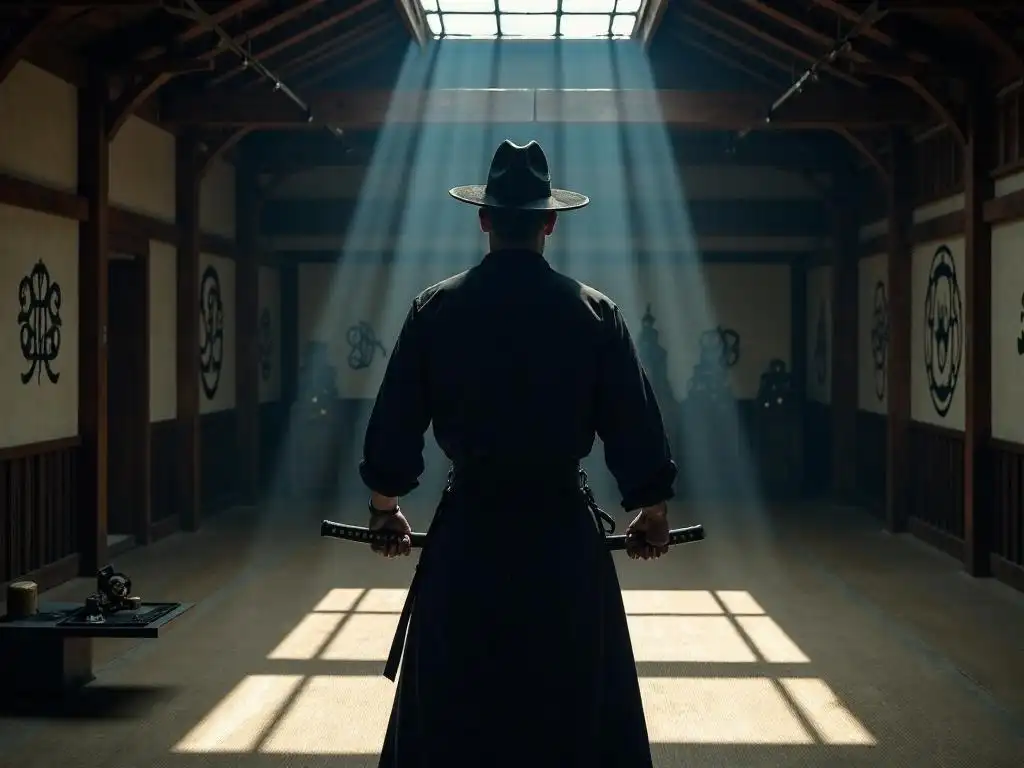
The training and discipline of ninjas were critical components that enabled them to excel in their roles as covert operatives during the feudal era of Japan. This rigorous training regimen was designed to cultivate not only physical agility and combat proficiency but also a profound understanding of stealth and psychological endurance. The path to becoming a ninja was demanding, requiring a lifetime of dedication and a mastery of various skills.
Rigorous Training Methods for Mastering Stealth
Ninjas underwent a variety of training methods aimed at honing their stealth abilities. One of the foundational practices was the art of shinobi-iri, or stealth movement. Practitioners would learn to move silently through different terrains, whether it was wooded areas, urban landscapes, or rocky environments. Techniques such as the "cat walk" helped them traverse obstacles without making noise.
Additionally, ninjas utilized shurikenjutsu to enhance their precision and control. This involved throwing techniques for various ninja weapons, such as shuriken (throwing stars) and other concealed projectiles. Training with these tools was essential, as accuracy could mean the difference between a successful mission and detection.
Physical conditioning was also a vital aspect of ninja training. This included rigorous exercises to build strength, flexibility, and endurance. Ninjas practiced running, climbing, and swimming, often under challenging conditions, to prepare for the demands of their missions in diverse environments.
The Role of Martial Arts in Ninja Education
Martial arts played a central role in the education of ninjas, with various disciplines contributing to their combat skills. Key martial arts forms included taijutsu (unarmed combat) and kenjutsu (swordsmanship). Ninjas were trained in these disciplines to ensure they could defend themselves effectively if confronted in close quarters.
Furthermore, ninjas often incorporated techniques from naginatajutsu (the art of the naginata) and sojutsu (the art of the spear) into their training. This versatility in weaponry allowed them to adapt to different combat situations, depending on the tools available during their missions.
An important aspect of martial arts training for ninjas was the focus on adaptability and improvisation. Ninjas were taught to assess their environment for potential weapons and to use whatever was at hand, whether it be a broken branch or a piece of rope, to gain the upper hand in confrontations.
Psychological Preparation for Combat Scenarios
Beyond physical training, psychological preparation was a cornerstone of ninja education. Ninjas needed to cultivate a mindset that allowed them to remain calm under pressure, make quick decisions, and execute their plans without hesitation. Techniques such as meditation and visualization were employed to enhance focus and mental resilience.
Training also involved simulated combat scenarios where ninjas would face various threats, requiring them to think strategically and adapt their tactics in real-time. This form of preparation was crucial, as it helped ninjas develop the ability to anticipate enemy actions and counter them effectively.
Furthermore, ninjas learned the importance of disguise and deception as psychological tactics. Mastering the art of blending into their surroundings and adopting different personas was vital for successful infiltration and information gathering, which were key aspects of their missions.
Notable Historical Figures in the Ninja Community
Within the rich tapestry of feudal Japan, several notable figures emerged from the ninja community, each leaving an indelible mark on the history of stealth tactics and espionage. These individuals not only exemplified the skills and training of ninjas but also contributed significantly to the legacy and evolution of ninja practices.
Famous Ninjas and Their Impact on Feudal Japan
Among the most famous ninjas was Hattori Hanzō, a legendary figure known for his exceptional skills in espionage and assassination. Serving under Tokugawa Ieyasu, Hanzō played a pivotal role during the Sengoku period, particularly in the Battle of Sekigahara. His legacy extends beyond the battlefield, as he helped establish the Tokugawa shogunate, which would govern Japan for over 250 years.
Another prominent ninja was Fujibayashi Nagato, who led the Iga clan during the turbulent times of feudal Japan. He was instrumental in organizing and training ninjas and played a significant role in the defense of Iga province against rival clans. His contributions to the preservation and dissemination of ninja tactics have been widely recognized in historical texts.
These figures, among others, showcased the effectiveness of ninja tactics in feudal Japan and contributed to the mystique surrounding the ninja as a crucial element of military strategy.
The Legacy of Ninja Clans and Their Contributions
The legacy of ninja clans, such as the Iga and Koga, is deeply interwoven with Japan's military history. These clans were not merely groups of assassins; they were sophisticated organizations that cultivated a rich tradition of espionage, intelligence gathering, and guerrilla warfare. Their contributions to the military tactics of feudal Japan cannot be overstated.
The Iga and Koga clans, in particular, became synonymous with ninja activities and were sought after by warlords for their expertise. They trained countless ninjas, ensuring that the techniques and knowledge were passed down through generations. The clan structure also provided a sense of community and support, fostering collaboration in missions and the sharing of intelligence.
Furthermore, the innovations in stealth tactics developed by these clans have influenced modern military practices and popular culture. Today, the image of the ninja continues to captivate audiences worldwide, demonstrating the lasting impact of their contributions to history and warfare.
Conclusion: The Lasting Influence of Ninja Tactics in History
The legacy of ninja tactics in feudal Japan extends far beyond their immediate military applications. The methods of stealth, espionage, and psychological warfare employed by ninjas have left an indelible mark on both historical military strategies and contemporary practices. As society evolved, the principles behind these tactics transformed into broader concepts of guerrilla warfare, influencing conflicts around the world. Today, the idea of unconventional warfare, which emphasizes surprise, mobility, and adaptability, owes much to the foundational strategies developed by ninjas.
Moreover, the fascination with ninjas has permeated various aspects of culture, leading to a blend of historical fact and myth in their portrayal. This cultural impact illustrates the ninjas' role not just as warriors, but as symbols of cunning and resilience. As a result, the study of ninja tactics provides valuable insights into the broader dynamics of conflict and strategy, showing how ancient practices can inform modern military theory and practice.
Reflections on the Role of Ninjas in Military Strategy
Ninjas played a unique role in the military landscape of feudal Japan, often serving as agents of information and disruption rather than direct confrontation. Their ability to infiltrate enemy lines, gather intelligence, and execute sabotage operations made them invaluable to samurai leaders. Unlike the open battles favored by traditional samurai warfare, ninjas operated in the shadows, utilizing stealth and deception to undermine their opponents.
Furthermore, the strategic use of ninjas showcased the importance of adaptability in warfare. They were trained to react swiftly to changing circumstances, employing a wide array of tactics depending on their objectives. This versatility not only illustrates the complexity of military strategy during the feudal era but also highlights the critical importance of psychological tactics in warfare. The fear instilled by the mere thought of a ninja could alter the behavior of entire armies, showcasing the effectiveness of intimidation as a tool of warfare.
Modern Interpretations of Ninja Tactics in Popular Culture
In contemporary society, the image of the ninja has been heavily romanticized and popularized through various media, including films, literature, and video games. This modern interpretation often emphasizes fantastical elements, such as superhuman abilities and elaborate martial arts, which diverge from the historical realities of ninja tactics. Nevertheless, these portrayals have contributed to a renewed interest in the study of ninjas and their methodologies.
Many popular culture representations focus on the themes of stealth and agility, mirroring the original intentions of ninjas in feudal Japan. Films such as "Ninja Assassin" and franchises like "Teenage Mutant Ninja Turtles" encapsulate the allure of ninjas while simultaneously educating audiences about aspects of their tactical prowess. This blend of entertainment and education continues to spark curiosity about the historical realities of ninja life and their tactical innovations, ensuring that the essence of their legacy remains alive in modern times.
Further Reading on Ninja Tactics and Feudal Japan
For those interested in delving deeper into the fascinating world of ninja tactics and their historical context, there are numerous resources available that provide extensive insights. From scholarly texts to engaging narratives, these materials explore various aspects of ninja history, culture, and military strategy.
Recommended Books on Ninja History
-
"Ninja: The True Story of Japan's Secret Warrior Cult" by John Man
This book provides an insightful overview of the historical roots and evolution of the ninja, debunking myths while highlighting their significance in Japanese warfare.
-
"The Secret History of Ninja" by David A. Hinton
This work examines the historical context of ninjas, detailing their techniques, tools, and the socio-political environment in which they operated.
-
"The Art of the Ninja: The History, Techniques, and Philosophy of the Shinobi" by Stephen K. Hayes
A comprehensive guide that covers not only the tactics and weaponry of ninjas but also the philosophical underpinnings of their practices.
Online Resources for Exploring Ninja Weaponry and Tactics
- Ninja Museum of Igaryu: This official site offers a wealth of information on historical ninja practices, including weaponry and training methods.
- Shinobi: The History and Culture of the Ninja: An online platform dedicated to the study of ninjas, featuring articles, videos, and interactive content on their tactics and historical impact.
- YouTube Channels like "Ninja Culture": These channels provide visual demonstrations of historical ninja techniques and weapons, making the study of ninja tactics accessible and engaging.
By exploring these resources, enthusiasts can gain a more nuanced understanding of the intricate world of ninjas and their enduring legacy in both history and modern culture.
- Introduction to Ninja in Feudal Japan
- The Evolution of Ninja Tactics in Feudal Japan
- Core Principles of Ninja Stealth Tactics
- Essential Weapons Used by Ninjas
- Training and Discipline of Ninjas
- Notable Historical Figures in the Ninja Community
- Conclusion: The Lasting Influence of Ninja Tactics in History
- Further Reading on Ninja Tactics and Feudal Japan
Frequently Asked Questions
What were the primary ninja tactics used in feudal Japan?
Ninjas employed various stealth tactics such as infiltration, espionage, and guerrilla warfare to achieve their objectives, often relying on the element of surprise.
How did ninjas utilize weaponry in their operations?
Ninjas were known for their versatile weaponry including shuriken, smoke bombs, and specialized swords, which enhanced their ability to execute covert missions effectively.
What role did espionage play in the activities of ninjas?
Espionage was a crucial aspect of a ninja's role, allowing them to gather intelligence on enemy movements and strategies, which provided a strategic advantage during conflicts.
How were ninjas perceived in feudal Japan society?
Ninjas were often viewed with a mix of fear and fascination, seen as both shadowy figures and essential tools for samurai clans in political intrigue and warfare.
Did ninjas operate independently or as part of a larger organization?
While some ninjas operated independently, many were part of clans or organizations, which provided training, resources, and a network for carrying out covert missions.
Final Reflection: The Enduring Legacy of Ninja Tactics in Feudal Japan
In today's fast-paced world, the strategies and stealth tactics of the ninja resonate more than ever. As we navigate through complex social dynamics and competitive environments, the lessons learned from the cunning and resourceful ninjas of feudal Japan can provide valuable insights into modern problem-solving and adaptability. The art of stealth, both in action and thought, continues to inspire individuals and organizations alike, reminding us that sometimes the most effective approach is to operate from the shadows.
The influence of ninja tactics extends far beyond historical fascination; it has permeated our cultural landscape, shaping everything from literature to film and even modern military strategies. The ninja embodies a unique blend of discipline, creativity, and strategic thinking that remains relevant today. As we explore the ongoing fascination with these enigmatic figures, we can reflect on the words of the renowned historian Stephen Turnbull: The ninja represents not just a warrior but a master of adaptability, thriving in the face of uncertainty.
This observation underscores the importance of flexibility and innovation, qualities that are essential in our ever-evolving world.
As we conclude our exploration of ninja tactics in feudal Japan, I invite you to reflect on how these ancient strategies can be applied to your own life. Consider the challenges you face and how adopting a mindset of stealth and adaptability could lead to innovative solutions. Embrace the spirit of the ninja—be observant, think creatively, and act decisively. By doing so, you can navigate your own journey with the same cunning and resourcefulness that defined these legendary figures, ensuring that their legacy continues to inspire future generations.
Unveil Your Inner Ninja!
Thank you for diving into the intriguing world of ninjas and their stealthy tactics. You've uncovered the fascinating layers of feudal Japan's secret warriors, and now it’s time to put that knowledge into action!
Here’s how you can channel your inner ninja today:
- Discover Your Stealth Skills: Practice mindfulness or meditation to enhance your focus, just as ninjas sharpened their mental acuity. Spend 10 minutes centering yourself.
- Share the Wisdom: Discuss what you've learned about ninja tactics with friends or family. Engage in a conversation that inspires others!
- Explore Further: Delve into our related articles on the history of feudal Japan or consider enrolling in a martial arts class to experience this captivating culture firsthand.
What stealthy tactic from the ninja's playbook do you believe could help you in your everyday life? Share your thoughts below!