
The Legendary Sword: How Katana Became the Icon of Samurai Warfare

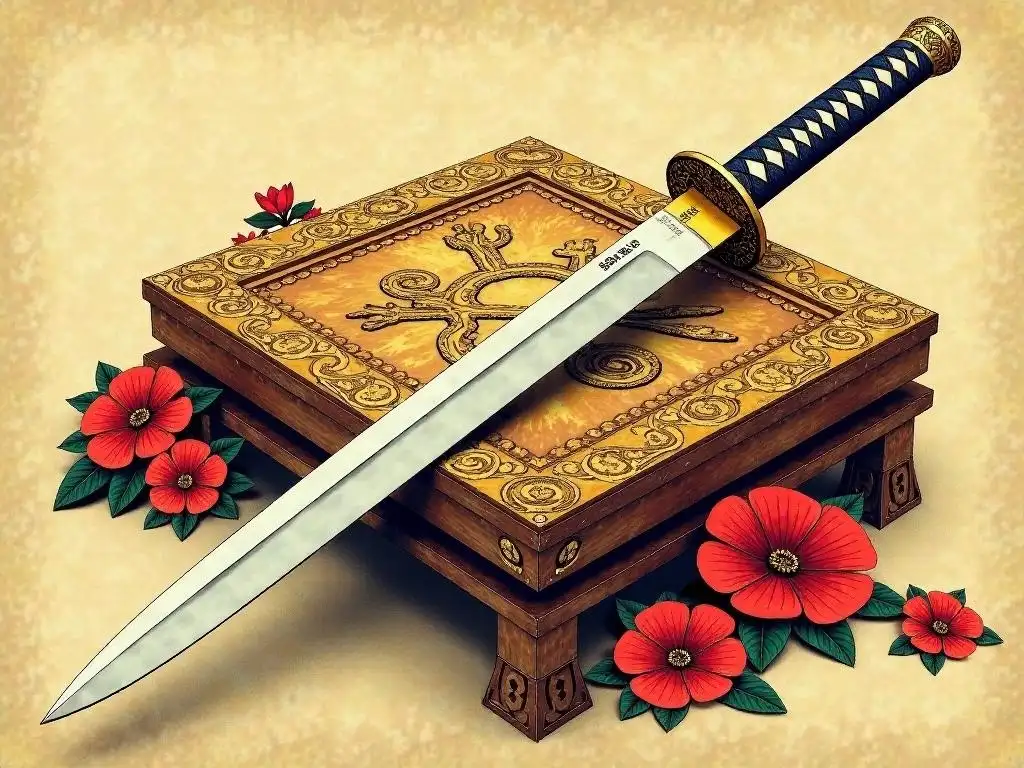
Welcome to Feudal Japan History, where we invite you to embark on a captivating journey through the intricate tapestry of Japan's feudal era. Here, we delve deep into the symbolism of the katana in samurai culture, exploring how this legendary sword transcended mere weaponry to embody the very essence of honor and warrior spirit. Are you ready to uncover the profound significance behind the katana and its role in shaping samurai identity? Join us as we slice through the layers of history and reveal the stories woven into this iconic blade. Your exploration of Japan's martial past begins now!
Introduction to the Katana Symbolism in Samurai Culture
The katana, often referred to as the "soul of the samurai," holds a profound significance in Japanese history and culture, particularly during the feudal era. This elegantly curved sword is not merely a weapon; it embodies the very essence of the samurai's identity, ideals, and values. The katana symbolizes honor, loyalty, and the warrior's commitment to their code of conduct, known as bushido. Understanding the katana's symbolism in samurai culture requires delving into its craftsmanship, spiritual significance, and role in both warfare and daily life during Japan’s feudal period.
In the context of samurai warfare, the katana was more than a tool of battle. It served as a statement of status and a reflection of the bearer’s skill and discipline. The katana's design, with its distinctive shape and exceptional sharpness, allowed samurai to execute precise and swift strikes, making it an essential instrument in their combat repertoire. Beyond its physical attributes, the katana represents a deep connection to the samurai's lineage, with each sword often passed down through generations, carrying the stories and legacy of its previous owners.
Overview of the Importance of the Katana in Japanese History
The katana's journey through Japanese history is a testament to its enduring legacy and cultural significance. Originating during the Kamakura period (1185–1333), the katana emerged as a response to the evolving nature of warfare and the need for a more effective weapon. Its design evolved through the centuries, with notable advancements in metallurgy and forging techniques, leading to the creation of blades that were not only functional but also works of art.
| Historical Period | Key Developments |
|---|---|
| Kamakura Period | Emergence of the katana as a primary weapon |
| Muromachi Period | Refinement of sword-making techniques |
| Edo Period | Standardization and increased symbolic importance |
During the Edo period (1603–1868), the katana solidified its status as a symbol of the samurai class, becoming an essential part of their attire and daily life. The sword was often displayed in a manner that showcased its beauty and craftsmanship, emphasizing the respect and reverence afforded to it. Moreover, the katana was frequently adorned with intricate designs and personalized elements, reflecting the individuality of its owner.
The katana's role transcended the battlefield; it became a cultural icon, representing the ideals of discipline, courage, and the samurai spirit. Today, it continues to be a source of fascination and admiration, both in Japan and around the world, serving as a reminder of the rich history and cultural significance of the samurai and their legendary weapon.
- Introduction to the Katana Symbolism in Samurai Culture
- Overview of the Importance of the Katana in Japanese History
Historical Context of the Katana
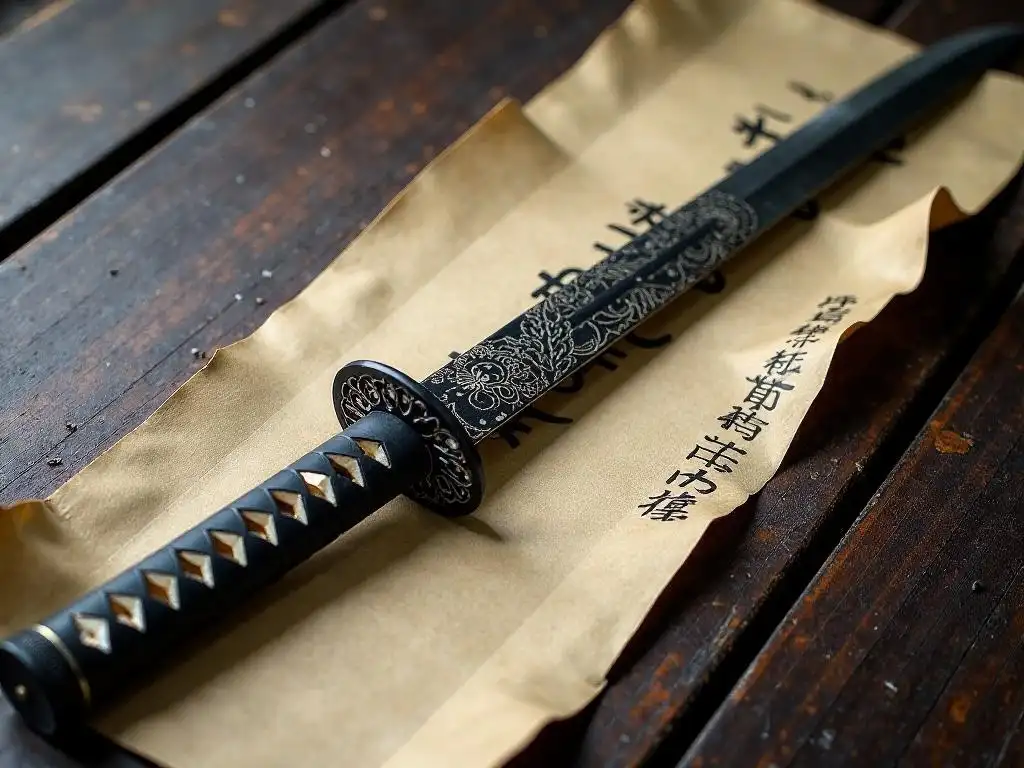
The katana, an iconic symbol of the samurai, is not merely a weapon but a cultural artifact steeped in the historical context of feudal Japan. Understanding its significance requires a look into its origins, design evolution, and its role in warfare. The katana's symbolism in samurai culture is deeply intertwined with these factors, reflecting the values, beliefs, and practices of the samurai class.
Origins of the Katana: Development Over the Centuries
The origins of the katana can be traced back to the late Heian period (794-1185), evolving from earlier sword designs. Initially, the tachi, a longer and more curved sword, was favored by the samurai. As warfare tactics shifted from cavalry to infantry engagements, the functionality of the sword became paramount.
- Early Influences: The development of the katana was influenced by various factors, including:
- Metallurgy: Advances in steel production allowed for stronger and more durable blades.
- Combat Techniques: The shift from mounted combat to foot soldiers necessitated a weapon that was easier to draw and wield in close quarters.
The katana began to emerge as a shorter, single-edged blade, ideally suited for quick, decisive strikes. By the 13th century, the katana had become distinct from the tachi, symbolizing a new era in samurai warfare.
Evolution of the Katana Design: From Tachi to Katana
The transition from tachi to katana design involved several key changes that enhanced both functionality and symbolism:
- Blade Length: The katana typically measures between 60 to 80 centimeters, shorter than the tachi. This allows for faster drawing and striking.
- Curvature: The katana features a more pronounced curve, facilitating a slicing action that is effective in combat.
- Tsuba (Guard): The tsuba evolved to be smaller and more intricate, providing better hand protection while also serving as an artistic expression.
The most notable change in katana design is related to its forging process. Traditionally, katana were crafted using a method called folding, which involved layering different types of steel to create a strong and resilient blade. This artistry not only enhanced performance but also imbued the sword with a sense of spiritual significance.
The Role of the Katana in Feudal Japan Warfare
In feudal Japan, the katana transcended its role as a weapon; it became a vital symbol of the samurai's honor and status. The katana was often regarded as the soul of the samurai, embodying their values and philosophies.
- Combat Functionality:
- The katana was used in various combat scenarios, from one-on-one duels to large-scale battles. Its design allowed for quick draws and effective strikes, making it indispensable in the heat of battle.
- Cultural Symbolism:
- Beyond warfare, the katana held deep cultural significance. It was often passed down through generations, serving as a family heirloom. Rituals surrounding the katana, including its presentation and maintenance, reflected the samurai's code of ethics, known as Bushido.
- Status and Identity:
- The katana was not just a weapon but a status symbol. Samurai wore their katana as a mark of their rank and identity, distinguishing them from commoners and reinforcing the social hierarchy of feudal Japan.
The katana is emblematic of samurai culture, representing not only martial prowess but also the values of honor, loyalty, and discipline that defined the samurai way of life. Its evolution and historical context reveal the intricate relationship between the sword and its wielder in the tapestry of feudal Japan.
Cultural Significance of the Katana
Katana as a Symbol of Honor and Status in Samurai Culture
The katana, often regarded as the soul of the samurai, transcends its role as a mere weapon; it embodies the warrior's honor, status, and identity. In the rigid hierarchy of feudal Japan, the possession of a katana signified a samurai’s rank and privilege. The phrase "katana ni shinjitsu ga aru" (刀に真実がある) translates to "truth lies in the sword," highlighting the katana's importance in samurai culture as not just a tool for battle but as a representation of their ethical code, known as bushido.
- Social Status:
- Only samurai were allowed to carry swords openly, making the katana a visible marker of their elevated social standing.
- The way a katana was worn also reflected the samurai's rank; for instance, higher-ranking samurai would often carry two swords ( daisho), which included the katana and its companion, the wakizashi.
- Cultural Rituals:
- The katana was often involved in various ceremonies, such as the katana shiki, where a newly forged sword was presented and blessed.
- Swords were sometimes named and honored, emphasizing their importance in a samurai's life, akin to a family member.
The Spiritual Connection: Katana in Shinto and Samurai Beliefs
The katana's significance is deeply rooted in the spiritual beliefs of the samurai, particularly within the Shinto religion. Shinto, as the indigenous spirituality of Japan, views swords as sacred objects imbued with spiritual power.
- Divine Origin:
- The katana is often linked to the sun goddess Amaterasu, and legendary swords are considered gifts from the gods. This divine connection elevates the katana from a mere weapon to a sacred artifact.
- Ritual Purity:
- Samurai believed that a katana must be treated with utmost respect and kept in a state of purity. Regular rituals, such as misogi (purification), were performed to cleanse both the warrior and their weapon.
- Symbol of Protection:
- The katana was seen as a protector not just in battles but also in spiritual realms. During rituals, the katana was often used to ward off evil spirits, reinforcing its role as a guardian of the samurai's honor and integrity.
The Aesthetic Appeal: Craftsmanship and Artistry of the Katana
The katana is not only revered for its functional capabilities but also for its exquisite craftsmanship. The artistry involved in forging a katana reflects the samurai's values of beauty and precision.
- Forging Techniques:
- Traditional katana-making involves a complex process known as tamahagane (玉鋼), where high-quality steel is smelted and folded repeatedly to create a blade that is both strong and flexible.
- This meticulous process can take months, emphasizing the dedication and skill of the swordsmith.
- Design and Aesthetics:
- The curvature of the katana, known as sori, enhances its cutting ability and adds to its visual appeal.
- Decorative elements, such as the tsuba (guard) and koshirae (mountings), are often intricately designed, showcasing the swordsmith's artistic touch and personal style.
- Symbol of Mastery:
- Each katana tells a story, often with unique inscriptions and patterns that signify the swordsmith's lineage and the sword's history.
- The aesthetic beauty of the katana is equaled only by its symbolic weight in samurai culture, representing mastery over both craft and combat.
The katana stands as a multifaceted symbol within samurai culture, intertwining themes of honor, spirituality, and artistry. Its significance stretches far beyond the battlefield, representing a legacy of values that continue to resonate in Japanese culture today.
The Katana in Warfare
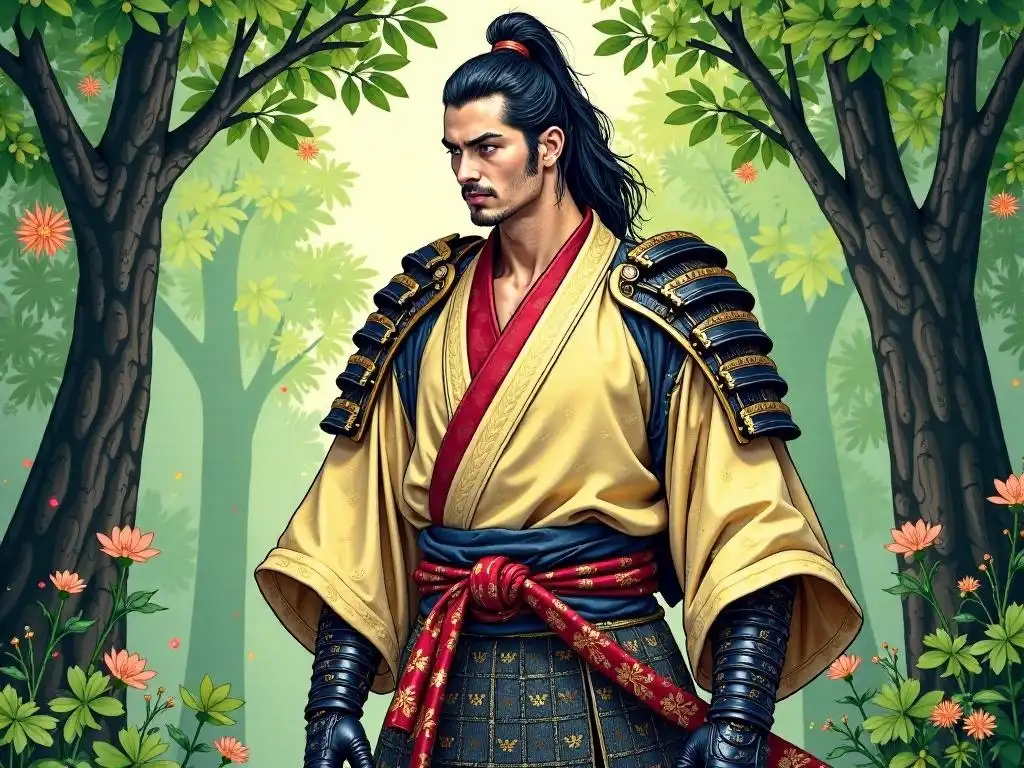
The katana, often referred to as the "soul of the samurai," transcends mere weaponry; it embodies a complex array of cultural significance, craftsmanship, and martial prowess. This iconic sword is not only a tool of battle but also a symbol of the samurai's honor, discipline, and commitment to their way of life. The katana's unique design, including its curved blade and exceptional sharpness, has made it a formidable weapon on the battlefield, while its aesthetic qualities reflect the deep-rooted traditions of Japanese culture.
Tactical Advantages of the Katana in Battle
The katana's design and construction provide several tactical advantages that made it an essential weapon for samurai warriors during the feudal era:
- Speed and Precision:
- The katana's curved blade allows for swift, fluid movements, enabling samurai to execute rapid slashes and thrusts with precision. The slight arc of the blade helps in slicing through armor and flesh efficiently.
- The weapon's balance is optimized for quick draws and rapid strikes, allowing the wielder to react swiftly in combat situations.
- Effective Cutting Ability:
- Crafted from high-carbon steel, the katana is renowned for its exceptional sharpness. The differential hardening process gives the edge a hardness that can cut through opponents while maintaining a resilient spine to absorb impact.
- This cutting power is further enhanced by the technique of drawing the sword (nukitsuke), which allows the samurai to initiate an attack while simultaneously drawing the weapon.
- Defensive Capabilities:
- The katana was designed not just for offense but also for defense. Its length allows for parrying and counter-attacks, giving the samurai an advantage in close-quarter combat.
- The curved blade can deflect incoming strikes while preparing for a counter, making it a versatile weapon in dynamic fighting scenarios.
- Psychological Impact:
- The sight of a drawn katana instilled fear in adversaries. The symbolism associated with the katana as a warrior's soul and the honor of its bearer often deterred opponents even before the battle commenced.
The Role of the Katana in Samurai Training and Discipline
The katana is integral to the training and discipline of samurai warriors, embodying their commitment to the bushido code—the way of the warrior. The training regimen involves several key aspects:
- Iaijutsu and Iaido:
- These martial arts focus on the techniques of drawing the katana and striking in a single motion. Practitioners learn to draw their sword quickly and strike effectively, which is vital in duels and unexpected encounters.
- The training emphasizes mental focus, timing, and precision, fostering a deep connection between the warrior and their sword.
- Kata Practice:
- Kata, or forms, are choreographed patterns of movement that simulate combat scenarios. Through repeated practice, samurai refine their techniques, learn to anticipate opponents' moves, and develop muscle memory.
- The katana serves as a tool for introspection, with each movement requiring discipline and mindfulness, reinforcing the samurai's mental fortitude.
- Spiritual Connection:
- The katana is viewed as not just a weapon, but an extension of the samurai’s spirit. This belief enhances the warrior's respect for their sword, fostering a sense of duty and honor in every action they take.
- Ritualistic practices, such as the care and maintenance of the katana, further solidify this bond, marking the sword as a sacred object.
Iconic Battles Featuring the Katana: Legends and Historical Accounts
The katana has played a pivotal role in numerous legendary battles throughout Japanese history, shaping the narrative of samurai warfare. Here are a few notable examples:
- The Battle of Sekigahara (1600):
- This decisive battle marked the end of the Sengoku period and the rise of the Tokugawa shogunate. Samurai on both sides wielded katanas, showcasing their combat skills in a fierce struggle for power. The katana's effectiveness was demonstrated in close combat as warriors clashed on the battlefield.
- Minamoto no Yoshitsune vs. Kiso no Yoshinaka:
- In this legendary duel during the Genpei War, Minamoto no Yoshitsune is said to have outmaneuvered his cousin Kiso no Yoshinaka using his katana. The iconic story highlights not only the physical prowess of the samurai but also the strategic brilliance that the katana facilitated.
- The Last Samurai (1877):
- The Satsuma Rebellion represents one of the final stands of the samurai against modernization. The katana was used by the last of the samurai warriors in a desperate bid to uphold their traditions against the advancing Imperial Army. This battle encapsulates the emotional and cultural significance of the katana, symbolizing the end of an era.
The katana is much more than a weapon; it is a symbol of the samurai's identity, representing their skills, discipline, and cultural heritage. Its role in warfare, training, and legendary battles underscores its importance in the history of feudal Japan, embodying the essence of the samurai spirit.
The Legacy of the Katana
The katana has transcended its role as a mere weapon, evolving into a powerful symbol of valor, honor, and the samurai spirit. This iconic sword embodies the essence of samurai culture and has left an indelible mark on Japan's historical narrative. Its craftsmanship, design, and unique characteristics have contributed to its legendary status, making it not only a tool for warfare but also an art form revered across generations.
Historically, the katana was designed to be a practical weapon that could be drawn and used swiftly in close combat. Its curved blade allows for a smooth draw and a fluid cutting motion, which is essential in the art of iaijutsu, the technique of drawing and cutting in a single motion. Over time, the katana became emblematic of the samurai's code of conduct, known as bushido, which emphasizes loyalty, honor, and bravery.
The katana's legacy extends beyond the battlefield. It represents the philosophical and cultural values of the samurai, serving as a symbol of their commitment to their lords and their duty to protect their families and communities. In modern Japan, the katana is often seen as a national treasure, embodying the rich history and heritage of the country.
The Katana in Modern Japanese Culture and Media
In contemporary Japanese culture, the katana's presence is ubiquitous, appearing in various forms of media, including films, anime, and literature. These representations often romanticize the samurai and their way of life, emphasizing the katana as a symbol of strength and honor.
Film franchises such as "Samurai Trilogy" and "Seven Samurai" have showcased the katana's significance, portraying it as not only a weapon but also a character in its own right. The aesthetics of the katana, with its elegant design and intricate craftsmanship, have made it a popular subject in art and fashion, further solidifying its status as a cultural icon.
Furthermore, the katana is often featured in martial arts demonstrations, where practitioners showcase the precision and skill involved in its use. These performances not only entertain but also educate audiences about the historical significance and technical mastery behind the sword.
Katana Symbolism in Contemporary Society: Myths vs. Realities
While the katana is celebrated for its historical and cultural importance, various myths and misconceptions surround its symbolism in contemporary society. Many people associate the katana solely with the romanticized image of the samurai, overlooking its practical applications and historical context.
One prevalent myth is that the katana is solely a weapon of war. While it was indeed used in battle, its significance extends to being a symbol of peace and restraint. The samurai were not just warriors; they were also scholars, artists, and leaders who valued harmony and social order.
Additionally, the notion that the katana is imbued with supernatural powers is another misconception. While it is true that the katana is crafted with great care and skill, its effectiveness lies in the hands of the wielder. The sword itself does not confer strength or honor; rather, it is the values and discipline of the samurai that lend the katana its true power.
Preserving the Tradition: The Art of Swordsmithing Today
The art of swordsmithing, or nihonto, is a craft that has been meticulously preserved and passed down through generations. Today, master swordsmiths continue to create katana using traditional methods, ensuring that the legacy of the katana endures.
Modern swordsmiths are dedicated to maintaining the quality and authenticity of their craft, often using techniques that date back centuries. This includes the use of tamahagane, a type of steel produced from iron sand, which is essential for creating a blade with the right balance of hardness and flexibility.
In addition to traditional swordsmithing, there has been a resurgence of interest in the katana among younger generations. Many individuals seek to learn about the art of swordmaking, not only as a means of preserving cultural heritage but also as a form of artistic expression.
Moreover, organizations and workshops dedicated to training aspiring swordsmiths are emerging, fostering a community of artisans committed to keeping the tradition alive. This revival is crucial as it ensures that the knowledge and skills needed to create authentic katana are not lost to time.
The katana remains a powerful symbol of samurai culture and a testament to Japan's rich history. As it continues to inspire and captivate hearts around the world, the legacy of the katana will undoubtedly endure for generations to come.
Conclusion: The Enduring Heritage of the Katana in Samurai Warfare
The katana, often called the soul of the samurai, has transcended its primary function as a weapon to become a profound symbol of Japanese culture and identity. Its sleek, curved design and exceptional craftsmanship represent the artistry of Japanese sword-making, a tradition that has been perfected over centuries. The katana's significance in samurai warfare goes beyond mere physical prowess; it embodies the values of honor, loyalty, and discipline that were central to the samurai code, known as Bushido.
In battles, the katana served not only as a tool for combat but also as a means of asserting one's status and prowess. A samurai's katana was often a family heirloom, passed down through generations, which further embedded it into the cultural fabric of Japan. This connection to ancestry and heritage emphasizes the katana as a symbol of continuity and resilience, reflecting the enduring spirit of the samurai class.
As Japan transitioned from a feudal society to a modern state, the katana's role evolved. While it ceased to be a practical weapon of war, it found a new life in the realms of martial arts, art, and cultural symbolism. Today, the katana is celebrated not only for its historical significance but also as a representation of Japanese craftsmanship and aesthetics. It continues to inspire countless works of literature, film, and art, serving as a bridge connecting the past with the present.
The enduring legacy of the katana in samurai warfare is evident in its lasting impact on Japanese culture. It remains a powerful symbol of the samurai ethos, representing the ideals of bravery and honor in the face of adversity. Through its elegant form and storied history, the katana continues to captivate and inspire, ensuring that the spirit of the samurai lives on in modern Japan and beyond.
Frequently Asked Questions
What is the significance of the katana in samurai culture?
The katana is not just a weapon; it symbolizes the honor, discipline, and spirituality of the samurai, representing their commitment to their code of ethics.
How did the katana influence samurai warfare?
The katana's design allowed for quick draws and swift strikes, making it an essential tool in samurai combat, enhancing their effectiveness on the battlefield.
What are the cultural aspects associated with the katana?
Beyond warfare, the katana embodies artistry and craftsmanship, often being used in ceremonial practices and seen as a symbol of status among the samurai class.
How is the katana viewed in Japanese society today?
Today, the katana is revered as a cultural icon, representing not only the historical legacy of the samurai but also the enduring values of discipline and honor in Japanese culture.
What role does katana symbolism play in modern interpretations of samurai culture?
In modern interpretations, katana symbolism reflects the philosophical aspects of samurai life, emphasizing balance, strength, and wisdom, influencing various art forms and popular culture.
Final Reflection: The Enduring Symbolism of the Katana in Samurai Culture
The katana, a weapon of unparalleled craftsmanship and artistry, is not just a sword; it embodies the very essence of samurai culture and its values. In today's world, where the ideals of honor, discipline, and mastery are often overshadowed by the chaos of modern life, the katana stands as a powerful reminder of the principles that once guided the samurai. Its symbolism transcends mere functionality, representing a way of life that is still relevant and inspiring in our contemporary society.
Culture is a living entity, constantly evolving yet deeply rooted in its history. The katana has influenced not only martial practices but also the broader cultural landscape, inspiring countless works of art, literature, and film. Its representation of the samurai's unwavering spirit and commitment to their code of ethics continues to resonate with people across the globe.
As the renowned author and philosopher Miyamoto Musashi once said, "> The ultimate aim of martial arts is not having to use them." This sentiment encapsulates the true essence of the katana: it is not merely a weapon, but a symbol of personal growth, discipline, and the pursuit of excellence.
As we reflect on the legacy of the katana, let us invite ourselves to embrace its lessons in our own lives. Consider how you can embody the values of the samurai—honor, respect, and dedication—in your daily actions. Whether through personal endeavors, professional pursuits, or interpersonal relationships, strive to cultivate a mindset that values mastery and integrity. In doing so, we not only honor the legacy of the katana but also forge our own paths toward a meaningful existence, inspired by the timeless principles of samurai culture.
Unleash Your Inner Samurai Today!
Thank you for immersing yourself in the fascinating history of the katana and its place in samurai culture. You've now uncovered the legendary craftsmanship and symbolism behind this iconic weapon! But don’t stop here—there’s so much more to explore.
Here are a few steps you can take right now to deepen your connection with this remarkable tradition:
- Explore a local martial arts dojo to experience the art of swordsmanship firsthand.
- Join online forums and communities focused on Japanese history and culture to share your insights and connect with fellow enthusiasts.
- Share this article with friends or on social media to spark discussions about the beauty and significance of the katana.
What aspect of samurai culture resonates with you the most, and how do you envision incorporating it into your everyday life?