
Sake Brewing Traditions: Exploring Ancient Techniques and Modern Innovations

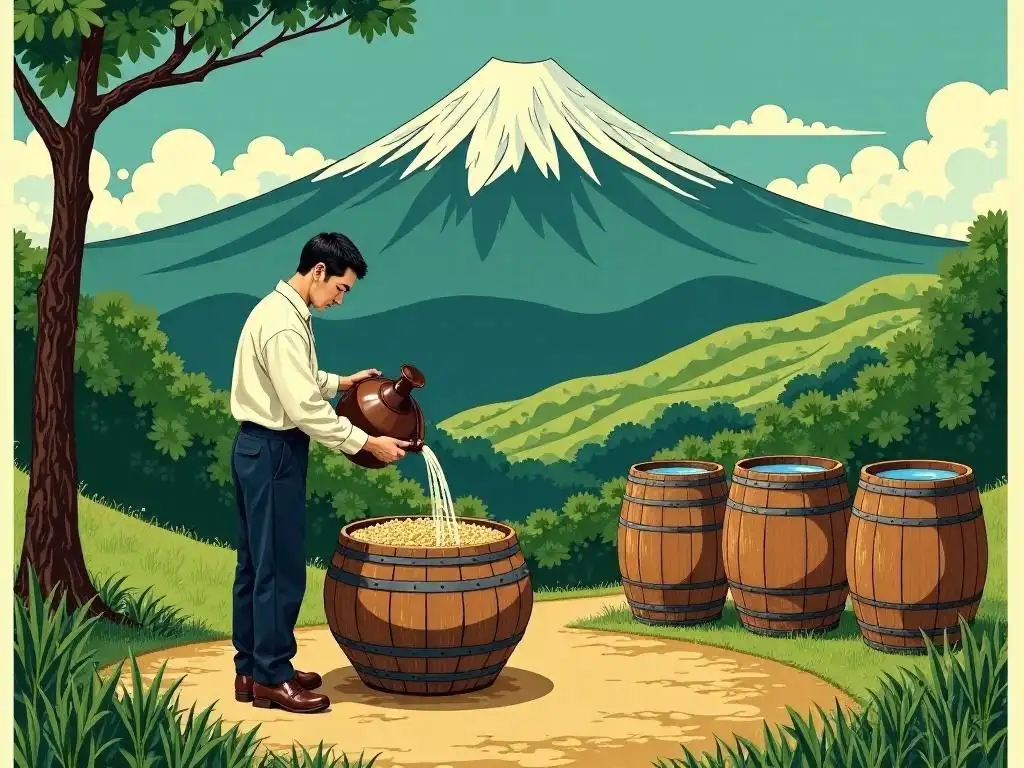
Welcome to Feudal Japan History, where we invite you to embark on a captivating journey through the rich tapestry of Japan’s feudal era. In this exploration, we delve into the intricate sake brewing techniques in Japan, unearthing the time-honored traditions that have shaped this beloved beverage. Discover how ancient practices blend seamlessly with modern innovations, offering a glimpse into the cultural heritage that continues to thrive today. Ready to uncover the secrets of sake? Join us as we raise a cup to history and innovation!
Introduction to Sake Brewing Techniques in Japan
Sake brewing is more than just a method of producing a beloved beverage; it embodies centuries of tradition, artistry, and cultural significance within Japan. As we delve into the intricate world of sake brewing techniques in Japan, we uncover a rich tapestry woven from ancient practices that have evolved into modern innovations.
The process of creating sake, often referred to as nihonshu in Japan, involves a careful balance of ingredients, temperature control, and fermentation methods that reflect the environment and culture of the region. This article aims to provide a comprehensive exploration of both the historical roots and contemporary advancements in sake brewing, highlighting how these techniques have shaped Japanese society and cuisine.
Ancient Sake Brewing Techniques
The Origins of Sake Brewing in Feudal Japan
The history of sake brewing can be traced back over a thousand years, with its origins deeply rooted in Japan's feudal era. Initially, sake was produced as a sacred offering to the gods during Shinto rituals. Evidence suggests that the brewing process began with simple fermentation techniques, using rice, water, and koji mold. As the craft progressed, local clans and samurai began to refine these techniques, integrating them into their cultural practices and daily life.
During the Heian period (794-1185), sake production began to flourish, with the establishment of brewing guilds that specialized in creating high-quality sake for the aristocracy. This period marked the beginning of a more systematic approach to brewing, where techniques were documented and passed down through generations. The development of sake as a communal beverage further solidified its importance in Japanese society, serving as a symbol of hospitality and celebration.
Key Ancient Sake Brewing Methods
The ancient methods of sake brewing are characterized by several key techniques that laid the foundation for modern practices. These methods include:
- Koji Making: The use of koji mold (Aspergillus oryzae) is essential for converting starches in rice into sugars, which are then fermented into alcohol. This technique was meticulously developed over time, with brewers learning to control the koji-making process to enhance flavor profiles.
- Fermentation: Traditional fermentation involved a two-stage process known as parallel fermentation, where the koji, yeast, and steamed rice were combined simultaneously. This innovative approach allowed for a more efficient conversion of sugars to alcohol, resulting in a smoother sake.
- Water Selection: The purity of water used in brewing is crucial, as it impacts both the flavor and quality of the final product. Ancient brewers relied on natural springs and rivers, often selecting water based on its mineral content and taste.
- Temperature Control: Ancient brewers developed techniques to control fermentation temperature, which is vital for producing different styles of sake. This knowledge was often passed down orally, showcasing the craftsmanship of each brewing community.
Cultural Rituals and Traditions in Sake Brewing
Sake brewing in feudal Japan was deeply intertwined with cultural rituals and societal traditions. The brewing process itself was often considered a spiritual endeavor, with brewers conducting ceremonies to honor the spirits of rice and water. These rituals included:
- Purification Rites: Before brewing, brewers would perform purification rituals to cleanse themselves and their equipment, ensuring that the sake produced was free from impurities.
- Offerings to Deities: Sake was offered at shrines as a form of respect and gratitude to the gods. This practice reinforced the belief that sake was a divine gift, elevating its status in Japanese culture.
- Seasonal Festivals: Sake brewing was often celebrated during seasonal festivals, where communities would come together to taste new brews and participate in various festivities. These gatherings fostered a sense of community and connection to the land.
Through these ancient techniques and rituals, sake brewing became a vital aspect of Japanese culture, reflecting the values and traditions of the time. As we explore the modern innovations in sake brewing, it becomes clear that these historical practices continue to influence the craft today.
Modern Innovations in Sake Brewing
In recent years, the world of sake brewing has seen a remarkable transformation driven by modern innovations. These advancements not only enhance the quality and flavor of sake but also streamline production processes. Sake brewers are increasingly incorporating cutting-edge technology, which allows for a more precise control of fermentation conditions, temperature, and even the use of data analytics to monitor the brewing process. This blend of tradition and technology has led to the emergence of new styles and varieties of sake, catering to a diverse range of palates.
One significant innovation is the use of microorganisms in fermentation. While traditional sake brewing relies on specific strains of yeast and koji mold, modern brewers are experimenting with lesser-known strains that can impart unique flavors and aromas. These innovations have opened the door for craft sake breweries to distinguish themselves in a crowded market, appealing to both traditionalists and modern consumers alike.
Contemporary Techniques in Sake Production
Contemporary sake production techniques have evolved significantly from their ancient counterparts. One prominent method is the use of temperature-controlled fermentation. This allows brewers to maintain optimal conditions throughout the brewing process, resulting in a cleaner and more refined product. Additionally, the practice of multiple parallel fermentation—where starch and sugar conversion occurs concurrently—has been perfected, yielding a more efficient brewing process.
Furthermore, the introduction of automated brewing systems has revolutionized the industry. These systems help to minimize human error and enhance consistency, ensuring that each batch of sake meets the desired specifications. Alongside these technological enhancements, there's a growing movement among brewers to embrace natural fermentation methods, returning to a more artisanal approach that highlights the unique characteristics of regional ingredients.
New Ingredients and Flavors in Sake
As sake brewing continues to evolve, brewers are increasingly exploring new ingredients and flavor profiles. While traditional sake primarily utilizes rice, water, yeast, and koji, innovative brewers are incorporating alternative grains such as millet and barley to create unique flavor profiles. Additionally, some brewers are experimenting with various fruits, herbs, and spices, adding complexity and depth to the sake experience.
The introduction of regional rice varieties has also played a crucial role in developing distinct flavors. For example, the use of Yamada Nishiki rice, known for its high quality, has become popular among premium sake producers. Moreover, brewers are tapping into local water sources, which can impart unique mineral characteristics to the final product, further enhancing its overall flavor profile.
Sustainability in Modern Sake Brewing
Sustainability has become a central focus for many modern sake brewers. As consumers become more environmentally conscious, breweries are adopting eco-friendly practices to reduce their carbon footprint. This includes sourcing ingredients locally, which not only supports local farmers but also minimizes transportation emissions.
Many sake producers are also investing in renewable energy sources, such as solar power, to run their operations. Additionally, waste reduction initiatives are being implemented, where by-products from the brewing process are repurposed for animal feed or composting, contributing to a circular economy. Such sustainable practices not only help protect the environment but also resonate with consumers who prioritize eco-friendly products.
Comparative Analysis of Ancient and Modern Sake Brewing Techniques
The comparison between ancient and modern sake brewing techniques reveals a fascinating evolution of this cherished beverage. While the core principles of sake production remain intact, the methods and approaches have undergone significant changes over time.
Similarities and Continuities in Sake Production
Despite the advancements in technology and techniques, several fundamental aspects of sake brewing have remained unchanged. The essential ingredients—rice, water, yeast, and koji—continue to be the backbone of sake production. Additionally, the traditional method of shubo, or yeast starter preparation, is still utilized in many breweries, ensuring that the fermentation process begins with a robust yeast culture.
Furthermore, the importance of seasonal brewing remains a constant in sake production. Many breweries still adhere to the practice of brewing sake during the colder months, when fermentation conditions are more favorable. This seasonal rhythm reflects a deep respect for nature and the environment that has persisted throughout the centuries.
Differences in Sake Quality and Flavor Profiles
The differences in sake quality and flavor profiles between ancient and modern brewing techniques are noteworthy. Ancient sake often had a rustic and unrefined taste due to the lack of precise control over fermentation conditions. In contrast, modern innovations allow for a cleaner and more nuanced product, highlighting the delicate flavors of the ingredients used.
Moreover, modern brewing techniques have led to the creation of a wider variety of sake styles, ranging from the fruity and aromatic to the rich and umami-driven. This diversification is largely due to enhanced fermentation control and the exploration of new ingredients, resulting in a vibrant landscape of flavors that appeal to a global audience. The evolution of sake brewing techniques not only honors tradition but also paves the way for exciting new directions in this ancient craft.
Conclusion: The Future of Sake Brewing in Japan
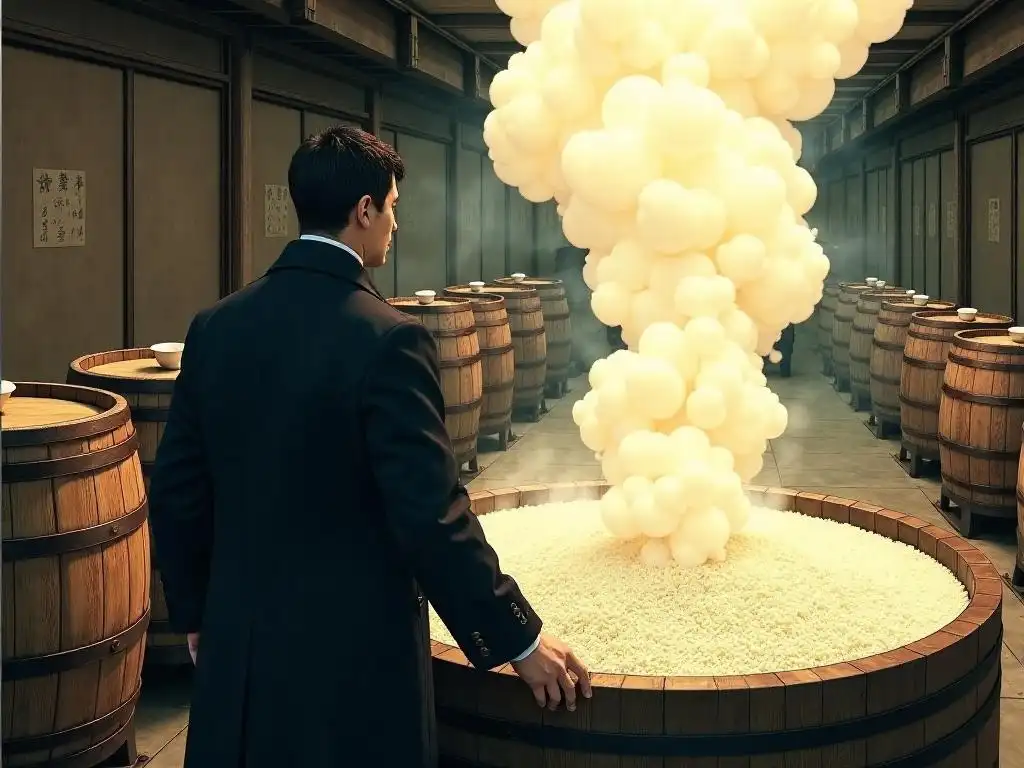
As we reflect on the rich history of sake brewing techniques in Japan, it is clear that this time-honored craft is at a crossroads. While traditional methods remain revered, modern innovations are reshaping the landscape of sake production. Breweries are increasingly experimenting with new ingredients, fermentation processes, and marketing strategies to appeal to a global audience.
The future of sake brewing also hinges on sustainability and environmental awareness. Many brewers are adopting eco-friendly practices, from sourcing local rice to implementing energy-efficient production methods. This commitment not only preserves the essence of sake but also ensures its viability in a changing world. As younger generations become more involved in this craft, we can expect to see a fusion of tradition and innovation, resulting in unique and diverse sake offerings.
Ultimately, the evolution of sake brewing techniques in Japan promises an exciting journey ahead, where the past and the future coexist harmoniously, captivating both connoisseurs and newcomers alike.
Recommended Resources for Sake Enthusiasts
Whether you're a seasoned sake enthusiast or just beginning your exploration of this fascinating beverage, there are numerous resources available to deepen your understanding of sake brewing techniques in Japan. Below are some invaluable recommendations:
Books on Sake Brewing Techniques in Japan
- "Sake: The History, Stories and Craft of Japan's Artisanal Brew" by Hiroshi Kondo
- This comprehensive guide offers insight into the history and philosophy behind sake brewing, alongside practical brewing techniques.
- "The Sake Handbook" by John Gauntner
- An essential read for anyone wanting to understand the intricacies of sake production and tasting, written by one of the foremost sake experts outside Japan.
- "Sake: A Modern Guide to the Traditional Japanese Drink" by Masumi Shiraishi
- This book bridges the gap between traditional brewing methods and contemporary innovations, making it a great resource for both novices and experts.
Sake Brewing Workshops and Courses
- Sake School of America
- Offers courses ranging from beginner to advanced, covering the history, production techniques, and tasting of sake. Participants can gain hands-on experience in brewing.
- Tokyo Sake Tasting Experience
- This immersive workshop allows participants to taste various sake types while learning about the brewing process directly from brewers.
- Local Brewery Tours
- Many sake breweries in Japan offer tours and workshops where enthusiasts can see the brewing process firsthand and sample the finished product.
Online Communities and Forums for Sake Lovers
- Sake Social
- An online community dedicated to sake enthusiasts, where members can share experiences, advice, and recommendations on various sake brands and brewing techniques.
- Sake Guru Forum
- This forum provides a platform for discussions on everything related to sake, from brewing methods to food pairings, fostering a vibrant community of sake lovers.
- Reddit's r/sake
- A subreddit where enthusiasts can engage in discussions, ask questions, and share their sake experiences, creating an inclusive space for all things sake.
These resources serve as a valuable foundation for anyone looking to delve deeper into the world of sake brewing techniques in Japan, helping to keep the tradition alive and thriving.
Final Thoughts on Sake Brewing Techniques in Japan
Sake brewing techniques in Japan represent a fascinating fusion of ancient traditions and modern innovations, creating a rich tapestry that tells the story of Japanese culture and craftsmanship. Over centuries, these techniques have evolved, influenced by regional practices, climate, and even the personal philosophies of brewers.
The meticulous process of brewing sake begins with the careful selection of ingredients—premium rice, pure water, yeast, and koji mold. Each of these components plays a pivotal role in determining the final taste and quality of the sake. Traditional methods emphasize the importance of using locally sourced materials. For instance, the soft water found in the mountainous regions of Japan is often preferred for its ability to enhance the brewing process, while specific rice varieties like Yamada Nishiki are celebrated for their superior quality.
Moreover, the artistry involved in sake brewing cannot be overstated. Each step, from washing and soaking the rice to the fermentation process, requires a delicate balance of science and intuition. The brewmaster, or toji, brings years of experience and skill to the process, often making adjustments based on sensory cues that reflect the unique characteristics of each batch.
In recent years, the sake industry has also embraced modern technologies that enhance consistency and efficiency without compromising quality. Innovations such as temperature-controlled fermentation tanks and advanced filtration techniques have made it possible to produce sake on a larger scale while still upholding the traditional values of craftsmanship. Additionally, the introduction of new yeast strains has led to a broader flavor profile, appealing to a global audience eager to explore the diverse world of sake.
As we reflect on the enduring legacy of sake brewing techniques in Japan, it becomes clear that this craft is not just about producing a beverage; it is a celebration of culture, history, and community. Sake is often enjoyed during significant life events, from weddings to festivals, reinforcing its role as a social lubricant that brings people together. As both ancient methods and contemporary innovations continue to coexist, sake brewing remains a vibrant part of Japan's culinary heritage, inviting enthusiasts and newcomers alike to partake in its rich flavors and traditions.
The journey of sake brewing from ancient times to the present day is a testament to the resilience and creativity of Japanese culture. As we cherish these time-honored techniques while welcoming modern advancements, the future of sake brewing in Japan looks promising, poised to captivate new generations with its depth and diversity. 🍶
- Introduction to Sake Brewing Techniques in Japan
- Ancient Sake Brewing Techniques
- Modern Innovations in Sake Brewing
- Comparative Analysis of Ancient and Modern Sake Brewing Techniques
- Conclusion: The Future of Sake Brewing in Japan
- Recommended Resources for Sake Enthusiasts
- Final Thoughts on Sake Brewing Techniques in Japan
Frequently Asked Questions
What are the traditional sake brewing techniques in Japan?
Traditional sake brewing techniques involve a meticulous process including polishing rice, fermentation, and precise temperature control, which have been refined over centuries.
How has modern technology influenced sake brewing?
Modern technology has introduced innovations such as automated brewing processes and advanced temperature regulation, enhancing consistency and quality while still respecting traditional methods.
What role does rice polishing play in brewing sake?
Rice polishing is crucial as it removes the outer layers of the rice, affecting the flavor profile and aroma of the sake. The degree of polishing determines the quality and classification of the sake.
Are there regional variations in sake brewing across Japan?
Yes, different regions of Japan have distinct sake brewing traditions that reflect local climate, water sources, and rice types, resulting in unique flavors and styles of sake.
What cultural significance does sake hold in Japanese society?
Sake is not just a beverage; it plays a vital role in ceremonies, festivals, and rituals, symbolizing hospitality and marking important life events in Japanese culture.
Final Reflection: Honoring Tradition While Embracing Innovation in Sake Brewing
Sake brewing techniques in Japan are not just a relic of the past; they are a vibrant tapestry that continues to evolve and resonate in today's world. As we explore the intricate methods that have been passed down through generations, we realize that these traditions are not merely historical artifacts but living practices that shape the identity of Japanese culture. The delicate balance between ancient techniques and modern innovations highlights the resilience and adaptability of this beloved craft, reminding us that the essence of tradition can thrive alongside contemporary advancements.
The influence of sake brewing extends far beyond the brewing process itself; it permeates social gatherings, culinary experiences, and cultural celebrations. The art of sake brewing fosters a sense of community and connection, bridging the gap between past and present. As we savor a glass of sake, we partake in a ritual that has united people for centuries. Sake is not just a drink; it’s a connection to our heritage and a celebration of life.
This ongoing dialogue between tradition and innovation invites us to appreciate the depth of our shared experiences and the stories that each bottle of sake carries.
As we reflect on the rich history and future of sake brewing, I encourage you to consider how these lessons can be applied in your own life. Embrace the traditions that shape your identity while remaining open to new ideas and innovations. Whether it's in the realm of culinary arts, personal passions, or cultural practices, let the spirit of sake brewing inspire you to honor your roots while exploring new horizons. In doing so, we not only preserve the past but also pave the way for a vibrant future filled with creativity and connection.
Unveil the Art of Sake Brewing Today!
Thank you for diving into the rich world of sake brewing traditions with us! We hope you've gained valuable insights into both ancient techniques and modern innovations that make this craft so special. Now, it’s time to take the next step on your sake journey!
Here are a few ways you can immerse yourself in the art of sake:
- Explore Local Sake Breweries: Find a nearby sake brewery to tour, taste, and learn from the masters. It’s a fantastic way to experience the craft firsthand!
- Host a Sake Tasting Night: Gather friends for a fun evening to taste and compare different varieties of sake. Don’t forget to share some fascinating facts you’ve learned along the way!
- Join an Online Sake Community: Connect with fellow enthusiasts and experts to expand your knowledge and share your experiences in the world of sake brewing.
What aspect of sake brewing do you find most intriguing, and how will you incorporate it into your own experiences? We invite you to share your thoughts below!