
The Ashigaru's Role in Siege Warfare: Tactics and Techniques

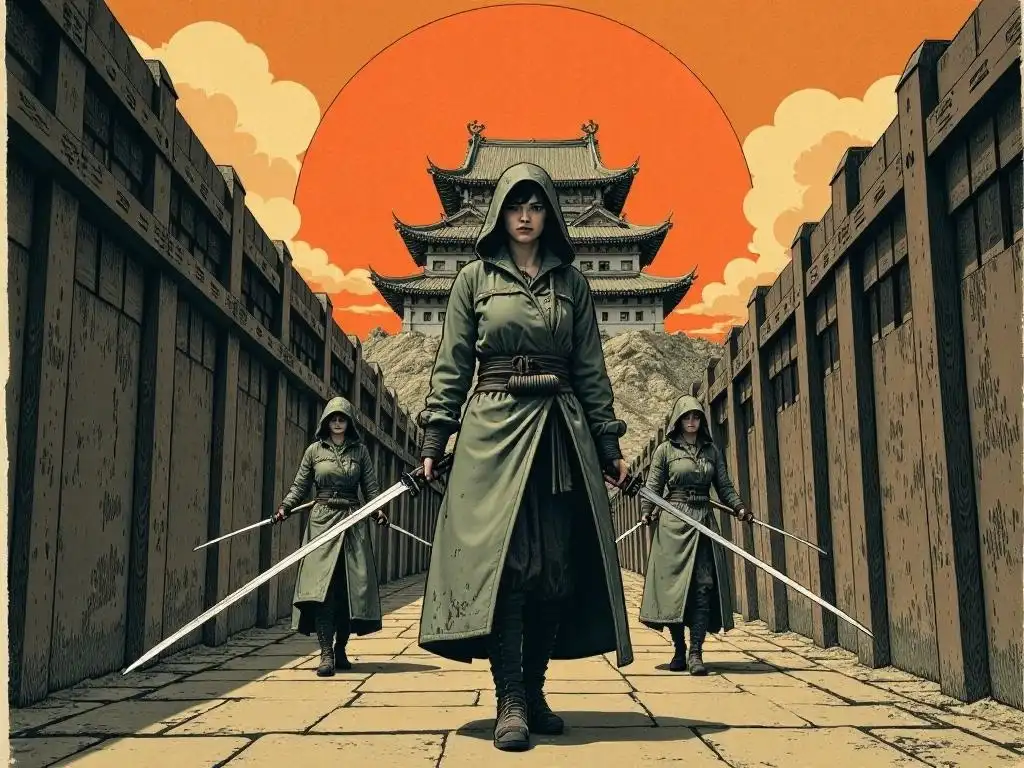
Welcome to Feudal Japan History! Dive into the fascinating world of Japan's feudal era, where every corner reveals secrets of warfare, culture, and societal evolution. In our featured article, we unravel the Ashigaru tactics in siege warfare, exploring the strategic brilliance and techniques that shaped battles during this tumultuous time. Prepare to be captivated by the intricacies of military history and the pivotal role these foot soldiers played in defining the fate of castles and clans. What secrets lie within their strategies? Continue reading to discover the answers!
Introduction to Ashigaru in Feudal Japan
The Ashigaru, a term that translates to "light foot," played a pivotal role in the military landscape of feudal Japan, particularly during times of siege warfare. As the backbone of the samurai armies, these foot soldiers were not only crucial in large-scale battles but also in the specialized tactics employed during sieges.
Understanding the Ashigaru's tactics in siege warfare provides insight into their strategic importance and the evolution of military practices in Japan's feudal era. From their initial inception as a lower-class alternative to the elite samurai, the Ashigaru evolved into skilled warriors capable of adapting to the complexities of siege scenarios, employing various techniques to support their lords and fortify their positions.
Definition of Ashigaru
The Ashigaru were primarily foot soldiers, often composed of lower-ranking samurai retainers, peasants, and other commoners who took up arms. They were typically less equipped than their samurai counterparts, wielding weapons such as yari (spears) and naginata (polearms), and sometimes utilizing firearms in later periods. Unlike samurai, who adhered to a strict code of honor and were often mounted, Ashigaru were more versatile and could be trained relatively quickly for various military roles.
Historical Context of Ashigaru in Military Campaigns
Emerging during the Muromachi period (1336–1573), the Ashigaru gained prominence as warfare in Japan transitioned from small-scale skirmishes to larger, organized battles. With the rise of powerful warlords, the need for a larger infantry force became evident. Ashigaru were frequently employed in campaigns led by notable figures such as Oda Nobunaga and Toyotomi Hideyoshi, where their numbers and adaptability were essential in the face of evolving battlefield tactics, including siege operations.
Importance of Ashigaru in Siege Warfare
In the context of siege warfare, the Ashigaru's role was multifaceted. They served not only as frontline combatants but also as crucial support troops. Their ability to quickly construct fortifications, lay siege to enemy castles, and engage in skirmishes made them invaluable assets during protracted conflicts. The reliance on Ashigaru allowed feudal lords to maintain larger armies, and their participation in sieges often determined the outcomes of battles, showcasing their importance in the military hierarchy of feudal Japan.
Overview of Siege Warfare in Feudal Japan
Siege warfare in feudal Japan was characterized by its unique strategies and tactical considerations, influenced by the geography and architecture of Japanese castles. Understanding the definition and characteristics of this warfare type is essential to appreciate the Ashigaru's contributions during sieges.
Definition and Characteristics of Siege Warfare
Siege warfare involved the prolonged effort to capture a fortified position, typically a castle or walled city. Tactics included encirclement, construction of siege works, and the use of various offensive and defensive strategies. Key characteristics of siege warfare in feudal Japan included:
- Fortifications: Castles were built with elaborate defenses, including moats, walls, and watchtowers.
- Psychological Warfare: Prolonged sieges often aimed to demoralize the enemy, leading to surrender without direct confrontation.
- Resource Management: Maintaining supplies and morale was crucial for both the besieging and besieged forces.
Key Historical Sieges Involving Ashigaru
Several significant sieges highlight the role of Ashigaru in feudal Japan, including:
- The Siege of Takamatsu (1582): This siege showcased the strategic use of Ashigaru to construct fortifications and engage in direct combat against defending forces.
- The Siege of Osaka (1614-1615): The Ashigaru played a crucial role in both offensive and defensive operations, helping to shape the outcome of this pivotal conflict.
Role of Ashigaru Versus Samurai in Siege Scenarios
While samurai were often viewed as the elite warriors of feudal Japan, the Ashigaru's role during sieges was equally important. Unlike samurai, who might engage in traditional one-on-one combat, Ashigaru were frequently tasked with more pragmatic duties, such as:
- Conducting reconnaissance and gathering intelligence on enemy positions.
- Building siege engines and fortifications to support ongoing operations.
- Participating in skirmishes to disrupt enemy supply lines and morale.
The Ashigaru's tactics in siege warfare were essential not only for their immediate contributions but also for the overall success of military campaigns during feudal Japan. Understanding their roles provides a richer perspective on the complexities of Japanese warfare and the dynamics between different social classes within the military hierarchy.
Ashigaru Tactics in Siege Warfare
The Ashigaru played a crucial role in the siege warfare of feudal Japan, serving as foot soldiers who were both versatile and adaptable to various combat situations. Their tactics were a blend of traditional warfare strategies and innovative techniques that evolved over time. As sieges became more common during the Sengoku period, Ashigaru tactics became increasingly sophisticated, incorporating a range of offensive and defensive maneuvers that were pivotal in both attacking and defending fortifications.
Types of Ashigaru Units Used in Sieges
In sieges, different types of Ashigaru units were deployed based on the tactical requirements of the situation. The primary categories included:
- Yari Ashigaru: Armed with spears, these soldiers were essential for both close combat and forming defensive lines. Their ability to engage enemy forces at a distance made them valuable during sieges, especially when defending against cavalry charges.
- Bow Ashigaru: Equipped with longbows, these units provided ranged support during sieges. Their role was to harass enemy troops from a distance, target officers, and disrupt assaults on fortifications.
- Gun Ashigaru: With the introduction of firearms, gun-wielding Ashigaru became increasingly important. Their ability to fire volleys at the enemy, particularly during sieges, changed the dynamics of warfare by allowing for effective long-range attacks.
- Sapper Ashigaru: Specializing in engineering tasks, these units were responsible for constructing siege equipment, such as ladders and siege towers, as well as undermining enemy fortifications. Their expertise was crucial for successful assaults.
Defensive Tactics Employed by Ashigaru
When tasked with defending fortifications, Ashigaru utilized several effective defensive tactics:
- Formation and Shielding: The Ashigaru often formed tight defensive formations, using shields and spears to create a barrier against enemy assaults. This tactic was crucial in maintaining a strong front line.
- Use of Terrain: Defenders strategically utilized the landscape, positioning themselves on elevated ground or in fortified structures to gain a tactical advantage. This included taking advantage of natural barriers and obstacles.
- Counterassaults: During sieges, Ashigaru would sometimes launch counterattacks against enemies who breached their defenses. By employing surprise tactics, they could disrupt enemy formations and reclaim lost ground.
Offensive Tactics Utilized by Ashigaru
In offensive operations, Ashigaru showcased their adaptability through various tactics:
- Massed Assaults: Coordinated mass attacks were a hallmark of Ashigaru tactics. By overwhelming the enemy with sheer numbers, they could break through defenses and create chaos.
- Flanking Maneuvers: Ashigaru units often executed flanking movements to catch the enemy off guard. By attacking from multiple directions, they increased their chances of success during sieges.
- Siege Weaponry: The use of siege weapons, such as catapults and battering rams, was often managed by Ashigaru. Their ability to operate and protect these machines was critical during prolonged assaults.
Techniques for Coordinated Assaults
Successful sieges required meticulous coordination among Ashigaru units. Several techniques were employed to ensure effective collaboration:
Communication Strategies Among Ashigaru Units
Communication was vital in maintaining order during chaotic siege scenarios. Ashigaru utilized a combination of verbal commands and visual signals, such as flags or drums, to relay information across the battlefield. This allowed for:
- Quick Adaptation: Units could rapidly adjust their tactics based on real-time developments, such as enemy movements or breaches in defenses.
- Unified Strategy: Clear communication enabled different Ashigaru units to operate in concert, maximizing their collective effectiveness during coordinated assaults.
Importance of Leadership in Siege Operations
Leadership played a pivotal role in the effectiveness of Ashigaru during sieges. Experienced commanders were crucial for:
- Strategic Planning: Effective leaders developed comprehensive siege strategies that accounted for the strengths and weaknesses of both their forces and the enemy.
- Morale Maintenance: Strong leadership helped to maintain the morale of Ashigaru troops, ensuring they remained focused and committed during protracted siege situations.
- Training and Discipline: Leaders were responsible for training Ashigaru in siege tactics, instilling discipline and teamwork that were essential for successful operations.
Case Studies of Successful Ashigaru Tactics
Several historical sieges exemplify the successful application of Ashigaru tactics:
- Siege of Takamatsu (1582): During this siege, Ashigaru units effectively utilized their ranged weaponry to pick off enemy soldiers, significantly weakening the opposing force before a ground assault.
- Siege of Osaka (1614-1615): The Ashigaru played a critical role in the defense of Osaka Castle, employing defensive formations and counterassaults to repel attacks from Tokugawa forces.
These case studies highlight how Ashigaru tactics in siege warfare were not only about raw numbers but also involved strategic planning and execution that leveraged their unique skills and capabilities.
The Evolution of Ashigaru Tactics in Siege Warfare
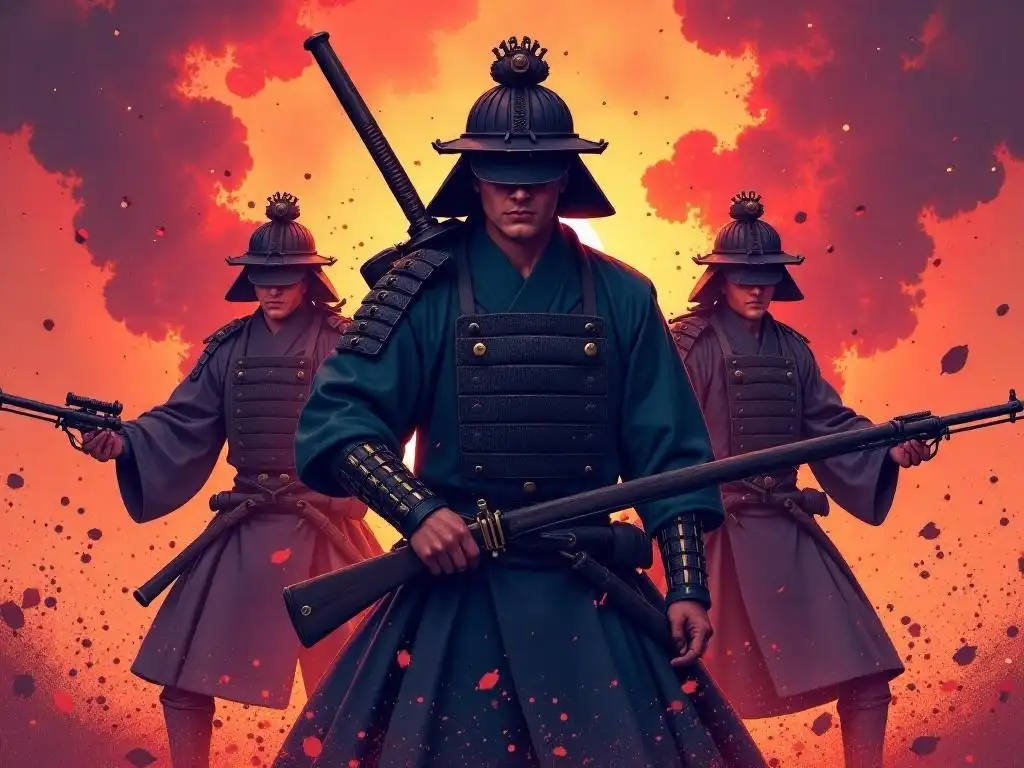
The Ashigaru, originally peasant foot soldiers, played a pivotal role in the evolution of siege warfare during Japan's feudal era. Their tactics and techniques underwent significant development, influenced by a variety of factors, including changes in military organization, the introduction of new weaponry, and the shifting dynamics of warfare itself. As the Ashigaru evolved from a basic infantry force to a crucial component of siege operations, their methods became increasingly sophisticated, helping to shape the outcome of numerous conflicts across Japan.
Changes in Tactics Over Different Periods
Throughout the different periods of Japan's feudal history, Ashigaru tactics in siege warfare reflected the prevailing military strategies and the nature of conflicts. In the early Sengoku period, Ashigaru primarily served as light infantry, often employed in skirmishes and defensive roles. Their tactics were rudimentary, focusing on basic formations and using traditional weapons such as spears and swords.
As warfare progressed, particularly during the late Sengoku period and into the Edo period, Ashigaru began to adopt more advanced tactics. The introduction of firearms, particularly the matchlock arquebus, revolutionized their role. By integrating these firearms into their formations, Ashigaru became a formidable force during sieges, providing cover for more heavily armed samurai and improving the overall defensive capabilities of their clans. The shift towards a more organized and disciplined approach to siege tactics allowed Ashigaru to contribute significantly to both offense and defense in prolonged engagements.
Influence of European Warfare on Ashigaru Techniques
The contact with European traders and missionaries during the late 16th century introduced new military concepts and technologies to Japan. The Ashigaru were particularly influenced by European tactics, especially regarding the use of gunpowder and artillery. The adoption of the arquebus was a direct result of this exchange, and it transformed the landscape of Japanese warfare, including siege scenarios.
European-style fortifications also inspired Japanese castle designs, leading Ashigaru to adapt their approaches accordingly. The training methods and formations used by Ashigaru began to mirror those seen in European armies, emphasizing discipline and coordinated movements. This blending of techniques resulted in more effective siege operations, as Ashigaru became adept at utilizing both traditional and foreign military strategies.
Adaptation to New Technologies and Strategies
As Japan entered the early modern period, the evolution of Ashigaru tactics continued in response to new technologies and strategic shifts. The development of more advanced weaponry, such as larger artillery pieces and improved gunpowder weapons, required Ashigaru to adapt their tactics further. They learned to work in concert with these new technologies, providing critical support during sieges through coordinated attacks with artillery and infantry.
Moreover, the rise of more structured military organizations led to the professionalization of the Ashigaru. They began to receive formal training in siege warfare tactics, which included the use of fortifications, trench warfare, and defensive strategies. This professionalization not only enhanced their effectiveness in sieges but also solidified their status as an integral part of the samurai-led military hierarchy.
Conclusion
Recap of Ashigaru's Impact on Siege Warfare
The impact of Ashigaru on siege warfare in feudal Japan was profound. Their evolution from simple foot soldiers to skilled infantry capable of executing complex tactics marked a significant development in military history. Through their adaptability to new technologies, strategies, and influences, Ashigaru transformed the dynamics of siege warfare, contributing to the successes of various clans and changing the fate of numerous conflicts.
Final Thoughts on Ashigaru Tactics in Feudal Japan’s Military History
The tactics employed by Ashigaru in siege warfare represent a fascinating aspect of feudal Japan's military history. Their ability to adapt and innovate in response to changing circumstances underscores their importance on the battlefield. As we continue to explore the military strategies of this era, the Ashigaru's contributions will remain a vital part of understanding Japan's feudal conflicts and the evolution of warfare itself. The legacy of their tactics still resonates today, highlighting how even the most humble of soldiers can significantly influence the course of history.
References and Further Reading
The study of Ashigaru tactics in siege warfare provides invaluable insights into the military strategies employed during Japan's feudal era. To deepen your understanding of this topic, the following resources are recommended for further exploration.
Suggested Books and Articles on Ashigaru and Siege Warfare
-
"Samurai Warfare: The Role of the Ashigaru" by Anthony J. Bryant
This book details the evolution of the Ashigaru from foot soldiers to a pivotal force in Japanese warfare, including their roles in siege scenarios. It offers a comprehensive analysis of their tactics and contributions.
-
"The Ashigaru: Japan’s Foot Soldiers" by Stephen Turnbull
Turnbull's work is a seminal text that explores the social and military significance of the Ashigaru, covering their training, equipment, and battlefield tactics, including in siege contexts.
-
"Siege Warfare in Japan: The Role of the Ashigaru" by David A. W. McCullough
This article delves into specific case studies of siege warfare, highlighting the Ashigaru's strategic importance and tactical maneuvers during sieges, providing concrete examples of their effectiveness.
-
"Warriors of Japan: The Ashigaru in Feudal Warfare" by Michael S. Brown
This resource offers an extensive examination of Ashigaru soldiers, focusing on their evolution over time and their impact on siege warfare, alongside illustrations and historical accounts.
-
"The Art of War in Japan" by Richard A. Kahn
Kahn’s work places Ashigaru tactics within the broader context of Japanese martial strategies, analyzing their adaptability in various military situations, including sieges.
Online Resources for In-Depth Exploration of Feudal Japan
-
Japanese Historical Texts Archive
An extensive repository of primary sources, including military texts that reference Ashigaru tactics and siege warfare, providing firsthand accounts from the feudal period.
-
The Samurai Archives
A comprehensive online resource dedicated to Japanese history, featuring articles, forums, and discussions about the Ashigaru and their role in warfare, including siege tactics.
-
Feudal Japan Military History Database
This database offers a wealth of information about military conflicts in feudal Japan, with specific sections dedicated to siege warfare tactics and the role of Ashigaru.
-
Online Courses in Japanese History
Numerous universities offer free or low-cost online courses focusing on Japanese history, which often include modules on military strategies during the feudal era, covering the significance of Ashigaru.
-
YouTube Channels on Japanese History
Channels such as "The History of Japan" and "Samurai and Ninja" feature videos that discuss Ashigaru tactics in an engaging format, providing visual and auditory learners with accessible information about siege warfare.
These references and resources will equip readers with a deeper understanding of the Ashigaru's pivotal role in siege warfare, enhancing their knowledge of this fascinating aspect of Japan's military history.
- Introduction to Ashigaru in Feudal Japan
- Overview of Siege Warfare in Feudal Japan
- Ashigaru Tactics in Siege Warfare
- Techniques for Coordinated Assaults
- The Evolution of Ashigaru Tactics in Siege Warfare
- Conclusion
- References and Further Reading
Frequently Asked Questions
What were Ashigaru in feudal Japan?
Ashigaru were foot soldiers in the Japanese feudal system, often recruited from the lower classes. They played a crucial role in battlefield tactics and were known for their versatility and mobility.
What significance did Ashigaru tactics hold in siege warfare?
Ashigaru tactics were vital in siege warfare, allowing for effective defense and offense during sieges. Their strategies included flanking maneuvers and use of ranged weapons, which were instrumental in weakening enemy positions.
How did Ashigaru contribute to castle defense?
In castle defense, Ashigaru utilized strategic positioning and archery to repel attackers. They were often organized into units that could effectively respond to enemy movements, providing a robust defense for fortifications.
What techniques did Ashigaru employ during sieges?
Ashigaru employed techniques such as hit-and-run tactics and ambush strategies to disrupt enemy formations. Their use of firearms and artillery also marked a significant evolution in siege approaches during their era.
How did the role of Ashigaru evolve over time?
Over time, the role of Ashigaru shifted from primarily infantry forces to more specialized units, integrating advanced tactics and weaponry. This evolution reflected the changing dynamics of warfare in feudal Japan, leading to greater importance in siege scenarios.
Final Reflection: The Enduring Legacy of Ashigaru Tactics in Siege Warfare
The strategies employed by the Ashigaru during siege warfare are not just relics of the past; they resonate deeply with contemporary military tactics and the art of strategic planning. As we examine the evolution of warfare, it becomes clear that the adaptability and resourcefulness of the Ashigaru serve as a powerful reminder of how innovative tactics can turn the tide in challenging situations. Their ability to navigate the complexities of siege warfare highlights the importance of flexibility and creativity in any conflict, a lesson that remains relevant in today's dynamic military landscape.
The impact of Ashigaru tactics extends beyond the battlefield, influencing modern military doctrine and inspiring leaders to think outside the box. Their unique approach to siege warfare exemplifies how a well-trained and motivated force can overcome seemingly insurmountable odds. As noted by military historian John Keegan, The true art of war lies in the ability to adapt and innovate, to find new ways to confront old challenges.
This observation underscores the ongoing relevance of the Ashigaru's legacy, as their tactics continue to inform contemporary strategies and inspire future generations of military leaders.
As we reflect on the lessons learned from the Ashigaru's role in siege warfare, I invite you to consider how these principles can be applied in your own life. Whether in personal challenges or professional endeavors, the ability to adapt, innovate, and persevere is crucial. Embrace the spirit of the Ashigaru, and let their legacy inspire you to tackle your own sieges with creativity and determination. Remember, every obstacle presents an opportunity for growth and transformation—seize it.
Master the Strategies of Ashigaru Warfare!
Thank you for exploring the fascinating world of the Ashigaru and their pivotal role in siege warfare! By diving into their tactics and techniques, you now have a deeper understanding of how these foot soldiers shaped history. Are you ready to take what you've learned and implement it?
Here are a few actionable steps you can take:
- Dive Deeper: Research a specific siege campaign from feudal Japan. Analyze how the Ashigaru’s tactics influenced the outcome and what modern strategies can be derived from their experiences.
- Join the Conversation: Share your insights or questions on our community forum. Engage with fellow history enthusiasts and exchange ideas about the Ashigaru and their remarkable adaptability in combat.
- Unearth Hidden Stories: Explore lesser-known battles involving Ashigaru. Discover accounts that may not be in mainstream history and contribute to unveiling their legacy!
Which aspect of the Ashigaru’s tactics intrigues you the most, and how do you think we can apply these lessons to contemporary strategies?