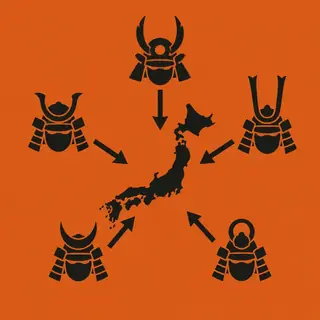
The Interplay of Power: Samurai, Nobility, and the Rise of Regional Lords
🌸 The intricate dynamics between samurai, nobility, and regional lords shaped Japan's feudal era, influencing power structures and societal norms. This article…
Read article
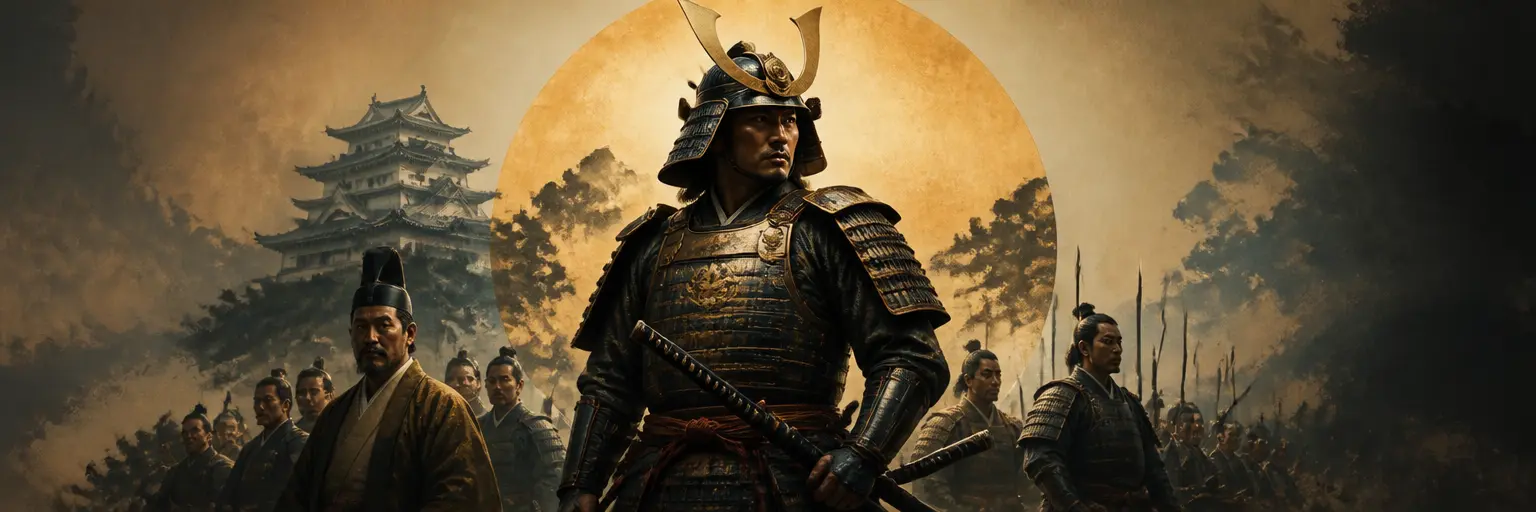
Explore the rise of Japan’s samurai class and discover how warrior families, military leadership, and shifting political power transformed feudal Japan ⚔️. Learn about the origins of the samurai, the growth of the shōen system, and the emergence of powerful clans that reshaped Japanese political history. 📜 Gain expert insights into the key events, figures, and institutions that laid the foundation for centuries of warrior rule.
🌸 The intricate dynamics between samurai, nobility, and regional lords shaped Japan's feudal era, influencing power structures and societal norms. This article…
Read article
The decline of the samurai was influenced by shifting political dynamics, the introduction of firearms, and the rise of centralized power during…
Read article
The samurai influence on Japan's politics was profound, as their martial prowess and loyalty reshaped the power dynamics of feudal society, leading…
Read article
🌸 The samurai influence on Japanese arts during the feudal era sparked a profound cultural renaissance, intertwining martial discipline with creative expression.…
Read article
The concept of samurai loyalty in feudal Japan was not merely a personal bond but a profound societal expectation. This article delves…
Read article
🌿 Geography's impact on Samurai was profound, shaping not only their military strategies but also their cultural practices. This article delves into…
Read article
The samurai identity transformation history illustrates a remarkable journey from feudal servants to revered national heroes. This evolution reflects broader societal changes…
Read article
🌸 The Samurai played a crucial role in the unification of Japan during the Sengoku period, navigating power struggles and forging alliances.…
Read article
The Mongol invasions significantly shaped Japan's feudal landscape, catalyzing the rise of the samurai class. As fierce defenders against foreign threats, these…
Read article
🌸 Unravel the complexities of samurai feudal alliances history as we explore the intricate political maneuvers and shifting loyalties that defined Japan’s…
Read article
The rise of the samurai in Japan was driven by a complex interplay of socioeconomic factors, including land disputes, agricultural demands, and…
Read article
📜 Education played a crucial role in the rise of the samurai class, shaping their values, skills, and leadership qualities. This article…
Read articleExplore the rise of the samurai class and discover how warrior families transformed Japan’s political history. This subcategory examines the origins of the samurai, the growth of regional military power, the decline of imperial authority, and the emergence of warrior governments that shaped feudal Japan. Through expert-driven historical articles, readers can follow the development of samurai society from provincial defenders to influential political leaders who established lasting military institutions.
Learn how the early samurai emerged from local warrior groups, provincial elites, and retainers who served powerful aristocratic families. Articles in this section explore the meaning of terms such as saburau, the development of mounted archery, and the changing role of armed specialists during the Heian period. Readers will gain valuable context about the social, economic, and military conditions that encouraged the formation of Japan’s warrior class.
This section also examines the relationship between the imperial court, the aristocracy in Kyoto, and provincial military families. Early samurai history was shaped by land disputes, tax collection, estate management, and the need to maintain order beyond the capital. These developments helped create the political foundation for the later dominance of warrior governments.
Discover how major clans such as the Taira and Minamoto expanded their influence during the late Heian period. Detailed articles explain how warrior families gained authority through military service, estate administration, alliances, and hereditary leadership. This period is essential for understanding why provincial samurai became increasingly independent from the court-centered government.
Readers can expect clear explanations of the conflicts and political changes that strengthened the warrior class. The Heian period samurai were not yet a unified social group, but their growing control over land and armed force allowed them to compete directly for national power. Their rise marked a major turning point in Japanese political history.
Examine the Genpei War, the decisive conflict between the Minamoto and Taira clans that transformed Japan’s political order. This section covers the causes of the war, important battles, military strategies, clan alliances, and the role of figures such as Minamoto no Yoritomo and Taira no Kiyomori. Readers will learn how warfare among elite families created the conditions for a new style of government.
The Minamoto victory was significant because it demonstrated that military leadership could determine the future of Japan more effectively than court rank alone. Articles explain how the conflict accelerated the political rise of the samurai and prepared the way for the establishment of the Kamakura shogunate, Japan’s first enduring warrior government.
Explore how Minamoto no Yoritomo converted military success into a durable political system. Topics include the creation of the Kamakura bakufu, the appointment of shugo and jitō, the management of warrior vassals, and the relationship between the shogunate and the imperial court. These articles reveal how Yoritomo built institutions that allowed samurai leaders to govern while preserving the symbolic authority of the emperor.
This section provides insight into the structure of Kamakura samurai government and the meaning of the vassal relationship between lord and retainer. Readers will discover how loyalty, land rights, military service, and legal authority became central features of medieval Japanese politics, helping the samurai class establish long-term control over the country.
Understand the social values and customs associated with the developing samurai class. Articles explore loyalty, honor, family identity, martial training, mounted combat, swordsmanship, archery, religious beliefs, and the importance of hereditary service. This section also explains how later ideas about bushidō developed over time and should not be applied uncritically to earlier samurai history.
Readers can also learn about the everyday lives of warrior households, including inheritance, marriage alliances, land ownership, and relationships between samurai, peasants, artisans, and religious institutions. Samurai culture in feudal Japan was not limited to warfare; it also involved administration, legal disputes, economic management, and participation in wider political networks.
Study how external crises, including the Mongol invasions of Japan in 1274 and 1281, affected the samurai government. Articles examine defensive preparations, battlefield tactics, coastal fortifications, and the challenges of rewarding warriors after a war fought primarily for national defense. These events reveal both the strength and weaknesses of the Kamakura political system.
The Mongol invasions also influenced Japanese identity, religious interpretation, and military organization. Readers will discover how the absence of large territorial rewards created dissatisfaction among samurai vassals, contributing to political instability and the eventual fall of the Kamakura shogunate. This makes the period essential for understanding the continuing evolution of samurai power.
Follow the broader transformation of samurai families from regional military groups into Japan’s dominant political elite. This section connects the rise of the samurai to the decline of aristocratic government, the expansion of provincial administration, and the development of warrior law. It also places the Kamakura period within the longer history of the Muromachi shogunate, Sengoku daimyo, and the eventual unification of Japan.
By reading these historically grounded articles, visitors can understand why the samurai remained central to Japanese politics for centuries. The rise of the samurai class was a gradual process shaped by conflict, land, institutions, family alliances, and political adaptation rather than a single historical event.
The samurai began to emerge during the Heian period, particularly from the ninth to twelfth centuries. They developed from provincial warriors, estate managers, and retainers who served aristocratic families and religious institutions. Their role expanded as the imperial court struggled to control distant regions.
The samurai gained political power because they controlled armed force, managed land, protected estates, and formed strong regional alliances. As military conflicts increased, rulers increasingly depended on warrior families. Over time, samurai leaders gained authority that rivaled and eventually surpassed that of the traditional court aristocracy.
The Genpei War ended with the defeat of the Taira clan and the victory of Minamoto no Yoritomo. It established the importance of military leadership in national politics and led to the creation of the Kamakura shogunate. The conflict was a major milestone in the transition from court-centered rule to samurai government.
The Kamakura shogunate was Japan’s first long-lasting warrior government, founded by Minamoto no Yoritomo in the late twelfth century. It governed through military institutions and vassal relationships while the emperor and court remained in Kyoto. The shogunate appointed officials, administered justice, and supervised samurai landholders.
No. The samurai class included leaders of major warrior clans, local landholding families, mounted retainers, guards, and lower-ranking military servants. Their wealth and political influence varied greatly. Some became powerful provincial governors, while others served as dependent warriors within larger clan networks.