The Impact of Buddhism and Shintoism on the Genpei War
The Genpei War was profoundly shaped by the influence of Buddhism and Shintoism, as these spiritual traditions guided the samurai's values and…
Read article
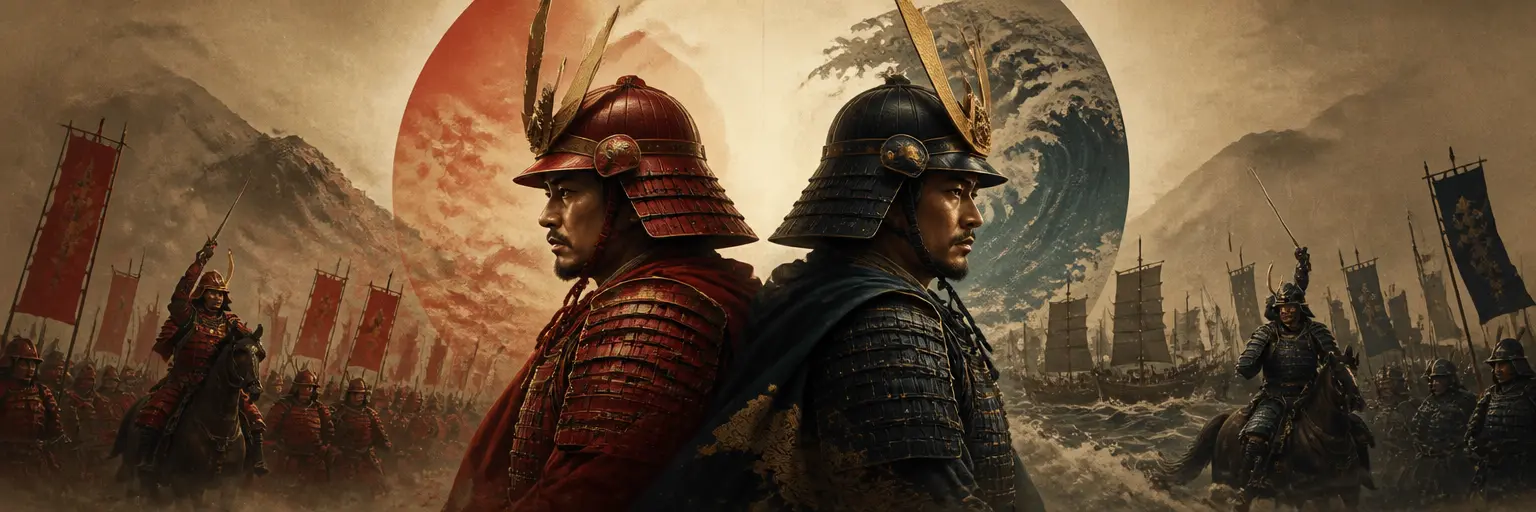
Explore the Genpei War ⚔️—the decisive 12th-century conflict between the Taira and Minamoto clans that transformed Japan’s political landscape and paved the way for samurai rule. Discover key battles, influential war leaders, shifting alliances, and the rise of the Kamakura shogunate through expert insights into Feudal Japan history, military strategy, and medieval Japanese politics.
The Genpei War was profoundly shaped by the influence of Buddhism and Shintoism, as these spiritual traditions guided the samurai's values and…
Read article
The Taira and Minamoto clans played pivotal roles in Japan's feudal history, shaping cultural and political landscapes. This article delves deep into…
Read article
The Genpei War cultural impact in Japan resonates deeply in contemporary society, influencing literature, film, and art. This pivotal conflict not only…
Read article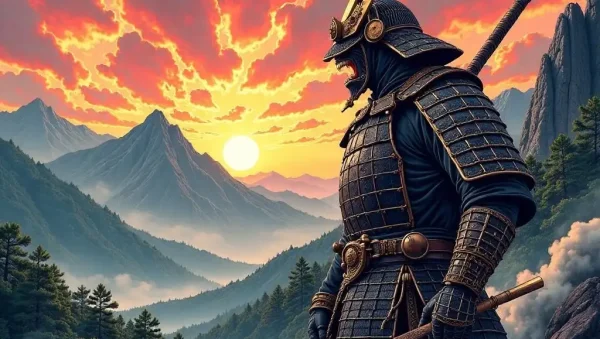
🌟 Dive into the tumultuous world of the Genpei War key figures, exploring the compelling stories of legendary heroes and notorious villains.…
Read article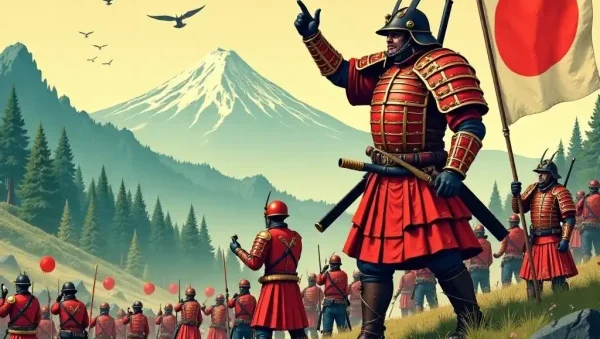
The Genpei War alliances and loyalties were pivotal in shaping the outcome of this tumultuous conflict. As factions shifted and allegiances changed,…
Read article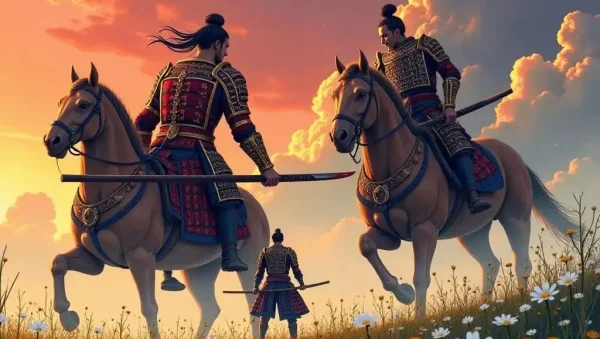
The impact of the Genpei War on Japan was profound, reshaping the political landscape and leading to the rise of the samurai…
Read article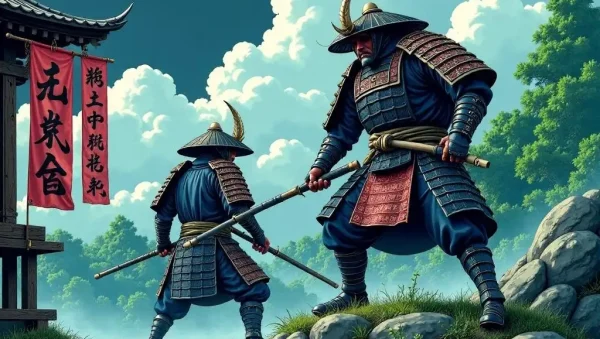
The Genpei War's historical significance lies in its profound impact on Japan's feudal structure, marking the rise of the samurai class and…
Read article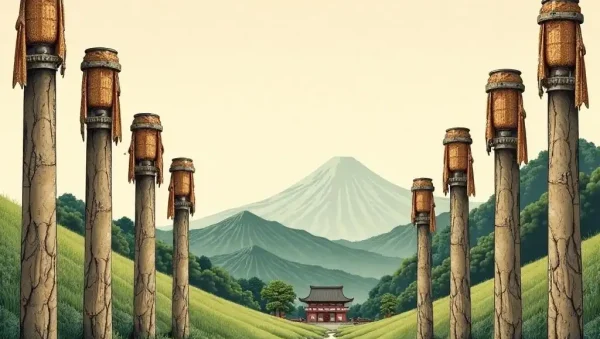
🌄 Geography's role in the Genpei War significantly shaped military strategies, as the diverse terrain of Japan influenced troop movements and battle…
Read article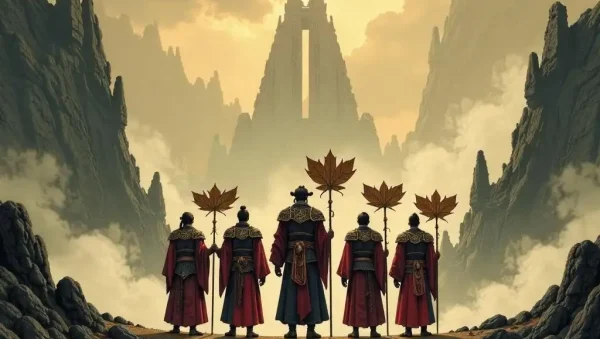
The aftermath of the Genpei War profoundly influenced Japanese governance, marking a transition to military rule and shifting power dynamics. This pivotal…
Read article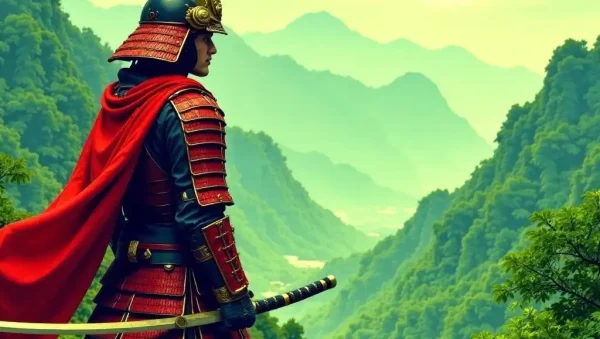
🌟 The Minamoto Taira clan rivalry history encapsulates a tumultuous era of betrayal and ambition, shaping Japan's feudal landscape. Explore the intricate…
Read article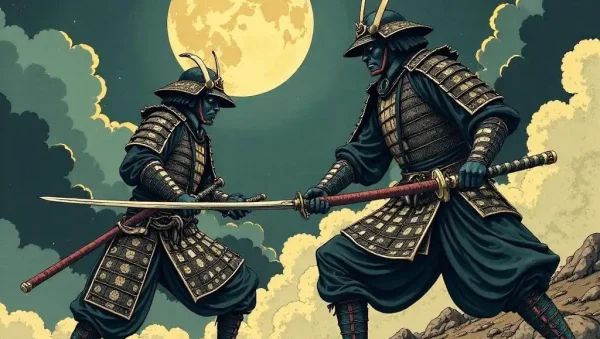
The Genpei War, a pivotal conflict in Japan's feudal era, reshaped power dynamics and set the stage for the rise of the…
Read article
🌸 The Genpei War historical timeline reveals the intricate web of shifting allegiances among samurai clans, showcasing pivotal battles and betrayals that…
Read articleThe Genpei War (1180–1185) was a decisive civil war between the Minamoto and Taira clans that transformed Japan’s political history and established the foundations of samurai government. On this page, Feudal Japan History explores the causes, major battles, political alliances, military strategies, and lasting consequences of this crucial conflict. Readers can discover how disputes within the imperial court developed into a nationwide struggle for authority, leading to the rise of Minamoto no Yoritomo and the Kamakura shogunate.
The Genpei War emerged from decades of rivalry between the Minamoto clan and the Taira clan, two powerful warrior families involved in imperial politics. Competition over court influence, succession disputes, land ownership, and access to government offices intensified after the Hōgen and Heiji conflicts. Understanding these earlier crises is essential for explaining why military power became increasingly important in late Heian Japan.
This section examines the political environment surrounding Emperor Go-Shirakawa, retired emperors, aristocratic factions, and provincial warriors. It also explains how Taira dominance at court created resentment among rival clans and regional military leaders. Readers will gain context on the social and institutional pressures that turned political competition into open warfare.
The central figures of the conflict included Minamoto no Yoritomo, Minamoto no Yoshitsune, Minamoto no Noriyori, and Taira no Kiyomori. Each leader represented different military capabilities, political ambitions, and regional networks. Their decisions shaped the course of the war and influenced the development of Japan’s samurai class.
Readers can learn how the two clans organized armies, recruited provincial warriors, managed alliances, and used marriage and court connections to strengthen their positions. The subcategory also explores the rivalry between clan branches, demonstrating that the Genpei War was not simply a straightforward battle between two unified families but a complex struggle involving changing loyalties and competing interests.
The Genpei War included a series of dramatic campaigns across central and western Japan. Important engagements such as the Battle of Kurikara, the Siege of Fukuhara, the Battle of Ichinotani, the Battle of Yashima, and the Battle of Dan-no-ura reveal the evolution of samurai warfare. These battles demonstrate the importance of terrain, intelligence, naval power, cavalry, archery, and surprise attacks.
Detailed battle analyses explain the commanders, troop movements, weapons, fortifications, and strategic decisions that influenced each campaign. By examining both victories and defeats, readers can understand how Minamoto forces gradually weakened Taira resistance and pushed the conflict toward its final naval confrontation at Dan-no-ura.
The war provides valuable insight into the development of samurai warfare during the late Heian period. Warriors relied on mounted archery, personal combat, clan loyalty, battlefield reputation, and carefully negotiated alliances. At the same time, military campaigns involved large-scale logistics, sieges, naval operations, and the control of roads, estates, and strategic provinces.
This section considers how warrior ideals were represented in historical accounts and later literary traditions. Readers can compare the realities of warfare with the heroic image of the samurai found in texts such as the Heike Monogatari, while exploring the roles of messengers, retainers, religious institutions, peasants, and local governors in sustaining military campaigns.
The Battle of Dan-no-ura in 1185 marked the decisive defeat of the Taira clan. Fought in the waters of the Shimonoseki Strait, the battle demonstrated the importance of naval strategy, tides, local knowledge, and shifting alliances. The capture and death of key Taira figures brought the main phase of the Genpei War to an end.
Readers will discover why Dan-no-ura became one of the most remembered battles in Japanese history. The encounter also carried profound symbolic meaning, especially through the fate of Emperor Antoku and the imperial regalia. Historical analysis separates documented events from later legend while explaining why the battle remained central to Japanese cultural memory.
The victory of the Minamoto clan enabled Minamoto no Yoritomo to establish a new political order centered on Kamakura. Although the imperial court in Kyoto continued to exist, military authority increasingly shifted toward the eastern warrior government. The creation of the shugo and jitō systems strengthened Minamoto control over provinces, estates, and local military administration.
This section explains how the outcome of the Genpei War led to the formation of Japan’s first lasting shogunate. Readers can explore the relationship between the emperor, retired emperors, aristocratic institutions, temples, provincial warriors, and the Kamakura bakufu. These developments laid the groundwork for centuries of dual political authority in Japan.
The war permanently changed the balance of power between the imperial court and the warrior class. Its outcome established a model in which military leaders governed through a shogunate while retaining formal connections to the imperial institution. This transformation is one of the most important turning points in Japanese political history and the broader development of feudal Japan.
The consequences extended beyond the Minamoto victory. Land administration, taxation, provincial authority, inheritance, and military service all evolved in response to the conflict. By studying these changes, readers can understand how the Genpei War influenced later institutions and helped define the political structure of the Kamakura period.
Much of what is known about the Genpei War comes from chronicles, court records, temple documents, warrior narratives, and literary works. The Heike Monogatari is especially influential, combining historical memory with Buddhist themes, tragic storytelling, and reflections on impermanence. These sources offer rich details but must be assessed carefully because they were written or compiled after many events had occurred.
Readers will learn how later generations remembered the conflict through theater, poetry, visual art, local traditions, and modern historical scholarship. The distinction between evidence and legend is essential for understanding famous episodes involving heroic duels, warrior etiquette, divine intervention, and dramatic battlefield speeches.
The Genpei War was a civil war fought in Japan from 1180 to 1185 between the Minamoto and Taira clans. It ended with a Minamoto victory and the collapse of Taira political power, creating the conditions for the Kamakura shogunate.
The conflict began because of intense rivalry over imperial succession, court influence, provincial land, political offices, and military authority. Earlier struggles between the Minamoto and Taira clans had created deep resentment and made a larger war increasingly likely.
The Minamoto clan won the war under the leadership of Minamoto no Yoritomo and his commanders. Important victories at Kurikara, Ichinotani, Yashima, and Dan-no-ura destroyed the Taira’s ability to maintain political and military control.
The Battle of Dan-no-ura in 1185 is generally regarded as the decisive final battle. It was a naval engagement in which Minamoto forces defeated the Taira fleet, ending organized Taira resistance and confirming Minamoto dominance.
The war shifted political power from the imperial court toward the samurai class. Minamoto no Yoritomo established the Kamakura shogunate, creating a military government that influenced Japanese politics for centuries and marked the beginning of a long era of warrior rule.