The Religious Influence on Governance: Temples and Politics in Kamakura
The intertwining of religion and politics in Kamakura shaped governance, as temples served not only as spiritual centers but also as political…
Read article
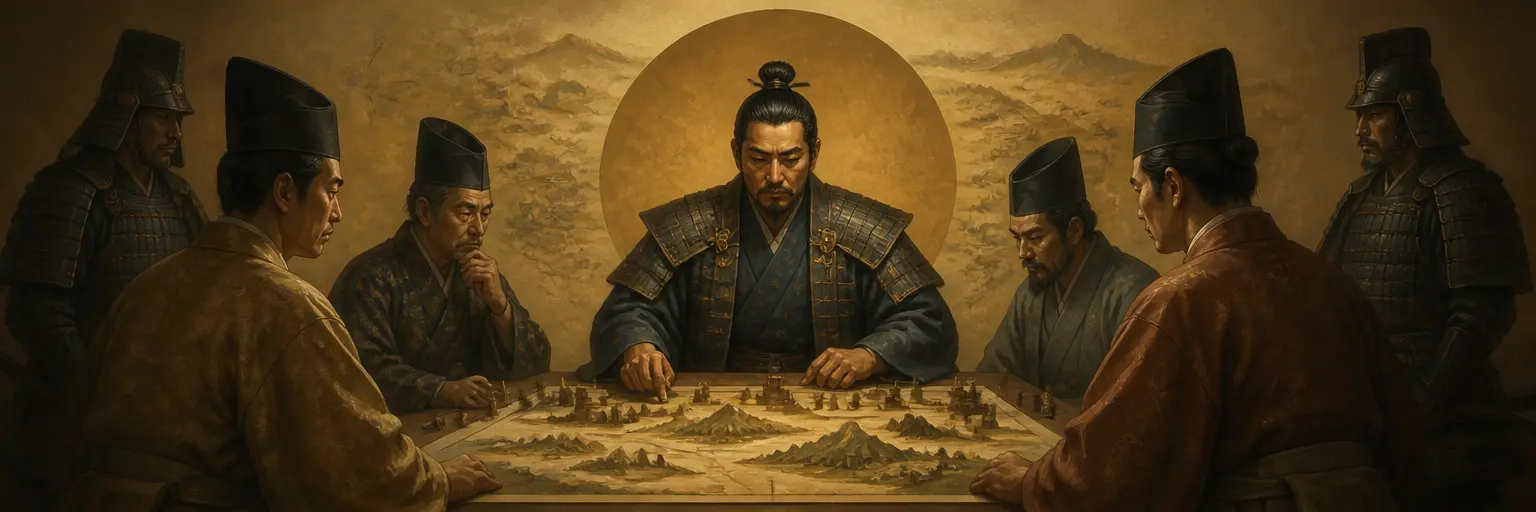
Explore governance during the Kamakura Period and discover how Japan’s first warrior government transformed political history. 🏯 Learn about the Kamakura shogunate, the rise of samurai rule, the shikken regency, the Hōjō clan, legal reforms, and the complex relationship between military leaders and the imperial court. 📜 Gain valuable insight into feudal administration, land control, political authority, and the institutions that shaped medieval Japan through expert-driven historical analysis.
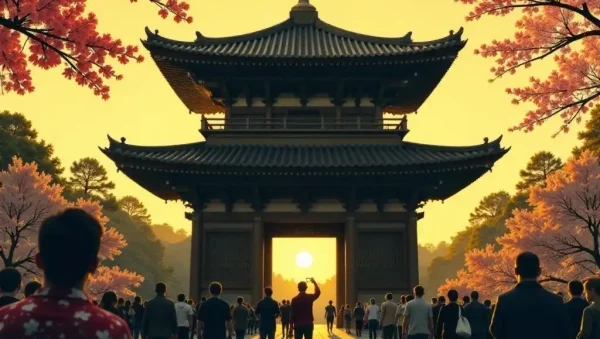
The intertwining of religion and politics in Kamakura shaped governance, as temples served not only as spiritual centers but also as political…
Read article
🌏 The Kamakura Japan governance system intricately intertwined land ownership, loyalty among samurai, and legal frameworks, shaping a unique feudal structure. This…
Read article
🌸 The article delves into the pivotal role of local daimyos in Kamakura governance, examining their unique blend of power and responsibility.…
Read article
😌 The Shogunate Imperial Court dynamics during Japan's feudal era reveal a complex interplay of power and influence, where military authority and…
Read article
🌸 The Kamakura period governance structures marked a pivotal shift in Japan’s feudal era, introducing a new political hierarchy led by shoguns.…
Read article
The Kamakura feudal law innovations marked a transformative period in Japan’s history, reshaping governance and societal structure. This article delves into how…
Read article
🌸 The Kamakura governance lessons Japan offers are invaluable, highlighting the importance of decentralized power and local autonomy. By examining this feudal…
Read article
🌸 The Kamakura period culture and politics intricately shaped Japan's feudal landscape, revealing how societal values influenced governance. This exploration delves into…
Read article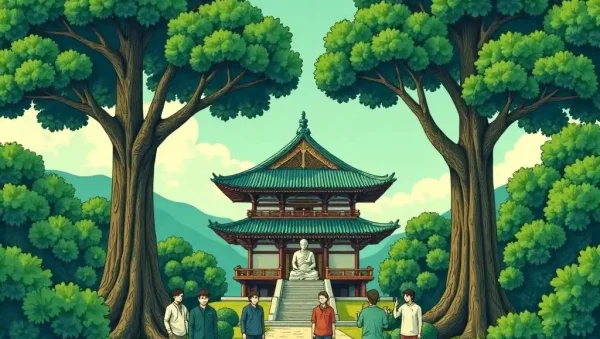
Buddhism in Kamakura politics profoundly shaped the era's governance and social structure, intertwining spiritual beliefs with political authority. This article explores how…
Read article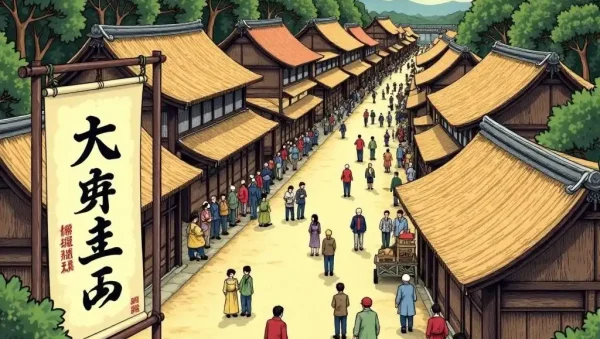
Delving into the Kamakura Code's societal impact reveals how this pivotal legal framework shaped Japan's feudal structure, influencing social hierarchies, governance, and…
Read article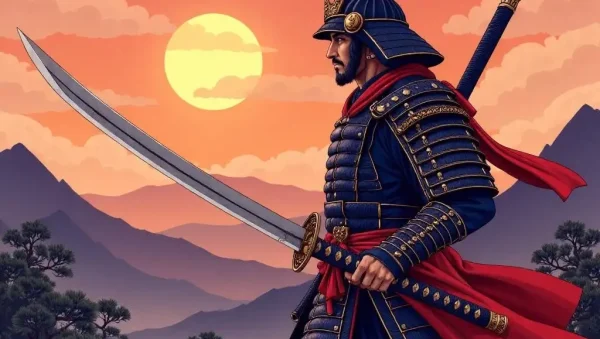
In "Samurai Governance: The Responsibilities and Rights of the Warrior Class," we delve into the intricate balance of power and duty that…
Read article
📚 Education in the Kamakura period was pivotal in shaping governance and society, fostering a sense of loyalty among samurai and promoting…
Read articleExplore how Japan’s first warrior government transformed political history during the Kamakura Period (1185–1333). This subcategory examines the Kamakura shogunate, the rise of samurai rule, the relationship between the shogun and the imperial court, and the administrative systems that shaped medieval Japan. Through expert-driven articles, readers can discover how military authority, land ownership, law, vassalage, and regional administration developed during the first enduring shogunate in Japanese history.
Learn how Minamoto no Yoritomo established the foundations of the Kamakura bakufu after the Genpei War and created a new model of military governance. Articles in this section explain the political circumstances that allowed the samurai class to gain authority while the imperial court remained an important source of legitimacy.
Readers will discover how Kamakura governance differed from earlier aristocratic administration in Kyoto. Topics include the creation of military offices, the appointment of provincial administrators, and the development of a dual political structure that connected the shogunate with the imperial government.
This section explores the relationship between the shogun and his vassals, known as gokenin. Articles examine military loyalty, land rewards, service obligations, and the personal bonds that supported the Kamakura political system. These relationships were central to maintaining authority across Japan.
Readers can expect detailed explanations of how samurai families managed estates, defended territories, and served the bakufu. The subcategory also considers how political influence was earned through military service, judicial support, and allegiance to the ruling house.
Discover the legal institutions that helped define governance during the Kamakura Period, including the Hikitsuke judicial offices and the famous Goseibai Shikimoku, or Formulary of Adjudications. These developments demonstrate how warrior government addressed disputes involving land, inheritance, contracts, and succession.
Articles explain how Kamakura law combined customary practices, warrior traditions, religious influence, and court precedent. Readers will gain insight into the administration of justice and the gradual formalization of Japanese feudal law.
Although the Kamakura shogunate controlled military and much of the practical administration of Japan, the imperial court in Kyoto continued to possess cultural, ceremonial, and political significance. This section examines the complex relationship between court nobles, emperors, retired emperors, and warrior leaders.
Explore how authority was divided and negotiated between Kyoto and Kamakura, particularly after the establishment of the Rokuhara Tandai. Articles also cover the political tensions that culminated in the Jōkyū War of 1221 and strengthened the shogunate’s influence over western Japan.
Landholding was essential to Kamakura governance. This section investigates the management of shōen estates, public lands, provincial offices, and military territories. Readers will learn how land rights supported samurai wealth and provided the economic foundation for the bakufu.
Articles explore the roles of shugo military governors and jitō estate stewards, whose responsibilities included policing, tax collection, dispute resolution, and maintaining order. These offices helped extend Kamakura authority beyond the eastern provinces and into the broader Japanese countryside.
After the death of Minamoto no Yoritomo’s successors, the Hōjō clan became the dominant political force within the Kamakura shogunate. This section explains the role of the shikken, or regent, and how the Hōjō family governed on behalf of largely symbolic shoguns.
Readers can examine the political strategies of Hōjō regents such as Hōjō Yoshitoki and Hōjō Yasutoki. Topics include council government, succession disputes, administrative reform, and the consolidation of Hōjō power during the thirteenth century.
The Mongol invasions of 1274 and 1281 placed enormous pressure on Kamakura administration. Articles in this section examine how the shogunate organized coastal defenses, mobilized samurai, coordinated regional forces, and responded to the threat posed by Kublai Khan’s Yuan dynasty.
The invasions also exposed weaknesses in the Kamakura reward system, since defenders often received limited material compensation for service against a foreign enemy. Readers will learn how wartime demands contributed to financial strain, political dissatisfaction, and the eventual decline of the bakufu.
Religion played an important role in medieval Japanese governance. This section explores the political influence of Buddhism, Shinto institutions, warrior patronage, and religious communities during the Kamakura Period. It also introduces the rise of new Buddhist movements associated with figures such as Hōnen, Shinran, Eisai, Dōgen, and Nichiren.
Readers will discover how temples and shrines functioned as cultural, economic, and political institutions. Articles explain how rulers used religious patronage to strengthen legitimacy, seek protection, memorialize ancestors, and respond to natural disasters or military threats.
Explore the political and economic problems that weakened the Kamakura shogunate in the late thirteenth and early fourteenth centuries. Key issues included indebted vassals, inheritance division, declining estate income, succession conflicts, and dissatisfaction among warrior families.
This section also examines Emperor Go-Daigo’s opposition, the rise of Ashikaga Takauji, and the fall of the Kamakura bakufu in 1333. Readers will understand how internal instability and competing visions of authority brought the first major samurai government to an end.
The Kamakura shogunate was Japan’s first long-lasting military government, established by Minamoto no Yoritomo around 1185–1192. It was based in Kamakura and placed political power increasingly in the hands of the samurai while the imperial court remained in Kyoto.
Governance changed over time. Minamoto no Yoritomo initially led the bakufu, but the Hōjō clan later exercised effective control through the office of shikken, or regent. Shoguns, military officials, provincial governors, estate stewards, and court authorities all contributed to Japan’s political administration.
Shugo were military governors responsible for policing and maintaining order in provinces, while jitō were estate stewards who supervised land, taxes, and local administration. Together, these offices helped the Kamakura bakufu extend its authority throughout Japan.
The imperial court traditionally governed through aristocratic institutions based in Kyoto, while the Kamakura bakufu relied on warrior networks, military service, land rights, and samurai law. For much of the period, both systems existed simultaneously, creating a distinctive dual structure of medieval Japanese government.
The shogunate declined because of financial hardship, divided inheritance, weakened loyalty among vassals, succession disputes, and dissatisfaction following the Mongol invasions. Opposition from Emperor Go-Daigo and the military rise of Ashikaga Takauji ultimately led to the collapse of Kamakura rule in 1333.