The Unification of Japan: Myths, Legends, and Historical Truths
Discover the captivating tapestry of the unification of Japan history, where myths and legends intertwine with historical truths. This exploration unveils the…
Read article
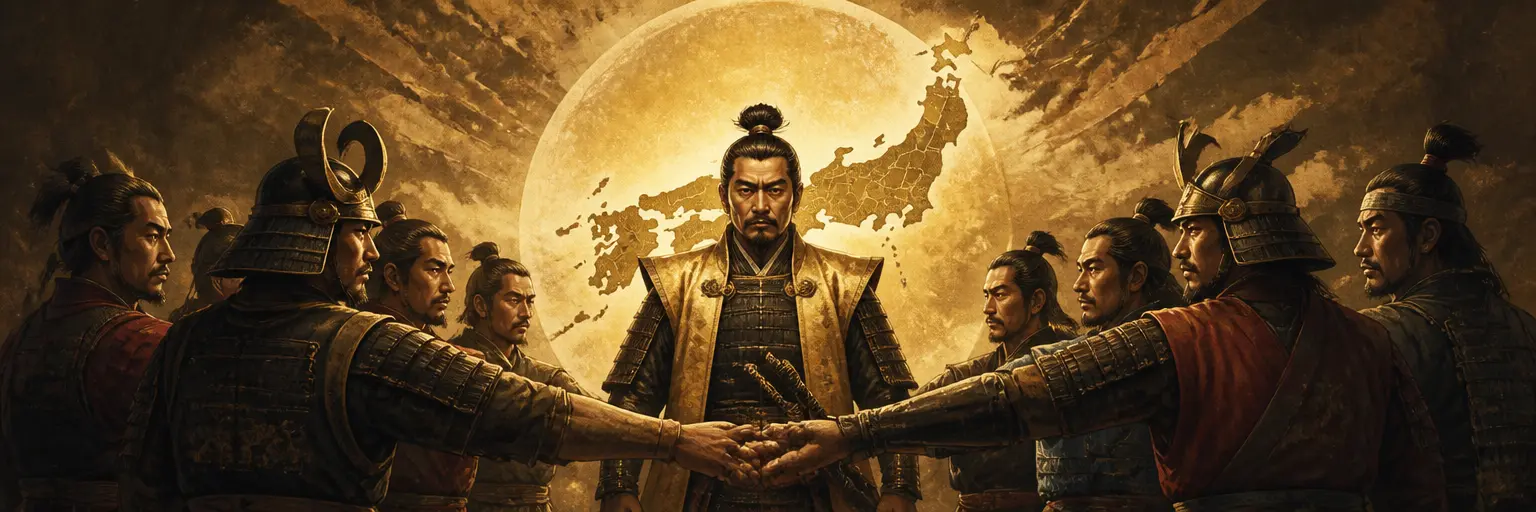
Explore the dramatic Unification of Japan—a pivotal chapter in Political History shaped by ambitious warlords, strategic alliances, decisive battles, and transformative leadership. Discover how figures such as Oda Nobunaga, Toyotomi Hideyoshi, and Tokugawa Ieyasu overcame rival domains and laid the foundations of centralized rule, reshaping feudal Japan’s government, society, and military landscape. ⚔️🏯
Discover the captivating tapestry of the unification of Japan history, where myths and legends intertwine with historical truths. This exploration unveils the…
Read article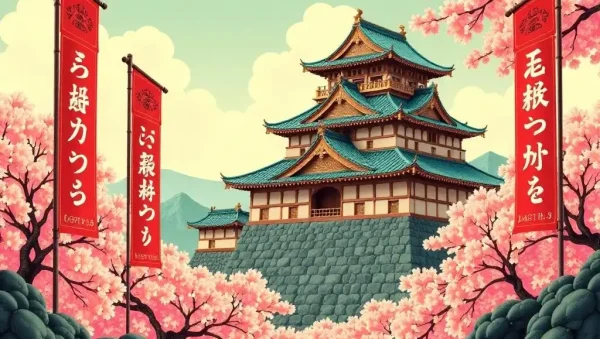
🌸 Discover the pivotal moments and influential figures in our Japan feudal era unification timeline, detailing how political maneuvers and cultural shifts…
Read article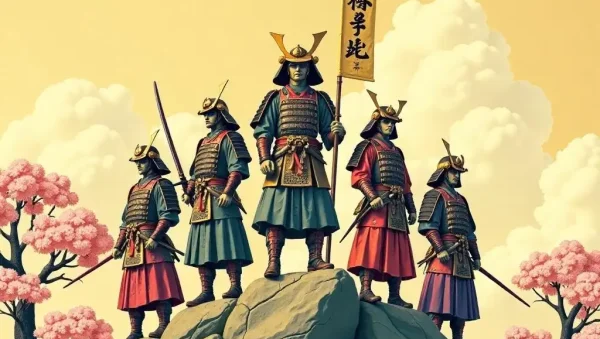
The samurai clans played a pivotal role in Japan's unification, shaping its political landscape and cultural identity. This article delves into their…
Read article
Exploring the Japan feudal era unification bonds reveals how personal loyalties among samurai and daimyo fostered political stability. These connections not only…
Read article
🌟 The intricate dance of Japan feudal era diplomacy played a pivotal role in unifying the fractured states. By forging strategic alliances,…
Read article
🌸 Tokugawa Ieyasu's historical significance lies in his unparalleled ability to unify Japan after a turbulent period. His strategic prowess and governance…
Read article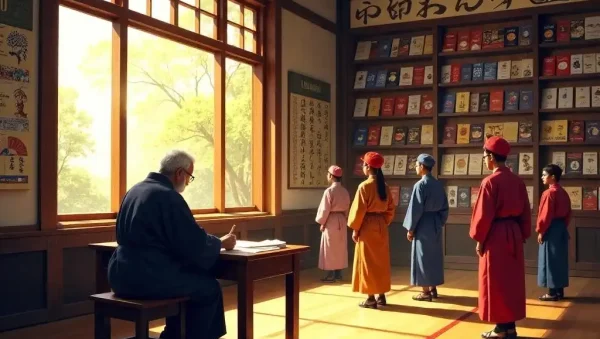
🌸 Education played a pivotal role in shaping national identity during Japan's unification, serving as a tool to instill shared values and…
Read article
The samurai ethical codes in Japan, rooted in bushido, played a pivotal role in unifying the nation during the feudal era. These…
Read article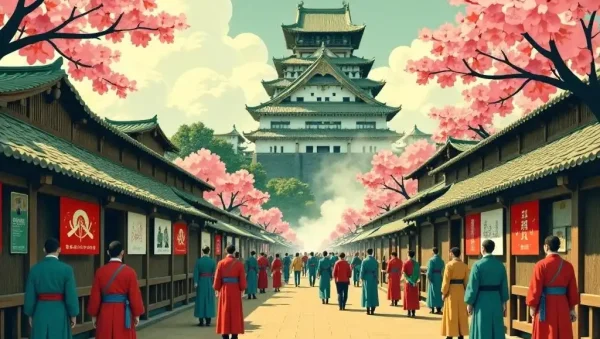
Art and propaganda played pivotal roles in shaping perceptions during the Japan feudal era, illustrating how culture influenced public sentiment and identity.…
Read article
🌸 The article delves into the profound Buddhism influence in feudal Japan, illustrating how religious beliefs shaped political alliances and cultural practices,…
Read article
The Imperial Family's impact on unification in Japan was pivotal during the feudal era, embodying both cultural continuity and political stability. Their…
Read article
🌸 The impact of Japan's feudal unification profoundly transformed its political landscape, cultural identity, and societal structures, paving the way for modern…
Read articleExplore the Unification of Japan, one of the most transformative periods in Japanese political history. This subcategory examines how Japan moved from prolonged civil conflict during the Sengoku period toward political consolidation under powerful warlords, military leaders, and emerging central authorities. Readers will discover how Oda Nobunaga, Toyotomi Hideyoshi, and Tokugawa Ieyasu reshaped the country through warfare, diplomacy, administrative reform, castle building, economic policies, and social control. Through expert-driven historical analysis, Feudal Japan History explains the battles, alliances, institutions, and ideas that created the foundations of the Tokugawa shogunate.
Learn how the Sengoku period, or Warring States period, created the political conditions for Japan’s eventual unification. Articles explore the decline of centralized authority, the power of regional daimyo, the role of samurai armies, and the constant competition for land, influence, and military supremacy. Readers can expect clear explanations of the fragmented political landscape that existed before national consolidation.
This section also examines important developments such as castle towns, changing military strategies, peasant uprisings, religious institutions, and the growth of trade. By understanding the causes of civil war, readers gain valuable context for the rise of the major unifiers and the dramatic transformation of medieval Japanese politics.
Discover how Oda Nobunaga challenged established powers and began the process of unifying Japan. Detailed articles cover his military campaigns, strategic alliances, use of firearms, treatment of Buddhist institutions, and efforts to weaken rival daimyo. Nobunaga’s innovative approach to warfare and political authority marked a decisive turning point in Japanese history.
Readers will also learn about major events such as the Battle of Okehazama, the conquest of central Japan, the defeat of powerful religious movements, and the construction of Azuchi Castle. This section explains how Nobunaga’s policies encouraged commercial growth while simultaneously creating a more centralized system of political control.
Explore the achievements of Toyotomi Hideyoshi, the leader who completed much of Japan’s political unification after Nobunaga’s death. Articles examine Hideyoshi’s campaigns against rival daimyo, the submission of regional domains, and his efforts to establish authority over the entire Japanese archipelago. His rise from a comparatively humble background to supreme military ruler remains one of the most remarkable stories in Japanese political history.
This section focuses on major reforms including the “sword hunt”, land surveys, taxation systems, class separation, and the reorganization of daimyo territories. Readers can also explore Hideyoshi’s diplomatic ambitions, the invasions of Korea, and the political challenges that emerged as he attempted to secure his legacy and succession.
Learn how Tokugawa Ieyasu transformed victory at the Battle of Sekigahara into a durable political order. This section explains Ieyasu’s strategic patience, alliances, military planning, and management of rival daimyo. Readers will discover why the establishment of the Tokugawa shogunate in 1603 represented the culmination of decades of warfare and political experimentation.
Articles also examine the early Tokugawa settlement, the destruction of the Toyotomi stronghold at Osaka, and the methods used to secure succession. The discussion highlights how the new shogunate balanced military authority, regional autonomy, court traditions, and social hierarchy to create long-term political stability.
Understand how the unifiers converted military success into lasting systems of government. Topics include the bakuhan system, daimyo administration, alternate attendance, castle regulations, hostage politics, taxation, and the supervision of regional domains. These policies helped the Tokugawa shogunate control powerful lords while preserving a carefully managed degree of local autonomy.
Readers can expect in-depth explanations of how law, status, religion, and economic policy supported the new political order. The section also explores the relationship between the shogun, daimyo, samurai, peasants, merchants, and the imperial court, showing how unification affected every level of feudal Japanese society.
Examine how Japan’s unification influenced relations with China, Korea, European merchants, Christian missionaries, and neighboring regions. Articles explore the arrival of firearms, maritime trade, diplomatic missions, Christianity, and changing Japanese attitudes toward foreign influence. These developments reveal that political unification was connected to wider transformations across East Asia.
This section also considers the cultural consequences of centralized rule, including castle architecture, urban development, tea culture, painting, religious policy, and the growth of commercial centers. Readers will see how peace and political stability helped create the cultural environment associated with the early Edo period.
The Unification of Japan refers to the process by which political and military leaders ended much of the warfare of the Sengoku period and brought Japan under centralized authority. It is most closely associated with Oda Nobunaga, Toyotomi Hideyoshi, and Tokugawa Ieyasu.
The three great unifiers were Oda Nobunaga, who initiated the process; Toyotomi Hideyoshi, who expanded and consolidated unification; and Tokugawa Ieyasu, who established the Tokugawa shogunate and created a stable political order.
The Sengoku period weakened older political structures while encouraging powerful daimyo to develop larger armies, stronger administrations, and new economic networks. These conditions allowed ambitious leaders to build regional power and eventually pursue national unification.
Ieyasu and his successors maintained control through the bakuhan system, strict daimyo supervision, alternate attendance, marriage regulations, castle controls, taxation, and a carefully organized social hierarchy. These measures limited rebellion while allowing the shogunate to govern a large and diverse country.
Unification created centuries of relative political stability under the Tokugawa shogunate. It encouraged urban growth, commercial development, cultural production, and administrative standardization while also establishing social restrictions and political institutions that shaped Japan until the Meiji Restoration.