The Dynamics of Power: Comparing Daimyo to European Feudal Lords
🌟 This article delves into the fascinating dynamics of power, contrasting Daimyo vs European Feudal Lords. Explore how these influential figures shaped…
Read article
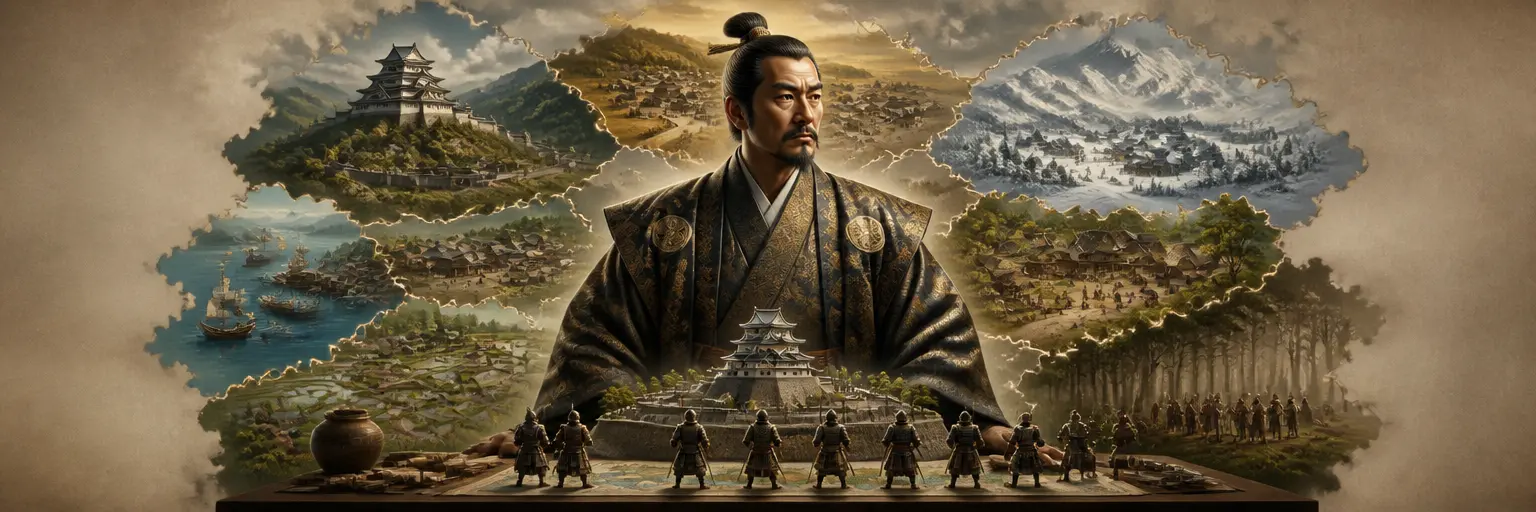
Explore the daimyo and their domains—the powerful feudal lords who shaped Japan’s political history through alliances, warfare, land management, and castle-based rule. 🏯 Discover how regional domains functioned, how samurai governance evolved, and how rival daimyo influenced the rise and fall of Japan’s leading clans during the feudal era.

🌟 This article delves into the fascinating dynamics of power, contrasting Daimyo vs European Feudal Lords. Explore how these influential figures shaped…
Read article
The decline of the Daimyo power in Japan was influenced by various factors, including the centralization of authority under the shogunate, economic…
Read article
🌸 In feudal Japan power dynamics, the intricate relationship between daimyo and the shogunate shaped the nation’s political landscape. This article delves…
Read article
In Japan's feudal era, the daimyo retainers loyalty hierarchy was pivotal, reflecting deep-seated bonds of loyalty and duty. This intricate system not…
Read article
🌸 The role of daimyo in shaping regional identity in feudal Japan was pivotal, as these powerful lords influenced local culture, governance,…
Read article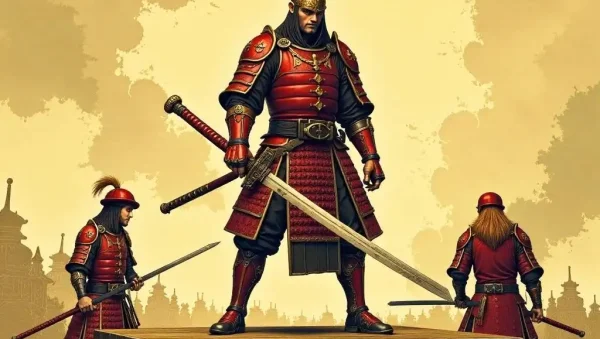
⚔️ Delve into the transformative military innovations in feudal Japan introduced by powerful daimyo. This article explores how these advancements reshaped warfare…
Read article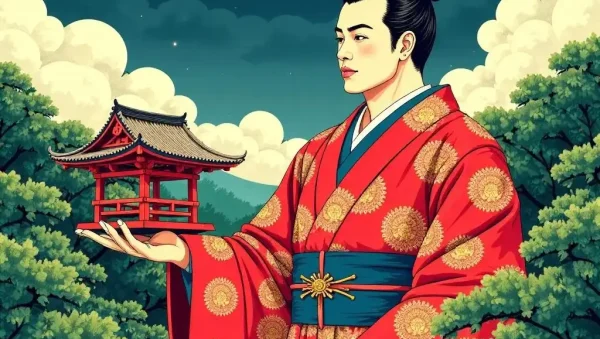
The daimyo influence on Japanese culture was pivotal during the feudal era, preserving traditional arts, rituals, and social structures. Their patronage fostered…
Read article
Discover the impact of notable daimyo in Japan who reshaped the nation’s destiny during the feudal era. This article delves into their…
Read article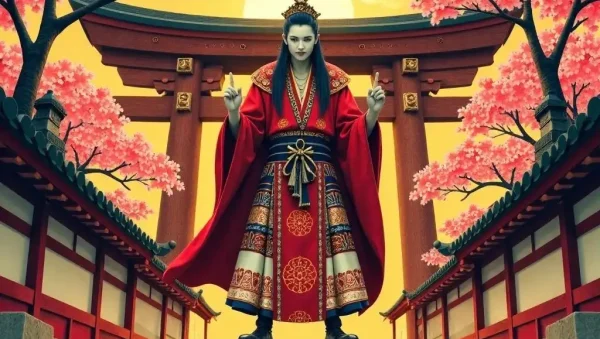
The Daimyo influence on Japanese culture was profound, shaping not only the political landscape but also religious practices and artistic expressions, culminating…
Read article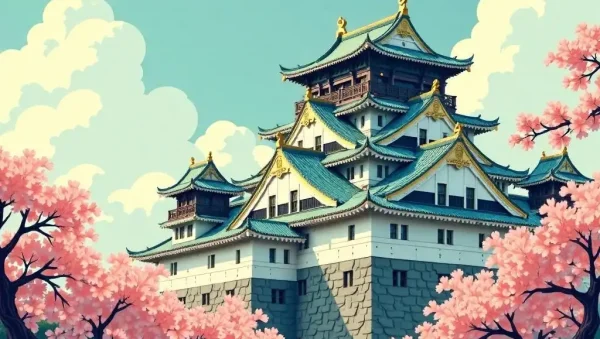
🌸 The article delves into the profound Daimyo cultural influence in Japan, showcasing their contributions to art and architecture, while highlighting how…
Read article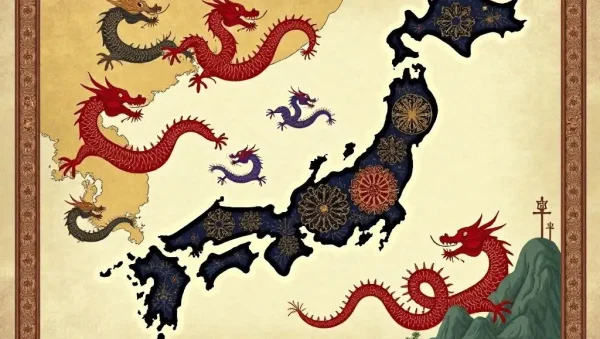
In "The Geography of Power: Mapping Daimyo Domains Across Japan," we delve into the intricate relationships between geography and governance during the…
Read article
🌸 The Daimyo economic power in Japan was pivotal during the feudal era, as these powerful lords strategically utilized taxation and resources…
Read articleExplore the powerful daimyo lords of feudal Japan and the domains they governed during one of the most transformative periods in Japanese history. This subcategory examines how regional warlords controlled land, armies, castles, economies, and local communities under the shogunate. From the Sengoku period and the unification of Japan to the highly organized Tokugawa domain system, readers will discover how daimyo authority shaped Japanese political history, warfare, administration, culture, and society. Through expert-driven articles, maps, biographies, and historical analysis, Feudal Japan History explains the rivalries, alliances, reforms, and institutions that defined the age of samurai rule.
Daimyo were powerful feudal lords who ruled extensive territories and commanded samurai armies. Their influence varied according to ancestry, military strength, wealth, political alliances, and relationship with the shogun or emperor. Articles in this section introduce readers to major daimyo families, including the Tokugawa, Oda, Toyotomi, Mori, Date, Shimazu, Uesugi, Takeda, and Hojo clans.
Readers can expect detailed explanations of daimyo power structures, hereditary leadership, castle-based government, vassal networks, and the responsibilities of samurai retainers. Learn how these regional rulers collected taxes, maintained order, rewarded loyalty, and competed for influence across feudal Japan.
Feudal Japan was divided into provinces and territories governed by competing military houses. This section explores the evolution of daimyo domains, known as han during the Tokugawa period, and explains how geography influenced political power. Mountains, coastlines, agricultural plains, trade routes, and strategic passes all affected the development of regional domains.
Discover how daimyo administered their territories through castle towns, local officials, tax systems, land surveys, and village organizations. Detailed historical content will help readers understand the difference between a daimyo’s political domain, military sphere of influence, and formal status under the shogunate.
Japanese castles were more than defensive structures; they were administrative centers, symbols of authority, and impressive displays of daimyo wealth. Explore famous strongholds such as Himeji Castle, Osaka Castle, Edo Castle, Matsumoto Castle, and Azuchi Castle, along with the political roles they played in regional government.
Articles also examine the growth of castle towns in feudal Japan, where samurai residences, merchant districts, temples, markets, and government offices developed around a daimyo’s headquarters. Readers will learn how castle-town planning supported military defense, economic growth, social hierarchy, and centralized domain administration.
The relationship between daimyo and shogun was central to Japan’s feudal political system. This section explains how military rulers managed powerful regional lords through oaths, appointments, alliances, hostages, marriage arrangements, and legal regulations. Special attention is given to the Tokugawa shogunate and its methods of controlling the country after the Battle of Sekigahara.
Learn about the classification of tozama and fudai daimyo, the importance of political loyalty, and the restrictions placed on domain rulers. Articles explore how the shogunate balanced local autonomy with national stability through surveillance, economic obligations, travel controls, and the system of alternate attendance, or sankin-kotai.
Daimyo domains depended on effective administration and reliable economic resources. Readers will find in-depth coverage of rice taxation, land surveys, agricultural production, merchant activity, mining, forestry, coastal trade, and the measurement of domain wealth through koku. These systems allowed daimyo to support samurai households, maintain castles, and finance military and political projects.
This section also explores domain schools, legal codes, public works, irrigation systems, disaster relief, and commercial policies. By examining local governance, readers can understand how feudal Japanese domains functioned as semi-autonomous political and economic units within the wider authority of the shogunate.
The Sengoku period was an era of civil war in which ambitious daimyo fought to expand territory and secure political independence. Explore the strategies of figures such as Oda Nobunaga, Takeda Shingen, Uesugi Kenshin, Mori Motonari, Date Masamune, and Shimazu Yoshihiro. Articles place their campaigns within the broader struggles for regional dominance and national unification.
Readers can expect analysis of castle warfare, battlefield tactics, firearms, alliances, betrayals, sieges, and military organization. These articles reveal how Sengoku daimyo transformed from local warlords into sophisticated rulers who used diplomacy, economic reform, religious policy, and administrative innovation to strengthen their domains.
A daimyo’s domain included far more than castles and samurai. It was home to farmers, artisans, merchants, religious institutions, village leaders, and urban communities. This section examines the social hierarchy of feudal Japan and the ways in which domain governments regulated class identity, occupation, residence, taxation, and legal rights.
Learn how daimyo policies affected everyday life, including agricultural labor, market activity, education, religious practice, travel, and social mobility. The articles connect high-level political history with the experiences of ordinary people living under samurai domain rule.
Daimyo were important patrons of Japanese art, architecture, gardens, literature, theater, tea culture, religion, and craftsmanship. Their domains developed distinctive regional traditions, from ceramics and textiles to Noh performance, castle gardens, and scholarly institutions. This section explores how political power and cultural patronage influenced Japanese identity.
Readers will also discover how the daimyo system changed during the late Tokugawa period and eventually ended with the Meiji Restoration and abolition of the domains. Understanding this legacy provides essential context for the transition from feudal Japan to the modern Japanese nation-state.
A daimyo was a powerful regional lord who controlled land, collected revenue, governed subjects, and maintained samurai forces. During different periods, daimyo authority depended on military strength, family status, political alliances, and recognition by the shogunate.
A daimyo domain was a territory governed by a regional lord, especially during the Tokugawa period when these territories were commonly called han. Domains had their own administrative offices, officials, samurai households, laws, and economic systems, although they remained subject to shogunal authority.
Daimyo gained power through inheritance, warfare, strategic marriages, alliances, political service, and control of productive land. They could lose territory or status through military defeat, rebellion, disloyalty, poor administration, or punishment by a stronger ruler such as the shogun.
The shogun was the supreme military ruler, while daimyo governed regional domains under the shogunate’s authority. The shogun controlled daimyo through laws, political appointments, economic obligations, marriage regulations, travel requirements, and systems such as sankin-kotai.
Daimyo shaped Japan’s political institutions, military conflicts, regional cultures, urban development, economic systems, and social hierarchy. Studying their domains reveals how authority operated across feudal Japan and explains the transition from the Sengoku age to Tokugawa peace and eventually modern Japan.