The Global Perspective: How Foreign Influence Shaped Shogunate Policies
🌍 The intricate dynamics of foreign influence on shogunate policies reveal how external forces shaped Japan’s feudal landscape. This exploration uncovers the…
Read article

Explore the power structures that shaped Japan’s feudal age 🏯 Discover how military governance, administrative systems, and ruling institutions defined authority, organized society, and influenced daily life across the shogunate era. With expert-driven insights into political history, uncover the foundations of Feudal Japan and the enduring legacy of its leadership.
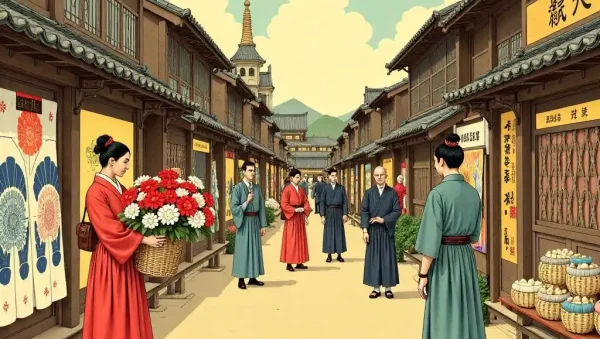
🌍 The intricate dynamics of foreign influence on shogunate policies reveal how external forces shaped Japan’s feudal landscape. This exploration uncovers the…
Read article
🌟 The history of shogunate titles reveals a fascinating evolution from the influential role of the shikken to the supreme authority of…
Read article
📜 The Shogunate economic policies in Japan shaped trade networks, instituted taxation systems, and managed resources effectively, reflecting the complexities of feudal…
Read article
The Tokugawa Shogunate, a transformative period in Japan, not only ushered in an era of unprecedented peace but also introduced significant political…
Read article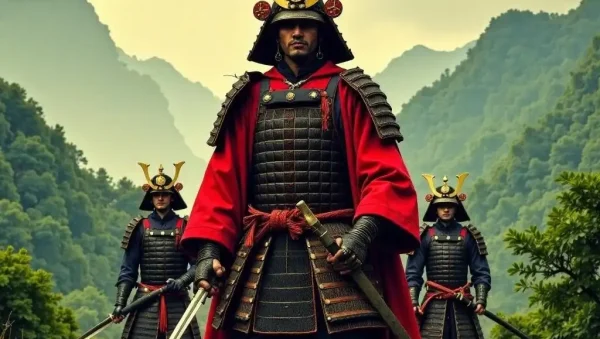
The intricate relationship between samurai loyalty and shogunate structures significantly influenced political stability in feudal Japan. This article delves into how the…
Read article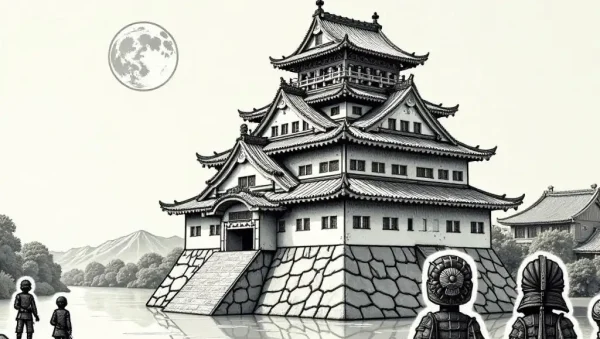
The Bakufu military government in Japan played a pivotal role in shaping the nation's feudal structure. This article delves into its historical…
Read article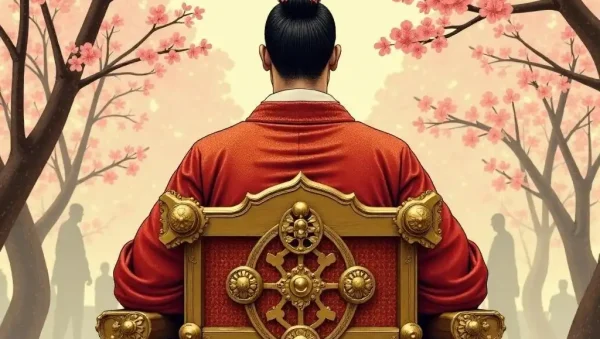
The Emperor's role in feudal Japan was largely ceremonial, often overshadowed by the military might of the shogunate. This article delves into…
Read article
The Shogunate control over feudal clans was a delicate balance of power, forged through strategic alliances and military might. This article delves…
Read article
The Shogunate power shift in Japan marked a transformative era where military leaders eclipsed emperors, reshaping the nation’s political landscape. This article…
Read article
The decline of the shogunate was shaped by myriad factors, including economic instability, social unrest, and external pressures. This article delves into…
Read article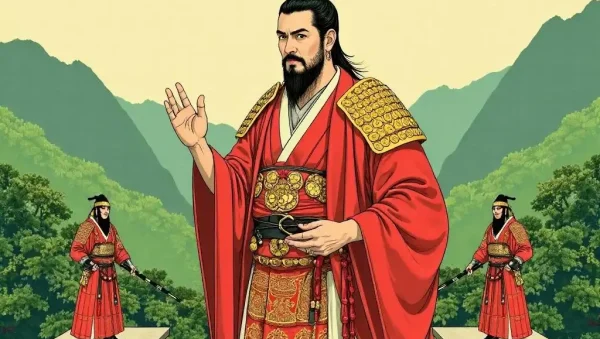
The local lords and shogunate relationship during Japan’s feudal era was marked by both cooperation and conflict, as regional rulers navigated their…
Read article
Exploring feudal Japan power transfer, this article delves into the intricate dynamics of shogunate succession, revealing how political maneuvering, familial ties, and…
Read articleExplore the political institutions, administrative systems, and power relationships that shaped Japan’s feudal era in Shogunate Structures. This subcategory examines how the shogun, daimyo, samurai, imperial court, and local authorities governed Japan across the Kamakura, Ashikaga, and Tokugawa shogunates. Discover how military government developed, how authority was distributed, and how laws, landholding, taxation, and social hierarchy supported Japan’s changing political order. Through expert-driven historical analysis, readers can better understand the structure of the Japanese shogunate and its lasting influence on feudal Japanese history.
Learn how the shogun served as Japan’s leading military ruler and how the bakufu, or “tent government,” operated as the central institution of feudal power. Articles in this section explain the responsibilities of the shogunate, including military command, law enforcement, land management, diplomacy, and the appointment of regional officials.
Readers will also discover why the shogun’s authority was often balanced against the symbolic prestige of the emperor and the influence of powerful warrior families. Topics may include the Kamakura bakufu, Muromachi shogunate, Tokugawa government, succession disputes, and the political strategies that allowed military rulers to maintain control over Japan.
Examine the complex relationship between Japan’s imperial institution and its warrior governments. Although the emperor and imperial court retained religious, ceremonial, and cultural importance, effective political power frequently rested with the shogun and the military elite. This section explores how these two centers of authority interacted throughout feudal Japanese history.
Expect clear explanations of imperial titles, court ranks, political ceremonies, and the use of imperial legitimacy by successive shogunates. Understanding this dual structure of authority is essential for interpreting Japanese political history, especially during periods when emperors, retired emperors, nobles, and military leaders competed for influence.
Discover how daimyo governed semi-autonomous domains, managed castle towns, collected taxes, and controlled local armies. Regional administration was a central feature of the feudal system, and daimyo authority shaped economic development, military organization, cultural life, and relations between the provinces and the shogunal government.
This section covers domain administration, land surveys, vassal networks, castle governance, provincial laws, and the changing relationship between central and regional power. Readers can expect insight into how Japan’s political map evolved and how daimyo domains functioned as important units of government during the Sengoku and Edo periods.
Explore the bonds of loyalty that connected the shogun, daimyo, samurai retainers, and local warrior families. The feudal system depended on layered relationships involving land grants, military service, protection, oaths, and political obligation. These relationships formed the foundation of samurai government and military administration.
Articles explain how vassal contracts, hereditary office, hostage practices, household administration, and reward systems supported warrior rule. Readers will also learn how samurai status changed over time, particularly as the Tokugawa shogunate transformed warriors from battlefield commanders into administrators, officials, and guardians of social order.
Study the legal systems that helped shogunates regulate warriors, peasants, merchants, religious institutions, and noble families. Important topics include warrior codes, domain laws, land regulations, inheritance rules, marriage restrictions, and the legal principles used to preserve political stability in feudal Japan.
Special attention is given to the ways law reinforced social hierarchy and centralized authority. Readers can learn how documents such as the Goseibai Shikimoku, the Buke Shohatto, and domain statutes reflected changing ideas about governance, discipline, loyalty, and the responsibilities of Japan’s ruling classes.
Understand how castle towns became administrative, military, commercial, and cultural centers under the shogunate. These planned settlements housed daimyo residences, samurai districts, government offices, marketplaces, religious buildings, and transport networks, creating visible expressions of political authority.
This section also explores Edo-period institutions such as alternate attendance, domain schools, magistrate offices, councils of elders, and official inspection systems. Readers will see how the Tokugawa government used administrative coordination and controlled movement to limit rebellion while encouraging economic growth and urban development.
The Japanese shogunate was a military-based government led by the shogun. It included central administrators, regional daimyo, samurai vassals, local officials, legal institutions, and systems for managing land, taxation, security, and political loyalty. Its structure varied between the Kamakura, Ashikaga, and Tokugawa periods.
The emperor was Japan’s traditional sovereign and a major source of ceremonial and cultural legitimacy. The shogun was the military ruler who generally exercised practical political authority during the feudal period. Their relationship differed by era, but both institutions were important to Japan’s political system.
Daimyo were powerful regional lords who controlled domains, land, armies, castles, and administrative institutions. They owed varying degrees of allegiance to the shogun while maintaining significant authority within their own territories. Under the Tokugawa shogunate, daimyo were regulated through laws, alliances, and systems such as alternate attendance.
Samurai served as soldiers, administrators, tax officials, castle guards, magistrates, and domain authorities. In return for loyalty and service, they received stipends, land rights, offices, or protection. During the Edo period, many samurai became bureaucrats who maintained the shogunate’s administrative system.
Shogunate structures shaped Japan’s political stability, social hierarchy, military organization, economic development, and regional administration for centuries. Studying them reveals how authority was negotiated between the imperial court, military governments, daimyo, samurai, religious institutions, and local communities throughout feudal Japan.