The Cultural Exchange Between Japan and the West During the Tokugawa Era
🌏 The cultural exchange during the Tokugawa era significantly shaped Japan's identity, as Western influences began to permeate Japanese art, philosophy, and…
Read article
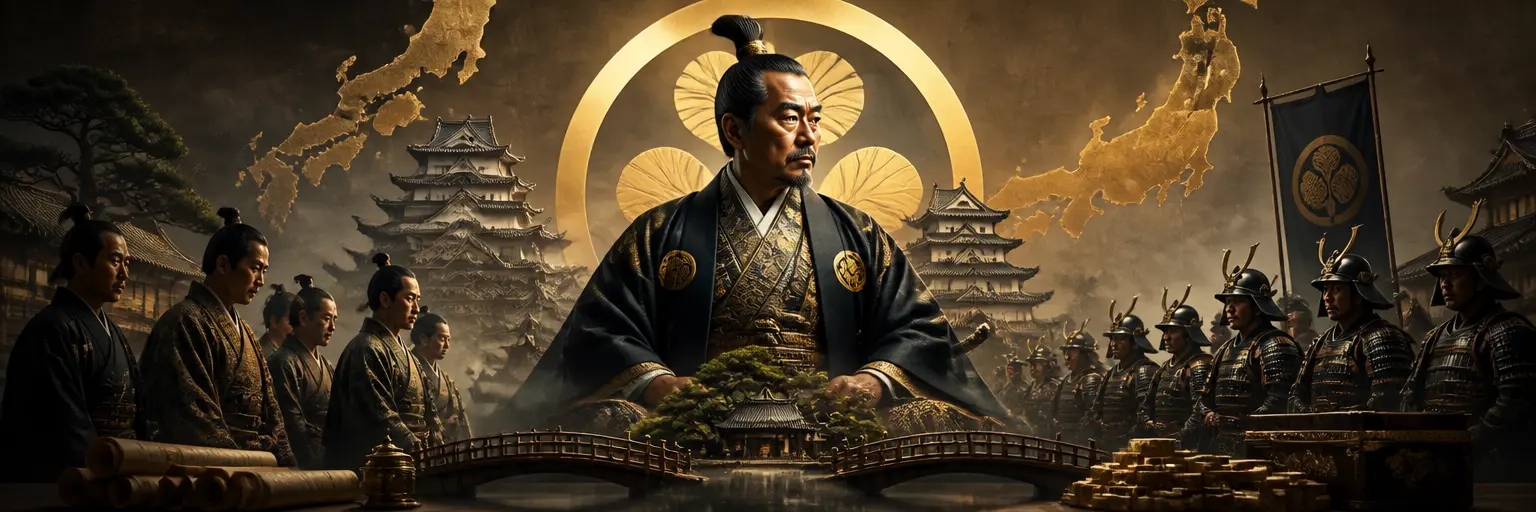
Explore the Tokugawa Shogunate and discover how Japan’s Edo period was shaped by centralized rule, samurai governance, social order, economic growth, and carefully managed foreign relations. 🏯 Gain deeper insight into the policies, leaders, conflicts, and cultural developments that defined over 250 years of Japanese political history. 📚
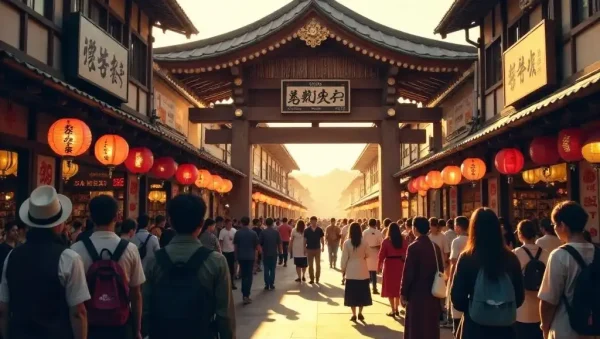
🌏 The cultural exchange during the Tokugawa era significantly shaped Japan's identity, as Western influences began to permeate Japanese art, philosophy, and…
Read article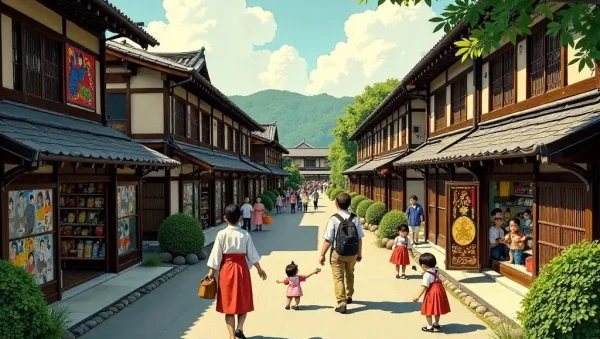
The Tokugawa Shogunate's urban development transformed Edo into a thriving cultural and economic hub. This era witnessed significant advancements in infrastructure, trade,…
Read article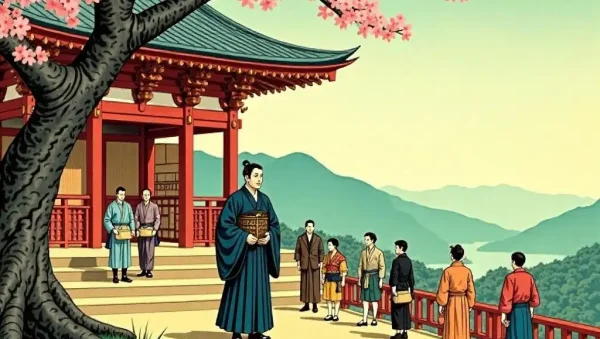
🌏 The Western influence on the Tokugawa Shogunate marked a pivotal transformation in Japan's feudal era, introducing new ideas that challenged traditional…
Read article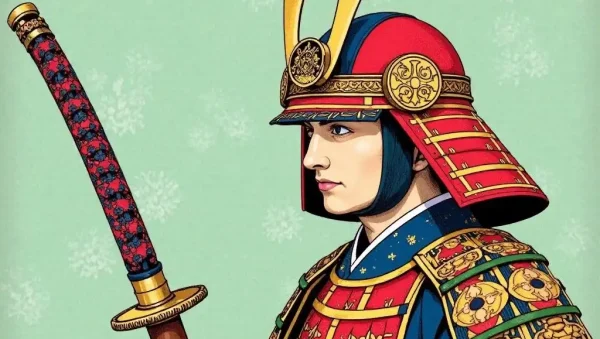
Discover the fascinating Tokugawa samurai armor history, where intricate designs and materials reflect not only military prowess but also cultural identity and…
Read article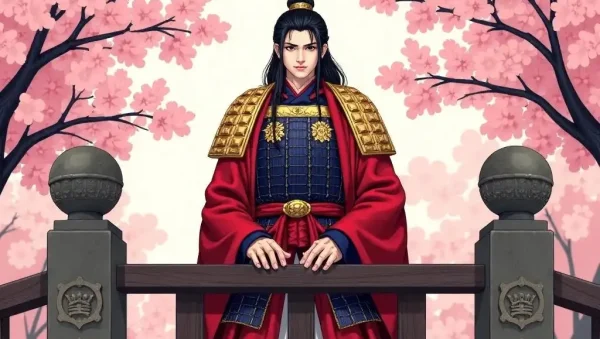
The Daimyo role in Tokugawa Japan was pivotal, as these feudal lords managed vast territories, upheld local governance, and maintained loyalty to…
Read article
🌸 Tokugawa festivals and rituals were pivotal in reinforcing social hierarchies and political power during Japan's feudal era, serving as vital mechanisms…
Read article
🌟 The Tokugawa shogunate power struggles reveal a labyrinth of intrigue and rivalry, showcasing how familial alliances and political maneuvering shaped Japan's…
Read article
🌏 The Tokugawa Shogunate diplomacy history reveals how strategic international relations shaped Japan's isolationist policies, influencing trade, cultural exchanges, and power dynamics…
Read article
The Samurai role in Tokugawa Japan reflects a complex duality; they were both guardians of peace and instruments of war. This era…
Read article
The Tokugawa Shogunate Ainu relations were marked by a complex interplay of trade, cultural exchange, and conflict, reflecting the broader dynamics of…
Read article
🌸 The Tokugawa feudal land ownership system intricately shaped Japan’s social hierarchy, defining the relationships between samurai, farmers, and the ruling shogunate.…
Read article
The Tokugawa Shogunate public health practices revolutionized sanitation and hygiene in Japan's feudal era, implementing measures that significantly reduced disease transmission. By…
Read articleThe Tokugawa Shogunate, also known as the Tokugawa bakufu or Edo Shogunate, governed Japan from 1603 to 1868 and established one of the country’s most influential systems of feudal rule. On Feudal Japan History, this subcategory explores the political institutions, military authority, social order, diplomacy, economic policies, and major events that shaped Japan during the Edo period. Discover how Tokugawa Ieyasu and his successors maintained centralized control, managed powerful regional lords, and guided Japan through more than two centuries of relative peace before the Meiji Restoration.
Learn how Tokugawa Ieyasu emerged victorious after the Sengoku period and transformed military success into a durable political system. Articles examine the Battle of Sekigahara, the establishment of the shogunate in 1603, and the strategies used to secure Tokugawa dominance over rival daimyo.
Readers can expect detailed explanations of early Edo political history, including succession, alliance-building, castle administration, and the relationship between the emperor, the shogun, and Japan’s warrior elites. This section provides essential context for understanding the formation of centralized feudal government.
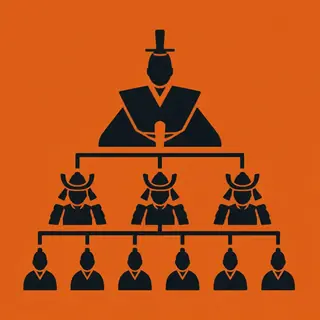
Explore how the Tokugawa bakufu governed Japan through a complex network of officials, laws, councils, and domains. Topics include the shogun’s authority, the role of the rōjū and wakadoshiyori, castle towns, judicial practices, and the administration of the major cities of Edo, Osaka, and Kyoto.
These articles explain how the bakufu balanced central authority with domain autonomy. Readers will discover how han government, hereditary office, political appointments, and administrative regulations created a stable but highly structured system of Tokugawa rule.
Understand the political relationship between the Tokugawa shogunate and the daimyo, Japan’s powerful feudal lords. This section covers the classification of fudai, tozama, and shinpan daimyo, as well as the obligations that connected regional domains to the Edo government.
A major focus is sankin-kōtai, or alternate attendance, which required daimyo to spend regular periods in Edo and leave their families there. Learn how this policy controlled regional power, encouraged road construction, stimulated commerce, and strengthened Tokugawa political authority.
Discover how the shogunate used legal codes and Confucian political thought to organize Edo-period society. Articles explore the Buke Shohatto, status regulations, village administration, and the formal hierarchy of samurai, farmers, artisans, and merchants.
Readers will also learn how Neo-Confucian ideals influenced loyalty, obedience, family structure, education, and government policy. Although social boundaries were not always rigid in practice, the Tokugawa regime promoted a carefully defined political and social order to preserve stability.
Examine Tokugawa Japan’s relations with Korea, China, the Ryukyu Kingdom, the Ainu peoples, and European powers. This section explains how the shogunate regulated international trade, diplomatic missions, and the movement of people across Japan’s borders.
Learn about the suppression of Christianity, the restrictions placed on Portuguese and Spanish influence, and the development of sakoku, often described as Japan’s policy of national seclusion. Articles clarify that Edo Japan was not completely isolated and maintained carefully controlled connections with the Dutch, Chinese, Koreans, and neighboring regions.
The Tokugawa period experienced major economic and demographic development. Explore rice taxation, the kokudaka system, merchant networks, domain finance, agricultural expansion, and the growth of commercial centers such as Edo and Osaka.
These political history articles also examine the financial challenges faced by the shogunate and daimyo, including debt, crop failures, famine, inflation, and reform movements. Understanding these pressures reveals why economic change gradually weakened traditional feudal institutions.
Study the major reform programs introduced by Tokugawa leaders, including the Kyōhō, Kansei, and Tenpō reforms. Each initiative attempted to restore fiscal stability, reinforce social discipline, and strengthen the authority of the bakufu.
Readers can also explore peasant uprisings, urban protests, religious movements, and conflicts within the samurai class. These events demonstrate how political tension in Edo Japan developed beneath the surface of long-term peace.
Follow the final decades of the Tokugawa regime, from the arrival of Commodore Matthew Perry and the opening of Japanese ports to the growing influence of reformist domains. Articles cover the unequal treaties, Sonnō jōi ideology, the rise of imperial loyalism, and the political crisis of the Bakumatsu period.
Discover how the resignation of Tokugawa Yoshinobu, the Boshin War, and the transfer of political authority to the emperor ended the shogunate in 1868. This section explains why the Meiji Restoration was both a political revolution and a major transformation of Japan’s military, social, and administrative systems.
The Tokugawa Shogunate was Japan’s military government founded by Tokugawa Ieyasu in 1603. It ruled from Edo, modern Tokyo, until 1868 and controlled national politics through the shogun, regional daimyo, samurai officials, and domain administrations.
The Tokugawa Shogunate lasted approximately 265 years, from 1603 to 1868. This era is commonly called the Edo period, named after the shogunate’s political center in Edo.
Its success resulted from military dominance, strict political regulations, control of daimyo, the sankin-kōtai system, social hierarchy, economic administration, and policies designed to prevent large-scale civil war. The regime also benefited from the exhaustion caused by the preceding Sengoku period.
No. Although the shogunate restricted foreign travel, Christianity, and overseas contact, Japan maintained regulated relations and trade with the Dutch, Chinese, Koreans, the Ryukyu Kingdom, and the Ainu. The term sakoku refers to controlled foreign relations rather than absolute isolation.
The shogunate declined because of financial problems, social unrest, internal political divisions, foreign pressure, and the arrival of Western naval powers. The opening of Japanese ports intensified opposition to the bakufu, eventually leading to the Boshin War and the Meiji Restoration in 1868.