
The 'Tachi' vs 'Katana': A Comparative Study of Japan's Iconic Swords

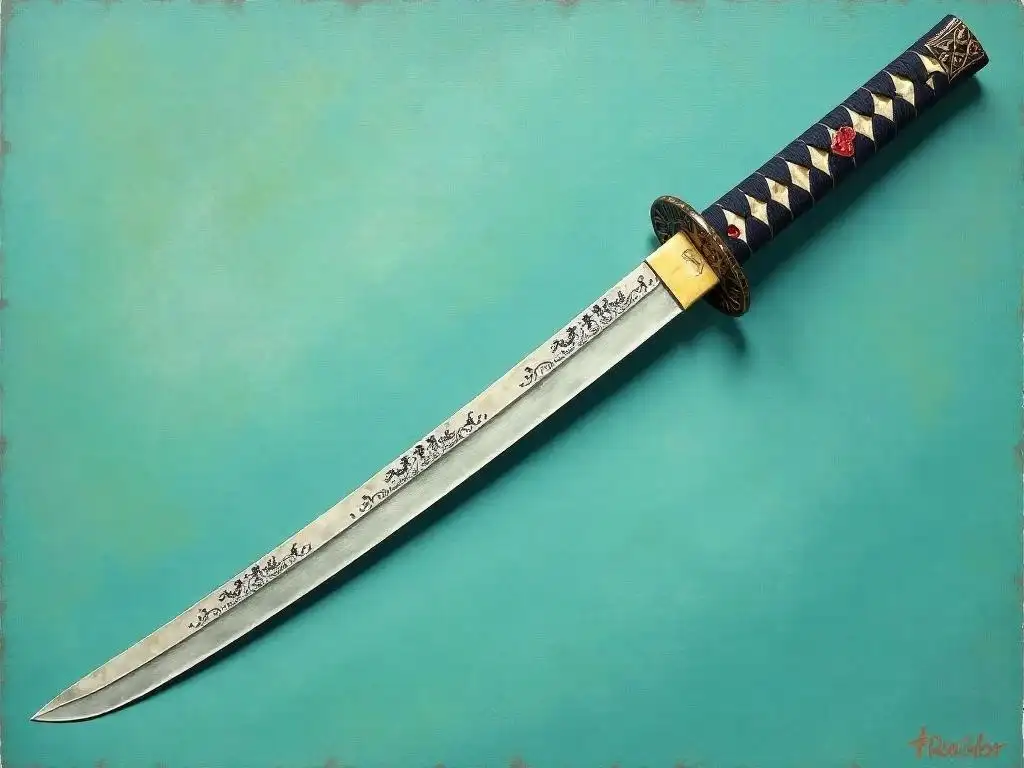
Welcome to Feudal Japan History, where we embark on a captivating journey through the rich tapestry of Japan’s feudal era. Here, we delve into the intricate historical, cultural, and societal threads that define this remarkable period. In our featured article, we invite you to explore the fascinating comparison between the Tachi and Katana, two of Japan's most iconic swords.
What sets these legendary blades apart? Discover the nuances of their craftsmanship, usage, and cultural significance that have shaped Japan’s military history. Prepare to unlock the secrets of these extraordinary weapons and enhance your understanding of their pivotal role in Japan’s storied past!
- Introduction to Tachi and Katana
- Historical Context of the Tachi
- Historical Context of the Katana
- Tachi vs Katana Comparison
- Cultural Significance of the Tachi and Katana
- Conclusion: Understanding the Tachi vs Katana Comparison
- Frequently Asked Questions
- Final Reflection: The Enduring Legacy of Japan's Iconic Swords
- Unleash Your Inner Warrior: Dive Deeper into Japan's Sword Legacy!
Introduction to Tachi and Katana
The evolution of Japanese swords is a fascinating journey that reflects the cultural, social, and technological advancements of Japan through centuries. Among the most iconic representations of this legacy are the Tachi and Katana, two distinct types of swords that not only served as weapons but also as symbols of status and artistry.
This article delves into the intricate details of these two blade types, examining their physical characteristics, historical significance, and the contexts in which they were used. By exploring the differences and similarities in a comprehensive Tachi vs Katana comparison, we aim to provide a clearer understanding of their roles in Japan's feudal era and their lasting impact on Japanese culture.
Overview of Japanese Swords
Japanese swords are renowned worldwide for their craftsmanship and elegance. The two primary types, Tachi and Katana, embody unique design features and historical contexts.
- Tachi:
- Originating in the late Heian period (794–1185), the Tachi is characterized by its longer blade, which is typically over 2 shaku (approximately 60 cm) in length.
- The blade is curved, with a pronounced curve near the tip, and is often worn suspended edge-down, highlighting its ceremonial significance.
- Tachi swords were primarily used by mounted samurai and were symbols of the warrior class, reflecting their status.
- Katana:
- Evolving from the Tachi during the Kamakura period (1185–1333), the Katana features a shorter blade, usually around 1.5 shaku (approximately 45 cm) in length, with a more subtle curve.
- It is designed for quick-draw techniques, making it ideal for close-quarter combat, and is typically worn edge-up, allowing for swift access.
- The Katana became synonymous with the samurai's martial prowess and honor, serving as a crucial component of their identity.
These swords not only served practical purposes but also encapsulated the artistry of Japanese metallurgy and the philosophical ideals of the samurai.
Significance of the Tachi and Katana in Japanese History
The Tachi and Katana are more than mere weapons; they are deeply woven into the fabric of Japanese history and culture.
- Tachi's Historical Role:
- The Tachi was prominent during the feudal era when warfare was predominantly fought on horseback. Its design catered to the needs of mounted samurai, who required a weapon that was both effective in battle and symbolically representative of their status.
- As Japan transitioned into a more centralized governance during the late medieval period, the Tachi began to decline in popularity, making way for new forms of combat and weaponry.
- Katana's Cultural Impact:
- The Katana emerged during a time of social change, symbolizing the shift from mounted warfare to infantry combat. This transition played a crucial role in the samurai's evolution and their code of conduct, known as Bushido.
- The Katana embodies the spirit of the samurai, representing values such as honor, loyalty, and discipline. Its craftsmanship has become an art form, with many artisans dedicating their lives to perfecting the techniques of sword-making.
The Tachi vs Katana comparison offers insights into the development of Japanese weaponry and the cultural significance they hold. Understanding these differences not only enriches our knowledge of military history but also provides a glimpse into the ethos of the samurai and their enduring legacy in Japanese society.
Historical Context of the Tachi
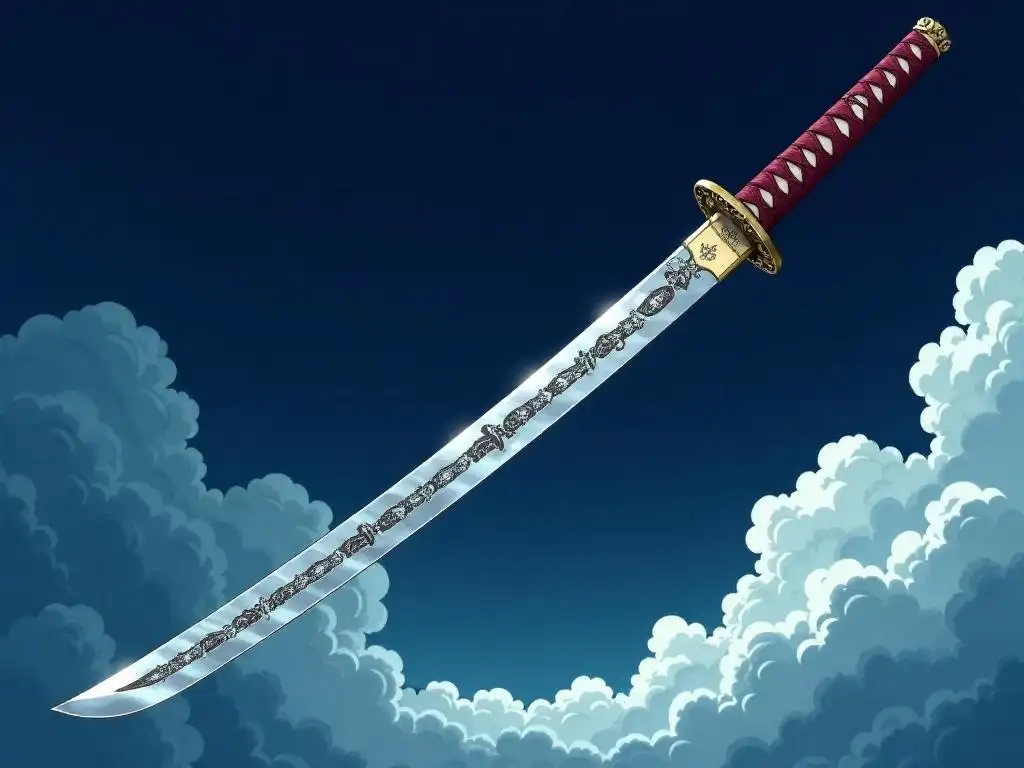
The Tachi sword represents a significant phase in Japan's long and intricate history of weaponry. Emerging during the Heian period (794-1185), the Tachi was not just a weapon but a symbol of status and martial prowess. Understanding the historical context of the Tachi involves examining its origins, roles in warfare, and unique characteristics that distinguish it from other swords, including the later-developed Katana.
Origins and Development of the Tachi
The Tachi's origins can be traced back to the late 8th century, evolving from earlier sword types as Japan began to solidify its cultural and martial identity.
- Influences: The Tachi was heavily influenced by Chinese sword-making techniques, particularly during the Tang dynasty, which introduced the art of forging high-quality steel. Japanese smiths adapted these techniques, leading to the creation of the Tachi, designed for slashing in mounted combat.
- Design Evolution: Initially, Tachi blades were longer and more curved than their predecessors, allowing for greater cutting efficiency. Over time, as warfare tactics evolved, the Tachi also underwent design changes to improve functionality and effectiveness in battle.
- Cultural Significance: The Tachi was often associated with the samurai class and was worn suspended edge-down, which was practical for the swift draw in battle. The craftsmanship of Tachi swords became an art form, with master smiths producing blades that were not only functional but also aesthetically pleasing, often adorned with intricate designs.
Tachi's Role in Feudal Japan Warfare
The role of the Tachi in feudal Japan warfare cannot be overstated. It was a critical tool for samurai warriors on the battlefield, reflecting the social and military hierarchies of the time.
- Combat Style: The curvature of the Tachi allowed for powerful slashing attacks, which were advantageous in mounted combat. Samurai warriors relied on the Tachi during large-scale battles, where cavalry charges and swift movements were pivotal.
- Tactical Importance: In the context of feudal warfare, the Tachi's length provided reach, making it effective against opponents armed with shorter weapons. Its design contributed to the samurai's reputation as elite warriors, capable of executing swift and decisive strikes.
- Symbol of Status: Beyond its practical use, the Tachi also served as a symbol of the samurai's status and honor. The sword was often passed down through generations, with each blade carrying the legacy of its owner, reflecting the feudal loyalty and familial ties that characterized samurai culture.
Characteristics of the Tachi Sword
The Tachi sword is distinguished by several defining characteristics that set it apart from other Japanese swords, particularly the Katana.
- Blade Length and Curvature: Tachi blades typically range from 70 to 80 cm in length, with a pronounced curve that facilitates effective slashing. This curvature is optimal for drawing the sword quickly while mounted.
- Forging Techniques: The Tachi was crafted using traditional Japanese forging methods, often employing a process known as "folding," which involves layering different types of steel to create a resilient blade. This technique enhances the sword's strength and flexibility.
- Mounting and Design: Tachi swords are usually mounted with a longer handle to accommodate the two-handed grip necessary for powerful strikes. The fittings, including the tsuba (guard) and the saya (scabbard), were often elaborately designed, showcasing the artisan's skill and the owner's status.
- Differentiation from Katana: Unlike the Katana, which developed later and is characterized by a more pronounced curve and shorter blade, the Tachi is typically worn in a way that emphasizes its ceremonial and combat heritage. The Tachi's design was more suited for the battlefield of its time, reflecting the martial practices and social structures of the feudal era.
The Tachi sword is a remarkable artifact of Japan's feudal history, embodying the martial spirit and cultural values of the samurai. Its origins, role in warfare, and distinct characteristics contribute to the ongoing fascination and respect it commands in the study of Japan’s military history.
Historical Context of the Katana
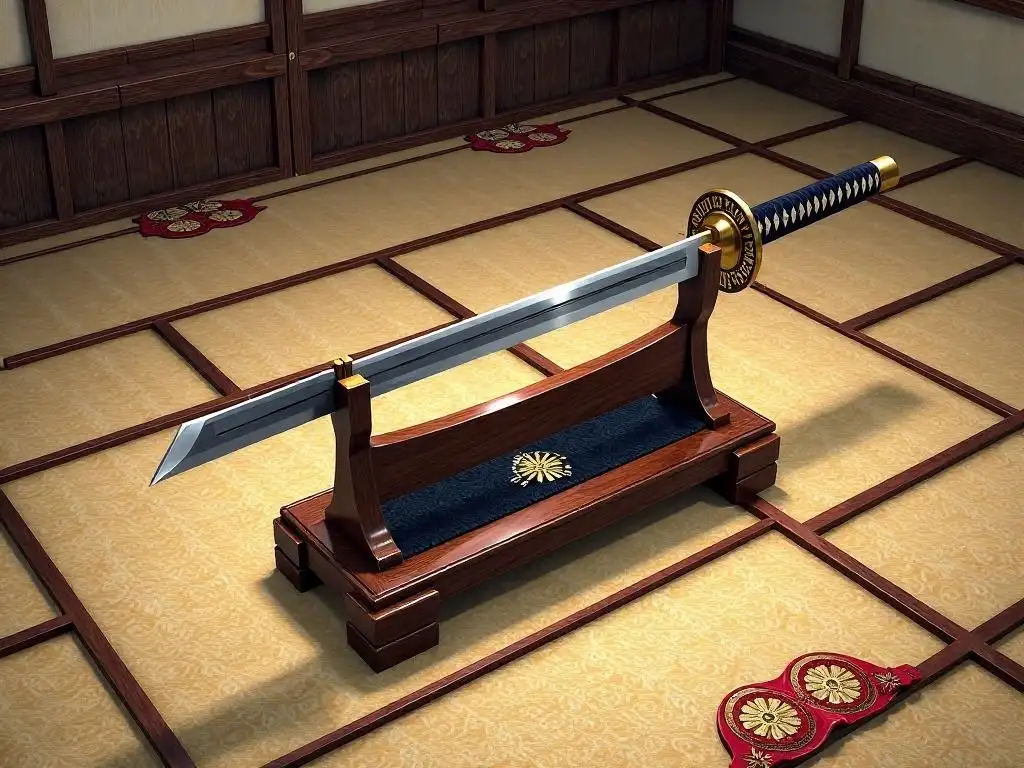
The katana is one of the most iconic symbols of Japanese culture, representing not only a weapon but also the philosophical and aesthetic values of the samurai class. This sword emerged during a period of significant social and military transformation in Japan, particularly during the late Heian period (794-1185) and into the Kamakura period (1185-1333). Understanding the historical context of the katana involves examining the evolution from its predecessor, the tachi, and its integration into the samurai ethos.
Evolution of the Katana from the Tachi
The tachi and katana are often discussed in the context of their evolution. The tachi, developed during the Heian period, featured a longer blade and was primarily designed for cavalry use. It was worn suspended edge-down, allowing for swift drawing while mounted. As Japan transitioned into the Kamakura period, the feudal system solidified, and warfare evolved into more infantry-based confrontations. This shift necessitated a new style of sword.
Key Differences in Design:
- Blade Length: The tachi typically ranges from 70 to 80 cm, while the katana measures about 60 to 80 cm.
- Curvature: The tachi has a more pronounced curve, optimized for slashing from horseback, while the katana has a gentler curve, enhancing its effectiveness in close combat.
- Mounting: The tachi is designed to be worn suspended edge-down, whereas the katana is worn edge-up, facilitating quick drawing and striking.
The transition to the katana was not merely a change in design but also reflected broader societal shifts. The emergence of the samurai as a distinct warrior class required swords that were practical for foot combat and could be drawn quickly during encounters.
The Katana's Importance in Samurai Culture
The katana is more than just a weapon; it embodies the samurai’s code of honor, known as bushido. This code emphasized loyalty, courage, and personal honor, deeply intertwined with the identity of the samurai. The katana became a symbol of their status and a reflection of their spirit.
Cultural Significance:
- Symbol of Authority: The katana served as a badge of rank and authority among samurai, distinguishing them from commoners.
- Spiritual Element: It was believed that the katana housed the soul of its owner. Thus, the sword was treated with great reverence and care, often being passed down through generations.
- Artistry: The craftsmanship involved in the creation of a katana elevated it to an art form. Notable artisans would spend years perfecting their techniques, making each piece unique.
The katana's significance extended beyond the battlefield; it played a crucial role in rituals and ceremonies, symbolizing the samurai's connection to their ancestry and the divine.
Key Features of the Katana Sword
The katana's design is characterized by several distinctive features that contribute to its effectiveness as a weapon and its status as a cultural artifact.
Notable Characteristics:
- Blade: The blade is traditionally made from high-carbon steel, allowing for a hard edge and a resilient spine. The forging process often involves folding the metal to enhance its strength and flexibility.
- Hamon: This is the temper line visible on the blade, created during the quenching process. The hamon not only adds beauty but also signifies the heat treatment that gives the blade its unique properties.
- Tsuba: The handguard, or tsuba, serves both functional and decorative purposes. It protects the hand during combat and often features intricate designs that reflect the owner's status or beliefs.
- Tsuka: The handle, or tsuka, is wrapped with tsuka-ito (cord) for a secure grip and often houses the tang of the blade, which is meticulously crafted for balance and control.
| Feature | Description |
|---|---|
| Blade | High-carbon steel, typically curved with a sharp edge. |
| Hamon | Temper line that indicates unique forging techniques. |
| Tsuba | Handguard that protects the hand and serves as a decorative element. |
| Tsuka | Handle designed for grip and balance, often wrapped with decorative cord. |
The combination of these features not only makes the katana a formidable weapon but also elevates it to a revered status within Japanese culture, solidifying its place in history as a symbol of the samurai.
Tachi vs Katana Comparison
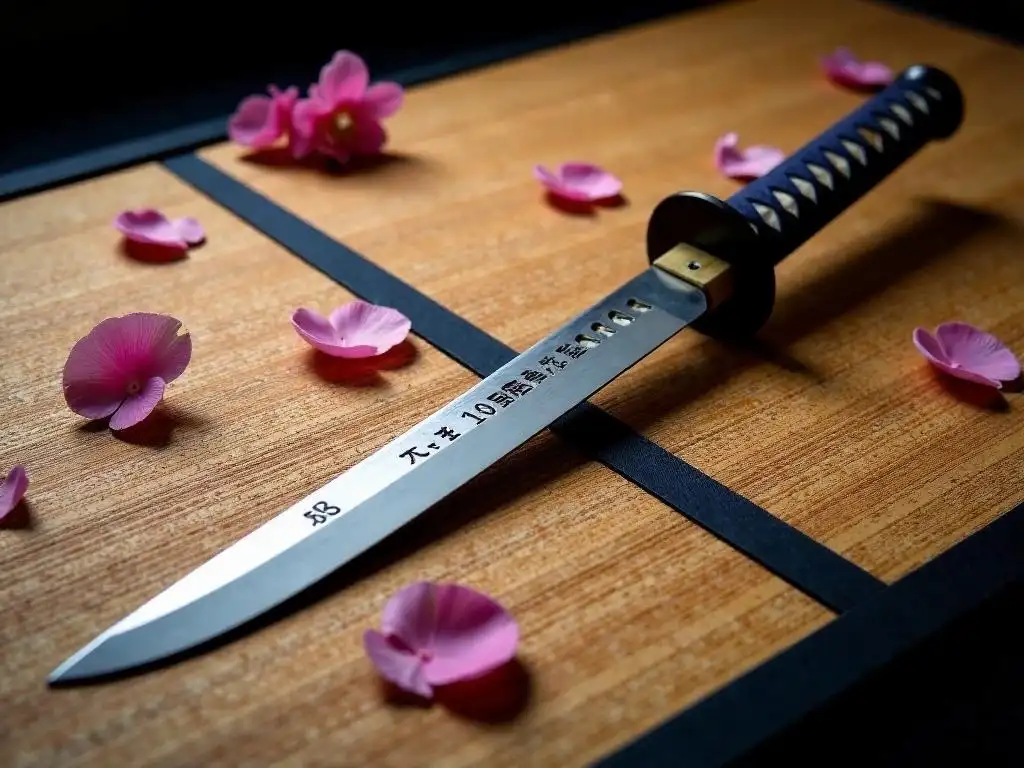
Design and Construction Differences
The design and construction of the Tachi and Katana reveal significant differences that reflect their respective historical contexts and intended uses. Understanding these differences provides insight into how these iconic swords were not only crafted but also how they influenced combat and culture during Japan's feudal era.
Blade Length and Curvature
One of the most notable distinctions between the Tachi and Katana lies in their blade length and curvature.
- Tachi: Typically longer than the Katana, the Tachi usually measures between 26 to 32 inches in blade length. Its curvature is more pronounced, allowing for powerful slashing motions. The design favors fluid movements, suitable for mounted combat, which was prevalent during the time when the Tachi was in use (approximately the 10th to 15th centuries).
- Katana: In contrast, the Katana generally has a blade length ranging from 24 to 30 inches. The curvature is also present but less dramatic than that of the Tachi. This subtle curve enhances thrusting capabilities while maintaining efficiency for quick, one-handed drawing techniques. The Katana became the weapon of choice during the late 15th century, aligning with the rise of the samurai class and a shift towards infantry combat.
| Sword Type | Blade Length (inches) | Curvature Style | Primary Use |
|---|---|---|---|
| Tachi | 26-32 | Pronounced | Mounted Combat |
| Katana | 24-30 | Subtle | Infantry Combat |
Materials Used in Tachi and Katana
The materials utilized in crafting the Tachi and Katana also differ, reflecting the evolving metallurgical techniques and aesthetic preferences of the era.
- Tachi: Traditionally, Tachi swords were made using a combination of high-carbon steel known as Tamahagane, which is produced from iron sand. The forging process involves folding the steel multiple times to create layers, enhancing toughness and flexibility. Tachi often features elaborate mounts and fittings, often adorned with intricate designs that signify status and craftsmanship.
- Katana: Similarly, the Katana is crafted from Tamahagane, but the forging process may include different heat treatments that result in a blade with a harder edge and a softer spine. This differential hardening technique enhances the sword's resilience during combat. Katana often display simpler, yet elegant mounts, reflecting the minimalist aesthetic that became popular among samurai artisans.
Functional Differences in Combat
The functional differences between the Tachi and Katana are profound, as each sword was tailored to meet the demands of distinct combat scenarios throughout Japan's feudal period.
Tachi Techniques vs Katana Techniques
The techniques employed with the Tachi and Katana stem from their unique designs and intended combat styles.
- Tachi Techniques: Combat with the Tachi often involved sweeping slashes, suited for cavalry engagements. Techniques such as "Nukitsuke" (the act of drawing the sword and cutting in one motion) were emphasized, allowing for powerful strikes against opponents while mounted. The length and curve of the Tachi made it effective for delivering devastating blows.
- Katana Techniques: The Katana, in contrast, favored techniques that emphasized speed and precision. Techniques like "Iaijutsu," which involves drawing the sword from its scabbard in a fluid motion to engage an opponent, became prevalent. The shorter length and subtle curve of the Katana allowed for rapid movements and quick recovery, ideal for the increasingly close-quarters infantry combat of the late feudal period.
Suitability for Different Combat Scenarios
The suitability of the Tachi and Katana for various combat scenarios further illustrates their functional differences.
- Tachi: Best suited for mounted warfare, the Tachi was designed to deliver powerful slashes from horseback. Its longer blade and pronounced curvature allowed for effective strikes against enemies while riding at speed. This made it invaluable during battles where mobility and reach were crucial.
- Katana: The Katana's design shines in foot combat scenarios. Its balance, weight, and shorter length facilitate quick draws and thrusts, making it an excellent weapon for close-quarters fighting. The Katana became synonymous with the samurai's code of honor, embodying the principles of combat efficiency and skill.
The Tachi vs Katana comparison not only highlights the physical characteristics of these swords but also reflects the evolution of martial tactics and the cultural significance of weaponry in feudal Japan. Each sword tells a story of its time, embodying the artistry and functionality that defined an era of rich history.
Cultural Significance of the Tachi and Katana
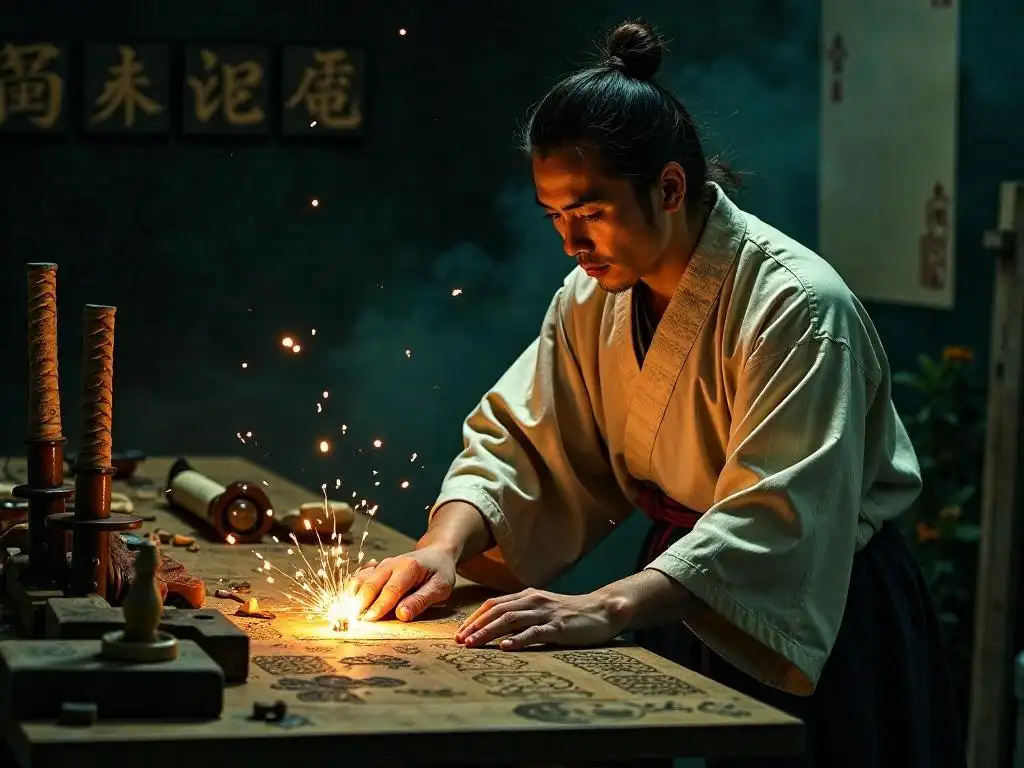
The Tachi and Katana are not merely weapons; they embody the rich cultural heritage and social structures of feudal Japan. Their significance transcends the battlefield, deeply influencing the arts, philosophy, and daily life of the samurai class. Each sword carries with it a distinct symbolic weight that reflects the values and beliefs of the era.
A key aspect of their cultural significance lies in the distinction between the two swords. The Tachi, with its longer blade and curved design, was primarily used by mounted warriors, symbolizing nobility and martial prowess. In contrast, the Katana, shorter and more versatile, became the weapon of choice for foot soldiers and is often associated with the samurai's readiness and adaptability in combat. This differentiation illustrates how the evolving nature of warfare and societal roles influenced sword design and usage.
Symbolism in Samurai Culture
The Tachi and Katana embody various symbols within samurai culture.
- Honor and Valor: Both swords represent the samurai's bushido code, emphasizing honor, bravery, and loyalty. The act of drawing a Katana, for instance, is often seen as a declaration of intent, invoking the spirit of the samurai.
- Spiritual Connection: Traditionally, swords were believed to house the spirit of their maker. This belief instills a sense of reverence among samurai towards their weapons, viewing them as extensions of their own souls. The Tachi is often seen as a symbol of the divine, representing the connection between the heavens and the earthly realm.
- Artistry and Craftsmanship: The Tachi and Katana are masterpieces of metallurgical artistry. The intricate designs and unique tempering processes not only make them effective weapons but also works of art. The aesthetic qualities of these swords were highly valued, with many samurai displaying them as symbols of status and refinement.
The symbolic nature of these swords extends into literature and folklore, where they often feature as haikus or motifs representing the samurai's journey and struggles, further embedding them into the cultural narrative of Japan.
The Role of Tachi and Katana in Traditional Ceremonies
In addition to their martial applications, the Tachi and Katana play significant roles in various traditional ceremonies.
- Rituals of Forging: The creation of these swords is steeped in ritual. The process of forging a Katana, for example, involves multiple stages of purification and prayer, acknowledging the spiritual essence of the sword. This highlights the importance of craftsmanship in samurai culture.
- Ceremonial Displays: Both swords are often showcased in formal settings, such as during tea ceremonies or weddings, representing the samurai’s adherence to tradition and the values associated with their status. The Tachi, with its more ornate design, is frequently displayed in ceremonial contexts, symbolizing the prestige of the samurai class.
- Funeral Rites: In death, the swords maintain their significance. Samurai were often buried with their Tachi or Katana as a means of ensuring their passage into the afterlife. This act solidifies the belief that the swords serve as a protector in both life and death.
The Tachi and Katana are integral to the cultural fabric of feudal Japan, embodying the values, beliefs, and traditions of the samurai class. Their roles extend beyond mere weaponry, encapsulating the essence of honor, spirituality, and artistry that defines this historical period. Understanding the cultural significance of these swords enriches our appreciation of their enduring legacy in Japan's military history.
Conclusion: Understanding the Tachi vs Katana Comparison
Summary of Key Differences and Similarities
The Tachi and Katana are two of the most renowned swords in Japanese history, each embodying unique characteristics and cultural significance. Understanding the differences and similarities between them is crucial for appreciating their roles in Japanese martial traditions and their evolution over time.
- Blade Length and Design:
- The Tachi typically measures between 70 to 80 cm in blade length, featuring a pronounced curve and is designed primarily for slashing.
- The Katana, on the other hand, tends to have a slightly shorter blade, usually between 60 to 80 cm, but with a more refined curvature allowing for both slashing and thrusting techniques.
- Mounting and Use:
- Tachi swords were often mounted with the blade facing down when worn, which was practical for cavalry usage in the Heian period (794-1185). This positioning allowed for quick draws while on horseback.
- Katana swords are mounted with the blade facing upward and are primarily used for close combat in the Muromachi period (1336-1573) and beyond, reflecting a shift in warfare tactics to more infantry-based confrontations.
- Cultural Significance:
- The Tachi is often associated with the nobility and samurai of earlier eras, representing a class distinction in feudal Japan.
- The Katana symbolizes the samurai's honor, strength, and skill, especially during the Edo period (1603-1868), when it became a staple of the samurai identity.
While both the Tachi and Katana serve as formidable weapons, their design, usage, and cultural significance highlight a fascinating evolution of Japanese swordsmanship.
The Legacy of Tachi and Katana in Modern Times
The legacy of the Tachi and Katana extends far beyond their historical usage; they have become symbols of Japanese culture and identity. The enduring fascination with these swords can be observed in various aspects of modern life.
- Martial Arts:
- Traditional Japanese martial arts, such as Kendo and Iaido, continue to practice techniques that utilize the Katana, emphasizing the importance of these swords in the training of modern martial artists.
- The Tachi, while less commonly used in martial arts today, is studied as part of historical swordsmanship practices, preserving the techniques and philosophies of ancient warriors.
- Pop Culture:
- The Tachi and Katana have found their way into popular culture, appearing in films, anime, and video games. Their depiction often romanticizes the samurai ethos, introducing these iconic weapons to global audiences.
- These swords frequently symbolize honor, bravery, and the warrior spirit, resonating with fans and collectors alike.
- Collecting and Artistry:
- Collectors of Japanese swords highly value both the Tachi and Katana, with authentic pieces fetching high prices at auctions. Their craftsmanship is revered, with intricate designs and the unique folding techniques used in their creation celebrated among artisans.
- Swordsmiths continue to practice the art of making these blades, ensuring that the traditional methods are not lost to time. This craftsmanship is recognized as an Intangible Cultural Heritage in Japan.
The Tachi and Katana are more than mere weapons; they are profound symbols of Japan's rich history and culture. Their continued relevance in modern martial arts, pop culture, and artistry illustrates that the legacy of these swords will endure for generations to come.
Frequently Asked Questions
What is the main difference between a Tachi and a Katana?
The Tachi is an older sword design, typically longer and used primarily by cavalry, while the Katana is a shorter, more versatile blade favored by infantry during the feudal era.
How did the design of Tachi swords evolve into Katana?
The transition from Tachi to Katana involved changes in blade curvature and length, reflecting shifts in combat style and the needs of samurai during evolving warfare in Japan.
What are the typical lengths of Tachi and Katana?
Tachi swords usually range from 2.4 to 3 shaku (approximately 72 to 90 cm), whereas Katana typically measure about 2 to 2.5 shaku (around 60 to 75 cm), making the Katana more suited for close combat.
In what contexts were Tachi swords primarily used?
Tachi swords were primarily used in mounted combat and ceremonial settings, while Katana became more common in personal combat and everyday use by samurai in the Edo period.
Are Tachi and Katana considered equal in status?
While both swords are revered, the Katana is often viewed as the more iconic symbol of the samurai ethos, representing honor and skill, whereas the Tachi holds historical significance as the predecessor to the Katana.
Final Reflection: The Enduring Legacy of Japan's Iconic Swords
The comparison between the Tachi and Katana is not merely a study of two weapons; it is a profound exploration of cultural identity and historical significance. In today's world, where the appreciation for craftsmanship and tradition is often overshadowed by modernity, understanding the nuances of these iconic swords reminds us of the rich heritage that shapes our present. The Tachi and Katana are more than just tools of war; they embody the spirit of a nation and the artistry of its people.
The influence of the Tachi and Katana extends far beyond their physical form; they have become symbols of honor, discipline, and the samurai way of life. As we navigate contemporary society, the values represented by these swords resonate with our ongoing quest for meaning and purpose. The sword is the soul of the samurai,
a saying that encapsulates the deep connection between the warrior and his weapon, serves as a reminder of the ideals we can aspire to in our own lives.
As you reflect on the Tachi vs Katana comparison, consider how these lessons can be applied to your own journey. Embrace the craftsmanship in your endeavors, honor the traditions that shape you, and strive for excellence in all that you do. Let the legacy of these swords inspire you to forge your own path with integrity and passion, ensuring that the spirit of the samurai lives on in your actions and choices.
Unleash Your Inner Warrior: Dive Deeper into Japan's Sword Legacy!
Thank you for taking the time to explore the fascinating world of Japan's iconic swords with us. You’ve uncovered the unique characteristics and historical significance of the Tachi and Katana, enriching your understanding of these symbols of craftsmanship and culture. Now, it's time to elevate your passion for this remarkable heritage!
Here’s how you can deepen your journey into this rich history:
- Join a local martial arts class or workshop to experience the techniques and philosophies behind these swords firsthand.
- Visit a museum or cultural exhibition dedicated to Japanese history to see exquisite examples of the Tachi and Katana up close.
- Share your newfound knowledge with friends or on social media to spark discussions about the artistry and significance of these magnificent weapons.
As you contemplate the legacy of these swords, consider this: What do the stories of the Tachi and Katana reveal about Japan's cultural values and traditions in today's world?