
The Battle Tactics of the Japanese Pirate Warlords

Welcome to Feudal Japan History, where we embark on a fascinating journey through the intricate tapestry of Japan’s feudal era. Here, you’ll uncover the strategies and cunning of the legendary Japanese pirate warlords, whose battle tactics shaped the very essence of military history in the region. As you delve into our in-depth articles, prepare to be captivated by tales of valor and intrigue that echo through the ages. What secrets lay hidden behind their audacious maneuvers? Join us as we explore these remarkable figures and their impact on Japan’s tumultuous past—your adventure begins now!
- Introduction to Japanese Pirate Warlords Tactics
- Historical Context of Japanese Pirate Warlords
- Strategies and Tactics Employed by Japanese Pirate Warlords
- Weapons and Technology of the Japanese Pirate Warlords
- Case Studies of Notable Pirate Warlords
- The Societal Impact of Pirate Warlords in Japan
- Conclusion: The Legacy of Japanese Pirate Warlords Tactics
-
Frequently Asked Questions
- What were the main tactics used by Japanese pirate warlords?
- How did Japanese pirate warlords influence naval warfare?
- What role did geography play in the tactics of Japanese pirate warlords?
- Were there any notable pirate warlords in Japanese history?
- How did the tactics of Japanese pirate warlords evolve over time?
- Final Reflection: The Enduring Legacy of Japanese Pirate Warlords' Tactics
- Unleash Your Inner Warlord: Take Action Today!
Introduction to Japanese Pirate Warlords Tactics
The realm of feudal Japan was not only characterized by samurai honor and clan warfare but also by the tumultuous rise of pirate warlords who dominated the seas. These formidable figures, often referred to as Japanese pirate warlords, played a crucial role in shaping the dynamics of naval warfare during this period.
Their tactics, a blend of cunning strategy and brute force, were instrumental in controlling trade routes and engaging rival clans. This article delves into the intricate battle tactics employed by these warlords, exploring how their naval prowess and unique strategies influenced both maritime and land-based conflicts in feudal Japan.
The feudal era in Japan, spanning from the late 12th century to the early 17th century, was marked by a decentralized political structure where power was held by regional lords, known as daimyos. During this time, Japan’s geography, with its multitude of islands and coastal regions, fostered a significant reliance on naval capabilities. The Japanese pirate warlords, or wokou, emerged as key players in this maritime landscape.
- Key Characteristics of the Feudal Era:
- Decentralization of Power: Local lords wielded significant authority, leading to conflicts over territory and resources.
- Emergence of Samurai Culture: The samurai class rose to prominence, with a strict code of honor governing their conduct.
- Maritime Trade and Piracy: With trade flourishing, piracy became a common tactic among those seeking wealth and power on the seas.
Naval warfare during this era was not solely about battles; it involved complex strategies that included intelligence gathering, surprise attacks, and alliance formations. The wokou capitalized on these tactics, often launching raids on coastal settlements and merchant vessels, thus disrupting trade and asserting dominance over rival factions.
Significance of Pirate Warlords in Japanese History
The impact of Japanese pirate warlords on the course of history in Japan cannot be overstated. Their influence extended beyond mere piracy; they played a pivotal role in the political and economic landscape of the time.
- Contributions to Maritime Strategy:
- Innovative Tactics: Warlords utilized swift, agile ships that allowed for rapid assaults and quick retreats, often catching their enemies off guard.
- Economic Disruption: By targeting merchant ships and coastal towns, they significantly affected trade and resource availability.
- Cultural Legacy:
- Inspiration for Future Generations: Their exploits have been romanticized in literature and folklore, shaping Japan's cultural narrative around piracy and adventure.
- Influence on Samurai Warfare: The tactics developed by pirate warlords often found their way into the strategies employed by samurai in land battles.
The tactics of Japanese pirate warlords not only reflect the turbulent nature of their time but also illustrate a rich tapestry of cultural and military evolution that continues to fascinate historians today. As we delve deeper into their strategies, we'll uncover the complex interplay of warfare, politics, and culture that defined this extraordinary period in Japanese history.
Historical Context of Japanese Pirate Warlords
Emergence of Piracy in Feudal Japan
The emergence of piracy in feudal Japan can be traced back to the 12th century, during the Kamakura period. This era was characterized by political instability and the rise of regional warlords, known as daimyōs. As Japan became fragmented into numerous feudal domains, maritime trade flourished, particularly along the coasts of the Seto Inland Sea and the Pacific Ocean.
Piracy was incentivized by a combination of factors:
- Economic Opportunities: The lucrative trade routes attracted not only merchants but also pirates, who sought to intercept merchant ships laden with goods.
- Political Chaos: The power struggles among the daimyōs created a fertile ground for piracy. Local warlords often turned to piracy to finance their military campaigns or to assert control over coastal territories.
- Cultural Acceptance: Unlike in some cultures where piracy was purely criminalized, Japanese society had a complex relationship with pirates. Some were seen as noble figures, akin to Robin Hood, who would redistribute wealth among the marginalized.
These dynamics set the stage for the rise of notorious pirate warlords, who would employ sophisticated tactics to dominate maritime warfare.
Key Figures in Japanese Piracy
Several key figures emerged as prominent pirate warlords during this tumultuous period, each with unique strategies and legacies:
- Wokou Pirates: Also known as "dwarf pirates," these were groups of pirates active from the 13th to 16th centuries. They were notorious for their raids on the Chinese and Korean coasts. Their tactics often involved:
- Lightning Raids: Quick attacks on unsuspecting vessels, maximizing surprise and minimizing risk.
- Diverse Crews: Many wokou pirates were not only Japanese but included Chinese and Korean sailors, allowing for a blend of tactics and local knowledge.
- Kōsaka Masanobu: A significant figure in the late 16th century, Kōsaka was both a pirate and a military leader. His tactics included:
- Naval Alliances: Forming temporary alliances with other warlords to strengthen his naval presence.
- Hit-and-Run Tactics: Employing guerilla warfare tactics on the water, attacking merchant ships and quickly retreating to safety.
- Yasuke: Though primarily known as a samurai, Yasuke's exploits included piracy under the service of Oda Nobunaga. His tactics were characterized by:
- Strategic Raids: Coordinated attacks on rival shipping lanes to diminish the resources of opposing warlords.
- Integration of Firearms: Utilizing early firearms acquired through trade to create a shock-and-awe effect during naval battles.
These figures exemplified the blend of martial prowess and cunning strategy that characterized Japanese pirate warlords' tactics.
The Role of Geography in Pirate Activities
Japan's geography played a crucial role in shaping the tactics of its pirate warlords. The archipelago's complex coastline, numerous islands, and sheltered bays provided ideal conditions for piracy:
- Natural Harbors: The many inlets and bays allowed pirate ships to hide and launch surprise attacks. Places like the islands of Shikoku and Honshu became notorious for pirate activity.
- Trade Routes: The strategic location of Japan along key trade routes meant that pirate attacks could yield significant rewards. The influx of trade from China, Korea, and Southeast Asia offered rich opportunities for interception.
- Island Hopping: Pirates often utilized a tactic known as "island hopping," moving swiftly between islands to evade capture and to launch raids. This provided both a tactical advantage and a means of escape.
The interplay between geography and tactics enabled Japanese pirate warlords to establish a formidable presence on the seas, influencing not only local trade but also international relationships during the feudal era. Their legacy continues to fascinate historians and enthusiasts of maritime warfare.
Strategies and Tactics Employed by Japanese Pirate Warlords
The Japanese pirate warlords, known as wokou, utilized a variety of naval tactics that were intricately tied to the design and maneuverability of their ships. The primary vessels employed by these pirates were sailing ships equipped with both oars and sails, allowing for greater flexibility in different weather conditions.
Ship Features
- Shallow Draft: Wokou ships often had a shallow draft, enabling them to navigate coastal waters and rivers with ease. This design allowed for surprise attacks on unsuspecting coastal villages.
- Triangular Sails: The use of triangular sails increased speed and maneuverability, making it easier to execute quick turns and evasive maneuvers during naval engagements.
- Armament: Ships were typically armed with cannon and fire arrows, which provided both offensive and defensive capabilities. The artillery was strategically placed to maximize effectiveness during boarding actions.
The tactics employed by these ships were characterized by a combination of speed and agility, allowing pirate forces to engage or disengage at will. For instance, they would often approach enemy vessels at high speed, launch a surprise attack, and then retreat before a full engagement could occur.
Raiding Strategies: Target Selection and Timing
The success of the Japanese pirate warlords was largely dependent on their raiding strategies, which involved careful target selection and timing.
Target Selection
- Coastal Villages and Trade Ships: Wokou primarily targeted coastal villages and merchant ships that were laden with goods. This choice was strategic; coastal settlements were often less fortified and vulnerable to surprise attacks.
- Weakly Defended Ports: They identified ports known for their lack of military presence, allowing for easier raids and the acquisition of resources.
Timing of Attacks
- Seasonal Patterns: Wokou often planned their raids around seasonal patterns, such as monsoon winds that favored their sailing capabilities. They would launch attacks during the summer months when merchant activity was at its peak.
- Night Raids: The use of darkness was a common tactic. Attacking at night allowed them to leverage their knowledge of the coastal terrain while minimizing visibility to the enemy.
This combination of strategic target selection and precise timing made their raids not only effective but also highly profitable.
Use of Deception and Psychological Warfare
Deception and psychological warfare played a crucial role in the tactics of the Japanese pirate warlords. By manipulating perceptions and creating confusion, they were able to gain the upper hand in various confrontations.
Deceptive Tactics
- False Flags: Wokou sometimes sailed under false colors to disguise their true identity. This tactic allowed them to approach enemy ships or settlements without raising immediate alarm.
- Misdirection: They would often create diversions, such as feigned retreats or staged battles, to draw enemy forces away from their true intent.
Psychological Impact
- Fear as a Weapon: The reputation of the wokou as ruthless pirates instilled fear in coastal communities. This psychological advantage often led to surrender without a fight, as victims preferred to yield rather than incur the wrath of the pirates.
- Rumors and Propaganda: The spread of rumors regarding the strength and ferocity of the wokou contributed to their psychological warfare. Communities would often hear exaggerated tales of their exploits, further enhancing their fear and compliance.
The tactics employed by the Japanese pirate warlords were a complex interplay of naval prowess, strategic planning, and psychological manipulation, rendering them formidable forces during the feudal era. Their innovative methods and bold strategies not only shaped their success but also left a lasting impact on the maritime history of Japan.
Weapons and Technology of the Japanese Pirate Warlords
Types of Ships Used by Pirate Warlords
The Japanese pirate warlords, known as wokou, primarily utilized a variety of ships that were adept at the coastal and island-hopping warfare typical of their era. The most notable types of vessels included:
- Sampans: Small, shallow-draft boats that allowed for quick maneuvering in coastal waters and were ideal for surprise attacks.
- Junk: Larger, more stable ships that could carry considerable cargo and crew. Their design, with high sterns and sails rigged for swift tacking, made them formidable in battle.
- Atakebune: Heavily armed vessels that served as the mainstay for many pirate fleets. These ships were often equipped with multiple decks and could carry large numbers of warriors and supplies.
The selection of vessels was crucial for the success of pirate operations. The adaptability of these ships allowed the warlords to engage in hit-and-run tactics, evade larger naval forces, and conduct raids on coastal settlements.
Arms and Armaments: Swords, Cannons, and More
The armament of the Japanese pirate warlords was diverse, reflecting both local traditions and foreign influences. Key components included:
- Katana: The iconic curved sword of the samurai, renowned for its sharpness and craftsmanship. Pirates often carried multiple swords, including shorter blades for close combat.
- Naginata: A polearm that combined a long blade with a wooden shaft, providing reach and versatility in battle.
- Firearms: By the late 16th century, matchlock guns began to appear in pirate warfare. These early guns allowed for effective ranged combat, although they were slower to reload than traditional weapons.
- Cannons: Atakebune and larger ships were often outfitted with cannons, which were used to bombard enemy vessels and coastal fortifications. The introduction of gunpowder changed naval engagements, allowing pirates to challenge stronger foes.
The combination of traditional weapons with emerging technologies enabled the pirate warlords to maintain their dominance and execute their tactics effectively.
The era of the Japanese pirate warlords saw several significant innovations in naval technology that shaped their tactics and strategies. Notable advancements included:
- Sail Design: The development of more efficient sail configurations, including lateen sails, allowed ships to navigate against the wind more effectively, increasing their operational range.
- Shipbuilding Techniques: Enhanced construction methods, such as the use of waterproofed planks and stronger hull designs, improved the durability and seaworthiness of pirate vessels. This innovation made it possible for ships to endure longer voyages and aggressive engagements.
- Navigation Tools: The introduction of compasses and improved maps facilitated better navigation, allowing pirate warlords to exploit their knowledge of coastal waters and islands.
- Artillery Advances: Innovations in cannon design and gunpowder quality increased the firepower available on ships. This change allowed smaller pirate vessels to engage larger enemy ships with greater effectiveness.
These technological advancements played a pivotal role in shaping the tactics of the Japanese pirate warlords, enabling them to exploit their maritime environment and dominate the coastal regions of Japan and beyond.
Case Studies of Notable Pirate Warlords
The Taira Clan: Pioneers of Piracy
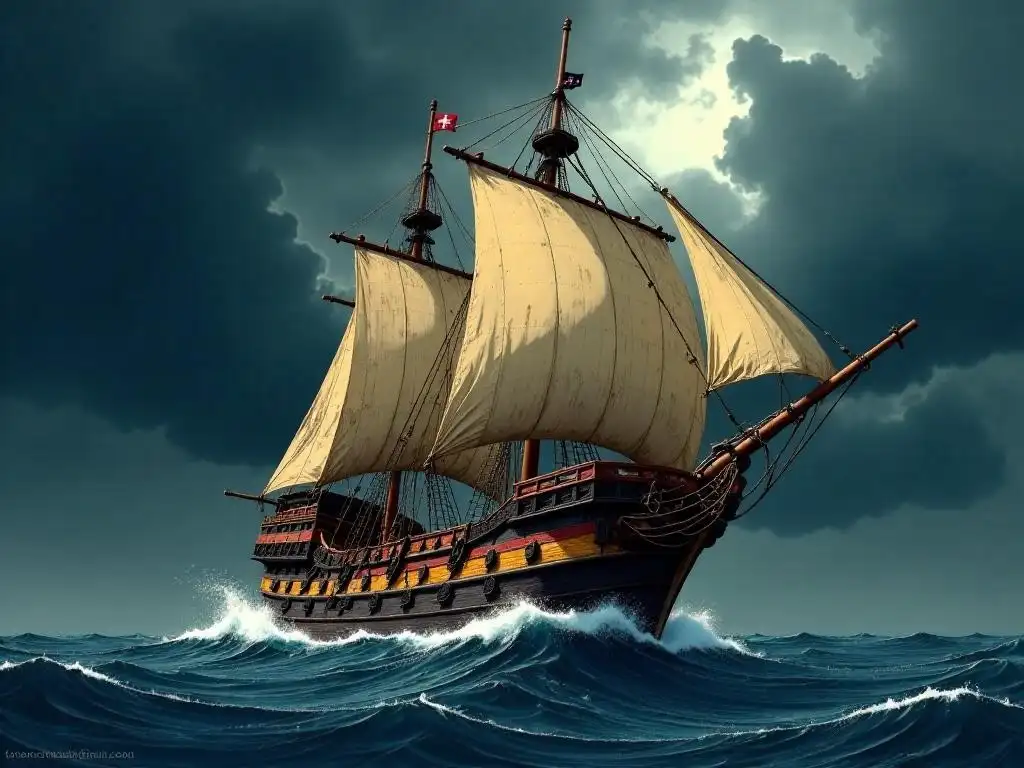
The Taira Clan, one of the most prominent samurai families in Japan during the late Heian period, is often recognized as pioneers of piracy. Their influence extended beyond traditional warfare into the chaotic waters of the Seto Inland Sea. The clan’s naval tactics were characterized by a combination of speed, agility, and surprise, making them formidable opponents against rival clans and coastal settlements.
Tactics and Strategies
- Ship Design: The Taira utilized long, slender ships known as atakebune, which were especially suited for quick maneuvers and shallow waters.
- Ambush Techniques: They often employed ambush tactics, using their knowledge of local waters to catch enemies off guard. This included hiding in coves and launching surprise attacks on merchant vessels.
- Use of Raids: The Taira Clan frequently engaged in raids along the coastline, targeting poorly defended settlements to acquire resources and bolster their influence.
Notably, the Taira's adept use of naval warfare was evident during the Genpei War (1180-1185), where their maritime prowess played a crucial role in several key battles against the Minamoto Clan, showcasing their tactical supremacy in naval engagements.
Wokou Raiders: The East China Sea Threat
The Wokou, or "Japanese pirates," emerged during the late 14th to the early 16th centuries, becoming a notorious threat in the East China Sea. Comprised mainly of Japanese, Chinese, and Korean pirates, the Wokou employed tactics that capitalized on their knowledge of maritime routes and regional politics.
Key Tactics of the Wokou
- Hit-and-Run Raids: The Wokou were known for their hit-and-run tactics, attacking merchant ships and coastal towns before swiftly retreating to their bases. This unpredictability made them difficult to combat.
- Alliance Formation: They often formed alliances with local discontented factions, leveraging these relationships to strengthen their position and expand their raiding activities.
- Naval Innovation: The Wokou adapted various ship designs, including larger vessels capable of carrying more loot and crew. Their ships were often armed with cannons, making them a significant threat to unprepared vessels.
The devastating impact of the Wokou raids led to increased military responses from regional powers, including the Ming Dynasty in China, which sought to eradicate the pirate threat through coordinated naval campaigns.
Kōzuke no Suke, also known as the "Pirate Warlord of Shikoku," played a pivotal role in shaping naval tactics during the late 16th century. His exploits not only highlighted the maritime warfare strategies of the time but also influenced the evolution of piracy in Japan.
Tactical Innovations
- Combined Forces: Kōzuke no Suke was known for his ability to unite various pirate factions under his command, creating a formidable naval force that could challenge regional warlords.
- Enhanced Communication: He implemented advanced communication strategies among his fleet, allowing for coordinated attacks and quick responses to enemy movements.
- Diversified Raiding Techniques: His tactics included both direct assaults on enemy ships and psychological warfare, such as spreading rumors to confuse and demoralize opponents.
The legacy of Kōzuke no Suke's tactics can be seen in subsequent naval engagements during Japan's transition into the early modern period, as his influence helped to refine the art of naval warfare among pirate warlords and legitimate naval forces alike.
These case studies illustrate not only the tactical ingenuity of Japanese pirate warlords but also their significant impact on the wider maritime conflicts of feudal Japan. Each of these figures contributed uniquely to the evolution of naval tactics, shaping the course of Japanese military history during the era.
The Societal Impact of Pirate Warlords in Japan
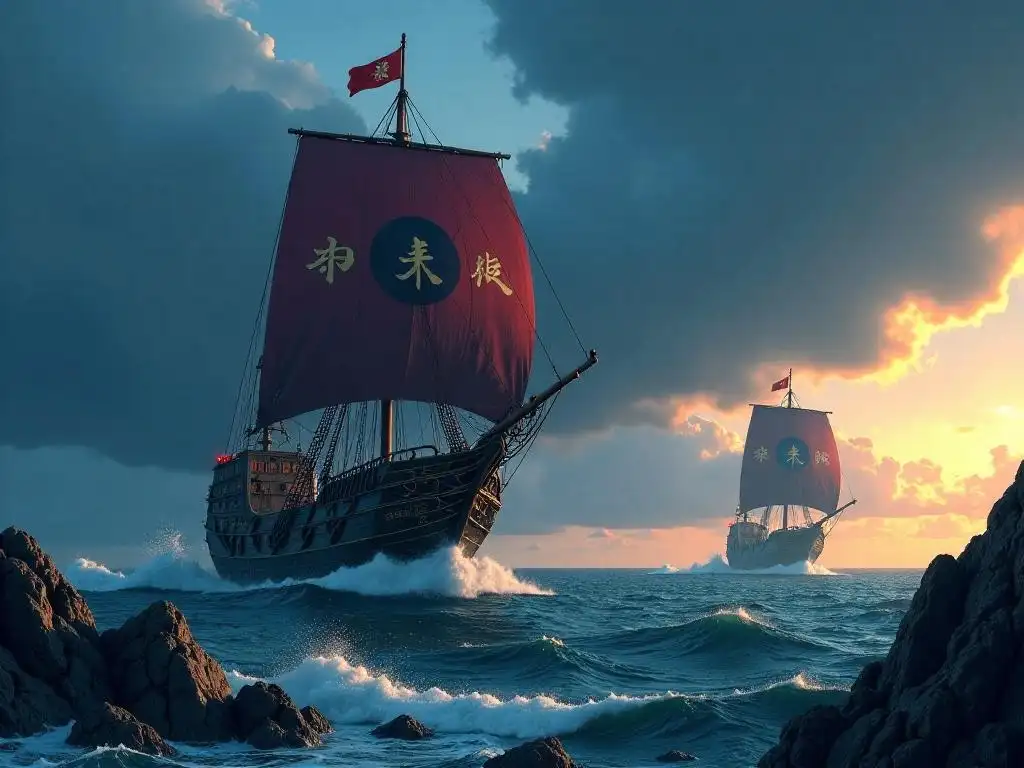
The Japanese pirate warlords, known as wokou, significantly influenced various aspects of society during Japan's feudal era. Their activities not only affected military strategies but also had lasting impacts on trade, social structures, and cultural perceptions. Understanding these influences provides insight into the complexities of Japan’s historical milieu.
Influence on Trade and Commerce
The presence of pirate warlords had a profound effect on trade and commerce in feudal Japan. Operating mainly during the 13th to 16th centuries, these pirates targeted merchant vessels, both Japanese and foreign, disrupting established trade routes. This disruption forced merchants and local governments to adapt.
- Trade Disruption: Pirate raids often led to the loss of goods and ships, creating a climate of fear that hampered trade between regions. The coastal areas became more fortified as local lords sought to protect their assets from these marauders.
- Increased Militarization: In response to the threat posed by wokou, many coastal provinces invested in naval defenses, leading to the development of stronger, more organized fleets. This militarization ultimately paved the way for enhanced naval capabilities within Japan.
- Economic Opportunities: Ironically, while the pirates disrupted trade, they also created economic opportunities. Some local lords collaborated with the pirates, allowing them to operate in exchange for a share of the loot. This relationship fostered a form of mutual dependence that influenced local economies.
The intricate dance between piracy and commerce led to a mixed legacy, where the threat of violence coexisted with the necessity for trade protection.
The Relationship Between Pirate Warlords and Feudal Lords
The interactions between pirate warlords and feudal lords were complex and often multifaceted. The dynamics of power, alliance, and enmity played a crucial role in shaping the socio-political landscape of the time.
- Alliances and Cooperation: Some warlords managed to forge alliances with feudal lords, providing mutual benefits. For instance, by offering protection against rival clans or foreign threats, pirate warlords could secure a degree of legitimacy and territorial control.
- Conflict and Rivalry: Conversely, many pirates posed a direct threat to feudal lords, leading to violent confrontations. The struggle for control over coastal regions often resulted in significant naval battles. Historical records indicate that major conflicts arose as feudal lords sought to reclaim territories from the grip of pirate warlords.
- Political Leverage: The pirate warlords, with their formidable naval forces, wielded considerable power and could influence political outcomes. Their ability to disrupt trade routes made them valuable allies or dangerous enemies in the ever-shifting landscape of feudal Japan.
This intricate relationship ultimately influenced the governance and military strategies of feudal lords, prompting them to adapt to the realities of maritime conflict.
Cultural Depictions of Pirates in Japanese Lore
The cultural narrative surrounding pirate warlords in Japan is rich and varied, reflecting societal attitudes toward piracy and the sea. These depictions are evident in literature, folklore, and art, shaping how subsequent generations viewed these figures.
- Folklore and Legends: The image of the pirate warlord often merged with local folklore, where they were depicted as both valiant heroes and ruthless villains. Stories of bravery and treachery became woven into the fabric of local culture, influencing public perception.
- Artistic Representations: Artistic works from the period, including woodblock prints and paintings, often portrayed pirates in exaggerated forms, emphasizing their fearsome nature and martial prowess. These representations played a significant role in shaping societal views, instilling both fear and fascination.
- Literary Works: Historical texts and literature of the era often romanticized or vilified pirate warlords. Authors used their stories to explore themes of loyalty, betrayal, and the struggle for power, reflecting the complex moral landscape of feudal Japan.
These cultural depictions contributed to a lasting legacy, influencing how piracy was understood and interpreted in Japanese society. The narrative of the pirate warlords serves as a lens through which we can understand the broader societal values and challenges of the time.
Conclusion: The Legacy of Japanese Pirate Warlords Tactics
The legacy of Japanese pirate warlords tactics is a multifaceted aspect of maritime history that has left an indelible mark on Japan's naval strategies and military doctrines. The tactics employed by these warlords were not only innovative for their time but also adaptive, showcasing an understanding of both the geographical landscape and the psychological aspects of warfare. By studying these tactics, modern military strategists can glean insights into the principles of asymmetrical warfare, guerrilla tactics, and the importance of mobility and resourcefulness in naval engagements.
The pirate warlords, often operating outside the limitations of formal military structures, demonstrated a unique blend of audacity and pragmatism. Their raids along the coasts of Japan and beyond were characterized by swift assaults, strategic use of the terrain, and the element of surprise. This legacy continues to influence naval tactics today, as modern forces incorporate similar principles in their operations, particularly in coastal and asymmetric warfare scenarios.
The tactical innovations of the Japanese pirate warlords have reverberated through the centuries, influencing not only contemporaneous naval conflicts but also shaping the strategies of modern Japan’s Self-Defense Forces. Key aspects of their tactics can be observed in several areas of current naval strategy:
- Asymmetrical Warfare: The pirate warlords often fought against larger, more established fleets, employing hit-and-run tactics that focused on maximizing their strengths while exploiting the weaknesses of their opponents. This approach is echoed in modern naval engagements where smaller, agile vessels engage larger adversaries.
- Intelligence and Reconnaissance: The effectiveness of the pirate warlords often hinged on their ability to gather intelligence about enemy movements and exploit local knowledge. This principle remains vital in contemporary naval operations, where situational awareness and reconnaissance play crucial roles in successful engagements.
- Flexible Command Structures: Unlike the rigid hierarchies of formal armies, pirate warlords operated with a degree of flexibility that allowed for rapid decision-making and adaptation to changing circumstances. Modern naval strategies emphasize decentralization, empowering smaller units to operate independently while still aligned with broader mission objectives.
The tactics of the Japanese pirate warlords are not merely historical curiosities; they represent foundational elements that have been integrated into modern naval warfare practices, illustrating the enduring nature of their innovative strategies.
Understanding the naval warfare tactics of feudal Japan, particularly those employed by pirate warlords, is critical for several reasons:
- Cultural Context: The tactics reflect the socio-political conditions of the time, where piracy was often intertwined with regional power struggles. This context provides insights into the complex relationships between warlords, samurai, and the ruling shogunate.
- Strategic Evolution: Analyzing these tactics allows historians and military strategists to trace the evolution of naval warfare in Japan. It highlights how historical practices can inform current military strategies, providing lessons learned from both successes and failures.
- Maritime Heritage: The naval engagements of the feudal era are part of Japan’s rich maritime heritage. Understanding these tactics contributes to a broader appreciation of Japan's historical relationship with the sea, including trade, exploration, and conflict.
- Educational Value: For scholars and enthusiasts alike, studying the tactics of Japanese pirate warlords sheds light on the broader themes of adaptation, innovation, and resilience in military history. These themes are universal and resonate across different cultures and time periods.
The exploration of Japanese pirate warlords tactics offers valuable lessons that extend beyond their historical context. Their influence on modern naval strategies and the broader understanding of naval warfare in feudal Japan underscores the importance of this fascinating era in military history.
Frequently Asked Questions
What were the main tactics used by Japanese pirate warlords?
Japanese pirate warlords employed guerrilla warfare, hit-and-run strategies, and deceptive maneuvers to outsmart their opponents and maximize their impact during battles.
These warlords significantly shaped naval warfare in Japan by introducing innovative tactics and strategies that emphasized mobility and surprise attacks, which became fundamental in later military practices.
What role did geography play in the tactics of Japanese pirate warlords?
The geography of Japan, with its numerous islands and coastal areas, allowed pirate warlords to utilize natural features for ambushes and evasive maneuvers, enhancing their tactical advantages in battles.
Were there any notable pirate warlords in Japanese history?
Yes, notable figures include Miyamoto Musashi and Wokou pirates, who were known for their strategic brilliance and played key roles in shaping the maritime conflicts of their time.
How did the tactics of Japanese pirate warlords evolve over time?
Over time, the tactics of Japanese pirate warlords evolved due to changes in political dynamics, advancements in weaponry, and the increasing influence of centralized powers, leading to more organized and strategic warfare.
Final Reflection: The Enduring Legacy of Japanese Pirate Warlords' Tactics
The tactics employed by Japanese pirate warlords are not just relics of the past; they resonate with the complexities of modern warfare and strategy. In an era where the art of conflict has evolved dramatically, the principles of adaptability, cunning, and resourcefulness demonstrated by these historical figures remain strikingly relevant. Their ability to navigate treacherous waters—both literally and metaphorically—serves as a reminder that the essence of strategy transcends time and geography.
The influence of these pirate warlords extends beyond mere military tactics; they have shaped cultural narratives and social dynamics throughout history. Their stories of audacity and resilience continue to inspire contemporary discussions about leadership and innovation in the face of adversity. As historian William H. McNeill once said, The history of mankind is the history of ideas.
The ideas and strategies forged by these warlords have left an indelible mark on Japan's cultural identity and continue to inform modern strategic thinking in various fields.
As we reflect on the lessons gleaned from the tactics of Japanese pirate warlords, let us invite ourselves to embrace adaptability and creativity in our own lives. Consider how you can apply these timeless strategies to overcome challenges and seize opportunities in your personal and professional endeavors. The legacy of these warlords is not just a chapter in history; it is a call to action for all of us to think critically, act decisively, and navigate our own battles with the same tenacity and ingenuity they once displayed.
Unleash Your Inner Warlord: Take Action Today!
Thank you for delving into the fascinating world of Japanese pirate warlords! Your interest has equipped you with insights into the daring tactics and rich history of these formidable figures. Now, let’s harness that knowledge and take action to further explore this captivating era.
- Dive deeper into the stories of specific warlords by researching their most famous battles and strategies. Consider sharing your findings in a blog post or social media update to engage with others who share your passion!
- Join a community of history enthusiasts by seeking out forums or social media groups that focus on Feudal Japan. Engaging in discussions can provide you with new perspectives and additional insights.
- Challenge yourself by creating a map of significant pirate battles or trade routes. This project can enhance your understanding of the era and provide an enjoyable way to share your findings with friends!
What aspect of the Japanese pirate warlords fascinates you the most, and how do you plan to explore it further?