
Naval Warfare in the Age of the Samurai: Sea Battles and Strategies

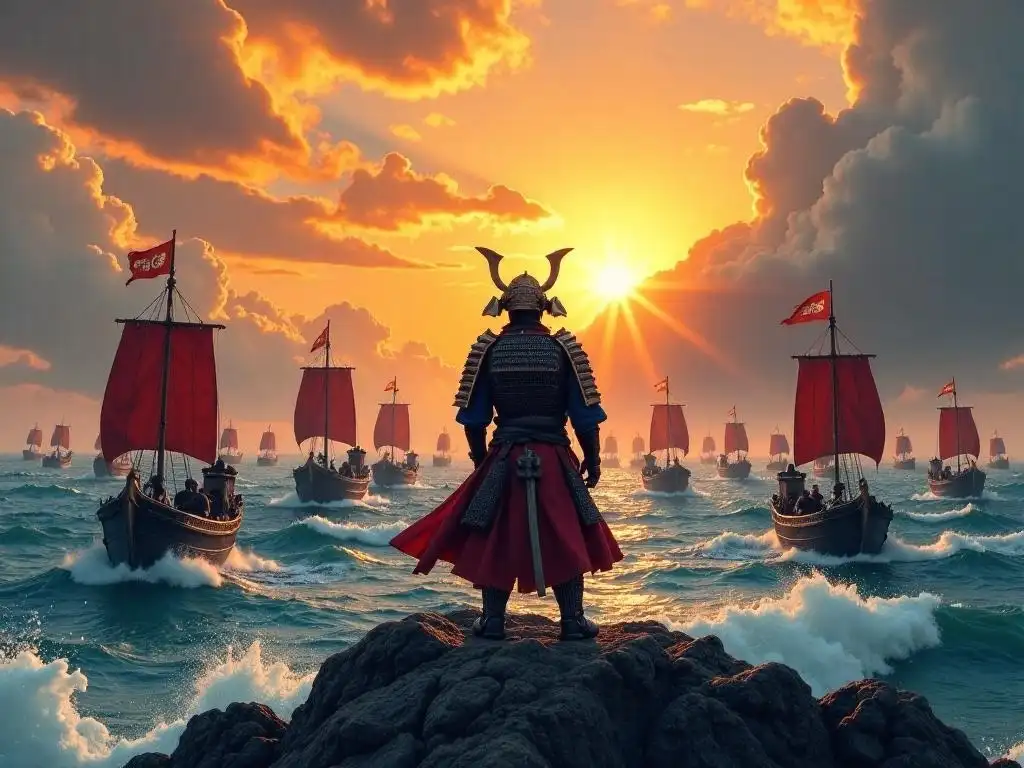
Welcome to Feudal Japan History! Dive into the captivating world of Samurai naval warfare strategies, where the art of battle transcends land and ventures into the vast seas. In our feature article, "Naval Warfare in the Age of the Samurai: Sea Battles and Strategies," we unravel the intricate tactics and fierce encounters that defined this remarkable period.
Prepare to embark on a journey through the waves of history, where each strategy reveals not just military prowess but also the rich cultural tapestry of feudal Japan. Curiosity piqued? Let’s set sail into the depths of Samurai lore and discover the secrets of the sea!
The age of the samurai is often romanticized for its land battles, heroic warriors, and elaborate codes of honor. However, an equally significant aspect of this era is the development of naval warfare—an arena where strategies, tactics, and technology evolved to meet the challenges of sea combat. Samurai naval warfare strategies played a crucial role in shaping Japan's military landscape, allowing for the projection of power across the archipelago and beyond. This article delves into the intricate world of naval engagements during the feudal era, exploring how samurai adapted their fighting techniques to the unique demands of maritime conflict.
Overview of the Feudal Era and its Naval Context
The feudal era in Japan, spanning from the late 12th century to the early 17th century, was marked by a series of power struggles among regional warlords, or daimyo. With the establishment of the Kamakura shogunate in 1185, the samurai class emerged as the dominant military force. While the focus often rested on land-based battles, control of the seas became increasingly vital as trade routes expanded and foreign threats emerged.
Naval warfare in Japan was not merely a complement to land battles; it became an essential component of military strategy. The construction of ships, the development of naval tactics, and the understanding of maritime geography were all critical elements that samurai leaders had to master.
Importance of Naval Power in Feudal Japan
Naval power during the feudal era was not just about dominating the waters; it was a strategic necessity that influenced trade, communication, and territorial expansion. Control of the seas enabled daimyos to:
- Protect their domains from invasions.
- Facilitate trade with other regions, thus boosting their economies.
- Project military power to neighboring islands and territories.
The ability to secure coastal areas and maintain supply lines often determined the success or failure of a clan. As a result, naval battles became significant events that could sway the balance of power in feudal Japan.
Early Naval Conflicts and Influences
The roots of naval warfare in Japan can be traced back to ancient times, with early conflicts such as the Genpei War (1180-1185) showcasing the importance of naval engagements. The Minamoto and Taira clans utilized ships for raids and troop transport, setting a precedent for future naval tactics.
Furthermore, Japan's interactions with neighboring cultures, including the Chinese and the Koreans, introduced new naval technologies and strategies. The incorporation of Chinese shipbuilding techniques and naval artillery would later influence Japanese maritime warfare, leading to more sophisticated battles.
The Rise of the Samurai Class and Their Impact on Naval Strategies
With the rise of the samurai class, naval warfare underwent a transformation. The samurai, known for their martial prowess and strict code of ethics, adapted their land-based strategies to the sea.
Key developments included:
- The introduction of boarding tactics, where warriors would engage directly in combat on enemy ships.
- The use of longships and larger vessels capable of carrying more troops and supplies.
- Strategic alliances among clans that allowed for coordinated naval operations.
These adaptations not only enhanced the effectiveness of samurai naval warfare strategies but also solidified the samurai's role as formidable naval commanders, capable of executing complex maneuvers and leading their forces to victory on the waves.
The strategies employed by samurai during naval warfare were influenced by their land-based combat experiences, adapting traditional tactics to the unique challenges of maritime conflict. Key strategies included:
- Ambush Tactics: Samurai often used the element of surprise to their advantage, employing hidden vessels to launch surprise attacks on enemy ships. This tactic was particularly effective in the narrow straits and coastal waters where visibility was limited.
- Boarding Actions: The boarding of enemy ships was a common strategy, allowing samurai warriors to engage in hand-to-hand combat, where their martial skills could shine. Once aboard, they aimed to overpower the enemy crew and seize control of the vessel.
- Ramming and Grappling: Ships were often designed with reinforced bows for ramming enemy vessels. Grappling hooks were used to secure enemy ships, facilitating boarding and enabling the samurai to close the distance in battle.
- Use of Fire: Fire ships, vessels deliberately set ablaze and sent towards enemy fleets, were employed to cause chaos and destruction. This tactic exploited the flammable materials on ships, creating panic and disarray in the opposing fleet.
Tactical Approaches in Sea Battles
In sea battles, samurai commanders employed various tactical approaches that mirrored their land strategies yet adapted to the maritime environment. These included:
- Flanking Maneuvers: Similar to land warfare, flanking attacks were crucial in naval engagements. By outmaneuvering the enemy and attacking from the sides or behind, samurai could disrupt formations and create openings for decisive strikes.
- Divided Forces: Commanders often split their fleet into smaller groups to confuse the enemy. This allowed for coordinated attacks on multiple fronts, making it difficult for the opposition to respond effectively.
- Environmental Awareness: Samurai navigators made use of tides, wind, and weather conditions to gain an advantage. Knowledge of local waters allowed for strategic positioning and surprise assaults at opportune moments.
- Psychological Warfare: Fear and morale played significant roles in naval battles. The reputation of samurai warriors, combined with the intimidating presence of their ships, was used to demoralize opponents before engagements even began.
Use of Naval Vessels: Types and Design
Naval warfare in the age of the samurai featured a variety of ship types, each designed for specific combat roles. Key vessels included:
- Atakebune: These large, heavily armed ships were the mainstay of samurai fleets. With a high freeboard and reinforced hulls, they were designed for ramming and boarding actions.
- Tachibune: Smaller and faster than the atakebune, these vessels were used for reconnaissance and quick strikes. Their speed allowed for hit-and-run tactics, ideal for ambushes.
- Tsubasa-bune: These were smaller, agile boats often used for transporting troops and supplies. They played a critical role in logistics and could quickly maneuver in coastal waters.
- Fire Ships: As mentioned, these vessels were specially designed to be set ablaze and sent into enemy formations, creating chaos and destruction.
The design of these vessels reflected the engineering ingenuity of the time, with features such as shallow drafts for navigating coastal waters and oars for maneuverability when wind conditions were unfavorable.
Formation and Maneuvering Techniques in Samurai Naval Warfare
Formation and maneuvering techniques were vital for success in samurai naval engagements. Key methods included:
- Line Abreast Formation: This formation involved ships sailing parallel to each other, maximizing firepower and creating a solid front against the enemy. It allowed for concentrated attacks on specific targets.
- Column Formation: Ideal for advancing towards an enemy, this formation was useful for ramming tactics and maintaining a strong front. It also facilitated easier navigation in tighter waters.
- Circle Formation: Used in defensive scenarios, this formation allowed ships to protect one another while engaging the enemy. It created a formidable barrier against attacks, particularly from boarding actions.
- Rapid Maneuvering: Samurai commanders emphasized quick changes in direction and speed to evade enemy attacks and reposition for more advantageous angles. This adaptability was crucial in the chaotic environment of sea battles.
Naval battles during the samurai era were pivotal in shaping Japan’s maritime history, with several engagements marking significant turning points.
The Battle of Dan-no-ura: A Turning Point in Maritime History
The Battle of Dan-no-ura, fought in 1185, was a decisive conflict that ended the Genpei War between the Taira and Minamoto clans.
- Context: The battle took place in the Inland Sea and was characterized by fierce fighting, where both clans deployed their naval forces strategically. The Minamoto employed superior tactics and discipline, leveraging their knowledge of the local waters.
- Outcome: The defeat of the Taira clan led to the establishment of the Kamakura shogunate, marking the beginning of the samurai's dominance in Japan. This battle highlighted the importance of naval power in feudal Japan and set a precedent for future maritime conflicts.
The Battle of Kōan: Strategies and Outcomes
The Battle of Kōan in 1281 was part of the Mongol invasions of Japan and showcased the effectiveness of samurai naval strategies against a formidable foe.
- Tactics: Samurai forces utilized their knowledge of the seas to effectively repel the Mongol fleet, employing hit-and-run tactics and ambushes. The Japanese ships, built for agility, could outmaneuver the larger Mongol vessels.
- Significance: The defeat of the Mongols not only preserved Japanese sovereignty but also solidified the samurai's reputation as formidable naval warriors. This battle reinforced the belief in divine protection, as many attributed the Mongol failure to storms that battered their fleet, known as "kamikaze" or divine winds.
Other Notable Naval Engagements in the Feudal Era
Several other naval battles also played crucial roles in the development of samurai naval warfare strategies:
- The Battle of Fukuda (1180): This early engagement saw the Minamoto clan trying to gain supremacy over the Taira. The tactical lessons learned here laid the groundwork for future samurai naval engagements.
- The Battle of Hirado (1600): Fought during the transition to the early modern period, this battle involved the Dutch and Japanese fleets. It illustrated the evolution of naval warfare strategies, integrating Western naval technologies.
- The Battle of Hōgen (1156): Although primarily a land battle, its implications for naval engagements were significant, as it demonstrated the need for coordinated land and sea strategies among the samurai clans.
These battles not only shaped the course of Japanese history but also illustrated the evolution of samurai naval warfare strategies, blending traditional tactics with the realities of maritime combat.
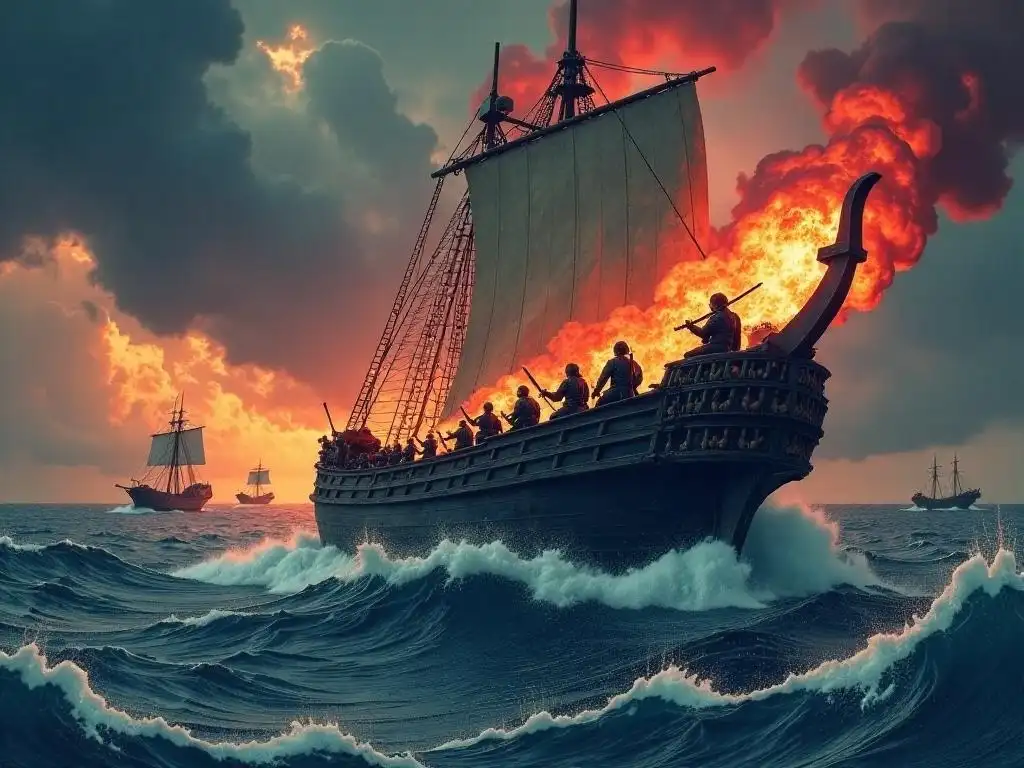
The evolution of technology played a crucial role in shaping the strategies and outcomes of naval warfare during the Samurai era. As Japan transitioned from the Heian period to the Kamakura and Muromachi periods, advancements in shipbuilding and weaponry significantly impacted naval engagements. The introduction of new materials and construction techniques allowed for the creation of larger, more maneuverable vessels capable of engaging in complex maritime combat.
Moreover, innovations in weaponry, including the development of specialized naval arms and tactics, transformed how battles were fought at sea. Samurai warriors adapted their combat techniques for naval engagements, employing a combination of traditional martial skills and newly developed strategies tailored for the unique challenges of maritime warfare. These technological advancements not only enhanced the effectiveness of naval forces but also influenced the broader military strategies of the time.
Shipbuilding Innovations During the Samurai Period
Shipbuilding during the Samurai period saw remarkable advancements, leading to the construction of diverse vessels suited for various naval operations. The typical Japanese warship, known as the atakebune, was characterized by its flat bottom, which allowed for stability in shallow waters, and its high sides, providing protection from enemy archers. These ships were often equipped with multiple sails, enhancing speed and maneuverability, which were critical in naval battles.
The use of kaisen, a type of cargo ship, became prevalent as well, as they were repurposed for military engagements. Their large size allowed for the transportation of troops and supplies, while also serving as platforms for naval artillery. Over time, shipbuilders also began to experiment with different hull designs and materials, incorporating iron and other metals to reinforce structures, thus improving durability and combat efficacy.
Weaponry and Combat Techniques Utilized at Sea
Naval warfare during the Samurai era involved a unique blend of weaponry and combat techniques tailored for the maritime environment. Samurai warriors utilized traditional weapons such as katana and yari (spear) during boarding actions, while archers employed yumi (longbows) to target enemy vessels from a distance. The introduction of matchlock firearms in the late 16th century further revolutionized naval engagements, allowing for more devastating firepower.
Combat techniques at sea also emphasized the importance of maneuverability and positioning. Tactics such as flanking maneuvers, where vessels would attempt to outmaneuver enemy ships to gain a tactical advantage, became crucial. Additionally, boarding enemy vessels was a common strategy, requiring close-quarters combat skills and coordination among crew members. These approaches not only highlighted the martial prowess of the samurai but also underscored the significance of teamwork in naval operations.
Naval warfare had profound cultural and societal implications during the age of the samurai, influencing not only military strategies but also the collective identity of the samurai class. The experiences and narratives of naval battles contributed to the evolving notion of honor and bravery among samurai warriors, shaping their reputation as formidable fighters both on land and sea.
The significance of maritime engagements extended beyond the battlefield, as they fostered a sense of unity and nationalism among various clans. Successful naval campaigns often led to increased territorial control and access to trade routes, further embedding the importance of naval power in the socio-political landscape of feudal Japan.
The Influence of Sea Battles on Samurai Culture
The impact of sea battles on samurai culture is evident in the way these confrontations were romanticized and memorialized in various forms of art and literature. The valor displayed by samurai during naval conflicts became a source of inspiration, contributing to the development of a warrior ethos that celebrated bravery and sacrifice.
Notable battles, such as the Battle of Dan-no-ura in 1185, became legendary, encapsulating the essence of samurai honor. These tales were often recounted in theatrical performances, literature, and poetry, serving to reinforce the cultural significance of naval warfare. The stories of heroism and tragedy in these naval battles fostered a collective memory that shaped the identity of the samurai class for generations.
Naval Warfare in Literature and Folklore
Naval warfare has also left a lasting imprint on Japanese literature and folklore, where it is often depicted as a battleground of honor and valor. Traditional plays, such as Noh and Kabuki, frequently portray naval conflicts, showcasing the heroism of samurai and their struggles against formidable foes. Through these artistic expressions, the themes of loyalty, betrayal, and sacrifice are explored, reflecting the complex nature of samurai identity in the context of naval engagement.
Folklore also plays a significant role in preserving the narratives of naval battles. Stories of mythical sea creatures and legendary samurai who fought on the waves have been passed down through generations, intertwining historical events with fantastical elements. These tales not only entertain but also serve as vehicles for moral lessons and cultural values, emphasizing the importance of courage and honor in the face of adversity.
The intersection of naval warfare with cultural and societal elements during the Samurai era highlights the enduring legacy of maritime conflict in shaping Japan's historical narrative and the samurai ethos. Through technological innovations, combat strategies, and a rich tapestry of literature and folklore, the significance of samurai naval warfare continues to resonate in Japanese culture today.
The legacy of samurai naval warfare strategies is profound, influencing not only the course of Japan's military history but also shaping the cultural identity of the nation. The adaptability and innovative tactics employed by samurai commanders during naval engagements laid the groundwork for future maritime practices. These strategies emphasized the importance of mobility, intelligence, and the effective use of available resources, which are principles that resonate in modern naval operations. Furthermore, the samurai's emphasis on honor and loyalty continues to permeate Japan's maritime ethos, fostering a sense of duty and pride among contemporary naval forces.
As we reflect on the samurai's naval engagements, it's important to recognize how these historical practices have evolved. The transition from traditional wooden ships to modern naval vessels reflects not just technological advancement but also a shift in strategic thinking. The lessons learned from past naval battles are still pertinent today, as Japan navigates its role in regional and global maritime security. The samurai's legacy, therefore, not only enriches our understanding of Japan's feudal era but also provides insights into the ongoing evolution of its naval strategies.
Lasting Effects on Modern Japanese Maritime Practices
The strategies and tactics developed during the age of samurai naval warfare have had lasting effects on modern Japanese maritime practices. The integration of strategic planning and adaptability seen in samurai warfare continues to be a hallmark of Japan's naval doctrine. Modern Japanese maritime forces have inherited the principles of agility and readiness, focusing on rapid response capabilities in the face of evolving threats.
Moreover, the samurai’s emphasis on training and discipline is mirrored in the rigorous training programs for contemporary naval personnel. Just as samurai warriors trained extensively in various combat techniques, today's naval forces engage in comprehensive exercises that simulate complex maritime scenarios. This commitment to excellence ensures that Japan’s naval capabilities remain robust and effective, capable of responding to both regional and global maritime challenges.
Reflection on the Evolution of Naval Warfare in Japan
The evolution of naval warfare in Japan reflects a dynamic interplay between tradition and modernization. While the tactics of the samurai era were characterized by direct engagement and the use of traditional vessels, the advent of new technologies has transformed naval warfare into a multifaceted domain. The introduction of steam power, advanced weaponry, and modern naval architecture has shifted the focus from pure combat to strategic deterrence and maritime security.
As naval warfare has evolved, so too have the strategies employed by Japan's maritime forces. The integration of joint operations with allied forces, enhanced intelligence capabilities, and the adoption of advanced technologies showcase a departure from the singular approaches of the past. However, the foundational principles established during the samurai era, such as the importance of strategy, leadership, and the moral dimensions of warfare, continue to influence the philosophy behind Japan's naval operations today.
Suggested Books and Articles for In-Depth Study
-
"Samurai Warfare: The Book of Five Rings" by Miyamoto Musashi
This classic text not only explores the martial philosophies of the samurai but also delves into the strategic aspects of warfare, including naval engagements.
-
"Warriors of Japan as Portrayed in the War Tales" by John T. Carpenter
This book provides insights into the narratives surrounding samurai warriors, including their roles in naval battles.
-
"The Sea and Samurai: The Naval History of Japan" by David C. Houghton
An in-depth exploration of Japan’s naval history, highlighting the contributions and strategies of samurai during maritime conflicts.
-
"The Samurai and the Sea: Maritime Warfare in Japan" by Richard T. G. Hughes
This article analyzes the evolution of naval warfare in Japan and the impact of samurai strategies on maritime practices.
Online Resources for Exploring Feudal Japanese Naval History
-
The Japanese Maritime Self-Defense Force (JMSDF)
The official website offers historical insights and resources related to Japan’s naval history.
-
The Samurai Archives
A valuable online repository for articles and discussions regarding samurai warfare, including naval strategies.
-
National Diet Library of Japan
Access a wealth of historical documents and publications related to Japan's military history, including samurai naval warfare.
-
Japan's National Museum of Nature and Science
This museum features exhibits that explore the maritime history of Japan, including the role of samurai in naval battles.
These resources provide a comprehensive overview and further context for those interested in delving deeper into the intricacies of samurai naval warfare strategies and their lasting impact on Japanese maritime practices.
- Introduction to Samurai Naval Warfare Strategies
- Historical Background of Naval Warfare in Japan
- Key Samurai Naval Warfare Strategies
- Significant Naval Battles of the Samurai Era
- The Role of Technology in Samurai Naval Warfare
- Cultural and Societal Impacts of Naval Warfare
- Conclusion: The Legacy of Samurai Naval Warfare Strategies
- References and Further Reading on Samurai Naval Warfare Strategies
- What were the primary naval warfare strategies used by the Samurai?
- How did cultural aspects influence naval tactics during the feudal era in Japan?
- What role did ship design play in Samurai naval warfare?
- How did political alliances affect naval battles during the feudal period?
- Were there any significant sea battles that defined Samurai naval warfare?
Frequently Asked Questions
The Samurai utilized a combination of hit-and-run tactics and flanking maneuvers to outmaneuver larger fleets, often leveraging their knowledge of local waters to gain strategic advantages.
Cultural aspects, including the Bushido code, emphasized honor and bravery, which influenced Samurai to engage in battles that showcased their martial prowess, often prioritizing skill over sheer numbers.
Ship design was crucial, with Samurai fleets using light, swift vessels that allowed for greater maneuverability in combat, enabling them to execute their strategies effectively against heavier opponents.
Political alliances often dictated the composition of fleets, with Samurai clans forming coalitions that could enhance their naval capabilities, leading to larger and more formidable naval engagements.
Yes, notable sea battles, such as the Battle of Dan-no-ura, were pivotal in shaping Samurai naval strategies, showcasing the importance of naval power in securing territorial dominance during the feudal era.
The exploration of samurai naval warfare strategies reveals a profound connection between historical tactics and contemporary maritime conflicts. As we navigate an increasingly complex global landscape, the lessons learned from the age of the samurai remain strikingly relevant. The strategic ingenuity displayed in these sea battles not only shaped the course of Japanese history but also offers timeless insights into the art of warfare that resonate even today.
The influence of samurai naval warfare extends beyond mere tactics; it embodies a cultural ethos that values honor, discipline, and adaptability. The principles that guided these warriors in their naval engagements continue to inspire modern military strategies and even civilian leadership. As noted by historian John W. Hall, The samurai's ability to adapt and innovate in the face of adversity is a lesson that transcends time and culture.
This ongoing relevance invites us to reflect on how the samurai spirit can inform our own approaches to challenges in various aspects of life.
As we close this exploration of samurai naval warfare strategies, I invite you to consider how these historical lessons can be applied in your own journey. Reflect on the principles of adaptability, honor, and strategic thinking that defined the samurai. In a world that often demands quick responses and innovative solutions, let the legacy of these warriors inspire you to navigate your challenges with courage and wisdom. Embrace the lessons of the past as you forge your path into the future.
Thank you for diving into the fascinating world of naval warfare during the age of the Samurai! Your curiosity about these powerful sea battles and strategies enriches our understanding of Feudal Japan. Now, let’s take it a step further and embrace the lessons of **tenacity** and **strategy** that these warriors exemplified.
Here are some actionable steps you can take right now:
- Dive deeper: Explore additional resources on our website to uncover more about specific battles, key figures, and naval tactics from this enthralling era.
- Join the conversation: Share your thoughts on our social media platforms or engage with fellow history enthusiasts in the comments below. What surprised you the most about Samurai naval tactics?
- Recreate history: Try a hands-on activity by crafting a model ship that represents the vessels used during the Samurai era. It’s a fun way to connect with history while igniting your creativity!
What aspect of Samurai naval warfare intrigues you the most, and how can their strategies inspire us in tackling modern-day challenges?